
Madison Square Garden Breach: What the Latest Security News Means for You
The Madison Square Garden Data Breach: What We Know The recent security breach involving Madison Square Garden (MSG) serves as a stark…


The genesis of this legal confrontation is rooted in a fundamental challenge that has long plagued rural economies across the African continent: the “last mile” problem in agricultural logistics. For smallholder farmers, moving produce from remote fields to bustling markets is often an arduous, expensive, and unreliable endeavor. Traditional internal combustion vehicles are frequently too costly to purchase, prohibitively expensive to maintain, and reliant on fuel supply chains that rarely reach deep into rural hinterlands. The vision behind this three-wheeled electric vehicle was not to compete with automotive giants in the luxury or commuter market, but to provide a rugged, low-maintenance, and cost-effective utility tool specifically engineered to navigate unpaved, uneven terrain while carrying significant heavy loads.
Engineers behind the project recognized that for an electric vehicle to succeed in this environment, it had to prioritize simplicity and durability over complex electronic features. By focusing on a modular three-wheeled design, the developers created a machine that offered the stability required for hauling crops while maintaining the maneuverability needed for narrow village paths. This specific configuration allowed for a lower price point than four-wheeled alternatives, effectively bridging the gap between animal-drawn carts and expensive pickup trucks. For the farmers intended to use this technology, the vehicle represented more than just a piece of machinery; it was a pathway to increased economic autonomy, allowing them to bring fresher produce to market with significantly reduced transportation overhead.

The original framework of the project was built on a foundation of collaborative innovation, intended to leverage global engineering expertise to solve a localized, humanitarian-driven problem. Proponents of the design argued that by utilizing regenerative braking and swappable battery packs, the vehicle could operate independently of centralized power grids, which are often sporadic in rural regions. The design philosophy centered on “frugal innovation”—the practice of creating high-quality, high-utility tools by stripping away unnecessary complexity. This approach made the technology both reparable by local mechanics and accessible to cooperatives that might pool their resources to acquire a fleet.
The true value of this technology lies not in its speed or aesthetic appeal, but in its ability to democratize access to the market, turning an isolated plot of land into a viable commercial enterprise.
Ultimately, the creators viewed their electric tricycle as a critical piece of infrastructure, akin to a bridge or a well, capable of catalyzing sustainable growth within vulnerable supply chains. Because the design addressed the specific weight-bearing requirements of agricultural transport while remaining environmentally conscious, it garnered attention for its potential to replace the polluting, inefficient transport methods currently in use. This high-utility focus is precisely what made the design so attractive to larger entities, and it is the alleged misappropriation of this specific, transformative engineering breakthrough that now sits at the heart of a complex federal dispute.

At the heart of the litigation in California lies a narrative that transforms a seemingly altruistic partnership into a battleground for corporate ethics and trade secret protection. The plaintiffs contend that what began as a collaborative outreach effort was, in reality, a sophisticated mechanism for Toyota’s philanthropic division to gain unfettered access to sensitive, proprietary electric vehicle architecture. According to the court filings, the smaller firm shared comprehensive technical schematics and proprietary software logic under the assumption of a good-faith partnership aimed at sustainable mobility solutions. Instead of a mutually beneficial exchange, the lawsuit alleges that this information was funneled directly into Toyota’s internal R&D departments, effectively bypassing the rigorous and costly process of independent innovation.
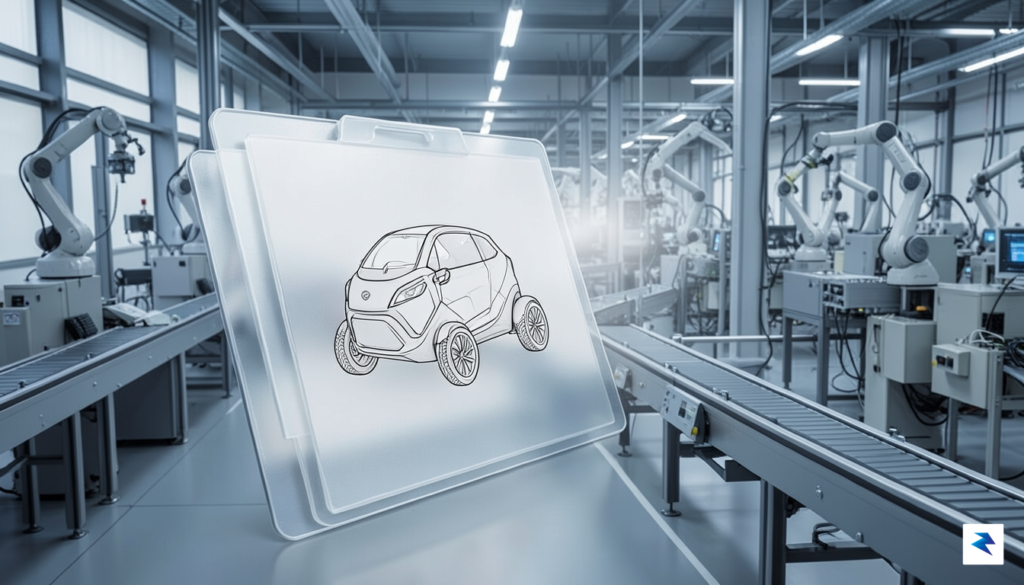
The plaintiffs have meticulously outlined a timeline of events that suggests the philanthropic arm functioned less as a charitable body and more as a reconnaissance unit for the automotive giant. By positioning the interaction under the umbrella of social good and charitable aid, the defendants allegedly created a lower-friction environment where the plaintiffs felt compelled to disclose deep-level technical secrets. The core of the accusation is that this disclosure was never meant to be exploited commercially by the receiving party; however, the subsequent development of Toyota’s own three-wheeled mobility projects allegedly mirrors the unique, patented innovations shared during these confidential meetings. This creates a significant legal distinction between a failed collaborative effort and the deliberate, calculated theft of intellectual property.
The lawsuit posits that the defendants utilized the “charity” label to bypass standard non-disclosure safeguards, effectively weaponizing the plaintiffs’ trust to acquire proprietary trade secrets for the development of competitive products.
Furthermore, the legal documents highlight specific instances where technical documentation—including proprietary battery management systems and chassis geometry—was allegedly transferred to internal engineering teams that were not part of the philanthropic project. This breach of trust forms the bedrock of the plaintiffs’ argument: that the collaboration was a pretext for corporate espionage. While Toyota maintains that its developments are the result of independent engineering excellence, the plaintiffs argue that the timing of these internal milestones coincides too perfectly with the disclosure of their own protected data. Consequently, the court must now determine whether these actions represent a standard gray area in corporate cooperation or a blatant violation of federal intellectual property laws designed to protect small-scale innovators from the sheer reach of global manufacturing conglomerates.

At the heart of the current legal battle lies the fundamental tension between the ethos of open innovation and the rigid necessity of intellectual property protection. For a behemoth like Toyota, which operates across dozens of countries and manages thousands of proprietary patents, the process of vetting external ideas is a monumental task that requires high levels of internal scrutiny. When the company engages with smaller inventors or startups—particularly within the context of humanitarian or sustainability-focused initiatives—it must walk a precarious tightrope. On one side, there is the desire to foster collaborative progress for the greater good; on the other, there is the corporate mandate to maintain a firewall between philanthropic brainstorming and the rigorous, highly guarded engineering processes that define their commercial vehicle production.

Toyota’s response to the allegations underscores the inherent risks that global corporations face when navigating these cross-pollinated environments. The automaker maintains that their development processes are strictly siloed, designed specifically to prevent the accidental appropriation of outside intellectual property during the exploratory phases of project research. From their perspective, the complexity of modern automotive engineering means that multiple teams may arrive at similar technical conclusions independently, a phenomenon that often leads to misunderstandings regarding the origin of specific design elements. In their defense, Toyota emphasizes that their internal engineering milestones are documented with exhaustive precision, creating a paper trail intended to demonstrate that their designs are the result of years of institutional investment rather than the misappropriation of external concepts.
The challenge for any large-scale manufacturer is ensuring that the spirit of open collaboration does not inadvertently invite legal vulnerability. Protecting proprietary innovation is not merely about hoarding secrets, but about maintaining the integrity of an R&D pipeline that relies on thousands of interconnected, legally vetted breakthroughs.
Ultimately, this litigation highlights the growing pains of a new era of collaborative development, where the lines between academic research, humanitarian invention, and commercial product development become increasingly blurred. Small-scale innovators often feel that their contributions are swallowed by corporate giants, while large corporations argue that their rigorous legal frameworks are the only things standing between them and endless, meritless litigation. As the court proceedings unfold, the focus will likely remain on whether Toyota’s internal protocols were robust enough to protect the rights of the smaller inventor, or if the sheer scale of the automotive conglomerate effectively obscured the origin of the technology in question. This case serves as a stark reminder that in the high-stakes world of electric vehicle innovation, the path from a garage-built prototype to a mass-produced vehicle is fraught with more than just engineering hurdles; it is a landscape defined by significant legal and ethical complexity.


The legal battle unfolding between independent inventors and a titan like Toyota serves as a profound cautionary tale regarding the fragility of intellectual property in the “tech-for-good” sector. When smaller innovators collaborate with multinational corporations on humanitarian or sustainability-focused projects, the power dynamic is often heavily skewed toward the entity with the deeper legal pockets. This case is currently functioning as a litmus test for how the industry handles the gray area between collaborative pilot programs and outright appropriation of proprietary technology. If the court finds that the automaker leveraged the inventor’s trust to bypass formal licensing agreements, it could fundamentally alter the landscape for how automotive giants engage with startups and independent engineers in the future.
Proving intellectual property theft across international borders remains one of the most formidable hurdles in modern commercial litigation. Inventors often face a daunting challenge when attempting to document the transfer of trade secrets during informal meetings or preliminary research phases, where non-disclosure agreements might be loosely interpreted. The legal complexities here are compounded when the technology in question is a compact, niche mobility solution that might appear to be a common engineering evolution rather than a stolen breakthrough. Historically, tech giants have navigated similar waters by claiming that their internal R&D teams reached identical conclusions independently, a defense strategy that shifts the burden of proof onto the plaintiff to demonstrate a direct chain of custody for their specific design schematics.
The outcome of this litigation will likely dictate whether independent inventors continue to share their life-saving or eco-friendly designs with corporate partners, or whether they retreat into a “closed-source” defensive posture to protect their livelihoods.
The long-term reputational risks for a brand like Toyota cannot be overstated. While the financial penalties of a court loss might be manageable for a global conglomerate, the “brand tax”—the erosion of consumer trust and the loss of credibility within the sustainability community—could be far more damaging. If the public perceives that a company is using its size to stifle innovation or undermine smaller, well-intentioned creators, it risks alienating the very demographic that prioritizes ethical corporate behavior. Moving forward, large corporations may find it necessary to implement more transparent, third-party audited collaboration frameworks to ensure that their pursuit of green technology does not come at the cost of their ethical standing. Such measures would not only protect the inventors but also provide a safer, more predictable environment for the rapid development of technologies aimed at global progress.

The legal battle unfolding around a humble 3-wheel electric vehicle extends far beyond the confines of a single courtroom, illuminating a much larger, systemic challenge in our globalized world. At its heart lies the persistent friction between robust corporate patent protection and the urgent, often humanitarian, need for sustainable technological solutions in developing markets. This dispute serves as a stark reminder of the ‘innovation gap’ that disproportionately affects the global south, where access to cutting-edge, environmentally friendly technologies is crucial for economic development, public health, and climate resilience, yet often remains out of reach due to intellectual property barriers and prohibitive costs.
Developing economies frequently face significant hurdles in fostering their own technological ecosystems, including limited research and development infrastructure, insufficient capital for investment, and a lack of access to critical knowledge. This disparity creates a cycle of dependency, where essential innovations, especially in areas like sustainable transportation, energy, and healthcare, are developed in wealthier nations but are not easily adaptable or affordable for local contexts. Restrictive intellectual property (IP) regimes, while designed to incentivize innovation, can inadvertently stifle local adaptation, reverse engineering for local needs, and the organic growth of indigenous industries, thereby widening the very gap they might otherwise help bridge through proper transfer mechanisms.
Therefore, a critical path forward involves reimagining how intellectual property is structured and shared, particularly when technologies address pressing humanitarian or developmental needs. Instead of solely relying on traditional, often exclusive, licensing models, we should explore more equitable frameworks. This could include the adoption of open-source models for essential technologies, tiered pricing strategies that reflect local economic realities, or the establishment of “patent pools” where multiple patentees agree to license their IP to third parties under fair and reasonable terms. Such collaborative approaches, ideally facilitated by international organizations and governments, prioritize societal benefit and widespread access, ensuring that life-changing innovations can reach those who need them most without becoming entangled in endless legal battles or unaffordable price tags.
Furthermore, the role of corporate social responsibility (CSR) in this context cannot be overstated. Genuine CSR extends beyond philanthropic gestures; it encompasses transparent and ethical IP policies that foster equitable partnerships and facilitate genuine technology transfer. Corporations, especially automotive giants with global footprints, have a moral imperative to engage in clear communication, fair negotiation, and robust capacity building with local partners. By investing in local skills and infrastructure, and by adopting IP strategies that promote rather than impede access, companies can build long-term trust, gain invaluable market insights, and unlock sustainable growth opportunities in emerging markets, ultimately enhancing their global reputation as responsible corporate citizens.
The path forward for both visionary inventors and established industry leaders lies in fostering an environment of collaboration, rather than conflict. It requires a willingness to experiment with novel IP sharing models, to prioritize human development alongside commercial success, and to recognize the immense value in empowering local communities to adapt and innovate. By embracing transparency, nurturing local capabilities, and designing IP frameworks that are flexible and inclusive, we can collectively work towards a future where groundbreaking sustainable technologies are not just patented, but are effectively and ethically deployed to benefit all of humanity, bridging the innovation gap one responsible transfer at a time.
You must be logged in to post a comment.