
AI Slop: Why Automated Movies Are the Modern Direct-to-Video Cash Grab
The Evolution of the Direct-to-Video Model For decades, the direct-to-video (DTV) market functioned as a distinct ecosystem within the…
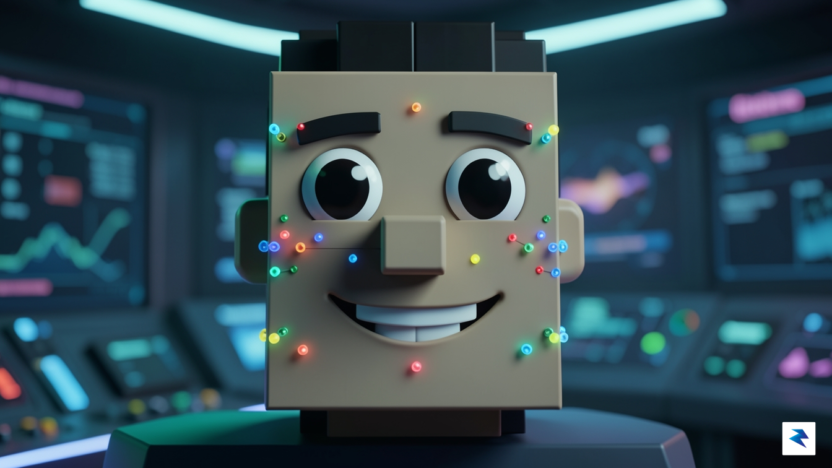
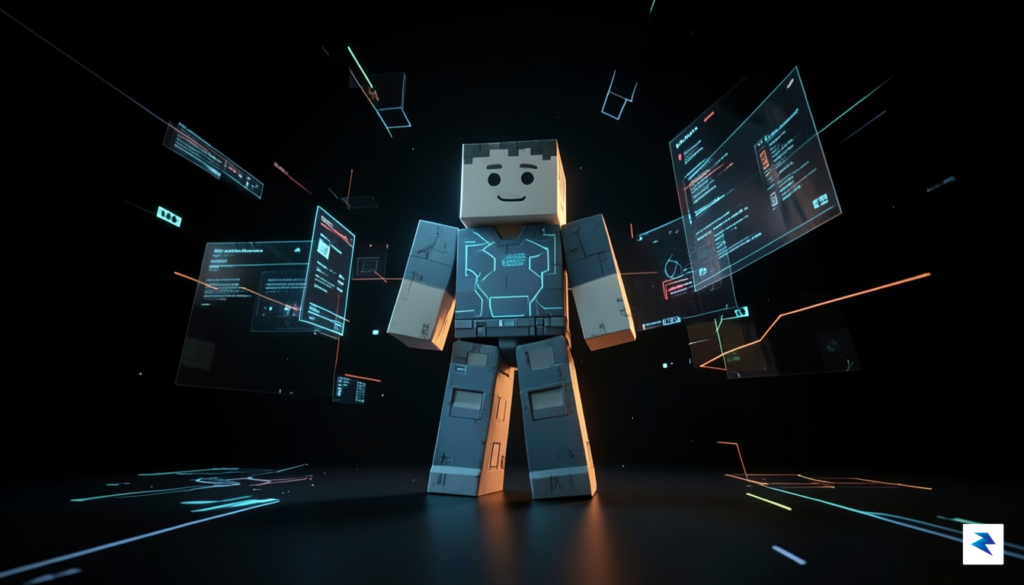
When Roblox first unveiled Connect in late 2023, it was positioned as a watershed moment for the metaverse. The feature promised to bridge the gap between digital avatars and human presence by leveraging sophisticated real-time motion capture technology. By utilizing a user’s device camera to map facial expressions and head movements directly onto their 3D character, Roblox aimed to inject a sense of nuance and emotional authenticity into virtual hangouts. For a platform defined by blocky aesthetics and imaginative world-building, this was a bold step toward a more grounded, interpersonal form of social interaction that went far beyond simple text-based chatting.
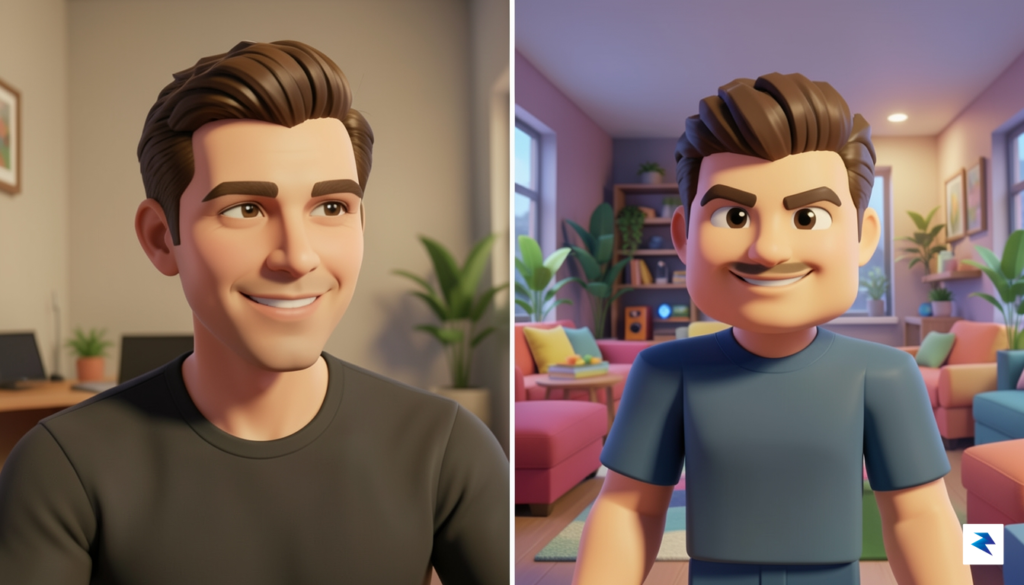
The underlying mechanics of the service were undeniably impressive, relying on advanced computer vision to translate physical gestures into fluid, low-latency animations. At the time of its debut, the technology was touted as a way to make digital communication feel more natural, allowing friends to convey laughter, surprise, or skepticism without the need for static emoticons or pre-set animations. It represented a significant technical investment from the company, signaling a clear intent to dominate the social space by making Roblox a primary destination for genuine, face-to-face virtual connection. The anticipation was palpable, as users and developers alike speculated on how this immersion would redefine the platform’s social ecosystem.
Despite the initial excitement, the platform recently announced that it would be sunsetting the Connect service, marking a quiet and somewhat abrupt end to a high-profile experiment. This decision reflects a broader strategic recalibration within the company as it reevaluates which features truly resonate with its massive, diverse user base. While the technology functioned as intended, it appeared to struggle with widespread adoption and the practical realities of daily usage within the Roblox environment. The shuttering of this feature suggests that, for many players, the friction of enabling high-fidelity motion capture did not necessarily enhance the core gameplay experience, leading the company to pivot its focus toward other areas of development.
The closure of Connect serves as a reminder that even the most technically advanced features must align with the organic social habits of a user base, rather than simply offering a novel way to interact.
Moving forward, this pivot indicates a shift away from specialized, hardware-dependent social features toward more universal improvements that benefit the entire ecosystem. Rather than doubling down on complex motion-tracking requirements, the company seems to be focusing on broader infrastructure updates that cater to its massive community’s desire for stability, performance, and cross-platform accessibility. While Roblox Connect was an ambitious attempt to push the boundaries of virtual identity, its departure marks a return to the platform’s roots, focusing on the core social mechanics that have made it a global phenomenon for over a decade.
At its core, Roblox Connect was a bold experiment in digital presence, attempting to bridge the gap between abstract avatars and genuine human expression. However, the feature faced significant friction from the moment it launched. One of the primary barriers was the inherent hardware requirement; for many younger players on mobile devices or low-end PCs, the constant camera processing needed for real-time facial tracking proved to be a heavy burden. This technical overhead often led to performance drops, making the feature feel like a gimmick rather than a seamless part of the gameplay experience. When a platform is built on the foundation of fast-paced, fluid interaction, any feature that introduces latency or technical instability is destined to struggle for daily relevance.
Beyond the technical hurdles, the feature also collided head-first with the uncanny valley. While the technology was undeniably impressive, watching a stylized, blocky Roblox character attempt to replicate the subtle nuances of human facial micro-expressions often felt more jarring than immersive. Users found that the disconnect between the platform’s signature aesthetic and the hyper-realistic movement of the avatars created a sense of visual dissonance. This psychological barrier made it difficult for players to treat the feature as a natural extension of themselves, ultimately keeping the experience confined to a novelty that users would try once before reverting to traditional communication methods.
Furthermore, the behavioral expectations of the Roblox community did not align with the intimate, one-on-one nature of video-linked chat. Roblox is fundamentally a social gaming platform driven by massive multiplayer interactions, high-energy obstacle courses, and chaotic role-playing sessions. In these fast-moving environments, stopping to engage in face-to-face video interaction felt disconnected from the loop of gameplay. Unlike platforms such as Discord or FaceTime, which are built specifically for focused conversation, Roblox Connect felt like an intrusive layer placed over a space where players were already occupied with competing or collaborating in game worlds.
The failure of this feature serves as a stark reminder that even the most advanced technology cannot force a change in user behavior if it doesn’t solve a genuine problem within the existing ecosystem.
Privacy concerns also played a significant role in limiting adoption among the platform’s core demographics. Parents and users alike were understandably cautious about the implications of sharing real-time facial data, even if that data was processed locally. In an era where digital safety is at the forefront of online gaming, the idea of linking a physical face to an anonymous avatar added a layer of apprehension that many were simply not willing to navigate. Ultimately, the feature failed not because it wasn’t innovative, but because it didn’t fit the specific cultural and functional rhythm that millions of players log in to experience every single day.
The history of digital interaction is defined by a persistent struggle to bridge the gap between our physical presence and our virtual proxies. From the blocky, static sprites of early 2000s social hubs to the high-fidelity, motion-captured characters of modern platforms, the goal has always been to make digital communication feel as intuitive as a face-to-face conversation. However, the industry has repeatedly discovered that hyper-realism does not always equate to a better user experience. While platforms have experimented with mirroring real-world facial expressions through sophisticated tracking, these attempts often clash with the core appeal of virtual worlds: the freedom to be someone—or something—else entirely.
This tension is often referred to as the Uncanny Valley of Socialization. When a game character perfectly mimics a user’s weary expression or nervous eye movements, it can inadvertently strip away the playful, imaginative armor that players wear in gaming spaces. Users often find that the abstraction provided by stylized avatars is actually more conducive to authentic connection than high-definition video translation. By choosing an avatar that represents an idealized or fantastical version of themselves, players feel a sense of psychological safety that allows for more open, creative social interaction. In many ways, the “low-fi” nature of emojis and canned animations remains the gold standard for social gaming, as these tools provide clear, intentional signals without the intrusive demands of live facial tracking.
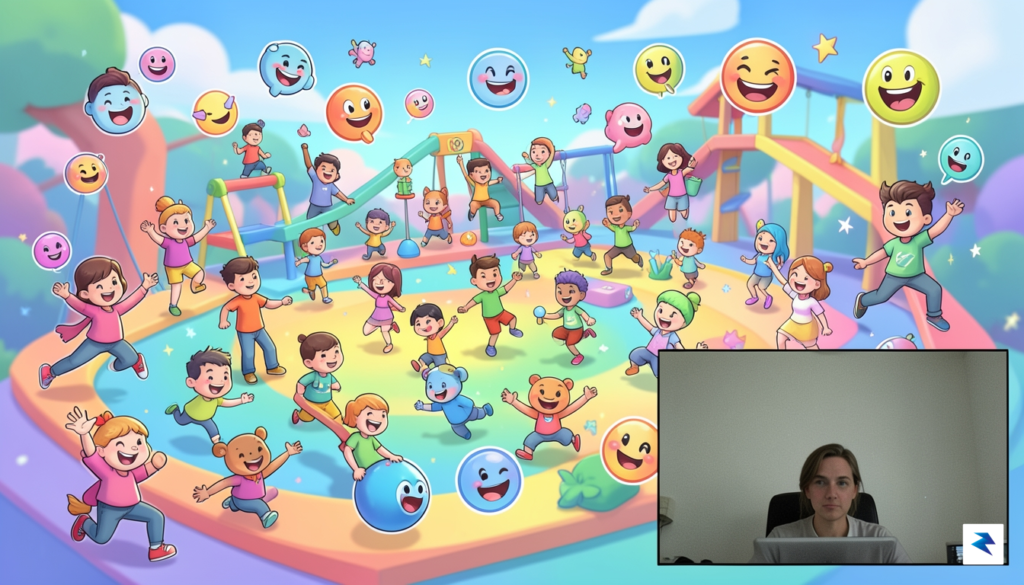
Other virtual worlds have found success by doubling down on these expressive, non-realistic systems. Platforms like VRChat and Rec Room have demonstrated that users prioritize the ability to customize their identity and utilize “body language” through emotes and gestures over literal facial mirroring. When a user chooses to wave, clap, or perform a custom dance, they are making a conscious social choice that feels deliberate and fun. This intentionality is frequently lost when a system automatically maps a webcam feed to an avatar’s face, which can often result in twitchy, distracting, or unintentionally aggressive expressions.
The most successful virtual social spaces prioritize player agency, allowing individuals to curate how they are perceived by others rather than forcing a direct, unfiltered translation of their physical reality.
Ultimately, the industry is at a crossroads where developers must decide if they are building tools for professional communication or spaces for creative play. As we move forward, the most engaging social experiences will likely be those that treat avatars as extensions of our personality rather than mere conduits for our biological data. By leaning into the playful, customizable nature of virtual representations, developers can foster communities where users feel comfortable expressing themselves without the pressure of being “on camera.” The lessons learned from recent experiments suggest that while the technology for advanced video-to-avatar translation is impressive, the human desire for a curated, imaginative digital presence will always take precedence in the world of gaming.

The decision to sunset Roblox Connect should not be viewed as a signal of platform stagnation or a retreat from innovation. Instead, it serves as a calculated strategic pivot, illustrating the company’s commitment to refining its vast ecosystem by trimming experimental features that failed to gain significant traction. In the hyper-competitive landscape of social gaming, resource allocation is paramount; by shifting focus away from standalone video chat experiments, Roblox is effectively doubling down on the core mechanics that actually drive long-term engagement and sustainable developer growth. This process of pruning is essential for a platform of this scale, ensuring that engineering talent and infrastructure bandwidth remain dedicated to the features that define the unique Roblox experience.
Looking ahead, this transition suggests that Roblox is moving toward a more integrated approach to social connectivity rather than isolated, experimental modules. The future of social interaction on the platform will likely be woven into the fabric of individual experiences themselves, rather than functioning as a disparate utility. By prioritizing the stability and scalability of their core engine, Roblox can better empower its creators to build more immersive, high-fidelity environments where social interaction happens naturally within the gameplay loop. Developers are the lifeblood of the ecosystem, and by streamlining the platform’s roadmap, Roblox provides a more predictable and robust foundation upon which creators can build the next generation of digital worlds.
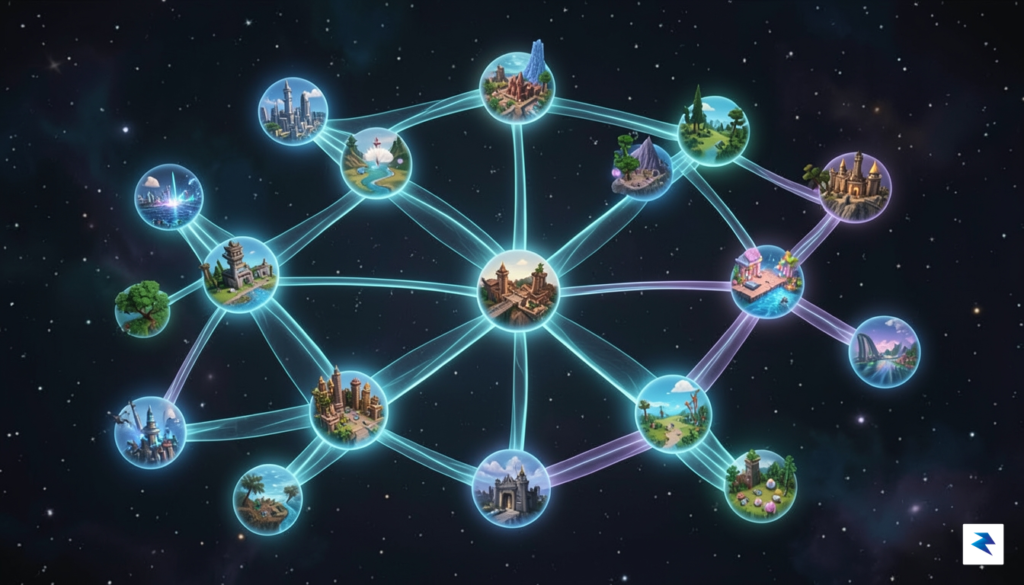
The evolution of a massive platform is rarely a straight line; it is a series of strategic refinements where the strength of the core experience is always the ultimate priority.
Ultimately, focusing on the core “experience” is the most prudent path for an ecosystem as expansive and diverse as Roblox. When a platform tries to be everything to everyone, it risks diluting the very elements that made it a household name in the first place. By streamlining their feature set, the company is demonstrating a mature understanding of their audience: users value consistency, performance, and the ability to interact within the specific worlds they love, rather than through secondary, bolted-on communication tools. This strategic consolidation ensures that the platform remains agile, capable of evolving at the speed of its community while maintaining the high standard of performance that millions of players expect every single day.
You must be logged in to post a comment.