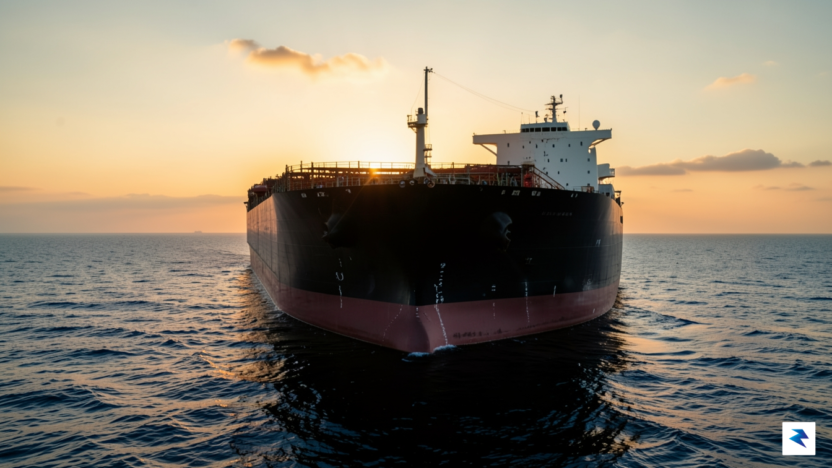
The Fragility of the Persian Gulf Oil Corridor
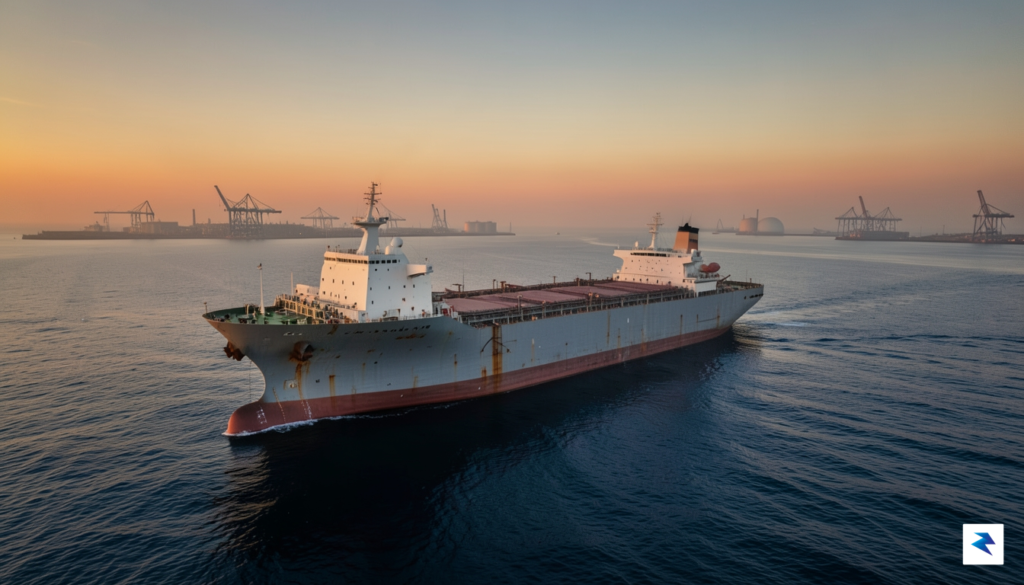
For decades, the Persian Gulf has functioned as the beating heart of the global energy economy, serving as the primary artery through which millions of barrels of crude oil flow to international markets daily. This narrow strip of water, and specifically the Strait of Hormuz, has long been viewed as the world’s most indispensable chokepoint. Historically, the global reliance on this route was underpinned by a tacit assumption of stability—a belief that the sheer necessity of oil exports would compel even the most adversarial regional actors to keep the lanes open. However, this long-standing stability has begun to erode, replaced by a climate of profound unpredictability that is forcing markets to confront the reality that safe access is no longer a guaranteed constant.
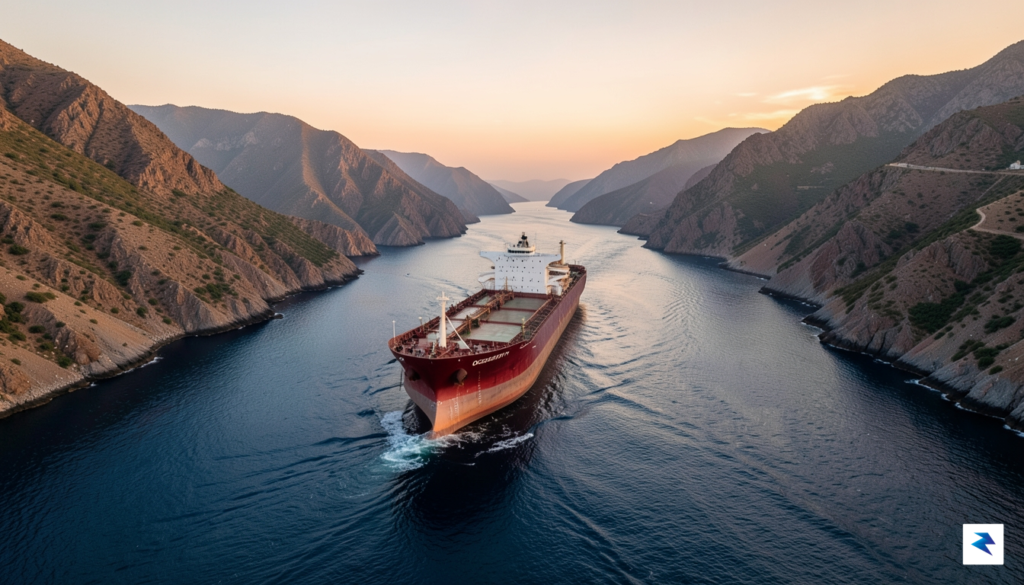
The strategic vulnerability of this region is defined by its geography; the Strait of Hormuz is barely 21 miles wide at its narrowest point, creating a bottleneck that concentrates global supply in a highly confined space. While this proximity has historically facilitated efficient transport, it now acts as a force multiplier for geopolitical friction. Recent naval incidents, including the detention of tankers and reports of maritime sabotage, have systematically dismantled the sense of security that once allowed commodity traders to operate with relative peace of mind. These events are not merely isolated maritime disputes; they represent a fundamental shift in how regional powers project influence, turning the movement of energy into a potent diplomatic and military lever.
The transition from a reliable global supply chain to a zone of active contention marks a generational shift in energy security, forcing producers and consumers alike to hedge against the possibility of sudden, prolonged interruptions.
Consequently, major energy producers are no longer viewing the Persian Gulf through the lens of perpetual, uninterrupted access. Instead, they are actively re-evaluating their risk exposure and logistics strategies in response to these mounting threats. The integration of modern naval aggression with traditional geopolitical posturing means that the oil market is now forced to price in a “risk premium” that reflects the potential for sudden disruption. As infrastructure security becomes increasingly tethered to the volatile shifting tides of regional politics, the global economy finds itself in a precarious position, waiting to see if this essential trade route can remain a viable corridor or if it will buckle under the weight of escalating regional tensions.
Geopolitical Flashpoints and Maritime Security Risks
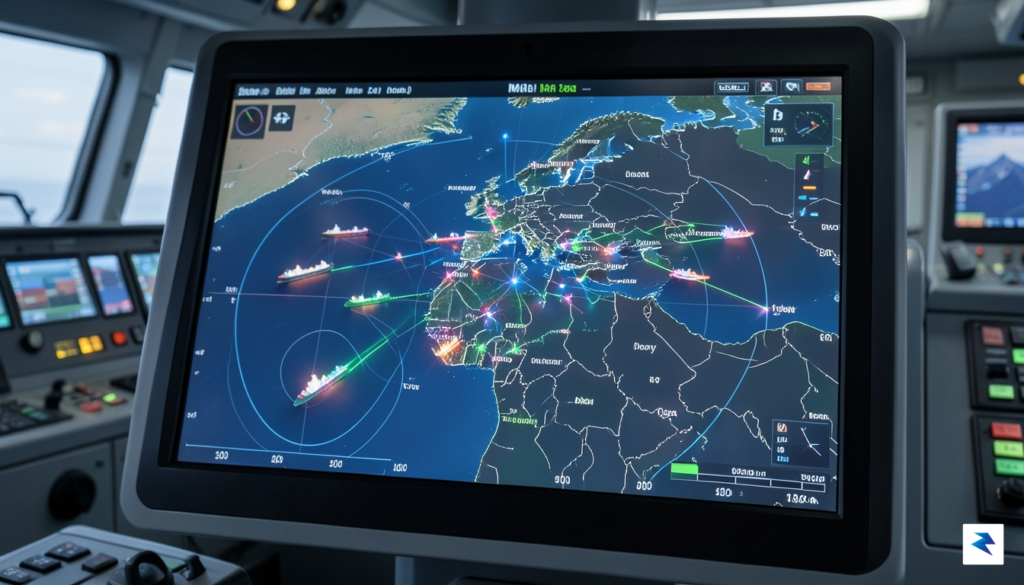
The security architecture of the Persian Gulf has shifted from a realm of diplomatic maneuvering to one defined by the immediate, physical vulnerability of critical maritime chokepoints. As regional tensions escalate, the Strait of Hormuz—the world’s most significant oil transit artery—has become a focal point for asymmetric warfare tactics. The deployment of sea mines, whether anchored or drifting, represents a low-cost, high-impact threat that can effectively paralyze the movement of supertankers overnight. Unlike traditional naval engagements, these hidden dangers do not require a massive fleet to be effective; even a single confirmed incident can force shipping companies to suspend operations, creating an immediate supply chain bottleneck that ripples through global energy markets.
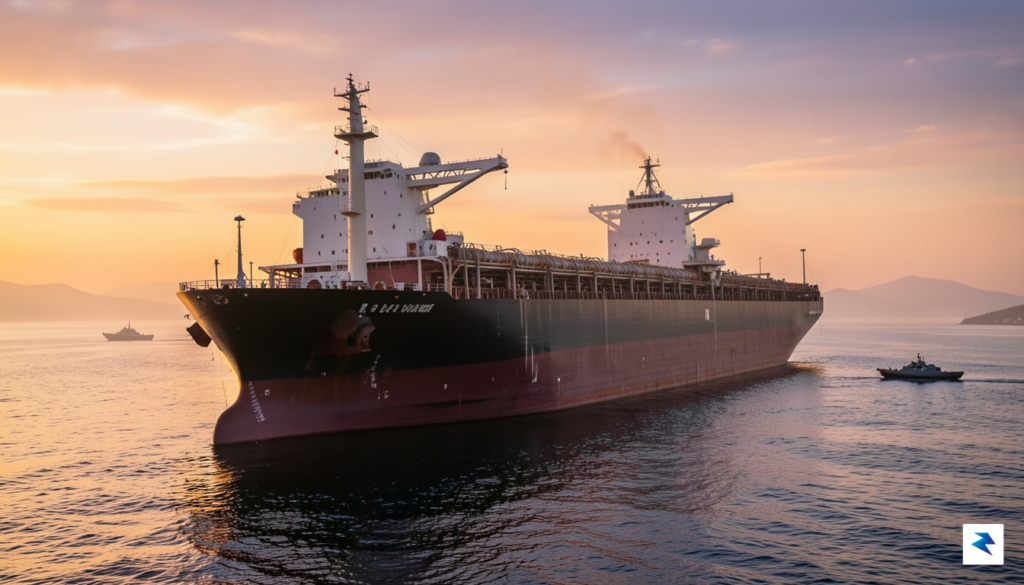
Beyond the immediate threat of mines, the strategic positioning of regional military forces has turned the Gulf into a high-stakes chessboard. The potential for a targeted naval blockade is no longer a theoretical exercise but a constant variable in the risk assessment models of major energy producers. When regional actors position missile batteries or fast-attack craft near narrow shipping lanes, they create a “denial of service” environment that forces transit companies to recalibrate their routes or pay exorbitant security premiums. This militarization is fundamentally altering the economics of the oil trade; it is no longer just about the cost of extraction, but the rising cost of ensuring that a barrel of oil can safely reach its destination.
The integration of maritime security into the core cost structure of oil exports means that volatility is now permanently priced into the market, regardless of global demand levels.
These heightened security risks manifest most tangibly in the soaring insurance premiums levied on shipping lines operating within the region. As insurers categorize the Gulf as a “high-risk” zone, the resulting premiums create a classic cost-push inflation scenario for the oil industry. These additional expenses are inevitably passed down the supply chain, inflating the price of energy for consumers and industrial buyers alike. For energy producers, this creates a state of perpetual vigilance where the margin of safety is razor-thin. Ultimately, the stability of the global oil supply is now tethered to the physical integrity of maritime infrastructure, making every disruption—or even the credible threat of one—a driver of market uncertainty that transcends traditional supply-and-demand dynamics.
The Logistical Pivot: Seeking Alternatives to the Strait of Hormuz
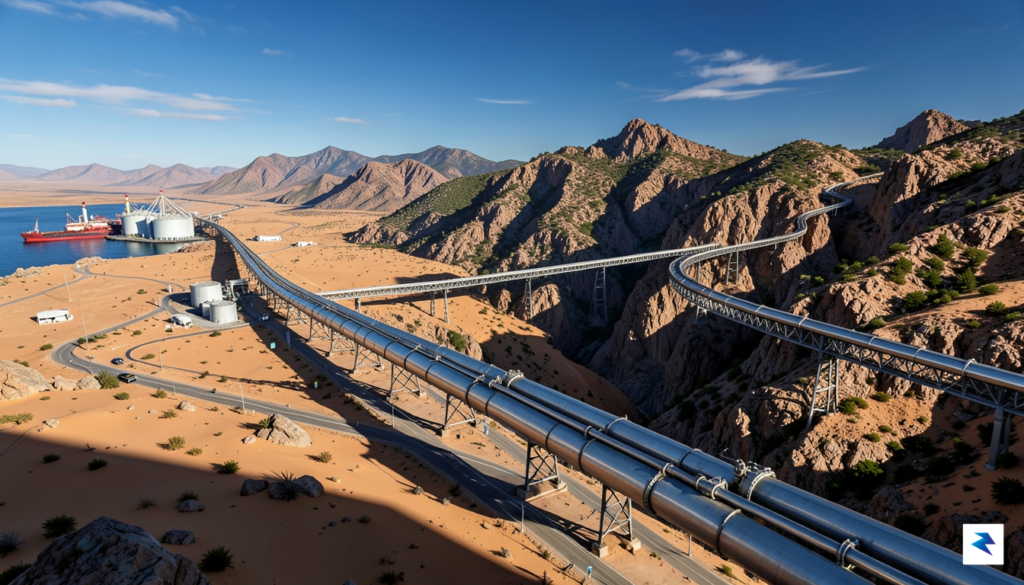
For decades, the Strait of Hormuz has functioned as the global economy’s most critical artery, serving as the primary maritime exit for the vast majority of Persian Gulf crude. However, as geopolitical tensions continue to oscillate between uneasy stalemates and overt hostility, the reliance on this narrow chokepoint has shifted from a manageable risk to a precarious liability. Major oil producers, once content to rely on the efficiency of supertankers, are now treating route diversification as an urgent operational imperative rather than a distant strategic ambition. This pivot is driving a renewed focus on land-based infrastructure designed to transport hydrocarbons directly to the Red Sea, effectively decoupling regional export capacity from the volatile waters of the Strait.
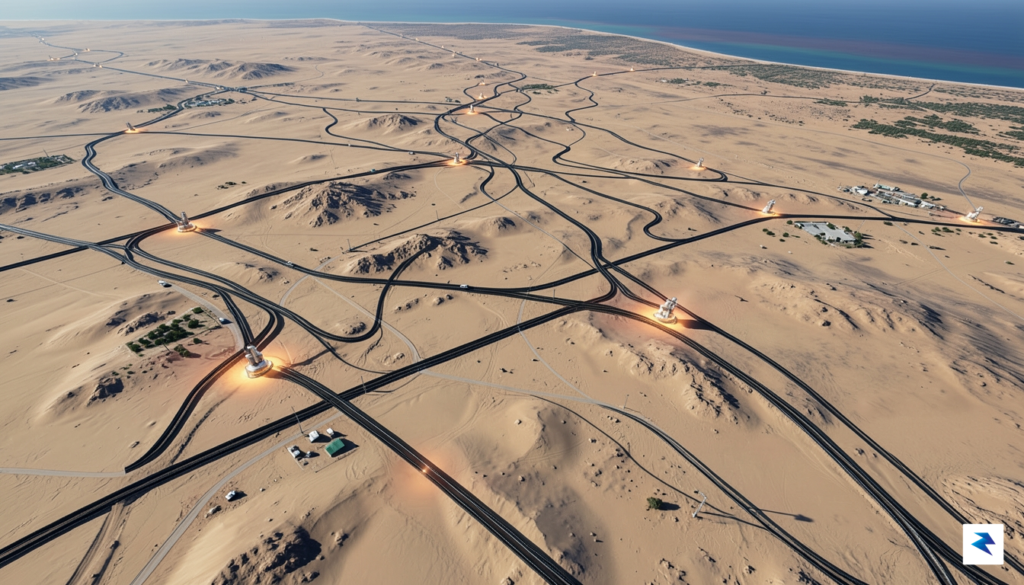
The most prominent examples of this shift are the large-scale pipeline projects designed to bypass the Gulf entirely. Foremost among these is the East-West Pipeline in Saudi Arabia, which has undergone significant capacity expansions to ensure that a substantial portion of the Kingdom’s daily output can reach the port of Yanbu on the Red Sea coast. By utilizing these trans-peninsular corridors, producers can bypass the Strait’s narrow shipping lanes, thereby insulating a portion of their supply chain from potential naval blockades or localized maritime disruptions. While these pipelines offer a vital safety valve, they are not a total replacement for the massive volume handled by the tanker fleet; rather, they serve as a critical insurance policy that keeps global energy markets functioning during periods of heightened regional instability.
The transition toward land-based energy transport represents a fundamental change in regional risk management, moving away from a reliance on open-water transit toward hardened, fixed-infrastructure alternatives.
However, the expansion of these logistical routes is fraught with significant hurdles that extend well beyond simple engineering challenges. Developing long-distance pipeline networks requires massive capital investment and complex agreements across sovereign borders, all within a region where geopolitical alliances are frequently in flux. Furthermore, fixed infrastructure remains inherently vulnerable to sabotage, cyber-attacks, and the asymmetric threats posed by non-state actors operating within the region. Security costs for these pipelines are substantial, as protecting thousands of miles of desert pipe requires persistent monitoring and a high degree of surveillance coordination.
Ultimately, while these alternative routes provide a necessary layer of resilience, the global oil market remains tethered to the Strait of Hormuz for the foreseeable future. The sheer volume of crude moving through the Gulf dwarfs the capacity of even the most robust pipeline networks, meaning that any total closure would still trigger catastrophic price volatility. Consequently, these infrastructure projects should be viewed as strategic supplements—buffers that allow producers to maintain at least a baseline level of export capacity even when the maritime gateway is effectively compromised. As the political landscape of the Middle East grows increasingly unpredictable, this ongoing logistical pivot will remain a defining feature of global energy security strategy.
Economic Implications for Global Energy Markets

The fragility of the Middle East’s energy infrastructure acts as a silent architect of global economic policy, dictating the rhythm of markets far removed from the Persian Gulf. When logistical chokepoints face the threat of disruption, the immediate reaction in benchmarks like Brent and WTI is rarely measured; instead, it is characterized by acute sensitivity to the slightest geopolitical tremor. This phenomenon creates a “fear premium”—an invisible tax embedded in every barrel of oil—that reflects the market’s calculation of potential supply-side catastrophes rather than current physical shortages. As traders and institutional investors weigh the likelihood of maritime blockades or damaged refinery capacities, the resultant price volatility ripples outward, inflating input costs for manufacturing, transportation, and consumer goods worldwide.
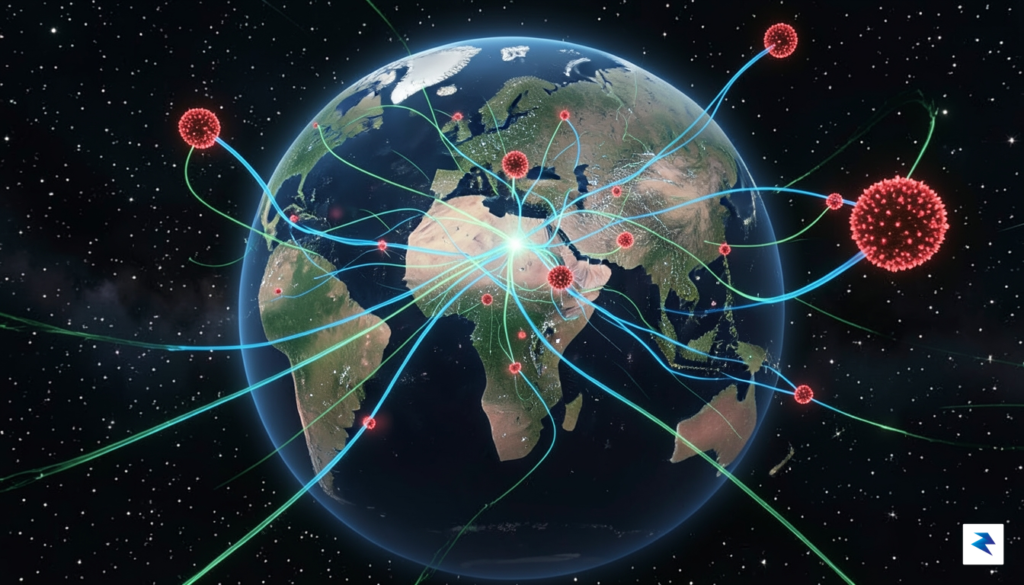
Beyond the day-to-day fluctuations of the commodities exchange, the pervasive sense of deep uncertainty is fundamentally altering how nations approach energy security. For decades, the global strategy relied on the assumption of relatively free-flowing maritime trade through critical straits, but recent instability has forced a shift toward defensive investment portfolios. Governments and private corporations are increasingly prioritizing supply chain diversification, moving away from a reliance on single-source, high-risk regions in favor of more localized or politically stable production zones. This strategic pivot, while intended to mitigate risk, often carries the unintended consequence of raising the baseline cost of global energy, as producers move away from the most cost-efficient extraction sites toward more expensive, secure alternatives.
The true cost of regional instability is not merely the price of a barrel of crude today, but the billions of dollars in long-term capital redirected toward risk mitigation rather than innovation or sustainability.
Looking ahead, this era of unpredictability presents a profound challenge to the global energy transition. When oil prices are subject to wild, conflict-driven swings, the resulting economic instability can derail long-term planning for both fossil fuel infrastructure and renewable energy adoption. If energy markets remain trapped in a cycle of reactive volatility, the ability of global economies to harmonize their energy needs with climate targets diminishes. Ultimately, the market is bracing for a new normal where “supply security” is no longer a given, but a costly premium that must be integrated into the balance sheets of every major industry, permanently reshaping the economic landscape of the 21st century.
Strategic Uncertainty and the Future of Energy Independence
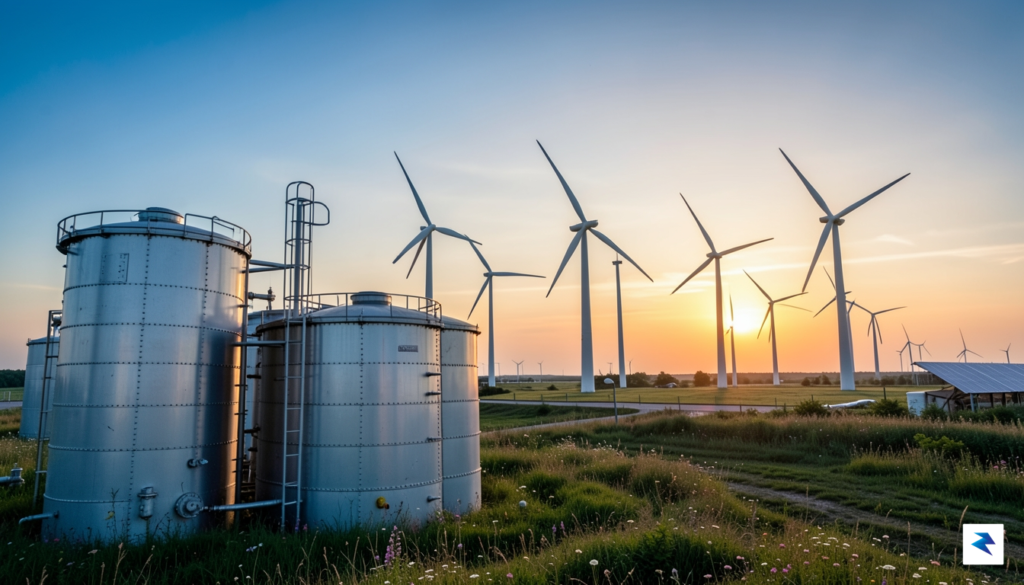
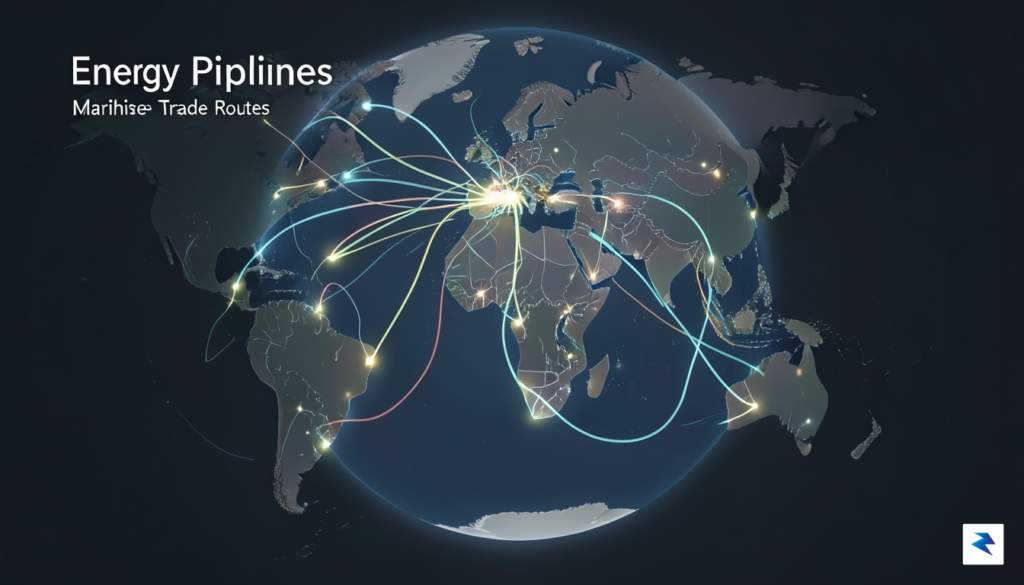
The persistent fragility of Persian Gulf logistics has forced a profound reassessment of global energy security architectures. For decades, the reliance on narrow maritime chokepoints like the Strait of Hormuz was accepted as a necessary risk of the hydrocarbon age. However, as deep uncertainty regarding regional geopolitical stability mounts, major oil-importing nations are increasingly pivoting toward a multi-layered strategy. This shift is not merely about finding new suppliers, but about fundamentally decoupling national economic health from the volatility of a single geographic corridor. By investing in redundant pipeline infrastructure, expanding strategic petroleum reserves, and fostering domestic production, nations are effectively hedging against the high-stakes gamble of relying on a singular, vulnerable gateway.
This strategic diversification is occurring at the precise intersection of traditional fossil fuel dependency and the accelerating global energy transition. Policymakers recognize that while oil remains the lifeblood of current industrial output, the long-term path to stability lies in reducing the overall energy intensity of their economies. Consequently, the transition to renewables is no longer being viewed solely through the lens of environmental policy, but as a core pillar of national security. By scaling up domestic wind, solar, and nuclear capacity, countries are creating a buffer that lessens the impact of localized supply shocks. In this context, the Middle East is transitioning from being the sole arbiter of global energy prices to one component in a much broader, more complex, and technologically diverse energy matrix.
The future of energy independence will not be defined by the discovery of new oil fields, but by the resilience of the systems that move energy and the diversity of the sources that fuel our growth.
As we look toward the coming decade, stakeholders must monitor two critical indicators: the integration of autonomous maritime defense technologies and the pace of cross-border grid interconnectivity. The ability of regional powers to secure their own waters through advanced surveillance and rapid-response capabilities will dictate the short-term viability of Gulf exports. Simultaneously, the success of regional electricity sharing agreements—which allow nations to trade power across borders—will serve as a bellwether for long-term stability. Investors and policymakers alike should remain vigilant, understanding that the era of predictable, centralized energy flow has ended, replaced by an era defined by agility, redundancy, and the constant balancing of regional risks against global demand.