Best Air Purifiers of 2026: Expert Reviews for a Healthier Home
Why Air Quality Matters in the Modern Home For most of us, the home is a sanctuary—a place of safety, rest, and comfort. However, modern…
The iPad Mini has consistently carved out a distinct identity within Apple’s formidable tablet ecosystem, positioning itself not just as a smaller iPad, but as the ultimate portable companion. From its inception, it answered the call for a powerful, full-featured tablet experience that could genuinely fit into one hand or slip unobtrusively into any bag. Its compact form factor has made it a beloved device for commuters, avid readers, mobile gamers, and creatives who demand power without bulk, fostering a loyal following that cherishes its unique blend of usability and portability.
For years, the Mini’s design remained largely consistent, a familiar silhouette that, while functional, began to feel dated in an era of edge-to-edge displays. This changed dramatically with the 6th generation in 2021, which introduced a comprehensive redesign mirroring the modern aesthetic of its larger iPad Air and Pro siblings. This significant overhaul brought a larger Liquid Retina display with thinner bezels, a USB-C port, a more powerful A15 Bionic chip, and support for the Apple Pencil 2, fundamentally modernizing its capabilities and appearance. It was, without question, the most transformative update the Mini had ever received, revitalizing its appeal and solidifying its place in the modern tech landscape.
However, even with its sleek new look and powerhouse internals, the 2021 iPad Mini retained an LCD display, albeit a high-quality one. While Apple’s Liquid Retina technology delivers excellent color accuracy and brightness, it operates under inherent limitations compared to newer display technologies. Users occasionally reported issues like “jelly scrolling” due to the way LCDs refresh, and more fundamentally, they struggle to achieve true black levels. LCDs rely on a backlight that illuminates all pixels simultaneously, meaning that even when displaying black, some light inevitably bleeds through, compromising contrast and the depth of dark scenes.
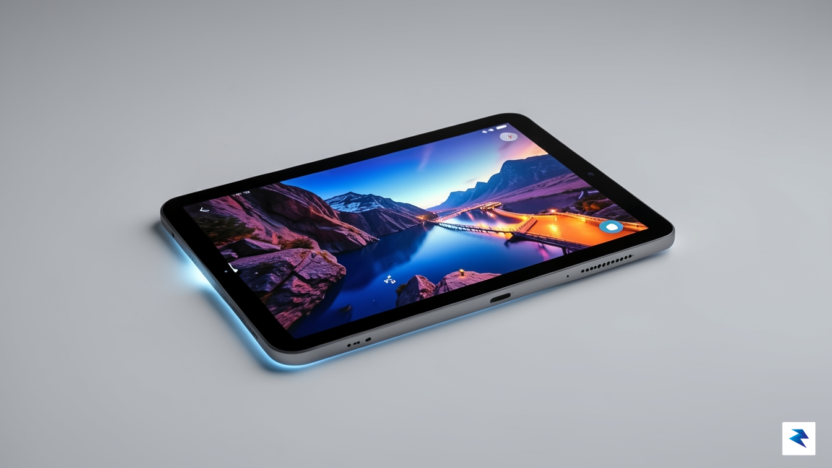
This is precisely why the rumored transition to an OLED panel for the next iPad Mini represents not just an upgrade, but a paradigm shift for the device. Unlike traditional LCDs, which use a shared backlight, OLED (Organic Light-Emitting Diode) technology features self-illuminating pixels. Each individual pixel can be turned on or off independently, allowing for perfect blacks, virtually infinite contrast ratios, and unparalleled vibrancy in colors. This fundamental difference in how light is produced and controlled results in a dramatically superior visual experience, making images pop with lifelike intensity and text appear sharper against a truly dark background.
Integrating OLED technology into the iPad Mini is particularly significant given its role as a highly portable media consumption and gaming device. Imagine watching movies or TV shows with cinematic black levels, where shadows hold true depth and bright elements burst with color without any halo effect. Gaming experiences would become more immersive, with richer graphics and faster response times contributing to smoother gameplay. Even simple tasks like reading e-books or browsing web pages would benefit from crisper text and more comfortable viewing, especially in low-light environments, thanks to OLED’s ability to precisely control illumination. Furthermore, OLED panels are generally more power-efficient when displaying darker content, potentially extending battery life for a device often used on the go.
Therefore, the upcoming OLED upgrade for the iPad Mini isn’t merely an incremental improvement; it’s poised to be the most impactful enhancement since the 2021 redesign. It promises to elevate every interaction with the device, making its beloved compact form factor an even more compelling window into digital content. This leap in display technology will undoubtedly redefine what users expect from a small tablet, cementing the iPad Mini’s status as a premium, cutting-edge portable powerhouse.
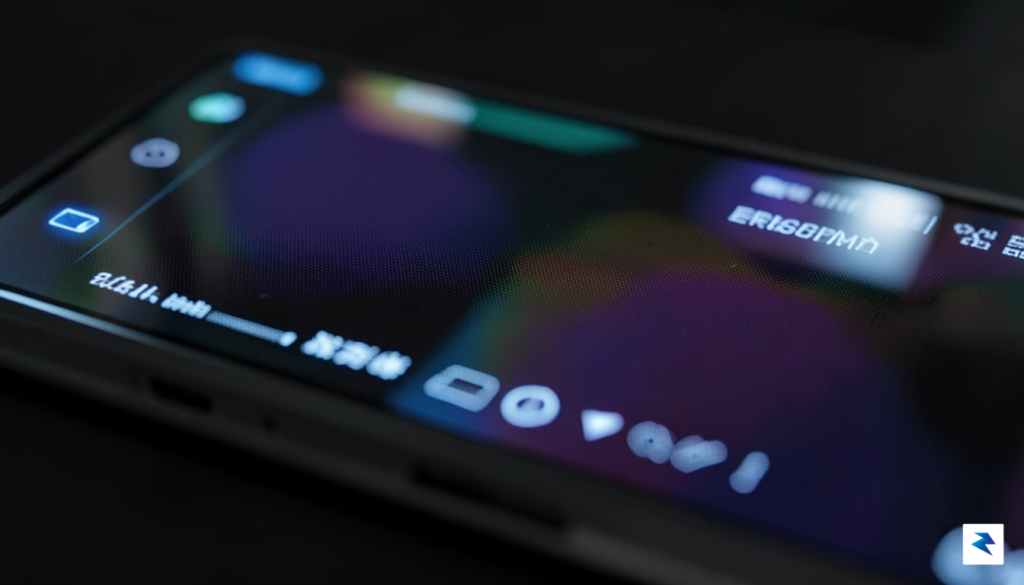
Moving from a traditional Liquid Retina display, which relies on Liquid Crystal Display (LCD) technology, to an Organic Light-Emitting Diode (OLED) panel isn’t merely an incremental update; it represents a fundamental shift in how your device renders visual information. At its core, the distinction lies in the very source of light. LCD screens rely on a constant backlight that illuminates all pixels simultaneously, then uses liquid crystals as tiny shutters to block or allow light to pass through, creating an image. In stark contrast, OLED pixels are “self-emissive,” meaning each individual pixel generates its own light, offering unparalleled control over every single point on the screen. This architectural difference unlocks a cascade of benefits that dramatically enhance the viewing experience for everything from casual browsing to professional creative work.
The most striking advantage of OLED’s self-emissive nature is its ability to produce truly perfect blacks. When an OLED pixel is meant to display black, it simply turns off completely, emitting no light whatsoever. This results in an infinite contrast ratio, where the darkest areas of an image are genuinely black, not merely very dark gray as seen on LCDs, which always have some light bleed from their backlight. Imagine watching a starry night sky on an OLED screen; each star would glow brilliantly against an absolute void of black, offering a depth and realism that LCD technology simply cannot replicate. This profound difference in contrast makes every image, from intricate photographs to immersive video content, appear far more dynamic and lifelike.
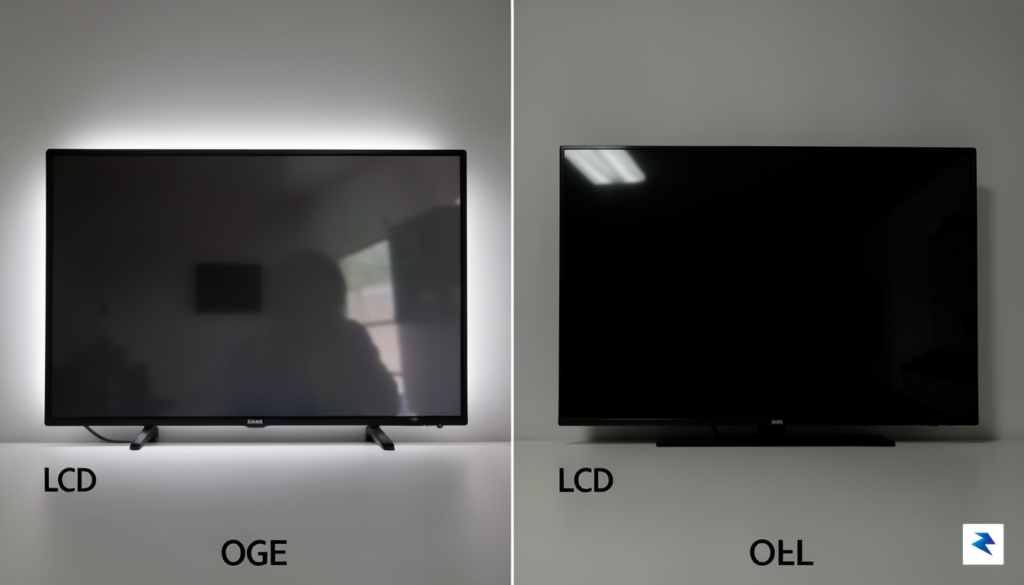
Beyond perfect blacks, OLED technology significantly elevates color accuracy and vibrancy. Because each pixel can generate its own light and color independently, OLED displays can render a wider spectrum of colors with greater precision. This means that the reds are redder, the greens are greener, and the blues are truer, all without the subtle desaturation or tinting that can sometimes occur when light passes through multiple layers in an LCD panel. Furthermore, the light from an OLED pixel is often perceived as more saturated and punchy, bringing images to life with an intensity that truly pops off the screen, making creative work and multimedia consumption a more engaging experience.
The combination of perfect blacks, superior contrast, and exceptional color reproduction makes OLED the undisputed champion for High Dynamic Range (HDR) content. HDR is designed to deliver a much broader range of luminance and color than standard content, revealing details in both the brightest highlights and the darkest shadows simultaneously. An OLED display can precisely control the brightness of individual pixels to showcase these extreme differences, allowing for dazzling bright areas to coexist alongside deep, inky blacks without compromise. This capability translates into breathtakingly realistic visuals, where scenes feel more immersive and true to life, capturing the filmmaker’s original intent with greater fidelity.
Crucially for portable devices like the iPad Mini, OLED technology also offers significant power efficiency benefits, especially when displaying content with darker themes or user interfaces. Since individual OLED pixels turn off completely to display black, they consume absolutely no power in those areas. This is a stark contrast to LCDs, where the backlight remains on regardless of the content, meaning dark pixels still require power to block the light. For users who frequently use dark mode apps, watch movies with dark scenes, or simply have a preference for darker visual themes, an OLED iPad Mini could translate into noticeably longer battery life between charges, enhancing its utility as a handheld companion throughout the day. This efficiency is a game-changer for on-the-go productivity and entertainment, allowing you to do more without constantly searching for an outlet.
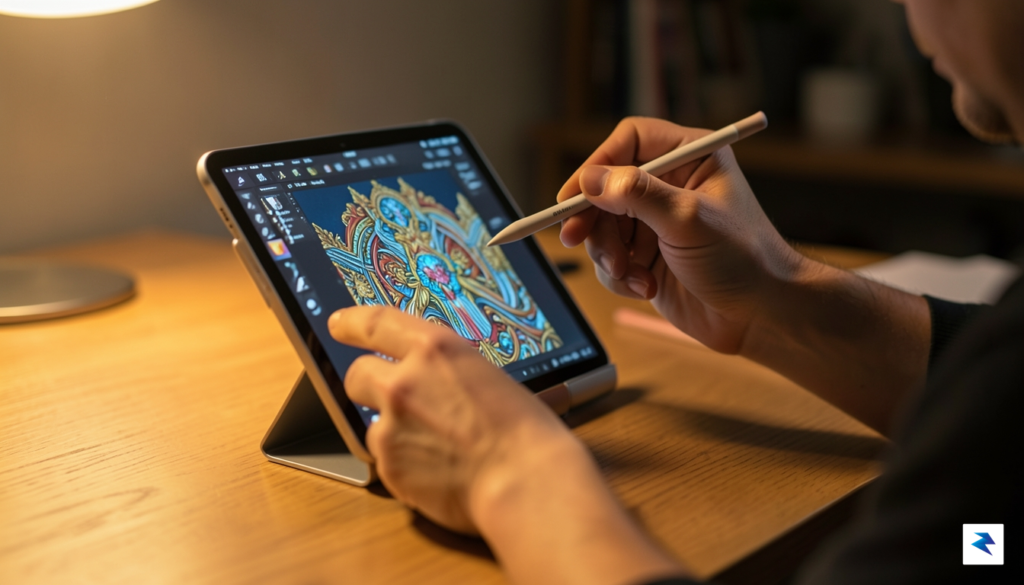
For years, the iPad Mini has occupied a unique, somewhat misunderstood niche: it was the ultimate device for e-book readers, casual gamers, and those who valued portability above all else. However, the anticipated transition to OLED technology serves as a catalyst for a much more profound transformation. When you pair the deep blacks and infinite contrast of an OLED panel with a significant internal silicon upgrade—whether that manifests as the latest A-series chip or a specialized M-series variant—the device ceases to be just a secondary consumption screen. Instead, it evolves into a high-performance studio that fits in the palm of your hand, capable of handling complex creative workflows that previously demanded a much larger footprint.
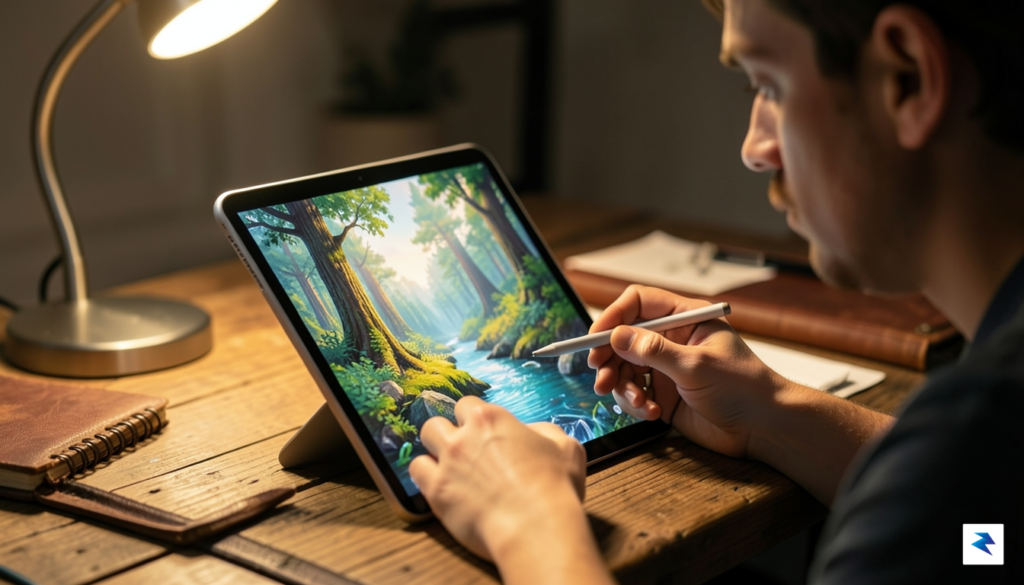
The implications of this hardware synergy are particularly impactful for creative professionals who rely on precision. An OLED display provides a level of color accuracy and dynamic range that makes photo editing, color grading, and high-end digital illustration significantly more reliable. When this visual fidelity is married to a more robust processor, tasks that once caused the device to stutter—such as rendering layered Procreate files or exporting high-resolution video clips—become fluid. Furthermore, if Apple opts to incorporate a higher refresh rate alongside the OLED panel, the latency for stylus input will drop to near-zero levels. This creates an tactile, instantaneous connection between the artist’s hand and the digital canvas, effectively bridging the gap between a portable tablet and a professional desktop workstation.
The marriage of OLED display technology and high-performance silicon effectively redefines the iPad Mini from a secondary media viewer into a primary creative powerhouse for mobile professionals.
Beyond the creative suite, power users who engage in mobile gaming or multitasking will find that this hardware overhaul changes their entire interaction model. A more powerful chip ensures that the device can sustain high frame rates without thermal throttling, while the OLED panel ensures that every frame is rendered with cinematic depth. For users who juggle multiple productivity apps, the increased headroom in memory and processing speed means that switching between split-view applications becomes instantaneous rather than an exercise in patience. Ultimately, this upgrade is not merely about making the screen look prettier; it is about elevating the iPad Mini to a tier where it can authentically replace larger, heavier devices for those who refuse to sacrifice power for the sake of portability.

The integration of OLED technology into the compact form factor of the iPad Mini represents a significant leap in display quality, but this transition is not without substantial economic implications. Advanced display panels, particularly those featuring tandem OLED architecture, are considerably more expensive to manufacture than traditional LCD screens. When Apple incorporates these high-end components, the increased bill of materials inevitably trickles down to the consumer. Beyond the display itself, the supporting internal hardware—such as upgraded processors capable of driving high-refresh-rate displays and the specialized power management chips required for OLED efficiency—adds further complexity to the supply chain. These combined costs create a scenario where maintaining a low entry-level price point becomes increasingly difficult for the manufacturer without compromising on profit margins or quality standards.
For the average consumer, the shift toward a premium price tier forces a difficult evaluation of the tablet’s value proposition. While the current iPad Mini serves as a reliable device for casual media consumption and light note-taking, the OLED model positions itself as a professional-grade tool condensed into a portable frame. If the price increases significantly, potential buyers must weigh the tangible benefits of perfect blacks, superior color accuracy, and improved power efficiency against the diminishing returns of a device that is essentially still a secondary screen. For creative professionals who utilize the Mini as a mobile sketchpad or a portable reference monitor, the investment is easily justified by the sheer quality of the visual output. Conversely, casual users may find that the cost of entry is no longer aligned with their daily usage patterns, potentially alienating the segment of the market that simply wanted an affordable, handheld experience.
The true test of a premium upgrade lies in whether the enhanced hardware fundamentally changes the user experience or merely improves upon existing metrics.
Ultimately, the rising cost of hardware is a byproduct of a broader industry trend where “good enough” is no longer the target for flagship product lines. As screen technology evolves, Apple is clearly prioritizing a premium user experience that justifies a higher shelf price through longevity and visual fidelity. While it is easy to view these price hikes as exclusionary, they also reflect the reality of a global supply chain where precision manufacturing and innovative materials command a premium. Prospective buyers should consider that while the initial outlay may be higher, the longevity of a device with a high-quality OLED panel could offer better long-term value compared to mid-range alternatives that may become obsolete or visually dated much faster.
As whispers of an impending launch grow louder, the impending transition to OLED technology for the iPad Mini marks a pivotal shift in Apple’s hardware strategy. For years, the smallest tablet in the lineup occupied a curious niche, often overshadowed by the raw power of the iPad Pro or the sheer value of the base-model iPad. However, this upgrade signals that Apple is no longer content with the Mini serving as a secondary device; instead, the company is positioning it as a high-performance tool for a new generation of power users who prioritize mobility without sacrificing screen fidelity. By integrating OLED panels, Apple is essentially bridging the gap between its ultra-portable form factor and the premium visual standards previously reserved for their most expensive flagship tablets.
From a broader product roadmap perspective, this move reflects a calculated effort to solidify the distinct identities of each tablet tier within the ecosystem. By reserving top-tier display technology for the refreshed Mini, Apple acknowledges that a growing segment of their user base—ranging from digital artists and mobile journalists to field engineers—demands a professional-grade visual experience in a device that can easily fit into a jacket pocket. This is not merely an incremental spec bump; it is a clear statement that the company views portability and high-end display quality as inseparable requirements for future computing. As consumers grapple with rising price points, this shift suggests that the value proposition is moving away from basic utility toward specialized, high-performance compact devices.
The integration of OLED into the iPad Mini is a definitive signal that Apple is committed to maintaining its dominance in the portable productivity market, effectively setting a new benchmark for what a handheld device can achieve.
Ultimately, this device is meticulously crafted for the professional who lives life on the move and refuses to compromise on clarity. While the increased price tag will inevitably filter out casual users looking for a budget media consumption tool, it serves as a beacon for those who need a robust, reliable, and stunningly crisp workspace that travels anywhere. As we look ahead, the release of this refreshed Mini will likely force competitors to either match the display quality or be left behind in the premium tablet space. Apple is betting heavily that there is a significant, underserved audience willing to pay a premium for a device that manages to be both the most portable and the most visually impressive member of the family.
You must be logged in to post a comment.