The Opt-Out Trap: Why AI Features Should Be Opt-In by Default
The Illusion of Choice: Understanding Opt-Out Culture The modern digital landscape has undergone a profound shift, moving away from the…
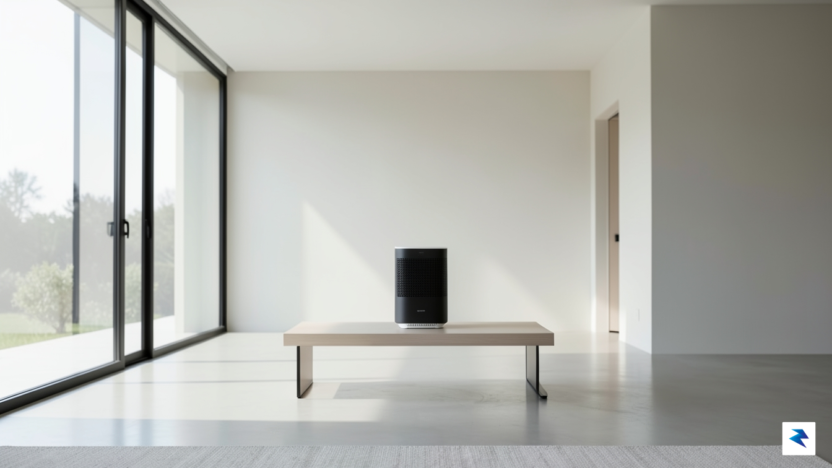
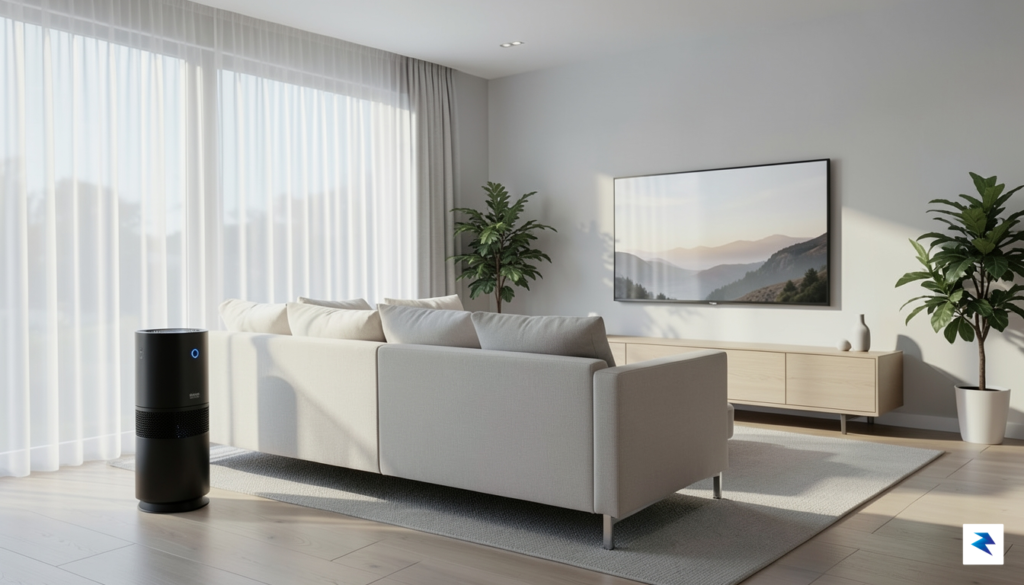
For most of us, the home is a sanctuary—a place of safety, rest, and comfort. However, modern residential environments often harbor a hidden reality: the air we breathe indoors is frequently significantly more polluted than the air outside. As our homes have become more energy-efficient and airtight to manage climate control, we have inadvertently created a trap for airborne contaminants. This phenomenon, often referred to as “sick building syndrome,” highlights how trapped pollutants can circulate indefinitely, leading to persistent fatigue, headaches, and respiratory irritation that many homeowners mistakenly attribute to other causes.
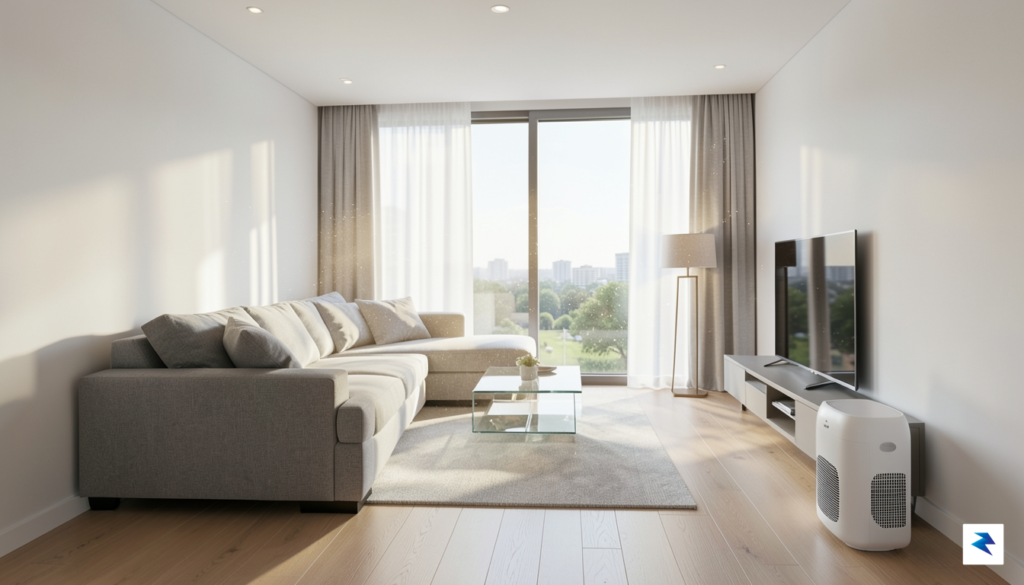
The pollutants lurking in our living spaces are far more diverse than simple dust. Everyday activities—the very things that make a house a home—are major contributors to compromised air quality. Cooking on a gas stove releases nitrogen dioxide and fine particulate matter (PM2.5), while the use of aerosol sprays, scented candles, and harsh cleaning agents introduces a cocktail of volatile organic compounds (VOCs) into the air. When you add pet dander, microscopic mold spores, and the off-gassing of synthetic materials in furniture and carpets to the mix, it becomes clear that the modern home is a complex ecosystem of invisible irritants.
Investing in high-performance air purification is no longer a luxury reserved for those with severe allergies or asthma; it is a fundamental pillar of preventative health that supports better sleep, clearer breathing, and long-term wellness.
The impact of these microscopic threats extends beyond immediate discomfort. Chronic exposure to fine particulate matter has been linked to various cardiovascular and respiratory challenges, making the choice of an air purifier a critical decision in 2026. As filtration technology has advanced, the market has become saturated with options ranging from basic ionic generators to medical-grade HEPA systems. Understanding the difference between these technologies is no longer just for enthusiasts; it is a necessity for anyone looking to optimize their home environment. By prioritizing the removal of these airborne hazards, you are not just cleaning the air; you are proactively safeguarding your home against the cumulative effects of indoor environmental stressors.
In this rapidly evolving landscape, making an informed purchase requires a discerning eye. Whether you are navigating the heavy-duty filtration capabilities of an IQAir system or the smart, adaptive features found in modern Coway and AirDoctor models, your goal is to achieve a consistent air exchange rate that keeps pollutants below threshold levels. As we move further into 2026, the integration of real-time air quality monitoring with intelligent purification cycles allows us to finally take control of the invisible factors that dictate our daily health and vitality.

When shopping for an air purifier, the sheer volume of marketing jargon can be overwhelming, often obscuring the actual performance capabilities of the unit. To move past the hype, you must first focus on the Clean Air Delivery Rate, or CADR. This metric, established by the Association of Home Appliance Manufacturers, measures the volume of filtered air an appliance delivers in cubic feet per minute. Rather than simply looking at square footage claims, which can be inflated by manufacturers, checking the CADR allows you to match the device’s output directly to the size of your room. A higher CADR indicates a faster cleaning speed, which is essential if you suffer from severe allergies or live in an area with high seasonal particulate levels.
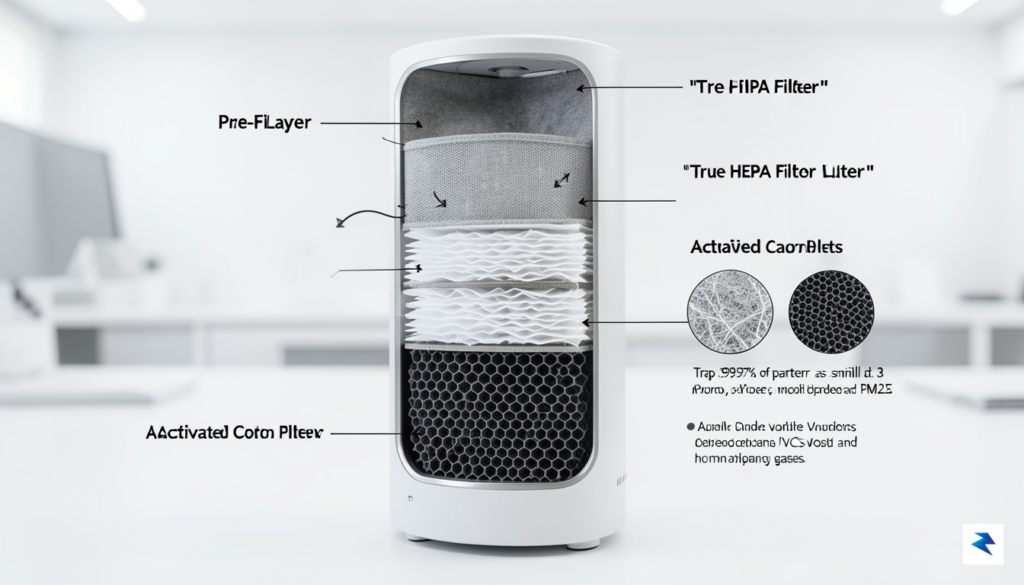
Perhaps the most misused term in the industry is “HEPA.” When you see a product labeled as “HEPA-type,” “HEPA-like,” or “HEPA-grade,” it typically implies that the filter has not been independently tested to meet the rigorous standards of a True HEPA filter. A genuine True HEPA filter must be capable of capturing 99.97% of particles as small as 0.3 microns, including dust, pollen, mold, and bacteria. Without this certification, you may be purchasing a device that allows microscopic allergens to pass right through the media and back into your breathing space. Always verify that the product specifically states “True HEPA” or references the H13/H14 medical-grade standard to ensure you are getting the level of protection your household requires.
To maximize your investment, prioritize units that combine a True HEPA layer with a substantial activated carbon filter. While HEPA excels at trapping physical particulates, it is largely ineffective against volatile organic compounds (VOCs), smoke, and household odors.
The role of activated carbon is distinct and equally vital for a comprehensive air purification strategy. Unlike the mechanical trapping process of a HEPA filter, an activated carbon filter uses a porous, chemically treated material to adsorb gases and chemical vapors at a molecular level. This is critical for neutralizing odors from cooking, pets, or off-gassing from furniture and cleaning products. However, not all carbon filters are created equal; the effectiveness of these filters is directly proportional to the actual weight and volume of the carbon pellets contained within the unit. Thin, sheet-like carbon pads often saturate within weeks, whereas deeper beds of granular carbon provide significantly longer service lives and more reliable chemical neutralization, making them the superior choice for homes seeking genuine air quality improvement.
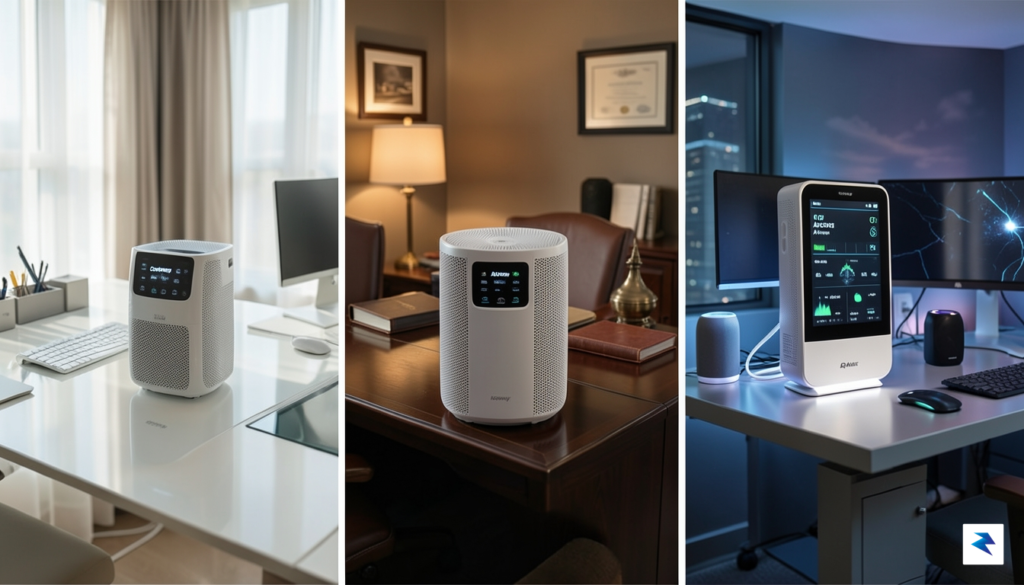
In the landscape of 2026 home wellness technology, the divide between consumer-grade air purifiers and professional-grade filtration has narrowed significantly. Leading the pack, Coway continues to set the industry standard for the perfect marriage of affordability and long-term reliability. Their flagship models leverage the Airmega filtration suite, which utilizes a dual-suction design to maximize airflow without creating the jet-engine noise levels typically associated with high-capacity units. For the average homeowner, Coway represents the “goldilocks” choice: it is quiet enough for bedside use, smart enough to automate based on real-time particulate density, and consistent enough to maintain air quality across large, open-concept living areas for years on end.
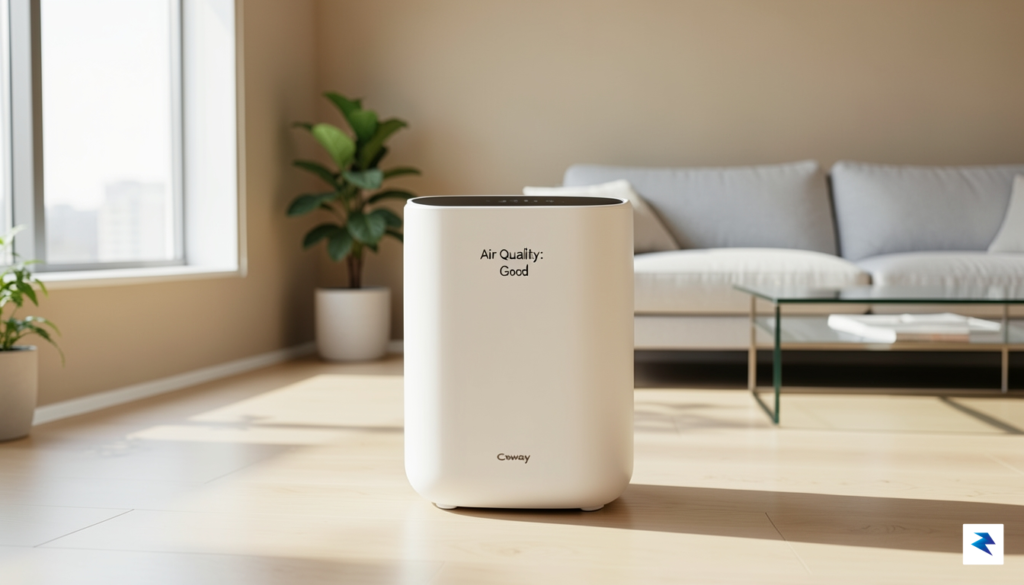
While Coway dominates the value segment, AirDoctor has carved out a massive niche by prioritizing a user-friendly interface that doesn’t compromise on heavy-duty filtration. What makes their 2026 lineup particularly compelling is the integration of proprietary UltraHEPA filters, which are tested to capture particles significantly smaller than the standard 0.3-micron threshold. The real-world performance here is bolstered by a highly responsive auto-mode that detects volatile organic compounds (VOCs) from cooking or cleaning products almost instantly. By simplifying the maintenance process with color-coded filter change indicators and intuitive touch panels, AirDoctor has effectively removed the complexity from high-performance air purification, making medical-grade air quality accessible to non-technical users.
“True air purification is not just about trapping dust; it is about the intelligent removal of invisible gaseous pollutants and allergens that impact daily respiratory health.”
For users who require the absolute pinnacle of air sanitization—such as those living in high-pollution urban centers or individuals with severe immune sensitivities—IQAir remains the undisputed leader in 2026. Unlike mass-market competitors that rely on plastic housings and lighter-weight filters, IQAir units are engineered with a modular, hyper-sealed architecture that ensures 100% of the air intake is forced through the filtration media rather than leaking around the edges. Their HyperHEPA technology is the benchmark for clinical settings, capable of filtering ultra-fine particles, bacteria, and viruses with unmatched efficiency. While these units carry a steeper price tag and a larger physical footprint, they offer a level of peace of mind that is simply unattainable by smaller, aesthetic-focused air purifiers. When performance is the only metric that matters, IQAir’s robust construction and precise engineering provide a clear, distinct advantage.
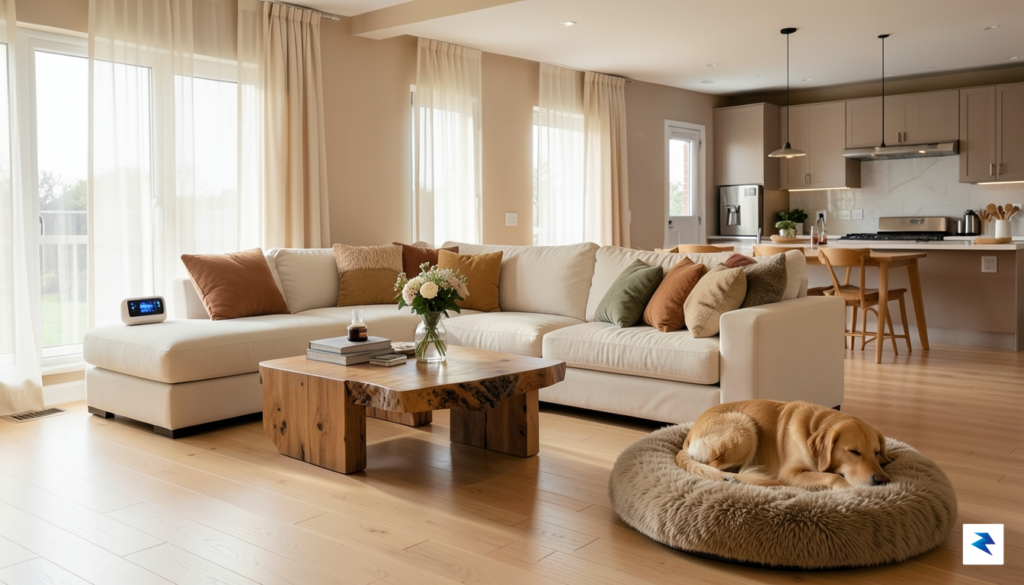
Selecting the right air purifier is rarely a matter of picking the most expensive model on the market; rather, it is about matching specific hardware capabilities to the unique challenges of your living environment. If your household includes furry companions, your primary concern should be the maintenance cycle of the filtration system. Models equipped with robust, easily accessible, and washable pre-filters are non-negotiable, as pet dander and hair can quickly clog finer HEPA layers, leading to a significant drop in efficiency. Opting for a unit that allows you to vacuum or rinse the outer mesh screen every two weeks will not only extend the lifespan of your more expensive primary filters but will also ensure the motor isn’t struggling against airflow resistance.
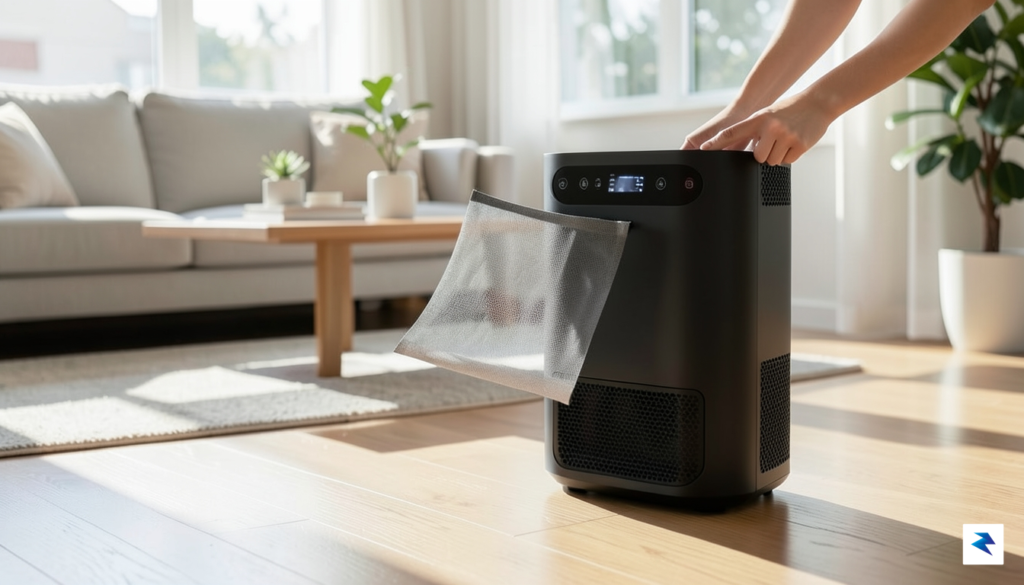
For those managing severe allergies or respiratory sensitivities, the technical specifications go beyond simple filtration grades. You must look for units that prioritize an air-tight seal, often marketed as “sealed systems” or “HEPA-sealed.” In a standard purifier, air can sometimes bypass the filter entirely if the internal gaskets are loose, allowing allergens to recirculate back into the room. A true medical-grade unit, such as those often found in the IQAir range, ensures that 100% of the intake air is forced through the filtration media. When paired with high-efficiency activated carbon layers, these units provide the comprehensive defense necessary to neutralize both microscopic particulates and volatile organic compounds (VOCs) that trigger allergic reactions.
When shopping for medical-grade performance, always verify that the unit has been tested for total system efficiency rather than just filter efficiency; a great filter is useless if air is leaking around the edges.
If you are looking to purify a large, open-concept living space, the most critical metric to evaluate is the Clean Air Delivery Rate (CADR). In expansive rooms, the device needs enough fan power to cycle the entire volume of air multiple times per hour without requiring the motor to run at its maximum decibel level. A common mistake is buying a unit rated for a small bedroom and attempting to use it in a vaulted-ceiling living room, which forces the fan into a constant state of high-speed, noisy operation. Instead, look for models with “smart sensors” that adjust fan speed dynamically based on real-time air quality readings. This ensures that when the air is clean, the unit throttles down to a whisper-quiet hum, providing a perfect balance between high-performance air scrubbing and a tranquil home environment.
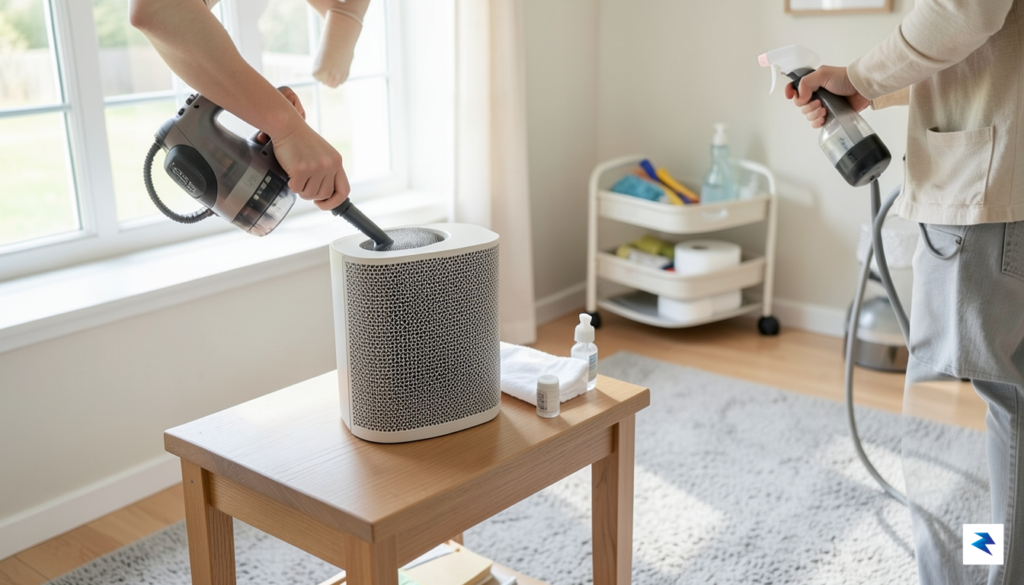
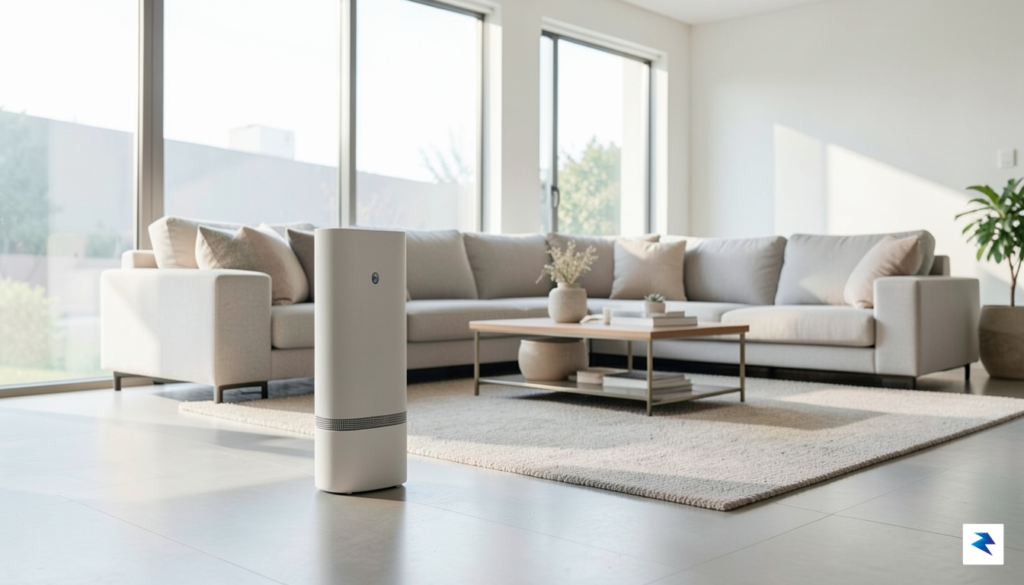
Achieving peak air quality is not merely a matter of purchasing a high-end device; it is fundamentally dependent on how you integrate that machine into your home’s ecosystem. Many users inadvertently stifle their air purifier’s performance by tucking it into a cramped corner or behind heavy curtains, which significantly restricts the unit’s ability to circulate air. To maximize airflow dynamics, your purifier should ideally be placed in an open area with at least two to three feet of clearance on all sides. This unobstructed space allows the intake fans to draw in stagnant air from the entire room, rather than recycling the same pocket of air trapped against a wall, thereby ensuring that the device can process the maximum volume of air per hour.
Beyond physical placement, the longevity of your investment hinges on a disciplined approach to maintenance. Most modern purifiers utilize a multi-stage filtration process, and each layer requires different attention. Pre-filters, which trap larger particles like pet hair and dust bunnies, act as the first line of defense; if these become clogged, they force the motor to work harder, increasing energy consumption and potentially shortening the lifespan of the internal components. We recommend vacuuming or rinsing your pre-filters every two to four weeks. Meanwhile, high-efficiency HEPA filters generally have a lifespan of six to twelve months depending on your local air quality. Setting a recurring calendar alert for these intervals ensures you never miss a swap, which is vital because a saturated filter eventually stops trapping pollutants and can even begin to re-release trapped contaminants back into your breathing space.
When shopping for a new unit, it is easy to focus exclusively on the sticker price, but the “total cost of ownership” is often a better metric for long-term satisfaction. The purchase price is merely the entry fee; the true cost includes the price of replacement filters multiplied by the frequency of change over the expected five-to-ten-year lifespan of the motor. Before committing to a model, perform a quick calculation: find the current market price for a replacement filter set, determine how many sets you will need annually, and factor that into your five-year budget. Sometimes, a slightly more expensive unit with longer-lasting filters or a more efficient motor proves to be significantly cheaper over time than a bargain-bin model that requires expensive, frequent filter replacements.
Pro-Tip: Always check if your manufacturer offers a subscription program for filters. These services often provide a 5% to 15% discount and ensure that replacements arrive exactly when your unit needs them, removing the guesswork from your maintenance routine.
Ultimately, a well-placed and properly maintained air purifier is a workhorse that quietly improves your quality of life. By treating your device as an appliance that requires periodic care—much like a refrigerator or an HVAC system—you protect your indoor environment while ensuring that your initial investment pays dividends in cleaner, healthier air for years to come.
You must be logged in to post a comment.