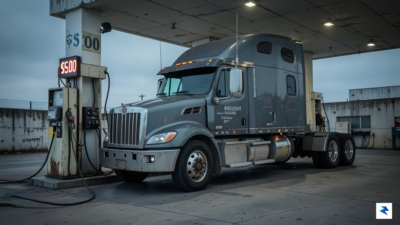
Why Diesel Prices Are Hitting $5 Again: The Global Factors Explained
The Return of $5 Diesel: Understanding the Current Market Volatility The recent climb of diesel prices past the $5-per-gallon threshold serves…
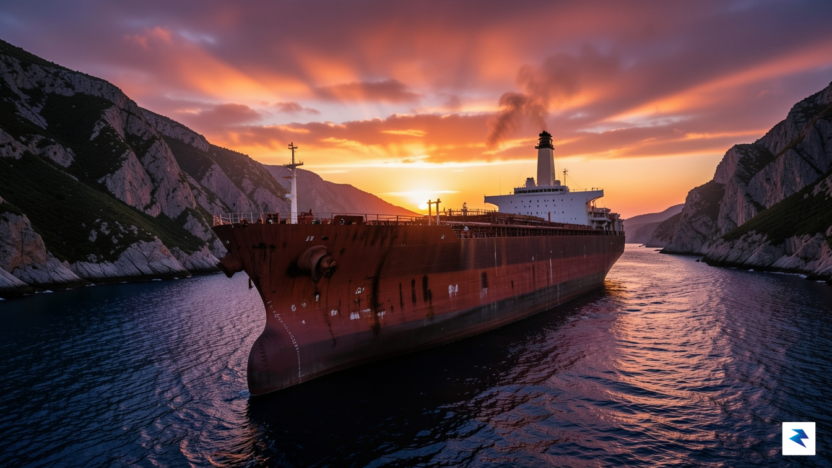
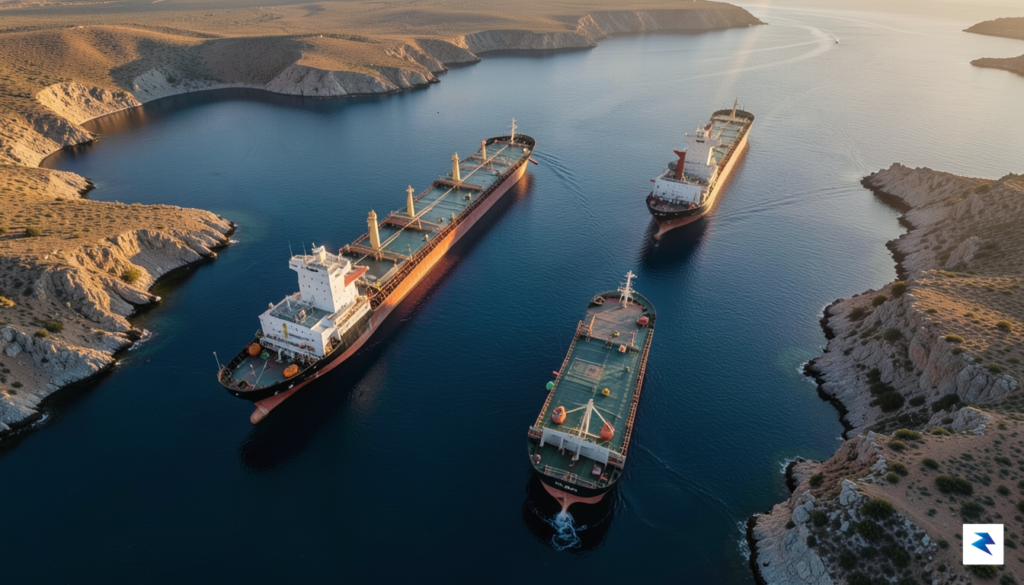
At its narrowest point, the Strait of Hormuz spans a mere 21 miles, yet this sliver of water serves as the jugular vein of the global economy. Situated between the Arabian Peninsula and Iran, it acts as the sole maritime gateway for the Persian Gulf, where a significant portion of the world’s proven oil reserves is concentrated. Because of this geography, any disruption to the flow of transit through these waters is not merely a regional concern; it is a systemic shock to the international energy market. For decades, this corridor has functioned as the primary artery for crude oil and liquefied natural gas (LNG) moving from major producers like Saudi Arabia, Iraq, the UAE, and Kuwait to the thirsty markets of Asia, Europe, and the Americas.
The sheer volume of energy passing through this corridor is staggering, often exceeding 20 million barrels of oil per day. This accounts for roughly one-fifth of the world’s total petroleum consumption, making the Strait an indispensable link in the global supply chain. When naval activities or geopolitical posturing restrict the movement of massive supertankers, the immediate consequence is a sudden, volatile spike in oil prices. Because modern logistics rely on “just-in-time” delivery models, the sudden absence of these daily shipments forces refineries to scramble for alternatives, leading to increased costs that are eventually passed down to every consumer at the fuel pump and in the manufacturing sector.
The Strait of Hormuz is not simply a geographic feature; it is the most critical energy artery in the world, where the equilibrium of global commerce balances precariously on the movement of tankers.
Historically, the Strait has been a perennial geopolitical flashpoint, serving as a stage for power projection and diplomatic leverage. Because there are no viable, high-capacity pipeline alternatives that could fully replace the throughput of the Strait, the international community remains tethered to this narrow maritime lane. Current naval blockades have transformed this reality from a theoretical risk into a pressing crisis, highlighting the vulnerability of global energy security. As commercial shipping lanes are forced to reroute or pause entirely, the ripple effects are felt across global markets, proving that despite our technological advancements, our fundamental dependence on this singular, fragile waterway remains as profound as ever.
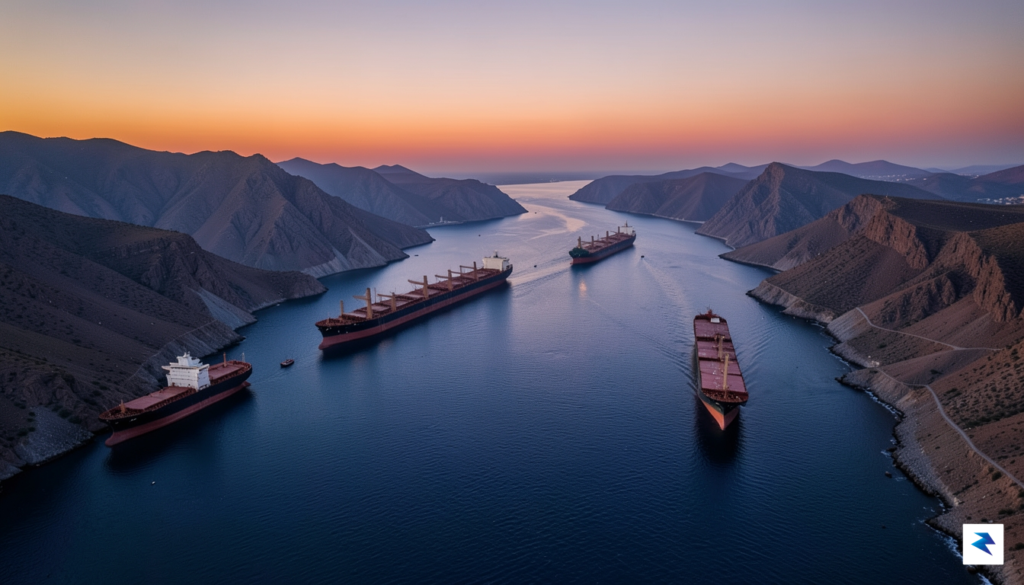
The strategic importance of the Strait is further compounded by the lack of redundancy in global shipping infrastructure. While some nations have invested in overland pipelines, they are often insufficient to handle the massive daily quotas required by global demand. Consequently, when the flow through the Strait is throttled by naval presence, there is no “Plan B” that can prevent a market surge. This vulnerability dictates the foreign policy of major global powers, as they must continuously navigate the delicate balance between ensuring maritime freedom and managing the regional tensions that frequently threaten to close the exit to the Persian Gulf.
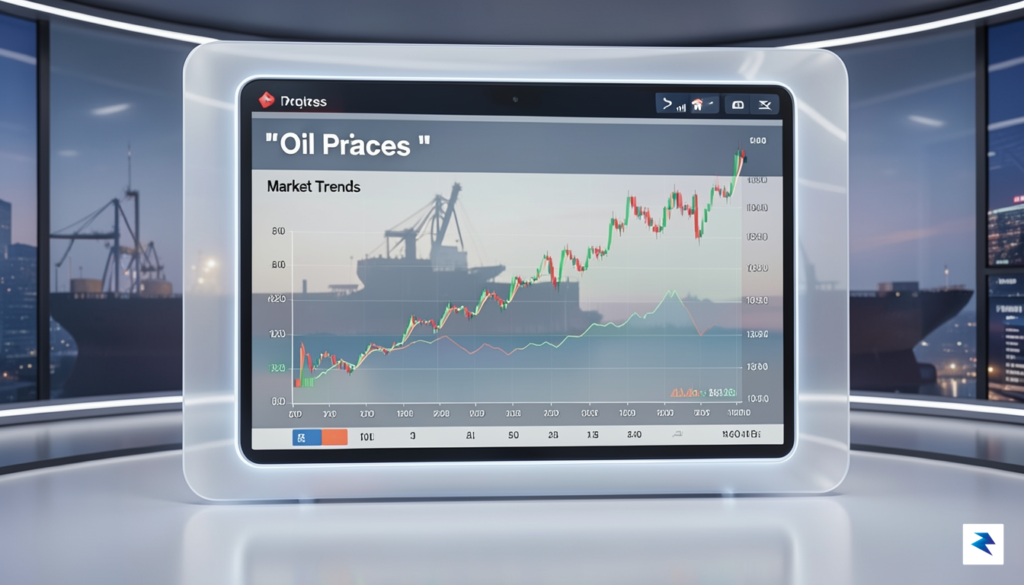
Energy markets are inherently forward-looking, functioning not merely on the actual volume of oil currently moving through a waterway, but on the perceived risk of future disruption. When traffic through the Strait of Hormuz—the world’s most vital maritime oil chokepoint—begins to falter, the immediate market reaction is rarely a reflection of an instantaneous physical shortage. Instead, it is a rapid recalibration of risk premiums. Traders and analysts operate on the assumption that any impediment to the flow of crude could snowball into a systemic supply failure. Consequently, the mere anticipation of a tightened supply chain forces prices upward, as market participants scramble to hedge against the possibility that tomorrow’s barrels may be significantly harder, or more expensive, to procure.
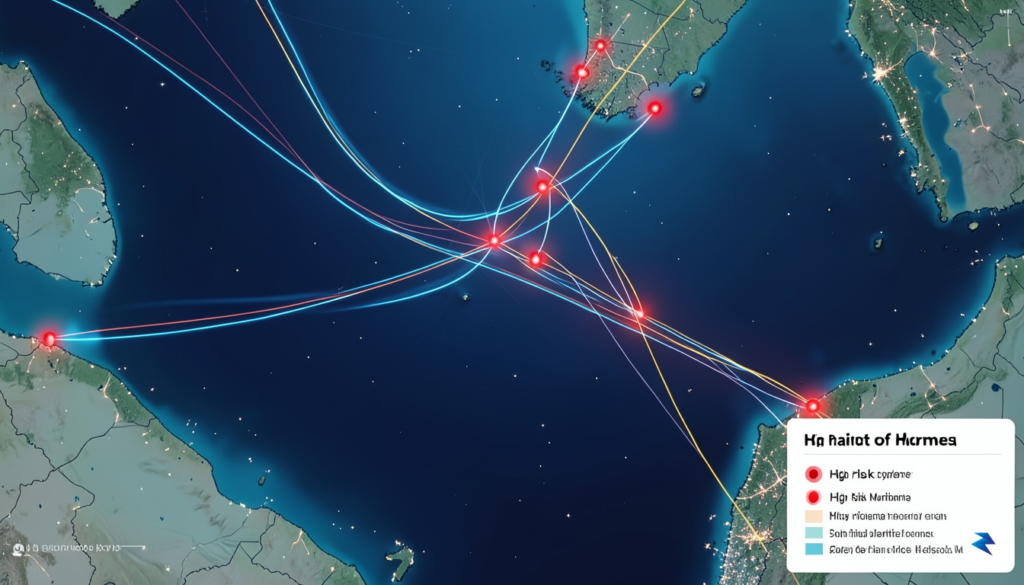
The mechanics of this pricing shift are driven by a complex interplay between physical supply realities and speculative trading behavior. While physical oil shortages take time to manifest in localized economies, the financial markets react in milliseconds. Speculators, sensing a catalyst for volatility, often amplify price movements by increasing their long positions, effectively betting that the geopolitical tension will escalate. This financial activity provides the necessary liquidity for the market to function under stress, but it also creates a feedback loop where rising prices trigger further speculative interest. This creates a scenario where the price of oil effectively “prices in” the worst-case scenario long before a single tanker is actually blocked from transit.
The volatility we observe is not merely a reaction to current events, but a reflection of the market’s deep-seated anxiety regarding the fragility of global energy logistics.
Beyond the immediate spike in crude benchmarks like Brent or WTI, these blockades serve as a primary catalyst for broader inflationary pressures. As the cost of moving energy increases—driven by higher insurance premiums for shipping, increased fuel consumption for rerouted vessels, and the added time required to navigate around the Cape of Good Hope—these expenses are inevitably passed down the value chain. What begins as a maritime bottleneck quickly permeates the global economy, impacting everything from the cost of refined gasoline and heating oil to the price of plastic production and industrial manufacturing. By eroding the efficiency of the most critical energy artery in the world, the current instability in the Strait of Hormuz ensures that energy security remains a fragile variable, keeping global markets on edge and consumer costs elevated.
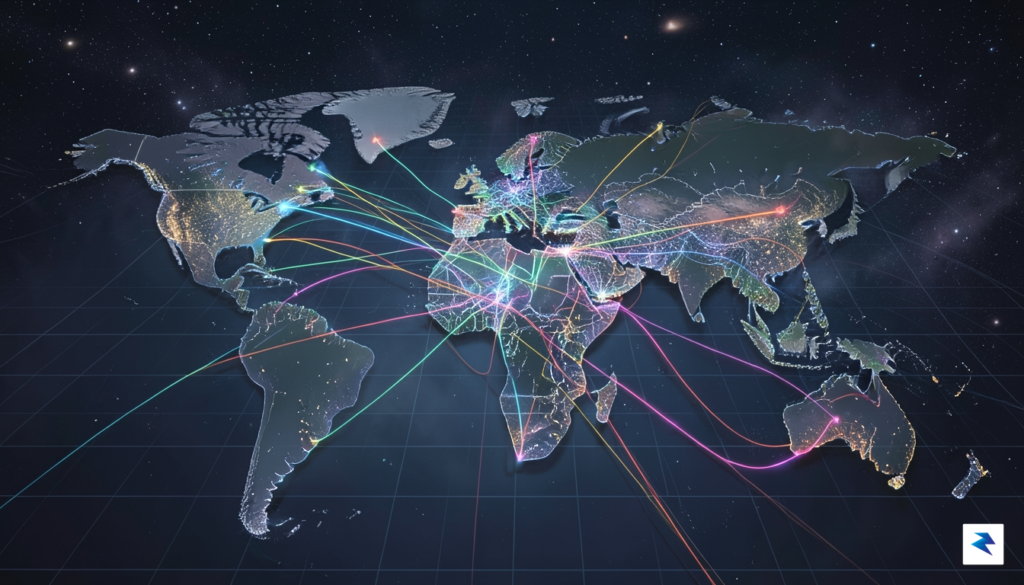
The modern global economy operates on a razor-thin margin of efficiency, defined largely by the “just-in-time” manufacturing philosophy. This model, which prioritizes lean inventories and rapid turnover, functions flawlessly only when the arteries of international trade remain unobstructed. However, the current stagnation in the Strait of Hormuz serves as a stark reminder of the system’s inherent fragility. When a singular, critical maritime chokepoint experiences a disruption, the impact does not merely remain local; it ripples outward, instantly threatening the manufacturing hubs of Asia and the industrial output of Europe. Because these regions are heavily dependent on Persian Gulf oil to power their heavy machinery and logistical networks, any bottleneck here acts as a catalyst for a worldwide supply chain crisis.
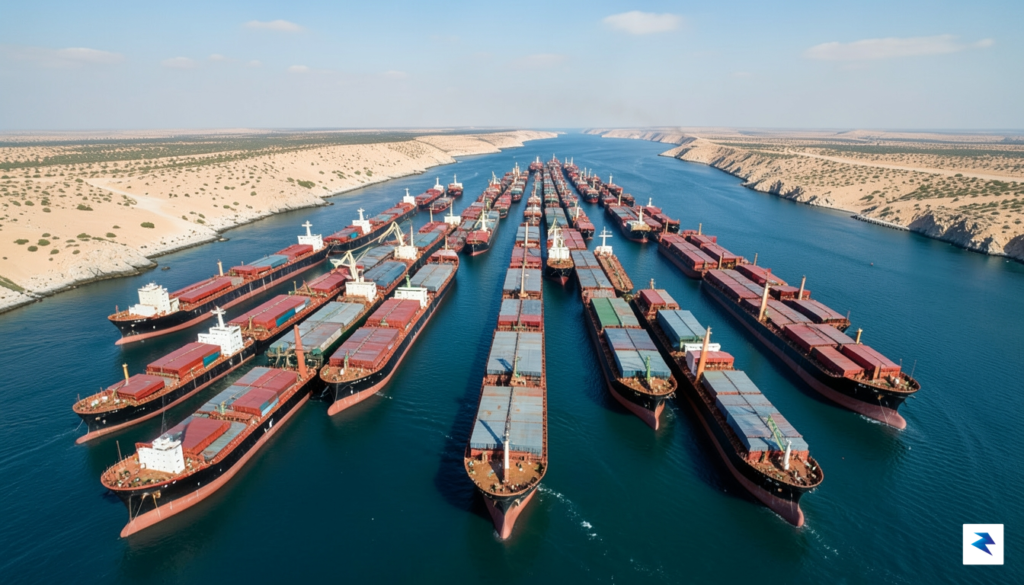
The difficulty of managing this crisis is compounded by the sheer physical reality of maritime logistics. Unlike digital information or certain types of air freight, oil transit relies on massive, slow-moving supertankers that cannot be easily rerouted or repurposed. Once a vessel is delayed in the Strait, the logistical “pipeline” begins to empty, and there is no quick fix to replenish it. Furthermore, while many nations maintain strategic petroleum reserves to buffer against price shocks, these stockpiles are finite and expensive to deploy. They are intended as temporary lifeboats, not long-term solutions for a sustained blockade or a prolonged period of restricted access. Relying on these reserves provides a false sense of security, masking the fact that the underlying infrastructure of global energy distribution is being compromised.
The reliance on a single, narrow maritime channel for a significant portion of the world’s energy supply creates a structural vulnerability that no amount of inventory management can fully insulate against.
Looking toward the future, the persistent instability in this region forces international manufacturers to reconsider their long-term supply chain strategies. If the cost of energy remains elevated due to logistical bottlenecks, companies will eventually be forced to pass these expenses onto consumers, driving inflation and potentially stalling economic growth. Beyond simple price hikes, manufacturers may begin to prioritize “just-in-case” inventory models, moving away from lean operations to hold larger reserves of raw materials and energy components. This shift would represent a fundamental change in how the global economy functions, marking a move away from hyper-efficiency and toward a more resilient, albeit more expensive, logistical framework. Until the flow of traffic through the Strait of Hormuz stabilizes, the global manufacturing sector remains in a state of high alert, vulnerable to the cascading effects of a single regional conflict.
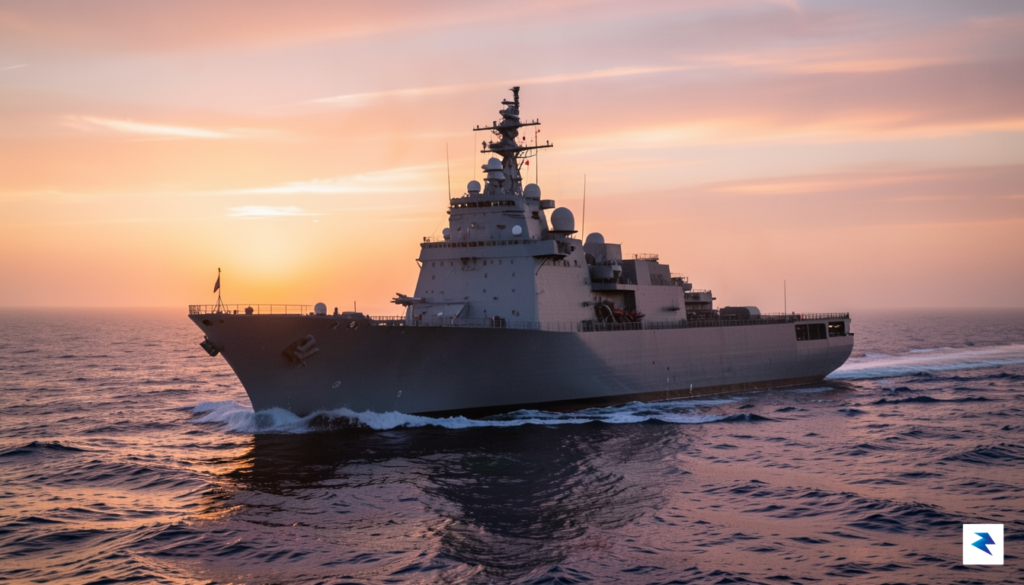
The persistent volatility surrounding the Strait of Hormuz has transcended simple market fluctuations, evolving into a fundamental challenge to the global geopolitical order. As maritime traffic through this vital chokepoint dwindles, the international community is forced to confront the sobering reality that energy security is no longer merely a matter of supply chains, but a precarious test of military and diplomatic resolve. For decades, the free flow of oil through these narrow waters was considered an immutable rule of the global economy; however, the current climate of instability has exposed deep fractures in this assumption. Nations are now caught in a complex balancing act, weighing the exorbitant costs and risks of direct military intervention against the existential necessity of maintaining consistent energy imports.
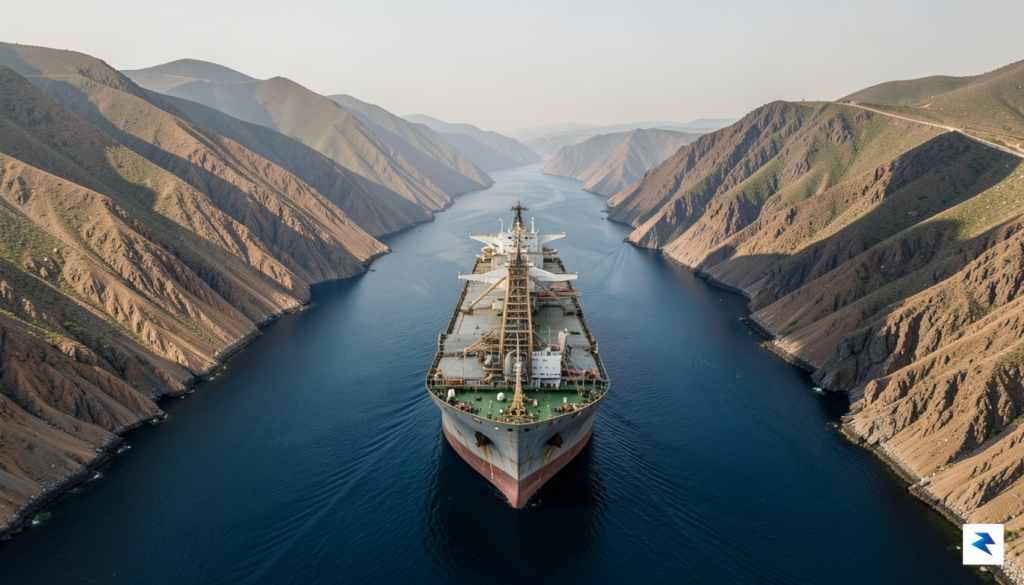
The United States’ naval strategy, once defined by a policy of overwhelming presence to guarantee freedom of navigation, is currently undergoing a strategic re-evaluation. While maintaining a robust deterrent remains a priority, policymakers are increasingly cautious about the potential for unintended escalation that could spiral into a regional conflict. This restraint has emboldened regional stakeholders, who are now navigating a more multipolar landscape. Many of these nations are seeking a middle path, prioritizing diplomatic de-escalation channels to preserve their economic interests while simultaneously diversifying their strategic partnerships. By engaging in localized dialogues, these states hope to neutralize the threat of total blockade, recognizing that a protracted closure would be devastating for both the regional exporters and the global consumers who rely on these daily shipments.
The transition away from singular reliance on vulnerable transit corridors is no longer a long-term goal for policymakers; it has become an immediate imperative for national survival.
Consequently, we are witnessing a profound shift in international energy policy as countries aggressively seek to mitigate future exposure to such chokepoints. This re-evaluation is manifesting in several concrete ways:
Ultimately, the erosion of traffic through this corridor serves as a stark reminder that energy security is inextricably linked to regional stability. The era of assuming that maritime transit routes will remain perpetually open is drawing to a close, replaced by a new, pragmatic approach to international relations. Moving forward, the countries that successfully navigate this crisis will be those that integrate their energy security policies with flexible, multi-faceted foreign strategies, ensuring they are never again held hostage by the vulnerability of a single, narrow passage.
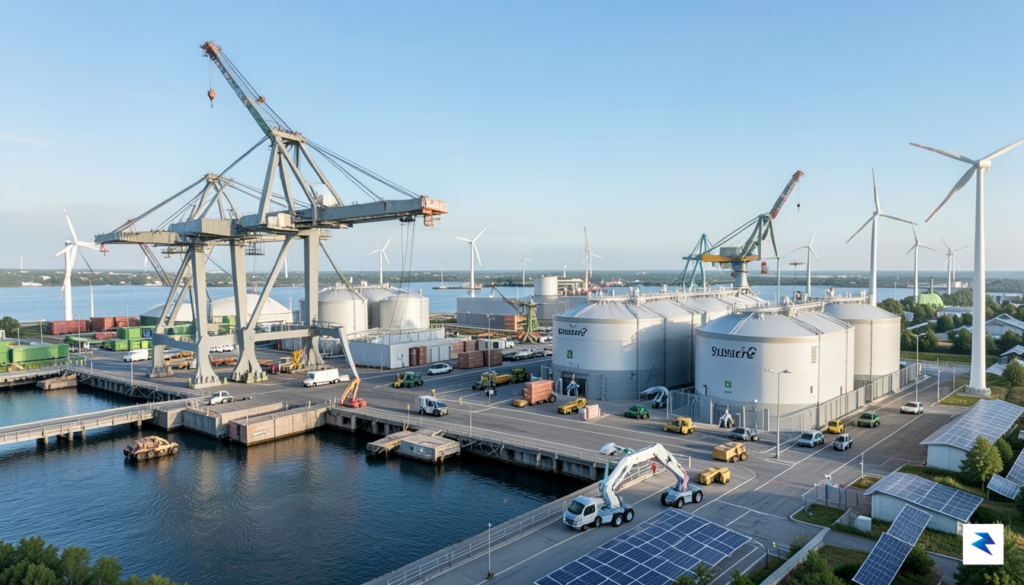
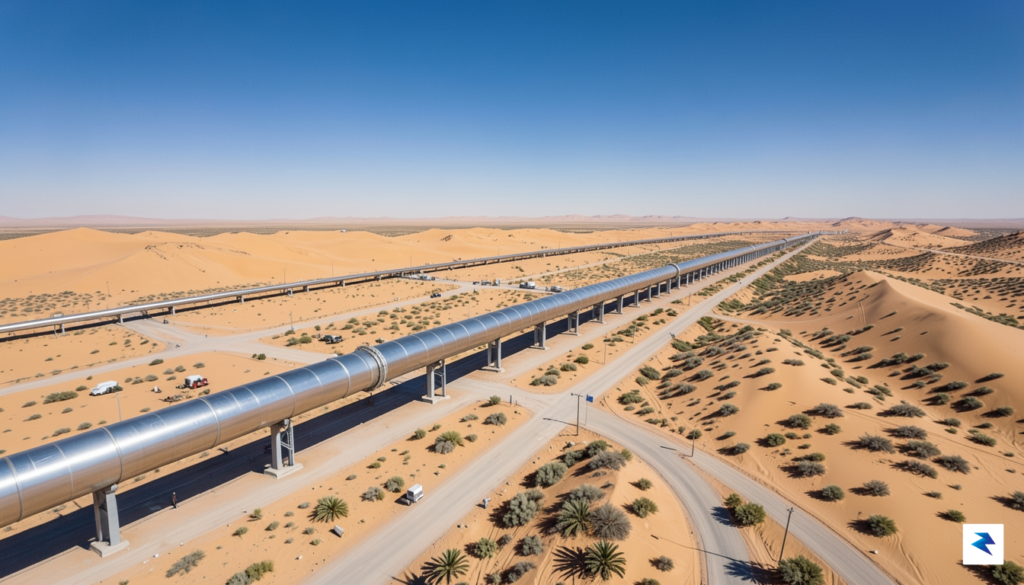
The persistent volatility surrounding the Strait of Hormuz has transformed from a periodic geopolitical concern into a permanent catalyst for structural change in global energy logistics. As transit risks rise and insurance premiums climb, the global maritime industry is being forced to reconsider the fundamental architecture of crude oil delivery. For decades, the world has operated under the assumption that this narrow waterway would remain an open, reliable conduit for the majority of the world’s oil exports. However, that era of complacency is rapidly fading, replaced by a strategic shift toward redundancy and the diversification of transit pathways that do not rely on a single, vulnerable maritime chokepoint.
One of the most significant responses to this instability is the renewed focus on land-based infrastructure, particularly the expansion of transcontinental pipeline networks. By investing in conduits that bypass the Persian Gulf entirely, producing nations can effectively circumvent the geopolitical hazards of the Strait. This shift is not merely a matter of convenience; it is a calculated effort to insulate domestic economies from the sudden price shocks and supply chain disruptions that characterize maritime blockades. As these projects gain momentum, we are likely to see a reshuffling of trade routes that prioritizes secure, fixed-point delivery systems over the unpredictable nature of open-water transit.
The transition away from singular reliance on maritime chokepoints is no longer just an economic preference—it is a foundational requirement for modern national energy security.
Beyond physical infrastructure, the current instability is acting as a powerful accelerant for the global transition toward renewable energy. While the shift to green power was once discussed primarily through the lens of climate change, it is now increasingly viewed as a vital component of national security. Every kilowatt-hour generated by domestic wind, solar, or nuclear power reduces a nation’s exposure to the volatile price swings of seaborne oil. This transition creates a dual benefit: it addresses long-term environmental sustainability while simultaneously diminishing the strategic leverage held by the states that control maritime corridors. Consequently, the push for energy independence is becoming inextricably linked with the desire to insulate nations from the inherent fragility of globalized maritime trade.
Looking ahead, the long-term outlook for maritime security in a multipolar world suggests a move toward more localized and cooperative enforcement. As the reliance on a single, dominant security guarantor diminishes, regional powers are likely to take a more active role in policing their own waters, leading to a fragmented but perhaps more resilient security environment. Ultimately, the future of energy transit will be defined by a hybrid model—one that balances the continued necessity of maritime shipping with a robust, diversified network of land-based pipelines and a rapidly expanding portfolio of domestic, renewable energy sources. This evolution promises to replace the precarious status quo with a more stable, albeit complex, global energy landscape.
You must be logged in to post a comment.