
Scattered Spider Hackers Jailed: The End of a Notorious Cyber Group?
The Rise and Fall of Scattered Spider For years, the collective known as Scattered Spider has operated as a persistent shadow over the global…
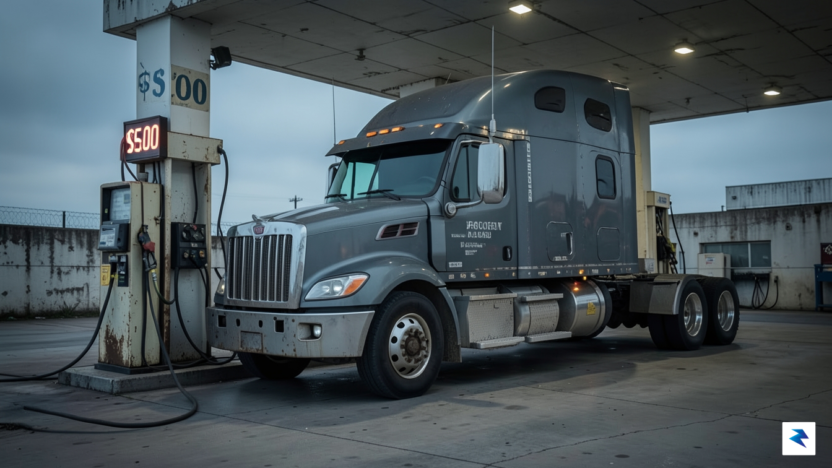

The recent climb of diesel prices past the $5-per-gallon threshold serves as a stark reminder of the fragile interconnectedness of our global supply chain. This 33% surge since the beginning of the conflict in Iran is not merely a statistical anomaly; it is a profound economic signal that reverberates through every sector of the market. While gasoline prices often capture the public’s attention due to their immediate impact on household commuting budgets, diesel is the true lifeblood of the global economy. From the heavy-duty trucks that stock supermarket shelves to the industrial machinery powering construction and manufacturing, virtually every physical good we consume relies on diesel to reach its destination. When this fuel becomes significantly more expensive, the cost of doing business rises instantaneously, creating a ripple effect that inevitably touches the price tag of every finished product.
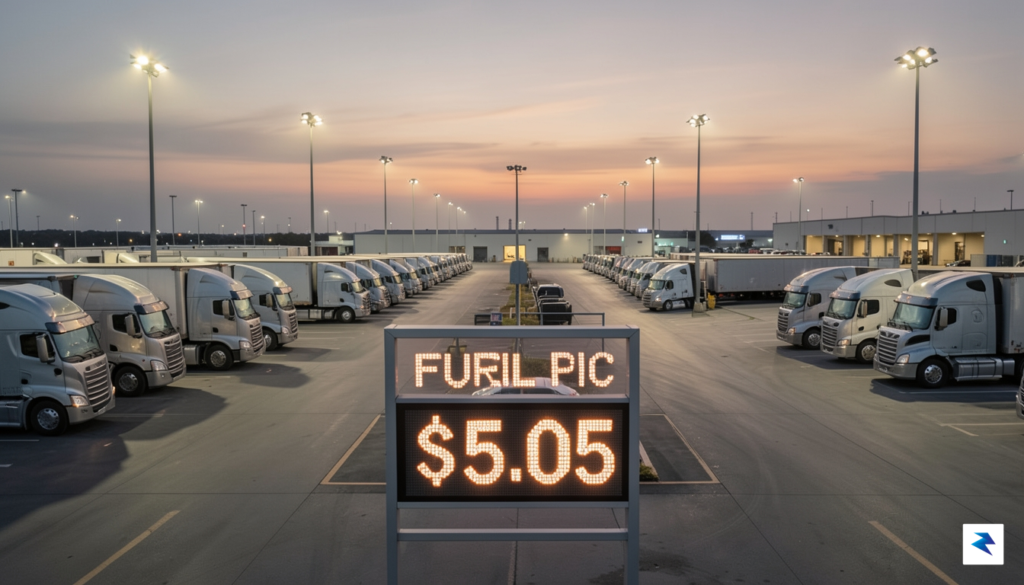
Understanding this volatility requires a closer look at the so-called “diesel premium”—a structural phenomenon that makes this fuel inherently more sensitive to geopolitical instability than its gasoline counterpart. Diesel is chemically similar to heating oil and jet fuel, meaning it is caught in a constant tug-of-war for refining capacity, particularly during periods of high demand or international tension. Unlike gasoline, which is primarily consumed for personal transportation, diesel is an industrial commodity tethered to the health of global trade. When geopolitical tensions flare, particularly in energy-producing regions like the Middle East, the market prices in the risk of supply disruptions long before physical shortages actually materialize. This speculative pressure, combined with the inelastic demand for freight movement, creates a perfect storm for rapid price escalation.
The $5-per-gallon milestone acts as a psychological and financial barrier that forces businesses to rethink their operational margins and consumers to brace for persistent inflationary pressure in retail prices.
The economic implications of this renewed pricing surge are far-reaching and multifaceted. For small-to-medium-sized logistics firms, these costs are often impossible to absorb, leading to increased freight rates that are eventually passed down to the end consumer. Furthermore, because diesel prices are a key component in the Consumer Price Index (CPI) through their influence on transportation costs, a sustained period of high prices can complicate central bank efforts to manage inflation. As businesses grapple with these heightened overheads, the broader economy faces a period of uncertainty where growth may be tempered by the necessity of higher logistics spending. Navigating this climate requires a comprehensive understanding of why these prices remain so susceptible to shocks and how the current global landscape continues to prioritize energy security as a prerequisite for economic stability.

At the heart of the current surge in fuel costs lies the Strait of Hormuz, a narrow maritime chokepoint through which roughly one-fifth of the world’s total oil consumption must pass daily. This corridor is more than just a shipping lane; it is the jugular vein of the global energy economy. When tensions escalate in the Persian Gulf, the mere threat of a blockade or a military skirmish sends shockwaves through international trading desks. Because diesel is the primary fuel for the global supply chain—powering the massive container ships, long-haul trucks, and freight trains that move goods across the planet—any disruption in this region creates an immediate, cascading effect on the price of energy at the retail level.
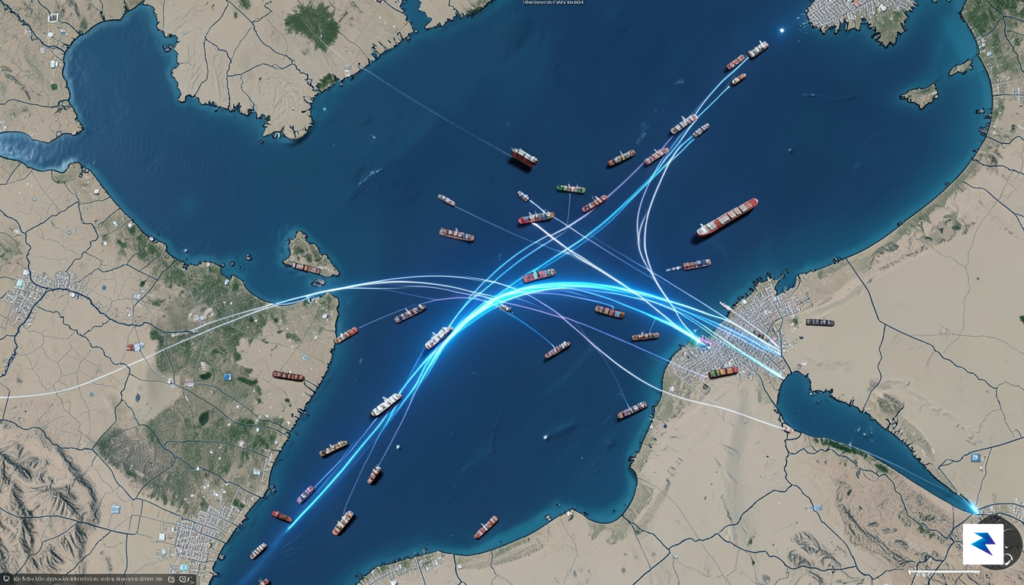
The economic impact of this instability is compounded by the mechanics of the maritime insurance market. As geopolitical risks heighten, underwriters categorize the Persian Gulf as a high-risk zone, causing maritime insurance premiums for oil tankers to skyrocket overnight. These increased costs are not absorbed by shipping conglomerates; they are passed directly down the supply chain, adding a tangible “risk premium” to every barrel of oil transported. Furthermore, if shipping companies choose to divert their vessels around the Cape of Good Hope to avoid volatile waters, the journey becomes significantly longer and more fuel-intensive. This added transit time creates a bottleneck, effectively shrinking the available supply of petroleum products before they even reach the refineries that process them into diesel.
The “risk premium” associated with Middle Eastern conflict functions as a hidden tax on every gallon of diesel, as market participants hedge against the uncertainty of future supply chain integrity.
Global oil markets are notoriously sensitive to regional escalation, reacting with a speed that often outpaces actual physical supply shortages. Traders operate on anticipation; the perception that a conflict could expand often triggers a speculative buying frenzy, driving futures contracts upward long before a single tanker is actually delayed. This psychological component of the market is why we see diesel prices climbing toward five dollars a gallon even when domestic reserves appear stable. Because the market is globally interconnected, a crisis in the Middle East functions as an immediate signal to adjust prices upward everywhere, ensuring that American consumers feel the weight of regional instability almost as acutely as those closer to the conflict.
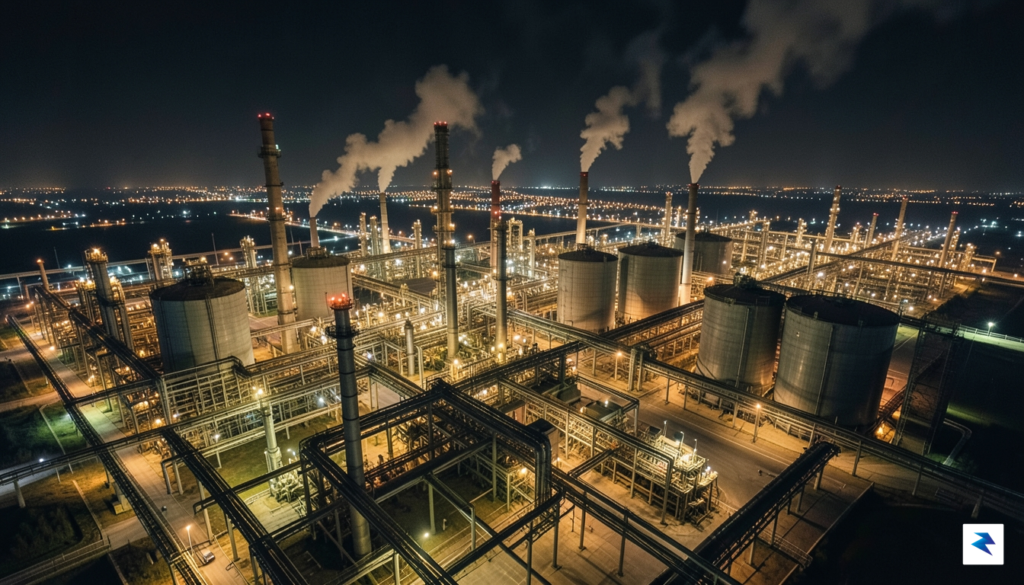
While geopolitical tensions in the Middle East often seize the headlines, the vulnerability of American diesel prices is anchored just as firmly in the quiet, industrial reality of our domestic refineries. Over the past decade, the United States has undergone a quiet consolidation of its refining infrastructure, resulting in a system that operates with historically thin margins of error. We are no longer working with the surplus capacity that once allowed the market to absorb shocks from overseas; instead, we operate a lean, highly optimized grid where even routine maintenance cycles can trigger outsized price reactions. When a refinery goes offline for seasonal upgrades or unexpected repairs, there is no longer a substantial “cushion” of excess inventory to bridge the gap, leaving the entire supply chain exposed to the volatility of global events.
This structural shift is complicated further by the evolving requirements of modern fuel production. Refineries are not simply “on-off” switches for crude oil; they are complex chemical plants that must be reconfigured to prioritize specific outputs like ultra-low sulfur diesel (ULSD). As the global energy sector pivots toward different distillate requirements and stricter environmental standards, the complexity of the refining process has increased, often requiring longer, more intensive downtime for equipment retrofits. Consequently, the industry is perpetually balancing the need for modernization against the immediate demand for fuel, a tug-of-war that frequently leaves the domestic market undersupplied during peak agricultural or shipping seasons.
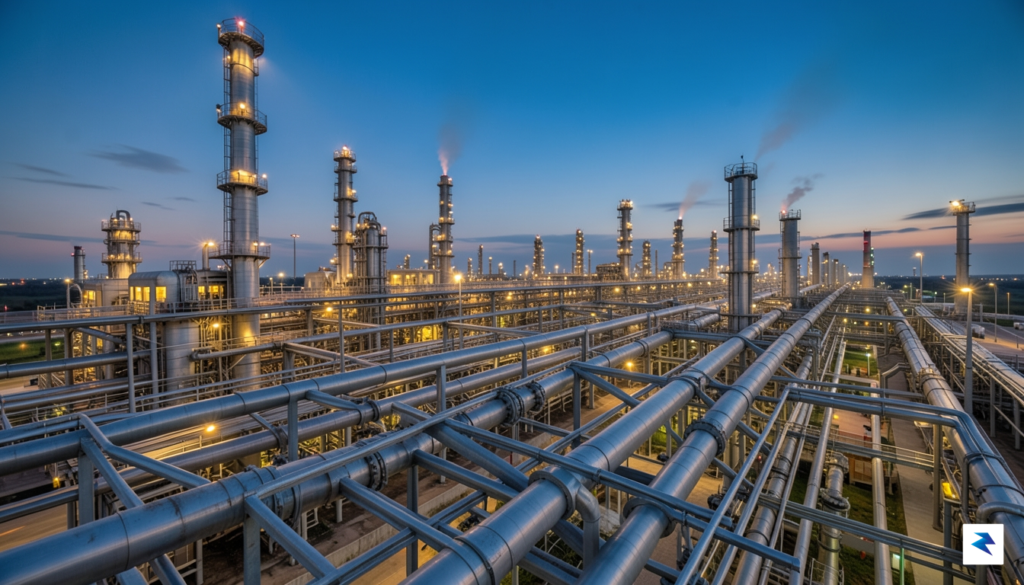
The fragility of our current fuel market is a mathematical certainty: when demand remains constant but the margin for error in production disappears, price spikes are not an anomaly—they are a systemic outcome.
Furthermore, the concept of “tight supply” has become the new normal for the American consumer. In a market with limited surplus, minor logistical disruptions—such as a localized power failure, a maritime delay, or a delayed maintenance schedule—no longer result in a manageable price fluctuation. Instead, these events create immediate, significant spikes at the pump. Because our refineries are running near their maximum sustainable capacity, there is essentially no “slack” in the system to ramp up production when the global price of crude rises due to war or political instability. By prioritizing maximum efficiency and lean operations, we have inadvertently traded our energy security for a fragile system that, while profitable during stable times, becomes exceptionally expensive the moment a global supply chain is rattled.

When diesel prices climb back toward the $5-per-gallon mark, the impact extends far beyond the pump at your local truck stop. To understand why your grocery bill or home repair costs are rising, one must look at the cost-pass-through mechanism inherent in modern logistics. Almost every physical item you encounter—from the produce in your refrigerator to the lumber in your garage—has traveled on a heavy-duty truck at some point in its journey. Because diesel serves as the lifeblood of the trucking industry, any surge in fuel costs represents a direct increase in the overhead for every logistics firm. These companies cannot absorb such volatile expenses indefinitely, so they inevitably pass those costs down the supply chain, adding surcharges to shipping contracts that eventually inflate the price of the final product sitting on a retail shelf.
The math behind these fuel surcharges is straightforward but punishing for the average consumer. Logistics providers often tie their rates to indices that fluctuate with national diesel averages; when fuel prices spike, these surcharges trigger automatically, effectively acting as a hidden tax on every mile traveled. By the time a finished good moves from a factory to a regional distribution center, and finally to your local store, those incremental fuel costs have compounded at each stage of handling. This is why you might notice that the price of non-perishable goods, which rely heavily on long-haul transport, rises almost in lockstep with fuel trends. It is a ripple effect that transforms a global energy crisis into a domestic inflation headache.
Beyond the simple act of transportation, diesel is the primary energy source for the heavy machinery that powers our most essential industries, specifically agriculture and construction. Farmers rely on diesel-powered tractors, combines, and irrigation pumps to plant and harvest crops. When the cost of these inputs skyrockets, the price of agricultural production rises, which is inevitably reflected in the price of bread, meat, and dairy products at the supermarket. Similarly, the construction sector faces immense pressure, as the heavy equipment required to clear land, pour concrete, and frame houses consumes vast quantities of fuel. When a contractor’s operating expenses jump due to high diesel costs, those expenses are factored into project bids, ultimately driving up the cost of new home construction and major renovations for everyday families.
The reality of a $5 gallon of diesel is that it functions as a tax on the movement of goods, ensuring that the burden of energy volatility is shared by every household across the economy.
Ultimately, the correlation between fuel prices and consumer inflation is not a coincidence; it is a fundamental feature of our interconnected global market. Because diesel is the fuel of utility rather than the fuel of luxury, there are few alternatives for the industrial sectors that keep society running. As long as our supply chains remain tethered to the price of petroleum, the rising cost of diesel will remain a primary engine behind the inflationary pressures felt in our daily lives.
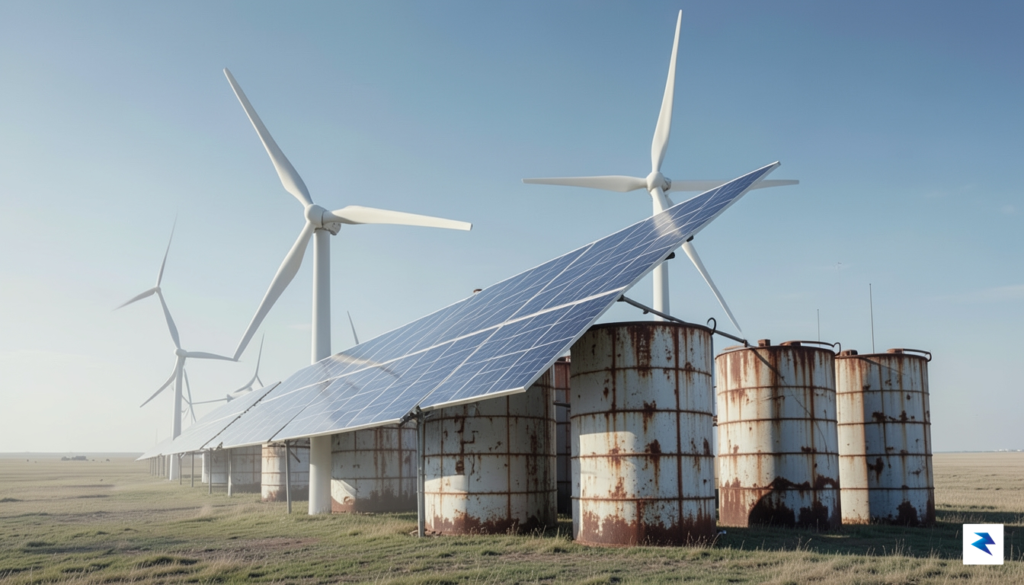
As the global energy landscape remains tethered to the whims of geopolitical stability, the Strategic Petroleum Reserve (SPR) has re-emerged as a critical, albeit limited, tool for national security. While releasing oil from these reserves can provide a necessary buffer against sudden supply disruptions, it is a finite remedy that functions more like a shock absorber than a long-term solution. Policymakers are increasingly tasked with balancing these emergency drawdowns with the need to replenish stocks when prices are lower, ensuring that the nation does not find itself vulnerable during an extended crisis. The challenge lies in creating a more agile, modernized reserve strategy that can signal market stability to traders while preventing the artificial inflation of prices through government over-intervention.
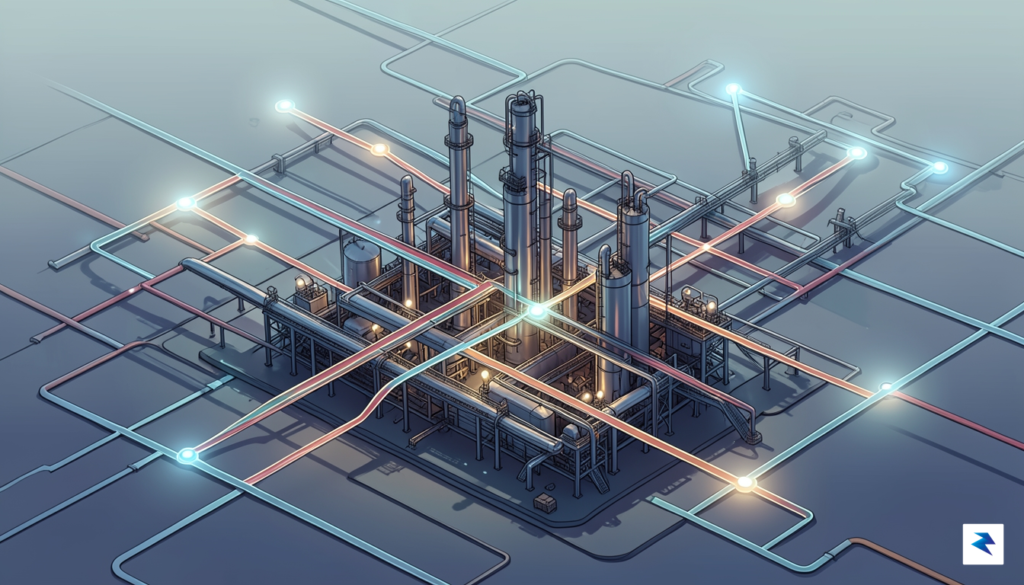
Beyond immediate reserves, the long-term stabilization of transportation costs requires a fundamental shift in how we power our logistics networks. Relying heavily on diesel creates a single point of failure that leaves the entire economy exposed to the volatility of global crude markets. Transitioning toward a more diverse energy mix—including the integration of hydrogen fuel cells for long-haul freight, expanded use of renewable diesel, and electrification of last-mile delivery vehicles—is no longer just an environmental goal; it is an economic imperative. By reducing the heavy-duty sector’s exclusive dependence on traditional petroleum, we can decouple essential commerce from the specific geopolitical pressures that currently drive price spikes.
True resilience in our supply chain is found not just in the volume of fuel we store, but in the variety of energy sources we employ to keep the wheels of industry turning.
For businesses and consumers currently grappling with the reality of $5 diesel, the immediate future demands a proactive approach to cost management. Logistics firms are increasingly turning to advanced telematics to optimize routes and reduce idling, while smaller operators are leveraging fuel hedging contracts to lock in prices and mitigate the sting of sudden market swings. Individuals can similarly manage their exposure by prioritizing fuel-efficient logistical choices and supporting local supply chains that minimize the distance goods must travel. Ultimately, while we cannot control the geopolitical tensions that shake the global markets, we can foster a more resilient framework through smarter technology, diversified energy investments, and a disciplined approach to consumption that buffers against the inevitable storms of the global energy trade.
You must be logged in to post a comment.