
The End of an Era: Why the OnePlus ‘Flagship Killer’ Dream Has Ended
The Rise and Fall of a Disruptor When OnePlus first emerged onto the crowded mobile scene in 2014, the smartphone market was largely a duopoly…
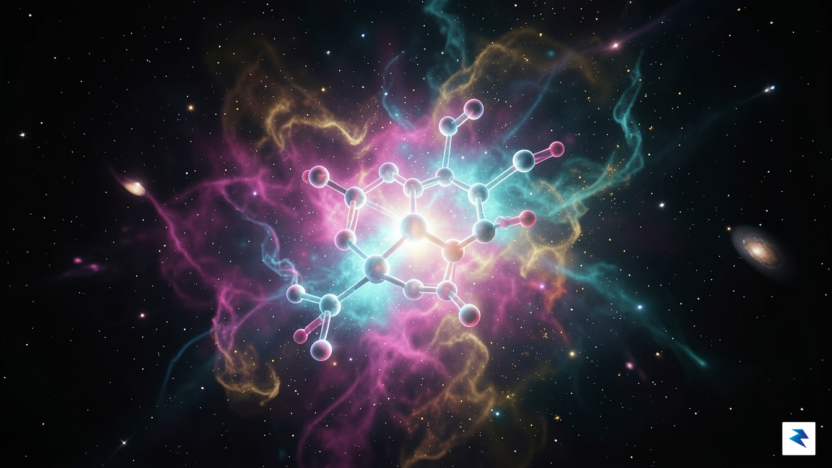
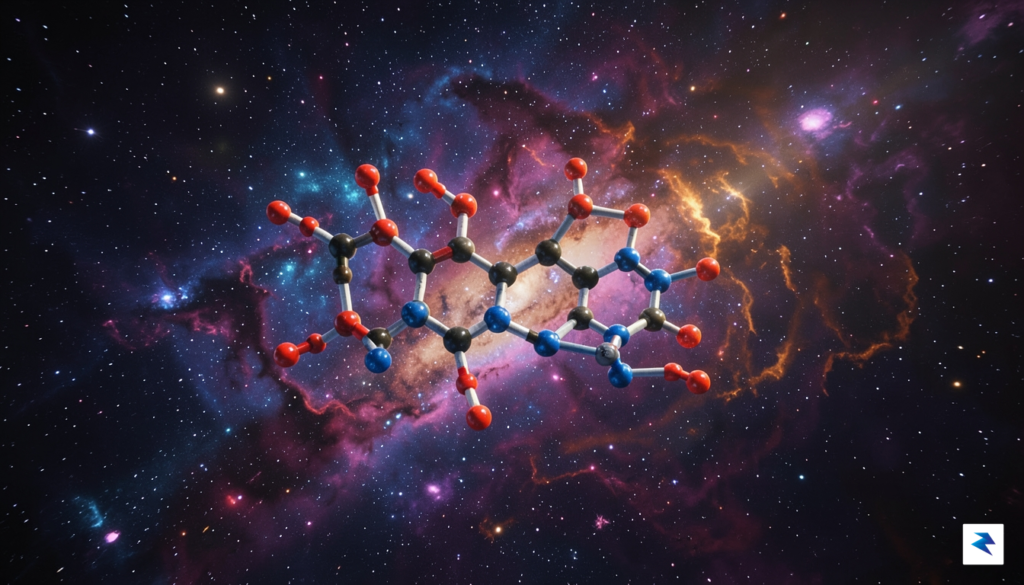
In a profound expansion of our understanding of the universe, astronomers have successfully identified the presence of erythrulose within the cold, dark clouds of the interstellar medium. Erythrulose, a rare four-carbon monosaccharide, represents a significant leap in chemical complexity compared to the simpler organic compounds typically detected in deep space. Unlike the more common molecules found drifting between star systems, this sugar possesses a chiral structure, meaning it exists in left- and right-handed forms that are essential building blocks for biological life as we know it. Its detection thousands of light-years away serves as a powerful reminder that the ingredients necessary for life are not exclusive to Earth, but are instead woven into the very fabric of the cosmos.
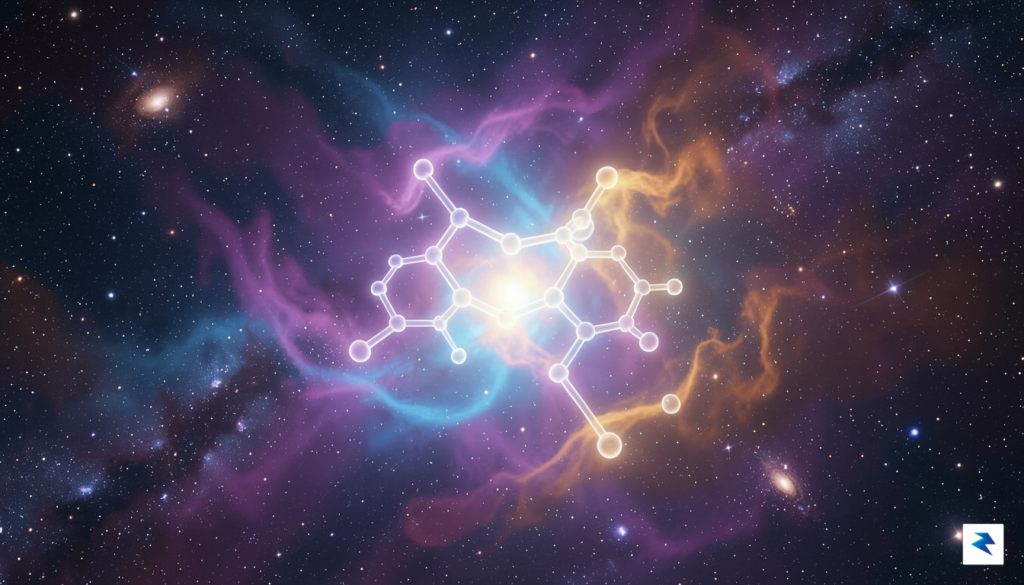
The magnitude of this finding cannot be overstated, as it pushes the boundaries of astrochemistry into uncharted territory. For decades, researchers have cataloged various organic molecules in space, yet finding a sugar as intricate as erythrulose suggests that the chemical processes occurring in the void are far more sophisticated than previous models allowed. It implies that the harsh, high-radiation environments of space—often considered hostile to delicate organic structures—are capable of fostering the synthesis of complex carbohydrates. This discovery essentially provides a missing link in the narrative of cosmic evolution, showing us that the “seeds” of chemistry are being sown in interstellar nurseries long before planets and stars even begin to coalesce.
The identification of erythrulose proves that the interstellar medium is not merely a vacuum of simple elements, but a complex laboratory capable of producing the foundational architecture of biological chemistry.
Ultimately, this milestone marks a pivotal shift in how we approach the study of the galaxy. By confirming that such complex sugars can survive and thrive in deep space, scientists now have a new framework to explore how these molecules might be delivered to young planetary systems via meteorites or cometary impacts. This research bridges the gap between basic inorganic chemistry and the emergence of life, suggesting that the universe may be inherently “pre-loaded” with the chemical potential for biology. As we continue to refine our observational techniques, the detection of erythrulose acts as a beacon, guiding us toward a deeper comprehension of our own origins and the universal distribution of life-sustaining materials.
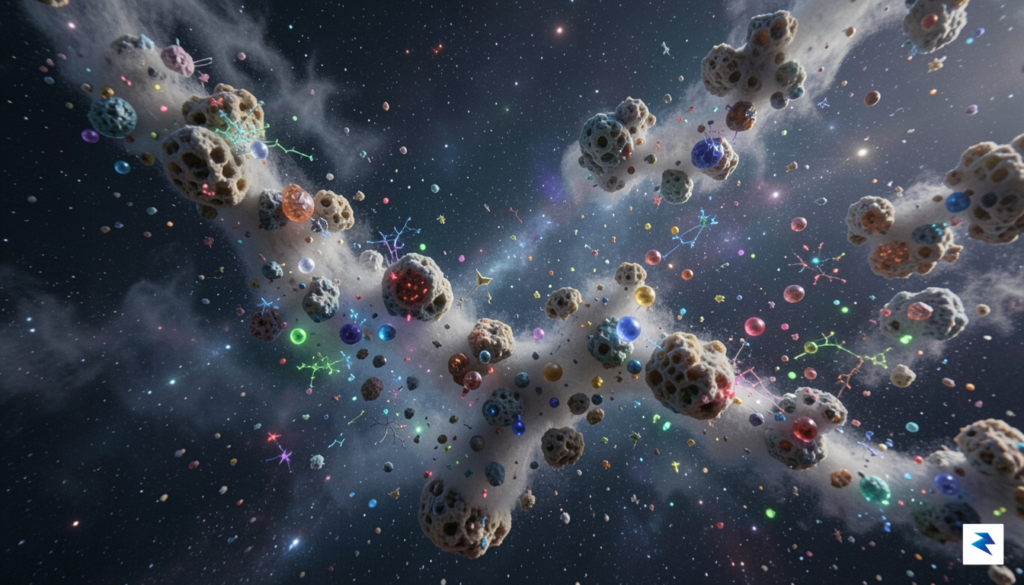
While the vast expanse of the cosmos is often perceived as a desolate, freezing vacuum, it actually functions as a sophisticated and highly active chemical laboratory. Within the dense, frigid interiors of molecular clouds—vast regions of gas and dust spanning light-years—the conditions are surprisingly ripe for the assembly of organic building blocks. These environments are shielded from the harsh ultraviolet light of neighboring stars by thick veils of interstellar dust, creating pockets of stability where delicate molecules can survive for eons. Far from being empty, these clouds provide the necessary density of raw materials, such as carbon, oxygen, and hydrogen, to facilitate the intricate dance of chemical bonding that leads to the precursors of life.
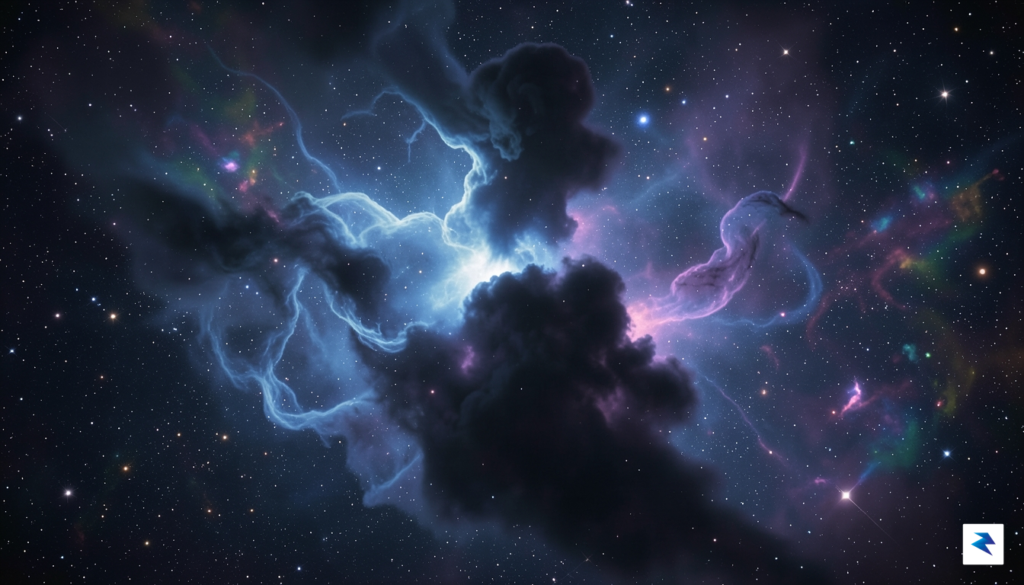
The synthesis of complex organic structures in these regions relies heavily on the role of tiny, ubiquitous interstellar dust grains. These grains serve as microscopic foundations; atoms and simple molecules, such as carbon monoxide and water, drift through space and eventually adhere to the surfaces of these frigid particles. Once anchored, these molecules are subjected to the influence of cosmic rays and faint radiation, which provide the localized energy required to overcome the activation barriers that would otherwise prevent chemical reactions. As these precursors migrate across the icy surfaces, they collide and bond, slowly building up from simple substances into more elaborate structures like alcohols, aldehydes, and, ultimately, sugar molecules.
The discovery of complex sugars in space proves that the fundamental components of biology are not exclusive to Earth, but are instead woven into the very fabric of the interstellar medium.
This process of chemical evolution is far more efficient than one might expect in such extreme cold. Because the dust grains are so incredibly frigid, they act as a “chemical trap,” allowing even the most volatile species to settle long enough to undergo transformation. Over vast timescales, these simple precursors evolve into increasingly complex sugar chains, a feat that requires the precise orchestration of atomic geometry and energy input. This progression from simple inorganic gases to complex organic chains suggests that the raw ingredients for life are being synthesized throughout the galaxy, constantly waiting to be swept up into the formation of new planetary systems. Understanding this interstellar chemistry is not merely an academic exercise; it is the key to determining how widespread the chemical foundations of life might truly be across the universe.
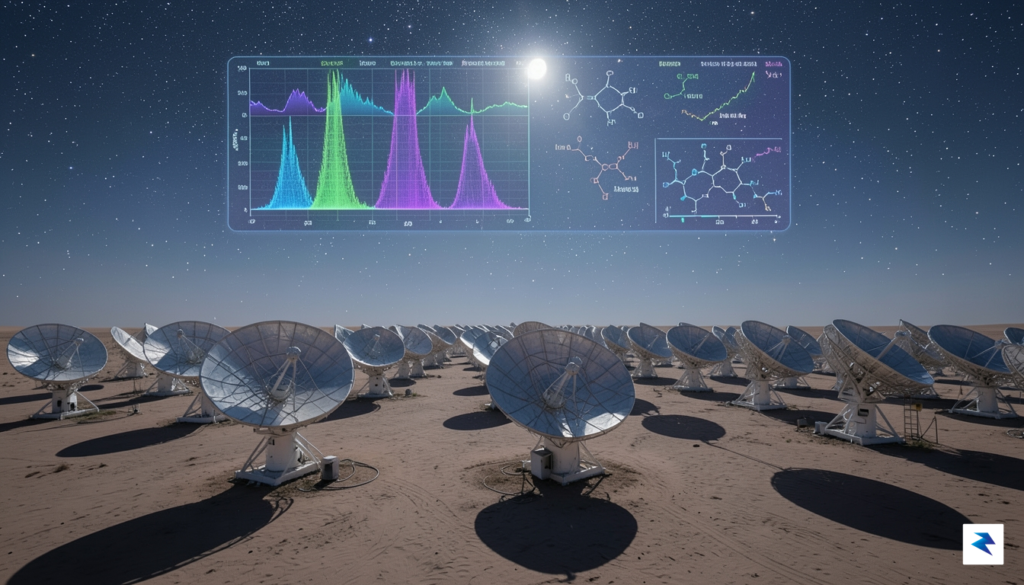
Detecting complex organic compounds from thousands of light-years away is akin to trying to hear a whisper in the middle of a roaring hurricane. Because these molecules exist in cold, dark molecular clouds, they do not emit visible light that our eyes can perceive. Instead, astronomers rely on the principles of rotational spectroscopy to identify them. As these molecules tumble and rotate in the vacuum of space, they lose energy in highly specific, quantized amounts. This energy is released as electromagnetic radiation in the microwave and radio frequencies, creating a unique “fingerprint” that acts as a definitive signature for that specific chemical structure.
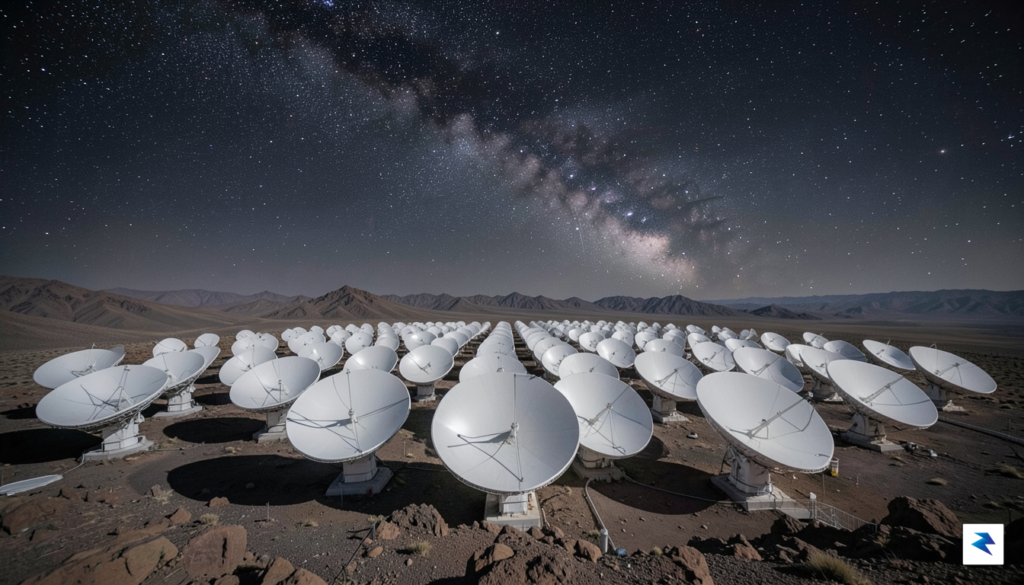
To capture these faint signals, researchers utilize massive, high-precision radio observatories, such as the Atacama Large Millimeter/submillimeter Array (ALMA) in Chile. These telescopes function as giant “ears” tuned to the specific frequencies emitted by interstellar molecules. By combining the data from dozens of individual antennas, astronomers can create an interferometric array that achieves the resolution of a single telescope miles wide. This allows them to isolate the subtle, rhythmic vibrations of a sugar molecule from the overwhelming, chaotic noise of the cosmic microwave background and other galactic interference.
Once the radio waves are collected, the real complexity begins with data processing. Astronomers convert these electromagnetic signals into a spectrum—a graph that plots signal intensity against frequency. Every molecule, including the sugar-like erythrulose, possesses a unique pattern of peaks and valleys on this graph, determined by its atomic mass and molecular shape. By cross-referencing these observed peaks against laboratory data—where scientists recreate interstellar conditions to measure how specific molecules “sound”—astronomers can confirm with absolute certainty that a particular chemical is present in a distant star-forming region.
The precision required to identify a specific sugar molecule in the depths of space is a triumph of modern physics, turning the silent, invisible void into a vibrant chemical laboratory.
This process is not merely about identifying a single substance; it is about mapping the fundamental building blocks of life across the galaxy. Because each molecule has a distinct rotational signature, the radio spectrum acts as a comprehensive catalog of celestial chemistry. By mastering the art of listening to these microscopic, rotating dance patterns, we are slowly uncovering the hidden history of the universe and understanding how the precursors to life are distributed throughout the cosmos.
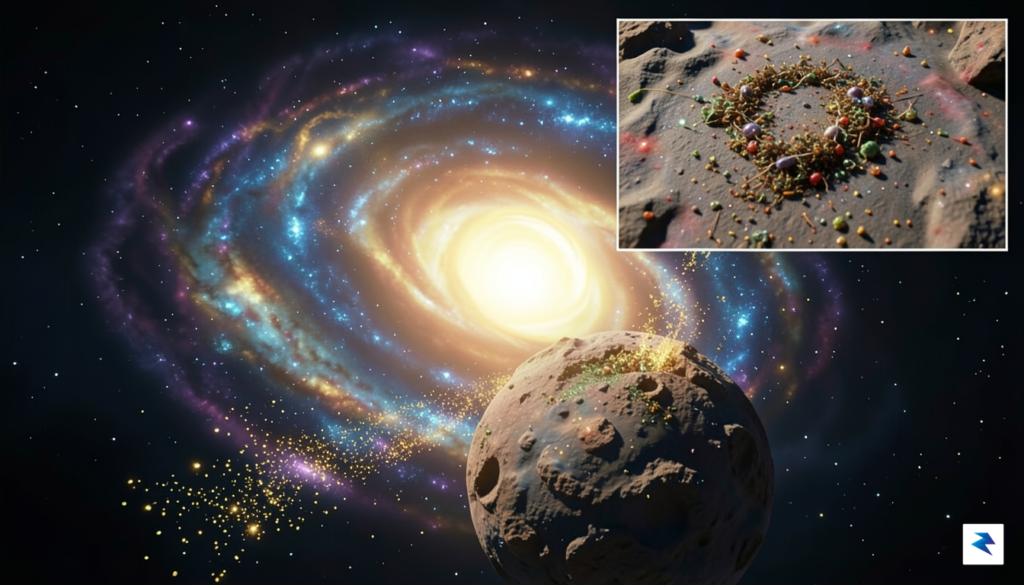
The identification of the sugar molecule erythrulose within the cold, vast reaches of interstellar space represents a profound shift in our understanding of chemical evolution. By proving that complex organic compounds can spontaneously assemble in the harsh environment of a star-forming region, astronomers have moved closer to validating the panspermia hypothesis. This theory suggests that the chemical precursors necessary for life are not unique to Earth but are, instead, cosmic “seeds” distributed throughout the galaxy. If the fundamental architecture of biology can be synthesized in the vacuum of space, it stands to reason that the raw materials for life are likely being delivered to young, evolving planetary systems on a regular basis.
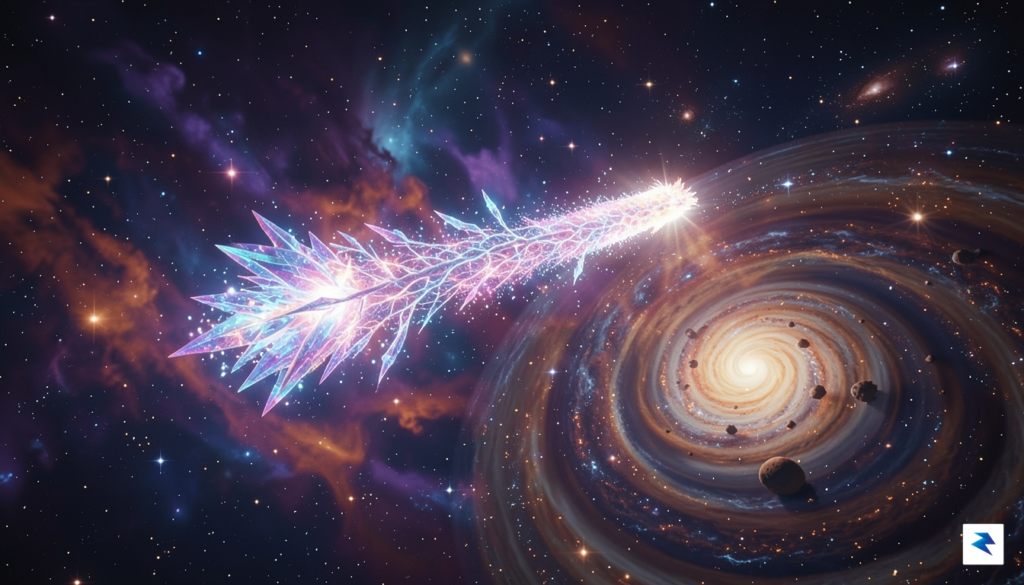
These celestial travelers—comets and meteorites—act as the primary delivery vehicles for such organic complexity. As these icy bodies traverse the solar system, they often strike the surfaces of newly formed planets, effectively seeding them with a rich inventory of prebiotic molecules. Erythrulose and its chemical cousins are stable enough to survive the violent transit through a planetary atmosphere, meaning that the building blocks of life are essentially “packaged” and delivered to the surfaces of worlds that might otherwise be barren. This constant cosmic bombardment implies that the transition from a sterile, rocky world to one capable of hosting biological activity may be a far more common occurrence than we previously dared to imagine.
The discovery of complex sugars in deep space suggests that the universe is not just a collection of inert matter, but a vast, ongoing laboratory for the assembly of life’s essential components.
The presence of erythrulose is particularly significant because of its role in the formation of more intricate biological structures. Sugars are the foundational scaffolding for nucleotides, which in turn compose the genetic material found in all living organisms. By demonstrating that space-based chemistry can produce these specific carbon-chain configurations, researchers are filling in the missing pieces of how life might transition from simple inorganic elements to complex, self-replicating systems. This discovery does not guarantee that life exists elsewhere, but it confirms that the universe possesses the necessary “ingredients list” to facilitate that transition. When we look up at the night sky, we are no longer just looking at distant suns; we are looking at a galaxy filled with the potential, and perhaps the inevitable, precursors to biology.
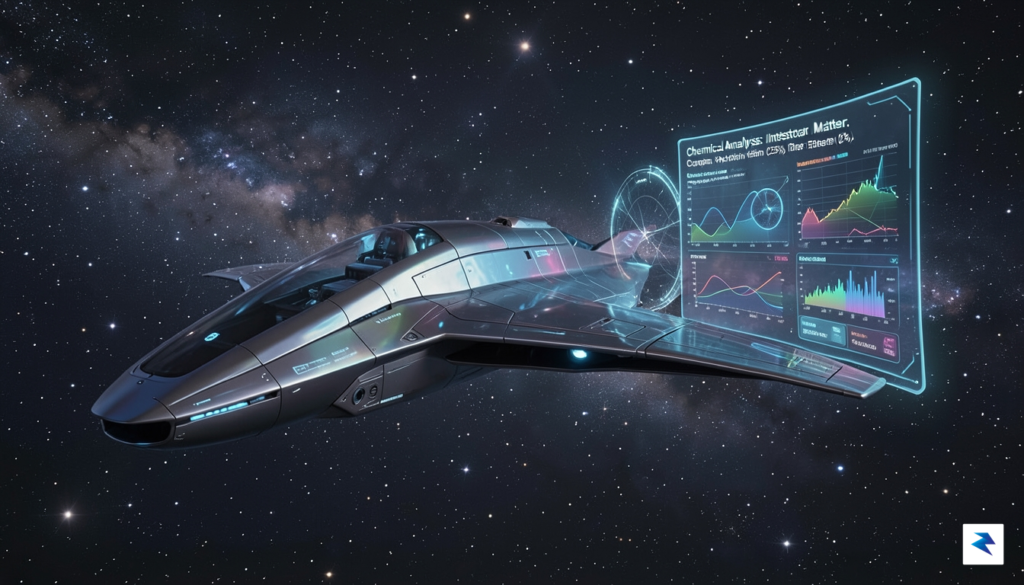
The identification of a complex sugar molecule in the cold, vast reaches of deep space marks a transformative pivot in how we conceive of the building blocks of life. Rather than viewing biological precursors as rare accidents confined to the surfaces of lucky planets, we must now consider them as fundamental components of the cosmic architecture. This paradigm shift mandates that future astrobiological missions prioritize the chemical mapping of star-forming regions with unprecedented precision. By deploying next-generation space telescopes and high-resolution radio interferometers, researchers can now trace the chemical “breadcrumbs” left by these molecules as they transition from interstellar clouds to the protoplanetary disks that eventually give rise to solar systems. We are moving from a passive search for habitable zones toward an active investigation of the chemical “seeding” processes that prime these environments for biological complexity long before a planet even fully forms.
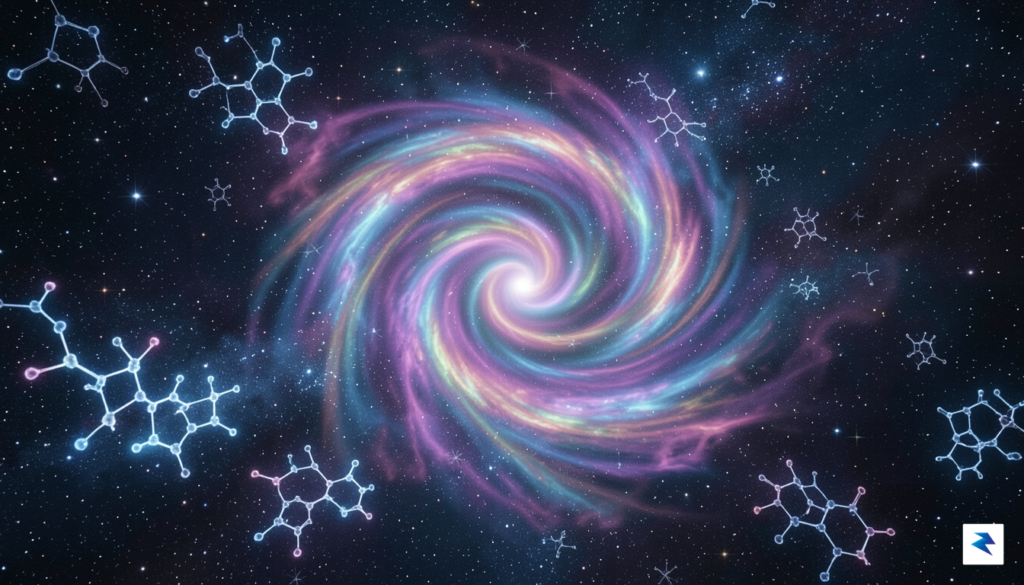
This discovery also fundamentally recalibrates our search for biosignatures within the atmospheres of distant exoplanets. For decades, the hunt for extraterrestrial life has focused primarily on identifying atmospheric oxygen, methane, or water vapor as indicators of biological activity. However, if the universe is pre-loaded with the organic precursors necessary for life, we must broaden our analytical scope to include the detection of more complex, carbon-based molecular chains. By understanding which sugars and organic compounds are prevalent in the interstellar medium, astronomers can better predict which exoplanets are likely to host the chemical inventory required for prebiotic evolution. This allows us to filter our observations through a more sophisticated lens, focusing on worlds where the “ingredients” for life are not just present, but chemically abundant and ready for assembly.
The presence of sugar in the stars suggests that the chemistry of life is not a localized anomaly, but a universal property of matter evolving in tandem with the galaxies themselves.
Ultimately, the weight of this finding extends far beyond the technical mechanics of space exploration; it touches upon the profound philosophical question of our own chemical origins. If life is a natural outcome of the universe’s internal chemistry, then the narrative of our existence becomes deeply intertwined with the life cycles of stars. We are effectively reading the prologue of a universal story that begins in the furnace of stellar evolution and culminates in the complexity of biological organisms. As we refine our ability to detect these markers across light-years, we are not just looking for “aliens” or habitable rocks; we are mapping the ancestral history of all life, moving closer to a comprehensive understanding of how the cold, silent vacuum of space eventually transforms into the vibrant, breathing complexity that we recognize as our home.
You must be logged in to post a comment.