
NotebookLM Evolves: Everything You Need to Know About Gemini Notebook
The Evolution of NotebookLM into Gemini Notebook When Google first introduced its experimental research tool, it was designed as a specialized…

When OnePlus first emerged onto the crowded mobile scene in 2014, the smartphone market was largely a duopoly dominated by the iron-clad grips of Apple and Samsung. Consumers were accustomed to paying premium, four-figure prices for top-tier hardware, often feeling shackled to carrier contracts that offered little flexibility. Into this rigid landscape stepped a scrappy startup with a defiant mantra: “Never Settle.” This wasn’t just a marketing slogan; it was a rallying cry that spoke directly to power users and enthusiasts who felt ignored by the mainstream industry. By promising high-end specifications—such as the latest Snapdragon processors and ample RAM—at roughly half the cost of the market leaders, OnePlus effectively democratized flagship performance and ignited a firestorm of excitement among tech-savvy early adopters.
To cultivate this fervor, OnePlus employed a brilliant, if controversial, invite-only system for purchasing their debut device, the OnePlus One. By creating a layer of artificial scarcity, the brand transformed the act of buying a phone into an exclusive, coveted experience. This strategy didn’t just manage supply chain logistics for a young company; it fostered a deep sense of community and prestige, turning their customers into evangelists who felt like insiders in a secret club. The narrative was simple yet powerful: why pay a “brand tax” for a logo when you could get the same—or better—performance for a fraction of the price? This disruptive approach forced the entire industry to take notice, as competitors suddenly found themselves forced to justify their high price points against an upstart that refused to play by the traditional rules.
The “Flagship Killer” title was more than a marketing gimmick; it was a promise that innovation didn’t need to be synonymous with exorbitant retail markups.
Beyond the hardware, the brand thrived on a culture of radical transparency and direct engagement with its user base. They utilized forums to solicit feedback, involving their community in the development process and creating a sense of shared ownership that giant conglomerates could never replicate. For a few glorious years, OnePlus occupied a unique space as the “people’s champion” of the mobile world. It was a time when owning a OnePlus device signified that you were a connoisseur of technology—someone who valued substance over style and performance over pedigree. This period of rapid growth cemented the brand’s identity as a disruptor, setting a high bar for what consumers expected from their devices and permanently altering the consumer perception of value in the smartphone ecosystem.
The “flagship killer” identity was never a sustainable business model in the long term, serving more as a brilliant market entry strategy than a permanent blueprint for corporate growth. When OnePlus first arrived on the scene, it operated as a lean, enthusiast-focused disruptor that could afford to shave margins thin to capture market share. However, as the brand scaled to meet global demand, the harsh realities of supply chain economics and skyrocketing Research and Development (R&D) costs began to erode those razor-thin margins. To compete with the industry titans, OnePlus had to move beyond boutique manufacturing and embrace the complexities of mass-market production, which necessitated a shift toward more conventional, higher-priced hardware strategies to remain profitable.
This transition was further accelerated by the company’s deeper integration into the Oppo corporate ecosystem. While this merger provided the necessary manufacturing muscle and R&D backing to keep pace with rapid technological advancements, it fundamentally altered the brand’s DNA. The distinct, agile startup culture that once allowed OnePlus to pivot quickly based on community feedback was subsumed by a larger, more bureaucratic corporate structure. Consequently, the distinct “secret sauce”—that feeling of an underdog fighting the establishment—was replaced by a strategy of feature parity and mainstream appeal, leaving long-time fans feeling as though the brand had simply become an extension of its parent company rather than a unique alternative.
Perhaps the most visceral point of contention for the community was the gradual dilution of OxygenOS. In its infancy, OxygenOS was celebrated for its clean, near-stock Android aesthetic, offering a “bloat-free” experience that defined the brand’s performance identity. As the company sought to harmonize its software across different global markets and integrate with Oppo’s ColorOS, the unique, lightweight interface that once set OnePlus apart began to lose its character. The integration of shared codebases meant that the software became increasingly indistinguishable from the very mainstream devices the brand once sought to disrupt.
The pivot from a niche, community-driven brand to a mass-market manufacturer necessitated compromises that were fundamentally incompatible with the “flagship killer” promise.
Ultimately, the death of the flagship killer era was a result of market maturation. Consumers began to demand premium camera systems, advanced water resistance, and wireless charging—features that carry significant manufacturing overhead and essentially force a price hike. By chasing these mainstream requirements to satisfy a broader audience, OnePlus effectively abandoned the very enthusiasts who built the brand. The company is no longer an alternative to the status quo; it has, by every measurable metric, become the status quo itself.
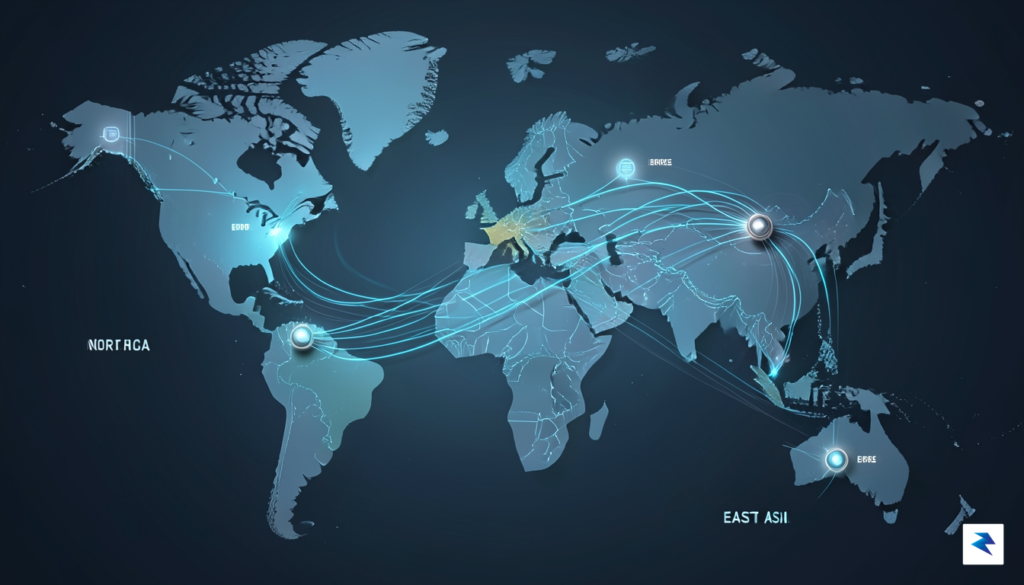
The aggressive expansion that once defined OnePlus as a global challenger has given way to a calculated retreat, signaling a profound transformation in the company’s identity. For years, the brand’s presence in North America and Europe was bolstered by a loyal community of enthusiasts who valued high-end specifications at disruptive price points. However, the smartphone landscape in these regions has shifted dramatically; the market is now dominated by rigid carrier partnerships and a consumer base that has increasingly gravitated toward the established ecosystems of Apple and Samsung. By scaling back its operations in the West, OnePlus is not merely cutting costs, but acknowledging that the “flagship killer” model is no longer a viable strategy in a saturated, carrier-locked environment where margins are razor-thin and brand loyalty is difficult to displace.
Returning to its domestic roots in China represents a strategic pivot toward a market that offers a more sustainable, albeit highly competitive, path for growth. Unlike the Western market, where OnePlus struggled to carve out a permanent foothold against entrenched legacy giants, the Chinese mobile industry is characterized by rapid innovation cycles and a consumer base that is highly receptive to the brand’s current hardware-focused trajectory. By consolidating its resources, the company can streamline its supply chain and focus on the distinct software preferences and feature sets that resonate with the Chinese demographic. This move essentially trades global visibility for operational stability, allowing the brand to operate within a ecosystem where it can more effectively compete on its own terms rather than fighting an uphill battle against regional distribution gatekeepers.
The decision to prioritize the domestic Chinese market over a struggling global presence suggests that OnePlus is prioritizing long-term survival over the romantic, yet costly, pursuit of international market share.
Furthermore, the saturation of the mid-range segment in North America has rendered the brand’s original value proposition largely obsolete. When OnePlus first launched, it occupied a unique space between budget devices and premium flagships, but today that space is crowded by sub-brands from Xiaomi, Motorola, and even Google’s own Pixel line. With the luxury of hindsight, it is clear that competing in these markets required a level of capital and localized support that was ultimately unsustainable for a company of their size. By retreating to China, OnePlus is effectively recalibrating its business model to focus on higher volume and better integration with local digital services, ensuring that the brand remains relevant—even if it is no longer the international disruptor that the tech world once knew.

If you are currently holding a OnePlus device in your pocket, you might be feeling a sense of uncertainty regarding the brand’s shift in identity. While the “flagship killer” moniker is fading into history, it is important to understand that your existing hardware remains a capable and supported tool for the foreseeable future. The transition toward a more mainstream, integrated business model with Oppo does not mean that your device will suddenly lose its functionality or software integrity. In fact, for many recent models, the promise of extended software support remains legally and contractually binding, meaning that security patches and OS upgrades will continue to roll out according to the schedule established at your phone’s launch.
For those worried about the long-term viability of their current handset, the immediate outlook is stable. Warranty claims and official repair services are still being managed through the established OnePlus ecosystem. While the availability of spare parts for older, legacy models may eventually dwindle as the company pivots its manufacturing priorities, recent devices remain well-supported by authorized service centers. If you are someone who prefers to hold onto a phone for three or four years, you do not need to rush into an upgrade today. Your device is not suddenly “obsolete” simply because the brand’s marketing strategy has evolved. Instead, treat your phone as you always have: keep the software updated, manage your battery health, and rest assured that the underlying infrastructure for support is still firmly in place.
Key Takeaway: You do not need to jump ship immediately. Your device will continue to receive promised security updates, and official support channels remain operational as the company integrates further into its parent organization.
However, if you are nearing the end of your device’s lifecycle—perhaps you are experiencing significant battery degradation or notice that the software is starting to lag—this transition period is a perfect time to re-evaluate your needs. If you previously chose OnePlus for its unique, enthusiast-focused OxygenOS experience, you may find that the current software iterations feel too similar to standard ColorOS, which could influence your next purchase decision. Rather than acting out of panic, take the time to observe how the brand handles updates over the next six months. If the software support remains prompt and reliable, the brand’s “death” may be more of a rebranding than a decline in quality. Ultimately, the decision to stay or switch should be based on your specific requirements for hardware performance, camera quality, and software preferences, rather than the shifting corporate narrative surrounding the brand.
The decline of OnePlus as a disruptive force is not merely a corporate misstep; it is a definitive marker of the smartphone industry’s transition from a wild frontier into a stagnant, consolidated utility. For years, the “flagship killer” narrative thrived on the industry’s inefficiency, where legacy giants charged exorbitant premiums for incremental upgrades. However, as supply chains have matured and the cost of cutting-edge hardware has stabilized, the margins required to sustain massive R&D budgets have forced even the most rebellious companies to align with the status quo. The dream of high-end performance at a cut-rate price has effectively collided with the harsh reality of global logistics, component shortages, and the inescapable need for sustainable profit.
In this new landscape, the era of the scrappy startup disruptor has largely come to an end. The barrier to entry for mobile manufacturing is now so high—dominated by intellectual property litigation, retail partnerships, and the sheer scale required to negotiate with chip manufacturers—that true innovation is increasingly restricted to a handful of trillion-dollar corporations. Smaller brands are finding it nearly impossible to maintain a distinct identity while scaling globally. Consequently, we are witnessing a homogenization of mobile technology where devices have become remarkably similar, leaving little room for the radical differentiation that once defined the early days of the smartphone revolution.
“The market has shifted from a race for feature-rich disruption to a war of attrition, where brand loyalty and ecosystem lock-in have superseded raw hardware value.”
While some might point to newer, value-oriented brands as the spiritual successors to the early OnePlus philosophy, these companies are merely playing a temporary game of musical chairs. They too will eventually face the same pressure to move upmarket to cover their rising operational costs. As the industry matures, the focus has shifted away from hardware specifications—which have reached a point of diminishing returns—toward software services, cloud integration, and proprietary ecosystems. For the average consumer, this means that the “flagship killer” is no longer a viable business model; the market has simply reached a saturation point where the remaining players are more interested in protecting their existing market share than in truly challenging the established order.
Ultimately, the death of the “flagship killer” myth serves as a sobering reminder that the smartphone has transitioned from a revolutionary tool into a mature consumer appliance. We are no longer waiting for the next big disruption that will change how we interact with the world; instead, we are living in an era of iterative refinement. While this brings a level of consistency and reliability that was absent a decade ago, it also signals the end of the romantic period of mobile technology. The industry is no longer about the scrappy underdog winning; it is about the long, slow climb toward total market equilibrium.
You must be logged in to post a comment.