Beyond BIP 110: How DOG Mode Is Reshaping Bitcoin’s Spam Debate
The Evolution of Bitcoin Data Bloat From its very inception, Bitcoin was designed with a finite supply of coins and, crucially, a deliberate…
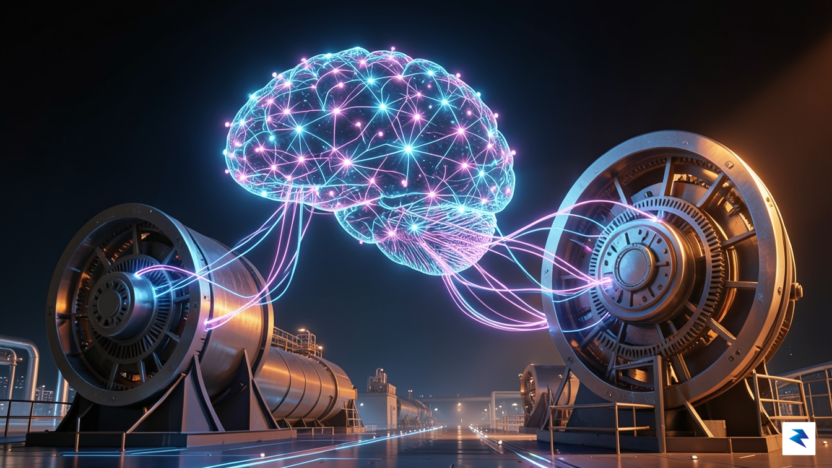

The acquisition of APR Energy marks a seismic shift in how xAI approaches the physical constraints of artificial intelligence development. As the computational requirements for training frontier-level large language models continue to balloon, the industry has hit a wall: the global electrical grid is simply not equipped to handle the instantaneous, massive energy spikes demanded by modern GPU clusters. By bringing a global leader in mobile turbine power under the xAI umbrella, Musk is effectively pivoting from a purely software-centric model to a vertically integrated infrastructure strategy. This move ensures that xAI is no longer beholden to the slow-moving bureaucratic processes of regional utility providers, allowing the company to dictate its own energy destiny.

The sheer scale of power needed to run thousands of H100 or B200 GPUs is staggering, often rivaling the consumption of entire small cities. Traditional utility interconnections can take years to negotiate, plan, and build, creating a bottleneck that threatens to stifle the rapid iteration cycles necessary to remain competitive in the AI arms race. APR Energy specializes in rapid-deployment mobile power plants that can be installed and commissioned in a fraction of the time required for permanent infrastructure. By owning this capability, xAI gains the ability to “plug and play” its data centers in geographic regions that might otherwise be disqualified due to insufficient grid capacity, effectively turning energy scarcity into an operational advantage.
“In the race for AGI, energy is the new silicon. Owning the source of power is no longer a luxury for tech firms; it is a fundamental prerequisite for scaling infrastructure without reliance on an aging and overburdened public grid.”
Furthermore, this acquisition grants xAI a level of operational resilience that its competitors lack. Relying on public utility grids exposes AI operations to external risks, ranging from infrastructure failures to localized price volatility and supply shortages. By deploying APR’s modular gas turbines directly at the site of their training clusters, xAI can bypass these systemic vulnerabilities. This level of control allows for precise energy management and load balancing, ensuring that training runs—which can cost millions of dollars and take weeks to complete—are not interrupted by grid instability. Ultimately, this deal demonstrates that for Musk, the future of AI is not just about the efficiency of the code, but about the iron-clad reliability of the hardware and the raw energy that powers it.
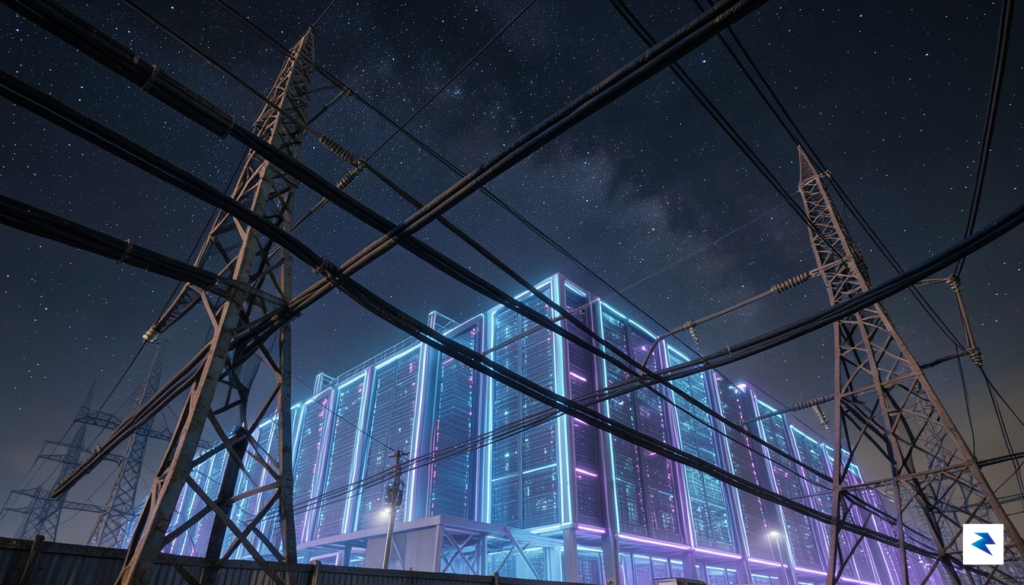
The modern era of artificial intelligence is defined by a colossal physical footprint, where the computational thirst of advanced hardware like NVIDIA’s H100 and B200 GPU clusters creates a demand for electricity that rivals small cities. Training a large language model is no longer a matter of mere software optimization; it is an exercise in industrial-scale energy procurement. Because these massive GPU arrays operate at peak capacity for months at a time, any fluctuation in voltage or a momentary lapse in power can result in catastrophic data loss and the collapse of months of training progress. By integrating APR Energy’s infrastructure, xAI is effectively moving to secure the raw, reliable energy backbone required to keep these silicon brains running without interruption.
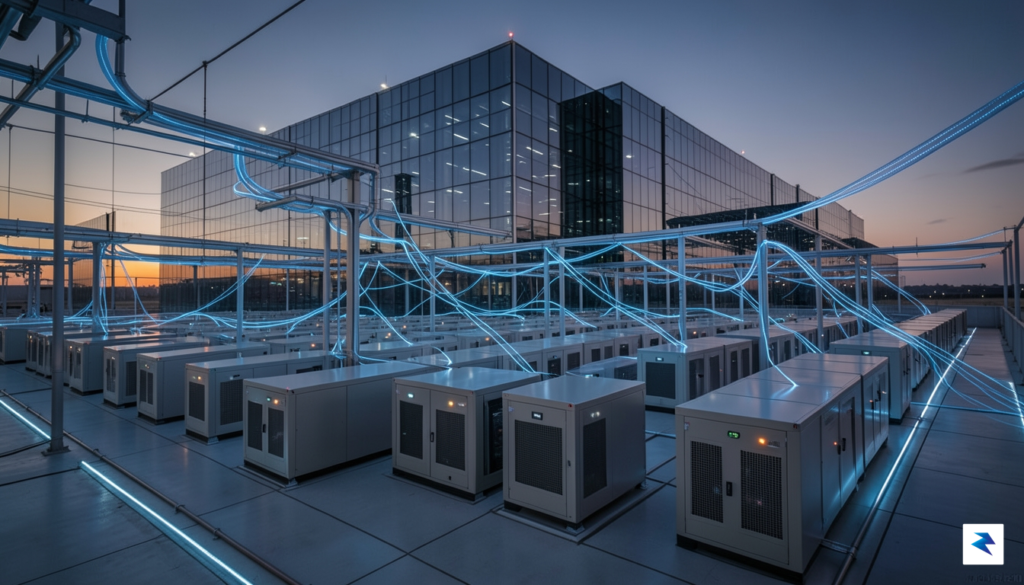
The logistics of powering these facilities necessitate a departure from traditional, static power delivery models. APR Energy specializes in modular power units—essentially mobile, high-capacity power plants that can be deployed rapidly to remote or underserved locations. For xAI, this agility is a strategic imperative. Rather than relying on the sluggish expansion of local municipal grids, which often lack the immediate capacity to support gigawatt-scale data centers, these modular units allow for rapid scaling. As the cluster grows, the power supply grows alongside it, ensuring that compute density never outpaces the energy available to feed it.
Reliability is the currency of the AI arms race; when you are burning millions of dollars in compute time per week, you cannot afford to be at the mercy of a fragile public utility.
Perhaps the most significant advantage of this acquisition is the ability to transition AI facilities into “island mode” operations. By leveraging APR Energy’s industrial-grade generation capabilities, xAI data centers can essentially decouple themselves from the local utility grid. This independence provides two critical benefits: it isolates the data center from grid-wide failures or brownouts, and it prevents the AI operations from placing an undue burden on the local communities surrounding them. Operating as an autonomous power island allows xAI to maintain a constant, clean, and stable flow of electricity, effectively turning the facility into a self-sustaining ecosystem that is shielded from the volatility of the outside world. This move represents a shift toward vertical integration where the hardware, the software, and the very electrons powering the computation are all brought under a single, unified control structure.
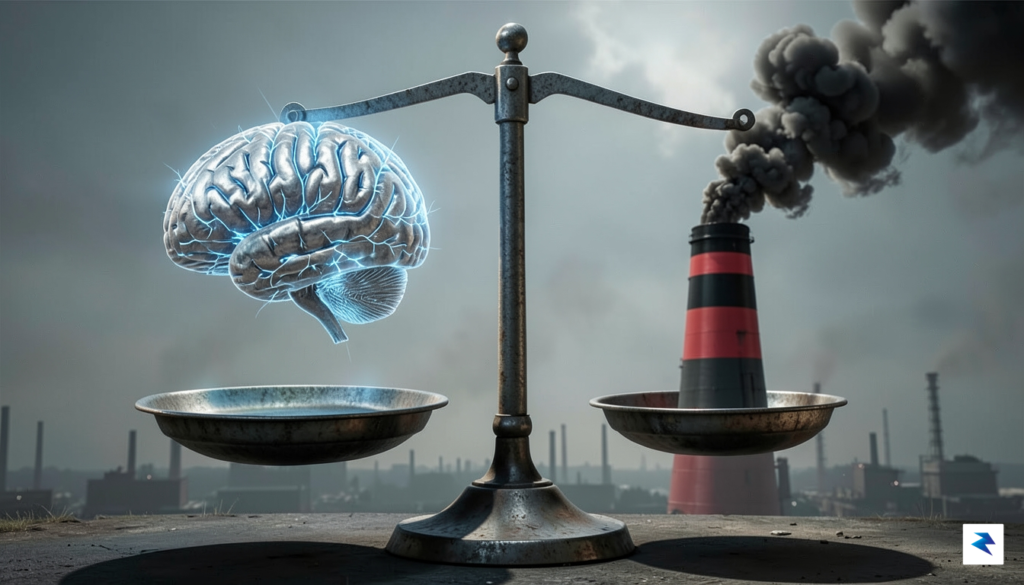
The acquisition of APR Energy by the Musk orbit creates a unique paradox: the massive computational power required to train the next generation of artificial intelligence is fundamentally tethered to the very carbon-intensive infrastructure the tech industry is striving to outrun. APR Energy is widely recognized for its fleet of mobile gas turbines, which have historically relied on traditional fossil fuels to provide rapid, scalable power in regions with fragile grids. As xAI pushes forward with an aggressive development timeline—demanding unprecedented amounts of electricity to run its massive GPU clusters—the carbon intensity of this newly acquired fleet becomes a focal point of intense scrutiny. Critics argue that scaling AI at this velocity, while utilizing legacy power solutions, could inadvertently spike the carbon footprint of Musk’s enterprises, creating a conflict between the pursuit of digital intelligence and the urgent mandate for global decarbonization.
To navigate this tension, the transition toward cleaner alternatives must become a central pillar of the integration strategy. There is significant potential to pivot APR’s mobile turbine fleet toward cleaner-burning fuels, such as natural gas with carbon capture integration, or eventually, green hydrogen. By retrofitting these modular units, xAI could theoretically maintain its ability to deploy energy wherever and whenever it is needed, while simultaneously lowering its emissions profile. However, this transition is fraught with technical and logistical hurdles, including the current unavailability of large-scale hydrogen infrastructure and the efficiency losses associated with converting existing combustion systems. The success of this acquisition will likely depend on whether Musk can treat this energy infrastructure as an R&D sandbox, pushing for the same level of innovation in power generation as he has achieved in the electric vehicle and aerospace sectors.
The true test of this $1 billion investment is not merely the delivery of electricity to server farms, but the ability to transform a fossil-fuel-dependent asset into a bridge toward a carbon-neutral future.
Furthermore, the pressure from institutional investors and global regulators regarding Scope 3 emissions has reached a boiling point. Tech giants are increasingly being held accountable not just for their own office energy usage, but for the entire lifecycle impact of their supply chains and infrastructure partners. By bringing APR Energy in-house, xAI is essentially absorbing those emissions directly onto its own balance sheet, making them a primary target for environmental audits. Regulators are no longer content with vague promises of future carbon neutrality; they are demanding concrete, measurable pathways to decarbonization. If xAI fails to demonstrate a clear roadmap for cleaning up its newly acquired power assets, it risks alienating the ESG-conscious capital markets that are essential for funding the next phase of its AI ambitions. Ultimately, the company must prove that it can fuel the growth of artificial intelligence without sacrificing the environmental standards that modern stakeholders now consider non-negotiable.
At first glance, a billion-dollar price tag for APR Energy might appear to be a massive capital expenditure, but within the context of Elon Musk’s expanding technological ecosystem, it functions as a strategic down payment on the future of xAI. By securing direct access to mobile, rapid-deployment power solutions, Musk is effectively insulating his massive data centers from the volatility of the traditional energy grid. This move transforms energy from a variable operational expense into a controlled, internal utility, allowing for the rapid scaling of compute power that current AI models demand. The acquisition suggests that Musk views energy availability as the ultimate bottleneck for artificial intelligence, and by owning the infrastructure, he gains a decisive competitive advantage in the race toward Artificial General Intelligence.
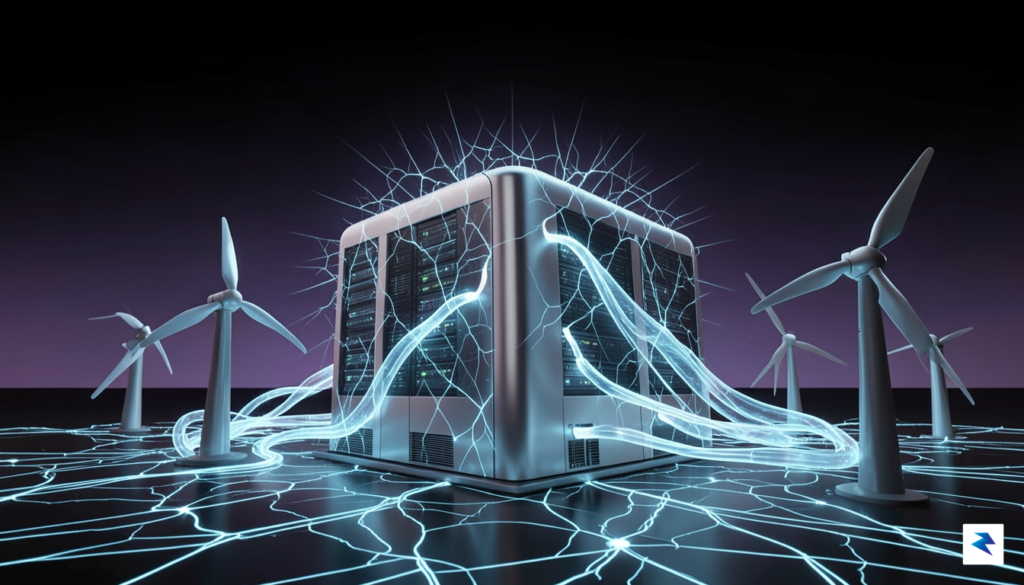
This vertical integration sends a clear, disruptive signal to the broader energy market and the tech giants currently vying for dominance in the AI landscape. Traditional energy providers may find themselves sidelined as tech conglomerates begin to bypass utility contracts in favor of proprietary, on-site, or mobile power generation. Competitors such as OpenAI and Google, which have historically relied on long-term power purchase agreements (PPAs) with utility companies, now face a new reality where their rivals control the very current that flows into their servers. Should energy scarcity persist, the ability to rapidly deploy modular power units—a signature capability of APR Energy—could become the primary differentiator between a model that reaches production and one that remains throttled by power limitations.
The acquisition of APR Energy is not merely a purchase of hardware; it is a fundamental shift in the AI arms race, moving the battleground from software algorithms to the physical infrastructure required to sustain them.
Ultimately, this deal forces a strategic pivot across the entire tech sector. As AI development continues to consume electricity at an unprecedented scale, the reliance on aging, centralized power grids becomes a significant liability. Companies that fail to secure their own energy supply chain risk being at the mercy of grid congestion and rising utility prices. By aggressively absorbing energy assets, Musk is essentially creating a blueprint for the modern, autonomous tech company—one that is as much an energy firm as it is a software developer. This shift will likely trigger a ripple effect, forcing other industry leaders to accelerate their own investments in self-contained power solutions or risk falling behind in the high-stakes evolution of large-scale computation.

Merging a global energy provider with a cutting-edge artificial intelligence startup is an unprecedented undertaking that extends far beyond a simple capital transfer. When a technology entity like xAI absorbs a major player in the utility space, it triggers intense scrutiny from international regulatory bodies concerned with antitrust implications and the stability of critical infrastructure. Governments globally are increasingly wary of the concentration of power in the hands of tech moguls, particularly when that power involves the physical hardware required to sustain the grid. Navigating these legal frameworks requires an exhaustive compliance strategy, as the companies must satisfy diverse environmental standards, energy distribution laws, and cross-border trade regulations that were never designed to accommodate an AI-first corporate structure.
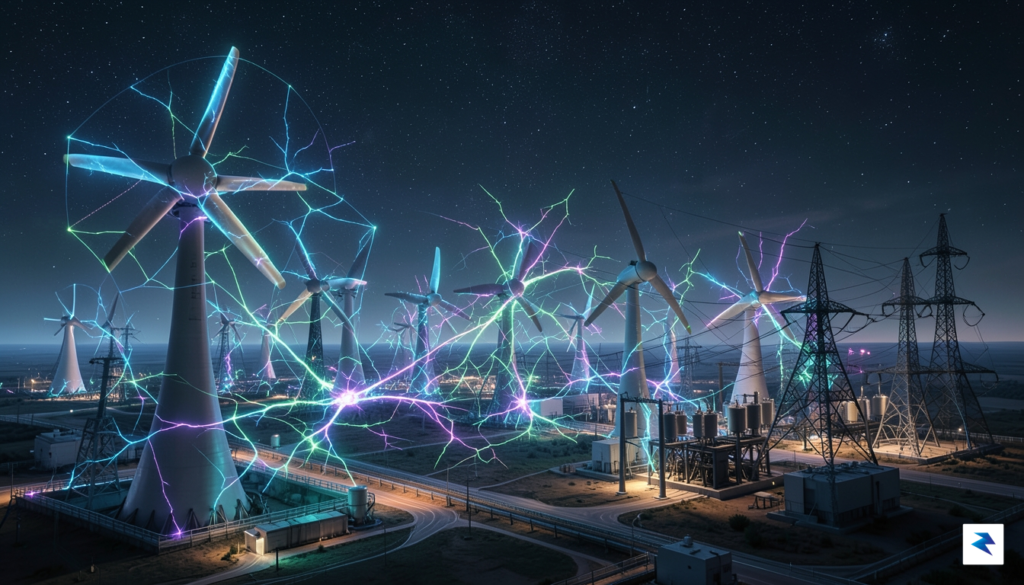
Logistical hurdles present an even more daunting layer of complexity, particularly when managing APR Energy’s sprawling, mobile power assets across multiple continents. Unlike software, which can be updated instantly via the cloud, physical energy assets—such as industrial-scale turbines and modular generators—demand constant maintenance, fuel supply chains, and local site management. Integrating these physical operations into the digital-first ecosystem of xAI will require an overhaul of supply chain management systems to ensure that hardware deployment keeps pace with the computational requirements of high-level AI training. This necessitates a seamless synchronization between the physical and the digital, where every kilowatt-hour generated must be tracked with the same precision as a line of code.
“The true challenge lies not in the valuation of the assets, but in the cultural and operational translation between a legacy utility provider and an agile, high-stakes AI lab.”
Perhaps the most subtle, yet persistent, challenge involves reconciling two vastly different corporate cultures. APR Energy operates on a foundation of reliability, long-term infrastructure planning, and rigorous safety protocols developed over decades in the utility sector. Conversely, xAI thrives on a fast-paced, iterative culture that encourages rapid experimentation and pivots. Integrating legacy engineering teams into an environment that prioritizes “move fast and break things” requires a delicate balancing act to ensure that safety and reliability—which are non-negotiable in the energy sector—are not sacrificed for the sake of speed. Success in this merger will ultimately depend on whether Musk can build a bridge between the stability of traditional infrastructure and the explosive, unpredictable growth model of modern artificial intelligence.
You must be logged in to post a comment.