
San Francisco Demands Stricter Robotaxi Rules Following Massive Waymo Traffic Snarl
The Growing Tension Between Autonomous Tech and Urban Infrastructure For years, San Francisco has served as the global laboratory for…
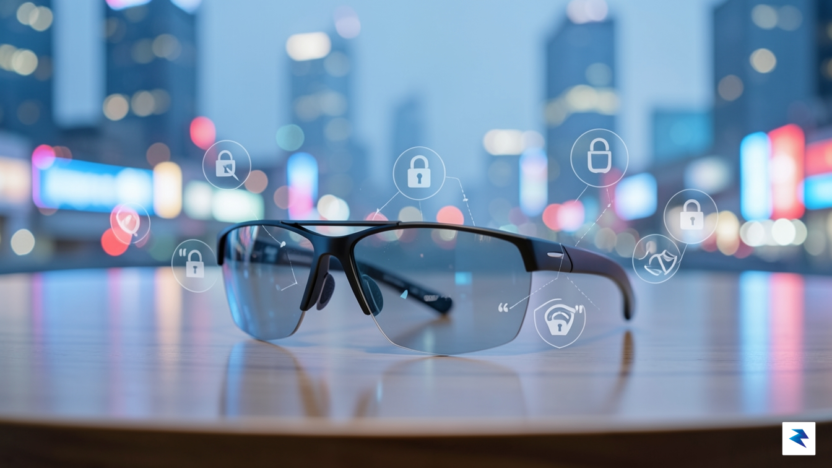
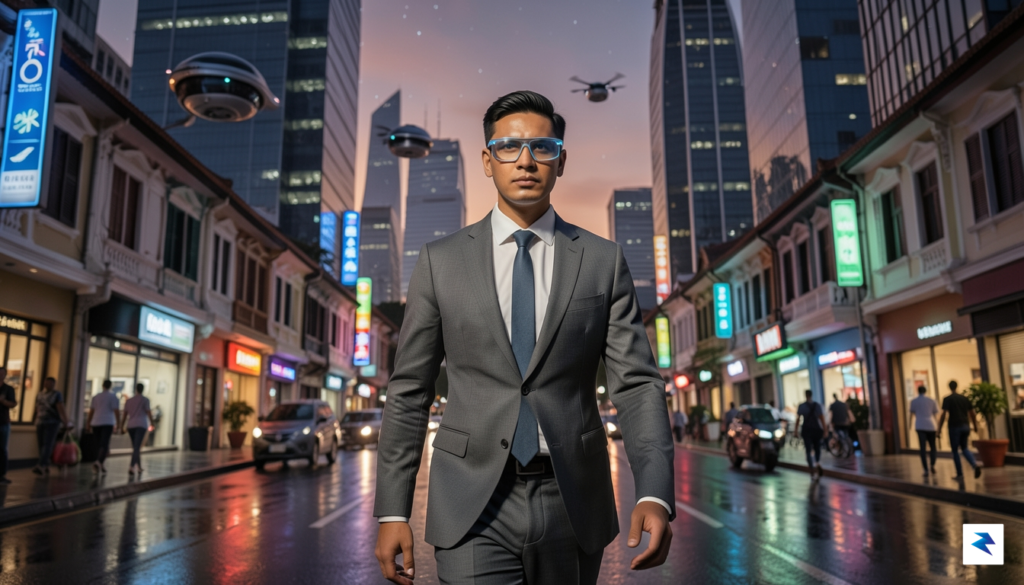
Singapore, a global beacon of technological advancement and urban innovation, is rapidly becoming the quintessential testbed for the latest wave of AI-integrated eyewear. This compact, hyper-connected city-state offers an ideal environment for cutting-edge wearables to thrive, transforming how its discerning populace interacts with their daily surroundings. The sleek, often minimalist design of these smart glasses belies the powerful artificial intelligence engines humming within, promising a seamless blend of convenience and high-tech connectivity that resonates deeply with the nation’s tech-forward ethos. Indeed, this rapid adoption isn’t just about early adopters; it signals a broader societal embrace of devices that promise to augment human perception and interaction in unprecedented ways, making everyday tasks more efficient and immersive.
The profound allure of these advanced spectacles lies in their ability to integrate sophisticated digital functionalities directly into the wearer’s line of sight, often completely hands-free. Imagine capturing a fleeting, precious moment with a simple glance or a subtle voice command, entirely eliminating the need to fumble for a smartphone, thus keeping you present in the moment. Beyond convenient hands-free photography and video recording, these devices are revolutionizing communication with real-time language translation, allowing wearers to effortlessly understand and be understood across linguistic barriers during critical business meetings or casual encounters within Singapore’s rich multicultural tapestry. Furthermore, intuitive, turn-by-turn navigation overlays directly onto the visual field, seamlessly guiding users through the city’s intricate network of streets and public transport without ever breaking eye contact with their immediate environment, enhancing both safety and efficiency.
Singapore’s unique demographic and geographical characteristics act as a powerful accelerator for wearable tech adoption, distinguishing it markedly from many other regional markets. Its dense urban environment, coupled with exceptionally high smartphone penetration and ubiquitous high-speed internet, creates an exceptionally fertile ground for devices that enhance on-the-go efficiency and connectivity in a bustling metropolis. The population’s inherent tech-savviness and a pronounced openness to embracing innovation mean new gadgets are often welcomed with enthusiasm rather than hesitation, quickly moving from niche curiosities to mainstream essentials. This powerful combination of a concentrated, tech-literate populace and a robust digital infrastructure allows AI glasses to rapidly prove their practical value and integrate into a fast-paced, modern lifestyle, setting a precedent for how smart eyewear might evolve globally.

While the advent of AI-powered smart glasses promises unparalleled convenience—from instant information overlays to hands-free communication—it simultaneously ushers in a profound and unsettling privacy dilemma. These sleek devices, designed to be worn directly on the face, transform every user into a potential, unconsented observer, equipped with a discreet camera that can capture moments at will. This fundamental shift immediately alters the long-understood social contract governing public spaces, where a certain level of anonymity and freedom from surveillance has traditionally been an unspoken right. The very presence of a camera on one’s face, whether actively recording or not, casts a shadow of potential capture over every interaction, subtly eroding the sense of unobserved freedom we once took for granted.
The ‘always-on’ nature of these smart glasses is at the heart of the concern. Unlike a smartphone, which is consciously pulled out and pointed, a camera integrated into eyewear operates with far greater subtlety and permanence. This makes non-consensual recording not just a possibility, but a highly probable occurrence in a myriad of settings. Imagine having a casual conversation in a café, browsing goods in a retail store, or simply commuting on public transport, all while unknowingly being filmed by someone across from you. The lines between truly public spaces and semi-private interactions within those spaces blur considerably, as personal moments—a hushed phone call, a private gesture, a candid reaction—can be effortlessly captured and stored, often without any visual cue to indicate recording is taking place. This absence of notification strips individuals of their right to consent, turning them into unwitting subjects in someone else’s digital archive.
Beyond the immediate act of recording, the psychological impact of living under the constant, potential gaze of AI-enabled devices is significant. The erosion of anonymity, once a cherished aspect of urban life, becomes starkly apparent. When individuals feel they might be observed or recorded at any moment, it can lead to a phenomenon known as the “chilling effect,” where people become more guarded in their expressions, conversations, and behaviors. This subconscious self-censorship undermines spontaneity and genuine interaction, fostering an environment of caution rather than openness. Over time, this pervasive sense of being watched can diminish public trust and create social friction, as people become wary of those wearing these devices, perceiving them as potential infringers on their personal space and privacy.
Furthermore, the true power of AI glasses extends beyond mere video capture. Equipped with advanced artificial intelligence, these devices can potentially perform real-time facial recognition, analyze emotions, identify objects, and even infer personal information from seemingly innocuous interactions. This capability escalates the privacy stakes dramatically, turning casual recordings into powerful data collection tools. The aggregation of such data, even from public settings, can build comprehensive profiles of individuals without their knowledge or explicit consent, posing significant questions about data ownership, security, and potential misuse. Singapore, with its vibrant public spaces and forward-thinking technological adoption, finds itself at the forefront of navigating this complex intersection, necessitating urgent dialogue about establishing new social norms and robust regulatory frameworks to protect individual privacy in an increasingly transparent world.

The rapid integration of AI-powered smart glasses into daily life across Singapore, much like other technologically advanced nations, brings with it not just unprecedented convenience but also complex ethical and legal questions. A recent incident in a New York courtroom serves as a potent cautionary tale, highlighting the immediate challenges that such advanced wearable technology poses to established legal environments and personal privacy. In this particular instance, AI glasses were swiftly banned from court proceedings due to their inherent recording capabilities, underscoring a growing global trend where judicial systems are drawing clear lines against the potential for surreptitious surveillance.
The core concern stemmed from the ability of these seemingly innocuous smart glasses to discreetly capture audio and video, potentially compromising the integrity of legal proceedings, witness privacy, and the sanctity of the court itself. Judges and court officials expressed apprehension that such devices could be used to record sensitive information without the explicit consent or even knowledge of those present, thus undermining the principles of fair trial and confidentiality. This swift judicial intervention was not merely a reaction to a specific gadget but a broader acknowledgment of how easily advanced wearables can transition from personal utility to covert recording instruments, sparking a necessary debate about their place in sensitive public and private spaces.
The distinction between ‘smart’ eyewear designed for augmented reality or personal convenience and tools primarily used for surveillance becomes increasingly blurred with current AI glasses. While manufacturers often market these devices for hands-free photography, communication, or information display, their integrated cameras and microphones possess the undeniable capacity for continuous, often unobtrusive, data capture. This inherent dual-use nature presents a profound challenge for regulators, as the technology itself is neutral, but its application can easily stray into areas of privacy infringement, making it difficult to legislate without stifling legitimate innovation.
For Singaporean regulators, the New York incident offers invaluable foresight into the potential pitfalls and the urgent need for a clear, proactive legal framework. Learning from such global precedents is crucial to defining permissible use cases for AI glasses, particularly in public and semi-public environments where privacy expectations are high. Singapore must consider establishing specific guidelines that address consent mechanisms for recording, data storage protocols, and transparent indicators when a device is actively capturing data, ensuring that the adoption of cutting-edge technology doesn’t inadvertently erode fundamental privacy rights within its own jurisdiction.
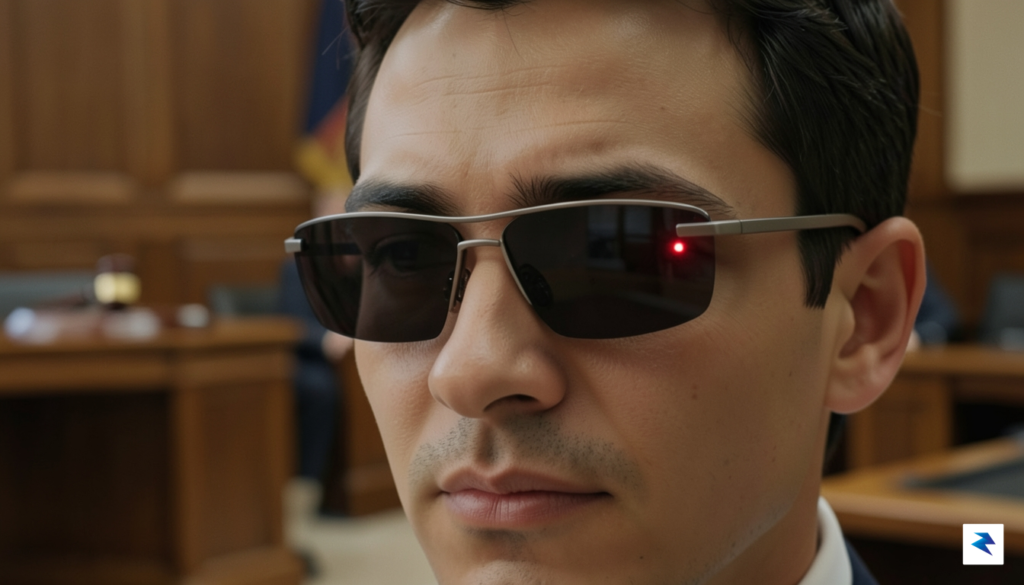
Judiciary systems worldwide are consequently adapting their rules of evidence and conduct to account for these advanced wearables, a process that is still very much in its nascent stages. Courts are grappling with questions surrounding the admissibility of evidence recorded by personal AI glasses, the potential for manipulation of such recordings, and the ethical obligations of lawyers and litigants who might use them. New policies are emerging that restrict or ban these devices in courtrooms, during depositions, and in other sensitive legal contexts, reflecting a necessary evolution in legal thought to safeguard due process and individual privacy against the backdrop of rapidly advancing technology.
Ultimately, the ongoing debate surrounding AI glasses underscores the critical balance Singapore, and indeed the world, must strike between fostering technological innovation and rigorously upholding individual privacy and legal integrity. Without clear, robust regulations and an informed public, the ‘boom’ in AI glasses could quickly lead to a ‘bust’ in

The meteoric rise of AI-integrated eyewear has created a profound disconnect between the frantic pace of hardware innovation and the deliberate, often glacial, progress of legislative oversight. As manufacturers shrink high-resolution cameras and sophisticated biometric sensors into the frames of stylish, everyday glasses, they are effectively rendering traditional definitions of a “recording device” obsolete. In the past, privacy laws were built on the assumption that a camera was a distinct, identifiable object held by a person, making it relatively easy to spot and regulate. Today’s hardware, however, is designed to be invisible—an ambient feature of one’s attire—leaving regulators scrambling to determine where the line between “convenient tool” and “unauthorized surveillance” should be drawn.
Singapore’s Personal Data Protection Act (PDPA) has long served as a gold standard for data governance, yet it faces an unprecedented challenge when confronted with the constant, passive data collection inherent in AI wearables. While the PDPA provides a framework for how personal data should be collected, used, and disclosed, the sheer volume and nature of the information captured by these devices—ranging from gait analysis to real-time facial recognition—pushes the boundaries of current compliance standards. The difficulty lies in the fact that these glasses do not merely record video; they process behavioral data in real-time to augment the user’s perception of the world. Consequently, the act of “processing” becomes a nebulous concept when the data is being ingested, analyzed, and discarded by an onboard AI engine before a person even realizes they are being observed.
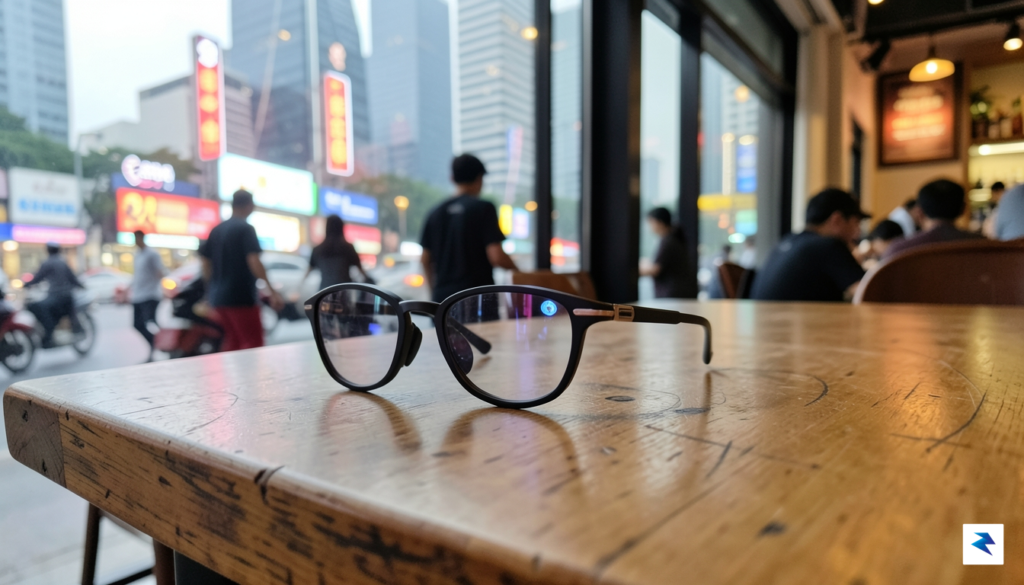
The fundamental tension lies in whether our existing legal frameworks can adapt to a world where the act of “looking” is now synonymous with the act of “data harvesting.”
Furthermore, the enforcement of consent—the cornerstone of Singapore’s privacy philosophy—becomes nearly impossible in a high-density urban environment. When a user walks through a crowded hawker center or a transit hub, they are effectively collecting biometric markers of dozens of bystanders per minute. It is currently impractical, if not impossible, for manufacturers to obtain meaningful consent from every individual caught within the field of view of a pair of smart glasses. This creates a significant regulatory vacuum where the rights of the individual to remain unmonitored collide with the technological capabilities of the user. Unless policymakers can bridge this gap with specific, enforceable mandates regarding discreet recording indicators and localized data processing limits, the public may find that the convenience of AI-powered sight comes at the high cost of their fundamental right to anonymity in public spaces.

As smart glasses gradually become a part of everyday life, the discussion around their integration into society must move beyond mere apprehension. A outright prohibition of these innovative devices would stifle progress and miss the broader potential they offer. Instead, the pragmatic path forward lies in a nuanced, multi-pronged approach that thoughtfully intertwines social etiquette, robust manufacturer accountability, and clear, proactive legislative guidance. This holistic strategy aims to foster an environment where technological advancement coexists harmoniously with the fundamental right to individual privacy.
Crucially, manufacturers hold a significant responsibility in shaping this future. Integrating “privacy-by-design” principles from the very inception of smart glasses is paramount, ensuring that privacy is not an afterthought but a core feature. A simple yet profoundly effective measure would be mandatory hardware-level recording indicators. Imagine a prominent, non-defeatable LED light on the device that illuminates distinctly whenever video or audio recording is active. This transparent visual cue would instantly alert those in the vicinity, empowering them with awareness and the choice to consent or distance themselves, thereby re-establishing a degree of control in public and semi-public spaces.
Beyond technological safeguards, cultivating a collective sense of social responsibility and etiquette among users is equally vital. Comprehensive public education campaigns can empower smart glasses wearers to understand the ethical implications of their devices and encourage mindful usage. This includes knowing when and where it is inappropriate to record, respecting personal boundaries, and understanding the potential impact of their actions on others. Similarly, the general public benefits from understanding how these devices work, fostering a more informed and less reactive response to their presence.
Complementing these efforts, proactive legislative guidance is indispensable. Singapore’s government can establish clear, adaptable guidelines regarding the collection, storage, and usage of data by smart wearables, striking a balance that supports innovation while safeguarding citizen rights. This might involve creating a framework for informed consent in public spaces, defining clear data retention policies, and outlining accountability for data breaches. Furthermore, clear public signage indicating areas where recording devices are restricted or permitted can provide immediate context, much like existing signs for security cameras, helping to manage expectations and delineate permissible boundaries.

Ultimately, by championing these multi-faceted strategies, Singapore has a unique opportunity to lead the way in responsible innovation. Rather than merely reacting to the proliferation of smart glasses, the nation can proactively craft a robust “privacy-by-design” standard for smart wearables. This comprehensive approach, encompassing hardware design, user education, and forward-thinking legislation, could serve as a vital benchmark for the entire Asia-Pacific region, demonstrating how a tech-forward society can embrace cutting-edge AI while steadfastly upholding the privacy and trust of its people.
You must be logged in to post a comment.