The CDC’s Cyclospora Lab and the Real-World Cost of Government Downsizing
Understanding Cyclospora: The Hidden Threat in Our Food Supply At its core, Cyclospora cayetanensis is a microscopic, single-celled parasite…
For years, the inhabitants of Fortnite’s ever-changing island were defined by the rigid constraints of traditional game design. These early non-player characters (NPCs) operated on what developers call state machines—a complex series of “if-this-then-that” scripts that governed their every move. While these bots were functional, they were fundamentally predictable; they followed set paths, triggered specific dialogue trees upon interaction, and engaged in combat with a mechanical efficiency that often broke the player’s immersion. Whether they were quest-givers or wandering enemies, their behavior was finite, meaning that after a few encounters, the mystery of their existence effectively evaporated.
The transition toward AI-powered personas represents a seismic departure from these static loops. Instead of relying on pre-written dialogue files, Epic Games is beginning to leverage Large Language Models (LLMs) to grant these digital entities a sense of internal logic and personality. This evolution means that an NPC is no longer just a vessel for a static mission; they can now process natural language, respond to unique player input, and adapt their tone or tactical approach based on the context of the match. By shifting the burden of interaction from a writer’s script to a generative AI model, the game gains a layer of complexity that feels less like a programmed simulation and more like a conversation with a living character.
This technological leap is significant because it fundamentally alters the player’s relationship with the virtual world. When NPCs move beyond scripted triggers, the metaverse ceases to be a static backdrop and becomes a truly reactive environment. This shift matters because it provides the foundation for emergent gameplay, where stories are not just written by developers, but created through the spontaneous interactions between players and sentient-seeming AI. As these personas become more sophisticated, they will be capable of remembering past encounters, developing grudges, or forming alliances, which adds a level of persistence to the Fortnite experience that was previously impossible.
The move toward generative AI personas transforms the NPC from a digital prop into a dynamic participant, turning every interaction into a unique, unscripted moment of discovery.
Ultimately, the move toward AI-driven personas is about scaling the depth of the player experience. By utilizing generative models, developers can populate a massive, sprawling map with characters that feel distinct and meaningful, rather than repetitive. As we look toward the future of digital entertainment, it is clear that the days of the hollow, scripted bot are numbered. We are entering an era where the NPCs we encounter in the heat of battle will be defined by their ability to think, react, and evolve alongside us, setting a new standard for what it means to exist within a virtual space.
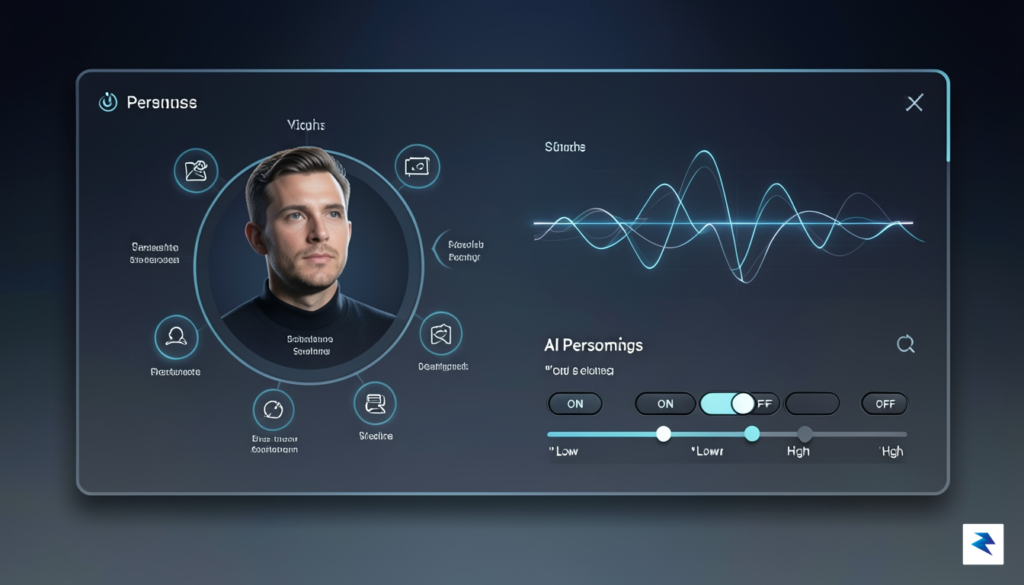
The landscape of island creation is set to undergo a fundamental shift on July 30th as Epic Games deploys a robust suite of 36 pre-built, AI-powered personas into the Unreal Editor for Fortnite (UEFN). This initiative represents a significant leap forward in how non-player characters behave, moving away from rigid, scripted dialogue trees toward a more fluid, conversational model. By providing these initial characters, Epic aims to bridge the long-standing gap between complex backend game logic and the desire for natural language interaction, allowing creators to implement high-fidelity social agents without needing deep expertise in machine learning or large language model architecture.
At the core of this rollout is the implementation of consistent voice and persona profiles, which ensure that NPCs do not merely react to player input but do so with a distinct, identifiable personality. Each of the 36 characters has been fine-tuned to maintain narrative integrity throughout the duration of a session, preventing the disjointed or erratic behavior often associated with baseline AI. Whether a creator needs a stoic, tactical commander to provide mission briefings or a whimsical, fast-talking vendor to manage an in-game economy, these personas are engineered to stay in character, providing a cohesive experience that deepens player immersion across various map genres.
The integration of these personas allows developers to focus on world-building and gameplay mechanics, leaving the nuances of natural conversation to an optimized framework that feels native to the Fortnite engine.
To ensure versatility across the diverse ecosystem of player-created islands, these 36 characters are categorized into distinct archetypes that serve specific gameplay functions. These classifications range from social hubs and quest-givers to combat support and narrative drivers. By categorizing the personas, Epic provides a shortcut for creators to select an NPC that fits the structural needs of their specific game mode. If a creator is designing a cooperative role-playing map, for instance, they can pull from a selection of “Mentor” or “Quest-Giver” archetypes that are pre-configured to understand the context of reward systems and objective tracking, significantly reducing the time required for initial setup.
For UEFN creators, the implementation process is designed to be as seamless as dragging and dropping a standard asset, yet it offers deep customization beneath the surface. Once a persona is placed, creators can hook these NPCs into existing Verse scripts or standard device triggers, allowing the AI to react dynamically to player actions, such as completing a quest or entering a specific zone. This accessibility ensures that the creative barrier to entry remains low while simultaneously providing enough technical depth for power users to create complex, reactive, and highly personalized gameplay experiences that evolve alongside the player’s journey.
The Unreal Editor for Fortnite (UEFN) has long served as a powerful sandbox for developers, but the integration of generative AI personas marks a seismic shift in how players interact with custom islands. Instead of relying on rigid, pre-scripted dialogue trees that often feel repetitive, creators can now deploy intelligent NPCs that respond dynamically to player input. By tapping into these sophisticated AI frameworks, you are no longer limited to static quest-givers; you can build living, breathing characters capable of maintaining context, recalling past player actions, and adjusting their tone based on the emotional state of the interaction. This transition from “canned” responses to fluid, conversational intelligence is the key to elevating your island from a simple combat arena into a deeply immersive, narrative-driven social experience.
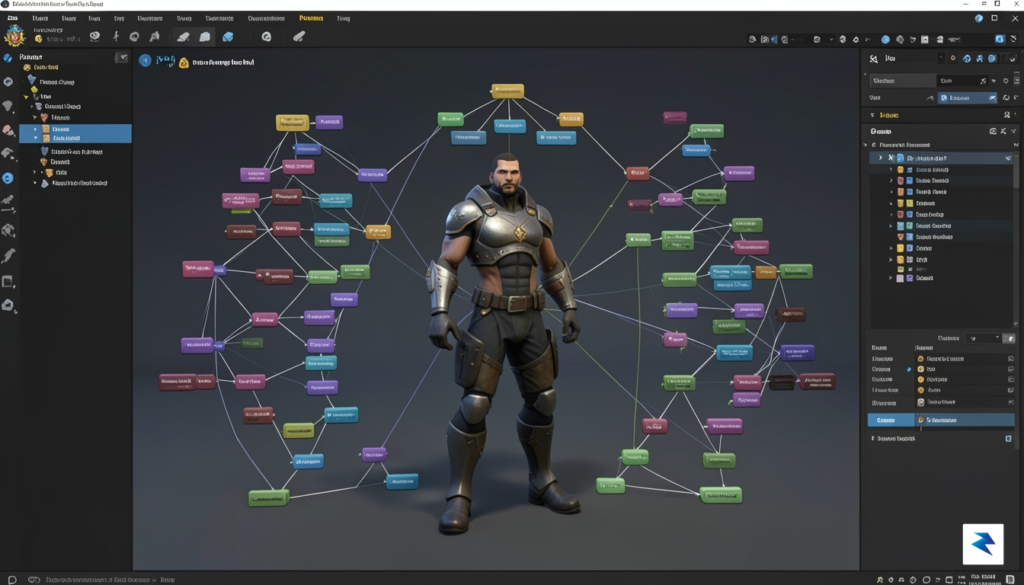
To begin implementing these tools, creators must first navigate the updated UEFN asset library, where the new generation of AI-driven NPCs resides. While you do not need a background in data science or machine learning to get started, you will need to familiarize yourself with the updated behavior tree components that govern how these personas process information. The technical requirement is primarily about setting the “system prompt” or the persona’s core directives—essentially defining who this character is, what their motivations are, and what boundaries they must respect within your game world. Once these parameters are established, the engine handles the complex natural language processing, allowing you to focus on the high-level design of the character’s personality and their role within your island’s lore.
The true potential of these personas lies in their ability to facilitate emergent storytelling. Imagine a mission where a player must negotiate with a faction leader who remembers a previous betrayal; because the NPC can track player history, the dialogue can shift from cooperative to hostile based on that specific player’s past choices. You can leverage this technology to create branching narratives that feel unique to every user. Rather than designing twenty different quest paths manually, you can set the outcome goals and let the AI persona improvise the journey in a way that feels organic and responsive to the player’s unique playstyle.
By shifting the focus from static quest markers to conversational exploration, you can transform a standard fetch-quest into a high-stakes social encounter that tests the player’s wit as much as their combat skills.
Beyond mission design, consider how these personas can act as guides or companions throughout your island. An AI-powered guide can provide hints that adapt to a player’s current skill level or specific location, offering a personalized experience that is far more engaging than a generic tutorial pop-up. As you experiment with these tools, aim to balance the AI’s freedom with your narrative constraints; by providing clear context and clear objectives, you ensure that the AI remains a tool for immersion rather than a distraction from your game’s core mechanics. This is a new era for Fortnite creators, where the barrier between the developer’s vision and the player’s experience is thinner than ever before.
The introduction of AI-powered personas into the Fortnite ecosystem represents a fundamental shift in how we perceive the game world, moving away from static set-pieces and toward a living, breathing environment. Historically, non-player characters (NPCs) served as mere flavor text or quest dispensers, their utility exhausted the moment their scripted dialogue loops were depleted. By integrating dynamic AI, these entities are no longer bound by predetermined paths, allowing for spontaneous interactions that mirror genuine human complexity. This evolution bridges the gap between passive observation and active participation, forcing players to treat NPCs not as obstacles or background assets, but as functional members of the game’s internal society.
However, this transition forces developers to navigate the delicate tightrope between deep immersion and the dreaded “uncanny valley.” When an AI persona becomes too realistic, any minor lapse in logic or glitchy animation can shatter the illusion, causing a jarring psychological disconnect for the player. Yet, when balanced correctly, this unpredictability acts as a powerful catalyst for retention. Because no two encounters are exactly the same, players are incentivized to return to specific hubs or characters, curious to see how the AI might respond to new variables or shifting environmental conditions. This variability transforms the game loop from a repetitive grind into a series of unique, unpredictable story beats that feel earned rather than programmed.
Beyond simple engagement, these AI-driven narratives fundamentally expand the scope of player agency. In traditional gaming, narrative choices often boil down to selecting from a list of A/B options presented on a menu. With generative personas, the dialogue becomes an emergent byproduct of the player’s own style and intent. A player’s reputation within the game world could theoretically shift based on how they treat these autonomous characters, creating a ripple effect that alters subsequent missions or trade opportunities. This level of responsiveness cultivates a deeper emotional connection, as players begin to feel that their presence and specific actions have a measurable, lasting impact on the digital world around them.
The true power of AI in gaming isn’t just about smarter enemies; it is about creating a persistent, reactive social fabric that makes every player feel like a protagonist in a story that responds to them in real-time.
Ultimately, the long-term impact on Fortnite will likely be measured by how seamlessly these personas integrate into the broader meta-game. If these characters can effectively adapt to the chaotic, high-energy nature of a battle royale environment, they will provide a level of narrative depth that few other multiplayer titles can match. By fostering a sense of curiosity and personal investment, Epic Games is positioning its NPCs as the next great pillar of player retention, ensuring that the world feels fresh, challenging, and profoundly personal for every session logged.

The advent of AI-powered personas within expansive multiplayer environments like Fortnite ushers in an exciting new era of dynamic gameplay and emergent storytelling. However, this profound creative potential is inextricably linked to a complex web of challenges, technical limitations, and critical ethical considerations that demand meticulous attention. Crafting sustainable and positive AI experiences requires developers to establish robust guardrails, ensuring that the innovation serves to enhance, rather than detract from, player safety and enjoyment. Addressing these multifaceted issues head-on is paramount for the responsible evolution of AI in gaming.
One of the most pressing challenges lies in the realm of content moderation for AI-generated interactions. Unlike static game assets or pre-scripted dialogue, AI personas can generate novel text or even actions in real-time, often in response to player input. This presents a monumental task: how do you prevent an AI from inadvertently or even maliciously generating inappropriate, offensive, or harmful content? Robust filtering systems are essential, but they must be incredibly sophisticated to catch nuance and evolving slang, while also being fast enough not to disrupt the flow of conversation. The sheer volume and unpredictability of potential outputs mean that a multi-layered approach involving machine learning, human oversight, and rapid response mechanisms will be critical to maintaining a safe and respectful environment for all players.
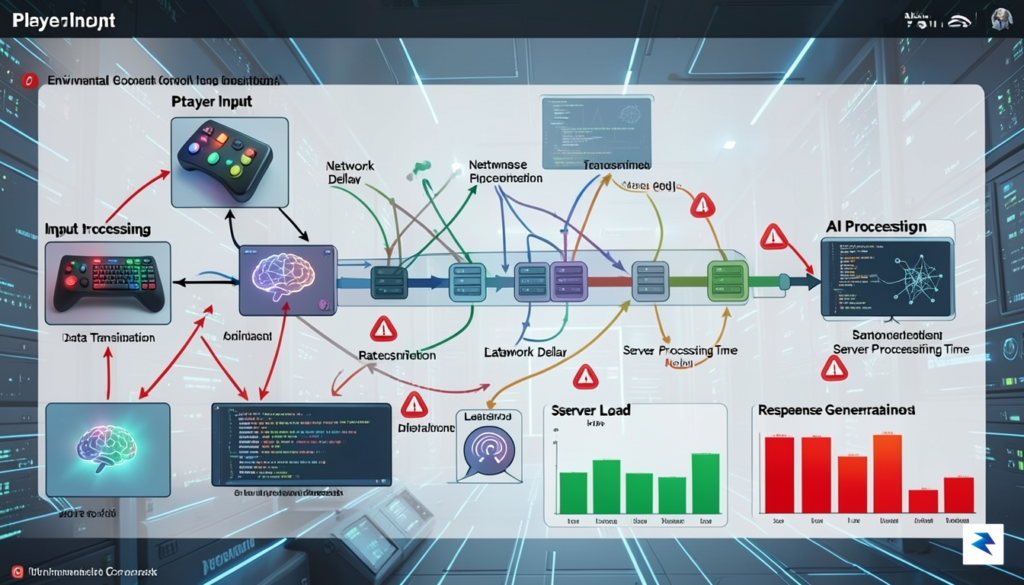
Beyond content, the technical infrastructure required to support a multitude of intelligent, responsive AI personas in a live multiplayer setting introduces significant hurdles. Latency, the delay between input and response, is a critical factor in gaming immersion; even a slight lag in an AI’s conversational reply or action can break the illusion of intelligence and presence. Powering these sophisticated models demands substantial processing resources, whether on server farms or potentially distributed to player devices, raising questions of scalability, cost, and energy consumption. Ensuring these AI entities can process complex inputs and generate coherent, contextually relevant outputs without noticeable delay will be a continuous engineering feat, pushing the boundaries of current cloud and edge computing capabilities.
A core promise of AI personas is their unique character and consistent personality. Yet, keeping an AI “in character” across countless interactions with diverse players presents a subtle but significant challenge. Over time, an AI might inadvertently absorb too much varied input, leading to ‘persona drift’ where its unique traits become diluted, or it starts to sound generic. Moreover, balancing the ability for an AI to learn and adapt with the need for it to remain true to its defined personality is delicate. Developers must design systems that allow for growth and responsiveness while also firmly grounding the AI in its intended role, backstory, and conversational style to maintain player immersion and the integrity of the game world.
Ultimately, the integration of AI personas into games like Fortnite points towards a future where human creativity and artificial intelligence collaborate to build richer, more dynamic experiences. The challenges outlined here are not insurmountable roadblocks but rather crucial design considerations that will shape the next generation of interactive entertainment. By prioritizing ethical frameworks, investing in cutting-edge technical solutions, and continuously refining our understanding of AI behavior and player interaction, creators can unlock the true potential of these intelligent entities. The goal is not to replace human interaction but to augment it, offering new avenues for engagement, exploration, and storytelling within the ever-evolving landscape of digital worlds.
You must be logged in to post a comment.