Fortnite’s AI Revolution: How New Persona NPCs Are Changing the Game
The Evolution of Fortnite NPCs: From Scripted Bots to AI Personas For years, the inhabitants of Fortnite’s ever-changing island were defined…
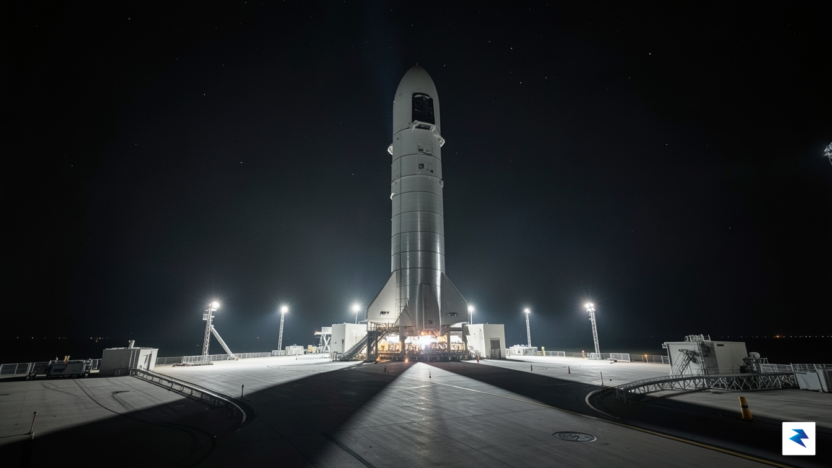
The dramatic halt of a rocket launch, particularly one like the recent Starship flight attempt, often looks like a failure to the casual observer. However, in the high-stakes world of orbital rocketry, a last-second abort is almost always a resounding success for the sophisticated safety systems at play. These automated guardians are meticulously engineered to prioritize safety above all else, ensuring that a vehicle never leaves the pad if any critical parameter falls outside its tightly defined operational window. Far from being a setback, an abort moments after ignition is a powerful demonstration of technology working precisely as intended, preventing potential catastrophe and safeguarding future endeavors.
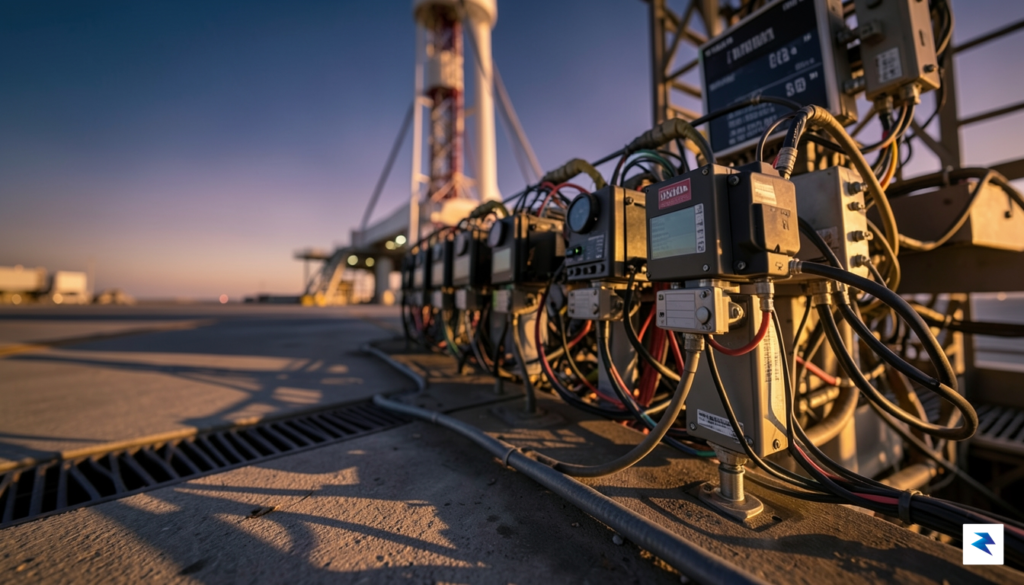
At the very heart of this intricate safety net are the rocket’s onboard computers, acting as the ultimate digital sentinels. These powerful processors are constantly monitoring tens of thousands of telemetry points across the entire vehicle, scanning for even the slightest anomaly. From engine pressures, temperatures, and turbopump speeds to fuel levels, valve positions, and structural integrity sensors, an incredible volume of data is processed and analyzed in mere milliseconds. These digital brains are programmed with an exhaustive set of pre-launch criteria and operational limits, acting as the ultimate gatekeepers for liftoff. Their relentless vigilance ensures that every subsystem is performing within its precisely defined envelope before the vehicle is committed to flight.
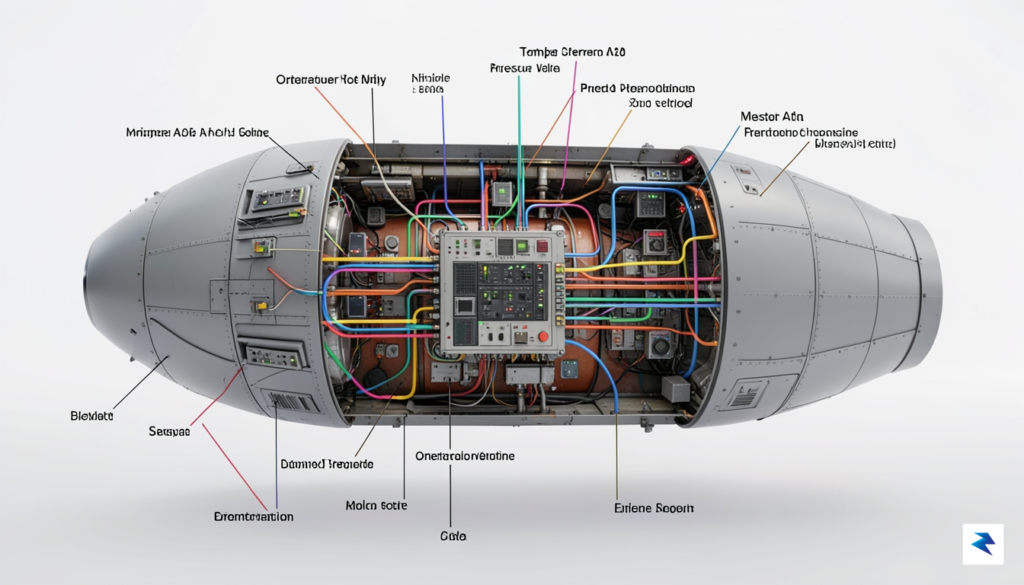
The startup sequence for a modern rocket engine like SpaceX’s Raptor is an incredibly complex and precise ballet of highly volatile elements. It’s far more intricate than simply “lighting a match.” Instead, it involves a precise orchestration of turbopumps spinning up to immense speeds, pre-burners igniting to generate hot gas to drive those pumps, and the controlled injection of cryogenic liquid methane and liquid oxygen into the main combustion chamber. Each of the 33 Raptor engines on Starship’s Super Heavy booster must achieve specific thrust and combustion parameters within fractions of a second, and all must be ready in near-perfect synchronicity. Any deviation in this delicate process, even in a single engine, can have cascading effects, potentially leading to instability or damage.
A critical, yet often unseen, component of engine readiness is the propellant conditioning system, colloquially known in some circles as the “chiller.” For optimal performance and safe ignition, both the liquid methane fuel and liquid oxygen oxidizer must be at precise, extremely cold temperatures, often just barely above their boiling points. This careful conditioning prevents cavitation (the formation of gas bubbles) in the high-speed turbopumps, which could severely degrade performance or even damage the pumps. The system actively chills the propellants in the tanks right up to the moment of ignition, ensuring the densest possible fuel and oxidizer flow into the engines. If this conditioning is not absolutely perfect for even one engine, it could lead to an unstable start, potentially causing significant damage or even an explosion upon ignition.
When the flight computer detects even a minor deviation during this critical sequence – perhaps a turbopump not reaching its target RPM, a pre-burner pressure slightly off, or an issue with propellant conditioning – it doesn’t hesitate. The automated abort sequence is triggered instantly,
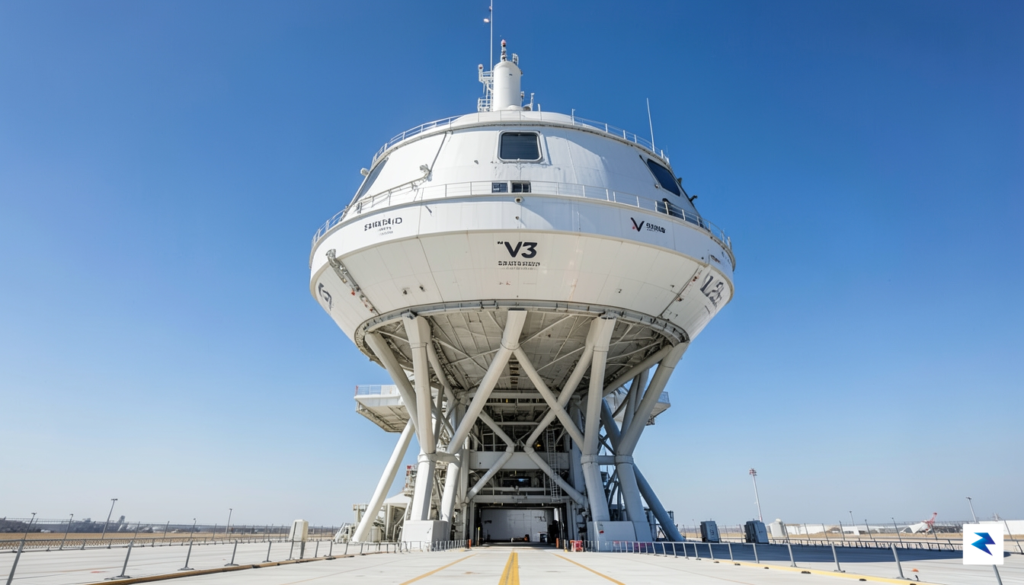
The transition to the Starship V3 architecture represents far more than a simple iterative update; it is a fundamental reimagining of how a massive, fully reusable launch vehicle operates under extreme stress. Compared to its predecessors, the V3 variant boasts significantly enhanced thrust-to-weight ratios, achieved through a combination of structural weight shedding and optimized Raptor engine performance. These upgrades are designed to push the boundaries of payload capacity, yet they introduce a precarious balancing act. The ship now relies on an advanced thermal shielding system that is lighter and more durable, but its integration requires a level of manufacturing precision that leaves almost zero margin for error during the final moments before liftoff.
Central to these engineering challenges is the orchestration of the Super Heavy booster, which acts as the foundation for the entire system. Aligning 33 Raptor engines so that their collective thrust vector is perfectly centered is an monumental task, particularly when those engines must be ignited in a rapid, synchronized sequence. Maintaining consistent pressure levels across such a massive propellant delivery system is inherently difficult; even a minor oscillation in fuel flow can trigger an automated abort sequence. Because these engines are operating at the bleeding edge of combustion physics, the flight control software acts as a vigilant watchdog, constantly scanning for the slightest deviation in temperatures or pump speeds that could jeopardize the structural integrity of the entire stack.
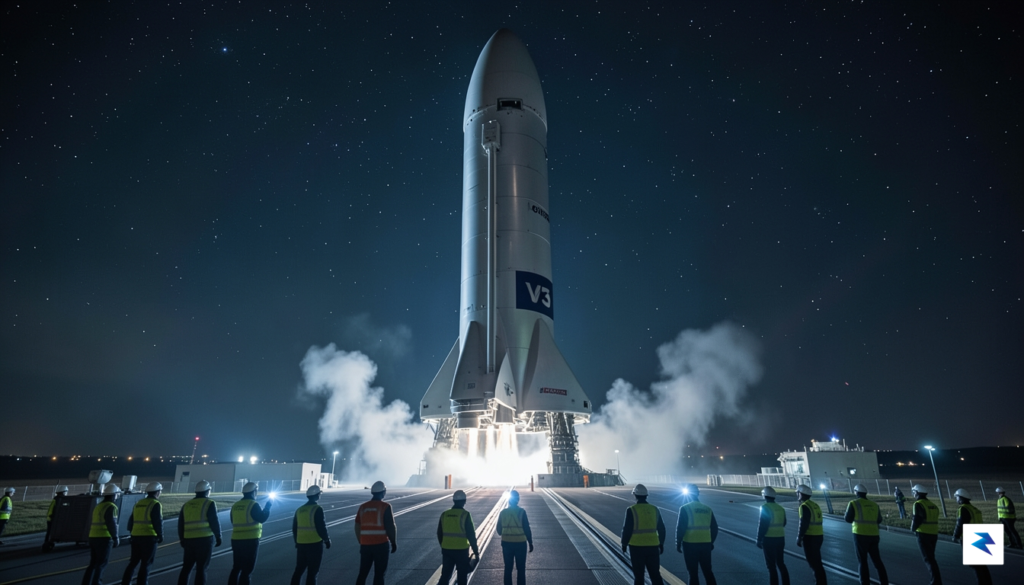
The push for high-cadence test flights only compounds these technical hurdles. When a vehicle is designed to be flown, landed, and quickly turned around, every component must exhibit unprecedented reliability. Engineers are no longer just building a rocket that can reach orbit; they are building a machine that must survive the intense thermal and mechanical shocks of re-entry and then perform with near-perfect consistency upon its next ignition. This necessitates a flight control architecture that is hyper-sensitive to any anomalies during the final countdown.
The complexity of modern rocketry is such that a single sensor reading—off by a fraction of a percent—is enough to command an abort. While frustrating for spectators, this sensitivity is precisely what ensures the long-term viability of the Starship program.
Ultimately, the abort mechanism is not a sign of failure, but a demonstration of the mature safety protocols embedded into the V3 design. By prioritizing the health of the 33-engine array over the schedule, SpaceX ensures that the data gathered from every aborted attempt contributes to a safer, more robust final product. As the team iterates on the software governing the engine start-up sequence, they are effectively teaching the rocket to manage its own internal stability, moving closer to the goal of reliable, routine access to space.
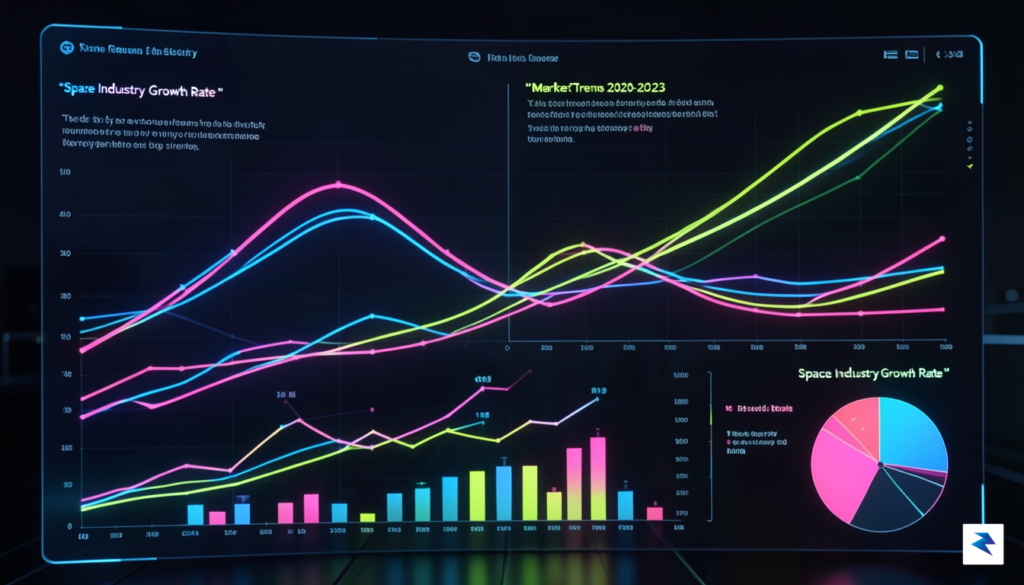
The high-stakes nature of SpaceX’s flight testing has transformed the traditional aerospace development cycle into a public spectacle, creating a unique ripple effect across financial markets. When a mission as anticipated as the Starship V3 launch reaches the brink of ignition only to be aborted, the resulting shockwaves are felt far beyond the confines of the launch pad. Because SpaceX operates as a private entity with a massive valuation, its milestones serve as a proxy for the health of the entire commercial space sector. Investors, who are increasingly sensitive to the aggressive timelines promised by Elon Musk, often interpret these real-time technical pauses as potential delays in operational capability, leading to immediate fluctuations in private equity valuations and broader market sentiment.
There is a fundamental disconnect that often confuses casual observers: the distinction between a technical “abort” and a business “failure.” In the engineering culture championed by SpaceX, an automated safety abort is a triumph of rigorous testing protocols, ensuring that expensive hardware and critical objectives are protected from preventable catastrophes. However, the financial world frequently struggles to calibrate its expectations against this “fail-fast, learn-faster” methodology. When the market sees a 4% after-hours dip following an abort, it is not necessarily a reflection of a flawed product, but rather an expression of anxiety regarding the narrowing window for Starship to begin generating consistent, revenue-producing orbital missions.

Ultimately, this volatility underscores the immense pressure surrounding the push toward rapid, full reusability. Investors are betting on a future where the cost of access to space drops exponentially, and that thesis relies entirely on the successful, frequent flight of vehicles like Starship V3. When the countdown clock hits zero and the engines fail to roar, the market pauses to reassess the timeline for that transition. Until Starship achieves a high cadence of successful flights, the company will likely continue to face these moments of heightened scrutiny, where every safety-driven pause is weighed against the massive capital investments driving the next generation of space infrastructure.
The true measure of SpaceX’s progress is not found in the absence of delays, but in the sophisticated autonomy of the systems that prevent disaster, even as the market learns to value patience over raw, uncalculated speed.
Moving forward, the primary challenge for SpaceX will be managing expectations while maintaining its radical approach to iteration. As the company continues to mature, its ability to communicate the difference between a “safety win” and a “schedule slip” will become just as important as the engineering itself. By proving that these aborts are the safeguards of a sustainable long-term business model, SpaceX can begin to stabilize the perception of its development lifecycle, transforming the public’s anxiety into a more nuanced understanding of what it actually takes to build a multi-planetary future.
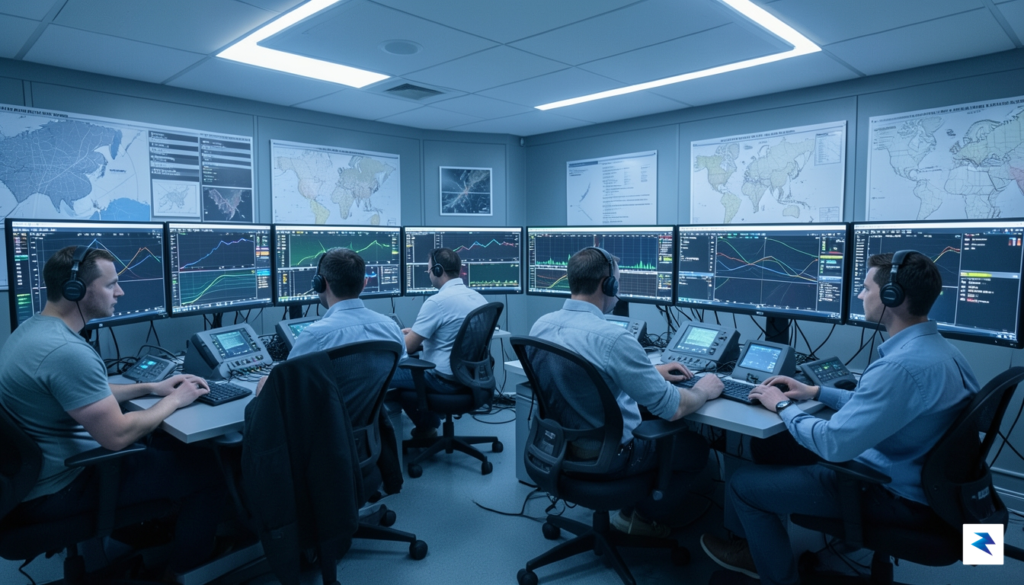
In the high-stakes environment of orbital rocketry, SpaceX operates under a unique “test, fail, learn” philosophy that effectively reframes what many outsiders perceive as a setback into a critical data-gathering opportunity. Rather than viewing an aborted ignition as a failure, the engineering teams at Starbase treat these events as high-fidelity rehearsals that expose hidden variables within the complex architecture of the V3 launch vehicle. Every scrubbed countdown provides a wealth of telemetry data that simply cannot be replicated in a simulated environment, offering the team a chance to stress-test software logic and hardware responsiveness under the intense pressures of a live launch sequence. This iterative approach ensures that by the time the vehicle finally clears the tower, the collective confidence in its flight-readiness has been forged through rigorous, real-world troubleshooting.
The post-abort diagnostic process is a meticulous endeavor, involving a comprehensive forensic inspection of the entire launch stack. Once the automated safety protocols successfully halt the ignition sequence, the team immediately transitions into a systematic review of the vehicle’s health. This includes scrutinizing the Raptor engine performance metrics, checking for any anomalies in the propellant loading systems, and identifying potential software bottlenecks that may have triggered the abort command. By patching these vulnerabilities and refining the underlying flight algorithms, SpaceX engineers can effectively “inoculate” the system against future errors, ensuring that subsequent attempts are backed by a more robust and resilient foundation. It is this relentless cycle of inspection and improvement that allows the company to push the boundaries of what is mechanically possible.
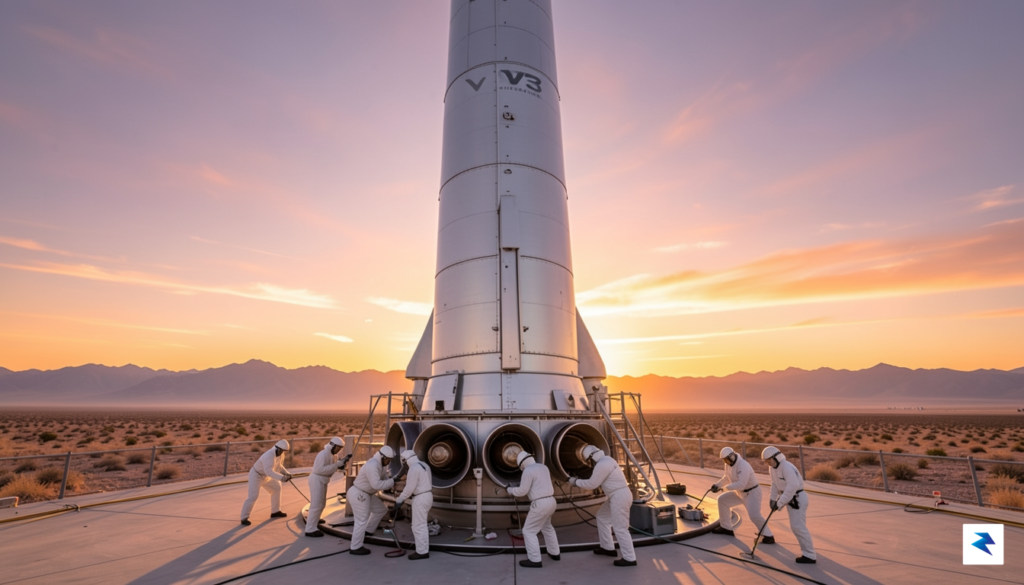
Industry observers and aerospace experts increasingly view these precautionary aborts as vital milestones rather than signs of hesitation. The maturity of modern commercial spaceflight relies heavily on the uncompromising nature of these safety protocols, which serve as the bedrock for all future human-rated missions to the Moon and Mars. By prioritizing the integrity of the vehicle over the convenience of a specific launch window, SpaceX is establishing a standard of operational safety that will define the next generation of space travel. These temporary pauses are not deterrents to progress; instead, they are the necessary filters that strip away risk and pave the way for the reliable, routine access to orbit that the entire industry strives to achieve.
The true measure of a launch vehicle’s reliability is not just found in the successful ignition, but in the sophisticated intelligence of the systems that choose to hold fire when conditions are less than perfect.
Looking ahead, the next launch window will be determined by the speed at which these diagnostic findings are integrated into the Starship V3’s flight profile. With each cycle of analysis, the countdown becomes more predictable and the vehicle more refined. As the SpaceX team prepares for the next attempt, they carry with them the lessons of yesterday, turning every momentary delay into a calculated step toward permanent, multi-planetary operations. The path forward is rarely a straight line, but through this unwavering commitment to safety and iterative design, the horizon of deep-space exploration remains well within reach.
You must be logged in to post a comment.