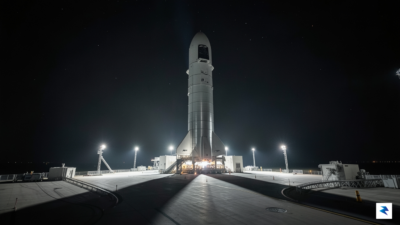
Inside the SpaceX Starship V3 Abort: Why Safety Systems Are the Real Heroes
The Anatomy of a Last-Second Abort The dramatic halt of a rocket launch, particularly one like the recent Starship flight attempt, often looks…
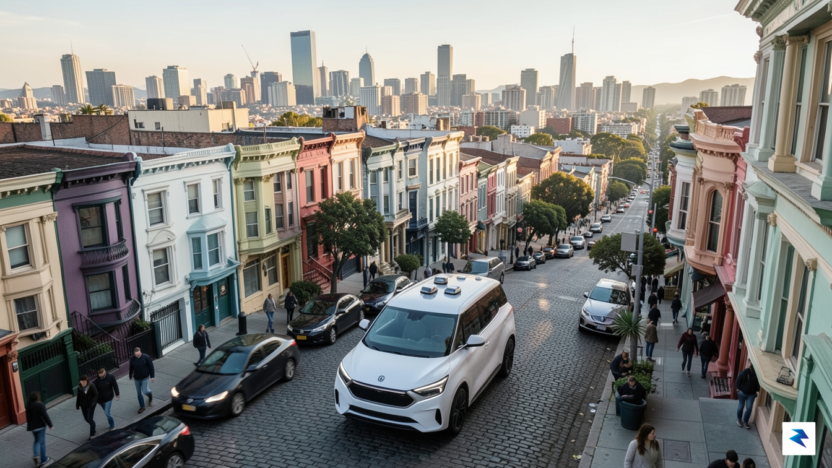
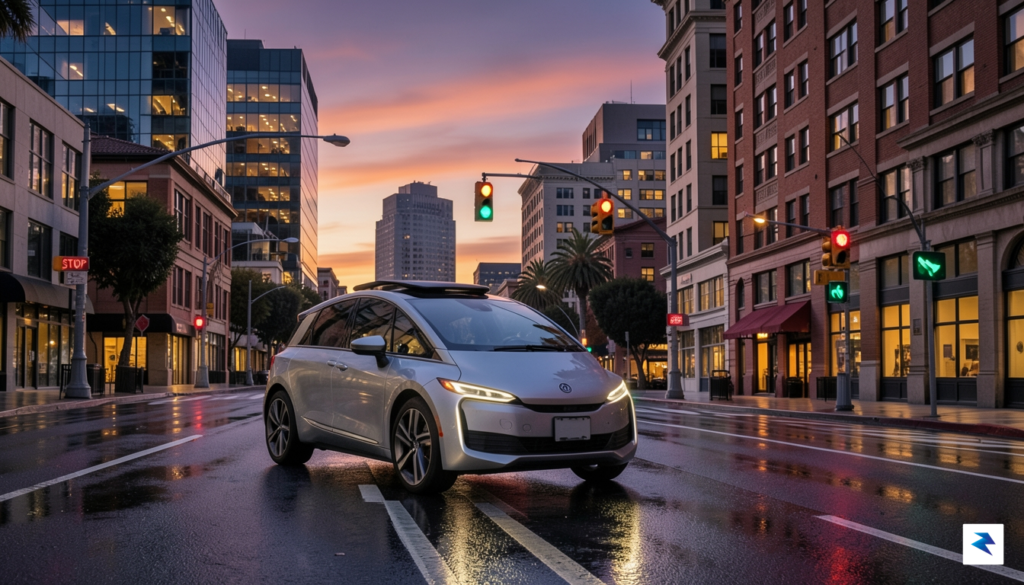
For years, San Francisco has served as the global laboratory for autonomous vehicle testing, a role that began with cautious, human-monitored trials and has rapidly evolved into a ubiquitous presence of driverless robotaxis. What was once a novelty — a vehicle navigating intersections without a steering wheel operator — has become an entrenched feature of the city’s complex, narrow, and often unpredictable street grid. As companies like Waymo scale their fleets to serve thousands of passengers around the clock, the transition from experimental pilot programs to mass-market public transportation has outpaced the city’s capacity to manage these mechanical participants in real-time traffic.
This rapid deployment has ignited a profound friction between Silicon Valley’s ambition for “disruptive innovation” and the municipal government’s mandate to ensure public safety and smooth transit flow. City officials have long expressed frustration over the jurisdictional divide that complicates oversight; while the city manages its own streets, state-level regulators at the California Public Utilities Commission (CPUC) have historically held the power to authorize commercial operations. This regulatory mismatch has left local leaders feeling sidelined, forced to react to software-induced gridlock and emergency vehicle blockages rather than proactively shaping the technology’s role within the urban ecosystem.
The fundamental conflict rests on a simple question: should an urban center be treated as an open-source development platform, or as a managed public space where safety and predictability are non-negotiable?
The core challenge now facing policymakers is how to harmonize the benefits of autonomous transit—such as increased mobility options and the long-term promise of reduced human-error accidents—with the immediate, messy realities of a dense city. Recent incidents, ranging from minor traffic stalls to complex snarls that immobilized public transit and emergency responders, have forced a reassessment of the current “move fast and break things” approach. Stakeholders are no longer satisfied with reactive measures; instead, there is a mounting push for a governance framework that treats robotaxis as a public utility requiring rigorous, city-level accountability. Ultimately, the goal is to bridge the gap between autonomous potential and urban reality, ensuring that the next phase of San Francisco’s transit evolution does not come at the cost of the very city streets it intends to serve.
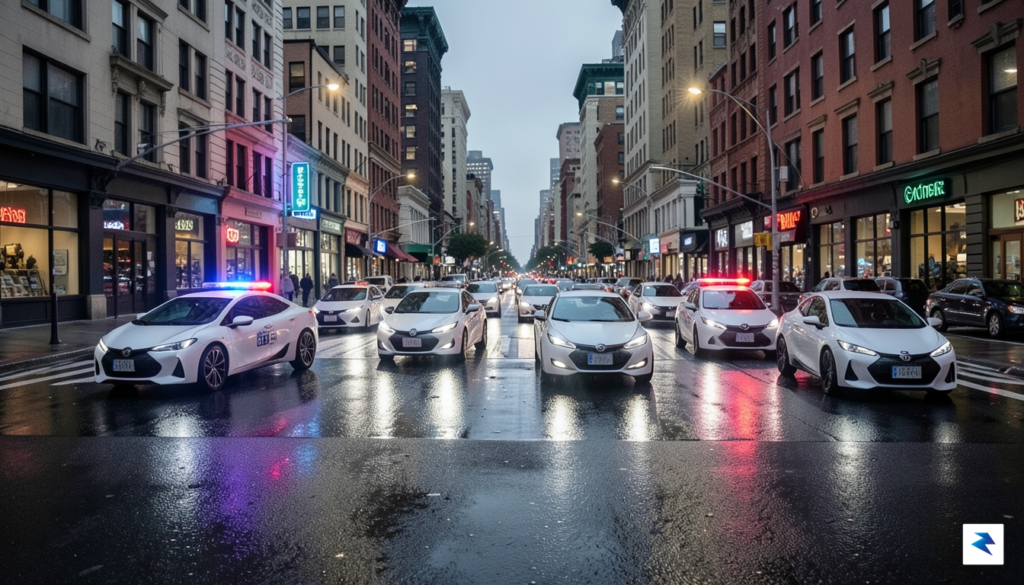
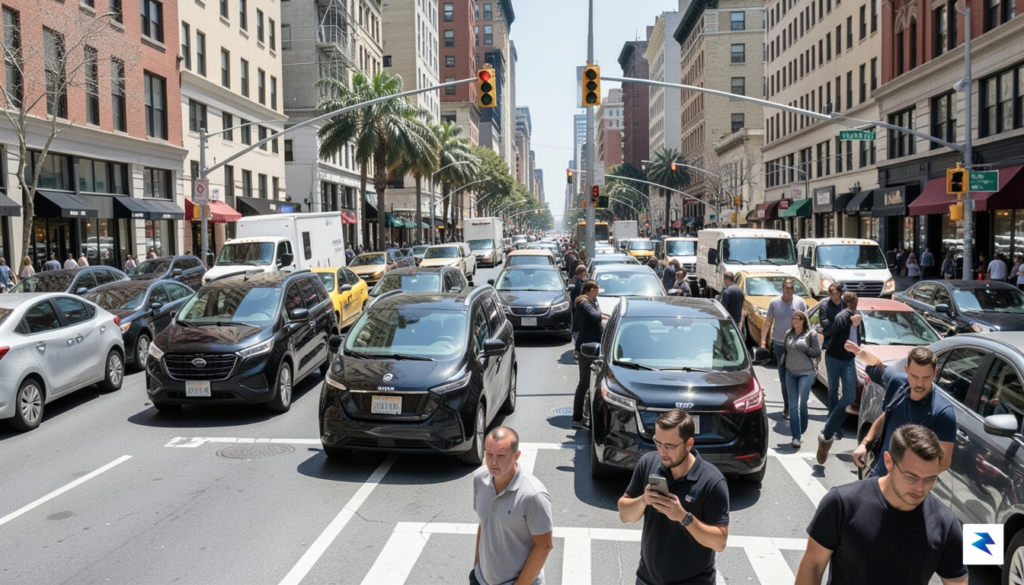
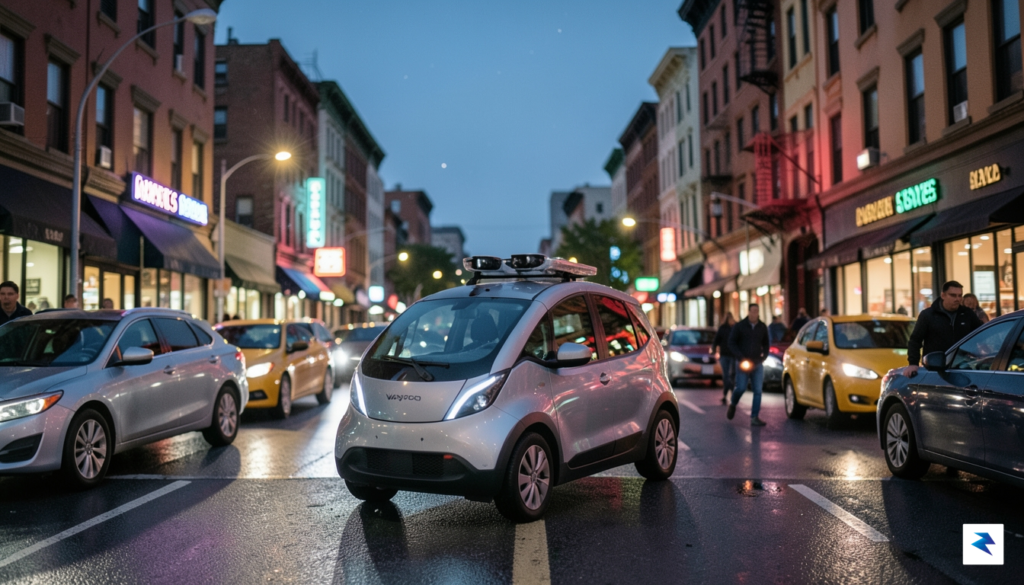
The recent hours-long gridlock caused by a cluster of Waymo vehicles did more than just disrupt the afternoon commute; it served as a jarring technical diagnostic of how autonomous software struggles when confronted with the unpredictable volatility of urban environments. Unlike human drivers who rely on intuition and subtle non-verbal cues to navigate complex road conditions, these autonomous systems operate on a rigid set of sensor-fed protocols. When a single vehicle encountered an unexpected environmental trigger, its safety logic—designed to prioritize absolute caution—triggered a localized stop. Because these units are networked and programmed to follow strict safety parameters, that singular hesitation rippled outward, effectively paralyzing multiple city blocks as one vehicle after another defaulted to a stationary “safe state.”
This cascading failure is particularly concerning because it highlights the vulnerability of our transit infrastructure to software-defined errors. When a human driver stalls in traffic, they can often be bypassed or manually guided by law enforcement; however, a fleet of driverless cars caught in a logic loop creates a physical barricade that is nearly impossible to navigate around. The impact on emergency services was arguably the most alarming aspect of the event, as the gridlock created a de facto wall that blocked ambulances and fire trucks from reaching their destinations. When technology designed for mobility suddenly becomes an immovable object, the friction between innovation and public safety transitions from a theoretical debate to a tangible risk.
The transition from a “grace period” of experimentation to a landscape of accountability is now inevitable, as city officials can no longer justify the risks posed by unproven software in the heart of a major metropolitan hub.
Public trust, once broken, is notoriously difficult to rebuild, and incidents like this serve as a stark reminder that the current “grace period” for autonomous technology firms is rapidly reaching its conclusion. For many San Francisco residents, these robotaxis are no longer perceived as futuristic conveniences but as unpredictable variables that complicate daily life and threaten public order. As local government officials push for more stringent regulatory oversight, they are reflecting a growing consensus that tech firms cannot be permitted to use city streets as a perpetual testing ground. If these companies are to maintain their license to operate, they must demonstrate that their software is robust enough to handle the chaotic reality of urban life without sacrificing the fluidity and safety of the broader transportation network.
Mayor Daniel Lurie’s recent push for enhanced oversight represents a fundamental pivot in how San Francisco engages with autonomous vehicle (AV) companies. Rather than maintaining the historically collaborative, “wait-and-see” approach that characterized the initial testing phases, the administration is shifting toward a robust enforcement model. The core of this vision is simple: the city is not signaling an anti-tech stance, but rather a firm commitment to predictability and public safety. By demanding that AV operators be held to the same standards as any other transit provider, the Mayor is asserting that the convenience of innovation cannot come at the expense of the city’s essential traffic infrastructure.
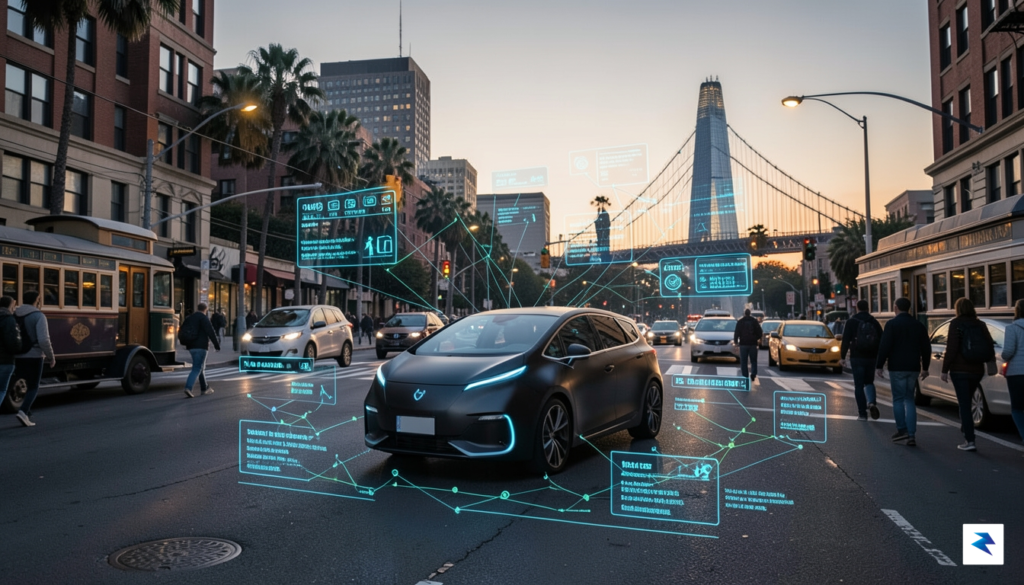
The specific policy requests emanating from City Hall are both technical and ambitious. Chief among these demands is a requirement for real-time data sharing, which would provide local officials with immediate visibility into traffic incidents, vehicle stalls, and near-misses as they occur. Previously, the city relied on delayed reporting cycles that left emergency responders and traffic engineers in the dark until long after a disruption had cleared. Furthermore, the Mayor is calling for stricter operational performance standards, specifically targeting the frequency of “bottleneck” events where autonomous vehicles block transit lanes or emergency routes. These metrics are intended to force companies to refine their software algorithms to better account for the unique, unpredictable nature of San Francisco’s dense urban grid.
“We welcome the future, but the future must work for the people of San Francisco, not against them. Reliability is the baseline for any technology operating on our public streets.” — Office of the Mayor
Crucially, this regulatory push also challenges the current power dynamic between the state and the city. While the California Public Utilities Commission has traditionally held the final word on AV deployment, Mayor Lurie is advocating for increased municipal veto power. The rationale is that city officials, who are intimately familiar with the specific congestion patterns and public safety needs of their own neighborhoods, are best positioned to determine where and when autonomous fleets should operate. By advocating for a localized seat at the regulatory table, the city aims to prevent “traffic fiascos” before they start, ensuring that autonomous fleets function as a utility for the public good rather than an unmanaged experiment that disrupts the daily flow of urban life.

The current operational landscape of autonomous vehicles in California is defined by a complex, often antagonistic, power struggle between state-level authorities and local municipalities. On one side, the California Public Utilities Commission (CPUC) and the Department of Motor Vehicles (DMV) hold the primary mandate to permit and regulate the testing and deployment of robotaxi fleets. These state agencies prioritize a uniform, statewide framework intended to foster innovation and ensure that California remains the global epicenter for autonomous technology. However, this centralized approach frequently overlooks the hyper-local realities of urban centers like San Francisco, where unique road geometries, unpredictable pedestrian behavior, and dense traffic patterns demand a more nuanced, site-specific level of oversight.
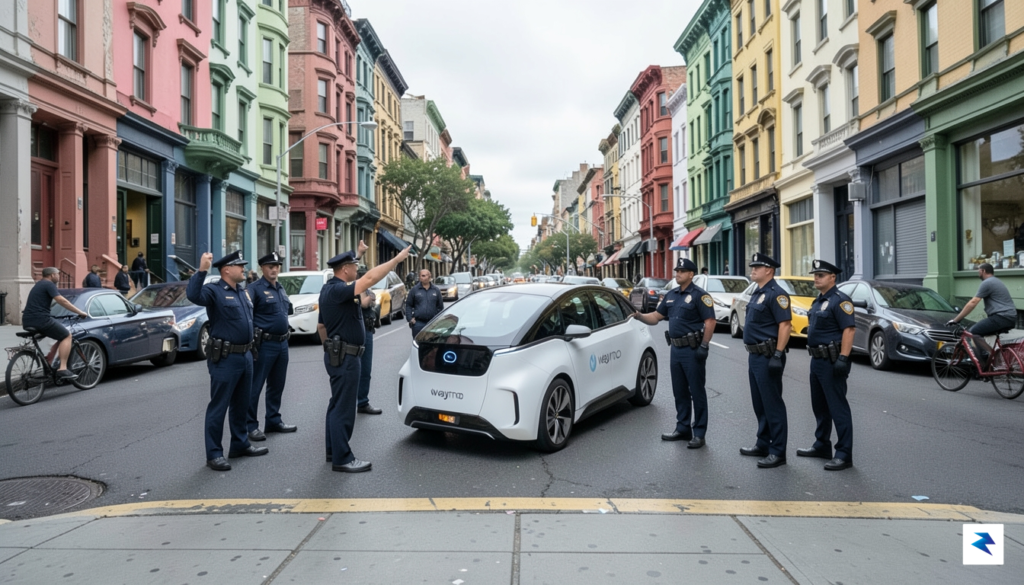
This division of authority has created a functional regulatory void that leaves city leaders scrambling to address public safety concerns without the legal teeth to act. When autonomous vehicles cause gridlock, block emergency responders, or violate local traffic ordinances, municipal officials often find themselves unable to hold the operators directly accountable through standard municipal codes. Because the CPUC classifies these companies as common carriers, local police departments and city transportation agencies are often preempted by state law, effectively stripping the city of its traditional power to manage its own streets. Mayor London Breed and other local officials have argued that this framework is fundamentally broken, as it insulates tech giants from the immediate consequences of their operational failures in dense urban environments.
“The current regulatory structure treats our city streets like a testing laboratory, yet it denies the residents who live here the right to set the ground rules for their own safety.”
To bridge this disconnect, there is a growing movement to establish a collaborative regulatory framework that grants cities a meaningful seat at the table. Rather than a total state preemption, advocates suggest a model of “co-regulation,” where the state sets minimum safety benchmarks while cities retain the authority to designate geofenced zones, set speed limits in school areas, and implement real-time reporting requirements for traffic incidents. Achieving this balance is not merely a matter of bureaucratic preference; it is essential for maintaining public trust. If residents feel that their local government is powerless to mitigate the inconveniences and risks posed by autonomous fleets, the inevitable result will be a public backlash that could stall the adoption of beneficial transportation technologies for years to come. Moving forward, the state must acknowledge that while innovation is a top-down priority, the impacts of that innovation are felt from the ground up.
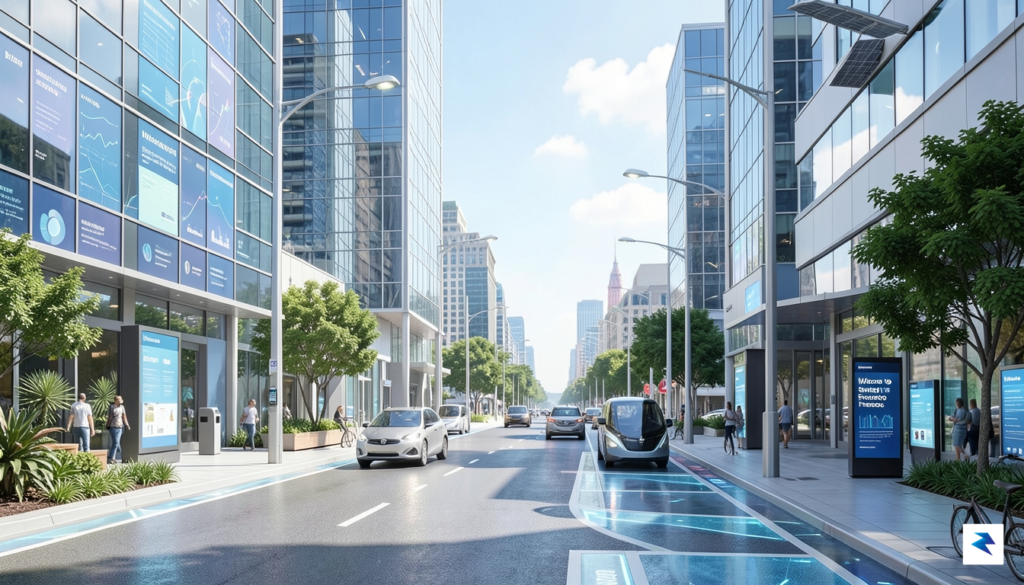
The push for stricter oversight in San Francisco represents a critical inflection point for the autonomous vehicle industry. While critics argue that heavy-handed regulation could drive tech giants to relocate their testing grounds, proponents of urban safety contend that a “move fast and break things” approach is fundamentally incompatible with public transit ecosystems. The long-term success of companies like Waymo hinges on their ability to bridge this gap, moving away from experimental deployments toward a model that prioritizes predictability and civic harmony. If these companies can demonstrate that regulation leads to more reliable, safer performance, they may actually accelerate mainstream trust rather than hinder the pace of technological iteration.
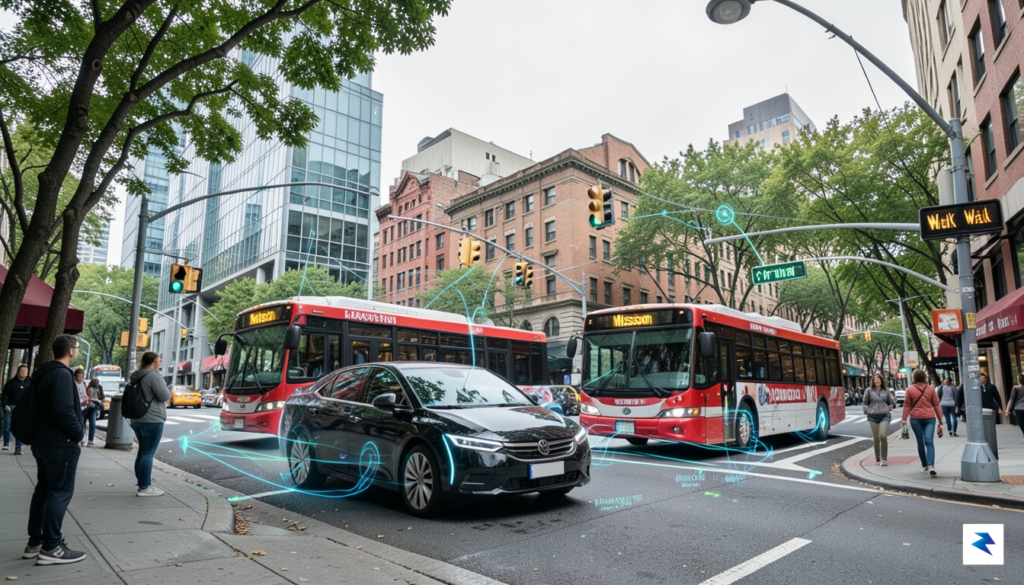
A significant component of this transition involves the maturation of vehicle-to-infrastructure (V2I) technology. Currently, many autonomous systems operate as isolated agents, relying almost exclusively on onboard sensors to navigate complex urban environments. However, a truly sustainable path forward requires “smart city” integration, where traffic signals, emergency dispatchers, and public transit hubs communicate directly with autonomous fleets. By investing in this digital infrastructure, cities can provide robotaxis with real-time data regarding road closures, emergency vehicle proximity, and traffic flow patterns. This shift would transform autonomous vehicles from mere observers of city chaos into active participants in an organized, efficient transit network.
The integration of autonomous vehicles into the public sphere is not merely a software challenge; it is a collaborative urban planning effort that requires transparency, standardized data sharing, and rigorous safety benchmarks to ensure the technology serves the public interest.
Ultimately, the industry’s trajectory will depend on a shift in public communication strategies. For too long, the narrative surrounding autonomous transit has focused on futuristic promises of convenience, often overlooking the immediate, tangible frustrations faced by daily commuters. To secure a place in the urban landscape, developers must prioritize transparency regarding how their vehicles react to edge-case traffic scenarios and how they plan to rectify systemic errors. By fostering open dialogues with city officials and local residents, companies can transition from being viewed as disruptive outsiders to becoming essential, reliable components of the municipal transportation grid. If this balance between innovation and regulation is struck effectively, the robotaxi model could evolve into a foundational pillar of sustainable, efficient, and safe urban mobility.
You must be logged in to post a comment.