
Coca-Cola Suspends Fairlife Dairy Production Following Ransomware Attack
The Fairlife Ransomware Incident: An Overview In a significant disruption to the beverage industry’s supply chain, Coca-Cola recently…
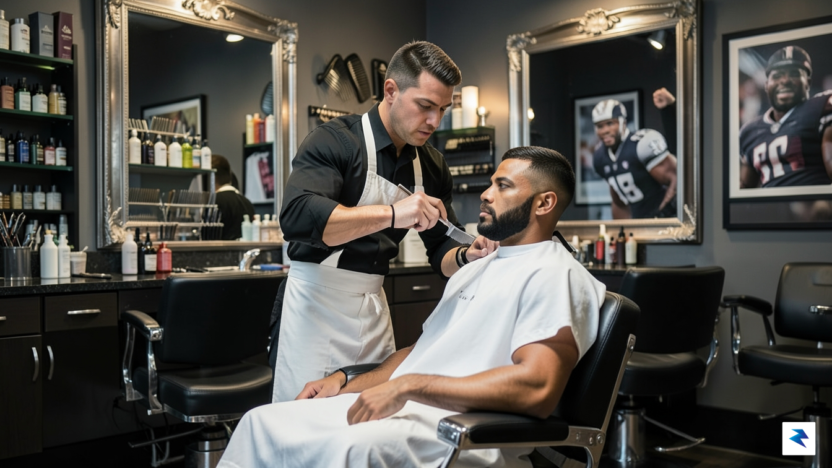
While the eyes of the world are locked onto the ninety minutes of tactical warfare unfolding on the pitch, the true foundation of a World Cup campaign is built in the quiet, sequestered corners of team hotels. Elite sports operate under the pervasive philosophy that when a player looks good, they feel good, and consequently, they play at the peak of their abilities. This psychological armor is not merely about vanity; it is a critical component of maintaining a winner’s mindset amidst the suffocating pressure of a global tournament. By bringing professional stylists into the team ecosystem, national squads provide a sense of continuity that allows athletes to retain their personal identity even when they are effectively living in a high-stakes bubble for weeks on end.
For players who spend their lives moving from training grounds to luxury hotels, the barbershop serves as far more than a place to get a haircut—it is an essential sanctuary of normalcy. In an environment where every move is scrutinized by millions of fans and media outlets, the barber’s chair becomes one of the few places where an athlete can disconnect from the tactical noise. The rhythmic sound of clippers and the casual, non-analytical conversation offer a rare moment of decompression. This therapeutic space allows players to shed the weight of public expectation, fostering a relaxed atmosphere that is vital for mental recovery between grueling matches.
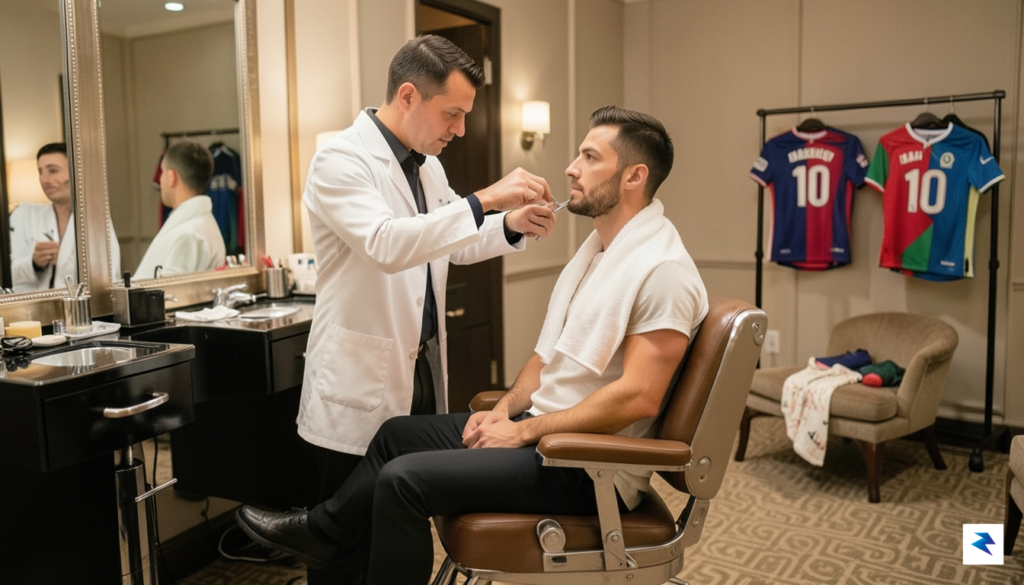
The ritual of the haircut is a grounding force; it is the one familiar routine that bridges the gap between the chaotic, high-pressure life of a professional footballer and the comfort of home.
Furthermore, the presence of trusted stylists reflects a sophisticated understanding of the modern sports ecosystem. Team management recognizes that performance is not purely physical; it is deeply rooted in confidence and self-assurance. When a player maintains their signature look, they are upholding their personal brand and, more importantly, honoring the personal rituals that have propelled them to the world stage. By integrating these support figures into the traveling delegation, teams ensure that their stars can focus entirely on the game, knowing that their sense of self remains intact. This meticulous attention to the “unseen” aspects of preparation is often the subtle difference between a team that crumbles under the weight of the tournament and one that finds the poise to secure glory.
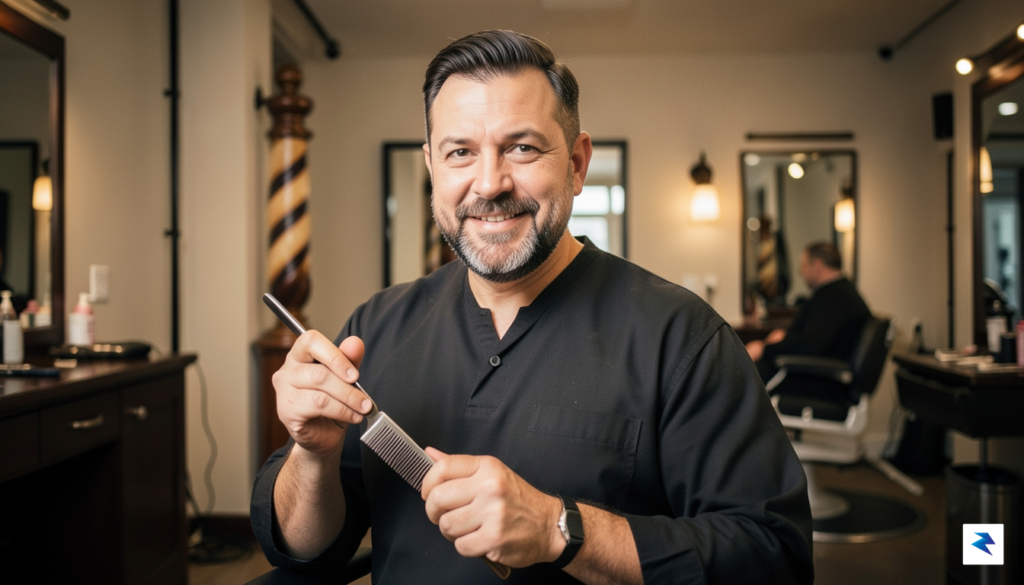
Long before Maram Hammadi became the stylist of choice for elite international footballers, his education in the sport began on the unforgiving, sun-baked dirt fields of Iraq. In those early years, football was far more than a recreational pastime; it was a rhythmic, communal language that transcended the harshness of his surroundings. Navigating the unpredictable surfaces of dusty pitches taught him a specific kind of grit—a resilience that would eventually serve as the foundation for his professional life. This upbringing instilled in him an innate, deep-seated understanding of the game’s culture, where the bond between teammates is forged through shared struggle and an unwavering devotion to the craft.
The journey from the fields of his youth to a bustling shop near Seattle was defined by the same tenacity he once applied to his footwork. Arriving in a new country with little more than his ambition and a set of clippers, Hammadi faced the daunting hurdles of immigration and the challenge of establishing a business in an unfamiliar landscape. He spent years honing his skills, turning a modest storefront into a sanctuary where the precision of his trade met the high-stakes demands of modern aesthetics. Every fade and trim became a testament to his immigrant journey, proving that success is not merely granted but meticulously built through long hours and the relentless pursuit of excellence.
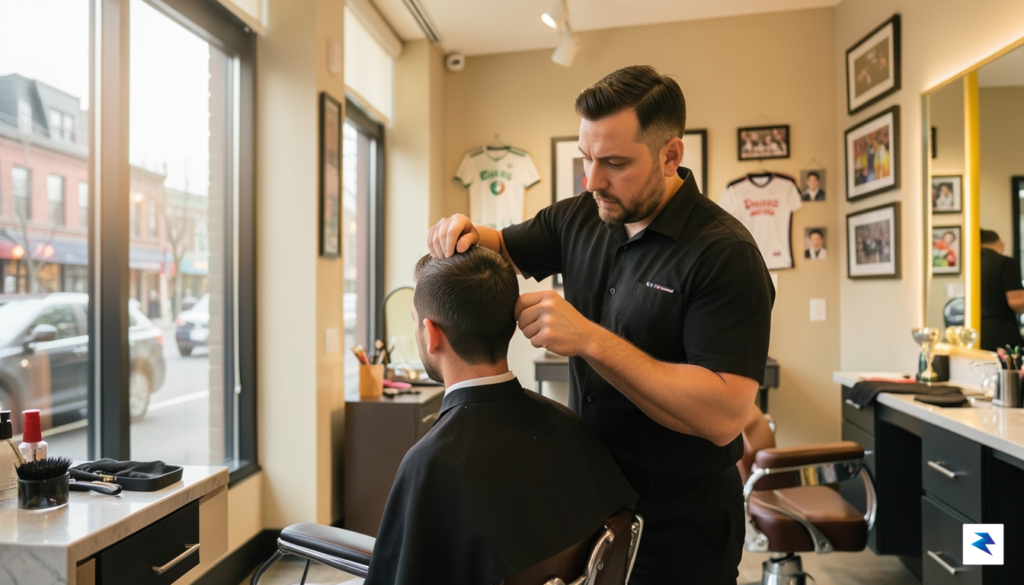
“When you have played on the dirt, you understand that the game is about heart and preparation. I bring that same discipline to my chair, because these players are not just clients; they are warriors preparing for their own kind of battle.”
What sets Hammadi apart from a traditional stylist is his ability to bridge the gap between technical grooming and the psychological demands of professional athletes. When a player sits in his chair, they are not just looking for a haircut; they are looking for a moment of normalcy amidst the high-pressure environment of a World Cup tournament. Because Hammadi intimately knows the weight of the jersey and the pressure of the spotlight, he offers a level of camaraderie that is rare in the service industry. He speaks the language of the locker room, sensing when to provide a listening ear and when to offer the quiet focus required before a major match. This unique intersection of personal history and professional expertise has transformed his shop into a global crossroads, where the grit of an Iraqi upbringing perfectly aligns with the global stage of international sport.
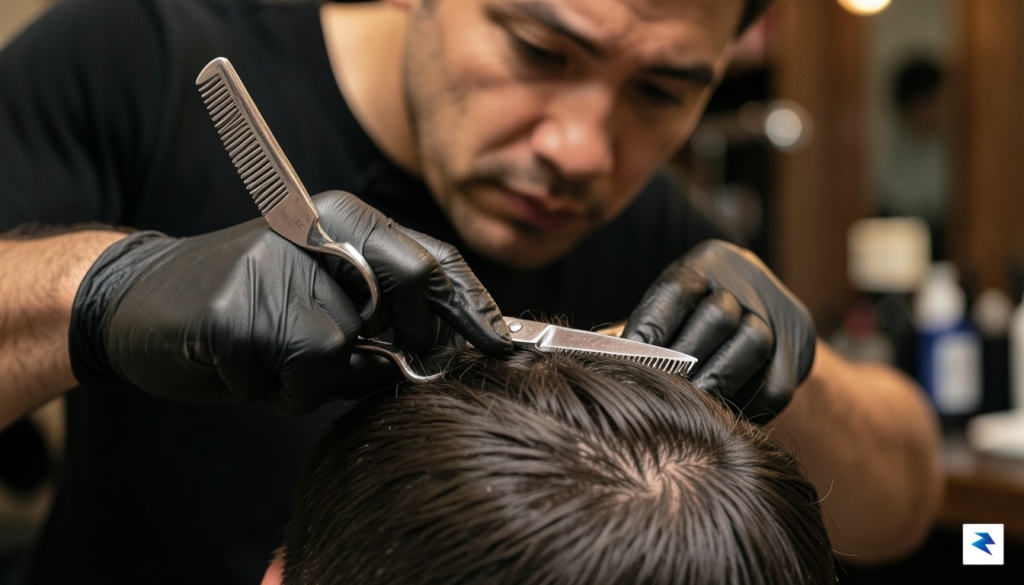
For elite athletes navigating the high-octane pressure of a World Cup, the barbershop transcends its traditional function as a place of grooming to become a vital psychological sanctuary. It serves as a classic “third space”—a neutral, non-judgmental environment distinct from the home and the training pitch—where the rigid hierarchies of professional football temporarily dissolve. In this intimate setting, players are not measured by their goal tallies, their defensive lapses, or their market value; they are simply individuals seeking a moment of normalcy. The rhythmic hum of the clippers and the ritualistic nature of a sharp fade offer a tactile grounding experience that helps quiet the relentless internal and external noise of a global tournament.
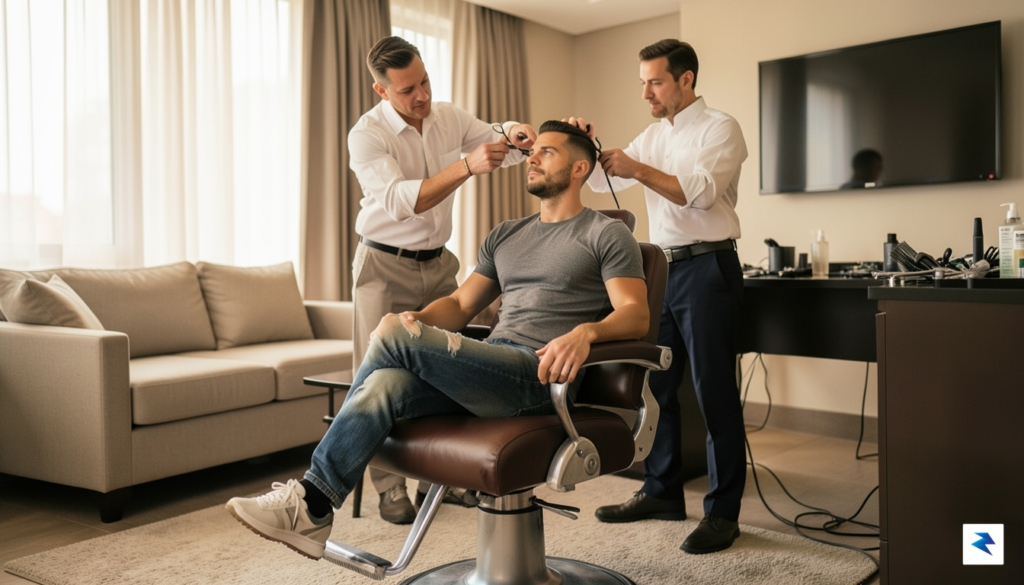
The relationship between a player and their trusted barber is built on a foundation of profound, unspoken trust that is essential during the heightened stakes of a tournament window. Because these players are constantly under the scrutiny of cameras, coaches, and millions of fans, the barbershop functions as one of the few remaining “safe zones” where they can be vulnerable or simply silent. Unlike interactions with journalists, agents, or tactical staff, the dynamic in the chair requires no performance. This ability to disconnect from the media’s relentless speculation allows players to decompress, effectively resetting their mental state before the next high-stakes match. It is a rare, private interlude where the weight of national expectation is momentarily lifted.
The barbershop is more than just a place to get a fade; it is the locker room’s quiet cousin, a sanctuary where the pressure of the world stage fades into the background, allowing the athlete to reclaim their sense of self.
Furthermore, the grooming session provides a controlled environment that offers a sense of ritualistic stability in an otherwise chaotic, itinerant lifestyle. When traveling from city to city, facing rigorous travel schedules and the unpredictability of tournament results, the consistency of a familiar barber provides a tether to their identity off the pitch. This psychological grounding is crucial for maintaining focus; by tending to their appearance, players are also tending to their confidence. When a player feels prepared and composed in their own skin, that self-assurance inevitably translates onto the field, proving that the work done in the chair is as much about mental preparation as it is about aesthetic style.
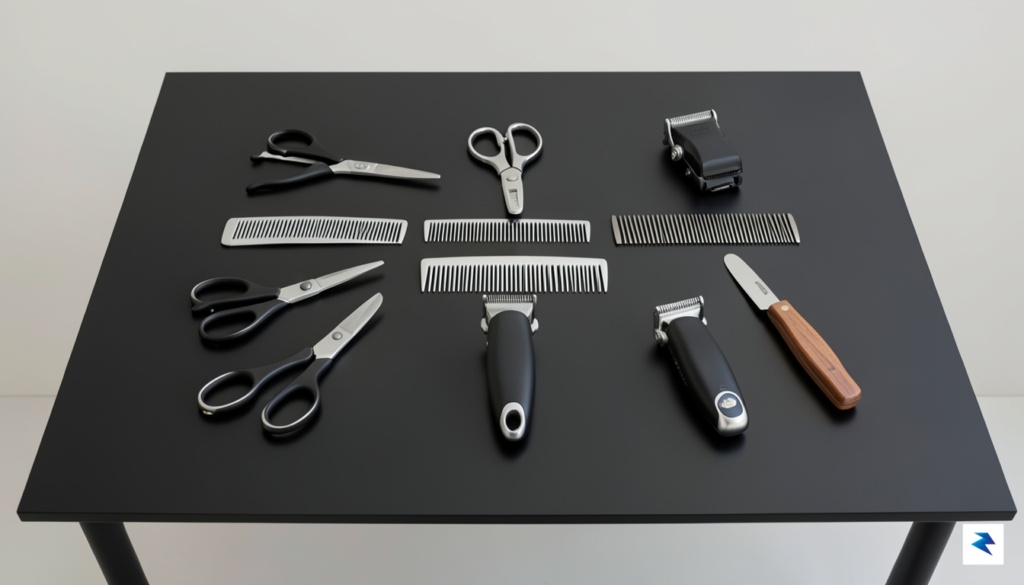
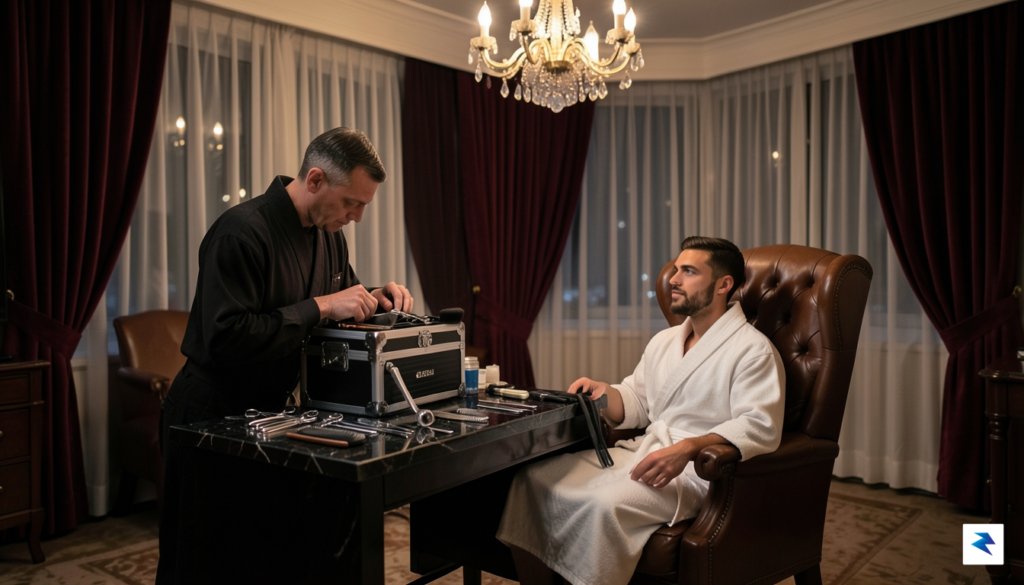
Providing grooming services to a national team during the World Cup is a complex operation that extends far beyond the simple act of a haircut. It requires a level of logistical precision that mirrors the tactical planning of a football match itself. For a professional like Hammadi, the process begins long before the clippers are ever switched on, involving intricate coordination with team management, security details, and hotel staff to ensure seamless access. Every movement must be synchronized with the players’ rigorous training schedules, media obligations, and travel commitments, leaving virtually no room for error or delay. The challenge lies in operating within a high-pressure environment where time is a luxury and the stakes are incredibly high for both the athletes and the support staff.
Creating a functional, professional-grade workstation within a temporary hotel environment is another hurdle that demands ingenuity and foresight. A standard hotel suite is rarely designed to accommodate the needs of a mobile barbershop, which means the barber must be fully self-sufficient. This involves transporting high-end tools, ergonomic chairs, specialized lighting, and sanitation equipment that meets international health standards, all while navigating strict security perimeters. The goal is to transform a generic living space into a sanctuary of comfort and familiarity, allowing the athlete to relax and recharge while maintaining their image. Because these spaces are often subject to constant surveillance and foot traffic, the barber must be able to deploy and pack up their mobile station with military-like efficiency.
“Discretion is the ultimate currency when you are working with global icons; the barber becomes a confidant, a quiet observer, and a professional anchor in a sea of public scrutiny.”
Perhaps the most significant challenge, however, is the unspoken requirement of total confidentiality. High-profile athletes live their lives under a constant microscope, and the barbershop often serves as a rare, private space where they can be themselves without fear of judgment or leaks. Maintaining this level of professionalism requires more than just technical skill; it demands an intuitive understanding of boundaries. Whether they are discussing personal stressors or preparing for a high-stakes match, the players rely on their barber to be a vault. By adapting his business model to meet these extraordinary demands, Hammadi demonstrates that elite grooming is not just about aesthetics—it is about providing a reliable, secure service that helps the world’s greatest players feel like their best selves before they step onto the pitch.
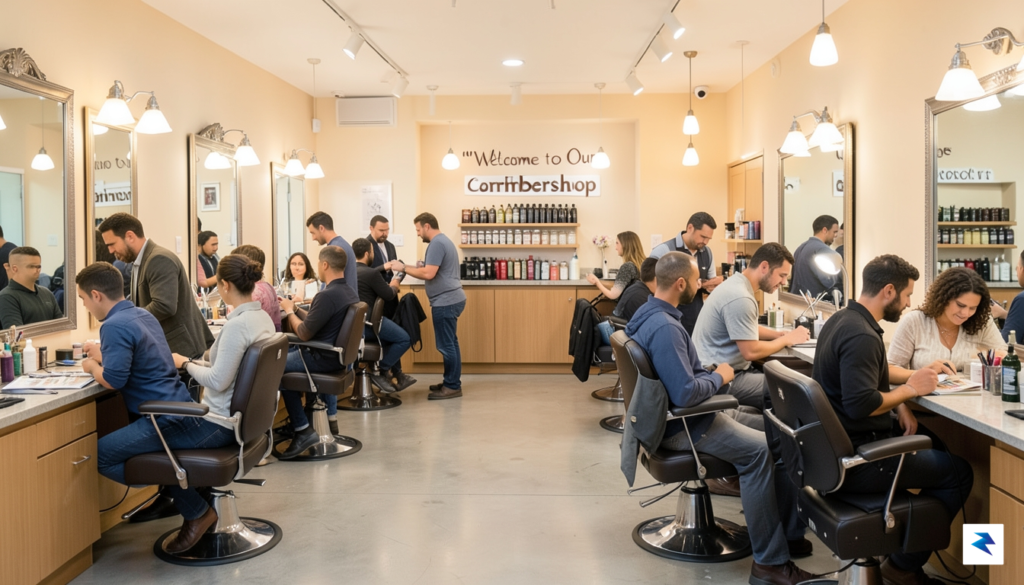
Beyond the precision of the clippers and the artistry of a perfect fade, the presence of a trusted barber within the high-pressure environment of the World Cup serves as a vital anchor for athletes far from home. When a craftsman like Hammadi steps into a team hotel, he is doing far more than grooming; he is fostering a sanctuary where the weight of global expectations momentarily dissolves. These small, intimate acts of service build bridges that transcend language barriers and national rivalries, proving that a humble professional from a neighborhood shop can influence the morale and comfort of a global powerhouse. By normalizing these connections, we see how the barbershop acts as a universal “third space”—a neutral ground where identity is reinforced and nerves are steadied before the biggest matches of a player’s life.
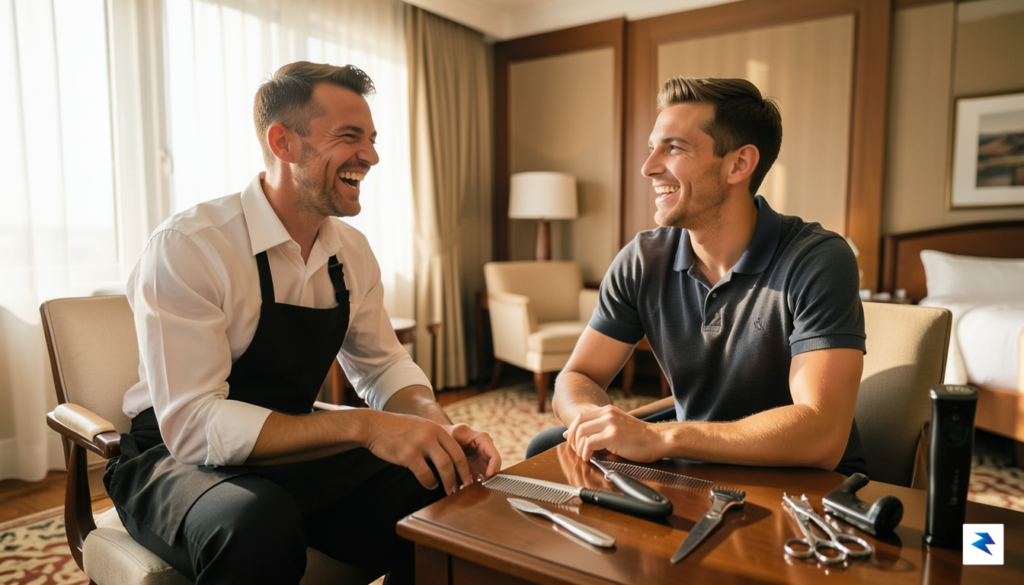
This dynamic also highlights the profound importance of community mentorship in the modern professional landscape. For young barbers watching this trajectory, Hammadi’s journey serves as a powerful testament to the idea that one’s career trajectory is not limited by the physical walls of a local storefront. He demonstrates that technical skill, when paired with emotional intelligence and reliability, can open doors to the most exclusive stages on Earth. This mentorship model encourages a new generation of professionals to embrace their heritage and unique cultural backgrounds, showing them that their expertise is a transferable asset capable of bridging the gap between personal roots and international career aspirations.
True success in any trade is measured not just by the quality of the finished work, but by the strength of the relationships fostered during the process.
Ultimately, these interactions knit together a unique global fabric, reminding us that sports are about far more than the final score on a scoreboard. When we observe the intersection of athletic greatness and the quiet, essential service of a barber, we are witnessing the human element that sustains the world of elite competition. The connections formed in these moments ripple outward, influencing team culture and reminding the public that even the most famous athletes rely on the support, care, and grounding presence of people from the community. Through this lens, the barbershop emerges as a vital, if often overlooked, pillar of the sports world, proving that service, community, and mentorship are the unseen threads that truly unite us all.
You must be logged in to post a comment.