Bitcoin Slips Below $63K: How Geopolitical Tensions Are Driving Market Volatility
The Geopolitical Nexus: How Global Conflicts Influence Bitcoin The recent dip of Bitcoin below the $63,000 threshold serves as a stark…
For decades, the evolution of algorithmic trading has been defined by the pursuit of speed—the quest to shave microseconds off the time it takes for a trade to execute. While high-frequency traders once obsessed over physical proximity to exchange servers, the modern era has shifted focus toward the interpretation of unstructured data. Today, political sentiment has emerged as a primary driver of market volatility, transforming the way capital moves in response to digital discourse. As institutional investors increasingly integrate natural language processing to gauge the tone of public figures, the divide between political commentary and financial outcome has narrowed to a vanishing point.
The introduction of the Truth API represents a watershed moment in this technological arms race, effectively formalizing the bridge between social media activity and high-frequency execution. By providing a dedicated, low-latency pipeline, the parent company of Truth Social is offering institutional players the ability to ingest the former president’s digital utterances the moment they materialize. This is not merely an incremental update to data access; it is a structural change that treats political communication as a premium financial instrument. For hedge funds and quantitative trading firms, this direct access represents a potential source of “alpha”—the ability to capture profit by reacting to market-moving statements before the broader public has even refreshed their browser.
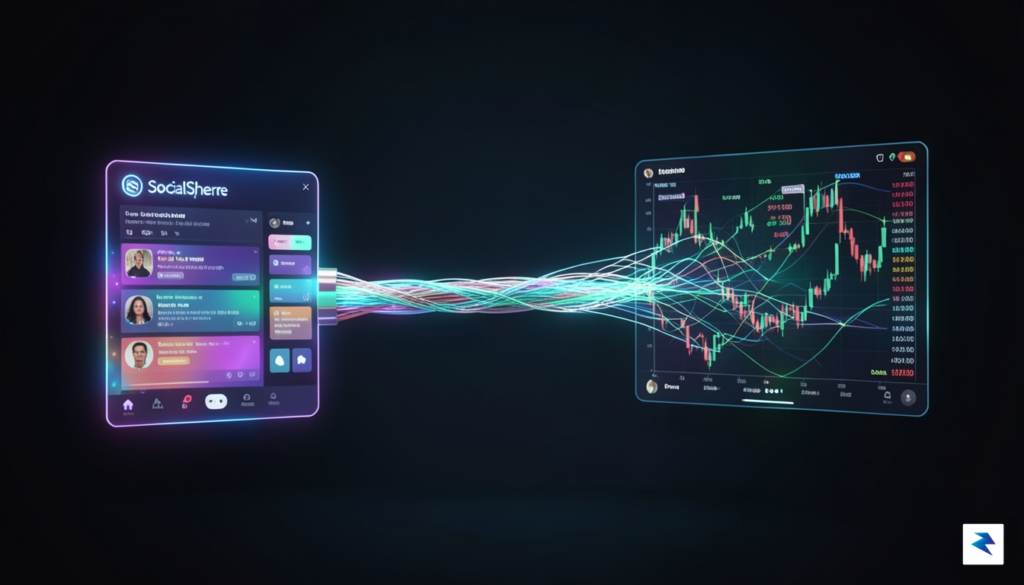
What makes this specific platform uniquely positioned to influence market movements is the singular nature of its primary user. Unlike broader social media networks where political discourse is diluted by a sea of disparate voices, this environment serves as a centralized hub for news cycles and policy signals that directly impact publicly traded companies. Because these posts frequently touch upon trade policy, regulatory scrutiny, and corporate valuations, they act as immediate catalysts for price shifts in specific sectors. When institutional investors gain the ability to parse these messages in near real-time, the reaction speed of the market is no longer dictated by human deliberation, but by the relentless precision of algorithms programmed to execute trades at the first hint of political volatility.
The integration of direct-access APIs for political platforms signals a future where market participants must view social media not just as a forum for discourse, but as a critical, high-speed data stream that dictates the flow of global capital.
This development inevitably raises profound questions regarding market fairness and the democratization of information. As institutional firms pay for the privilege of speed, a two-tiered system is solidified: one where elite traders operate on a foundation of instantaneous data, and another where the general public remains perpetually behind the curve. As this technological landscape continues to mature, the distinction between a viral post and a market-moving event will likely continue to blur, forcing regulators and investors alike to grapple with the reality that, in the modern economy, political sentiment is no longer just opinion—it is an asset class.
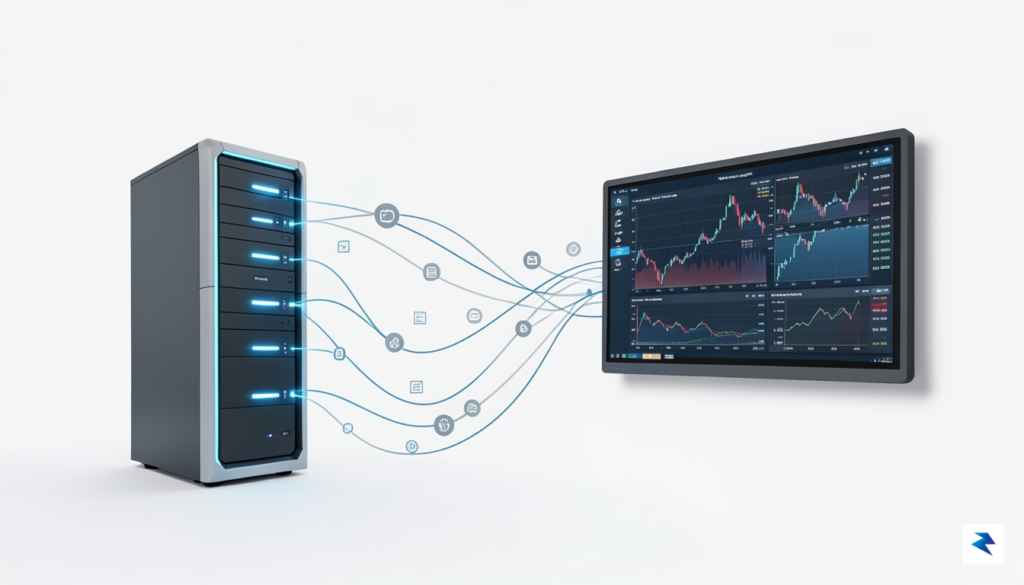
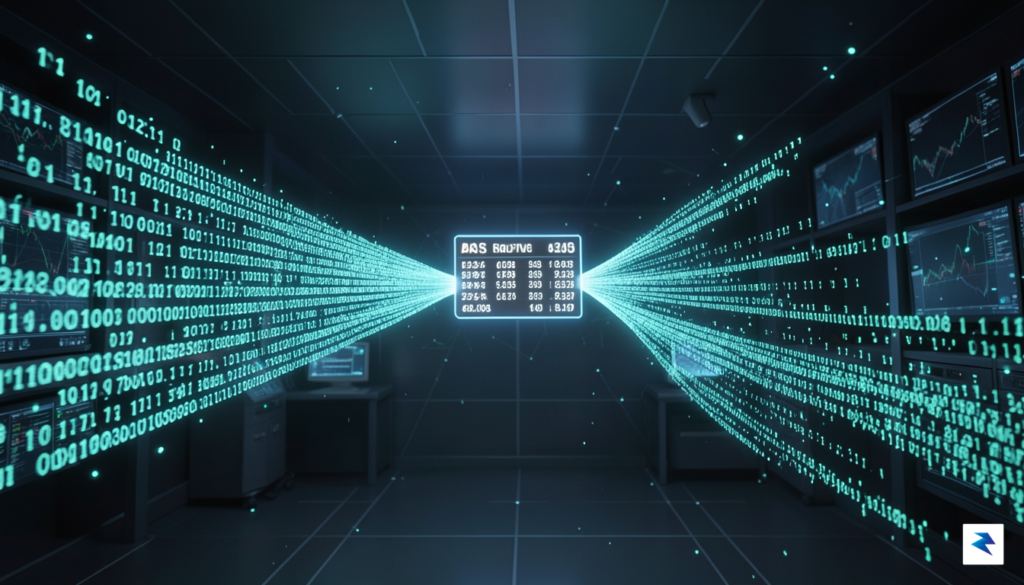
To understand the mechanics of this high-speed data delivery, one must first distinguish between the public-facing interface of the platform and the specialized architecture of the proprietary interface. Traditional web scraping involves automated bots that mimic human behavior to browse the site, parsing HTML elements to extract information. This process is inherently inefficient because it requires the system to load heavy front-end assets, execute JavaScript, and navigate complex page structures, all of which introduce significant delays. In contrast, the professional-grade interface functions as a direct pipeline, transmitting raw data packets that bypass the visual clutter of the graphical user interface entirely. By stripping away the bloat of web rendering, the connection establishes a streamlined path that delivers information from the database to the end-user with minimal overhead.
In the high-stakes environment of algorithmic trading, latency is the defining metric of success or failure. Even a delay of a few hundred milliseconds—barely perceptible to a human reader—can mean the difference between capturing a market move and arriving too late to profit from it. High-frequency trading systems are engineered to ingest incoming data, run sentiment analysis models, and execute buy or sell orders in a fraction of a second. By utilizing a dedicated, low-latency stream, institutional players effectively shrink the “reaction gap,” allowing their algorithms to process the content the moment it hits the server. This technological edge transforms static text into actionable intelligence, providing a decisive advantage over retail investors who rely on standard browser-based notifications or manual refreshing.

The ability to ingest raw data in real-time is the new frontier of political market analysis, where milliseconds of speed represent the difference between alpha and obsolescence.
Supporting this level of velocity requires robust infrastructure designed for continuous, high-volume data processing. Institutional clients must deploy sophisticated server environments capable of handling asynchronous requests and massive spikes in traffic without stuttering. This involves maintaining persistent connections with the host servers to ensure there is no “handshake” lag when a new post is published. Furthermore, these systems are often co-located or linked via high-speed low-latency networking to ensure that once the data is received, it is immediately parsed by local logic gates. Consequently, the combination of a streamlined data delivery method and powerful back-end compute resources creates a closed-loop ecosystem where political discourse is converted into financial signals with near-instantaneous efficiency.
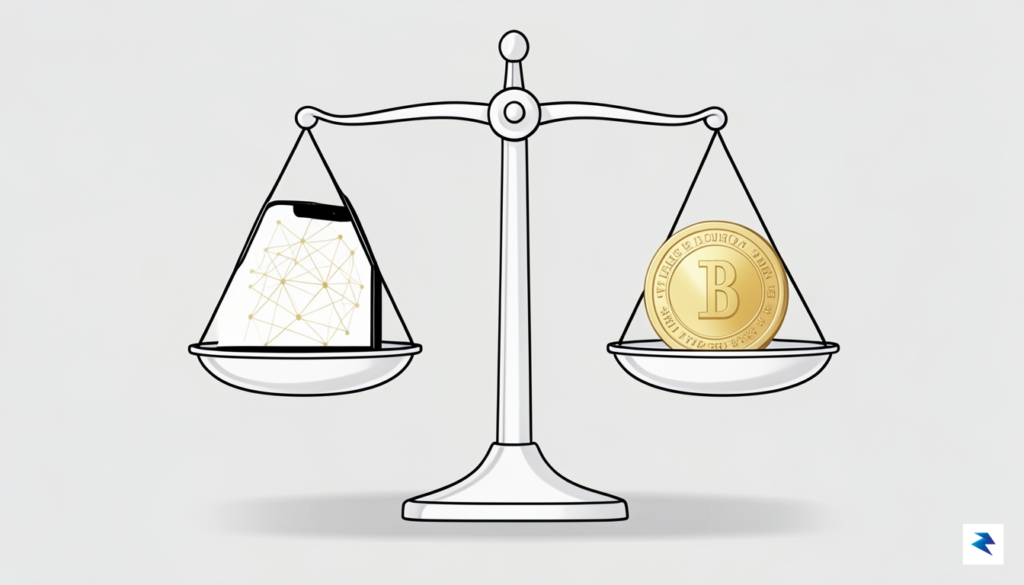
The core philosophy of modern financial markets has long been rooted in the principle of information symmetry—the idea that all participants should have a reasonably equitable opportunity to access and interpret data that influences asset prices. Historically, regulatory bodies like the SEC have fought to level the playing field, ensuring that material non-public information is disclosed to the general public simultaneously to prevent institutional insiders from gaining an unfair advantage. By introducing a tiered, pay-to-play model for political commentary, the platform is effectively moving in the opposite direction. When speed becomes a commodity that can be purchased, the fundamental premise of a fair, competitive market is eroded, transforming the speed of light into the primary currency of stock market success.
This monetization strategy creates an inherently two-tiered ecosystem where retail investors are relegated to the status of second-class participants. In this environment, high-frequency trading firms and hedge funds can ingest and act upon political statements milliseconds—or even seconds—before the average user even sees a notification on their device. For the individual investor, this latency gap is not merely a technical inconvenience; it is a structural barrier that guarantees they will consistently trade at a disadvantage. When market-moving sentiment is gated behind a premium paywall, the retail investor is forced to buy into volatility already priced in by institutional algorithms, effectively acting as liquidity for the elite rather than independent market participants.
The situation is further complicated by a profound conflict of interest that arises when a platform owner profits from the market reactions triggered by their own discourse. When an individual has the power to move the needle on publicly traded entities and simultaneously profits from selling the early-access data of those movements, the line between political speech and market manipulation becomes increasingly blurred. This creates a feedback loop where the incentive is no longer just to communicate, but to optimize communication for maximum market impact, knowing that the “alpha” generated by those posts is being monetized by the platform itself.
The democratization of information is the bedrock of investor trust; when access to that information is auctioned off to the highest bidder, we risk replacing the rule of law with the rule of latency.
Ultimately, this approach challenges the transparency of our digital financial infrastructure. If public figures, who are already central to the national narrative, begin to treat their social media presence as a premium data product, we must ask whether the market can remain a neutral arbiter of value. When the tools of market access are sold rather than shared, the integrity of the entire financial ecosystem is jeopardized, potentially alienating a generation of investors who feel that the deck is irrevocably stacked against them.

For elite quantitative hedge funds, the digital landscape is not merely a place for public discourse; it is a high-stakes arena of raw, tradable data. By integrating real-time streams directly into sophisticated Natural Language Processing (NLP) models, these firms transform cryptic political commentary into actionable market intelligence. As soon as a post is published, the NLP algorithms strip away the rhetoric, parsing the syntax and context to assign a numerical sentiment score. This score indicates whether the tone is bullish, bearish, or neutral toward specific tickers, sectors, or macroeconomic policies. Because these models operate at sub-millisecond speeds, they can calculate the market implications of a statement long before the average retail investor has even refreshed their application interface.
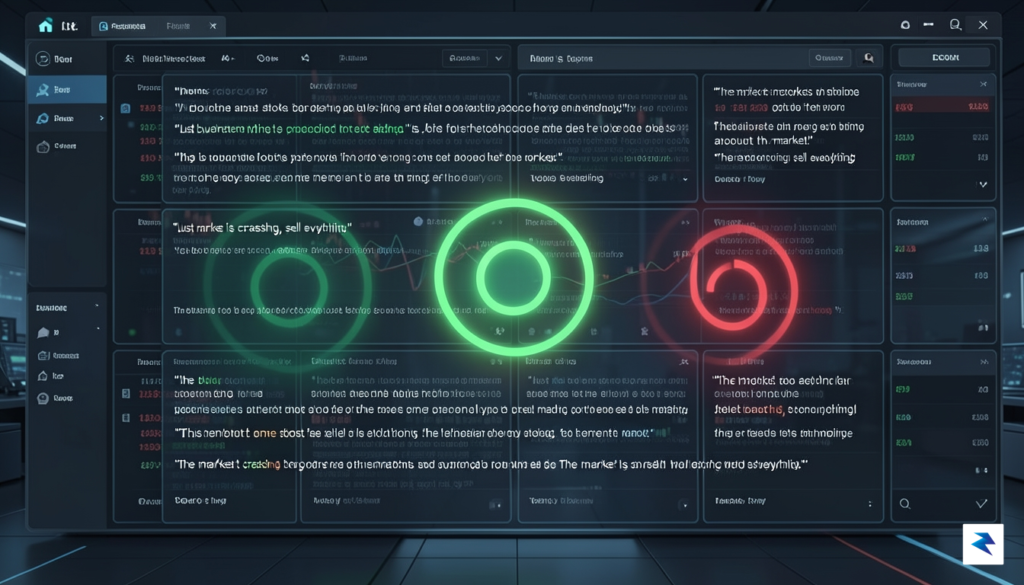
The core of this strategy lies in the pursuit of “alpha”—the excess return on an investment relative to a benchmark index. In the context of political volatility, alpha is harvested by exploiting the lag between the moment information hits the wire and the moment the broader market adjusts its pricing. Quantitative strategies are designed to execute trades the instant a statistically significant sentiment spike is detected. By leveraging co-located servers that sit in close physical proximity to major exchange data centers, these firms ensure that their orders are processed with minimal latency. This advantage allows them to “front-run” the market’s reaction, capturing the immediate price movement caused by the inevitable surge in trading volume that follows a viral post.
The most successful quantitative firms do not just read the news; they map the linguistic DNA of influence to predict where capital will flow next.
Historical data has consistently demonstrated a tight correlation between high-impact social media spikes and short-term price fluctuations. When an influential figure discusses a company’s regulatory environment or manufacturing prospects, the resulting sentiment shift often triggers algorithmic buying or selling sprees that can last anywhere from a few minutes to several hours. Professional traders utilize this by:
Ultimately, the marriage of social media data and high-frequency trading has turned political communication into a primary driver of market mechanics. While the public views these posts through the lens of political debate, Wall Street views them as a signal-to-noise challenge. By isolating the signal with clinical precision and acting on it with machine-like speed, quantitative funds have fundamentally altered the relationship between political discourse and the bottom line of the financial markets.

The intersection of real-time political discourse and high-frequency trading platforms brings the Securities and Exchange Commission’s (SEC) Regulation Fair Disclosure (Reg FD) into sharp focus. Historically, Reg FD was designed to prevent publicly traded companies from selectively disclosing material non-public information to institutional investors before the general public. While digital platforms selling access to proprietary data streams argue that their content is public by nature, the speed at which this information is delivered to institutional clients—often milliseconds ahead of the broader internet—creates a tiered information environment that regulators are increasingly wary of. The core legal question remains: does providing a high-speed pipeline for a specific user’s remarks constitute a form of selective disclosure if those remarks have the power to move market valuations instantly?
Legal experts suggest that the defense for these data-selling models relies heavily on the definition of “public availability.” Companies argue that because these posts are eventually accessible to all users on the platform, the act of selling a faster delivery mechanism is no different than financial news outlets selling premium terminals like Bloomberg or Reuters. However, critics counter that the potential for market manipulation is amplified when private entities monetize the volatility of a single individual’s political statements. If a platform functions as the primary venue for such communication, its role shifts from a neutral town square to a market-moving infrastructure, potentially subjecting it to a higher standard of oversight regarding how it packages and distributes that data to algorithmic traders.
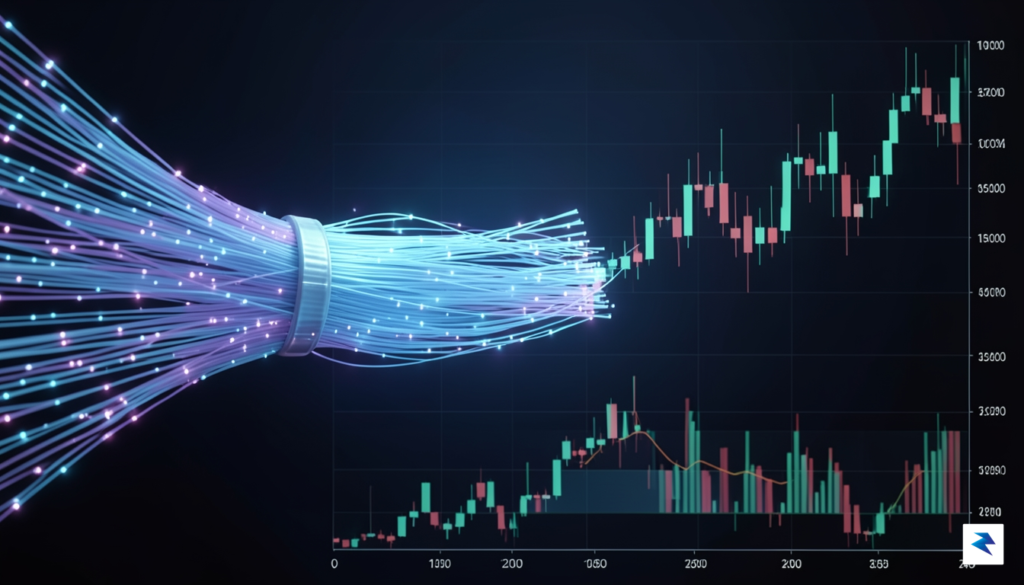
The fundamental tension lies in whether the platform acts as a mere publisher of content or as an essential market data provider that must ensure equitable access for all participants.
Historically, precedents regarding data feed regulation have typically focused on exchanges and consolidated tape data, where fairness is codified into federal law. As we move into an era where social media posts are treated as equivalent to breaking corporate earnings news, policy shifts seem inevitable. We may soon see the SEC or other oversight bodies drafting new guidance that specifically addresses “social data latency.” If regulators determine that these private pipelines provide an unfair advantage that undermines market integrity, they could mandate that such information be disseminated through public channels simultaneously with, or prior to, any private, paid distribution. Such a shift would fundamentally alter the business models of platforms currently betting on the monetization of political volatility, forcing them to weigh the immediate revenue of premium data access against the long-term risk of stringent federal compliance requirements.
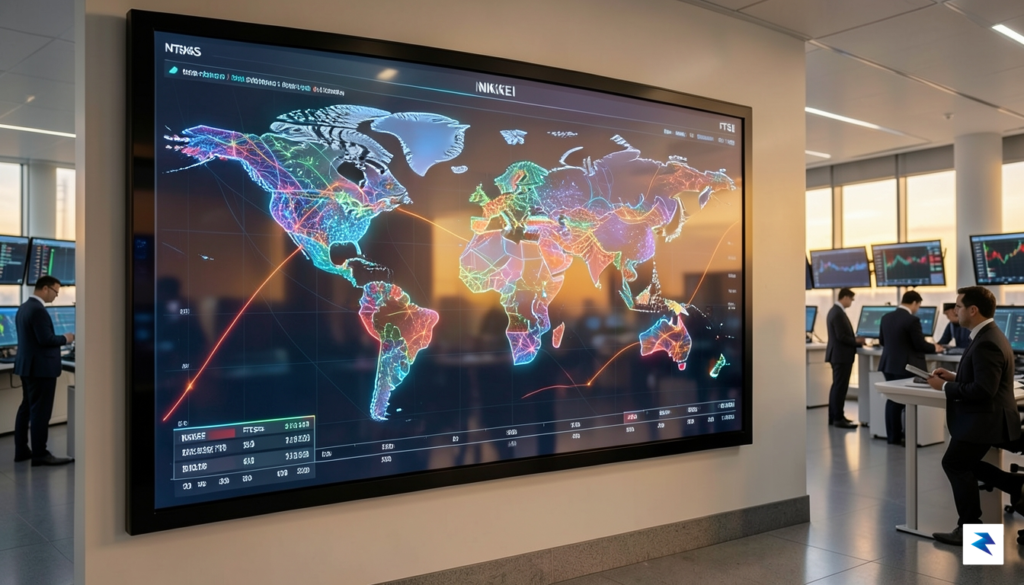
The introduction of high-speed data access to political discourse signals a fundamental shift in the landscape of modern finance, where the traditional boundaries between news cycles and market movements are rapidly dissolving. For the average investor, this evolution means that the digital footprint of a public figure is no longer just social media commentary; it is now a quantifiable data point that can trigger algorithmic reactions in milliseconds. Navigating this environment requires a disciplined shift in strategy, moving away from reactive trading based on headlines toward a more robust framework that accounts for the volatility inherent in politically charged information. As capital becomes increasingly tethered to the velocity of digital speech, the advantage will naturally skew toward those who prioritize technological infrastructure and real-time situational awareness.
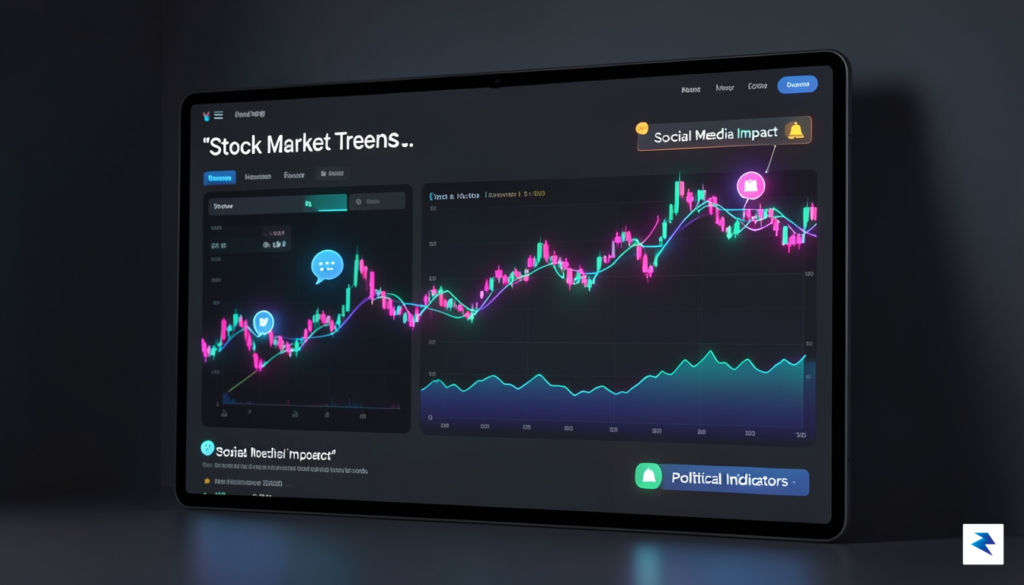
To survive and thrive in this high-speed era, individual investors must fundamentally rethink their relationship with information consumption. It is no longer sufficient to rely on delayed news reports or morning summaries when automated systems are already pricing in shifts before the retail trader has even opened their app. Investors should focus on developing a “data-first” mindset, which involves not only tracking political developments but also understanding the specific market sectors most sensitive to such rhetoric. By cultivating a strategy that emphasizes patience and fundamental value over impulsive reactions to short-term spikes, traders can avoid becoming liquidity for institutional algorithms designed to capitalize on the panic or excitement of the general public.
The true measure of a successful investor in the coming decade will be the ability to distinguish between market-moving signal and noise, even as the speed of that signal reaches unprecedented levels.
Looking toward the long term, the integration of political post data into financial trading signals is likely to reshape market psychology on a permanent basis. We are entering a period where the “personality premium”—the market value attached to the public influence of specific individuals—will become a standard metric in portfolio management. This shift suggests that market sentiment will become more bifurcated and potentially more volatile, as the gap between political perception and economic reality continues to narrow. Ultimately, market participants must acknowledge that while tools for speed are evolving, the core principles of sound investing—diversification, risk management, and long-term perspective—remain the most effective hedge against the unpredictable nature of an increasingly politicized financial marketplace.
You must be logged in to post a comment.