
Xgimi Titan Noir Max Review: Deep Blacks Without the Five-Figure Price Tag
Introduction: Redefining the Home Cinema Experience For decades, the pursuit of a true cinematic experience at home felt like an exclusive…
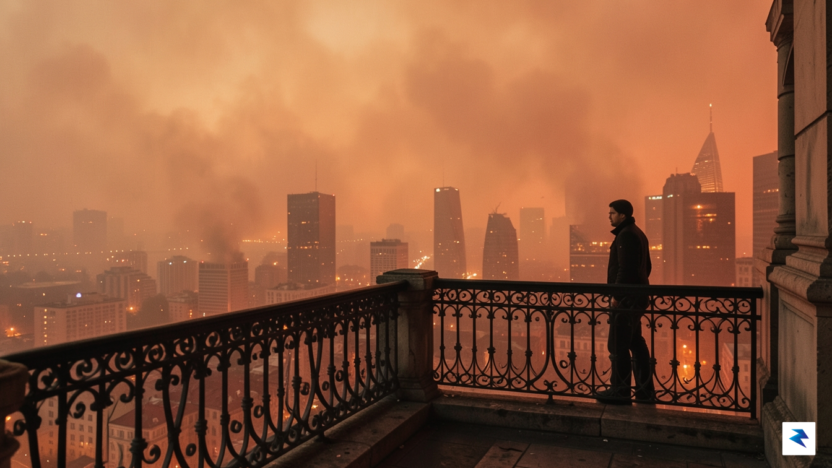

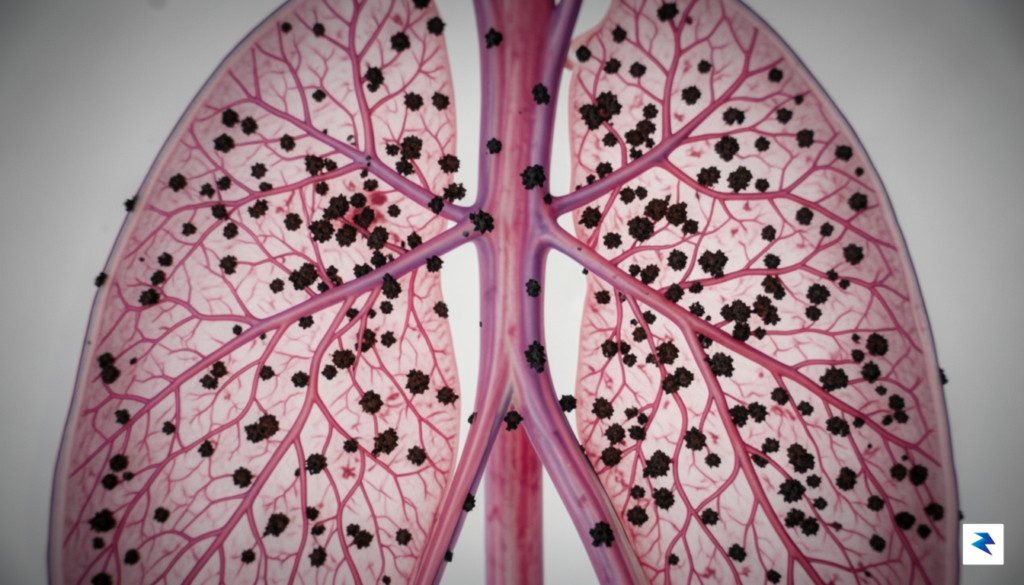
When wildfire smoke blankets a region, the hazy air is far more than a mere visual nuisance; it is a complex, hazardous cocktail of gases and fine particulate matter. The most significant threat to human health comes from what scientists call PM2.5—particles so microscopic that they measure less than 2.5 micrometers in diameter. To put this into perspective, these particles are roughly 30 times smaller than the width of a human hair. Because of their infinitesimal size, PM2.5 particles easily bypass the body’s primary respiratory defenses, such as the cilia and mucus in our noses and throats, which are designed to trap larger dust and debris.
Once inhaled, these particles travel deep into the smallest recesses of the lungs, known as the alveoli, where oxygen exchange takes place. From there, the smallest components of the smoke can penetrate directly into the bloodstream, triggering a systemic inflammatory response. This internal reaction can manifest as immediate respiratory distress, but the long-term implications are often more severe, as the body’s heightened inflammatory state can place undue stress on the cardiovascular system. This is why individuals with pre-existing heart conditions, asthma, or chronic obstructive pulmonary disease (COPD) are at a disproportionately higher risk of suffering from cardiac events or acute respiratory failure during smoke events.
The impact of this exposure is not distributed equally across the population. Vulnerable groups, including children, the elderly, and those with underlying health complications, often face the most acute challenges. Children are particularly susceptible because their lungs are still developing and they tend to breathe more air per pound of body weight than adults, meaning they take in a higher concentration of pollutants. Similarly, older adults are more likely to have reduced physiological reserves, making it harder for their bodies to recover from the oxidative stress caused by smoke inhalation. For these populations, masking is a vital precaution, but it is rarely a total solution.
The danger of wildfire smoke lies in its invisibility; even when the air appears clear, fine particulate matter can remain at levels high enough to cause significant physiological damage over time.
Ultimately, while high-quality masks like N95s or P100 respirators can physically block a portion of these particles, they represent only one layer of an effective defense strategy. Relying solely on a mask can provide a false sense of security, leading individuals to remain outdoors in hazardous conditions for longer than they should. A comprehensive approach must also include monitoring air quality indices, sealing indoor environments with HEPA filtration, and limiting physical exertion during peak smoke events. Understanding the invisible threat of PM2.5 is the first step toward moving beyond simple mitigation and toward truly protecting your long-term respiratory health.
When wildfire smoke blankets our communities, the instinct to cover our faces is immediate and understandable. However, not all face coverings offer the same level of protection, and understanding these differences is crucial for safeguarding your respiratory health. While many individuals instinctively reach for common cloth masks or standard surgical masks, believing they offer a barrier against the acrid air, the reality is starkly different: these options provide almost no effective defense against the microscopic particulates that make wildfire smoke so dangerous.
Wildfire smoke is primarily composed of fine particulate matter, specifically PM2.5, which refers to particles 2.5 micrometers in diameter or smaller. These tiny particles are invisible to the naked eye but are small enough to penetrate deep into the lungs, enter the bloodstream, and cause significant health problems. Cloth masks, typically made from woven fabrics, have large gaps between their fibers that are far too big to capture PM2.5. Similarly, surgical masks are designed to prevent the wearer from expelling large droplets, protecting others, rather than filtering microscopic particles from the air inhaled by the wearer. Their loose fit around the face also allows unfiltered air to easily bypass the material, rendering them ineffective against smoke.
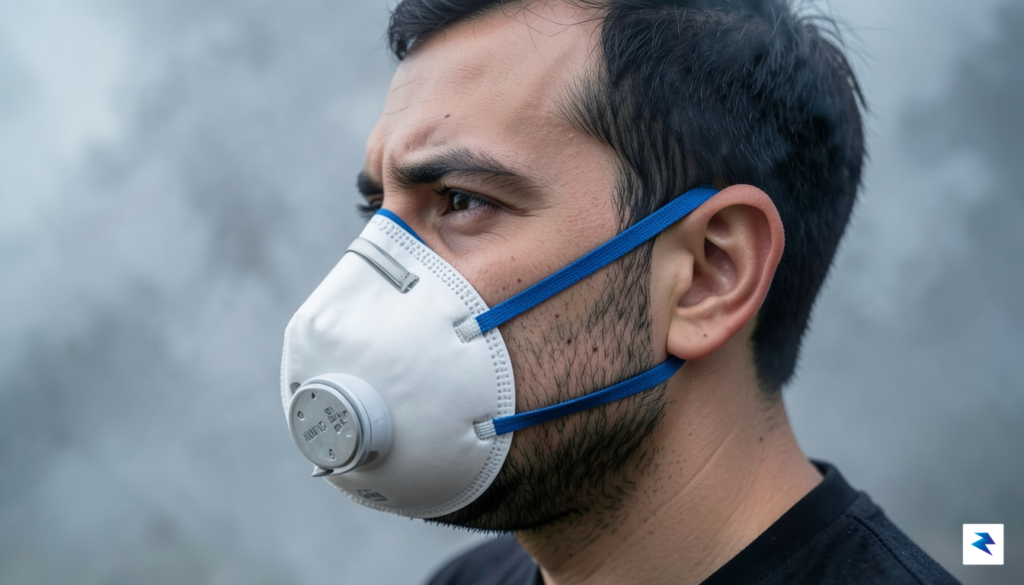
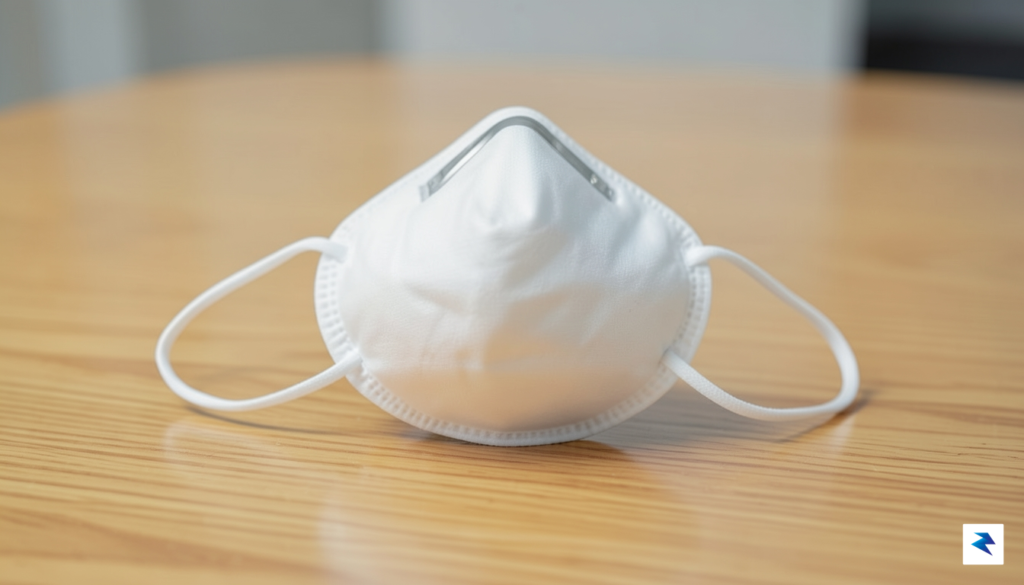
For genuine protection against wildfire smoke, you need a particulate respirator, specifically an N95, KN95, or P100 mask. These specialized masks are engineered with electrostatically charged filter material designed to capture at least 95% of airborne particles, including PM2.5. The “N” in N95 signifies that the mask is “not resistant to oil,” meaning it’s effective for smoke but might not be ideal in environments with oil-based aerosols. KN95 masks are the Chinese equivalent of N95s, offering similar filtration efficacy, though it’s vital to ensure they are from a reputable manufacturer. For the highest level of protection, P100 respirators filter at least 99.97% of airborne particles and are “oil proof,” making them the gold standard for hazardous air quality conditions. Always look for certifications like NIOSH (National Institute for Occupational Safety and Health) for N95 masks to ensure they meet stringent safety standards.
Beyond the filtration material itself, the most critical factor for a respirator’s effectiveness is achieving a proper seal against your face. Even the most advanced N95 or P100 mask will fail to protect you if air can leak around the edges. Air, like water, will always take the path of least resistance, flowing around the filter material through any gaps. This is why fit testing is so important for occupational users, but for the general public, it means carefully selecting a mask size that fits snugly over your nose and mouth, extending down to your chin, without any gaps. Facial hair, such as beards, can severely compromise the seal, allowing unfiltered air to enter. To check for a good seal, place both hands over your mask and exhale sharply; you should feel the mask slightly inflate and no air leaking from the edges.
Wearing a respirator for extended periods during high-smoke events can be challenging, but there are strategies to enhance comfort and maintain protection. Firstly, experiment with different brands and sizes to find a mask that fits your unique facial structure comfortably. Some masks offer adjustable head straps rather than ear loops, which can provide a more secure and less irritating fit for prolonged use. Take regular breaks in areas with clean air, if possible, to give your face a rest and rehydrate. It’s also important to store your mask properly in a clean, dry place when not in use to maintain its integrity and filtration capabilities. Remember, the best mask is one you can wear correctly and consistently when needed most.

While staying indoors might seem like the simplest solution during wildfire smoke events, you cannot remain permanently isolated. Your home, therefore, must transform into a sanctuary, a haven of clean air where your family can breathe safely. Creating a dedicated clean-air room is one of the most effective strategies to minimize indoor exposure and protect your loved ones during prolonged periods of heavy smoke.
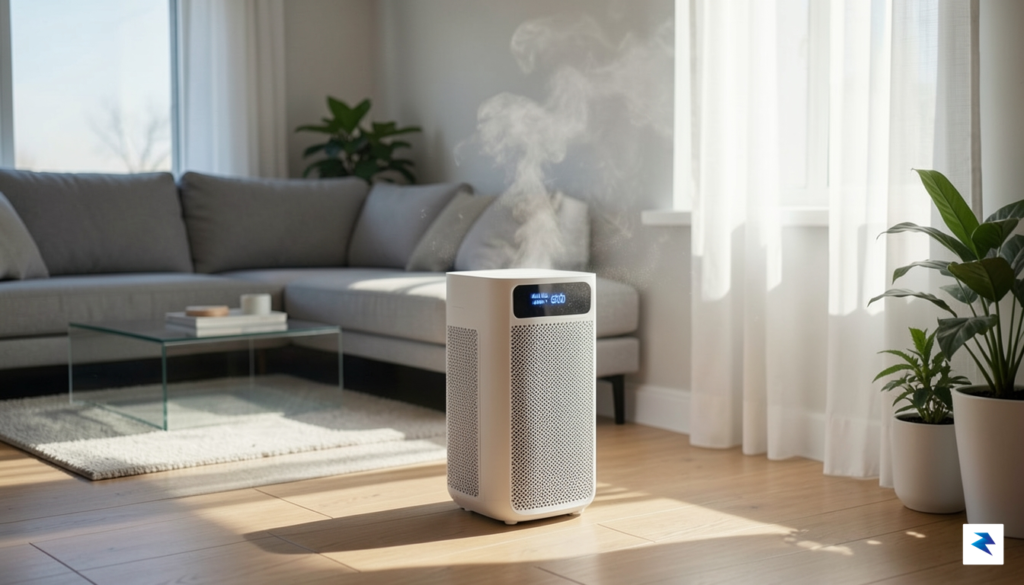
At the heart of any clean-air strategy lies effective air filtration. High-Efficiency Particulate Air (HEPA) purifiers are the gold standard for removing fine particulate matter, including the microscopic particles found in wildfire smoke, from your indoor environment. These devices draw air through a dense filter that traps particles as small as 0.3 microns with 99.97% efficiency, ensuring that the air you breathe is significantly cleaner.
When selecting a HEPA purifier, pay close attention to its Clean Air Delivery Rate (CADR) rating. The CADR indicates how quickly the purifier can remove pollutants like smoke, dust, and pollen from a room, measured in cubic feet per minute. A higher CADR means faster and more effective air cleaning, so it’s crucial to match the purifier’s CADR to the size of the room you intend to purify. For instance, a purifier with a CADR of 200 for smoke can effectively clean the air in a 200-square-foot room.
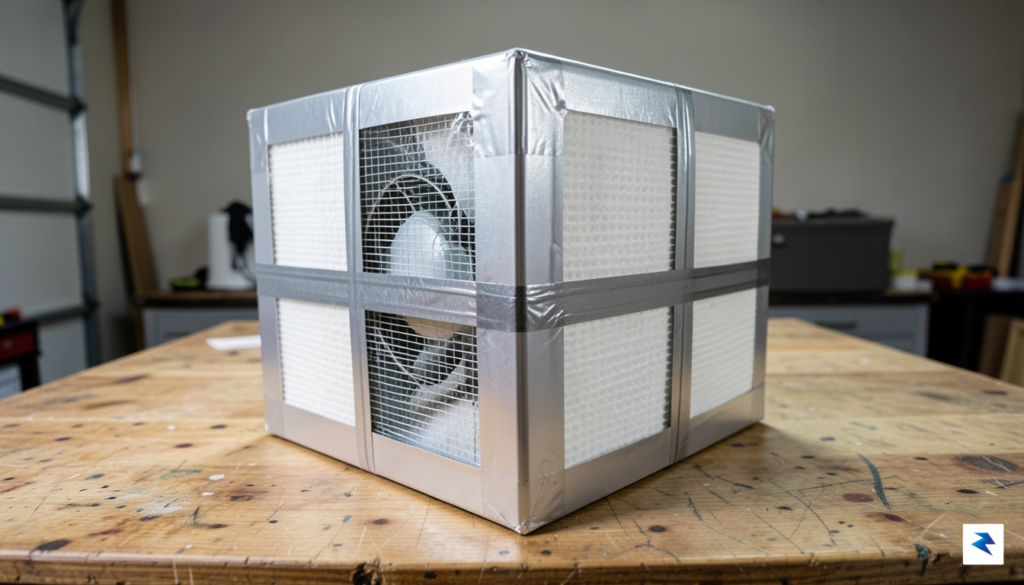
For those on a tighter budget, or as a supplementary measure, the do-it-yourself Corsi-Rosenthal box fan filter offers a surprisingly effective solution. This ingenious device typically consists of a standard box fan surrounded by four MERV 13 furnace filters, taped together to form a cube. The fan draws air through the filters, which efficiently capture smoke particles, offering a significant improvement in air quality at a fraction of the cost of a commercial HEPA unit. While not as sophisticated as dedicated purifiers, these DIY filters have been shown to be remarkably effective in reducing airborne particulates and can be a lifesaver during extended smoke events.
Even the best air purifier cannot work efficiently if smoke continually infiltrates your home. Therefore, proactively sealing your home’s envelope is a critical first step in creating a clean-air sanctuary. Begin by inspecting all windows and doors for gaps and cracks. Apply weatherstripping around window frames and door jambs, and install door sweeps at the bottom of exterior doors to block smoke from seeping in. Furthermore, use caulk to seal any visible cracks or openings in walls, around pipes, and electrical outlets that might serve as entry points for outdoor air.
During a smoke event, it is absolutely essential to keep all windows and doors tightly closed. Resist the urge to open them, even briefly, as this can quickly compromise your indoor air quality and allow smoke to flood into your living spaces. If your home has a central HVAC system, ensure it is set to recirculate indoor air rather than drawing in outside air, and consider upgrading your system’s filter to a MERV 13 or higher if compatible.
Finally, it’s crucial to avoid adding to the particulate load from within your home. Many common indoor activities can significantly worsen air quality, especially when outdoor air is already compromised. For example, refrain from burning candles or incense, using gas stoves or fireplaces, and even vacuuming with a non-HEPA filtered vacuum, as these can stir up dust and release additional fine particles into the air. Cooking methods like frying or grilling can also produce substantial indoor smoke and particulate matter, so opt for simpler, less emissive cooking methods during smoky days, or consider using an exhaust fan vented to the outside.
Key Takeaway: Creating a clean-air room during wildfire season isn’t just about filtering the air; it’s a multi-faceted approach involving strategic sealing, effective purification, and diligent avoidance of indoor pollution sources.
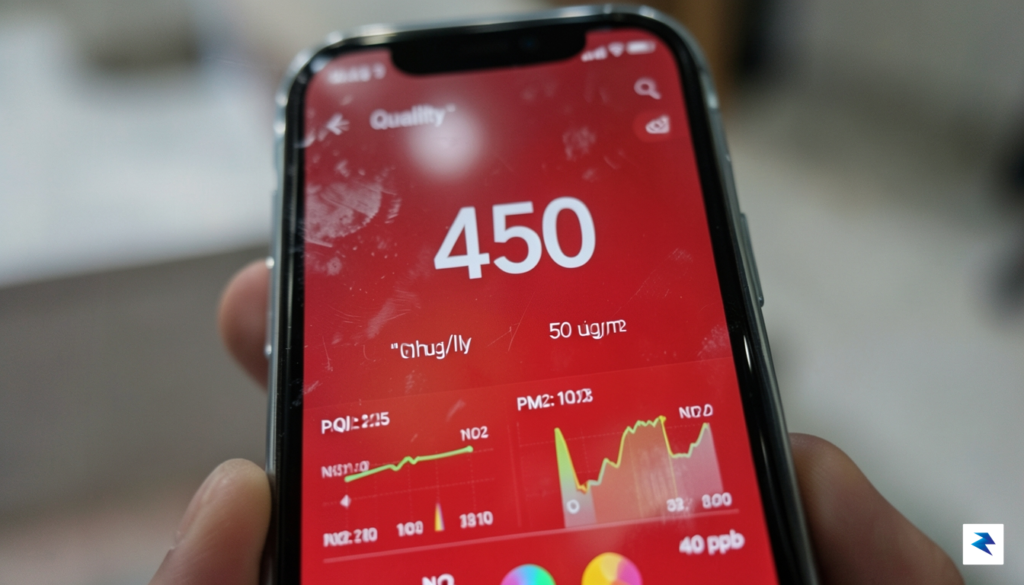
When wildfire smoke descends on your community, data becomes your most reliable shield. Rather than relying on how the air looks or smells—which can be deceptive—you should turn to verified, real-time monitoring tools to dictate your daily activities. Resources such as AirNow.gov, managed by the EPA, and IQAir are indispensable for tracking particulate matter (PM2.5) levels in your immediate vicinity. By checking these platforms regularly, you gain the ability to proactively adjust your schedule, shift outdoor workouts to indoor gym sessions, or alter your commute to avoid periods of peak atmospheric pollution. Knowledge is the foundation of mitigation; when you understand the specific hazards present, you can transition from reactive worry to strategic action.
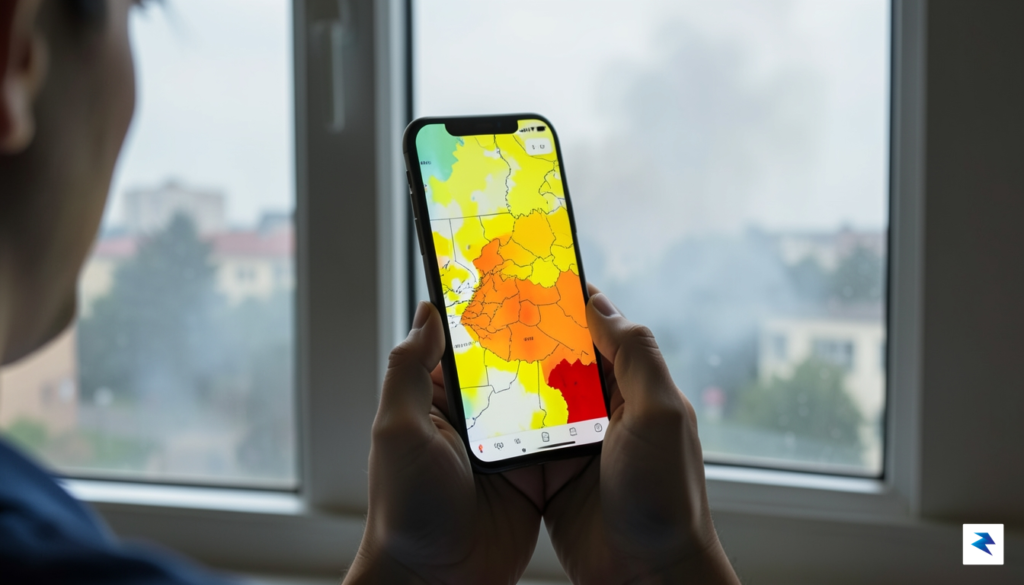
The Air Quality Index (AQI) acts as a universal language for air safety, utilizing a color-coded system that ranges from Green (Good) to Maroon (Hazardous). Recognizing these thresholds is essential for making quick, safe decisions throughout the day:
It is important to understand the nuance between 24-hour average reports and real-time sensor data. Official government monitors often use 24-hour averages to track long-term health trends, which may sometimes mask the immediate, acute spikes in smoke density that occur during shifting wind patterns. Conversely, low-cost consumer sensors provide instantaneous readings that reflect what you are breathing right this second. For the best defense, use real-time sensors to make immediate decisions about opening windows or stepping outside, while using 24-hour trend reports to understand the broader progression of the smoke event. When the AQI creeps into the red or purple categories, your priority must shift to sealing your indoor environment, utilizing high-efficiency air purifiers, and avoiding any unnecessary exposure to the external atmosphere.
The most effective way to protect your respiratory health is to treat air quality data as a non-negotiable part of your daily routine, much like checking the weather forecast before leaving the house.
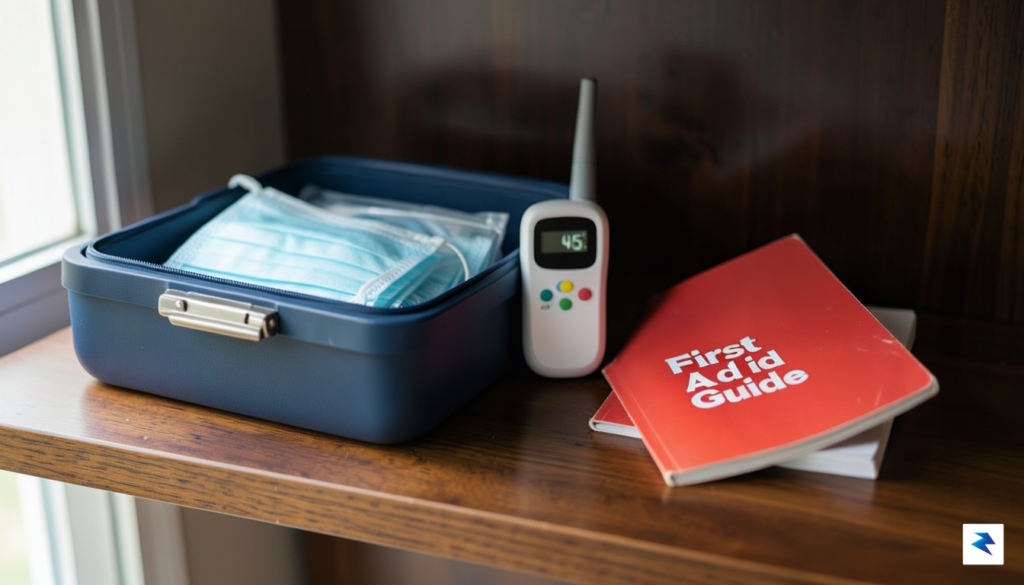
Living in an era where wildfire seasons are becoming increasingly unpredictable and prolonged requires a fundamental shift in how we approach respiratory health. Rather than viewing smoke events as isolated, once-in-a-blue-moon emergencies, we must adopt a proactive, year-round mindset. This begins with establishing a personal health baseline—knowing how your lungs typically function on a clear day—so that you can identify subtle changes in your breathing or stamina as soon as air quality begins to degrade. If you notice persistent wheezing, chest tightness, or a cough that fails to subside even after the smoke has cleared, it is crucial to consult a medical professional immediately. These symptoms can be indicators of underlying inflammation that requires clinical intervention rather than simple home management.
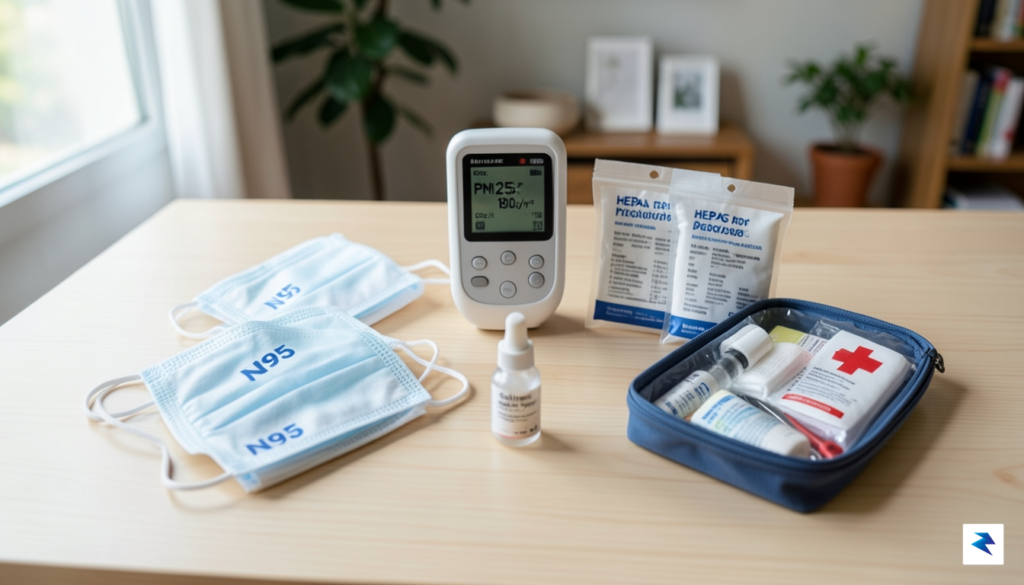
To stay ahead of the next smoke event, consider building a dedicated smoke-preparedness kit well before the season begins. A well-stocked kit should include a supply of NIOSH-approved N95 or P100 respirators for every member of your household, ensuring they are properly fitted to form a tight seal against the face. Additionally, stock up on essential medications, such as rescue inhalers for those with asthma or antihistamines for those prone to sinus irritation. Having spare HEPA filters ready for your air purifiers is equally vital, as supply chains often become strained during peak fire activity. By keeping these items organized and accessible, you remove the panic of last-minute shopping during an air quality crisis.
“True resilience in the face of wildfire smoke is built during the quiet months, not during the heat of the emergency.”
Recovery is just as important as the initial defense; when the air finally clears, your home environment needs a reset to protect your long-term health. Once the outdoor air quality improves, prioritize deep ventilation by opening windows to flush out stagnant air, but follow this immediately with a thorough cleaning of indoor surfaces. Fine particulate matter (PM2.5) settles on floors, countertops, and upholstery, and it can be easily kicked back into the air by daily activity. Using a damp cloth to wipe surfaces and a vacuum equipped with a HEPA filter can significantly reduce this lingering “indoor fallout.”
Finally, recognize that individual preparation is only one part of the solution; advocating for structural change is equally vital for long-term safety. Engage with your local community boards or school districts to push for better air filtration systems in public buildings and the creation of “clean air centers” that are accessible to vulnerable populations. When we demand investment in regional air quality infrastructure and support policies that prioritize environmental health, we move toward a future where our homes and public spaces are safe havens regardless of the challenges posed by wildfire season.
You must be logged in to post a comment.