
The Little Book of Reinforcement Learning: A Guide to Intelligent Systems
Introduction to Reinforcement Learning: Beyond Traditional Programming At its core, Reinforcement Learning (RL) is a paradigm shift in how we…


For over a decade, the Google Play Store has stood as the undisputed gatekeeper of the Android experience, operating as a digital fortress that commanded the vast majority of app distribution. While Android has always technically allowed for “sideloading,” the process was often cumbersome and fraught with security warnings, effectively cementing Google’s storefront as the primary—and for most users, the only—gateway for mobile software. This centralized model provided a sense of security and uniformity, but it also granted Google immense power over how developers reach their audiences and how consumers discover new digital tools.
Beginning July 22, this long-standing dynamic undergoes a fundamental transformation as Google begins to dismantle the barriers that have separated the Play Store from external marketplaces. This shift isn’t merely a minor interface update; it represents a strategic pivot toward a more open, interoperable ecosystem. By allowing third-party app stores to integrate directly into the Play Store experience, Google is essentially inviting competitors into its own home, acknowledging that the future of mobile distribution lies in a more fluid, decentralized architecture rather than a rigid, isolated silo.

The core of this change lies in what industry experts describe as “catalog access,” a technical evolution that allows external app repositories to surface their offerings directly within the Google Play interface. Instead of forcing users to exit the Play Store, hunt for a separate website, navigate complex installation settings, and manage updates manually, the new policy enables a more seamless bridge between different software sources. Essentially, this means that third-party marketplaces can now become first-class citizens within the Android environment, offering a discovery experience that rivals the native store while maintaining the convenience users have come to expect.
This shift marks the end of the strictly proprietary era of Android distribution, moving the platform toward a more competitive, user-centric marketplace model.
This development is a major turning point for mobile software distribution, signaling a departure from the “walled garden” philosophy that has defined the smartphone industry since the inception of modern app stores. By lowering these technical hurdles, Google is setting the stage for increased competition, which often leads to better pricing, more diverse app catalogs, and heightened innovation among developers who are no longer beholden to a single gatekeeper’s commission structures or arbitrary review policies. As we move past July 22, the mobile landscape will likely become increasingly fragmented in a positive way, offering users more agency over where their software comes from and how their devices are populated with content.

The transformation of the Google Play Store is not a spontaneous corporate decision, but rather the culmination of a protracted and high-stakes legal battle that has reshaped the landscape of mobile technology. At the heart of this shift lies the landmark antitrust litigation brought by Epic Games, the developer behind the global sensation Fortnite. For years, Epic Games challenged Google’s ironclad control over its app ecosystem, arguing that the company’s mandatory use of its own billing system—coupled with its restrictive policies regarding third-party app stores—constituted an illegal monopoly. This confrontation brought into sharp focus the “walled garden” approach that has dominated mobile computing for over a decade, forcing a judicial examination of whether such structures unfairly stifle innovation and inflate costs for both developers and consumers.
The court’s verdict served as a decisive rebuke of Google’s long-standing business practices. During the proceedings, the legal arguments centered on how Google effectively used its dominance in the search and mobile operating system markets to suppress competition within the Android app marketplace. The presiding judge concluded that Google had engaged in anticompetitive behavior, specifically by creating barriers that prevented alternative app stores from competing on a level playing field. By forcing developers to use the Google Play billing system and taking a substantial cut of revenue, the company effectively shielded itself from market forces that would otherwise drive down prices or improve service quality. Consequently, the court ordered Google to dismantle these restrictive barriers, mandating that the company open its ecosystem to allow greater autonomy for developers and third-party platforms.

This mandate for change represents a fundamental pivot in how Google manages its relationship with the broader developer community. The July 22 implementation date marks the conclusion of a complex timeline that began in 2020 when Epic Games first filed its complaint. Throughout the years of discovery, testimony, and deliberation, the judicial system systematically dismantled the argument that Google’s restrictive policies were necessary for security or user experience. Instead, the court found that these measures were primarily tools to maintain market power.
The court’s decision effectively mandates a “de-bundling” of the Android experience, ensuring that Google can no longer leverage its operating system dominance to force users and developers into a single, closed marketplace.
Moving forward, the industry is entering an era of increased choice and competition that will likely result in more diverse app distribution options for Android users. While Google has maintained that it will continue to prioritize safety, the legal reality is that it must now accommodate a more decentralized app landscape. This shift signifies a victory for proponents of a more open internet, as the court’s intervention has finally paved the way for third-party competitors to reach Android users without being hindered by the restrictive gatekeeping that defined the previous decade.
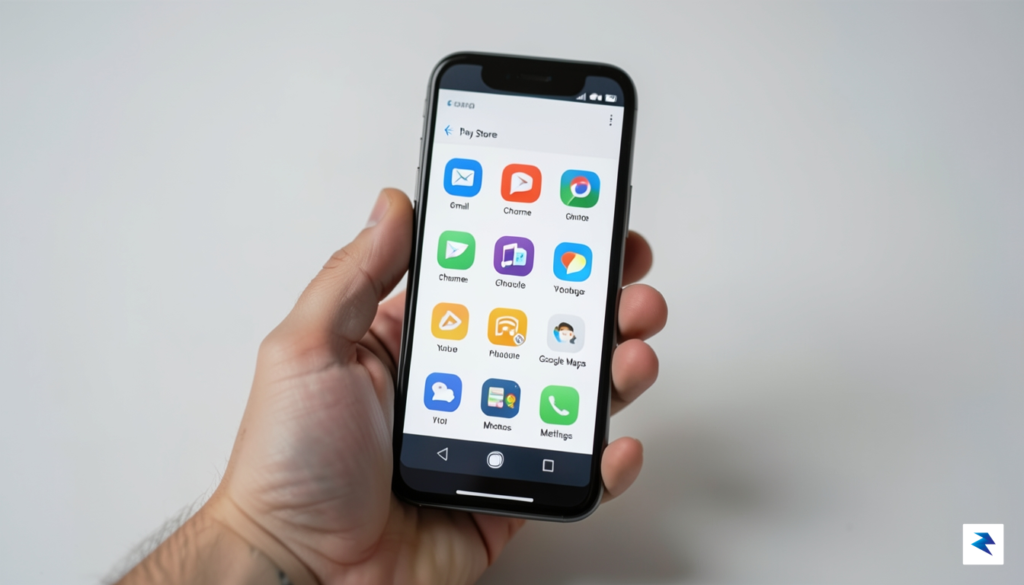
For the average Android user, the impending changes to the app ecosystem represent a significant shift in how they discover and install software. As the platform opens up to allow more variety, the primary transition you will notice is a newfound sense of agency; you are no longer strictly tethered to a single marketplace for your digital needs. However, this increased freedom naturally brings questions regarding the integrity of your device. It is important to understand that while the barrier to entry for developers is lowering, Google’s commitment to platform-level security remains robust. The goal is to facilitate healthy competition without compromising the protective layers that prevent malicious software from infiltrating your personal data.
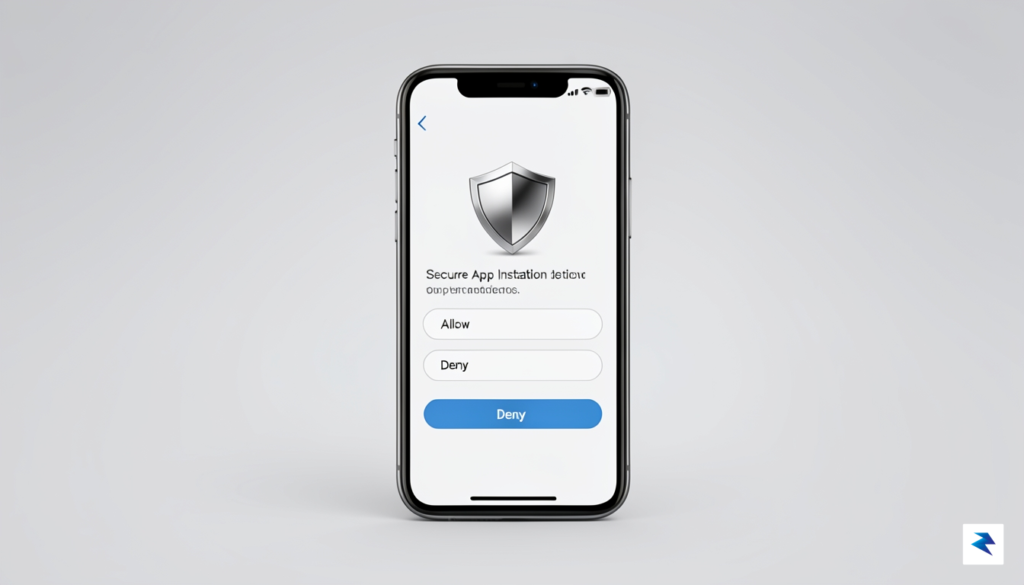
To balance this open ecosystem with the need for safety, Google is implementing a multi-layered security framework designed to protect users even when they venture outside of the official store. When you choose to download apps from third-party sources, the system’s integrated protection services—most notably Google Play Protect—will continue to scan your device for threats in real time. This means that even if a specific storefront lacks the rigorous manual review process found in the primary app store, the underlying Android operating system maintains a defensive posture. By leveraging machine learning and behavioral analysis, the platform aims to identify and block potentially harmful applications before they can cause damage, essentially acting as a gatekeeper that works in the background of your daily experience.
The core philosophy behind this update is to empower user choice while maintaining rigorous platform-wide safety standards that catch threats before they reach your home screen.
Navigating this new landscape requires a proactive approach from the user, as the responsibility for app vetting becomes a shared effort. While the operating system provides the tools to defend against malware, you should still exercise caution when granting permissions or sideloading software from unfamiliar developers. Always prioritize downloading from reputable third-party stores that have established their own track records for transparency and security protocols. If a storefront lacks clear developer information, user reviews, or a visible privacy policy, it is best to err on the side of caution. By staying informed and utilizing the security settings already built into your Android device, you can enjoy the benefits of a more diverse app marketplace without sacrificing the peace of mind that comes with a secure digital environment.
Ultimately, this evolution is about providing options that align with your specific needs. Whether you are looking for specialized niche software or alternatives to mainstream applications, the updated framework ensures that you have access to a broader library. As long as you remain vigilant and keep your security settings updated, the move toward a more open Android experience will likely result in a more personalized, efficient, and user-centric mobile journey.

For the average developer, the shift initiated on July 22 represents a fundamental transition from a long-standing, single-channel distribution strategy to a more complex, multi-channel reality. While the Google Play Store has historically served as the primary gateway for reaching Android users, the new landscape invites creators to diversify their footprint by tapping into third-party stores and direct-to-consumer distribution models. This decentralization promises significant relief in the form of reduced platform fees, which can substantially improve the bottom line for independent studios and established firms alike. By bypassing the traditional 15% to 30% commission rates often associated with centralized app stores, developers can reinvest those capital savings into product development, user acquisition, or enhanced customer support, ultimately creating a more sustainable business model.
However, this newfound freedom comes with a significant increase in operational overhead. Managing multiple app store deployments requires a more robust backend infrastructure, as teams must now navigate fragmented submission processes, varied compliance requirements, and distinct analytics dashboards. Developers will need to adopt more sophisticated release management tools to ensure that updates are synchronized across different platforms, preventing the dreaded “version drift” that can frustrate users. Furthermore, as developers take more control over their distribution, they also inherit the responsibility for managing user data and security updates that were previously streamlined by a single gatekeeper. This transition necessitates a shift in operational focus, moving away from simple store optimization toward a more nuanced strategy of cross-platform lifecycle management.
Perhaps the most exciting result of this overhaul is the incentive it provides for aggressive innovation. When developers are no longer tethered to a single platform’s rigid policies or discovery algorithms, they are free to experiment with unique monetization strategies and feature sets that might not have been viable under the previous status quo. This environment fosters a “best-of-breed” approach where creators can tailor their apps to specific niche audiences, utilizing smaller, specialized app stores that cater to enthusiasts in gaming, productivity, or privacy-focused tech. As these niche ecosystems begin to flourish, we can expect to see a surge in specialized apps that prioritize user experience over generic, mass-market compliance, effectively widening the diversity of the entire Android marketplace.
The pivot toward a multi-channel ecosystem is not merely a technical change; it is a strategic evolution that empowers creators to capture more value from their work while forcing a higher standard of operational excellence across the industry.
Ultimately, this change signals a maturing of the mobile economy, one where the balance of power is gradually shifting back toward the creators. While the immediate hurdles of managing diverse distribution channels may seem daunting, the long-term potential for increased margins and greater control over the user relationship is undeniable. Developers who embrace these complexities early and adapt their workflows accordingly will likely find themselves at a distinct competitive advantage, setting the stage for a more vibrant, resilient, and innovative Android ecosystem that benefits both the creator and the end user.

The milestone arriving on July 22 represents far more than a simple policy tweak; it serves as a foundational shift toward a truly interoperable mobile ecosystem. For years, the Android platform has balanced the tension between its open-source roots and the centralized convenience of the Google Play Store. As these digital walls begin to thin, we are witnessing the inevitable decline of the “walled garden” era that has long defined mobile computing. By enabling easier sideloading and third-party store integration, Google is effectively acknowledging that the future of the OS lies in user autonomy rather than rigid gatekeeping. This transition suggests that in the coming years, the act of installing an application will become platform-agnostic, mirroring the open nature of the desktop web where software can be sourced from a diverse array of developers and distributors without friction.
When comparing this trajectory to the heavily guarded iOS model, the contrast becomes increasingly stark. Apple continues to maintain a tight grip on its ecosystem, citing security and quality control as paramount, whereas Android is now pivoting toward a model defined by competitive choice and developer freedom. This shift is likely to invite further regulatory scrutiny globally, as international watchdogs in the European Union and beyond continue to view restricted app distribution as a barrier to market competition. If the current Android experiment proves successful—meaning it manages to maintain security while fostering innovation—it will likely set a global precedent that forces even the most stubborn closed systems to eventually open their doors to third-party marketplaces.
The long-term result of this shift is the decentralization of mobile power, moving influence away from single-entity gatekeepers and back into the hands of the end user.
Ultimately, the lasting impact of this transition is a permanent change in how we perceive consumer choice in the mobile space. As these barriers fall, the definition of an “Android user” is evolving from a passive consumer of a curated store into an active participant in an open software market. We are moving toward a landscape where the value proposition of a smartphone is no longer tied to the limitations of a single store, but rather to the flexibility of the hardware itself. By embracing this change, the industry is signaling that the next decade of mobile computing will be defined by connectivity, interoperability, and, most importantly, the freedom for users to customize their digital experiences exactly as they see fit.
You must be logged in to post a comment.