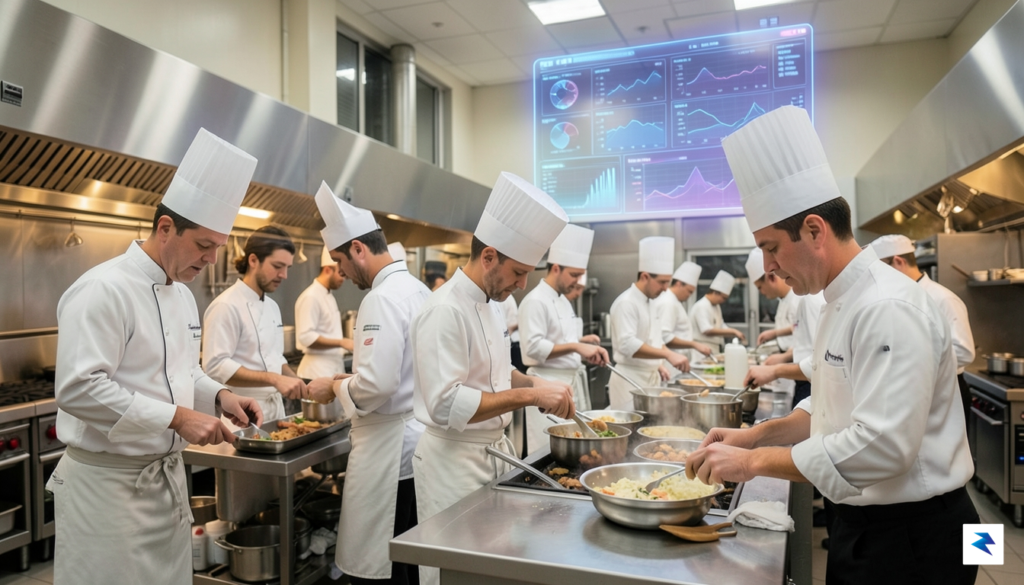
The Crisis of Automated Culinary Content
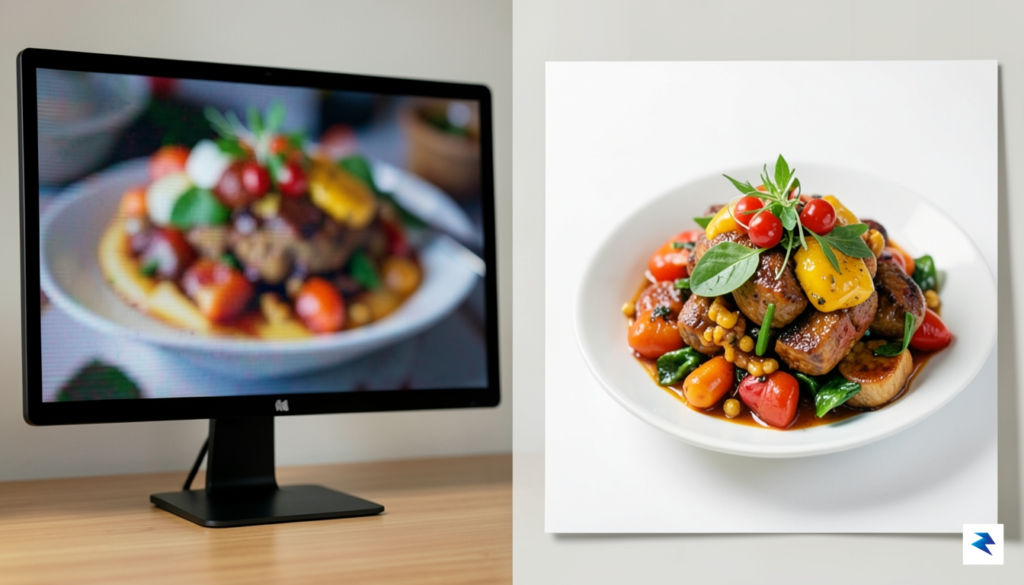
The digital culinary landscape is currently undergoing a disorienting transformation, characterized by a deluge of algorithmically generated recipe content that threatens to drown out authentic human expertise. Across search engines and social media platforms, one can find thousands of recipes that look visually perfect at first glance but crumble under the slightest scrutiny. These automated instructions, often derisively termed “AI slop,” are produced in massive quantities to satisfy the insatiable appetite of search engine crawlers rather than the hunger of actual home cooks. The result is a sterile, repetitive ecosystem where the nuance of seasoning, the tactile understanding of dough hydration, and the intuitive adjustments required during a sauté are entirely absent.
Beyond the lack of flavor and culinary depth, this trend introduces genuine safety risks for the average consumer. Because these recipes are synthesized from massive datasets of scraped text rather than tested in a physical kitchen, they often contain dangerous inaccuracies. From incorrect oven temperatures that could lead to undercooked proteins to missing steps in critical emulsification processes, the proliferation of unverified instructions turns a simple weeknight dinner into a high-stakes gamble. When a recipe suggests combining incompatible ingredients or skipping essential safety protocols like proper resting times for meat, it is not just a disappointment on the dinner table—it is a fundamental failure of responsibility toward the reader.
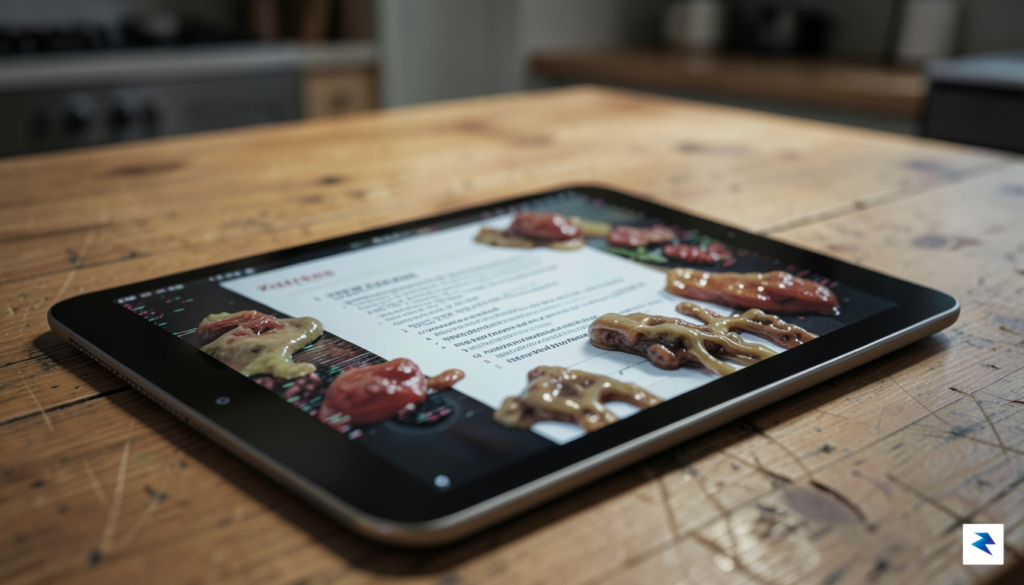
The erosion of trust is perhaps the most damaging byproduct of this technological surge. For decades, food media relied on a sacred contract between the writer and the cook: the promise that a recipe had been vetted, tasted, and perfected through trial and error. When readers encounter content that yields bland, textureless, or inedible results, that bond of reliability is shattered. It creates a cynical environment where audiences no longer feel they can rely on digital resources for guidance, forcing them to retreat from the very platforms that once served as their primary culinary inspiration.
The true cost of AI-generated content is not just the loss of flavor; it is the devaluation of the human experience that makes cooking a joy rather than a mechanical chore.
In response to this flood of synthetic mediocrity, legacy publishers and dedicated food writers are beginning to draw a line in the sand. By doubling down on rigorous testing, high-quality photography, and the inclusion of personal anecdotes that reflect real-world cooking challenges, these publications are repositioning themselves as the only safe harbor for home cooks. This shift highlights a critical reality: while a machine can predict the next word in a sentence, it cannot perceive the alchemy of heat, fat, acid, and salt that transforms basic ingredients into a meaningful meal. Protecting the sanctity of the kitchen requires a renewed commitment to human-led, editorially sound content that prizes accuracy over the sheer volume of output.
Inside the People Inc. Test Kitchen
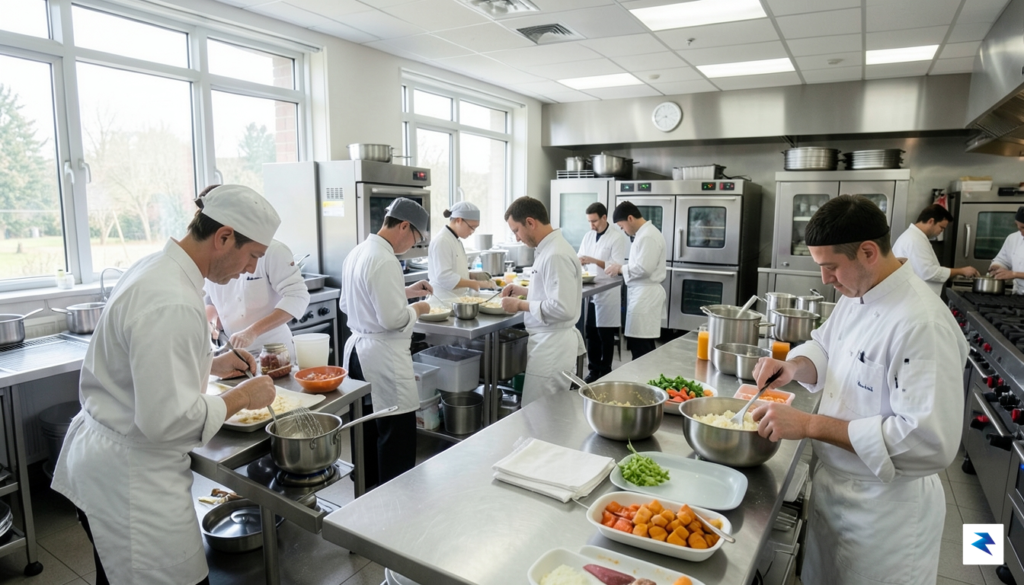
Step inside the dedicated test kitchens of venerable publications like Food & Wine or Southern Living, and you immediately encounter a vibrant world far removed from the sterile algorithms of AI. These bustling, highly specialized spaces are the beating heart of culinary journalism, designed specifically for the rigorous, hands-on development and testing of every single recipe published. It’s a place where the clatter of pots, the aroma of simmering sauces, and the focused concentration of professional cooks confirm that human expertise remains the undisputed gold standard.
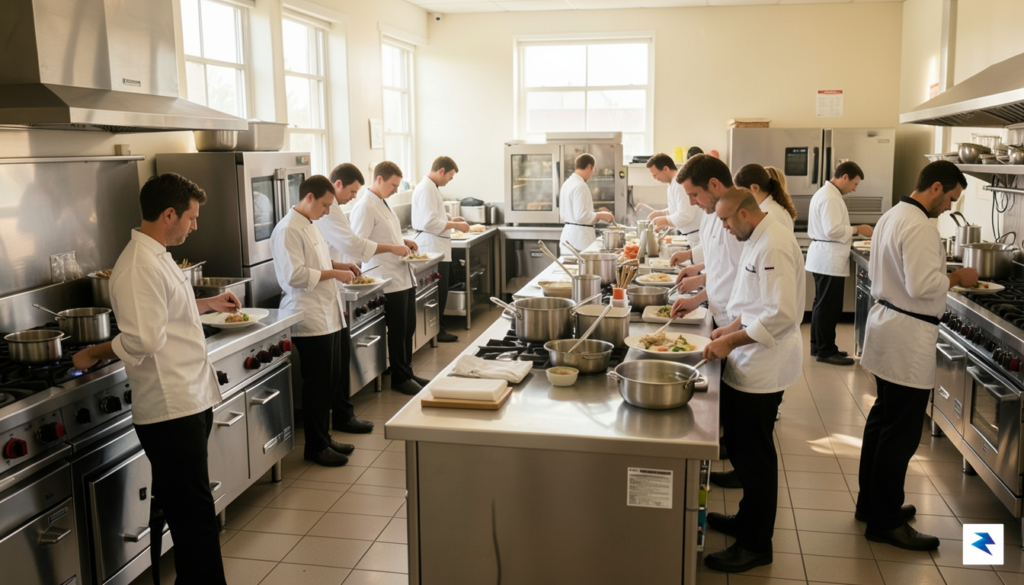
Here, every culinary creation, from a simple weeknight dinner to an elaborate holiday feast, undergoes a meticulous and multi-stage evaluation process. A recipe isn’t just written; it’s brought to life and scrutinized from every angle. Multiple cooks, often with varying levels of experience and different sets of home kitchen equipment, will test the same dish to ensure its instructions are universally clear, precise, and foolproof. This rigorous validation process checks for consistency across different ingredient brands, oven calibrations, and even ambient kitchen temperatures, guaranteeing that the end result will be delicious and achievable for home cooks everywhere.
At the heart of this gastronomic crucible are professional recipe developers, culinary school graduates, and seasoned chefs whose expertise is honed over years of practical experience. These aren’t just cooks; they are food scientists, flavor architects, and meticulous documentarians all rolled into one. They possess an innate understanding of ingredient chemistry, flavor profiles, and cooking techniques that allows them to troubleshoot potential issues before they ever reach a reader’s kitchen. Their role extends beyond mere preparation to include adapting dishes for different dietary needs, optimizing for seasonality, and ensuring every recipe aligns with the publication’s unique culinary voice and standards.
The journey from an initial concept to a published recipe is rarely linear; instead, it’s an iterative dance of refinement, tasting, and re-testing. A dish might be prepared, tasted, critically evaluated by a panel, and then sent back to the drawing board for adjustments to ingredient ratios, cooking times, or even fundamental methods. This cycle of creation, critique, and correction can repeat dozens of times until the recipe achieves perfection—a delicate balance of flavor, texture, appearance, and ease of execution. This human-driven feedback loop is essential, capturing nuances that an AI, limited to processing existing data, simply cannot perceive or replicate.
Ultimately, the physical test kitchen environment is indispensable because cooking is an inherently sensory and tactile experience, deeply intertwined with human judgment. An AI cannot smell the subtle sweetness of caramelizing onions, feel the perfect elasticity of kneaded dough, or taste the nuanced balance of acidity, sweetness, and spice in a complex sauce. These sensory inputs, combined with the professional intuition and experience of dedicated culinary experts, are what elevate a mere list of instructions into a truly exceptional, foolproof recipe that inspires confidence and joy in the home kitchen. This human element is precisely what sets high-quality culinary journalism apart from mere content generation.
The Human Element: Why Precision Matters in Cooking
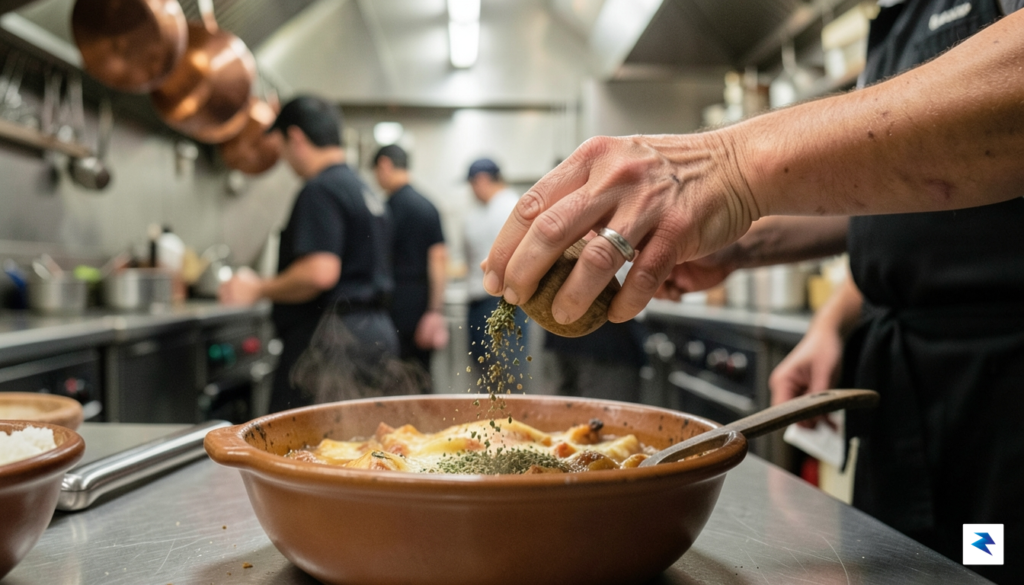
Cooking is fundamentally a multisensory dance, a complex dialogue between the cook and the ingredients that occurs in real-time. While a machine can generate a list of chemical ratios and standard temperatures, it lacks the biological capacity to interpret the subtle, shifting cues that define a successful dish. A professional chef understands that a recipe is not merely a set of instructions, but a framework that must be adjusted based on variables like the ambient humidity in the kitchen, the specific moisture content of a batch of flour, or the erratic heat distribution of a stovetop. These minute, granular adjustments—the difference between a perfectly emulsified sauce and a broken one—are driven by sensory feedback that AI simply cannot replicate.
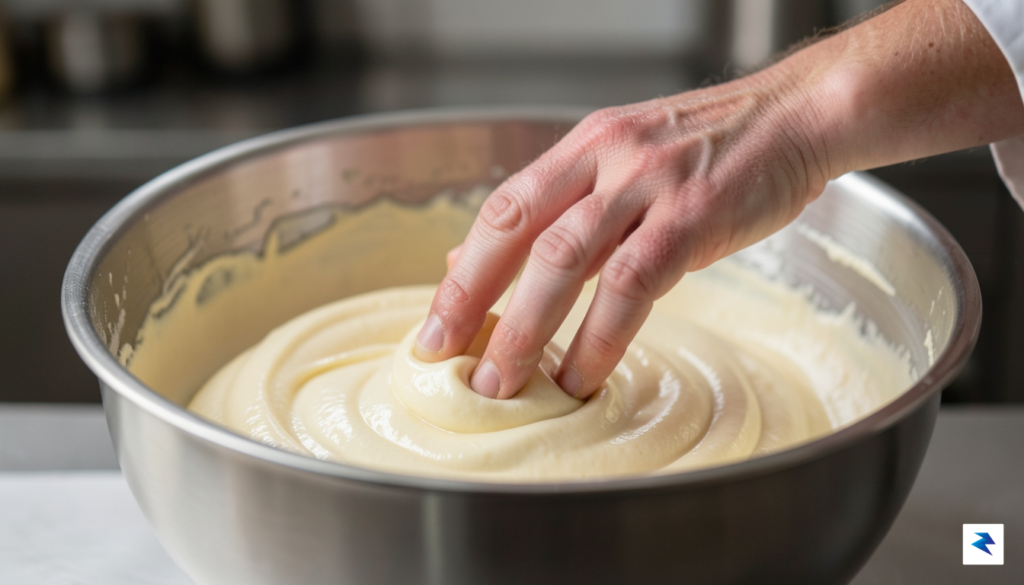
The concept of culinary intuition acts as the bridge between theoretical chemistry and edible art. Test kitchen professionals possess an internalized database of experiences—thousands of hours spent observing how proteins react to different searing techniques or how the aroma of a blooming spice blend shifts seconds before it burns. This is not a static calculation; it is a dynamic process of troubleshooting. When a recipe falters in the testing phase, a human cook doesn’t just read the output; they smell the change in the air, feel the resistance of the dough under their fingertips, and observe the specific sheen of a reduction. This high-fidelity connection allows them to make intuitive pivots that salvage a dish, transforming a mediocre idea into a culinary triumph through nuance and taste.
True mastery in the kitchen is defined by the ability to pivot when the ingredients behave unexpectedly, a skill that requires human presence rather than algorithmic prediction.
Furthermore, the “slop” often produced by AI reflects a lack of understanding regarding the sequence of experience. A computer might suggest combining ingredients that are chemically compatible but texturally disastrous, ignoring the rhythm of the cooking process. Humans understand that the order of operations—such as when to introduce acidity or how to layer aromatics—is essential for building depth of flavor. By prioritizing precision through physical testing, chefs ensure that the final result is not just technically sound, but emotionally resonant. This commitment to the tactile and the sensory is what separates a sterile, AI-generated suggestion from a recipe that has been curated, refined, and perfected for the home table.
Strategies to Distinguish Quality from AI-Generated Noise

Navigating the digital landscape of food blogging has become increasingly treacherous as AI-generated content floods search results with recipes that look appetizing on screen but fail spectacularly in the kitchen. To separate the wheat from the chaff, home cooks must adopt a more discerning eye. Start by scrutinizing the precision of the ingredient ratios; AI often suggests combinations that defy the laws of culinary chemistry, such as calling for an impossible ratio of leavening agents or failing to account for the hydration needs of specific flours. If a recipe asks you to combine ingredients in a sequence that feels illogical or ignores the physical realities of cooking—like suggesting you sauté garlic for twenty minutes without burning it—you are likely looking at a hallucination rather than a tested formula.
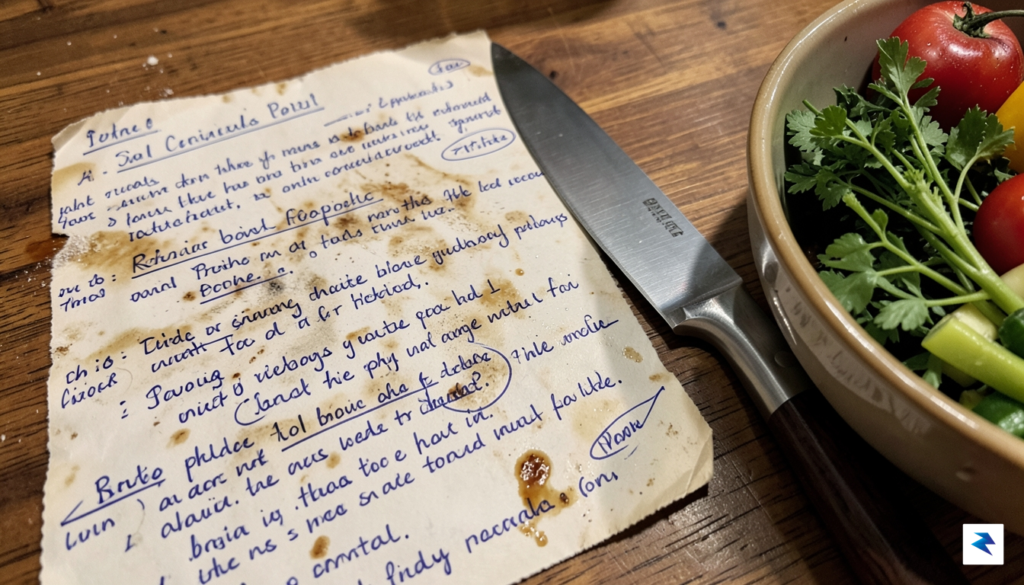
Beyond the measurements, look for the presence of “human fingerprints” within the narrative of the post. A reliable recipe usually comes with a backstory that offers specific, nuanced advice born from failure or discovery: warnings about how a certain brand of cocoa powder might affect the final texture, or anecdotes about why the dough needs an extra ten minutes of proofing in a humid environment. When an author explains the why behind a step, they are sharing the lived experience of a cook who has actually stood over a hot stove. In contrast, AI-generated content tends to be sanitized and overly generic, utilizing repetitive phrasing and lacking the specific, messy details that characterize genuine trial and error.
The hallmark of a trustworthy recipe is the inclusion of “troubleshooting” notes that anticipate common pitfalls, proving that the author has navigated the potential obstacles of the dish firsthand.
To ensure you are investing your time and ingredients in a quality result, consider the following checklist before you start cooking:
- Verify the Author’s Footprint: Does this creator have a long-standing history of publishing content, or did the site suddenly appear with hundreds of recipes posted in a single month? Consistency and a track record of engagement are key indicators of human labor.
- Look for Original Photography: If the imagery looks overly glossy, unnaturally perfect, or suspiciously similar to stock photos, be wary. Authentic recipes are almost always accompanied by candid, step-by-step photos that document the process in a real kitchen environment.
- Check for Interactive Community Engagement: Genuine culinary platforms foster conversations in the comment section. If readers are posting photos of their own results, asking questions, and receiving thoughtful, personalized replies from the author, you have found a reliable community of practice.
Ultimately, prioritize sites that treat cooking as a craft rather than a content-marketing exercise. When a recipe is written by someone who has spent hours testing, tasting, and refining the balance of flavors, the difference in the final plate is undeniable. By learning to spot these markers of humanity, you protect yourself from the frustration of wasted groceries and ensure that your time in the kitchen remains a rewarding, creative endeavor.
The Future of Culinary Media in the Age of Algorithms
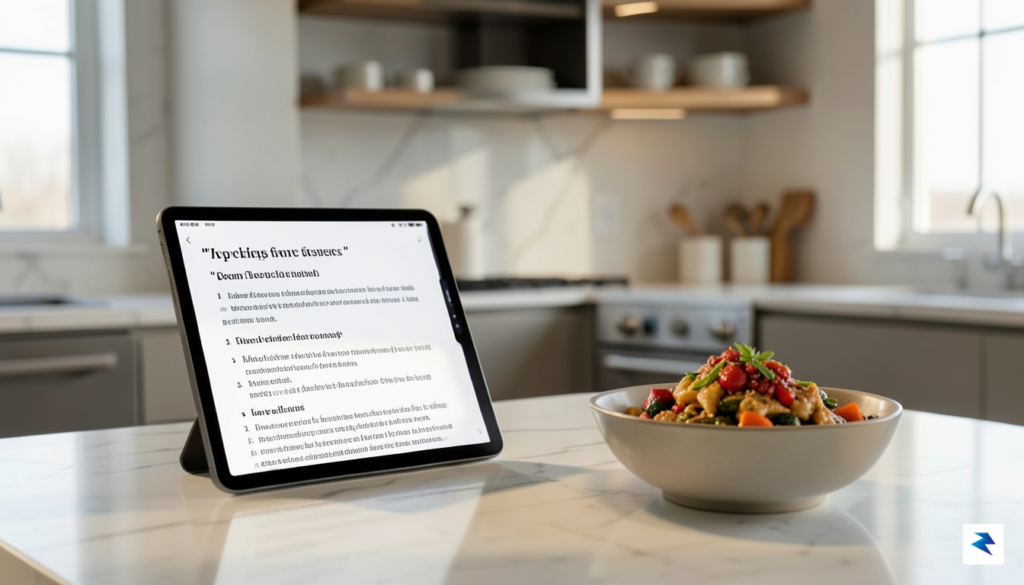
The digital culinary landscape is currently undergoing a seismic shift, driven by the proliferation of AI-generated content. What was once the domain of seasoned chefs, meticulous recipe developers, and passionate food writers is now increasingly populated by algorithms churning out recipes, cooking tips, and meal plans at an unprecedented scale. This technological surge presents a dual challenge and opportunity for food journalism: while AI can democratize access to information, it simultaneously threatens to dilute the authenticity and reliability that consumers have long associated with trusted culinary sources. The crucial question facing content creators and consumers alike is how to discern genuine, human-tested expertise from the vast ocean of algorithmically-derived ‘slop’ and what this means for the long-term viability of quality food media.
Indeed, the enduring value of human-tested content is becoming more pronounced than ever. Unlike AI, which synthesizes data and patterns, human recipe development involves an intricate dance of sensory experience, intuition, and iterative refinement. A human cook can taste, smell, adjust for subtle variations in ingredients, and troubleshoot unexpected issues in real-time – nuances that artificial intelligence simply cannot replicate. This hands-on, experiential process imbues recipes with a soul, a story, and a reliability that goes beyond mere ingredient lists and instructions. Consumers are increasingly seeking this depth, recognizing that a truly great dish isn’t just about following steps, but about understanding the “why” behind them, a narrative and expertise only human creators can genuinely provide.
In this era of automated saturation, the role of community and brand trust emerges as a paramount differentiator. As generic, AI-powered content floods search results and social feeds, people will instinctively gravitate towards sources they know and trust. Established culinary brands, renowned chefs, and dedicated food communities offer more than just recipes; they provide a sense of belonging, shared passion, and a guarantee of quality and authenticity. These platforms foster engagement, dialogue, and a collective learning experience that algorithms, by their nature, cannot replicate. Building and maintaining this trust, therefore, becomes the ultimate currency for food media entities, transforming them into invaluable beacons for those navigating the digital culinary wilderness.
Consequently, specialized, high-quality content is rapidly transforming into a premium commodity. While AI might handle the creation of basic, utilitarian recipes or broad cooking guides, the demand for deeply researched articles, innovative culinary techniques, unique cultural explorations, and compelling storytelling will only intensify. This kind of content, often requiring significant human effort, expertise, and a distinctive voice, cannot be easily replicated by machines. It speaks to niche interests, offers profound insights, and delivers an experience far beyond mere information retrieval. Savvy publishers and creators will recognize this shift, positioning their unique, human-centric offerings as exclusive, valuable resources, potentially exploring new subscription models or premium access tiers to reflect their inherent worth.
The future of culinary media, therefore, is not one where humans are entirely replaced by algorithms, but rather one where their roles become more clearly defined and symbiotic. AI may serve as a powerful tool for data analysis, trend spotting, or even generating preliminary drafts, freeing human experts to focus on the higher-order tasks of creativity, testing, storytelling, and community building. The true battle is not against AI itself, but against the mediocrity it can unleash without human oversight and discernment. Ultimately, the future belongs to those who champion authenticity, uphold rigorous standards of testing, and cultivate genuine connections with their audience, ensuring that the heart and soul of cooking continue to thrive amidst technological advancement.