
Franklin Templeton Proposes ETFs That Automatically Convert Dividends to Bitcoin
The Convergence of Traditional Dividends and Bitcoin For decades, the standard paradigm of wealth management has remained relatively static:…
The automotive landscape is currently undergoing a metamorphosis more profound than any witnessed since the dawn of the moving assembly line. This epochal transition toward electrification has served as a siren song for ambitious startups and legacy manufacturers alike, all eager to stake their claim in a zero-emissions future. Yet, behind the polished marketing campaigns and glossy concept renders lies a brutal reality: the automotive sector remains one of the most capital-intensive and unforgiving industries on the planet. For every success story, there are dozens of discarded blueprints and bankrupt entities, proving that the chasm between a visionary prototype and a mass-market vehicle is vast, dangerous, and expensive to bridge.
At the heart of this struggle is the fundamental friction between the agility of modern technology firms and the rigid, uncompromising requirements of traditional vehicle manufacturing. While software-driven companies are accustomed to rapid iteration, “moving fast and breaking things” is a philosophy that translates poorly to an industry governed by strict crash-test regulations, complex supply chain logistics, and the need for rigorous long-term durability. A software bug can be patched over the air, but a structural engineering flaw requires a total recall—a catastrophic event that can bankrupt a fledgling brand before it ever gains traction. Consequently, the barrier to entry is not merely financial; it is a test of industrial endurance that few newcomers are equipped to pass.
Furthermore, the industry is grappling with a severe case of market saturation and the inevitable dilution of brand identity. As legacy automakers spin off dedicated sub-brands to house their electric portfolios, the consumer landscape has become increasingly crowded, making it difficult for any single nameplate to establish a distinct, emotional connection with the public. When dozens of new marques compete for the same demographic, the high-risk nature of these ventures is amplified. Without a decade of proven reliability or a massive infrastructure for service and maintenance, these new brands often find themselves fighting for relevance in a market that prioritizes trust above innovation.
The transition to electric mobility is not just a technological shift; it is an industrial Darwinian event where only the most capitalized and operationally disciplined players will survive the consolidation.
Ultimately, the graveyard of failed EV startups serves as a sobering reminder that innovation without execution is merely speculation. The sheer difficulty of scaling production—transitioning from a hand-built prototype to a fleet of thousands of identical, road-legal vehicles—remains the greatest hurdle for any new entrant. In this high-stakes environment, the difference between a revolutionary brand and a footnote in industry history often comes down to the ability to balance the bleeding-edge appeal of new technology with the unglamorous, iron-clad realities of global manufacturing.


The allure of launching a new sub-brand often stems from a desperate need to pivot in a rapidly evolving market, yet this strategic maneuver frequently collapses under the weight of an identity crisis. When a legacy automaker attempts to carve out a fresh space for innovation, they often find themselves caught in a tug-of-war between the agility of a startup and the rigid bureaucracy of the parent organization. This internal friction is rarely just a matter of marketing; it is a fundamental struggle to define what the new brand stands for when its DNA is inextricably linked to the legacy models it is supposedly trying to transcend. Without a distinct and authentic value proposition, consumers quickly sense the lack of vision, viewing the new label as little more than a badge-engineering exercise rather than a revolutionary step forward.
Beyond the marketing messaging, the operational reality of managing a sub-brand within a massive conglomerate introduces significant friction. These new entities are often forced to rely on the parent company’s existing supply chain, manufacturing platforms, and bureaucratic procurement processes. While this integration is intended to save costs, it actually stifles the very flexibility that a new, competitive brand requires. When a sub-brand is tethered to the same aging assembly lines and corporate decision-making structures as the parent firm, it loses the ability to iterate rapidly or adapt to shifting consumer demands. Consequently, the overhead of maintaining two separate identities—while sharing the same logistical machinery—often results in a bloated cost structure that erodes profitability long before the first vehicle reaches a customer.
The fundamental flaw in many corporate sub-brand initiatives is the assumption that a new logo can mask an old culture. True innovation requires autonomy, but legacy conglomerates are structurally designed to prioritize stability and risk aversion.
Furthermore, fostering a distinct corporate culture under the shadow of a giant is a Herculean task that most companies fail to manage. Employees within the sub-brand are often subjected to the parent company’s legacy policies, compensation structures, and long-standing biases, which can prevent them from embracing the bold, “move fast and break things” mentality necessary to disrupt the industry. When the talent pool is trapped in a hybrid environment—caught between the excitement of a new project and the stifling inertia of the corporate mothership—the creative output suffers. Ultimately, if the internal culture does not reflect the radical nature of the product, the final vehicle will inevitably feel like a compromise, failing to capture the imagination of the market it was designed to disrupt.
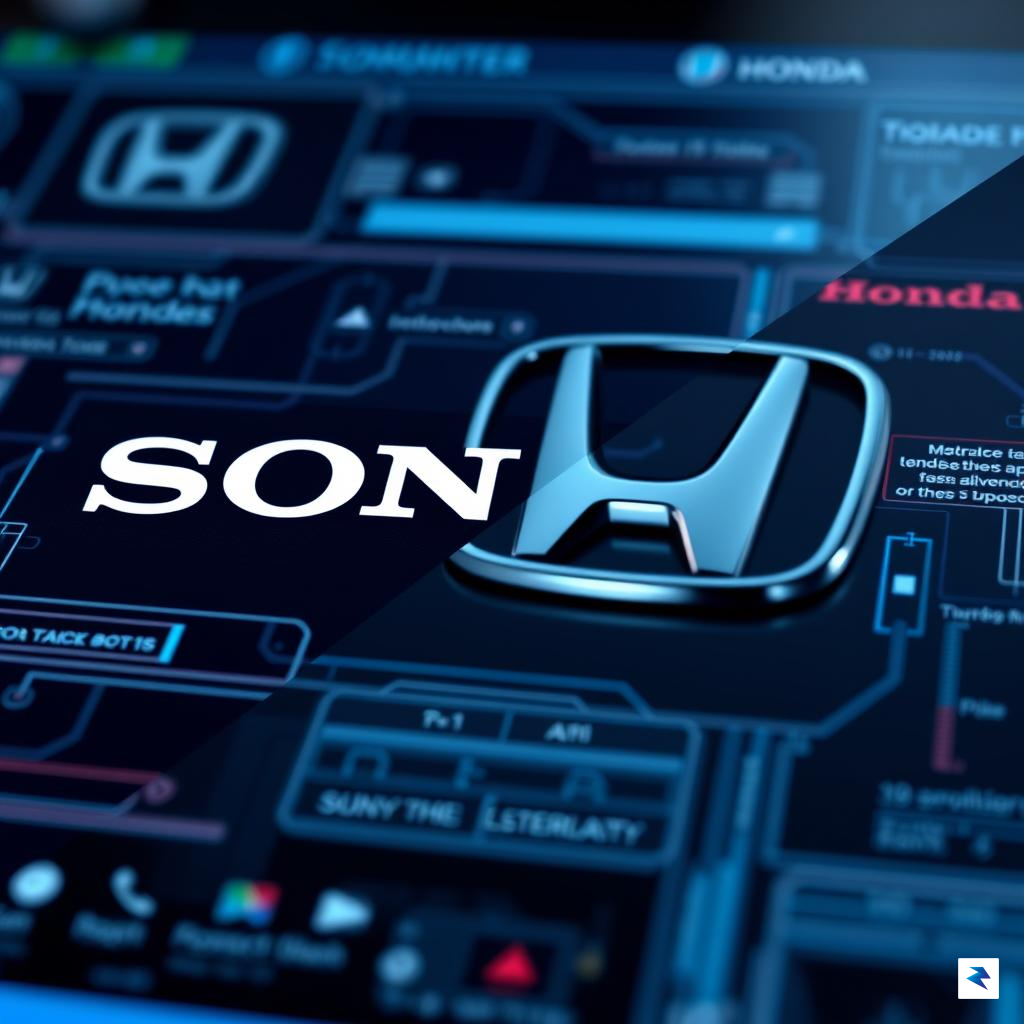
The Afeela project, born from the ambitious union of tech titan Sony and automotive giant Honda, initially appeared to be a blueprint for future success in the rapidly evolving electric vehicle (EV) market. It promised to fuse Sony’s unparalleled expertise in consumer electronics, entertainment, and software with Honda’s decades of automotive engineering, manufacturing prowess, and safety-first philosophy. This collaboration, unveiled with much fanfare, aimed to create a new breed of “software-defined vehicle” that would redefine the in-car experience, making the vehicle not just a mode of transport but an extension of one’s digital life. The vision was compelling: a car seamlessly integrated with cutting-edge infotainment, advanced autonomous features, and an ecosystem of digital services, all wrapped in a reliable, well-engineered package.
Afeela’s specific goals were ambitious, focusing on a deeply integrated digital experience, including PlayStation-level gaming, immersive audio, and advanced driver-assistance systems powered by Sony’s sensor and AI technologies. However, beneath this shiny exterior lay a fundamental conflict between the operational philosophies of its parent companies. The software development cycle, characteristic of Sony’s consumer electronics division, thrives on rapid iteration, frequent updates, and a relatively forgiving environment where minor bugs can be patched post-launch. Conversely, the automotive industry, exemplified by Honda, demands an excruciatingly slow, rigorous, and safety-critical development process, where every component, line of code, and system interaction must be validated over years to meet stringent regulatory standards and ensure human safety.
<
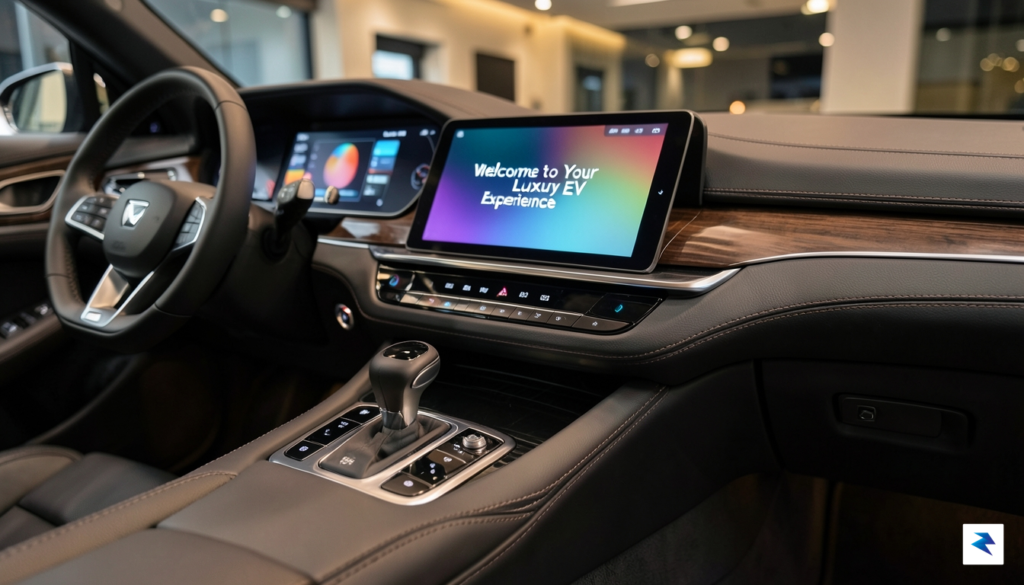
The graveyard of automotive history is crowded with startups that attempted to conquer the mass market, only to be crushed under the weight of razor-thin margins and the brutal realities of scale. For a nascent brand, the decision to compete with legacy automakers on price is often a death sentence; achieving the economies of scale required to make a $30,000 vehicle profitable necessitates massive infrastructure, supply chain dominance, and a level of consumer trust that takes decades to earn. Conversely, shifting focus toward the luxury segment offers a strategic sanctuary. By positioning a new brand as an aspirational, high-end entity, manufacturers can pivot from a volume-based business model to a value-based one, where the cost of research, development, and sophisticated battery technology can be effectively absorbed into a higher sticker price.
In the luxury tier, the math of manufacturing changes fundamentally. While a mass-market player must sell hundreds of thousands of units to achieve a break-even point, a boutique luxury brand can thrive with significantly smaller production runs. This luxury filter provides a layer of insulation against the volatile price wars currently plaguing the entry-level electric vehicle space, where incumbents use their massive cash reserves to slash prices and starve newcomers out of the market. Because luxury buyers prioritize brand prestige, design exclusivity, and cutting-edge software features over sheer affordability, these brands are shielded from the “race to the bottom” that has crippled so many promising startups. When a consumer buys a luxury vehicle, they are purchasing an identity and a promise of quality, which allows the company to maintain premium pricing even during periods of broader economic uncertainty.
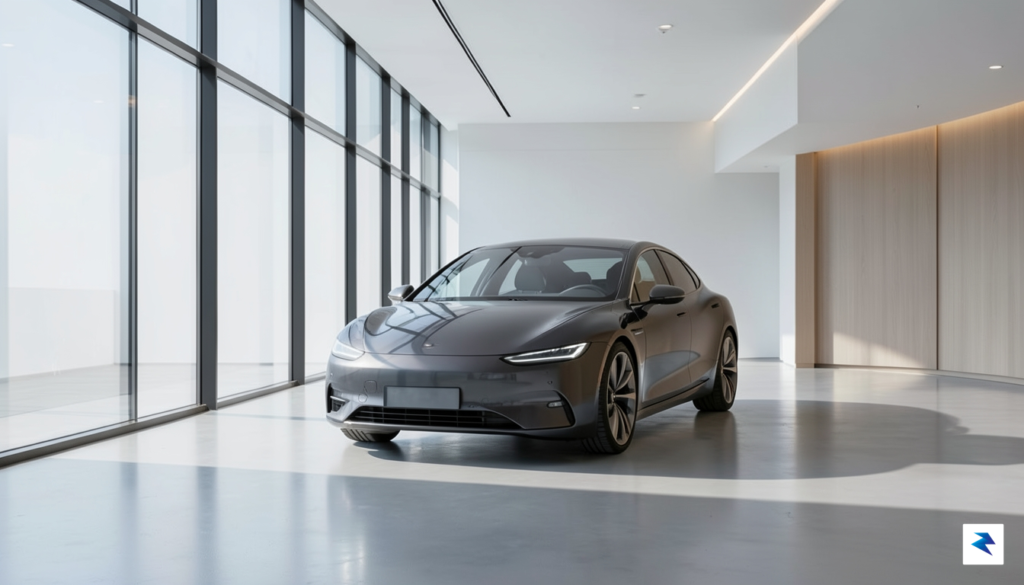
The transition to luxury positioning is not merely about inflating prices; it is about creating a brand narrative that justifies the immense capital expenditure inherent in modern automotive engineering.
History provides several clear examples of this divergent path. Consider the stark contrast between brands that attempted to become the “next Toyota” overnight and those that adopted a top-down approach. The companies that successfully established themselves as prestige players—often by focusing on high-performance metrics or bespoke interior craftsmanship—have built a loyal following that acts as a buffer against market fluctuations. This customer base is generally less sensitive to interest rate hikes and supply chain disruptions, allowing the company the breathing room to iterate on their technology without the constant pressure of quarterly volume targets. By establishing prestige early, these brands secure the capital necessary to eventually scale down-market, effectively using the luxury segment as a financial launching pad rather than a permanent destination.
Ultimately, the luxury pivot serves as a vital filter that separates sustainable innovation from speculative overreach. When a new brand proves it can deliver a superior user experience, it creates a moat that is far more difficult for competitors to cross than a price advantage. As the automotive landscape continues to shift toward electrification and automation, the companies that survive will be those that recognized early on that they were not just selling a vehicle, but a premium experience that commands a premium price. For the startup that is already struggling to balance its books, moving upscale is not just an aesthetic choice; it is often the only viable strategy for long-term survival.

The graveyard of automotive history is crowded with ambitious ventures that underestimated the sheer complexity of mass-producing vehicles at scale. As the industry faces the most profound technological shift since the invention of the assembly line, the instinct for many legacy manufacturers has been to spin off countless sub-brands in a desperate attempt to capture the zeitgeist of the electric revolution. However, the path forward is not found in fragmented marketing campaigns or siloed brand identities that confuse the consumer. Instead, long-term survival in the era of electrification and autonomous driving will require a fundamental pivot toward strategic partnerships and the aggressive pursuit of “co-opetition.”
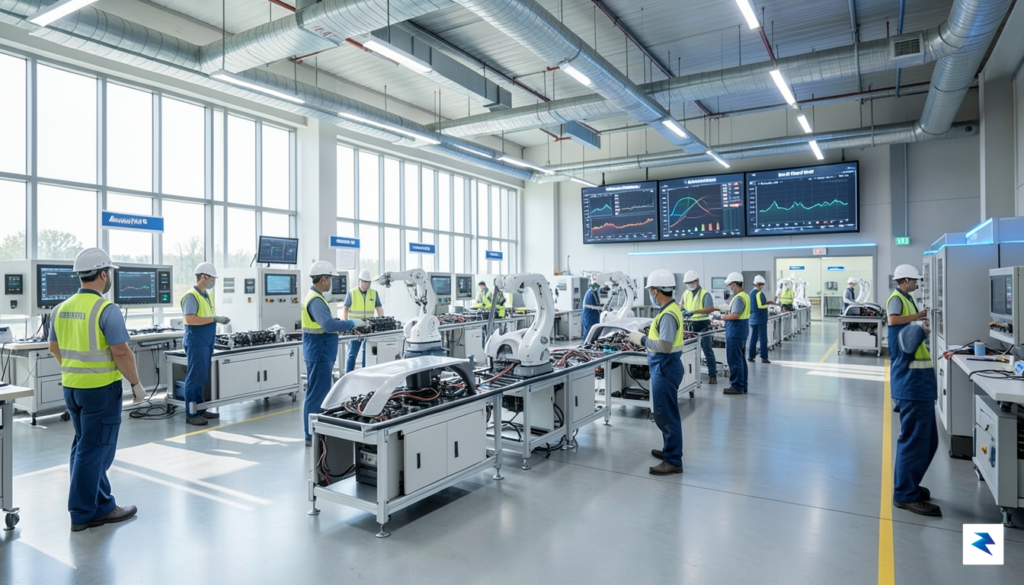
Industry leaders must recognize that the era of building everything in-house is rapidly coming to a close. Developing a proprietary battery architecture or a unique software stack from scratch is an exorbitant drain on capital that few companies can sustain indefinitely. By embracing shared platforms—where multiple manufacturers pool resources to develop the underlying “skateboard” of the vehicle—companies can achieve the economies of scale necessary to lower price points for the average buyer. This shift away from ego-driven engineering and toward shared, modular infrastructure allows brands to focus their limited resources on what truly matters to the customer: software integration, user experience, and distinct design language that reinforces, rather than dilutes, the parent brand.
True innovation in the modern automotive landscape is less about inventing the wheel again and more about mastering the ecosystem through collaboration.
Ultimately, the most significant asset any automaker possesses is consumer trust, an intangible commodity that is easily squandered by confusing branding exercises. In an era where vehicle software updates can fundamentally change how a car performs, consistency is paramount. Customers are looking for stability, reliability, and a clear vision for the future of their mobility. When manufacturers clutter the market with a revolving door of sub-brands, they create a sense of impermanence that scares off potential buyers. Moving forward, success will belong to those who prioritize deep, meaningful partnerships that streamline production and enhance the ownership experience, ensuring that the brand promise remains as sturdy as the hardware underneath.
You must be logged in to post a comment.