
Why Human-Tested Recipes Are the Antidote to AI-Generated ‘Slop’
The Crisis of Automated Culinary Content The digital culinary landscape is currently undergoing a disorienting transformation, characterized…


The artificial intelligence sector is currently defined by an unprecedented “talent arms race,” where the most brilliant minds in computer science and neural architecture have become the industry’s most valuable currency. As major laboratories accelerate their progress toward Artificial General Intelligence (AGI), the movement of high-level researchers has evolved from occasional career transitions into a seismic, industry-wide trend. The departure of luminaries like John Jumper from Google DeepMind to Anthropic is not merely a personnel change; it is a clear indicator that the competitive dynamics of the field are being fundamentally rewritten. In this high-stakes environment, the ability to retain top-tier researchers is becoming just as critical as the compute power and data access that once dictated the pace of innovation.
Major AI labs are increasingly aggressive in their efforts to poach lead researchers, often offering compensation packages and creative autonomy that were previously unheard of in the corporate tech sector. This predatory recruitment strategy is driven by the realization that AI progress is less about scaling hardware and more about the qualitative insights held by a handful of elite scientists. As companies like Google, Anthropic, OpenAI, and Meta vie for dominance, they are essentially betting that a singular visionary researcher can bridge the gap between incremental progress and a breakthrough discovery. Consequently, the research community has become highly fluid, with scientists prioritizing environments that offer the best resources and the most direct path to solving complex, foundational challenges.
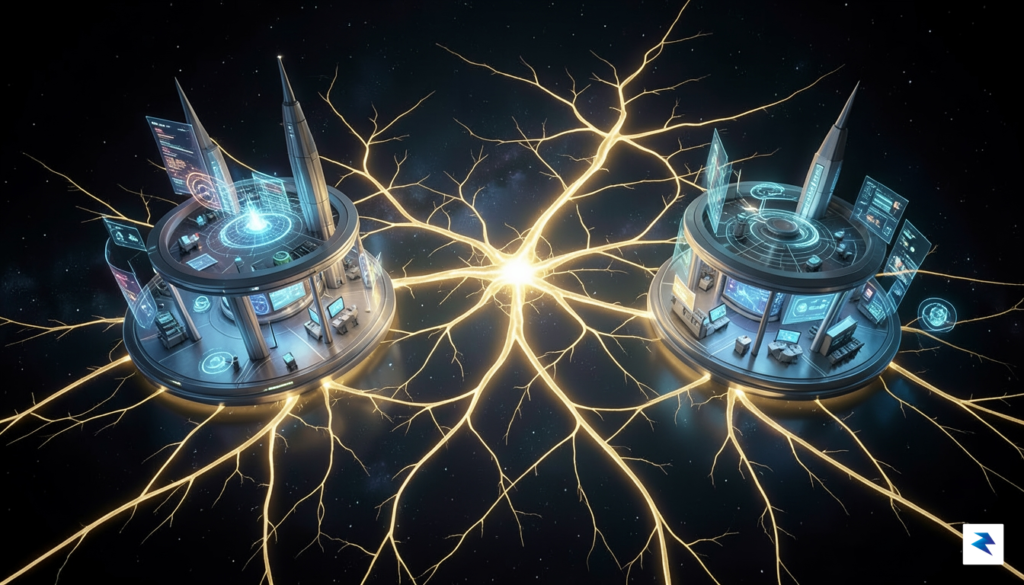
Beyond simple salary incentives, there is a growing trend of researchers leaving established institutions in search of greater alignment with their personal missions regarding safety and ethical AI deployment. Many of the industry’s leading thinkers are now scrutinizing the internal culture and long-term goals of their employers, leading to a migration toward organizations that emphasize responsible development. This shift is also influenced by the evolving legal landscape surrounding non-compete agreements and intellectual property, which has historically acted as a friction point for talent mobility. As these constraints loosen or become more scrutinized by regulators, researchers are finding more freedom to move between labs, ensuring that their specific research interests remain at the forefront of their professional trajectory.
The movement of elite talent acts as a barometer for the industry, signaling which institutions currently offer the most fertile ground for the next major leap in machine intelligence.
Ultimately, this mobility is a natural symptom of a field in its most volatile and formative stage. As companies continue to compete for a limited pool of experts, we can expect to see further consolidation of talent within organizations that prioritize both technical ambition and long-term ethical stewardship. This ongoing reshuffling ensures that the expertise required to build the future of AI is not stagnant, but rather constantly being redistributed to where it can have the most significant impact on the development of safe and effective systems.
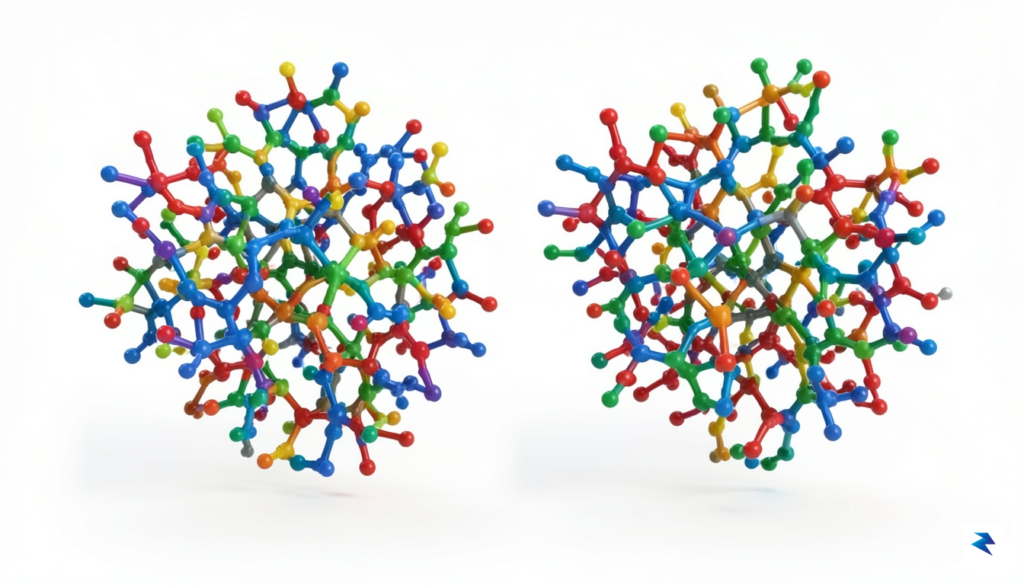
John Jumper stands as a towering figure in the intersection of artificial intelligence and biological science, primarily due to his role as the lead architect of AlphaFold. For over half a century, the “protein folding problem”—the challenge of predicting the three-dimensional structure of a protein from its amino acid sequence—remained one of the most stubborn obstacles in molecular biology. By leveraging deep learning architectures to map these complex biological geometries with near-experimental accuracy, Jumper did more than just solve a puzzle; he provided the scientific community with a foundational tool that has since accelerated drug discovery, protein engineering, and our fundamental understanding of life’s machinery.

Beyond the technical achievement of AlphaFold, Jumper’s influence at Google DeepMind was defined by a unique leadership style that bridged the gap between raw computational power and specific, high-stakes scientific application. He fostered an environment where interdisciplinary teams could thrive, moving AI research away from abstract benchmarks and toward tangible, real-world utility. Under his guidance, DeepMind scaled its capabilities to handle massive biological datasets, setting a new standard for how AI labs should approach “science-first” projects. His ability to synthesize complex physical constraints into neural network objectives proved that AI could be a collaborative partner in the laboratory rather than just a tool for automation.
The true measure of Jumper’s impact is not found solely in a single algorithm, but in the thousands of researchers worldwide who now use his work as the starting point for their own breakthroughs in medicine and biotechnology.
The departure of such a pivotal figure represents a profound institutional loss for Google. Jumper was not merely an employee; he was a cultural anchor who demonstrated that DeepMind could tackle the most “impossible” problems in the physical sciences. When a researcher of his caliber transitions to a competitor like Anthropic, it signals a shift in the gravity of the AI industry. Google now faces the challenge of maintaining the momentum of its biological research programs without the vision that defined their most public success. His exit underscores the intensifying talent war in the AI sector, where the migration of a single transformative mind can redistribute the competitive advantage of entire corporate research departments.
Ultimately, Jumper’s move is a reminder that in the rapidly evolving world of artificial intelligence, intellectual capital is the most volatile and valuable asset. As he shifts his focus toward the next frontier at Anthropic, the scientific community will be watching closely to see if he can replicate the same level of disruptive innovation. Whether he is solving structural biology mysteries or pivoting to address broader safety and reasoning challenges, Jumper’s career trajectory remains a barometer for the most significant trends in modern computing. His legacy at DeepMind is cemented, but his next chapter may well redefine the scope of what we expect from frontier AI companies.

The departure of a scientist of John Jumper’s caliber, a Nobel laureate whose work on AlphaFold profoundly advanced protein structure prediction at Google DeepMind, marks a significant moment in the competitive landscape of AI research. His transition to Anthropic signals more than just a change of employer; it suggests a powerful alignment with a particular philosophy and approach to developing artificial intelligence. This move highlights Anthropic’s growing strategic appeal, positioning it as a magnet for top researchers who prioritize a specific blend of innovation and responsibility in the rapidly evolving field of large language models. The motivations behind such a high-profile shift often lie in the fundamental differences in research culture and the opportunities for impactful work, particularly concerning the ethical dimensions of AI.
At its core, the research culture at Anthropic offers a compelling alternative to that found in larger, more diversified AI labs. While Google DeepMind has historically pursued a broad spectrum of AI breakthroughs, pushing the boundaries across various domains from game playing to scientific discovery, Anthropic has cultivated a more focused and deeply principled environment. Their mission is explicitly centered on building safe, steerable, and interpretable AI systems, a commitment that resonates strongly with researchers increasingly aware of the societal implications of their work. This distinct emphasis means that while both organizations are scaling large language models, Anthropic’s approach is intrinsically tied to developing “constitutional AI” – systems designed to guide themselves by a set of principles rather than solely relying on extensive human oversight or brute-force capability.
This dedication to interpretability and safety acts as a unique selling proposition for top-tier talent. For scientists like Jumper, who have already achieved monumental technical breakthroughs, the next frontier might not just be about raw computational power or model size, but about ensuring these powerful tools are developed responsibly and align with human values. Anthropic’s pioneering work in constitutional AI provides a framework for embedding these ethical considerations directly into the model’s training process, offering a more robust path toward beneficial AI. This focus allows researchers to tackle not just the “how” of AI development, but also the critical “should we” and “how do we make it safe” questions, offering a deeply meaningful and intellectually stimulating challenge that transcends mere performance metrics.
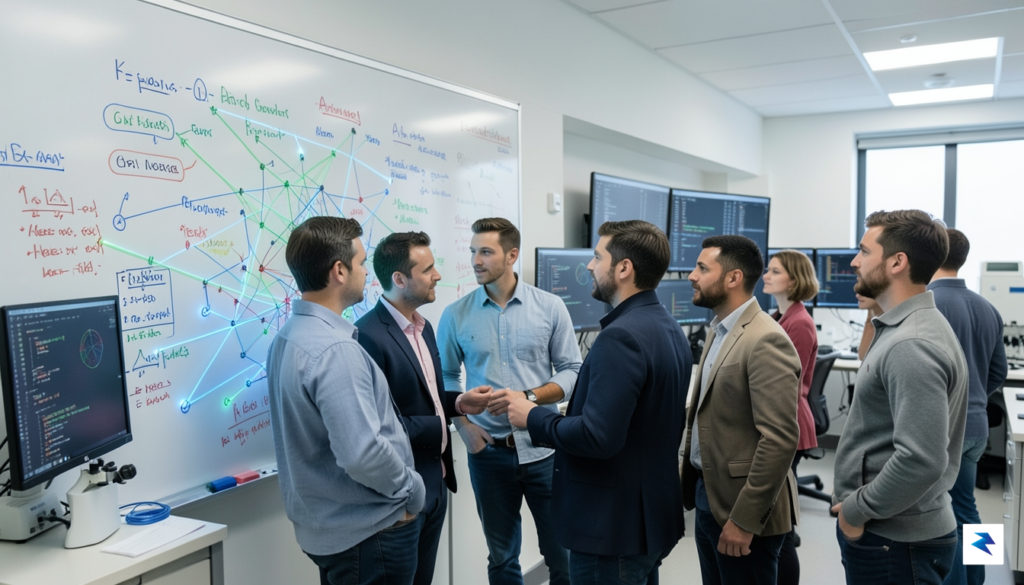
Furthermore, the organizational structure and operational autonomy at Anthropic may present an attractive environment for leading researchers. While larger corporate structures can sometimes entail more layers of management, broader strategic directives, or a wider array of competing internal projects, Anthropic’s more concentrated mission likely fosters an environment where researchers can operate with a greater sense of direct purpose and fewer bureaucratic hurdles. This streamlined focus on AI safety and alignment allows experts to dedicate their formidable intellects to a clear, singular goal, potentially accelerating progress in these critical areas. It offers the chance to shape the foundational principles of a new generation of AI, working within a company that was specifically founded with these challenges at its very core, rather than adding them as an afterthought to existing powerful systems. In essence, Anthropic isn’t just building AI; they are building AI with a conscience, and that distinction is proving to be a powerful draw for the brightest minds in the field.
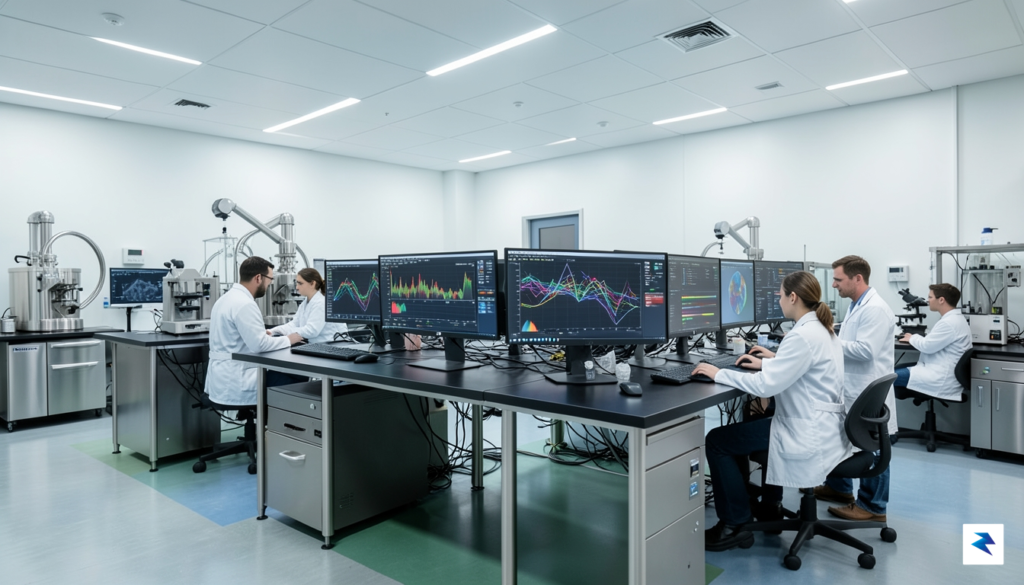
The departure of a figure as instrumental as John Jumper from Google DeepMind, especially given his pivotal role in developing groundbreaking systems like AlphaFold, inevitably casts a shadow of uncertainty over the future trajectory of one of the world’s foremost AI research institutions. Google DeepMind has long been revered as the gold standard for pure, fundamental AI research, pushing the boundaries of what’s possible through ambitious, long-term projects. However, the loss of an architect of Jumper’s caliber raises critical questions not just about the immediate impact on ongoing projects, but more broadly about the lab’s long-term retention strategies for its top academic talent. This event underscores a growing challenge for many Big Tech research labs: the delicate balance between fostering a culture of open-ended scientific discovery and meeting the accelerating commercial demands of their parent companies.
This situation highlights a phenomenon increasingly referred to as the “brain drain” within the AI landscape. While DeepMind has historically attracted and retained some of the brightest minds by offering unparalleled resources and freedom for academic exploration, the evolving dynamics of the AI industry present new pressures. Startups like Anthropic, often founded by former Big Tech researchers themselves, offer compelling alternatives with promises of focused missions, agile environments, and potentially greater autonomy or equity. As Google faces immense pressure to swiftly integrate advanced AI capabilities into a vast array of commercial products, the pure research-heavy culture that once defined DeepMind may be finding it increasingly difficult to hold onto its core academic talent who thrive on more abstract scientific pursuits rather than immediate product roadmaps.
The tension between groundbreaking research and product-focused development is palpable. DeepMind’s historical success stemmed from its ability to pursue audacious, long-term research goals without immediate commercial constraints, leading to breakthroughs like AlphaGo and AlphaFold that redefined entire scientific fields. Yet, the current competitive landscape, particularly with the rise of large language models and generative AI, has shifted the focus towards rapid deployment and commercialization. This pivot, while essential for Google’s market position, can create an environment where researchers accustomed to years of unfettered exploration might feel their work is being redirected or diluted. Maintaining a vibrant academic research environment requires a level of patience and investment that can sometimes conflict with the fast-paced demands of product cycles, making it challenging to satisfy researchers driven by scientific curiosity above all else.
In response to such high-profile departures, DeepMind will likely need to strategically pivot its leadership structure and project management to stabilize ongoing initiatives and ensure continued momentum. This might involve empowering other senior researchers to step into more prominent leadership roles, fostering a more distributed leadership model rather than relying heavily on a few superstar figures. Furthermore, the organization may need to re-evaluate its internal incentives, perhaps finding new ways to offer the intellectual freedom and impact that top researchers seek, even amidst increased commercial integration. Maintaining morale and demonstrating a clear path for continued cutting-edge research will be paramount to prevent further attrition and to reassure the remaining talent that DeepMind remains a premier destination for AI innovation. The challenge lies in balancing the immediate need to deliver commercial value with the foundational commitment to pushing the frontiers of scientific understanding.
Ultimately, this event could serve as a catalyst for Google DeepMind to refine its identity within the broader Google ecosystem. While its reputation as a research powerhouse is deeply ingrained, adapting to the changing landscape will be crucial. This might involve a more explicit strategy for how pure research translates into applied impact, or conversely, a renewed commitment to carving out protected spaces for truly fundamental, long-term scientific endeavors. The ability to innovate and attract top talent remains critical, and DeepMind’s response to this significant loss will undoubtedly shape its evolution in the competitive and rapidly advancing field of artificial intelligence.
The migration of a researcher of John Jumper’s caliber from a tech titan like Google DeepMind to a mission-driven organization like Anthropic represents far more than a simple change of employer; it marks a pivotal shift in the underlying values guiding the artificial intelligence industry. For years, the race toward artificial general intelligence (AGI) was dominated by massive compute resources and institutional prestige. However, we are now entering an era where individual conviction is becoming the primary driver of research direction. By moving to a company that explicitly centers its identity on constitutional AI and safety-first development, Jumper is signaling that the technical challenges of the next decade—such as model alignment and controllability—cannot be solved through scale alone, but require a fundamental shift in the ethical infrastructure of model design.

This trend suggests that the industry’s “North Star” is moving away from raw performance metrics and toward a nuanced understanding of safety. As researchers prioritize environments that allow for longer, more deliberate safety evaluation cycles, we should anticipate a recalibration of the industry’s pace of innovation. While critics might argue that this exodus of top-tier talent could slow down the immediate deployment of new features, it is more likely that this movement will foster a more sustainable, stable development lifecycle. Rather than a reckless “move fast and break things” mentality, the current cohort of leading AI scientists is effectively setting a new industry standard where the measure of success is the robustness and reliability of a model, rather than just its ability to pass benchmarks.
The true measure of progress in AI will no longer be how quickly we can scale, but how securely we can integrate these systems into the fabric of society.
Looking ahead, the next decade of breakthroughs will likely be defined by this talent migration. When the industry’s brightest minds vote with their feet, they create a ripple effect that influences corporate policy, funding priorities, and, ultimately, the safety standards adopted by the entire field. As these experts congregate in organizations that treat safety as a core feature rather than an afterthought, we can expect to see a surge in academic and technical papers focusing on interpretability, adversarial robustness, and value alignment. Ultimately, this movement is a healthy maturation of the AI sector, indicating that the field is finally moving past its adolescence and into a phase of responsible, mission-critical engineering that balances the immense potential of frontier models with the necessary safeguards to ensure their long-term societal benefit.
You must be logged in to post a comment.