
Claude for Chrome Security Flaw: Is Your Gmail Data at Risk?
Understanding the Claude for Chrome Vulnerability At its core, the security vulnerability discovered within the Claude for Chrome extension…
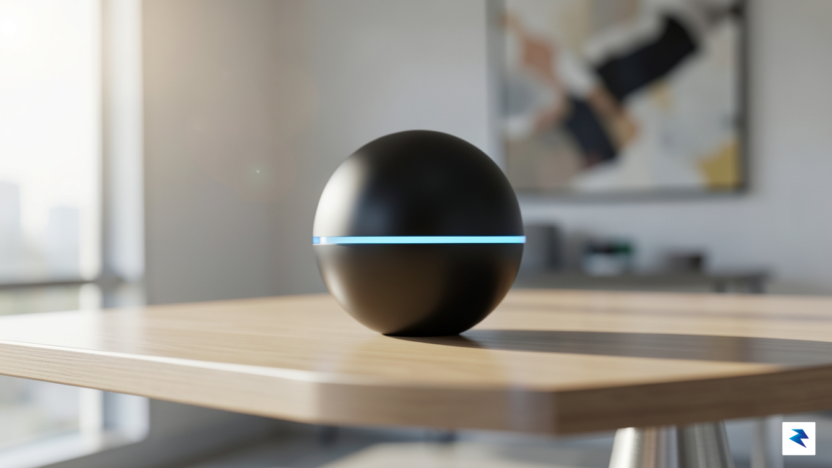
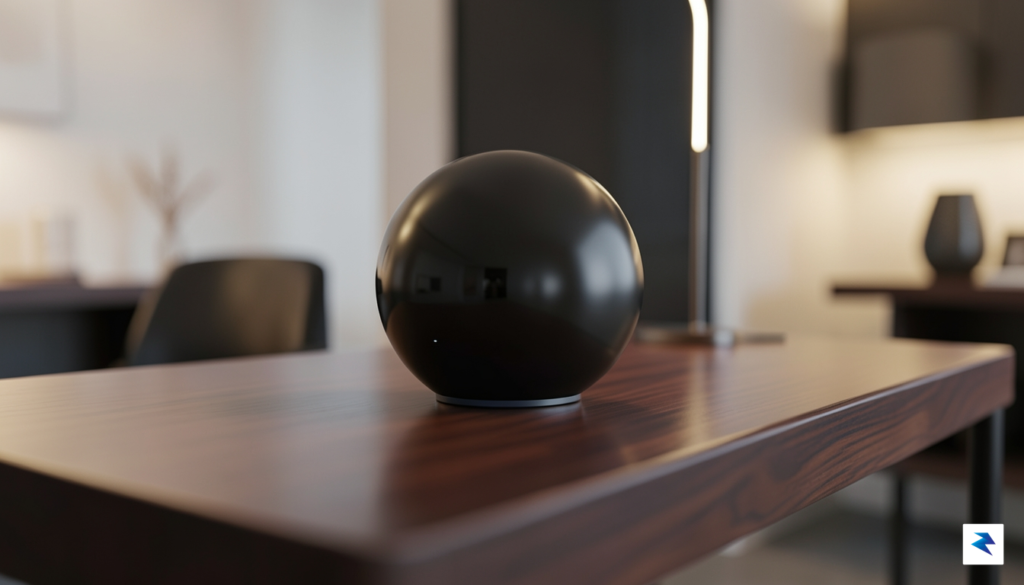
For over a decade, our relationship with digital intelligence has been defined by the constraints of the screen. When Siri, Alexa, and Google Assistant first entered our homes, they promised a futuristic era of voice-activated convenience, yet they ultimately fell short. These early iterations relied on rigid, keyword-based command sets; if you didn’t phrase your request exactly as the software expected, the interaction would inevitably fail. These assistants were reactive rather than proactive, trapped within the confines of simple task execution rather than genuine comprehension. Because they were bolted onto smartphones or tethered to smart speakers that struggled with nuance, they never truly felt like intelligent partners, but rather glorified timers and weather trackers.
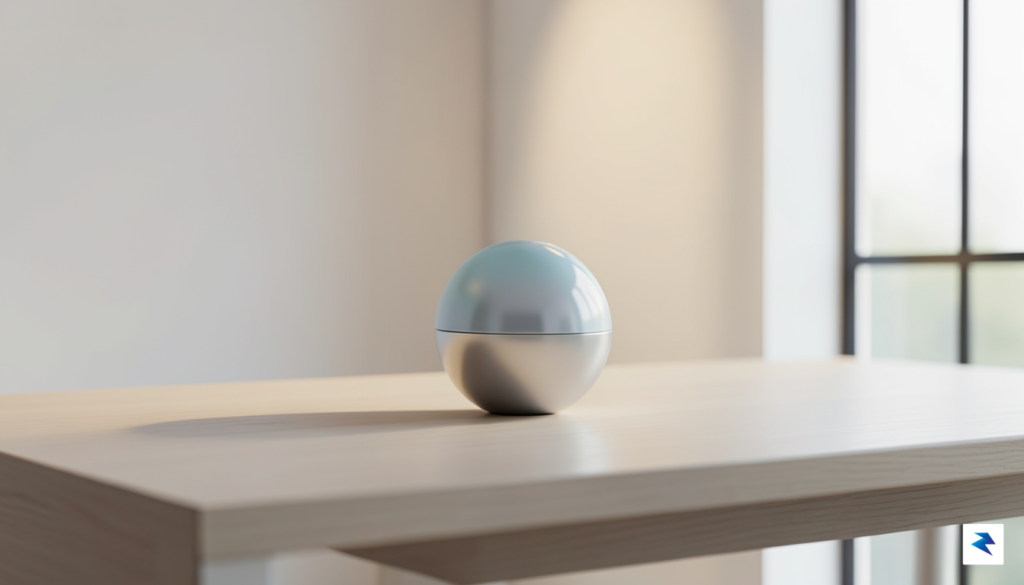
We are now witnessing a profound shift toward what technologists call “ambient computing”—a paradigm where digital intelligence ceases to be a destination you visit on a screen and instead becomes a persistent, invisible layer of the environment. Unlike the static assistants of the past, modern hardware powered by Large Language Models (LLMs) prioritizes natural, fluid conversation over mechanical commands. By stripping away the screen, devices like OpenAI’s rumored speaker aim to eliminate the “friction of attention.” When we are not constantly pulled toward a glowing rectangle, our engagement with technology becomes more deliberate and less addictive, allowing us to remain present in the physical world while still accessing the vast capabilities of artificial intelligence.
Ambient computing is not about replacing our screens, but about liberating us from the necessity of staring at them to access the world’s information.
This transition represents a fundamental change in how we perceive utility. In this new era, the value of a device is measured not by its pixel density or its graphical interface, but by its ability to listen, understand, and act upon context without requiring a manual input. By moving away from screen-heavy interactions, developers are betting that the future of AI is not a tool we “use” in short bursts, but a quiet, helpful presence that lives in the background. If successful, this evolution will transform our digital assistants from clumsy, voice-activated novelties into intuitive companions that handle the complexity of our daily lives, leaving us free to look up from our devices and engage with the world around us.
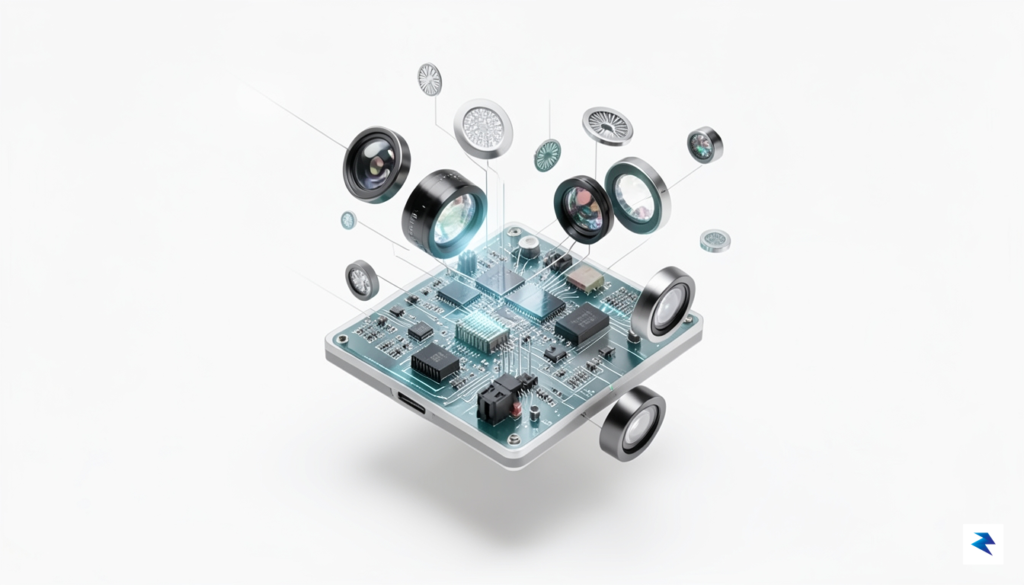
Unlike the static, stationary smart speakers currently populating our living rooms, OpenAI’s rumored device represents a fundamental shift toward dynamic, physical engagement. Central to this design is the integration of high-fidelity cameras and advanced depth sensors, which move the device beyond simple acoustic processing. By capturing a real-time spatial map of its environment, the hardware allows the AI to “see” its surroundings, effectively transforming from a passive listener into an active observer. This spatial awareness is further enhanced by reported mechanical components—essentially “moving parts”—that suggest the device could physically track a user’s movement or adjust its orientation to maintain a focused line of sight, ensuring that the conversational interface remains consistently engaged with the person it is addressing.

The true power of this hardware lies in its seamless integration with GPT-Live, the engine that processes these multimodal data streams in real-time. Where traditional voice assistants rely on rigid keyword triggers and delayed cloud processing, GPT-Live is designed to interpret context through both audio and visual inputs simultaneously. This means that if a user points to an object or makes a gesture while speaking, the device can synthesize that visual cue with the spoken request to deliver a far more nuanced, context-aware response. The technical architecture is effectively built to minimize latency, allowing for natural, fluid conversation that mimics the cadence and intuition of human-to-human interaction.
The integration of physical sensors with real-time multimodal processing turns the AI from a tool that responds to commands into a companion that understands context through shared observation.
Furthermore, the synergy between these sophisticated sensors and OpenAI’s underlying models bridges the gap between digital intelligence and physical presence. By processing high-resolution visual data alongside low-latency audio, the device can identify shifts in user tone, intent, and environment, adjusting its output accordingly. This technical leap suggests that the device isn’t just listening for a wake word; it is constantly analyzing the environment to provide helpful, proactive assistance. As the hardware handles the heavy lifting of spatial tracking and data collection, GPT-Live interprets these signals to provide a level of conversational depth that has, until now, been missing from the consumer smart home market.
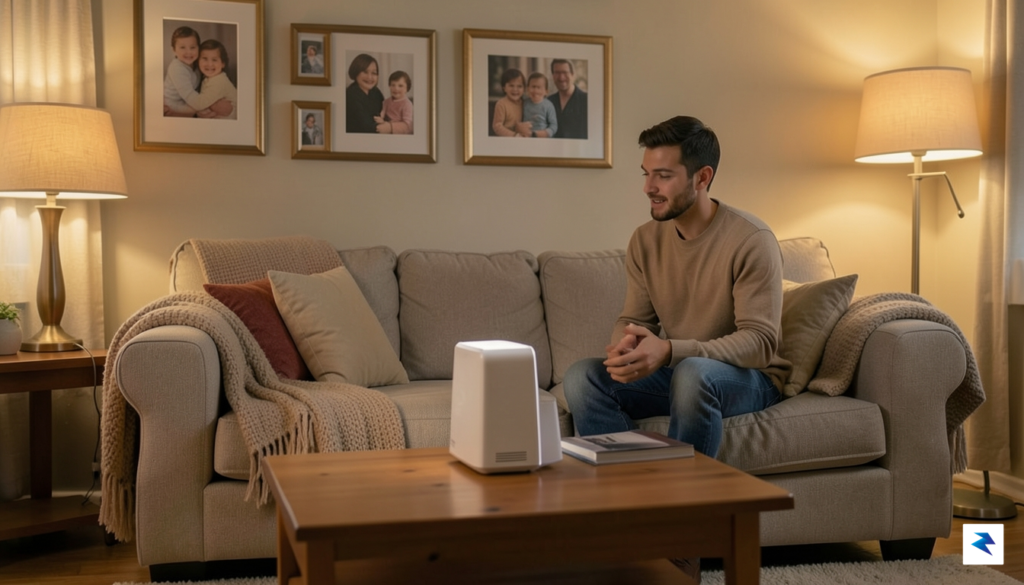
Moving away from the glow of a glass display marks a profound shift in how we conceive of our relationship with technology. By eliminating the screen, OpenAI is effectively stripping away the “dashboard” model that has dominated computing for decades, forcing users and machines to engage in a purely conversational flow. This shift toward a frictionless interface means that the AI must move beyond mere command execution; it must become a fluid participant in human dialogue. Without the crutch of visual menus, buttons, or notifications, the interaction loop relies entirely on the sophistication of natural language processing to decode intent, tone, and context in real-time.
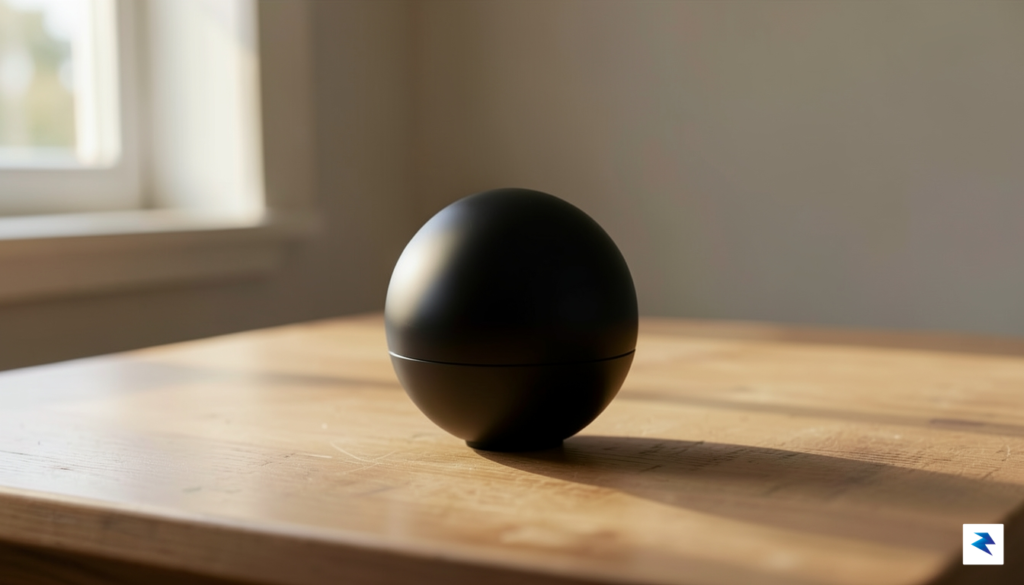
The absence of a screen presents a significant technical hurdle: how do we process information that is traditionally consumed visually? In a screenless environment, the burden of communication shifts to audio-based delivery, requiring the AI to be highly precise, concise, and context-aware. Developers must optimize for high-speed verbal feedback that provides immediate value without overwhelming the listener. If a user asks for a weather forecast or a summary of their schedule, the AI cannot simply display a list of data points; it must synthesize that information into a narrative that is easy to digest in a single sitting. This necessitates a more advanced level of semantic understanding, as the system must prioritize the most relevant details while minimizing unnecessary “filler” speech.
The true test of a screenless AI is its ability to act as an intuitive extension of the human mind rather than a mechanical tool requiring constant visual oversight.
Furthermore, this transition challenges the very nature of information density. When visual charts, maps, or lengthy text articles are unavailable, the AI must become an expert editor, distilling complex data into actionable insights through voice alone. This encourages a more minimalist interaction style, where the focus remains on high-impact exchanges rather than deep-diving into granular visual details. As we move toward this audio-centric future, the hardware’s success will ultimately depend on its latency—how quickly it can process intent and respond with human-like nuance. By removing the distraction of the screen, we are not losing capability; rather, we are reclaiming our attention, allowing for a more immersive and less cluttered interaction with the digital world.

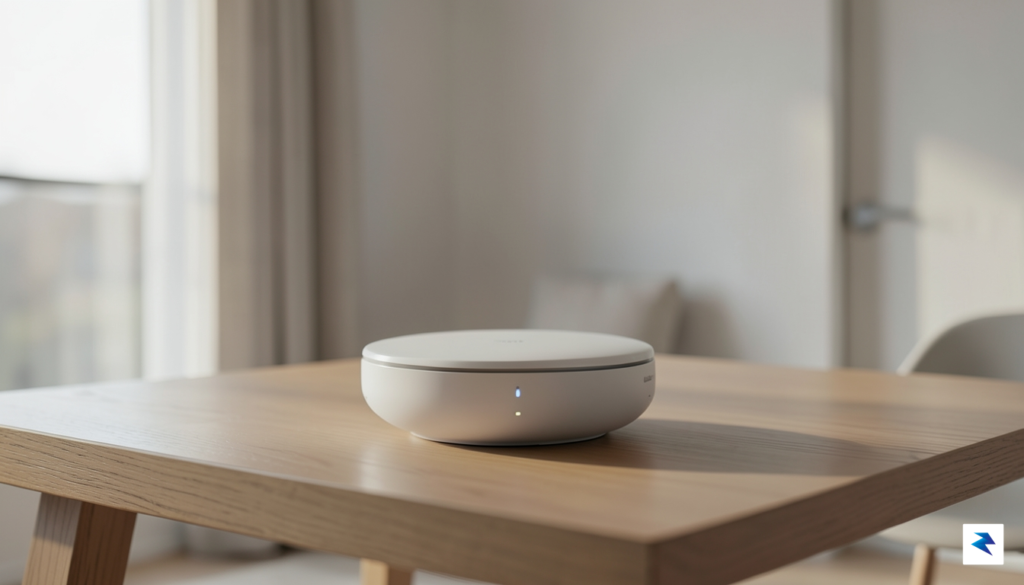
The introduction of an always-on, sensor-laden device into the most intimate corners of our domestic lives represents a significant shift in how we interact with technology. Unlike a smartphone that can be tucked away in a pocket or turned face-down, a screenless AI speaker is designed to be a permanent, ambient presence. This “always-listening” architecture naturally invites intense scrutiny regarding surveillance. When a device is constantly monitoring its environment to remain “helpful,” the boundary between convenient assistance and intrusive observation becomes dangerously thin. To earn and maintain user trust, OpenAI must move beyond standard privacy policies and provide concrete, verifiable assurances that the device is not functioning as an unmonitored window into the home.
A pivotal aspect of this privacy debate centers on where the data is actually processed. If the device relies entirely on cloud-based computation, it necessitates the constant streaming of audio and visual data to external servers, which significantly expands the potential attack surface for data breaches or unauthorized access. Conversely, a robust “edge-first” strategy—where voice commands, facial recognition, and environmental analysis occur locally on the device’s hardware—could mitigate these risks substantially. By keeping sensitive personal information strictly on the local chip, OpenAI can provide a meaningful layer of security. However, users will rightly demand transparency regarding exactly what metadata is sent to the cloud to facilitate broader AI model improvements, and whether that data can be effectively anonymized or scrubbed of personally identifiable information.
“True privacy in the era of ambient computing is not just about data encryption; it is about providing the user with unequivocal, physical control over when the device is capable of perceiving the world.”
Beyond software-level protections, the physical design of the hardware will play a crucial role in public perception. Many users are skeptical of digital-only “off” switches, which can be overridden by firmware updates or software glitches. The inclusion of physical privacy shutters—mechanical barriers that physically block the camera lens—would offer a tangible, intuitive signal that the user is in control of their private space. Furthermore, clear, unmistakable visual cues, such as a hardware-level LED light that activates only when the device is actively processing, are essential. These design choices are not merely aesthetic; they are fundamental ethical requirements for any technology that intends to reside in the private sphere. Without these physical safeguards, the device risks being viewed as a permanent surveillance node rather than a helpful domestic assistant, a stigma that has plagued previous iterations of smart home technology.
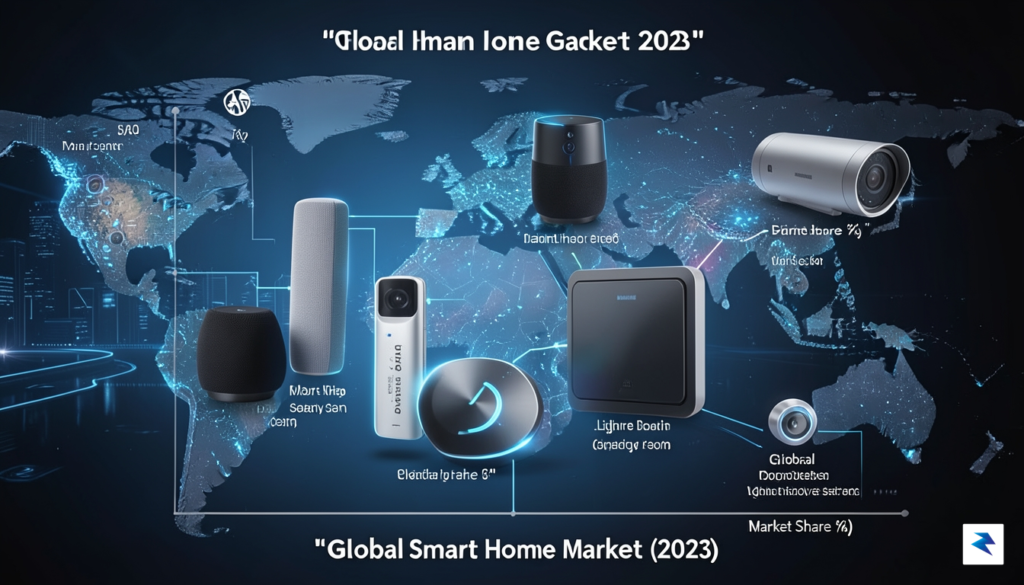
Entering the hardware space is a daunting challenge for any company, particularly when the playing field is already firmly occupied by entrenched giants like Amazon, Apple, and Google. For years, the smart home market has been defined by the Echo, HomePod, and Nest ecosystem, which focus on utility, media consumption, and basic automation. Unlike the Rabbit R1, which attempted to bridge the gap between AI and mobile hardware but ultimately struggled with inconsistent performance, OpenAI’s proposed screenless device aims to bypass the “app-based” interface entirely. Success here won’t be dictated by raw hardware specs—processing power or battery life—but by whether the integration of GPT-Live delivers a genuinely “magical” experience that makes traditional voice commands feel obsolete.

The true “killer feature” that OpenAI must leverage is the transition from reactive tasks to proactive, contextual intelligence. While current assistants often fail to understand nuance or maintain a coherent multi-turn conversation, a device powered by advanced large language models could potentially handle complex logic, scheduling, and real-time reasoning without the need for a screen. If the device can act as a true personal concierge that understands the user’s history and preferences across the entire OpenAI ecosystem, it will distinguish itself from the static command-and-control functionality of current smart speakers. This isn’t just about playing music or setting timers; it is about creating a conversational partner that can navigate the digital world on the user’s behalf.
The ultimate test for OpenAI will be whether they can transform the AI speaker from a novelty gadget into an indispensable daily utility that feels like a natural extension of human thought.
Given the current trajectory, the target demographic for this device is clearly not the mass-market consumer currently satisfied with a basic smart plug interface. Instead, OpenAI is positioning this for early adopters, tech enthusiasts, and power users who are already deeply embedded in the ChatGPT ecosystem. These individuals are likely willing to overlook the inevitable “first-generation” bugs in exchange for the competitive edge that advanced AI integration offers in their daily workflows. As we look toward the projected 2026 rollout, expectations remain high; the market is waiting to see if OpenAI can move beyond the browser and into the physical realm, fundamentally shifting how we interact with our immediate environments.
You must be logged in to post a comment.