
TikTok Is Testing a New Tool to Fight AI Deepfakes: What Creators Need to Know
The Rise of Deepfakes: Why TikTok Is Taking Action The barrier to entry for creating hyper-realistic synthetic media has plummeted,…
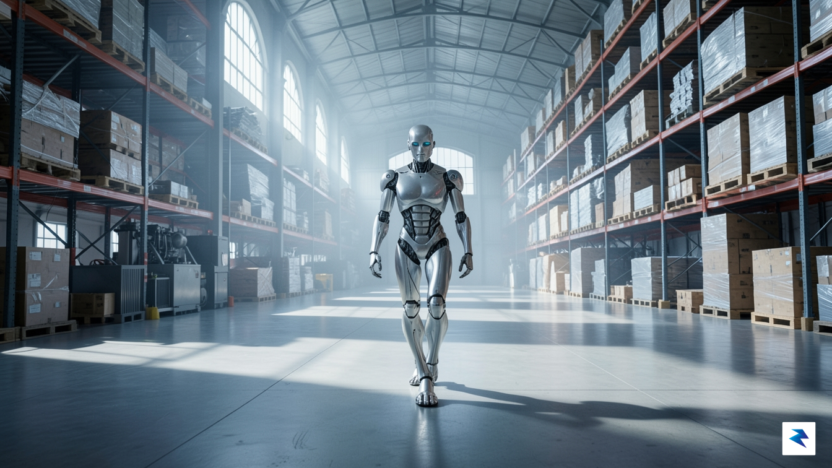
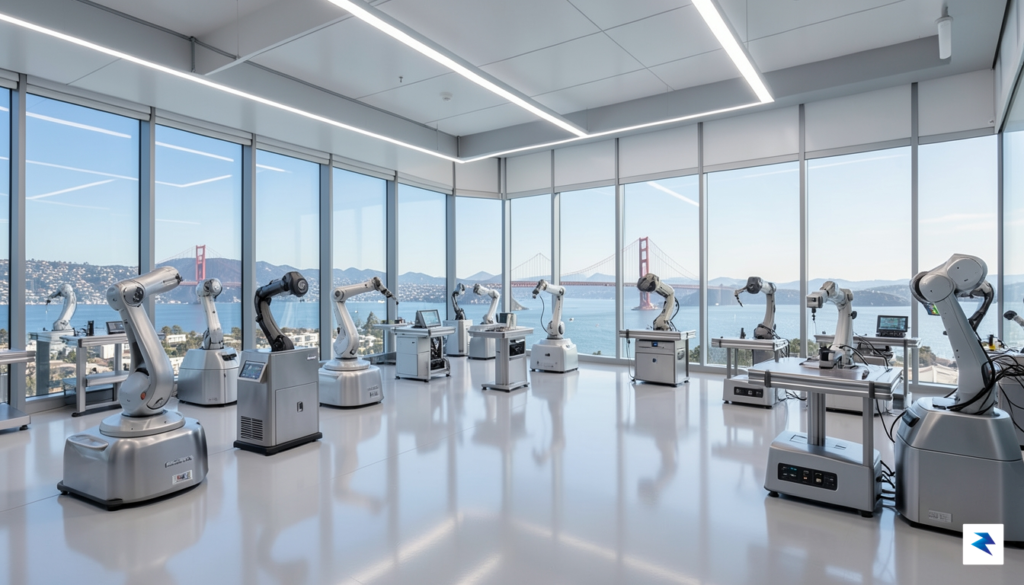
The long-held vision of human-like robots assisting or working alongside us is rapidly moving from the realm of science fiction into tangible reality. For decades, humanoid robotics largely resided within academic research labs and specialized industrial facilities, yielding impressive but often isolated prototypes. However, the industry is now experiencing a profound pivot, transitioning from conceptual design and experimental demonstrations to the critical phase of commercial pilot programs and real-world deployment. This macro-trend signifies a maturity in the technology, where increasingly sophisticated and capable machines are being refined not just for grand theoretical challenges, but for practical, impactful roles across various sectors, from logistics and manufacturing to healthcare and service industries.
This evolution necessitates a strategic realignment of where these cutting-edge robots are developed and manufactured. Consequently, the physical geography of humanoid robot development is undergoing a significant shift, gravitating towards the very heart of the global automotive and tech manufacturing world. There’s a compelling strategic necessity for robot developers to be physically proximate to major technological hubs, manufacturing centers, and, crucially, their potential end-users. This proximity facilitates an invaluable feedback loop, allowing for rapid iteration, direct collaboration with industrial partners, and immediate access to the specialized talent pools—encompassing AI researchers, mechanical engineers, software architects, and automation specialists—that thrive in these innovation ecosystems.
A prime example of this strategic pivot is Agility Robotics, a key player in the burgeoning humanoid space, whose recent establishment of new facilities underscores this broader industry trend. Agility Robotics, known for its bipedal robot “Digit,” has been at the forefront of moving humanoid robots beyond mere demonstrations into practical, deployable solutions for warehouse and logistics operations. Their proactive move to position themselves within proximity to major manufacturing and tech epicenters is not merely an expansion, but a strategic declaration that the future of humanoid labor requires deep integration with the industries it aims to serve. This move exemplifies the growing understanding that successful commercialization hinges on collaborative development in real-world environments.
This geographical convergence accelerates the already intense race toward developing truly general-purpose humanoid robots. Being embedded within these dynamic industrial landscapes allows companies like Agility Robotics to leverage existing supply chains, tap into a rich network of manufacturing expertise, and receive real-time insights into the operational challenges and opportunities faced by potential adopters. It fosters an environment where hardware innovation, sophisticated AI algorithms, and robust software engineering can coalesce rapidly, driven by the immediate demands of industrial application. Ultimately, this strategic localization isn’t just about building robots; it’s about collaboratively forging the future of automated labor in the very places where it will have the most profound impact, transforming theoretical potential into operational reality.
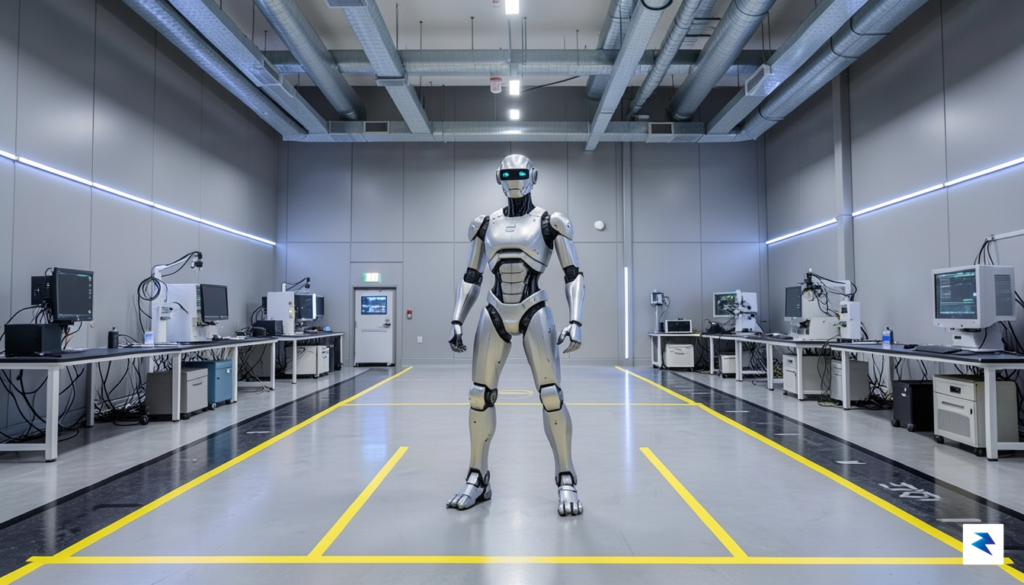
By planting its flag in Fremont, California, Agility Robotics is doing far more than simply opening an office; it is strategically positioning itself at the epicenter of the global robotics and autonomous systems revolution. Choosing a location in Tesla’s literal backyard serves as a bold declaration of intent, signaling that Agility is prepared to compete head-to-head for the same specialized engineering talent that has fueled the Bay Area’s dominance in automation. In this high-stakes environment, the proximity to a dense network of Tier-1 suppliers, veteran robotics engineers, and cutting-edge manufacturing infrastructure provides an undeniable competitive edge. By embedding itself within this ecosystem, Agility can accelerate its production timelines and iterate on its humanoid designs at a velocity that would be difficult to replicate in less-developed technology hubs.
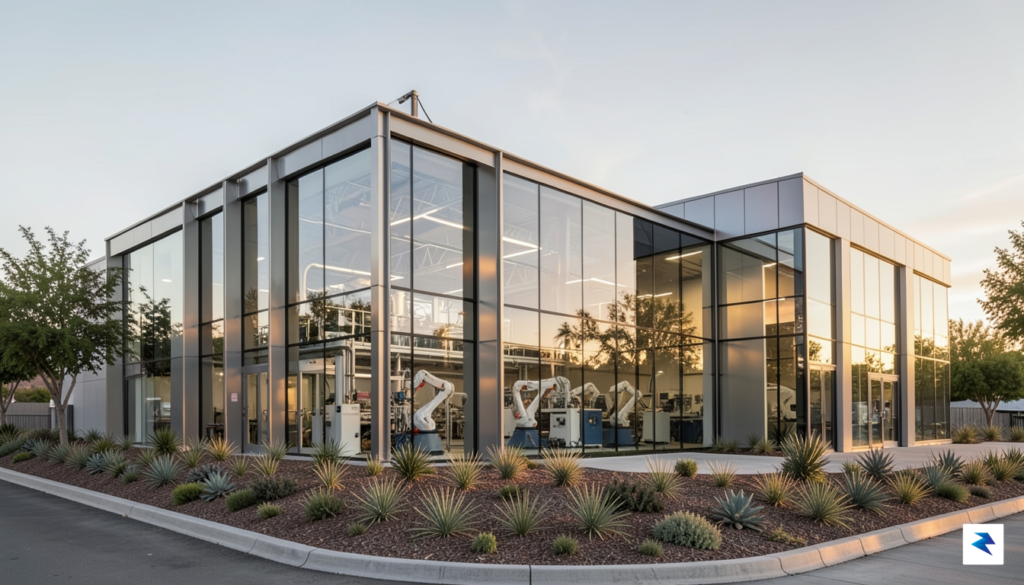
The facility serves a dual purpose: it functions as a localized manufacturing hub and, perhaps more importantly, as a sophisticated training ground for the next generation of humanoid behaviors. Within these walls, Agility’s robots are undergoing rigorous testing cycles designed to refine their ability to navigate complex, real-world logistics environments. This “training center” approach allows engineers to observe, calibrate, and troubleshoot robot movements in real-time, effectively creating a feedback loop that translates theoretical programming into reliable, fluid physical actions. As the company scales its operations, this site will become the primary crucible where Digit—its flagship humanoid—is conditioned to perform tasks with the dexterity and safety required for modern warehouse and factory floors.
“The move to Fremont is not merely a logistical necessity; it is a strategic maneuver to capture the heartbeat of American industrial innovation and align ourselves with the talent pool that understands the future of work.”
Furthermore, the symbolic weight of operating in the shadow of Tesla’s headquarters cannot be overstated. It forces a collision of philosophies in the race to build a viable, general-purpose humanoid robot. While Tesla’s Optimus project has garnered massive public attention, Agility’s presence in Fremont ensures that the company remains at the forefront of the conversation, constantly benchmarking its progress against the industry’s most ambitious players. This proximity fosters a unique environment of “coopetition,” where the pressure to innovate is constant and the bar for success is set by the most aggressive manufacturers in the world. By choosing this location, Agility Robotics is signaling to investors and competitors alike that they are not just participating in the humanoid race—they are here to set the pace.
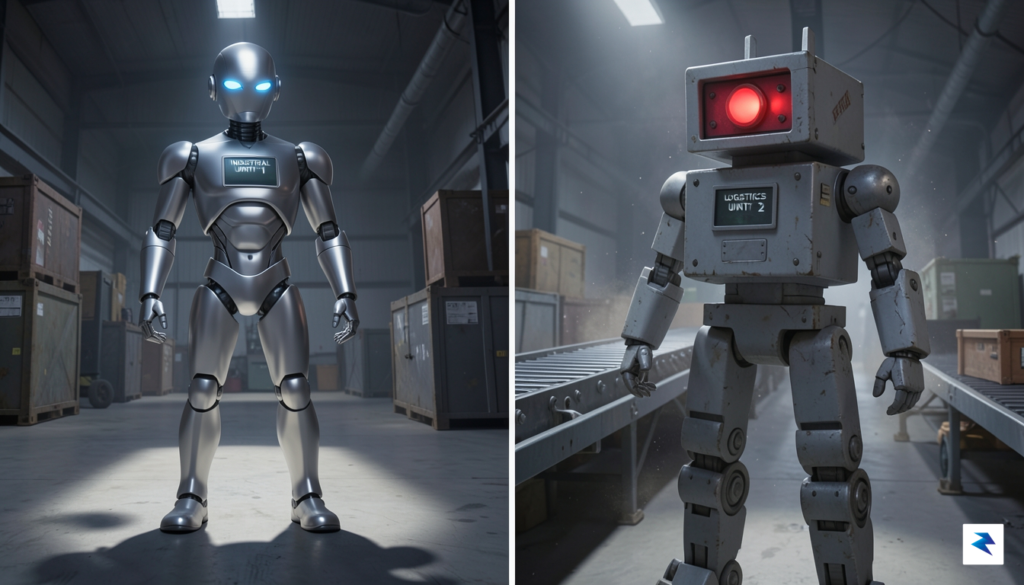
The rivalry between Agility Robotics and Tesla represents a fundamental clash of philosophies in the race toward practical humanoid integration. Agility Robotics has long adhered to a “purpose-built” design methodology, centering its Digit platform on the specific, often monotonous demands of logistics and warehouse automation. By focusing on bipedal mobility designed for structured environments, Agility aims to solve immediate labor shortages with a machine that is specifically engineered for bin-picking, loading, and repetitive material handling. In contrast, Tesla’s Optimus project leverages the company’s massive vertical integration and experience in rapid-scale industrial engineering. Tesla is approaching the humanoid space with the intent of creating a general-purpose assistant, prioritizing the adaptability of artificial intelligence and the sheer volume of production that only a company with Tesla’s automotive manufacturing infrastructure can provide.
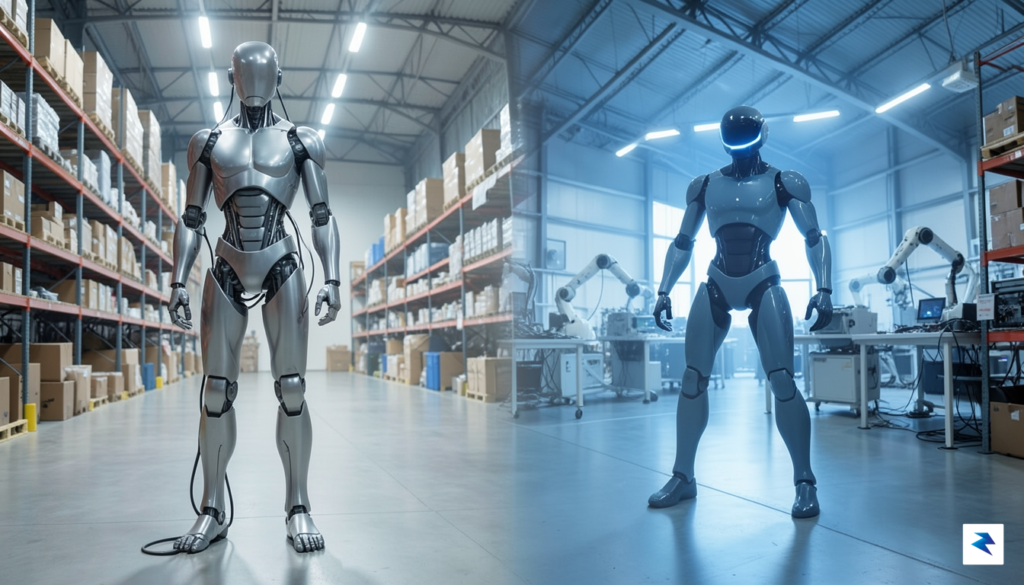
When considering safety and human-robot interaction, the two companies diverge significantly in their operational strategies. Agility Robotics emphasizes a safety-first approach characterized by collaborative design, ensuring that Digit can operate alongside human workers without the need for the heavy cages or rigid safety barriers typically required by industrial robotic arms. Their design prioritizes reliability through a decade of iterative testing, focusing on a “human-centric” form factor that allows for predictable movement in corridors and aisles. Conversely, Tesla’s approach is defined by its reliance on the same neural network architectures that power its Full Self-Driving software. By feeding vast amounts of real-world video data into Optimus, Tesla is betting that a “brain-first” development cycle will allow their robots to learn complex, unstructured tasks more rapidly than machines programmed with traditional kinematics, even if that means a more volatile path to absolute reliability.
The competition isn’t just about who builds a better robot; it is a battle between the depth of specialized industrial robotics expertise and the raw, iterative speed of consumer electronics manufacturing.
Ultimately, the battle for the factory floor will likely be decided by which manufacturer can best solve the “last mile” of automation—the ability to handle the unpredictable nature of human workspaces. While Agility Robotics currently holds an advantage in proven, hardware-specific reliability, Tesla’s ability to iterate at scale presents a unique challenge to the entire industry. As these two entities continue to expand their presence in the manufacturing heartlands of the United States, the winner will likely be the one that most effectively bridges the gap between sophisticated, high-level AI cognition and the physical durability required to endure thousands of hours of continuous, heavy-duty operation.
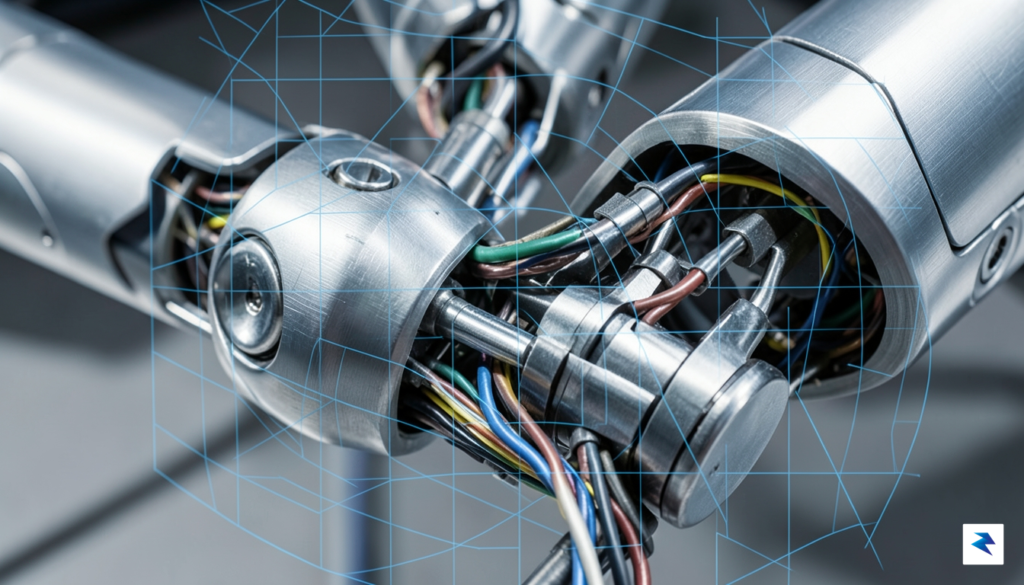
Transitioning humanoid robots from the sterile, controlled environment of a laboratory to the chaotic reality of a bustling warehouse floor is an engineering feat of immense proportions. Unlike traditional industrial robots that perform repetitive, fixed-path tasks, humanoids like Agility’s Digit must possess a sophisticated level of spatial awareness to navigate cluttered, human-centric workspaces. They are required to interpret dynamic obstacles—such as shifting pallets, stray cables, and moving personnel—in real-time. Achieving this demands a complex fusion of LiDAR, depth-sensing cameras, and onboard processors that can synthesize visual data into a navigable map without the luxury of pre-programmed spatial constraints.
Beyond navigation, the most significant bottleneck for widespread deployment remains power management and operational endurance. For a humanoid to be truly valuable to a logistics firm, it must be capable of sustaining a full eight-hour shift without requiring constant recharging, which currently necessitates a delicate balance between battery density and locomotive efficiency. Engineers are constantly refining the robot’s gait and motor control algorithms to minimize energy expenditure, aiming to replicate the biological efficiency of human movement. If a robot spends too much of its battery life simply maintaining balance while stationary or traversing uneven surfaces, its utility as a productive workforce member diminishes rapidly.
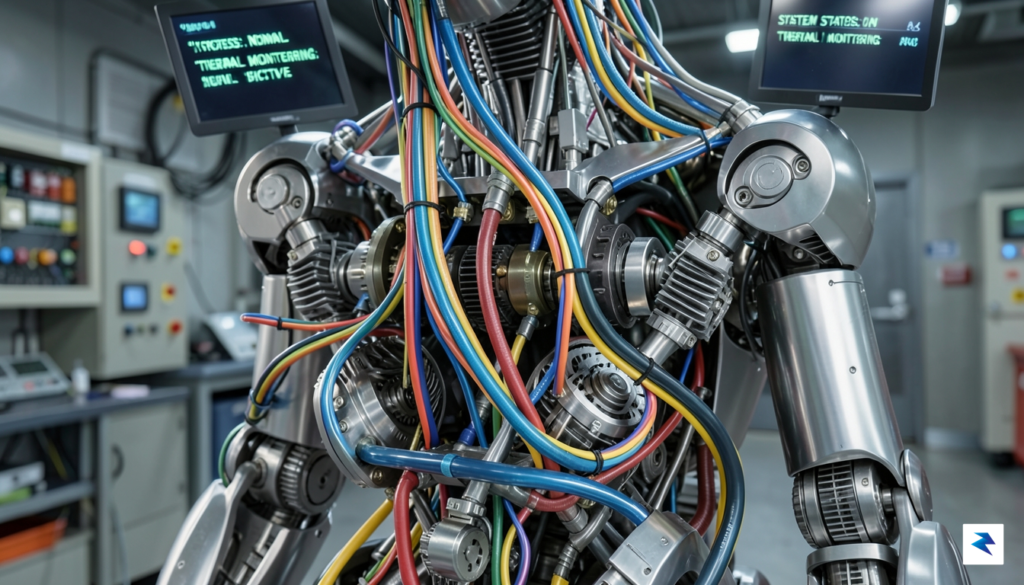
To overcome these hurdles, Agility Robotics relies heavily on the “simulation-to-reality” pipeline, a methodology that allows them to train AI models in a virtual environment before deploying them to physical hardware. By creating high-fidelity digital twins of factory floors, developers can subject their robots to millions of simulated scenarios, including rare edge cases that might take years to encounter in the real world. This training approach allows the robot to learn how to react to unexpected physical contact or sudden changes in floor surface friction without the risk of damaging expensive equipment. The goal is to bridge the “reality gap”—the discrepancy between simulated data and physical performance—so that when the robot steps onto the concrete of a real warehouse, it already possesses the reflexive intelligence required to navigate safely among people.
The true test of a humanoid is not just its ability to walk, but its ability to adapt its learned behaviors to the inherent entropy of a workspace designed for humans, not machines.
Ultimately, the software adaptability of these robots is what will define the winner of this industrial arms race. As Agility Robotics expands its footprint, the company must ensure that its robots can quickly learn new tasks through imitation learning or reinforcement learning, rather than requiring a complete software rewrite for every new facility. By prioritizing a modular software architecture that can ingest new sensor data and translate it into fluid, safe motion, the team is working to turn the humanoid from a high-tech experiment into a reliable, scalable tool for the modern supply chain.
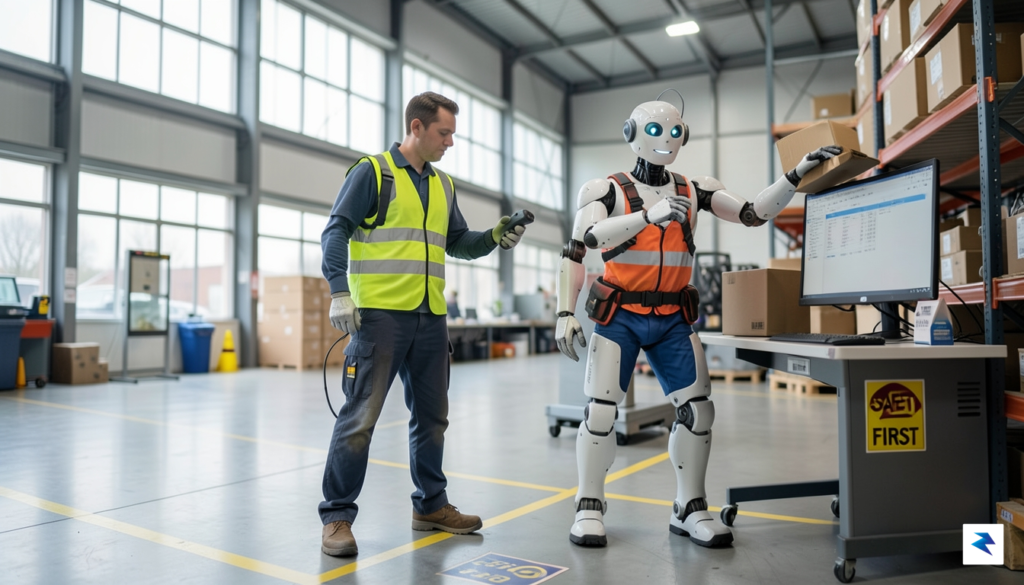
The arrival of humanoid robots in industrial environments often triggers an immediate societal anxiety regarding job displacement, yet the primary objective behind this technological shift is fundamentally one of augmentation rather than total replacement. By shifting the focus toward the “three Ds”—dull, dirty, and dangerous tasks—companies like Agility Robotics are positioning their machines to act as force multipliers for human workers. When a humanoid robot takes over the repetitive strain of lifting heavy components or navigating hazardous, high-heat environments, it effectively shields human employees from physical degradation and chronic injury. Consequently, this collaborative model, often referred to as “cobotics,” allows human workers to pivot toward roles that require nuanced problem-solving, emotional intelligence, and complex decision-making—skills that remain firmly beyond the reach of current artificial intelligence.
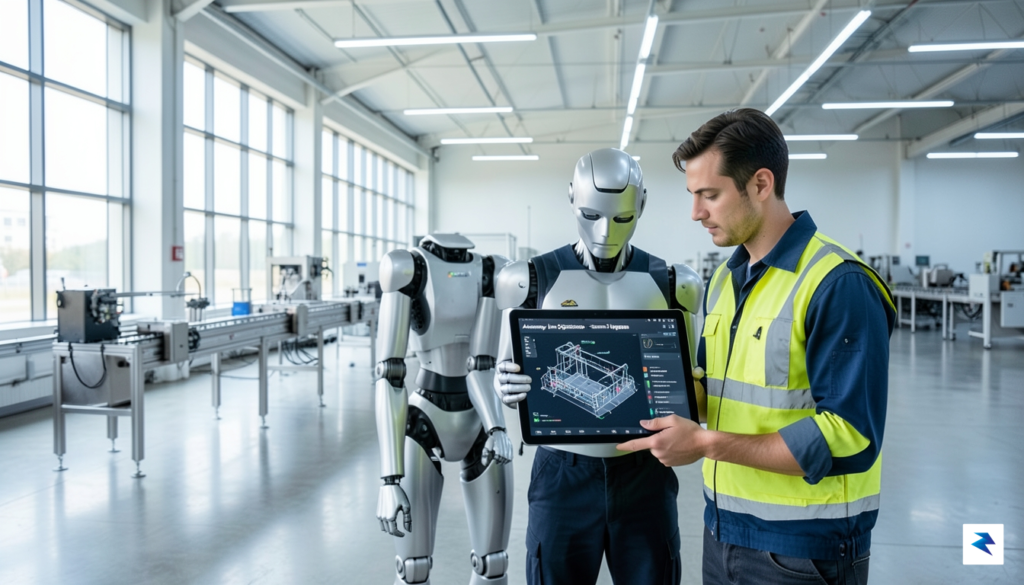
From an economic perspective, the integration of humanoid labor is poised to redefine manufacturing productivity by closing the gap in labor shortages. As the global workforce faces aging populations and a shrinking pool of skilled manual laborers, these robots provide a scalable solution to maintain supply chain continuity. By standardizing the physical workload, businesses can achieve a higher degree of operational consistency, which reduces waste and lowers the cost of goods produced in increasingly volatile market conditions. Furthermore, the presence of these machines in shared workspaces necessitates a new standard of safety, where advanced sensors and rapid-response algorithms ensure that robots can perceive and react to human movement in real-time, thereby preventing accidents before they occur.
The true promise of humanoid robotics lies not in the erasure of human effort, but in the liberation of human potential from the constraints of repetitive, physically taxing labor.
Looking toward the long-term outlook, the transition to an AI-driven manufacturing landscape will inevitably require a significant investment in workforce reskilling. As the nature of “work” shifts from purely manual execution to the supervision and maintenance of robotic fleets, the demand for technicians, engineers, and systems programmers will likely skyrocket. This evolution suggests that the future of the factory floor will be defined by a symbiotic relationship between humans and machines, where the humanoid form factor serves as a practical bridge to navigate environments originally designed for human bodies. By maintaining this human-centric design, companies avoid the massive capital expenditure of redesigning entire facilities, ensuring that the integration of automation is both economically viable and socially sustainable for the modern industrial age.
You must be logged in to post a comment.