
Xi Jinping’s AI Vision: Analyzing China’s Pivot Toward Global Collaboration
China’s Strategic Pivot: Interpreting the Call for AI Openness For years, Beijing’s technological agenda was often characterized by a push for…
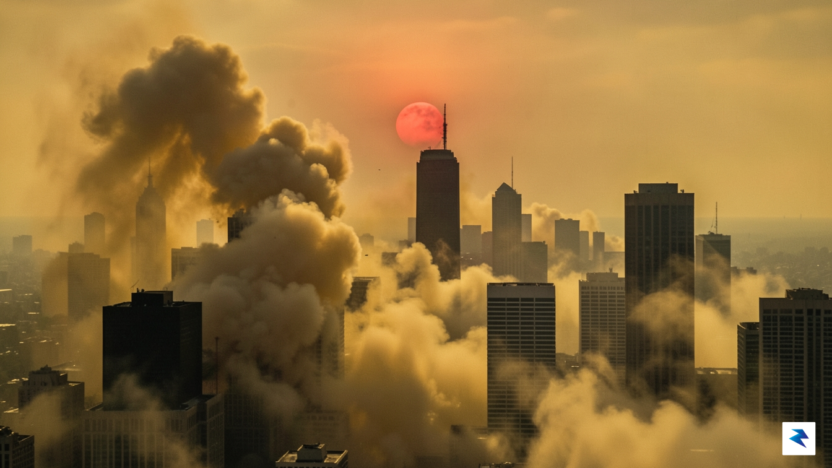
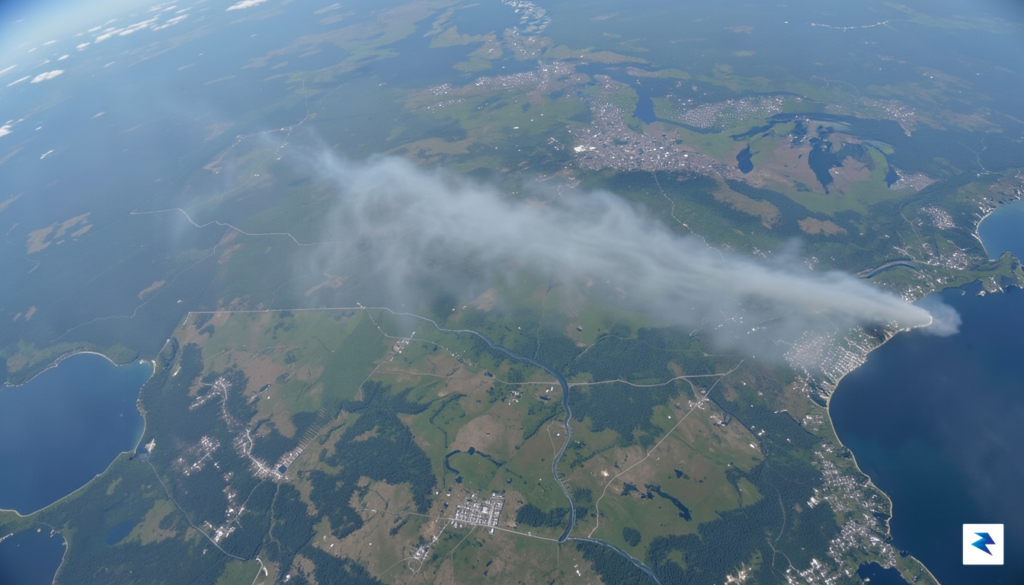
The transformation of our skies into an unsettling, sepia-toned haze is not merely a localized weather event; it is the physical manifestation of a shifting global climate. What we are witnessing is the process of long-range smoke transport, a phenomenon that occurs when massive quantities of particulate matter are lofted into the upper atmosphere and caught in high-altitude wind currents. These currents, particularly the jet stream, act as a massive atmospheric conveyor belt. When stable, high-pressure systems—often referred to as “blocking patterns”—become lodged over certain regions, they trap these pollutants and funnel them thousands of miles away from the initial blaze, depositing fine particulate matter (PM2.5) into the lungs of residents living in cities that are otherwise far removed from the fire lines.
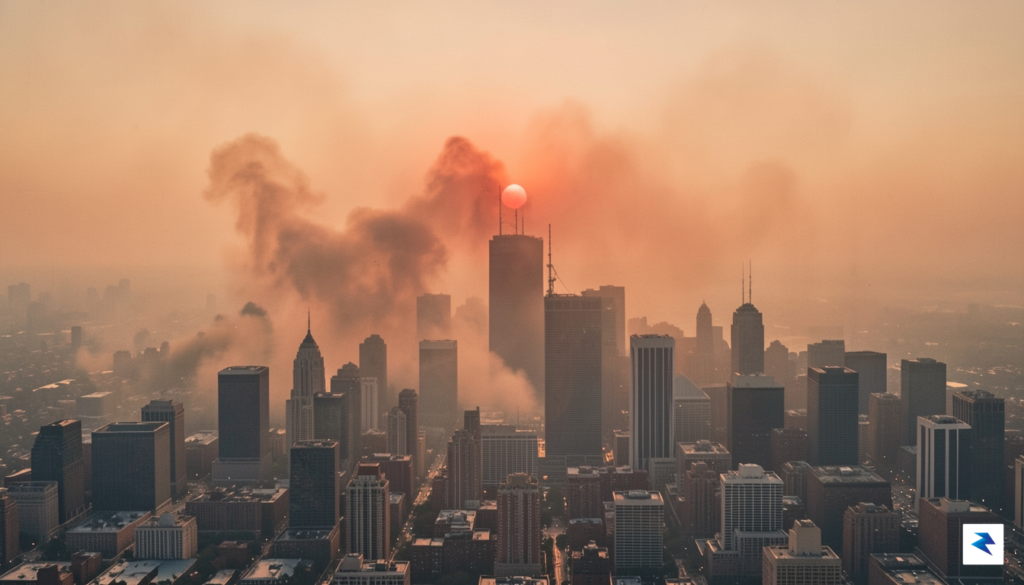
The escalation of this crisis is deeply rooted in the changing dynamics of the Canadian boreal forest, an ecosystem that is currently experiencing unprecedented environmental stress. Climate change is fueling a cycle of hotter, drier summers that effectively turn these vast forests into tinderboxes. As these fires grow in intensity, they generate enough thermal energy to create their own weather systems, known as pyrocumulonimbus clouds. These towering plumes can inject smoke high into the troposphere, bypassing surface-level winds and allowing the smoke to travel across entire continents with minimal dispersion. Consequently, an area that once acted as a global carbon sink is now frequently becoming a significant source of air pollution that disregards national and state borders.
The reach of modern wildfires has fundamentally altered our understanding of air quality, turning a regional forest management challenge into a shared, continental public health concern.
For those living in urban centers from the Midwest to the Eastern Seaboard, the impact is both immediate and cumulative. Unlike gaseous pollutants, the fine particulate matter carried in wildfire smoke is small enough to penetrate deep into the human respiratory system and enter the bloodstream, posing severe risks to vulnerable populations even hundreds of miles from the active burn zones. As these meteorological patterns become more frequent, the “new normal” for urban environments involves regular monitoring of air quality indices that were once reserved for areas adjacent to active industrial sites. This interconnectedness serves as a stark reminder that our atmosphere is a singular, fragile system where the consequences of extreme ecological shifts in the north are felt acutely in the heart of our most populated concrete jungles.
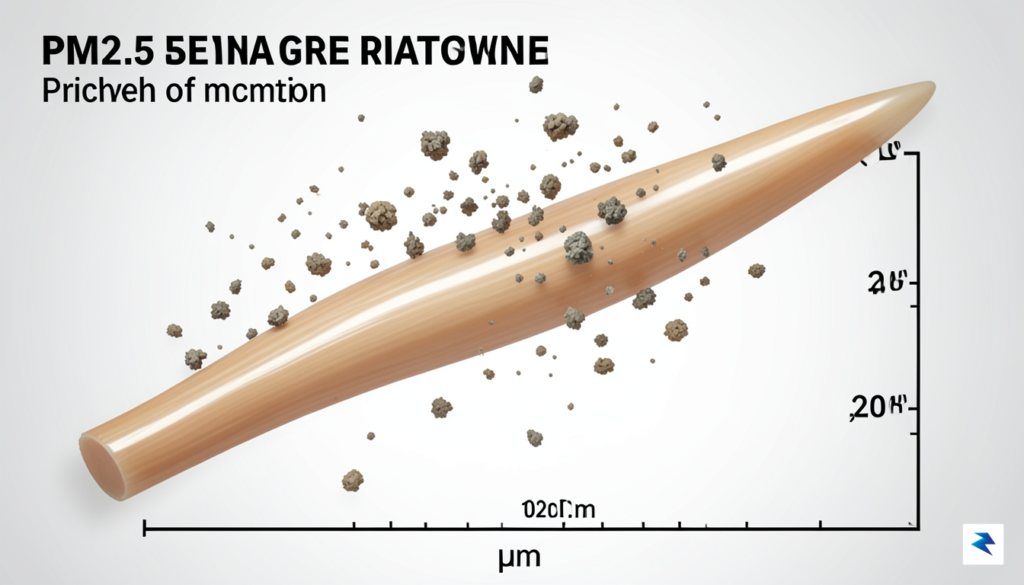
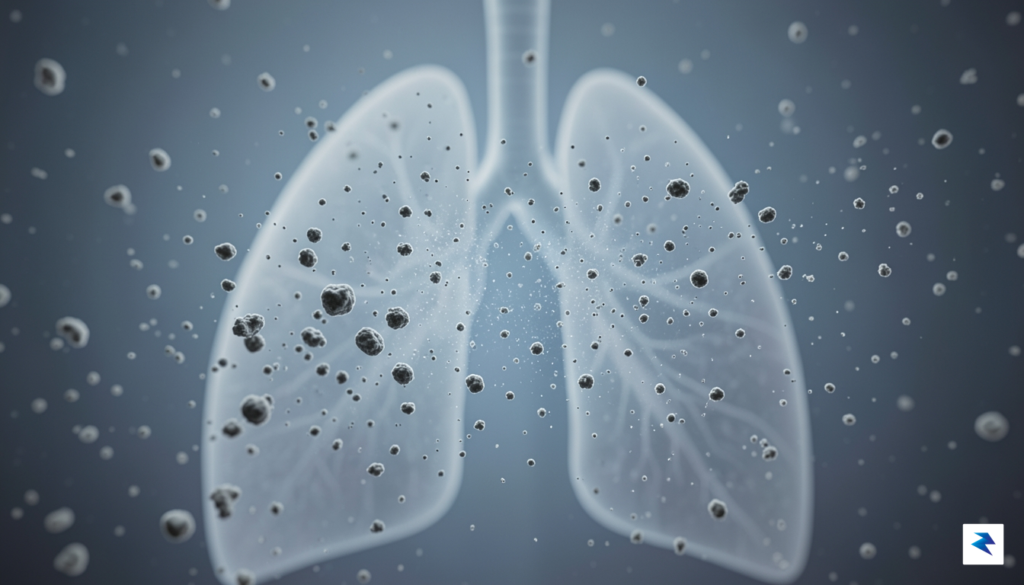
When wildfire smoke descends upon a city, the most dangerous component is often the one we cannot see. While the hazy, amber-tinted skyline serves as a visual warning, the true threat lies in fine particulate matter known as PM2.5. These particles are less than 2.5 micrometers in diameter—so minuscule that thousands of them could fit on the head of a pin. Because of their microscopic size, they easily bypass the body’s natural defenses, such as nose hairs and mucus, traveling deep into the lungs and even entering the bloodstream. This infiltration can trigger significant health issues, ranging from aggravated asthma and bronchitis to more serious cardiovascular complications, making it vital for residents to understand the air they are breathing.
To navigate these hazardous conditions, we rely on the Air Quality Index (AQI), a standardized system that tracks pollutant levels on a scale from 0 to 500. A lower AQI value indicates cleaner air, while higher numbers correlate with increased health risks. The scale is segmented into color-coded categories: “Good” (0–50) poses little risk, while “Moderate” (51–100) may affect unusually sensitive individuals. Once the index climbs into the “Unhealthy for Sensitive Groups” (101–150) or “Unhealthy” (151–200) ranges, the general public may begin to experience respiratory distress. During extreme smoke events, levels can reach “Very Unhealthy” (201–300) or “Hazardous” (301+), conditions that warrant immediate lifestyle changes, such as staying indoors, sealing windows, and utilizing high-efficiency air purifiers.
The Air Quality Index is more than just a number; it is a critical tool for risk assessment. When the AQI enters the orange or red zones, it is time to prioritize indoor activities and limit physical exertion, regardless of how you feel in the moment.
While many people turn to localized, low-cost sensors for real-time updates, it is important to recognize their limitations. Personal or neighborhood-level monitors are excellent for identifying hyper-local trends, but they often lack the rigorous calibration and maintenance of government-run stations. For the most reliable and actionable data, residents should prioritize information from AirNow.gov, which aggregates data from official monitoring stations to provide a scientifically verified outlook for your specific region. By checking these verified resources daily, you can make informed decisions about when to commute, when to exercise outdoors, and when to protect your indoor environment, ensuring that you remain safe even as smoke travels hundreds of miles from the source.
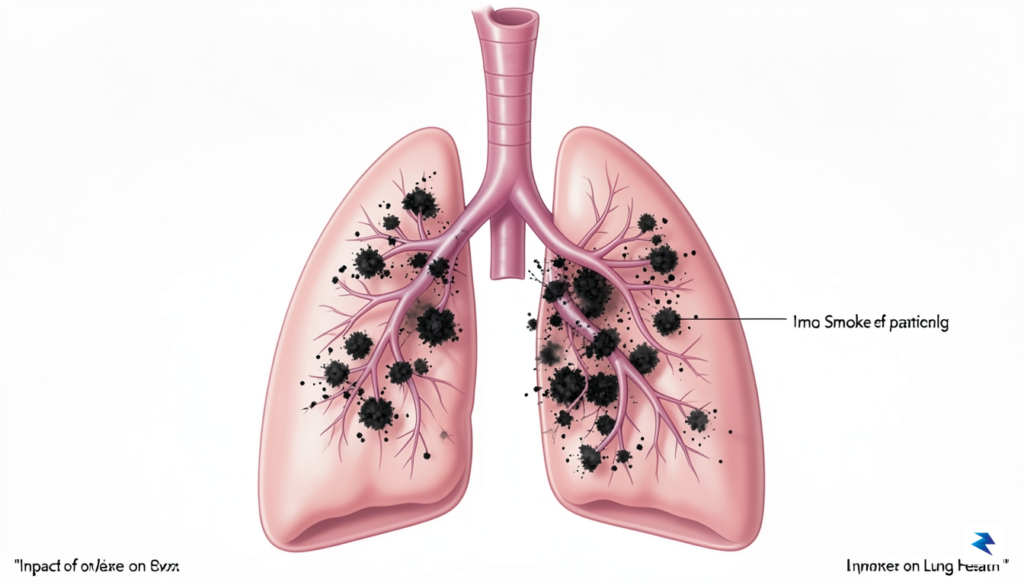
While the hazy, sepia-toned skies covering cities from Chicago to Washington, D.C. may seem like a surreal backdrop for photographs, the reality of breathing that air is far more sinister. Beyond the immediate, nagging discomfort of stinging eyes, persistent coughing, and a scratchy throat, wildfire smoke consists of a complex cocktail of fine particulate matter known as PM2.5. These microscopic particles are small enough to bypass the body’s natural respiratory defenses, traveling deep into the lungs and even entering the bloodstream. Once these pollutants infiltrate the system, they trigger a cascade of systemic inflammation, placing immense stress on the cardiovascular system and potentially leading to acute events such as arrhythmias or myocardial infarctions, even in individuals who previously considered themselves healthy.
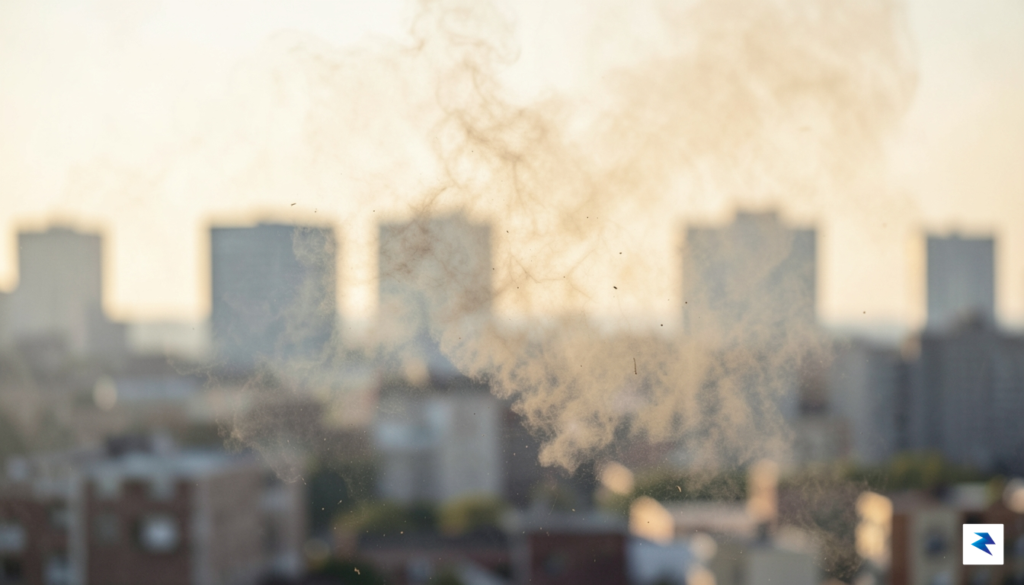
The physiological risks are profoundly magnified for vulnerable demographics, transforming a hazy afternoon into a bona fide medical crisis. Children, whose lungs are still in critical stages of development, are particularly susceptible to the long-term impacts of impaired respiratory function. Similarly, the elderly and those living with pre-existing conditions—such as chronic obstructive pulmonary disease (COPD), asthma, or congestive heart failure—face a significantly higher likelihood of hospitalizations. For these populations, short-term exposure is not merely an inconvenience; it acts as a catalyst for severe exacerbations that can rapidly escalate into life-threatening emergencies. The body’s inability to clear these toxins efficiently during prolonged smoke events creates a cumulative toxic load that can linger long after the skies have cleared.
The danger of PM2.5 lies in its invisibility; because these particles are roughly 30 times smaller than the width of a human hair, they penetrate deep into the body’s most sensitive tissues, causing oxidative stress and systemic inflammation.
Many residents mistakenly assume that remaining indoors provides a complete shield against poor air quality, but this is only true if the building envelope is sufficiently sealed. In older homes or buildings with poor weather stripping and outdated ventilation systems, outdoor air infiltrates with ease, bringing the wildfire pollutants inside. Simply closing the windows is often insufficient, as the fine particulates can permeate through structural gaps and HVAC systems that lack high-efficiency particulate air (HEPA) filtration. Consequently, residents must remain vigilant about indoor air quality management, utilizing portable air purifiers and avoiding activities that generate additional indoor pollutants, such as frying foods or burning candles, which only serve to compound the respiratory burden during these periods of environmental distress.
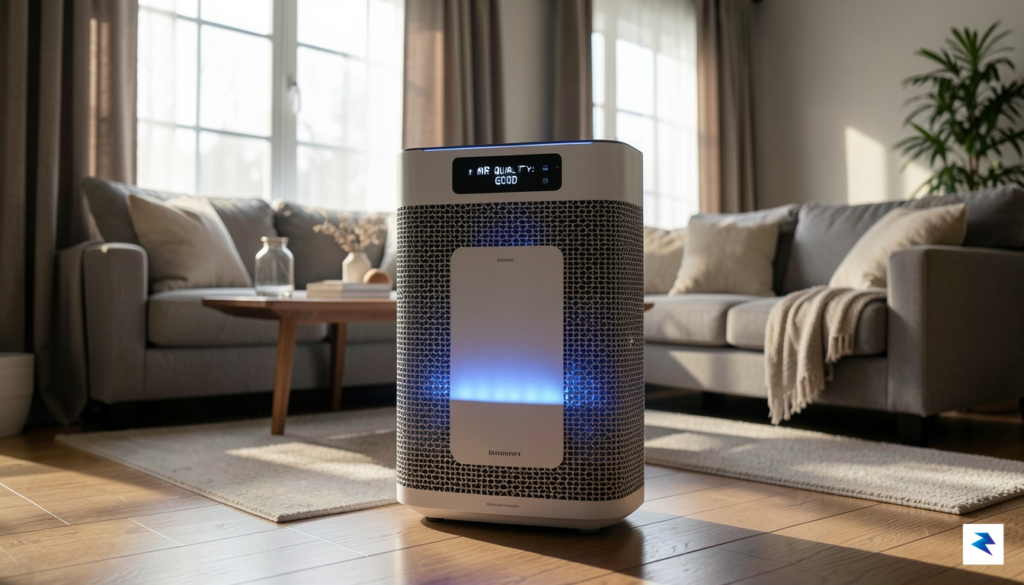
When the air quality index (AQI) spikes due to drifting wildfire smoke, your residence should ideally serve as a pressurized, clean-air sanctuary. The primary challenge during these events is the infiltration of fine particulate matter, specifically PM2.5, which is small enough to bypass standard window screens and seep through door gaps. To create an effective barrier, homeowners should adopt a “seal and filter” strategy. Start by closing all windows and doors tightly, and use weather stripping or damp towels to block gaps under exterior doors where smoke might enter. By minimizing air exchange with the outdoors, you prevent the constant influx of pollutants from compromising your indoor air quality.
Once your living space is sealed, the focus must shift to scrubbing the air already inside. High-Efficiency Particulate Air (HEPA) purifiers are the gold standard for this task; ensure that any unit you select is appropriately sized for your room’s square footage to ensure adequate air changes per hour. If you are operating a central HVAC system, switch it to “recirculate” mode rather than “fresh air” intake, which would otherwise pull smoky air directly into your ductwork. Furthermore, upgrading your HVAC filter to one with a MERV 13 rating or higher can significantly improve its ability to capture wildfire smoke particles as air cycles through the system.
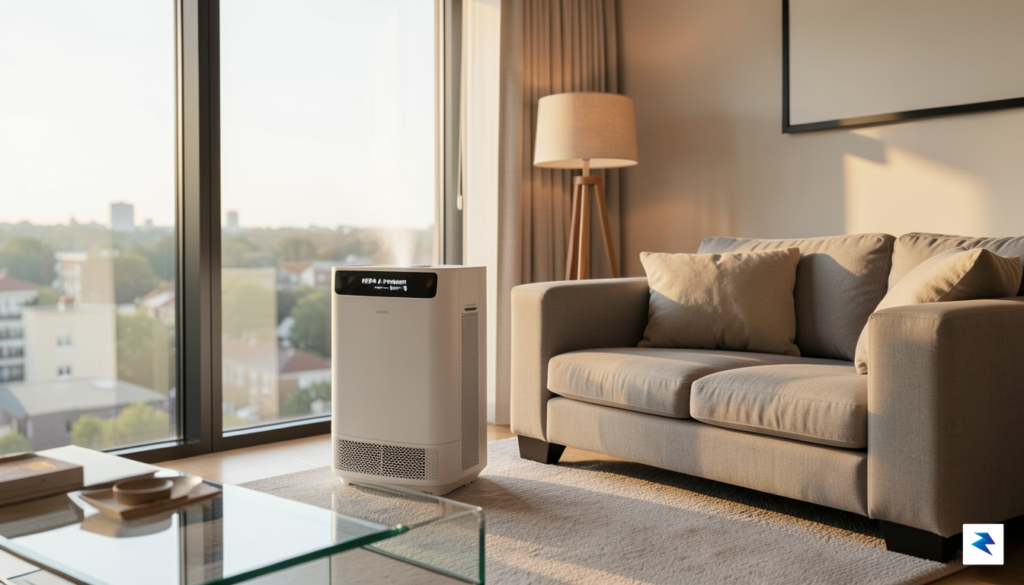
For those seeking an effective, budget-friendly alternative to commercial units, the Corsi-Rosenthal box is a proven solution. By taping four MERV 13 filters to a box fan in a cube configuration, you can create a high-capacity air cleaner that rivals the performance of expensive standalone appliances.
Building a Corsi-Rosenthal box is a straightforward process that requires only a 20-inch box fan, four high-quality furnace filters, and heavy-duty duct tape. By arranging the filters into a box shape with the fan placed on top, you increase the surface area available for filtration, which reduces the strain on the fan motor while maximizing airflow. This DIY approach not only lowers the cost of maintaining clean indoor air but also provides a robust way to mitigate smoke exposure during extended events.
Despite your best efforts to seal your home, there may be instances where stepping outside is unavoidable. During periods of hazardous air quality, simple cloth masks or surgical masks offer little to no protection against the microscopic particulates found in wildfire smoke. If you must venture outdoors, it is essential to wear a NIOSH-approved N95 or P100 respirator. These masks are specifically designed to filter out at least 95% of airborne particles, providing a critical layer of defense for your respiratory system. Always ensure a tight seal around the bridge of your nose and chin, as even minor gaps can allow significant amounts of smoke to bypass the filtration material.
The haze that has settled over major metropolitan corridors, from the shores of Lake Michigan to the steps of the Capitol, is no longer an anomaly; it is a preview of a fire-prone century. As global temperatures continue to climb, we are witnessing an unprecedented extension of the fire season, where drier winters and hotter, parched summers transform vast swaths of forest into tinderboxes. This systemic shift means that the pollutants generated in remote wilderness areas are increasingly finding their way into the lungs of millions of city dwellers thousands of miles away. Unless we address the root causes of this climatic instability, the episodic intrusion of wildfire smoke into our urban centers will transition from a seasonal inconvenience to a persistent environmental reality.
Adapting to this new era requires a dual-track strategy that balances long-term mitigation with immediate, pragmatic resilience. On the policy front, we must move beyond reactive fire suppression and toward comprehensive forest management. This involves scaling up prescribed burning programs and mechanical thinning to reduce the fuel loads that allow modern wildfires to reach such catastrophic, smoke-producing intensities. Furthermore, our urban infrastructure is woefully under-prepared for this reality. We must integrate air quality considerations into the heart of city planning, ensuring that public buildings serve as “clean air shelters” equipped with advanced HEPA filtration systems. Protecting our most vulnerable populations—particularly the elderly and those with pre-existing respiratory conditions—must become a cornerstone of municipal emergency management.
The transition to a fire-prone future is not merely an environmental challenge, but a public health crisis that demands a fundamental redesign of how we live, build, and interact with the natural world.
Ultimately, the burden of this changing climate cannot rest solely on individual preparedness, though the necessity of home air monitoring and the use of high-quality respirators during peak smoke events are becoming essential survival tools. True change will only emerge from a collective commitment to aggressive climate advocacy. By demanding systemic shifts in energy policy and land use, we can begin to dial back the environmental stressors that fuel these mega-fires. We are currently at a crossroads where the choice is between settling for a hazy, restricted existence or investing in the structural and ecological changes required to restore the clarity of our skies. The smoke-filled horizon is a signal that the time for incremental adjustments has passed; we must now embrace a strategy that treats air quality as the vital, non-negotiable public resource that it is.
You must be logged in to post a comment.