
The Best New Camping Gear of 2026: A Comprehensive Buyer’s Guide
The Evolution of 2026 Camping Gear The outdoor industry has undergone a radical transformation over the past few years, moving away from the…


For decades, the American automotive landscape has been defined by the principle that bigger is better. However, a significant shift is currently underway as the limitations of massive SUVs and oversized pickup trucks in dense metropolitan areas become impossible to ignore. We are witnessing a genuine small car renaissance, where the industry is pivoting away from the suburban-centric tank mentality toward a more nimble, efficient approach to personal transit. This move isn’t just a fleeting aesthetic choice; it is a pragmatic reaction to the escalating logistical nightmare of navigating gridlocked streets and the ever-shrinking availability of urban parking.
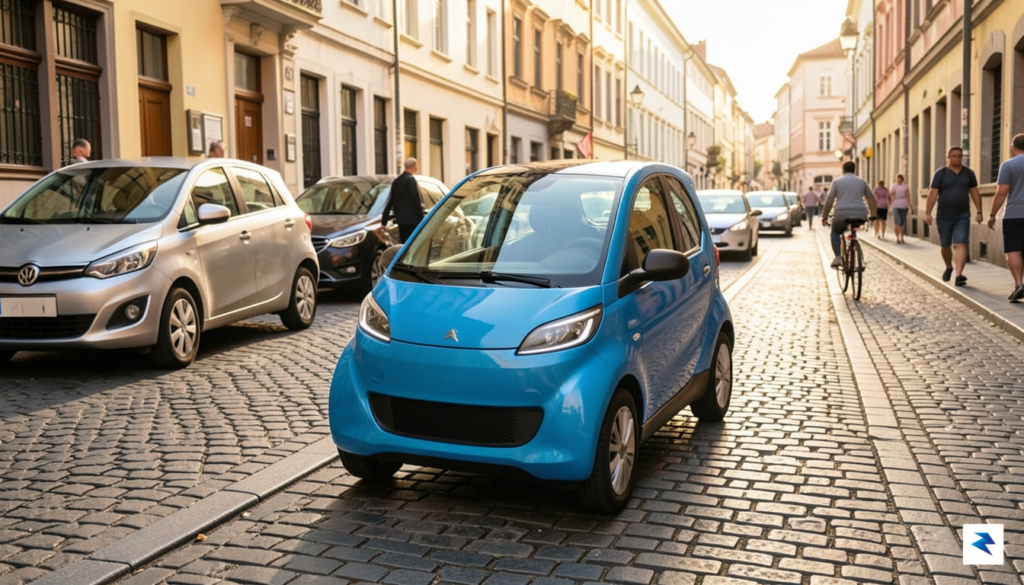
The rise of micro-mobility is fueled by a perfect storm of environmental awareness and sheer urban necessity. As city centers grow more congested, the traditional multi-ton vehicle has transformed from a symbol of freedom into a burden of efficiency. Consumers are increasingly questioning why a single commuter requires a vehicle capable of hauling massive loads when their daily reality involves navigating tight corners, one-way streets, and exorbitant parking fees. By shrinking the vehicle footprint, micro-EVs like the Fiat Topolino or various upcoming niche utility trucks offer a liberating alternative that prioritizes agility over raw power, allowing drivers to reclaim time previously lost to searching for elusive parking spots that a standard sedan simply cannot fit into.
The true luxury of the future may not be the leather-lined interior of a massive SUV, but the ability to effortlessly slip into a curbside space that everyone else has to drive past.
Furthermore, this shift toward smaller, electrified platforms is bridging the gap between historical “kei car” culture and modern high-tech convenience. While countries like Japan have long embraced the efficiency of compact dimensions, the American market is finally seeing the value in these niche designs as they integrate smart features—such as autonomous parking and advanced sensor arrays—that make them feel more like high-end gadgets than basic commuters. This convergence of form and function suggests that the next generation of city driving will not be defined by the size of one’s engine, but by the intelligence of the vehicle’s design. As manufacturers continue to refine these small-footprint solutions, they are proving that for the modern urbanite, a smaller vehicle often leads to a significantly larger sense of freedom.
At a time when the automotive landscape is dominated by aerodynamic, wind-tunnel-sculpted “blobs”—vehicles that prioritize efficiency through smooth, indistinguishable curves—the Chip Motors EV arrives as a rebellious breath of fresh air. Its silhouette is unapologetically boxy, borrowing the rugged, utilitarian DNA of classic off-roaders and shrinking it down into a footprint specifically engineered for the chaos of modern metropolitan living. While most electric vehicles in this segment attempt to hide their small stature behind futuristic, alien-like lighting or seamless glass panels, this vehicle leans into its toy-like charisma. It manages to look like a trail-ready companion that somehow took a wrong turn into a downtown high-rise district, effectively bridging the psychological gap between the desire for adventurous aesthetics and the reality of a tight-fitting parking space.
Beyond its striking exterior, the genius of the design lies in the deliberate optimization of interior volume. By eschewing the long hoods and sloping rooflines of traditional sedans, the engineers have maximized the wheelbase to provide a surprisingly airy cabin that defies the vehicle’s diminutive external dimensions. This isn’t just about utility; it is about reclaiming the urban experience for the driver. The targeted demographic—young, tech-forward city dwellers who value sustainable transit but refuse to settle for boring appliances—will find that the interior layout prioritizes modularity and visibility. Large, upright windows and a commanding, box-like stance offer a panoramic view of the road, making the chore of navigating dense traffic feel less like a claustrophobic struggle and more like a tactical, nimble endeavor.
The true innovation of the Chip Motors EV isn’t just that it is small, but that it utilizes its compact frame to inject personality back into the daily commute, proving that urban mobility doesn’t have to be a compromise on style.
What makes this vehicle truly stand out is how it balances this bold design language with the genuine practicalities of city life. It is not merely a styling exercise; the rugged plastic cladding, high-mounted light clusters, and short overhangs are functional decisions that protect the vehicle from the inevitable scrapes of urban parking and tight cornering. By blending the “cool” factor of a rugged adventure vehicle with the “smart” factor of a city-friendly electric commuter, it manages to avoid the trap of being a novelty item that loses its luster after a week. Instead, it invites the driver to look at the city through a new lens, where the tightest gaps in traffic become opportunities rather than obstacles, and where the vehicle’s self-parking capabilities act as a final, seamless integration of high-tech utility into a charmingly retro-modern package.
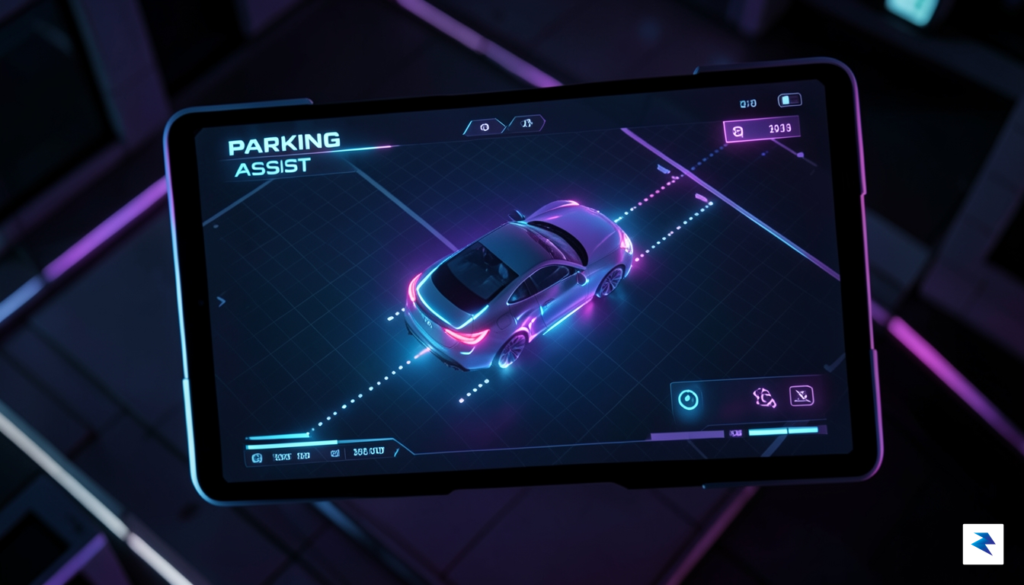
At the heart of the Chip Motors EV’s appeal is a sophisticated suite of autonomous navigation tools that turn the daunting task of urban parking into a seamless, hands-free experience. The system relies on a dense network of ultrasonic sensors, high-resolution cameras, and advanced LIDAR integration to map the vehicle’s immediate surroundings in real time. By offloading the mechanical stress of maneuvering into cramped, multi-vehicle environments, the car’s onboard software calculates the optimal path, steering angle, and throttle input required to slide into spaces that would intimidate even the most experienced parallel parker. Drivers can activate this feature via a dedicated smartphone application, effectively turning their device into a remote control that governs the car’s low-speed movements from the safety of the sidewalk.
Safety remains the paramount concern for any autonomous system, and this micro-EV employs a rigorous multi-layered protocol to prevent accidents. The vehicle is programmed to execute “fail-safe” stops if any object, pedestrian, or animal enters its proximity sensors, ensuring that the car remains stationary until the path is entirely clear. Beyond simple obstacle detection, the software continuously verifies the integrity of its sensor data; if the car senses a discrepancy between its camera feed and ultrasonic pings, it immediately halts operation. This creates a redundant loop that mitigates the risks typically associated with remote-operated machinery, allowing owners to trust the system during the frantic morning commute or when squeezing into a tight spot at a crowded grocery store.
The true genius of this technology lies in its ability to turn a micro-car from a simple vehicle into a high-tech tool, effectively solving the “last mile” parking headache that plagues city drivers.
Implementing this technology on a micro-EV is significantly more efficient than adapting it for traditional passenger cars, primarily due to the physical constraints of the vehicle itself. Because these electric cars are lighter and have a much smaller turning radius, the software does not need to account for the heavy inertia and massive blind spots inherent in larger SUVs or trucks. The reduced weight allows for more precise, low-torque motor control, which makes micro-adjustments during a parking maneuver feel smooth rather than jerky. Consequently, these smaller platforms serve as the ideal sandbox for autonomous parking, demonstrating that the future of city transit isn’t necessarily about bigger machines, but rather about smarter, more agile technology that works in harmony with the congested infrastructure of modern American urban centers.
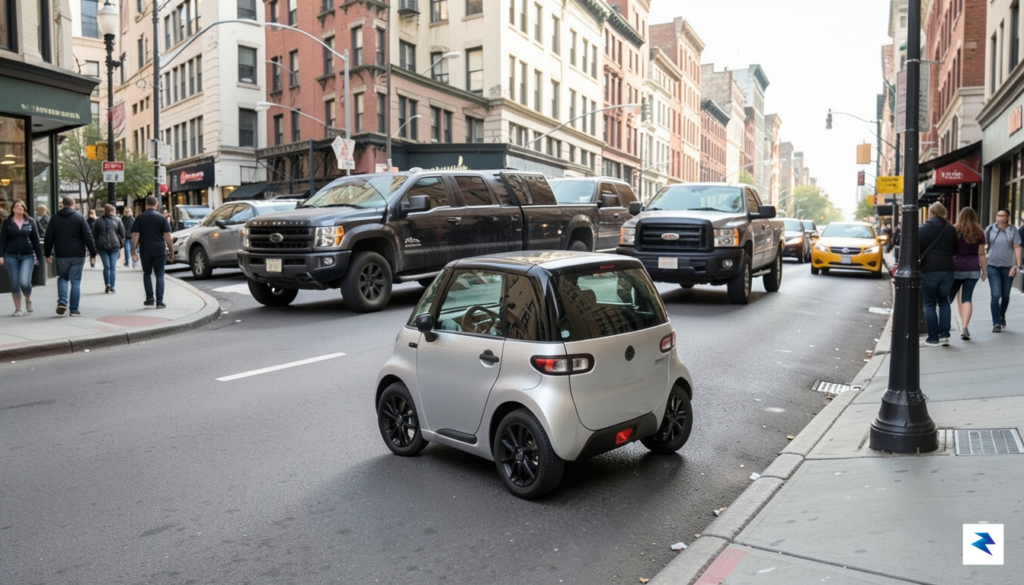
While these pint-sized, Jeep-inspired EVs are turning heads on European boulevards, they face a formidable gauntlet when attempting to integrate into the American automotive landscape. The primary friction point lies in federal classification; most of these compact vehicles fall under the Low-Speed Vehicle (LSV) designation, which strictly limits their operation to roads with speed limits of 35 mph or less. This legal tether effectively bans them from the vast network of arterial roads and interstate highways that define the U.S. transit system. Furthermore, American safety regulations—governed by the National Highway Traffic Safety Administration (NHTSA)—are built around the assumption that vehicles must survive high-speed impacts with heavy machinery. Because these micro-EVs prioritize agility and urban efficiency over the structural mass required to withstand a collision with a multi-ton pickup truck, they struggle to meet the stringent crash-test standards required for full-speed highway certification.
The disparity in physical scale presents an even more visceral challenge. American road infrastructure, from oversized parking stalls to multi-lane highways designed for high-speed throughput, is fundamentally optimized for the massive, heavy-duty vehicles that dominate current sales charts. Integrating a vehicle that weighs a fraction of a standard sedan into a traffic flow where the average weight of a passenger vehicle continues to climb is a recipe for anxiety among potential adopters. Even if these micro-EVs were granted broad street access, the psychological barrier of navigating a “fortress on wheels” environment remains significant. Drivers of these tiny machines would be forced to contend with massive blind spots created by neighboring oversized SUVs, making the compact dimensions that make them so convenient for parking a potential liability in heavy, high-speed traffic.
True adoption of micro-mobility solutions in the U.S. may require a fundamental shift in how we define urban transit, potentially necessitating the creation of new “micro-lanes” or dedicated zones where these vehicles can operate safely away from high-speed, heavy-vehicle traffic.
Legislative reform is likely the only path toward widespread adoption, yet it remains a slow-moving process. Policymakers must decide whether to create a new vehicle class that allows for limited highway use without forcing these machines to carry the heavy, expensive safety equipment of a standard car, or whether to encourage the redesign of city centers to better support small-footprint transport. Without a concerted effort to adjust zoning, parking regulations, and lane-use laws to favor smaller, more efficient forms of travel, these quirky EVs will likely remain relegated to niche suburban “golf cart” communities rather than becoming the transformative, self-parking urban solutions they were designed to be. Ultimately, the question is not just whether these cars can park themselves, but whether our infrastructure is flexible enough to grant them a seat at the table.

For decades, the American automotive landscape has been defined by the mantra that bigger is invariably better. From the sprawling footprint of full-sized SUVs to the dominant presence of heavy-duty pickups, our roads have been engineered—both physically and culturally—to accommodate large-scale vehicles. Introducing a micro-EV into this environment feels less like a product launch and more like a challenge to the status quo. While the novelty of a self-parking, pint-sized vehicle offers a high-tech allure, the real hurdle isn’t the technology itself; it is the psychological barrier of trading a fortress-like cabin for a nimble, efficient city commuter. To succeed, these micro-EVs must move beyond being viewed as mere “toys” or “golf carts” and instead be positioned as high-utility lifestyle tools that solve the specific pain points of modern urban density.
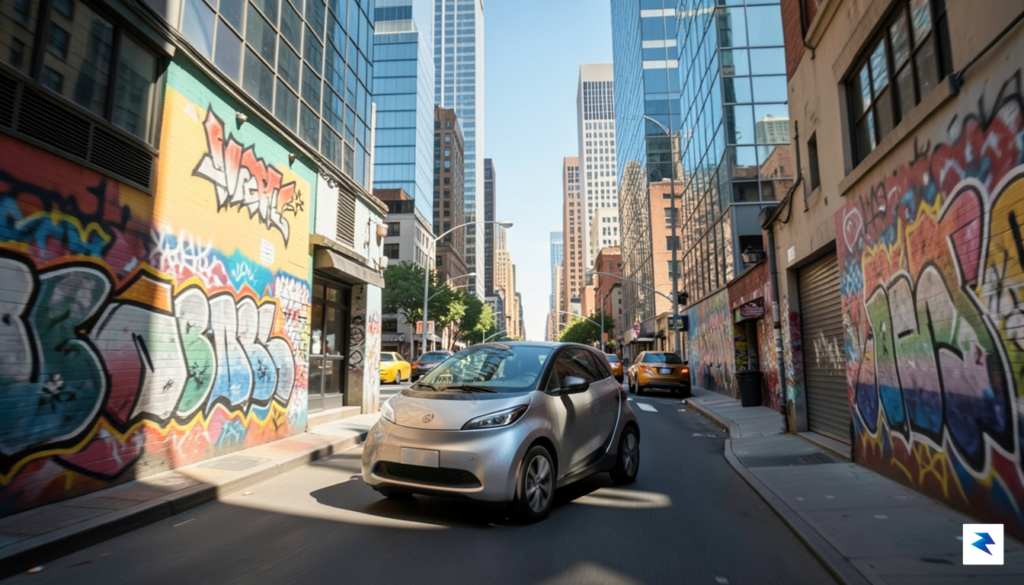
Economic viability remains the most compelling argument for the small car renaissance. As the cost of vehicle ownership continues to climb, the micro-EV presents a refreshing alternative characterized by lower insurance premiums, minimal maintenance requirements, and drastically reduced energy expenditures. For the urban dweller tired of circling city blocks for twenty minutes in search of a parking spot, a vehicle that can autonomously tuck itself into a space no larger than a standard motorcycle bay is not just a convenience—it is a reclamation of time. However, these financial benefits must be balanced against the realities of American road safety. Drivers are often hesitant to share the highway with semi-trucks while sitting in a car that offers a smaller protective profile, meaning that for these vehicles to gain mass adoption, they must be marketed primarily as specialized tools for dense, low-speed metropolitan environments rather than general-purpose highway cruisers.
The future of urban mobility will likely be defined by a shift toward right-sized transportation, where the goal is no longer to carry the most weight, but to move the most efficiently.
Ultimately, whether this quirky, self-parking micro-EV represents a passing trend or the dawn of a genuine transportation shift depends on our willingness to decouple our personal identity from the size of our grille. If manufacturers can prove that these vehicles offer a superior lifestyle—minimizing the stress of city driving while maximizing the ease of navigation—we may see a gradual thawing of the “bigger is better” mindset. We are currently witnessing a generational shift in how younger urban residents perceive car ownership, moving away from the vehicle as a status symbol toward the vehicle as a functional utility. If the micro-EV can successfully marry cutting-edge convenience with a compelling price point, it may not just survive in the American market; it could quietly redefine the heartbeat of our city streets.
You must be logged in to post a comment.