Can Boeing Reclaim Its Lead? The Strategy Behind the 737 Max Turnaround
The Current State of Boeing’s Production Recovery For years, Boeing has navigated a turbulent landscape defined by intense regulatory…
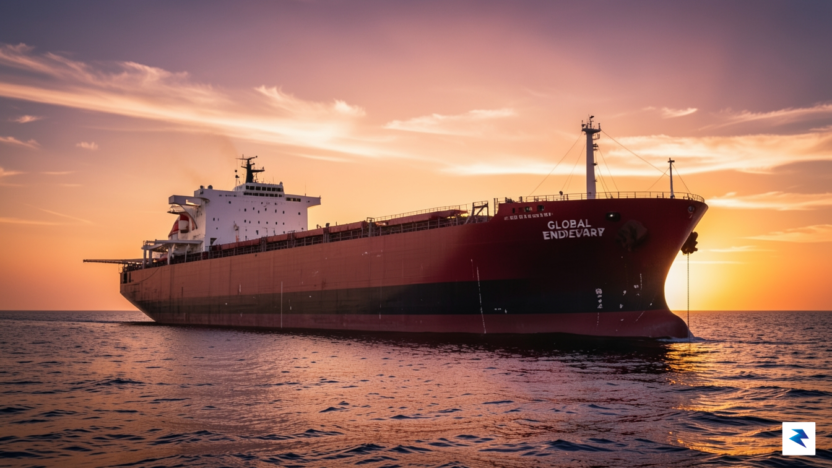
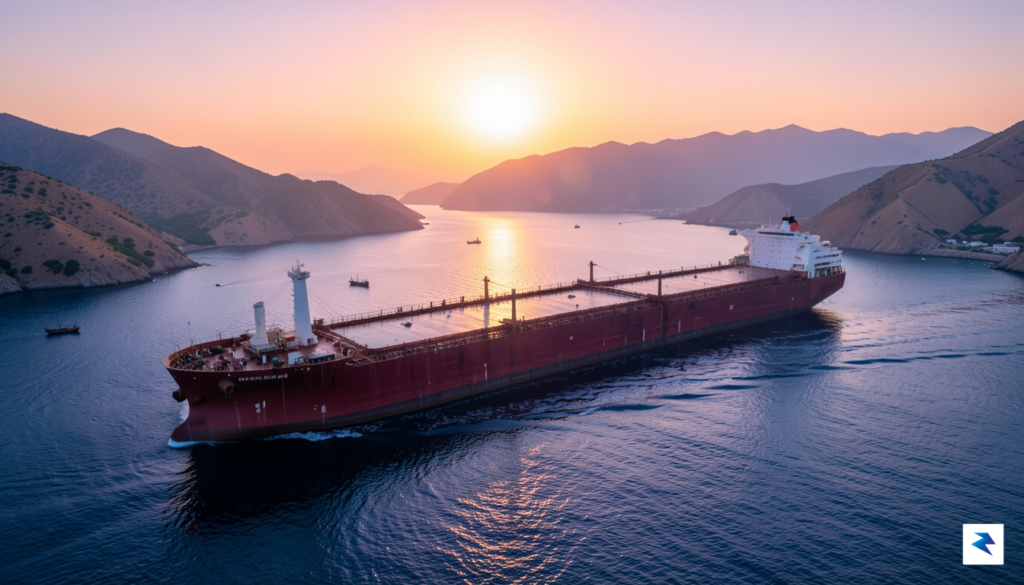
At its narrowest point, the Strait of Hormuz spans only 21 miles, yet this sliver of water serves as the most vital maritime artery for the global energy market. Connecting the Persian Gulf with the Gulf of Oman and the Arabian Sea, it acts as a funnel through which roughly one-fifth of the world’s total petroleum consumption must pass daily. Because the majority of crude oil exported from Saudi Arabia, Iran, the United Arab Emirates, Kuwait, and Iraq is funneled through this single chokepoint, any physical obstruction here effectively creates a global economic bottleneck. When shipping activity through these waters stutters, the immediate result is a cascading disruption in logistics that reaches far beyond the Middle East, impacting fuel prices at pumps and energy costs for manufacturing sectors across the globe.
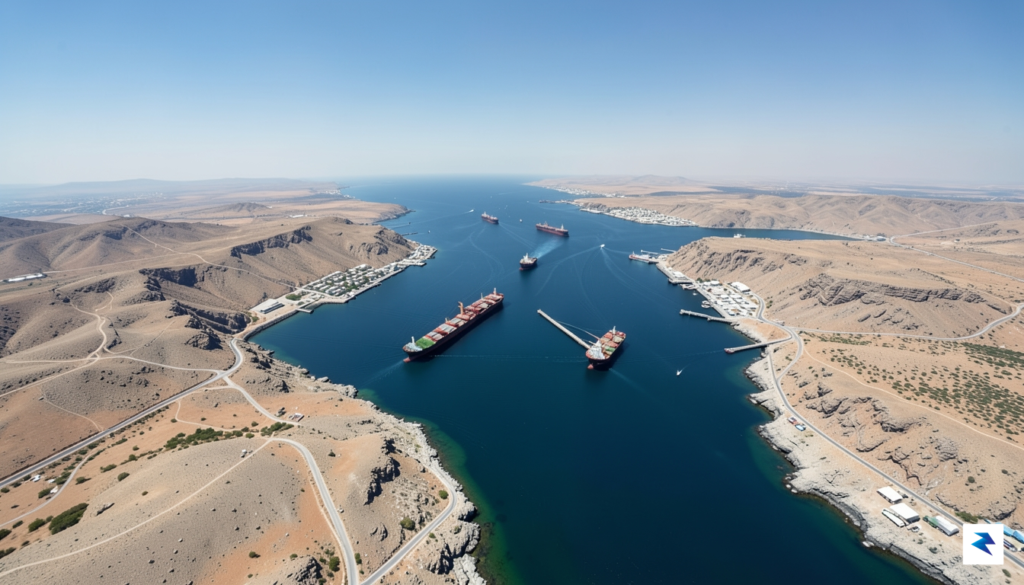
The current volatility is rooted in a fundamental shift in the security landscape of the region. Historically, the Strait has operated under a fragile equilibrium, maintained by international naval presence and complex diplomatic posturing. However, recent escalations have transformed this waterway from a transit zone into a theater of conflict. As tensions have flared, shipping companies have become increasingly hesitant to send their vessels through the channel, fearing the threat of detainment, drone surveillance, or kinetic strikes. This “wait-and-see” approach among major shipping conglomerates has caused a sudden, sharp decline in transit volumes, creating a vacuum that the global market is currently scrambling to fill.
The Strait of Hormuz is not merely a geographic feature; it is the heartbeat of global energy logistics. When that pulse weakens, the entire world feels the systemic shock in the form of rapidly rising commodity prices.
The correlation between regional security and energy logistics is direct and unforgiving. Unlike land-based pipelines, which can often be rerouted or repaired, maritime transit in the Gulf is constrained by specific deep-water shipping lanes that are essential for the passage of Very Large Crude Carriers (VLCCs). When these lanes are perceived as unsafe, insurance premiums for maritime cargo skyrocket, making the transport of oil economically unviable for many operators. This confluence of rising geopolitical risk and physical danger has forced a near-halt in traffic, proving that global energy security is inextricably linked to the stability of this narrow, high-stakes corridor.
Ultimately, the ongoing disruption serves as a stark reminder of the world’s precarious dependence on a single point of failure. While nations have long discussed diversifying their energy routes, the sheer volume of oil departing from the Persian Gulf ensures that no alternative pathway can fully replace the throughput capacity of the Strait of Hormuz. As shipping traffic remains stalled, the global economy is effectively being held hostage by the geographical reality that, for the foreseeable future, the world’s energy supply must navigate this narrow, volatile passage to reach its destination.
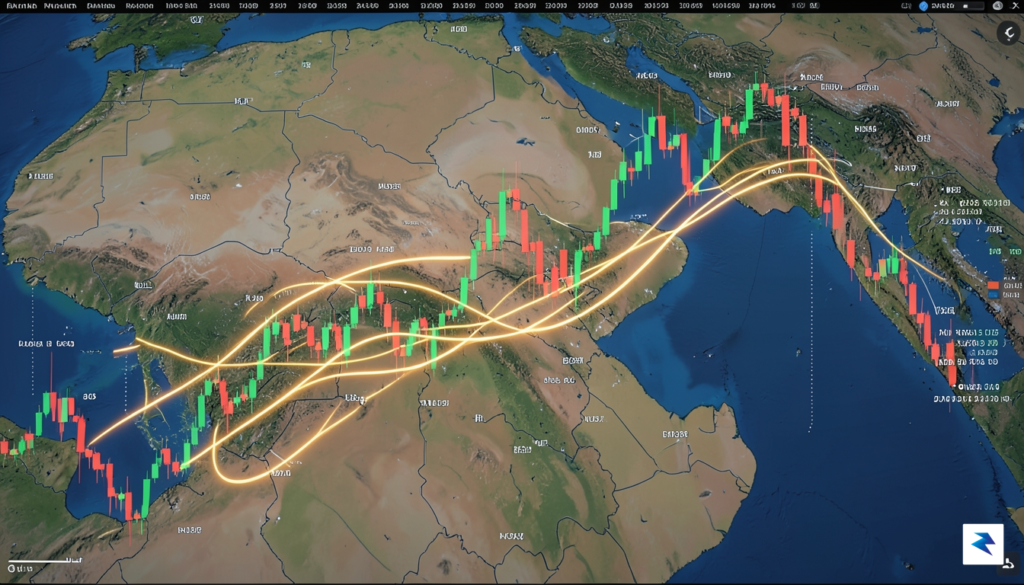
When news of a potential blockage in a critical maritime artery like the Persian Gulf reaches global trading desks, the reaction is almost instantaneous, moving faster than the physical movement of the tankers themselves. This phenomenon occurs because global oil markets function as high-speed anticipatory engines; they do not merely price the oil available today, but rather the perceived availability of oil in the weeks and months to come. When shipping lanes face physical threats, traders immediately bake a “fear premium” into the cost of every barrel. This is not necessarily a reflection of an immediate drop in output, but rather a collective market insurance policy against the catastrophic possibility of a prolonged supply chain collapse.
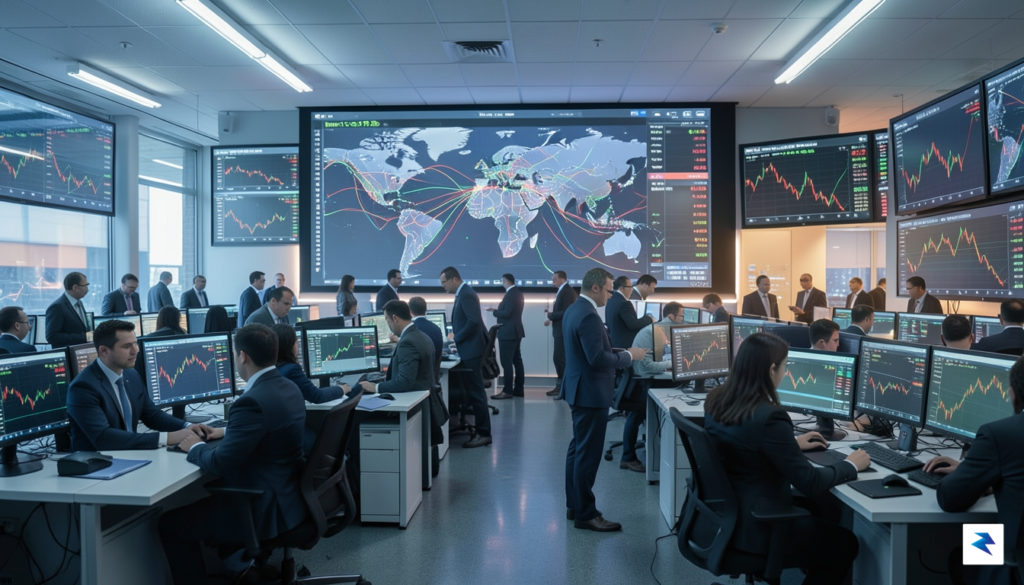
The mechanics of these price spikes are driven by the interplay between algorithmic trading and human risk assessment. As soon as headlines suggest that vessels might be stalled or rerouted, automated trading systems ingest the data and trigger buy orders, which in turn pushes futures prices higher. This initial momentum is often amplified by speculators who anticipate that the volatility will persist, leading them to increase their long positions. Consequently, the price of Brent and West Texas Intermediate (WTI) can climb significantly before a single gallon of oil has been delayed or diverted. It is a psychological feedback loop where the fear of scarcity becomes a self-fulfilling prophecy in the short term, irrespective of whether the physical blockage lasts for hours or days.
The “fear premium” is the market’s way of pricing uncertainty; it represents the additional cost buyers are willing to pay to secure energy supplies when the stability of the global distribution network is called into question.
Furthermore, the reliance on just-in-time delivery models for global energy distribution makes these markets exceptionally sensitive to even minor disruptions. Because oil inventories held by major importing nations are often calculated with precise efficiency, a delay in transit times—even a matter of days—can create a perceived deficit in the marketplace. Traders look at the “forward curve,” a series of futures contracts that map out the expected price of oil over time, and if that curve shifts sharply upward, it sends a signal to refiners and manufacturers that the cost of doing business is about to escalate. This creates a ripple effect throughout the broader economy, as the volatility in the energy sector quickly translates into concerns regarding inflation and the cost of transport for goods worldwide.
Ultimately, while actual supply constraints are the foundation of these price movements, it is the anticipation of those constraints that dictates the daily volatility. Markets are essentially weighing the probability of a total supply shutdown against the resilience of global reserves. When shipping through the Persian Gulf is threatened, the market effectively asks: “Can we afford to wait and see, or must we secure our supply at a premium right now?” By choosing to pay the premium, traders ensure that the price remains elevated until the uncertainty is resolved, proving that in the world of energy commodities, perception and information are just as vital as the crude oil itself.
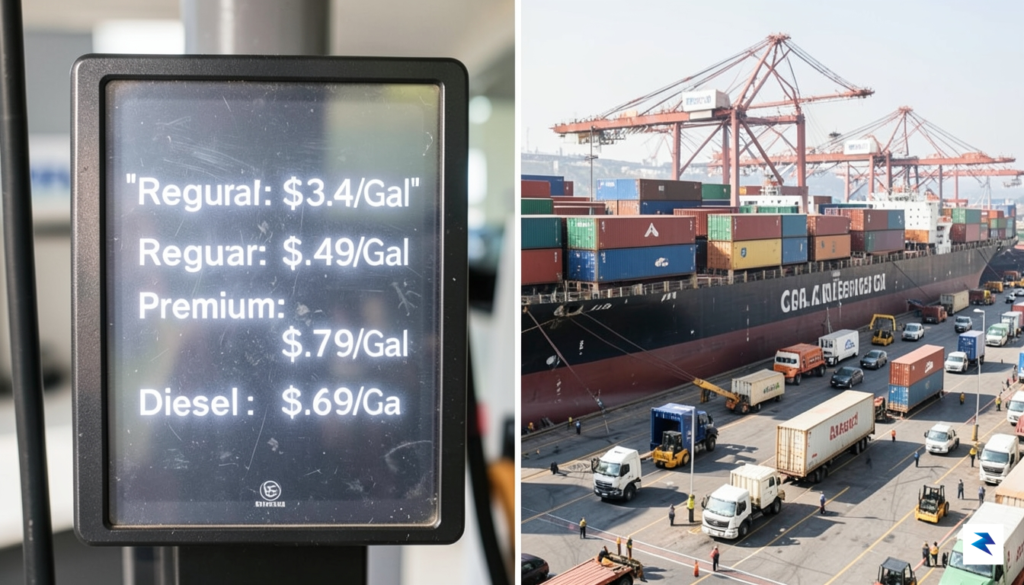
While the immediate frustration of rising gasoline prices often dominates public discourse, the reality is that crude oil acts as the lifeblood of the global industrial machine. When prices spike due to geopolitical instability or logistical bottlenecks in critical transit corridors, the financial strain permeates every layer of the economy. This phenomenon begins with the manufacturing sector, where energy is a primary input cost. As refineries and factories face steeper electricity and fuel bills, those expenses are inevitably passed down the supply chain, manifesting as higher wholesale prices for plastics, chemicals, and synthetic materials that form the backbone of modern consumer goods.
The impact is perhaps most visible in the realm of global logistics, where the costs of moving goods are directly tethered to bunker fuel prices. Aviation and maritime shipping companies operate on thin margins, and a sudden, sustained increase in energy costs forces them to implement fuel surcharges that reach the end consumer. Consequently, the cost of importing electronics, apparel, and perishable goods rises, contributing to a broader inflationary trend. When it becomes expensive to move products across oceans or continents, the “just-in-time” supply chain model that global commerce relies on begins to fracture, forcing businesses to rethink their inventory strategies in an era of unpredictable energy prices.

For energy-dependent economies, the consequences of such volatility can be even more profound, potentially triggering industrial slowdowns. High energy costs can act as a hidden tax on domestic production, rendering local industries less competitive in the international marketplace. As businesses struggle to absorb these overheads, they may be forced to reduce output, freeze hiring, or delay capital investments in innovation and infrastructure. This uncertainty creates a challenging environment for corporate planning, as firms find it increasingly difficult to project future margins when their primary operational expense is subject to the whims of global shipping disruptions.
The true cost of oil volatility is not found at the gas station, but in the cumulative pressure it exerts on the cost of living and the resilience of international trade networks.
In response to this climate of uncertainty, forward-thinking businesses are increasingly prioritizing supply chain diversification and energy efficiency. By investing in renewable energy sources for their facilities and localizing their sourcing strategies to reduce reliance on long-haul shipping, companies are attempting to build a buffer against the next inevitable market shock. Ultimately, while the world remains tethered to the price of oil, the transition toward more localized, energy-efficient operations serves as a crucial hedge against the cascading effects of global supply instability.
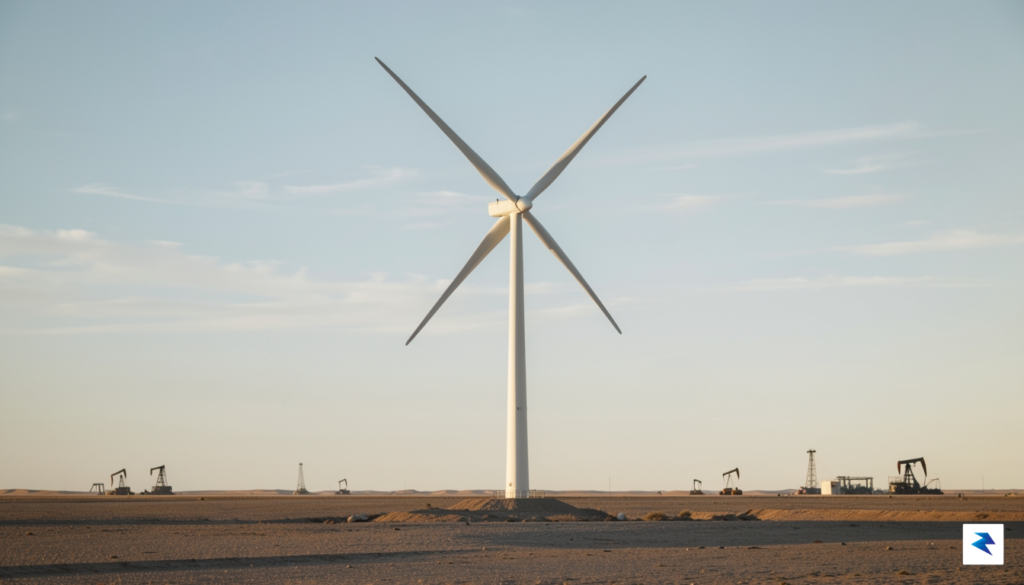
The current volatility in the Persian Gulf acts as a stark reminder of the fragility inherent in global energy logistics, forcing a profound reassessment of how nations approach energy security. For decades, the reliance on narrow maritime chokepoints was viewed as a manageable operational risk, but the recent escalation in shipping disruptions has fundamentally altered that calculus. International diplomacy is now under immense pressure to establish new frameworks for maritime safety, as traditional naval patrols prove insufficient to deter unconventional threats. Policymakers are increasingly recognizing that relying on a single, congested waterway is no longer a viable long-term strategy, leading to a renewed focus on multilateral cooperation to secure trade lanes while simultaneously preparing for a future where these routes might be compromised for extended periods.
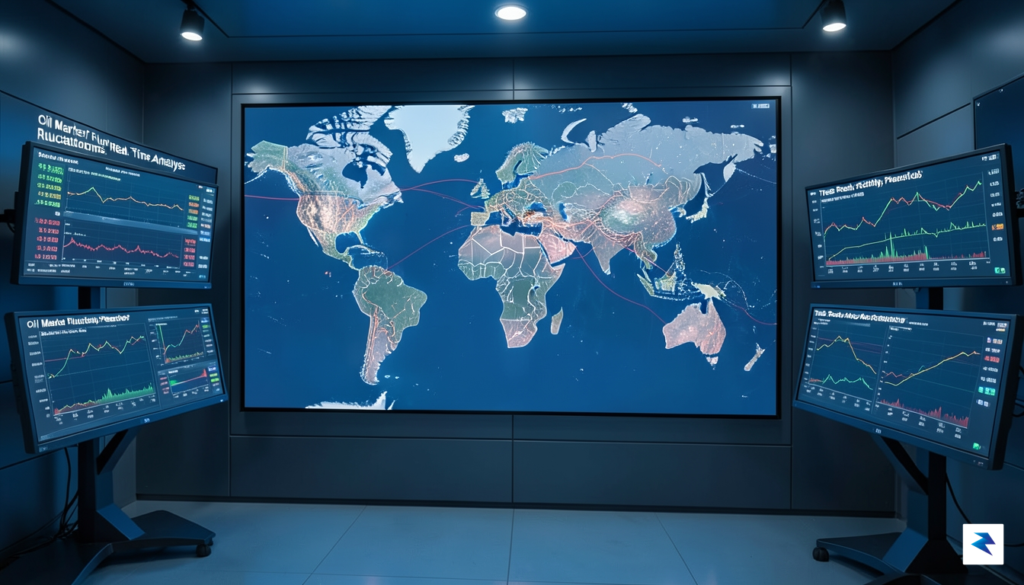
As the “new normal” takes shape, the shift toward strategic autonomy is accelerating across both Western and emerging economies. Governments are bolstering their strategic petroleum reserves, not merely as a temporary buffer against price spikes, but as a permanent hedge against the unpredictability of regional conflicts. This trend is accompanied by an aggressive push for supply chain diversification; nations are actively seeking to decouple their energy portfolios from volatile regions by fostering infrastructure projects that prioritize geographic redundancy. Investors are paying close attention to these shifts, viewing companies that demonstrate localized energy resilience as safer bets in an era defined by geopolitical entropy.
The transition away from absolute reliance on concentrated energy transit points is no longer just a theoretical policy goal; it has become an economic imperative for global stability.
Ultimately, the disruption in the Persian Gulf is serving as a catalyst for a more permanent evolution in global energy policy. The conversation is shifting away from simple cost-optimization toward a model that prioritizes security, reliability, and diversification. While the immediate focus remains on preventing a total halt in maritime traffic, the long-term objective is clear: to build an energy architecture that can withstand the friction of regional instability. Whether through the integration of renewable domestic sources or the development of more resilient international pipelines, the global community is moving toward a strategy where energy independence is viewed as the ultimate foundation of national security. This transformation will likely define the energy markets for the next generation, turning past vulnerabilities into the drivers of future infrastructure innovation.
You must be logged in to post a comment.