
Kobalt Power Tool Recall: Is Your Battery at Risk of Fire?
Understanding the Kobalt Power Tool Battery Recall In a significant safety development that impacts a massive portion of the DIY and…

The landscape of cybercrime has undergone a dramatic transformation, evolving from the era of nuisance adware and browser-based annoyances into a sophisticated industry centered on high-stakes digital theft. What was once considered a niche threat relegated to shady forums has moved directly into the mainstream, with gaming platforms like Steam serving as the new front lines. Attackers have recognized that the gaming community represents a massive, highly engaged, and often trusting demographic. By masquerading malicious payloads as legitimate indie games or software modifications, cybercriminals can bypass traditional skepticism, embedding complex infostealers directly into the environments where users feel most comfortable and secure.
This shift toward game-based malware is largely driven by a significant change in how these platforms function. Steam is no longer just a digital storefront for entertainment; it has evolved into a complex ecosystem that manages sensitive user data, payment information, and increasingly, high-value digital assets. As the lines between traditional gaming and decentralized finance continue to blur, attackers are no longer just looking to hijack accounts for resale; they are hunting for the cryptographic keys that unlock massive wealth. Because these platforms require deep system access to function, users are conditioned to grant administrative permissions, inadvertently opening a “digital front door” for malware to scrape sensitive browser data, session tokens, and private cryptocurrency keys.
The psychological advantage held by attackers is profound: gamers are trained to download patches, mods, and external executables as a standard part of their hobby, lowering their guard against seemingly harmless files.
Furthermore, the allure of “early access” and indie development has created a perfect storm for malicious actors. Cybercriminals frequently exploit the excitement surrounding new, unverified titles, knowing that users are often eager to overlook minor security warnings in pursuit of the latest gameplay experience. Once the malicious code is executed, it operates silently in the background, often evading detection by standard antivirus software by mimicking legitimate system processes. This level of sophistication highlights a new reality: the gaming PC has become a primary target for sophisticated financial crimes, turning a platform meant for leisure into a potential vulnerability that can lead to life-altering financial loss.
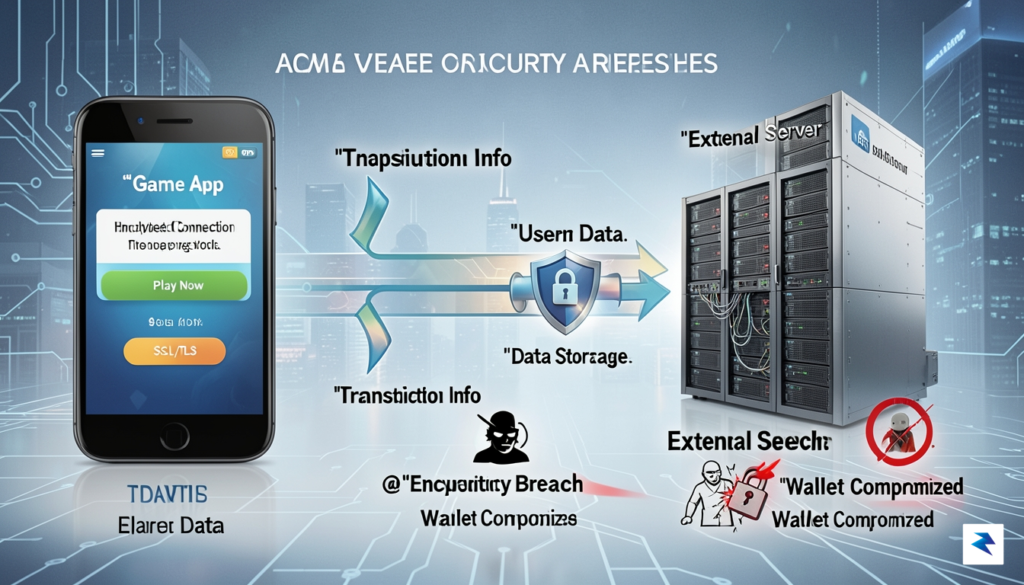
When a user downloads a seemingly legitimate game from a compromised or malicious source, they are often unknowingly inviting a sophisticated piece of software known as an “infostealer” into their operating system. Unlike traditional viruses that might corrupt system files or display intrusive advertisements, these modern threats are surgically designed to remain silent. Once the game executable is launched, the malware gains the same system permissions as the user, allowing it to bypass basic security checkpoints and begin a methodical scan of the local machine. It operates in the background, consuming minimal resources to avoid triggering performance spikes that might alert a vigilant gamer to its presence.
The primary target of these malicious scripts is the treasure trove of sensitive data stored locally on the computer. The malware specifically hunts for wallet-related files, such as wallet.dat files used by desktop cryptocurrency clients, or the underlying data folders associated with popular browser-based wallet extensions. Because many users rely on the “remember me” functionality of their browsers, the malware also aggressively scrapes session cookies and saved passwords. By harvesting these credentials, the attacker can effectively bypass two-factor authentication or re-establish access to sensitive accounts without needing the user’s explicit authorization. This process is highly automated, ensuring that the most valuable data is identified and encrypted for exfiltration within seconds of the game being opened.

Once the sensitive data has been successfully scraped, the malware initiates a connection to a Command-and-Control (C2) server. This remote infrastructure acts as the final destination for the stolen information, funneling the raw data—private keys, seed phrases, and login tokens—to the cybercriminal behind the operation. From there, the attacker can import these credentials into their own environment, effectively assuming the identity of the victim to drain digital asset balances. The use of C2 servers is critical to this operation, as it allows the perpetrator to remain anonymous while automating the process of siphoning funds from compromised addresses.
The danger of these attacks lies in their persistence; once the malicious payload has been executed, the user’s local environment is effectively compromised, making it trivial for attackers to drain assets at any time.
Understanding this mechanics is essential for anyone who engages with both digital gaming and cryptocurrency markets. Because the malware mimics the legitimate behavior of a game, traditional antivirus software may fail to flag the download if the specific signature of the infostealer is new or obscured. Protection requires a proactive approach, including the use of isolated hardware wallets for significant assets, avoiding the installation of games from unverified third-party platforms, and maintaining a strict separation between devices used for high-risk online activities and those used for managing personal wealth.

The recent federal indictment of Zyaire Wilkins, a Florida resident, serves as a sobering case study in the evolution of digital exploitation. By strategically infiltrating the Steam platform—the world’s most popular digital storefront for PC gaming—Wilkins allegedly weaponized eight distinct titles to distribute malicious software. These were not obscure, standalone files; they were presented as fully functional, legitimate games, which allowed the malware to bypass the initial skepticism of casual users. Once installed, these infected programs acted as a silent gateway, enabling the perpetrator to harvest sensitive data directly from the victims’ machines while they were distracted by gameplay.

The scale of this operation was remarkably efficient, allowing the attacker to compromise thousands of individual computers over a relatively short period. According to federal investigators, the malware was specifically engineered to identify and exfiltrate information related to cryptocurrency wallets, effectively granting the perpetrator remote access to the digital assets stored within. The financial fallout from this scheme was significant, with authorities estimating that Wilkins successfully laundered approximately $220,000 in stolen crypto. This figure underscores the high-stakes nature of modern cybercrime, where a single, well-executed infection vector can result in life-altering losses for unsuspecting victims who believed they were simply downloading a bit of entertainment.
The case serves as a stark reminder that the gaming ecosystem is no longer just a target for account hijacking; it has become a sophisticated, high-value conduit for financial theft and large-scale asset liquidation.
The federal involvement in this case highlights the growing severity with which the Department of Justice views digital theft and money laundering. Wilkins now faces serious charges, including wire fraud and money laundering, each carrying substantial potential prison time and heavy financial penalties. This legal response is intended to send a clear message to those who might consider exploiting digital marketplaces: the anonymity provided by the internet is often illusory. By tracking the flow of laundered funds and analyzing the digital footprints left behind by the malware deployment, federal agents were able to dismantle the operation and bring the suspect to justice, demonstrating that even the most technical crimes are subject to the long reach of the law.
Ultimately, the Wilkins case is a definitive example of how hackers are pivoting toward trusted platforms to maximize their reach. By leveraging the reputation of Steam as a secure environment, the perpetrators lowered the barriers to entry for their malware, turning a community of gamers into a target-rich environment. As digital security continues to evolve, this incident emphasizes the necessity for both platform operators and individual users to remain vigilant against the subtle, often invisible risks hidden within seemingly innocuous downloads.
The recent exploitation of digital storefronts to distribute malicious code marks a significant pivot in how cybercriminals approach asset theft. Traditionally, malware relied on deceptive email attachments or malicious web links to trick users into compromising their systems. However, by embedding crypto-stealing payloads directly into software hosted on reputable distribution platforms, attackers are effectively executing a sophisticated supply chain attack. This strategy weaponizes the implicit trust users place in established ecosystems, turning a platform’s own moderation and distribution infrastructure into a vehicle for delivery. When attackers successfully bypass these platform-level security checks, they gain unfettered access to the target’s operating system, allowing them to scrape private keys and seed phrases with alarming efficiency.

This shift toward supply chain manipulation underscores a harsh reality: the perimeter of digital security has shifted from the network to the individual device. As malware authors become increasingly adept at obfuscating their malicious code to evade automated scanning and human moderation, the responsibility for threat detection is falling squarely onto the end user. It is no longer sufficient to assume that a download is safe simply because it is hosted on a platform with millions of active users. Instead, digital asset owners must adopt a “zero-trust” mindset regarding software, treating every new installation—no matter how legitimate its source appears—as a potential vector for compromise.
The most dangerous security vulnerability in the modern digital landscape is the assumption that platform-wide verification is an absolute guarantee of safety.
To navigate this evolving threat landscape, users must move beyond reliance on basic antivirus software and embrace more proactive security hygiene. This includes isolating high-value assets, such as crypto wallets or cold storage interfaces, on air-gapped or dedicated hardware devices that never interact with the gaming or general-purpose software environments where these threats typically reside. Furthermore, the industry must prepare for a future where malicious actors continuously refine their delivery methods to exploit the convenience-first nature of digital storefronts. By acknowledging that software distribution platforms are now a primary target for sophisticated threat actors, users can better protect their portfolios through careful hardware segmentation, routine system audits, and a healthy skepticism toward all third-party executables.

The recent surge in sophisticated malware campaigns targeting gaming platforms proves that your leisure time can inadvertently become an entry point for financial catastrophe. Fortunately, you do not need to uninstall your library or abandon your digital hobbies to remain safe. The most effective defense is a multi-layered strategy that physically and logically separates your high-value assets from the potentially untrusted code found in third-party games.
The most critical step in safeguarding your digital wealth is moving away from software-based “hot” wallets on your primary gaming computer. By utilizing a dedicated hardware wallet, you ensure that your private keys are never exposed to the operating system, meaning even if a piece of malware successfully compromises your PC, it cannot reach your funds. Think of your gaming rig as a high-traffic intersection; you would never store your most valuable assets in the middle of a busy street when you have a secure, offline vault available.

If your budget allows, maintain a strictly separate machine for financial activities. Use one computer exclusively for high-stakes banking and crypto management, and keep your gaming machine dedicated to entertainment. If maintaining two computers is not feasible, implement robust endpoint detection and response (EDR) software rather than relying solely on basic consumer-grade antivirus programs. Modern EDR solutions offer behavioral analysis that can flag suspicious processes—such as a game attempting to access browser cookies or sensitive wallet directories—before they execute their malicious payloads.
The golden rule of digital security is to never grant high-level permissions to software you haven’t thoroughly vetted, regardless of how popular it appears to be on a storefront.
Before downloading an obscure indie title, perform a brief “security audit” of the developer and the community sentiment. Look for red flags such as a developer with no history, a sudden influx of suspiciously positive reviews, or external links that redirect you to third-party sites for “necessary” patches or mods. Malware creators often use social engineering to pressure users into disabling their firewall or bypassing UAC (User Account Control) prompts; always treat these requests as an immediate threat to your system integrity. By cultivating these habits, you transform your computer from a vulnerable target into a hardened fortress, allowing you to enjoy your games without the looming shadow of a compromised wallet.
You must be logged in to post a comment.