
The Essential Emergency Kit: A Practical Guide for Any Disaster
The Philosophy of Preparedness: Why Less Is More True preparedness is often misunderstood as an expensive competition to see who can…
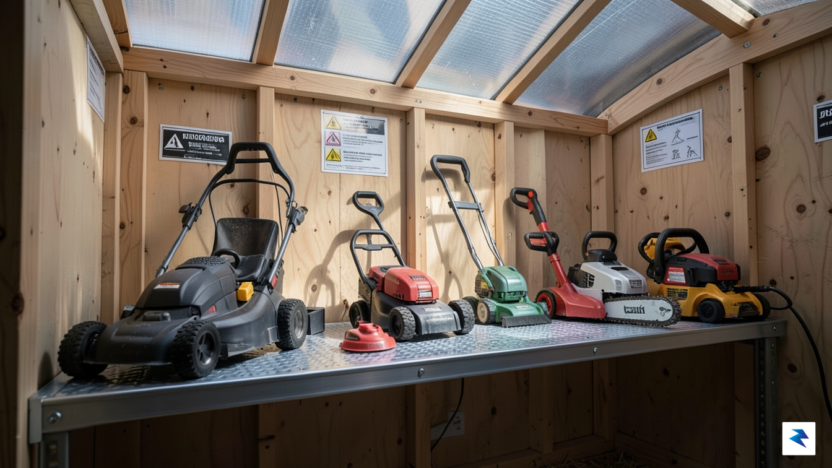
In a significant safety development that impacts a massive portion of the DIY and professional landscaping market, a widespread recall has been issued for 554,780 Kobalt-branded power tool battery packs. Manufactured by Greenworks Tools, these lithium-ion units have been identified as posing a critical fire hazard to consumers. The sheer scale of this recall highlights a serious manufacturing oversight, necessitating an immediate cessation of use for anyone currently powering their tools with these specific lithium-ion batteries. Because these devices are frequently stored in garages, sheds, or workshops—often in close proximity to flammable materials—the potential for property damage or physical injury is substantial, making the manufacturer’s warning one that should not be taken lightly.
The severity of this situation is underscored by the direct collaboration between Greenworks and the U.S. Consumer Product Safety Commission (CPSC). By working closely with federal safety regulators, the company has confirmed that the lithium-ion cells inside these battery packs are prone to overheating, which can lead to unexpected ignition. To date, the recall is supported by 34 verified reports of the batteries sparking, emitting smoke, or catching fire entirely. These documented incidents serve as a stark reminder of the volatile nature of damaged or defective lithium-ion technology, especially when the internal chemistry of the battery fails to manage heat dissipation during or after the charging cycle.
The primary risk factor identified by investigators involves the USB-C charging port integrated into these battery packs, which can fail under certain conditions, leading to the hazardous thermal events reported by users across the country.
It is crucial for homeowners and professionals alike to understand that this is not merely a precautionary measure but a response to active, dangerous failures. If you own a Kobalt power tool with a battery capable of USB-C charging, you must verify the model and serial numbers immediately against the official registry provided by the manufacturer. Continuing to charge or store these batteries in your home, even if they have functioned perfectly in the past, invites an unnecessary risk that could lead to a rapid-onset fire. The transition from a functional tool to a fire hazard can happen without warning, emphasizing why the CPSC is urging owners to disconnect these units from any power source and place them in a safe, non-flammable area until a replacement or refund can be processed.
Not every Kobalt-branded yard tool is included in this safety initiative, so it is vital to avoid unnecessary panic while ensuring your home remains secure. Because the recall specifically targets batteries equipped with USB-C charging capabilities, the first step is to isolate any tools purchased within the last few years that feature this specific charging functionality. To determine if your equipment is part of the affected batch, you must physically inspect the product identification sticker, which is typically located on the underside of the tool handle or near the battery housing compartment. These labels contain a wealth of information, including the specific model number, the manufacturing date code, and the unique serial number assigned to your unit during production.
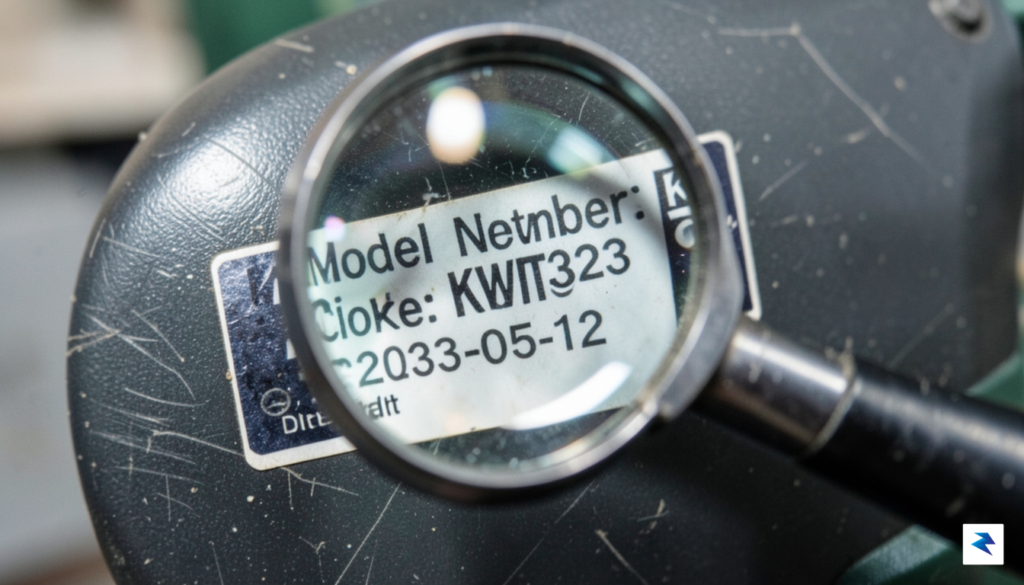
When reviewing these labels, focus your attention on the alphanumeric string labeled as the Model Number. The recall covers a specific range of 24-volt batteries and their associated charging kits, meaning that even if your tool looks identical to a neighbor’s, the internal battery chemistry or manufacturing batch could differ significantly. You should cross-reference your findings against the official manufacturer’s database provided by Greenworks, which serves as the primary authority for this recall. If your model number appears on the list, do not attempt to charge or use the battery further; instead, immediately remove it from the tool and store it in a cool, dry area away from flammable materials.
To ensure complete accuracy, do not rely solely on the visual appearance of your tool. Always use the manufacturer’s online serial number lookup tool, as this is the only way to confirm if your specific unit was produced during the window of time associated with the identified USB-C charging defect.
In addition to the model number, pay close attention to the manufacturing date code, which is often printed in a format like “YYMMDD.” If your battery falls within the production dates specified in the recall notice, it is safer to assume your unit is affected until proven otherwise. You can find the comprehensive list of impacted serial numbers by visiting the official Greenworks Recall Portal. Navigating this site is straightforward: simply enter your battery’s serial number into the search field, and the system will provide an instant confirmation of your safety status. If your battery is confirmed as part of the recall, the portal will also guide you through the process of requesting a free, updated replacement, ensuring that you can get back to your yard work with total peace of mind.
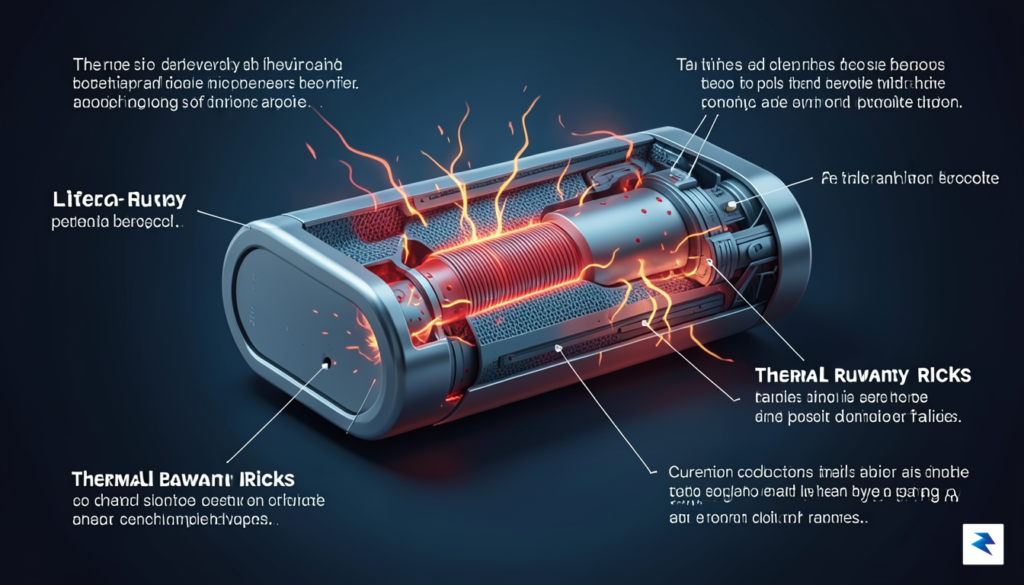
Lithium-ion batteries have become the industry standard for cordless power tools due to their high energy density and ability to hold a charge over long periods. However, the very chemistry that makes them so efficient—the rapid movement of lithium ions between the anode and cathode—also makes them sensitive to manufacturing imperfections. When a battery is manufactured with microscopic defects, such as impurities within the electrolyte or alignment issues in the separator, the integrity of the cell can be compromised. Under normal conditions, these components function in perfect balance, but internal stress during the charging process can force these hidden flaws to the surface, potentially leading to a catastrophic failure of the internal structure.
The primary concern during such a failure is a phenomenon known as thermal runaway. This occurs when an internal short-circuit generates enough localized heat to trigger a chemical chain reaction, causing the temperature within the cell to rise exponentially in a very short amount of time. As the electrolyte begins to break down, it releases flammable gases that further fuel the reaction, often resulting in the sparking, smoke, or intense heat reported by consumers. Because this process happens internally and progresses rapidly, it is often impossible to stop once it has reached a critical stage, which is why manufacturers prioritize preventive measures over damage control.
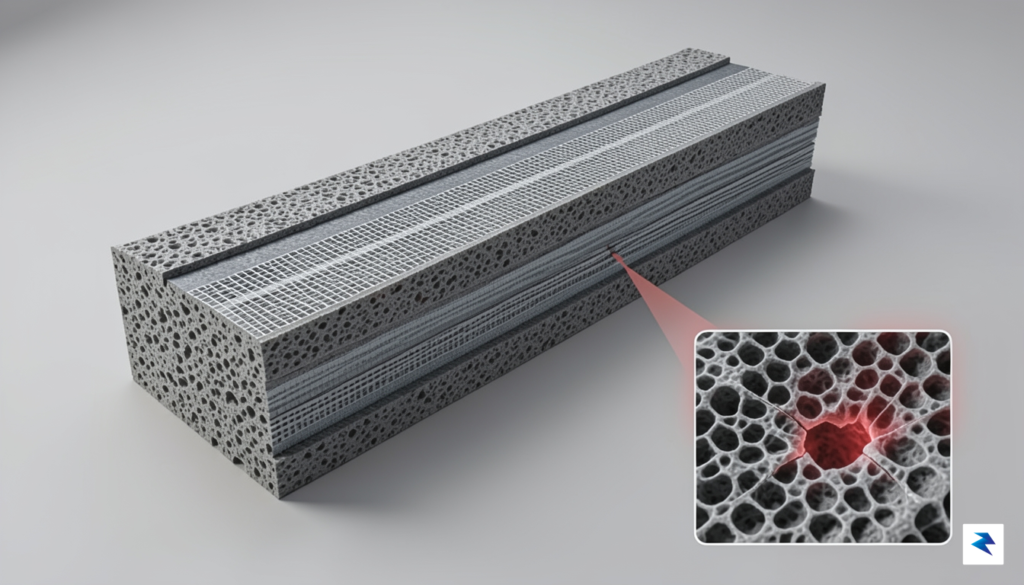
To mitigate these risks, modern batteries rely on a sophisticated Battery Management System (BMS). The BMS acts as the “brain” of the power tool battery, constantly monitoring voltage, current, and temperature to ensure that every cell remains within a safe operating range. If the BMS detects an anomaly, it is designed to cut off the flow of electricity to prevent the battery from overheating or overcharging. In the case of this specific recall, the issue likely stems from a flaw that bypasses these safeguards or causes the BMS itself to malfunction, rendering the tool unable to protect the user from an internal electrical fault.
The necessity of a recall program is ultimately a testament to the fact that when a safety system—whether it is a physical component or a digital controller—fails to perform its intended function, the only responsible course of action is to remove the equipment from circulation.
Understanding these mechanics helps clarify why a recall is not merely a bureaucratic formality, but a vital safety intervention. When a batch of batteries is identified as having a manufacturing defect that could compromise the BMS or the integrity of the individual cells, the risk of fire becomes a tangible reality that cannot be ignored. By replacing these units, manufacturers are effectively closing the loop on potential electrical hazards, ensuring that the power tools in your workshop continue to be assets rather than liabilities.

If you have discovered that your power tool battery is among those affected by the recent safety recall, it is imperative that you act immediately to mitigate the risk of fire. The first step in the rectification process is to verify your specific model number against the official recall database provided by the manufacturer. Once you have confirmed that your device is included, you should immediately cease all use of the battery and remove it from the tool or any charging dock. Do not attempt to charge the unit under any circumstances, as the internal failure that triggers this recall can occur even when the device is not actively in use.
To initiate the replacement process, you must visit the manufacturer’s dedicated recall portal online. You will be required to input your battery’s serial number, which is typically found printed on the back or bottom housing of the unit. After registering your information, the company will provide specific instructions regarding the return of the defective hardware. In many instances, you will be sent a pre-paid shipping label and a specialized fire-resistant bag to ensure the battery remains stable during transit. It is vital that you follow these packaging instructions exactly; never place a damaged or recalled lithium-ion battery in standard household trash or a curbside recycling bin, as this poses a significant hazard to sanitation workers and processing facilities.
Safety First: Never attempt to disassemble a recalled battery to investigate the issue yourself. Lithium-ion cells are volatile when compromised, and professional handling is the only safe way to manage the disposal and replacement process.
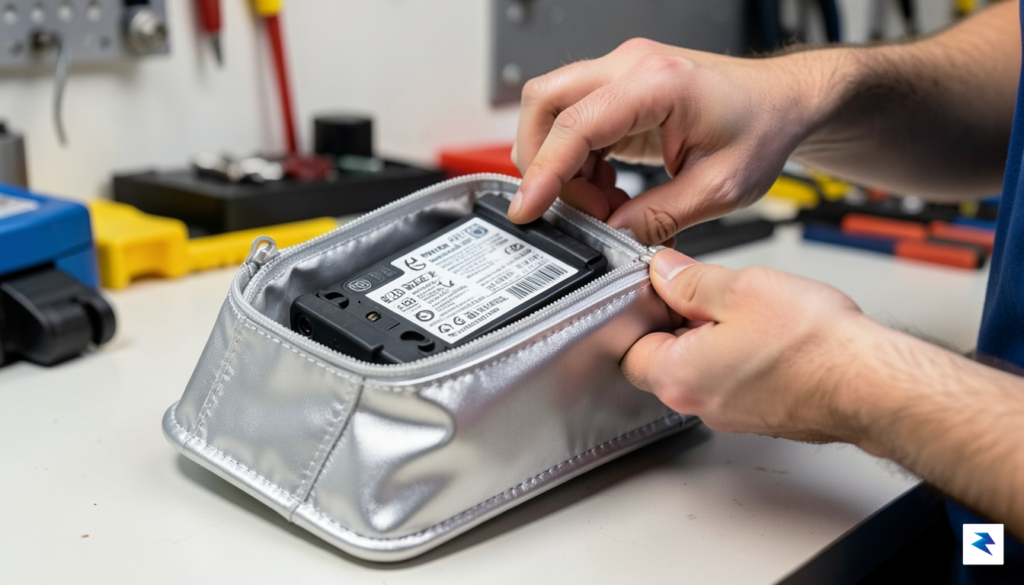
You might be concerned about whether your product is still covered if it is outside of its original manufacturer’s warranty period. Fortunately, safety recalls are treated differently than standard technical support claims; even if your warranty has expired, the manufacturer is obligated to provide a remedy for a known safety defect. Once your registration is processed, you can generally expect your replacement battery to ship within four to six weeks, though shipping times may fluctuate based on current inventory and logistics demand. If you have any trouble registering your device or if you have not received a confirmation after several days, contact the manufacturer’s customer service hotline directly. By keeping a record of your claim number and all correspondence, you can ensure that you are fully protected throughout the duration of the replacement process.

Beyond the immediate concerns of a manufacturer recall, proactive battery maintenance is a fundamental skill for any homeowner looking to protect their workshop and home. Lithium-ion batteries, while incredibly powerful and convenient, are chemically complex components that demand respect and proper handling. The first rule of long-term battery stewardship is prioritizing environmental conditions; you should always store your power tool packs in a cool, dry location away from direct sunlight or extreme temperature fluctuations. Garages and sheds can become miniature ovens during the summer months, and heat is the single greatest enemy of battery longevity and stability. Keeping your batteries in a climate-controlled environment, or at the very least a stable, insulated space, significantly mitigates the risk of internal cell degradation.
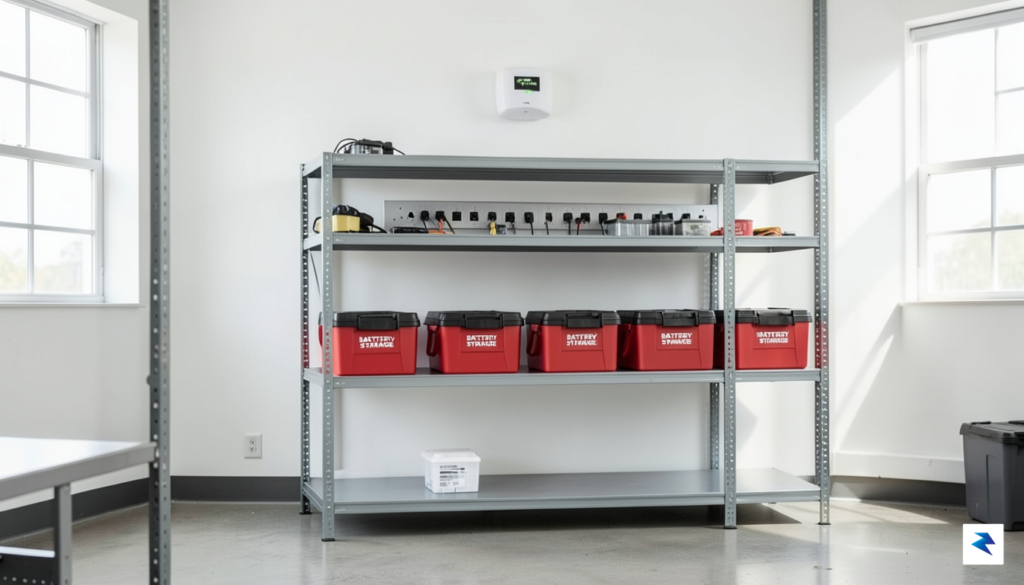
Charging habits are equally critical to maintaining a safe environment. It is a dangerous temptation to “set it and forget it” when charging batteries overnight or while away from the house. To prevent potential thermal runaway, you should never leave batteries unattended during the charging process. Always place your charger on a hard, non-flammable surface—such as a concrete workbench or a metal table—rather than on a wooden surface, carpet, or near flammable materials like sawdust, oily rags, or chemical solvents. By ensuring that the charger has adequate ventilation and is not obstructed, you allow the heat generated during the energy transfer to dissipate safely rather than building up to dangerous levels.
Even if your specific battery model has not been subject to a recall, you must remain vigilant for the physical red flags that indicate a battery is nearing the end of its life or has become hazardous. Regularly inspect your packs for any signs of swelling, bulging, or warping of the plastic casing; these are often clear indicators that the internal cells are failing or have been compromised by a short circuit. Furthermore, if you notice that a battery becomes excessively hot to the touch during normal use or takes an unusually long time to charge, it is time to retire the unit immediately. You should also be wary of any strange smells or hissing sounds emanating from the battery pack, as these can be precursors to a venting event.
Key Takeaway: When in doubt, take it out. If a battery shows visible damage or consistently performs outside of normal parameters, do not attempt to repair it yourself. Dispose of it properly at a certified hazardous waste or battery recycling facility.
Ultimately, treating your power tool batteries with consistent care is the best defense against accidental fires. By integrating these storage and inspection routines into your regular maintenance schedule, you ensure that your workshop remains a productive space rather than a safety hazard. Remember that these tools are designed for efficiency, but they require a responsible operator to manage their energy storage safely throughout their entire lifecycle.
You must be logged in to post a comment.