The $10,000 Challenge: Why Hackers Want to Turn Your PS5 Into a PC
The Open Source Mission: Why Modders Want the PS5 to Run Linux For decades, the gaming console has existed in a state of perpetual tension…
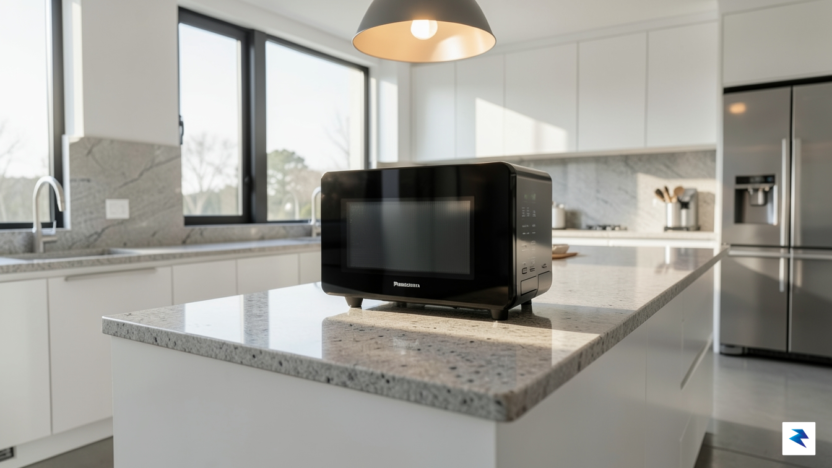
For over forty years, the microwave oven has remained a static presence in the kitchen, trapped in a cycle of incremental updates that rarely addressed the fundamental flaws of the appliance. Since the mainstream adoption of microwave technology in the 1970s, the core user experience has relied almost exclusively on crude, time-based heating. We have been conditioned to rely on the “set it and forget it” mentality, which, in reality, usually results in a frustrating game of culinary guesswork. Whether you were reheating a slice of pizza or attempting to defrost a chicken breast, you were essentially forced to act as a manual controller, pausing the machine every thirty seconds to stir, flip, or check for that inevitable, dreaded cold center.
This stagnation has persisted because manufacturers largely prioritized aesthetics and raw wattage over the physics of heat distribution. Consumers were led to believe that “more power” was the solution to poor cooking performance, yet simply blasting food with high-intensity radiation only widened the gap between the scorched, rubbery exterior and the icy interior. This phenomenon—the classic “cold-center, overcooked-edge” syndrome—has plagued home cooks for decades, turning what should be a convenient tool into a source of constant kitchen anxiety. We have grown so accustomed to these limitations that we often accept unevenly heated meals as an unavoidable trade-off for speed.
The true innovation in kitchen appliances isn’t found in higher wattage or more buttons, but in the intelligent application of sensors that understand the state of the food being cooked.
However, the tide is finally turning as we enter a new era of Japanese-engineered precision. By shifting away from blind timers and toward high-fidelity, sensor-driven heating, modern technology is finally addressing the root cause of microwave failure: the lack of real-time feedback. Unlike its predecessors, the new generation of smart appliances utilizes advanced infrared sensors that monitor the precise surface temperature of your dish, adjusting the power output dynamically throughout the cooking cycle. This marks a significant turning point in domestic culinary history, as it effectively removes the burden of intuition from the chef and places it into the hands of the machine.
This evolution represents a departure from the “guess and check” method of the past. Instead of relying on a pre-programmed timer that treats every item as a generic block of mass, these new systems recognize the unique heat signatures of different ingredients. By maintaining a consistent, modulated temperature rather than a violent on-off pulse of energy, the appliance ensures that your meal is heated evenly from the inside out. For the first time, the microwave is no longer just a heating box; it is an intelligent assistant capable of delivering restaurant-quality consistency with the simplicity of a single button press.
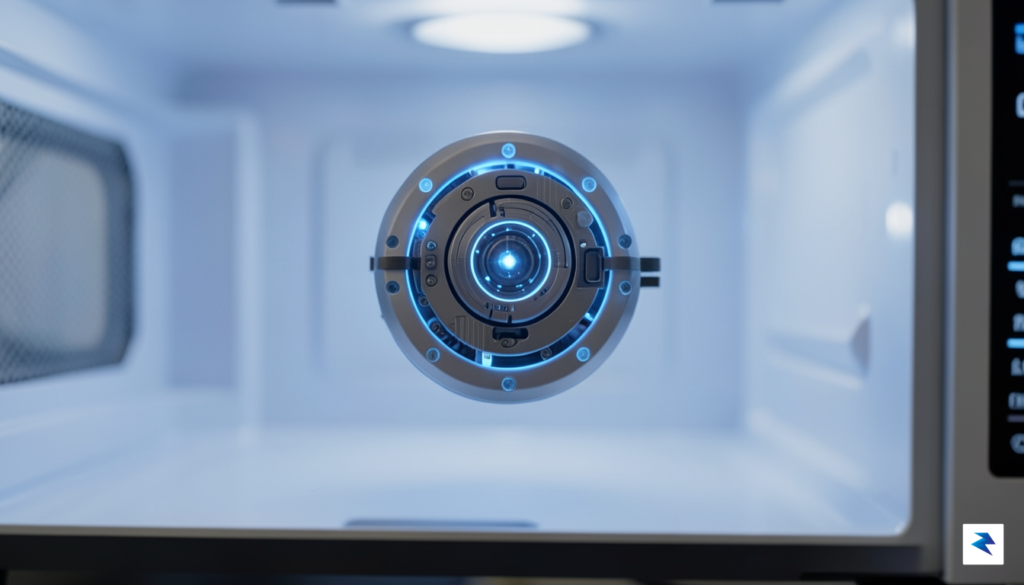
For decades, standard microwave ovens have relied on rudimentary humidity sensors to gauge doneness. These legacy systems operate on a simple, albeit flawed, logic: they monitor the volume of steam escaping from the food to estimate internal temperature. Because steam production is an indirect proxy for heat, these sensors are notoriously prone to error, often triggering shut-offs based on the moisture content of the air rather than the actual state of the meal. This is why you have likely experienced the frustration of a plate that is scalding hot on the outside while remaining stubbornly frozen in the center, or vegetables that turn into a mushy, overcooked mess because the sensor miscalculated the evaporation rate of the surrounding air.
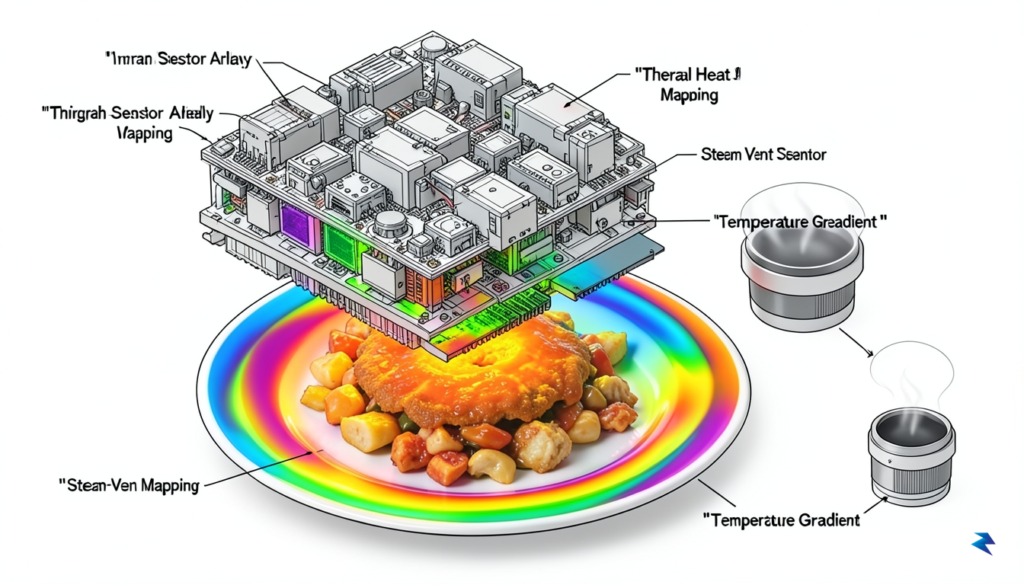
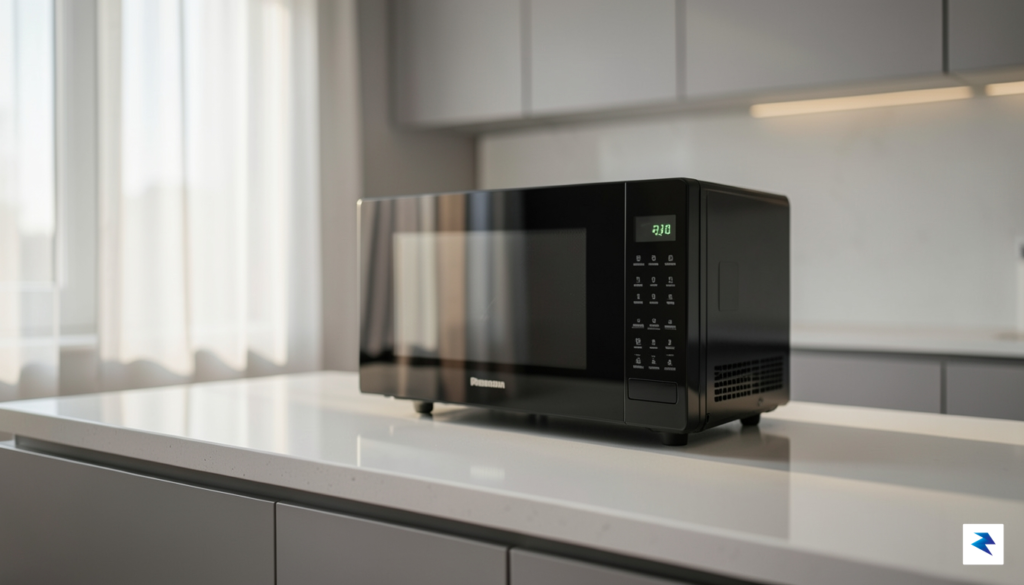
The 2026 Panasonic Japanese microwave shifts this paradigm entirely by utilizing direct infrared thermal sensing technology. Instead of “guessing” based on peripheral steam, the appliance acts as a thermal camera, actively mapping the surface temperature of the food in real-time. By utilizing a high-precision infrared sensor, the microwave can “see” the exact heat signature of the dish at every point on the plate. This physics-based approach allows the magnetron to modulate power output dynamically, slowing down or accelerating the heating process to ensure an even temperature gradient from the outer edges to the core. It is the difference between blindly guessing if a room is warm based on how much fog is on the window, versus using a professional-grade thermometer to measure the air itself.
Direct thermal monitoring eliminates the “steam-blindness” of traditional microwaves, ensuring that the heating cycle terminates exactly when the molecule excitation reaches the ideal serving temperature.
The implications for food quality and nutritional retention are profound. When food is subjected to the erratic, high-intensity pulses typical of humidity-based ovens, the proteins and cellular structures often degrade, leading to that distinct “reheated” rubbery texture. By utilizing direct thermal sensing, this new technology prevents the localized overheating that causes nutrient breakdown. Because the oven stops the precise second the food hits the target temperature, you avoid the secondary “carry-over” cooking that ruins delicate textures. This level of precision is not just about convenience; it is about preserving the molecular integrity of your ingredients, allowing for leftovers that taste remarkably similar to a freshly prepared meal.
Furthermore, this technological leap changes the way we interact with our kitchen appliances. Because the machine understands the thermal profile of the dish, it can make intelligent decisions that were previously impossible, such as defrosting delicate proteins without pre-cooking the edges or perfectly reheating a complex casserole without drying out the top layer. By removing the guesswork from the microwave equation, we move away from the era of “zap and hope” cooking and toward a more reliable, science-backed culinary experience that respects the quality of the food you are serving.
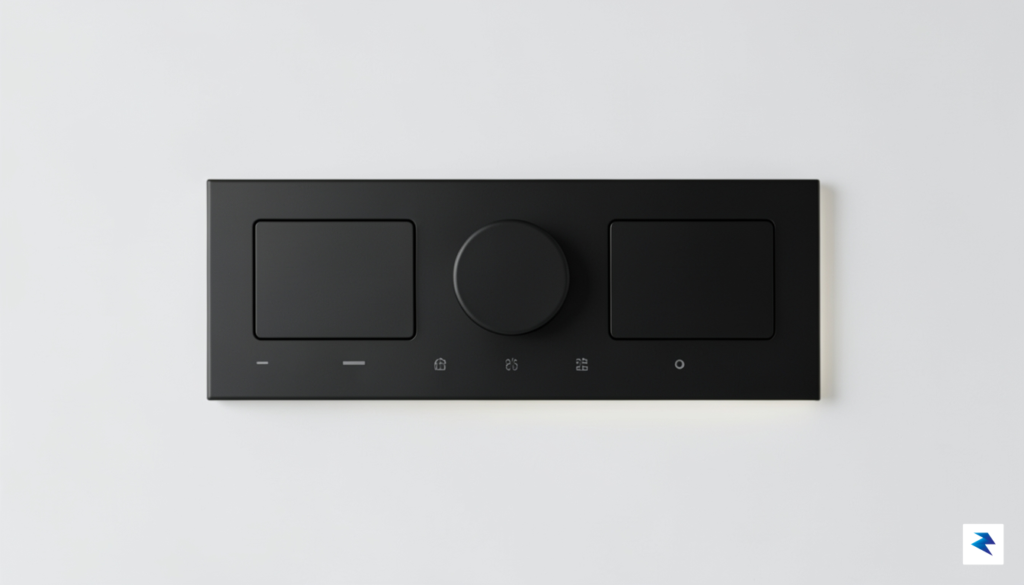
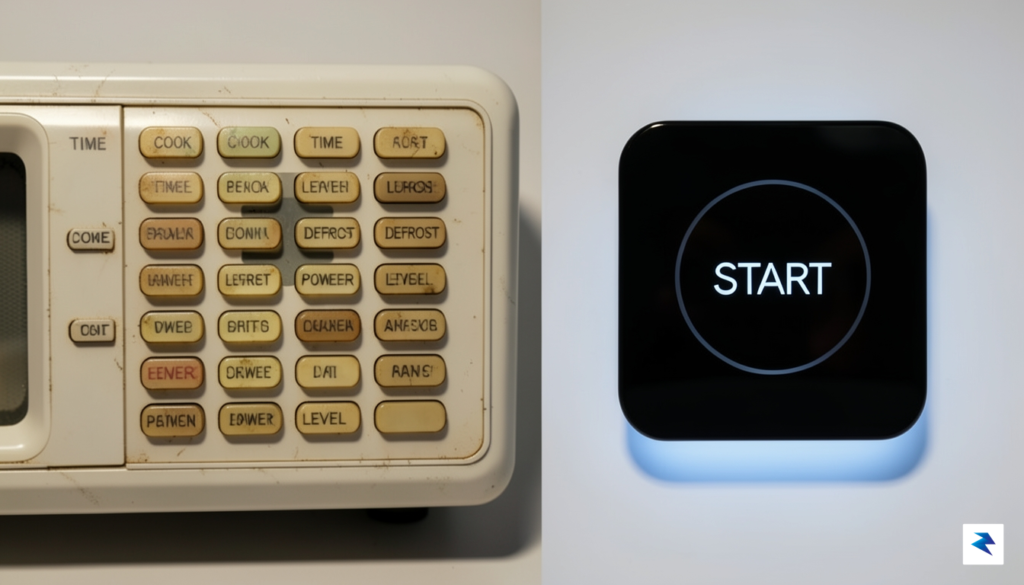
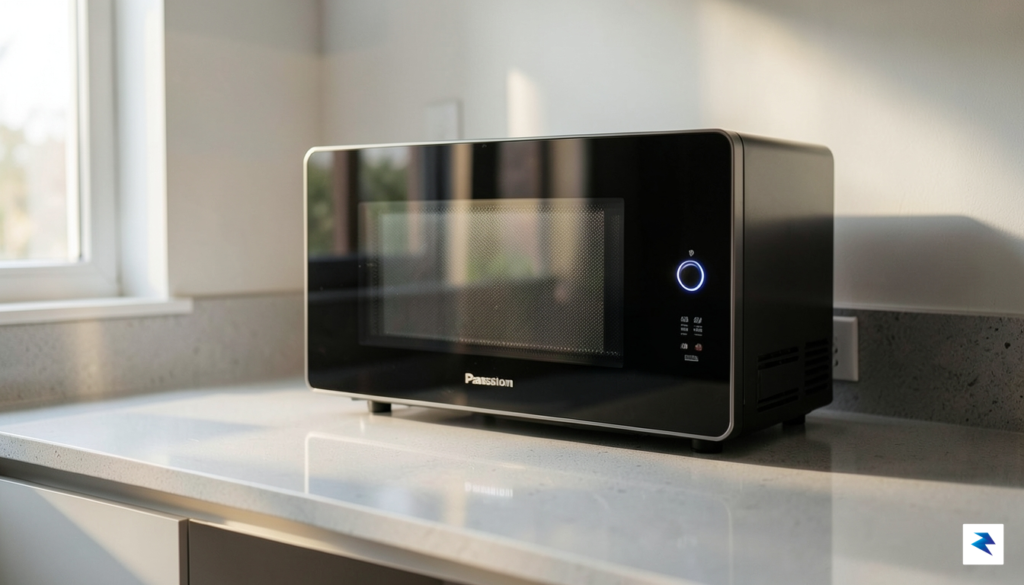
For years, the standard microwave interface has been a chaotic landscape of twenty different power levels, specialized buttons for popcorn or frozen vegetables, and hidden menus that require a manual to decipher. The Panasonic Japanese-market design philosophy takes a radical departure from this clutter, embracing a “less is more” approach that prioritizes the actual user experience over technical gimmicks. By stripping away the unnecessary noise, the engineers have crafted a control panel that feels less like a flight deck and more like a high-end appliance designed for the modern home. The result is an ergonomic triumph where the user is no longer tasked with choosing the perfect wattage, but is instead invited to simply engage with the device in the most intuitive way possible.
At the heart of this design is the “1-button cooking” philosophy, a revolutionary shift that treats simplicity as the ultimate form of sophistication. Rather than forcing the user to navigate complex decision trees, the machine leverages smart sensors to handle the heavy lifting, effectively eliminating the guesswork that leads to overcooked or unevenly heated leftovers. When there is only one primary button to press, the friction between wanting a hot meal and actually receiving one is reduced to almost zero. This intentional reduction in options does not sacrifice performance; instead, it optimizes it by ensuring the appliance functions reliably every single time. By narrowing the scope of user input, the device creates a more consistent outcome, proving that fewer choices often lead to significantly better results.
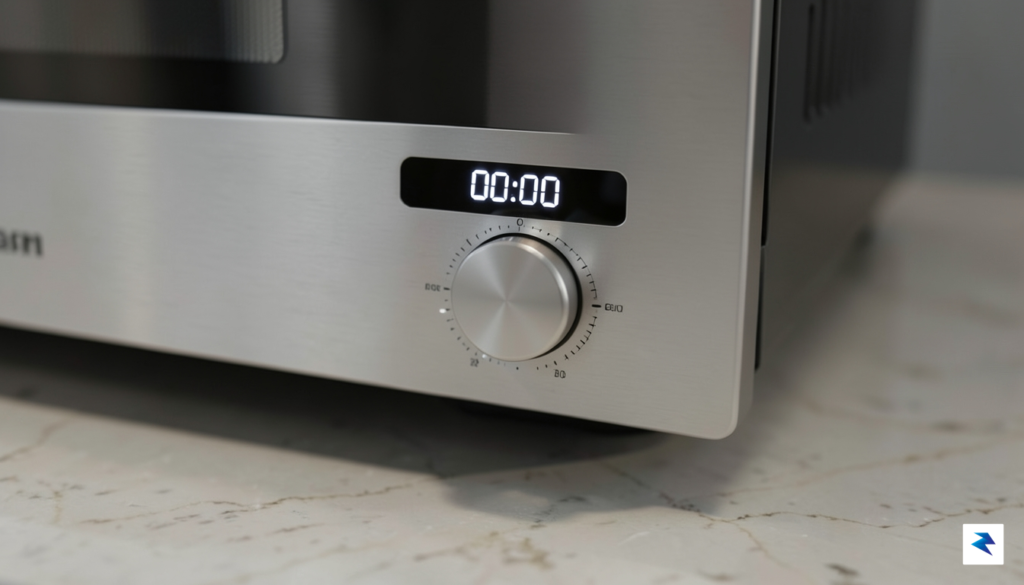
The aesthetic benefits of this minimalist approach extend far beyond simple ease of use. In a contemporary kitchen, where clean lines and uncluttered surfaces are highly prized, this microwave acts as a sophisticated piece of functional decor rather than an eyesore. The build quality reflects a meticulous attention to detail—the tactile feedback of the dial, the soft-close mechanism of the door, and the seamless integration of the display into the chassis all speak to a higher standard of industrial design. By rejecting the “more is better” mentality, Panasonic has created an appliance that feels at home in a curated space, proving that true luxury is found in the removal of the superfluous.
True minimalism in kitchen appliances is not about removing features; it is about refining the interface until only the essential remains, allowing the user to achieve perfect results without the mental load of complex programming.
Ultimately, the ergonomic success of this unit lies in how it respects the user’s time and cognitive bandwidth. We live in an era of decision fatigue, and the last thing a consumer needs is a microwave that requires a learning curve just to reheat a cup of coffee. By focusing on a singular, robust interaction point, the design encourages a seamless flow in daily routines. It shifts the burden of intelligence from the user to the appliance’s internal sensors, fostering a relationship built on trust rather than frustration. This is not just a microwave; it is a thoughtful study in how intentional design can fundamentally improve the small, everyday moments of our lives.
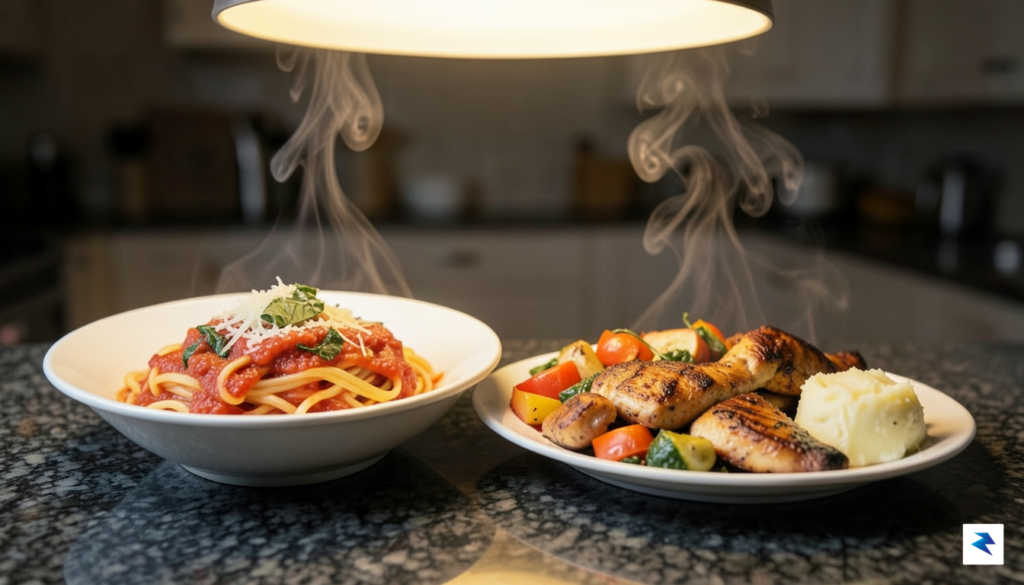
To truly evaluate the efficacy of the 2026 Panasonic Japanese series, we put the much-touted “True 1-Button” sensor technology through a rigorous gauntlet of real-world kitchen scenarios. Our testing methodology focused on the disparity between food densities, ranging from high-moisture liquids like miso soup to dense, complex solids like lasagna and frozen shepherd’s pie. Unlike traditional microwaves that rely on static power levels and imprecise timers, this system utilizes high-fidelity infrared sensors that monitor steam release and surface temperature variations in real-time. By tracking these variables, the unit dynamically adjusts its output, preventing the common “volcano effect” where the edges of a dish scorch while the center remains frozen.
The results during our liquid-to-solid stress tests were remarkably consistent. When reheating a bowl of dense vegetable chili alongside a refrigerated serving of pasta, the microwave successfully identified the different thermal requirements for each dish. Where standard models often produce localized hot spots or leave icy pockets, the Panasonic unit maintained an even heat gradient throughout the entire volume of food. We found that the “end-of-cycle” state was consistently uniform, requiring no mid-cycle stirring or shuffling of the container. This represents a significant departure from the manual intervention typically required with mid-range appliances, effectively removing the guesswork from daily meal preparation.
The true magic of the 1-button interface isn’t just speed; it is the intelligent suppression of uneven heating, ensuring that delicate vegetables maintain their structural integrity instead of turning into mush.
When comparing this performance to conventional microwaves, the time-to-table efficiency is staggering. While traditional units often necessitate a “reheat, stir, and repeat” workflow, the Panasonic system achieves the same, if not superior, results in a single, uninterrupted cycle. We observed that even when dealing with delicate items like steamed broccoli or soft-boiled eggs—foods notoriously difficult to microwave without rubbery textures—the sensor-driven precision prevented moisture loss. By modulating power with sub-second accuracy, the appliance retains flavor profiles that are usually sacrificed to the aggressive, high-wattage blasts of older technology. For the modern home cook, this means that “leftover night” no longer feels like a compromise on quality, but rather an efficient extension of the original cooking process.
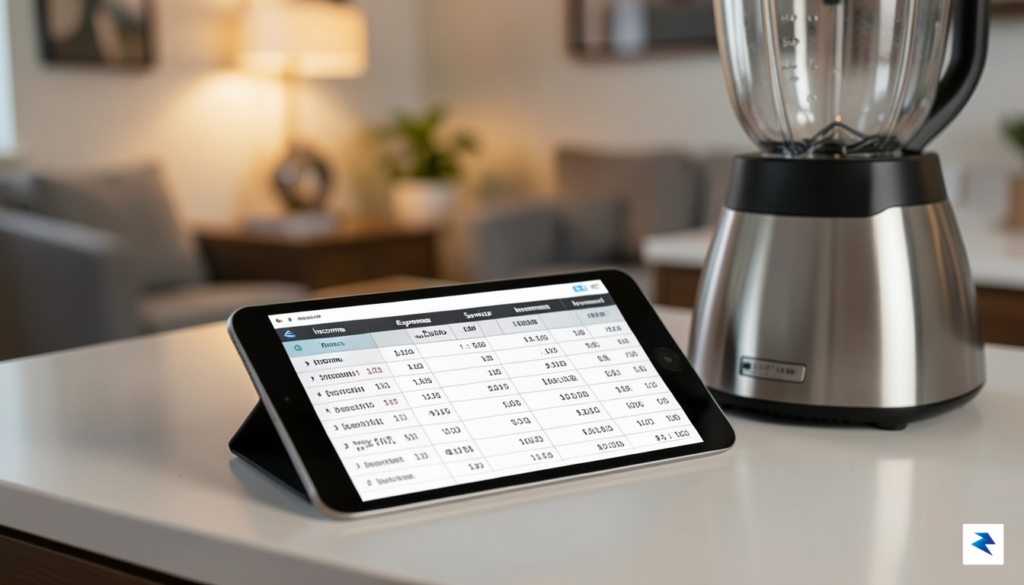
When standing in the appliance aisle, the price gap between a standard entry-level microwave and a premium Japanese-engineered Panasonic model can feel jarring. While mass-market units often hover in the $100 to $150 range, high-end models command a significant premium, often double or triple that investment. For the average household, this leads to a logical hesitation: is the utility truly worth the difference? The answer lies in shifting the perspective from a simple heating tool to a culinary asset. Unlike budget models that rely on crude, timer-based heating cycles, these premium units utilize advanced inverter technology and sophisticated humidity sensors that actively communicate with your food, adjusting power levels in real-time to prevent the dreaded “rubberized” texture that haunts so many microwave meals.
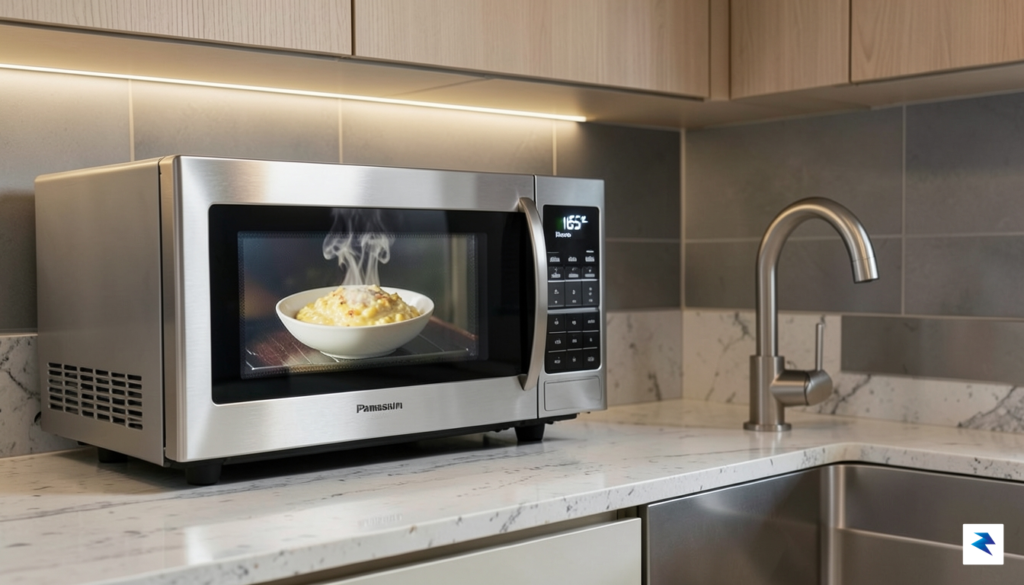
Beyond the immediate cooking performance, one must consider the long-term economics of appliance longevity. Budget microwaves are frequently treated as “disposable” electronics; they are designed with lower-grade magnetrons and internal components that often degrade within three to five years, leading to uneven heating or total failure. In contrast, Panasonic’s high-end Japanese-manufactured line is built with industrial-grade components intended for a decade or more of daily use. By investing in a unit that avoids the need for a replacement cycle every few years, the cost-per-year actually begins to narrow, making the premium price feel less like a luxury and more like a prudent investment in household infrastructure.
The true value of a premium microwave isn’t just in the speed of the reheat, but in the preservation of the meal itself—turning yesterday’s leftovers into a dinner that actually tastes fresh.
Ultimately, the lifestyle value is found in the reduction of food waste and the reclamation of time. We have all experienced the frustration of throwing away a meal because the microwave nuked it into an unappetizing, dry mess, or conversely, left the center frozen while the edges scorched. Premium sensor technology ensures that a delicate piece of salmon or a bowl of pasta is reheated to an ideal temperature, effectively salvaging leftovers that would otherwise find their way into the trash. When you combine this reduction in food waste with the genuine time saved by not having to “guess” at power levels or stand by the door to check for doneness, the device pays dividends in culinary consistency and daily convenience that budget models simply cannot replicate.
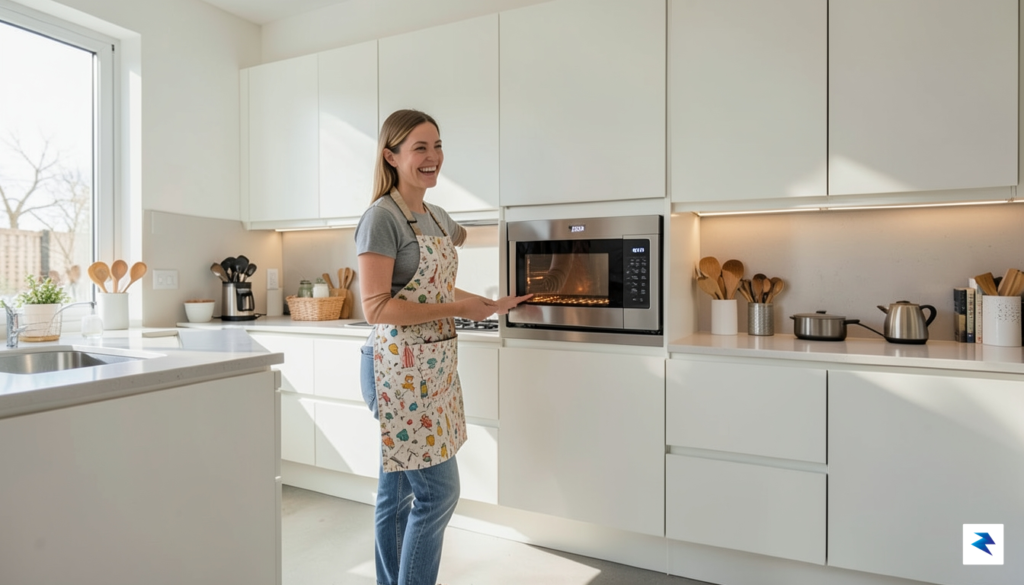
Deciding whether to integrate this latest Panasonic innovation into your home requires a candid look at your relationship with your kitchen. If you are a busy professional who views mealtime as a logistical hurdle rather than a creative hobby, the “True 1-Button” interface is nothing short of a revelation. By eliminating the guesswork associated with wattage adjustments and sensor malfunctions, this machine transforms the daunting task of reheating into a seamless, high-performance experience. Conversely, if you are a culinary purist who insists on using a convection oven for every reheat, you might find the automation a bit too detached for your specific needs. Ultimately, the value proposition lies in the consistency of the output; for the first time in years, the “reheat” button actually produces food that retains its intended texture and moisture.
While the market is flooded with “smart” appliances that often complicate simple tasks, this Panasonic model earns its place on the counter by prioritizing genuine utility over gimmickry. We have identified three primary groups who will see an immediate return on their investment:
The true measure of a smart appliance is not how many features it boasts, but how many frustrations it removes from your daily routine.
Looking toward the horizon, this model serves as a clear indicator of where the smart kitchen is heading: toward invisible technology. We are moving away from the era of complex, menu-heavy interfaces that require a manual to operate and entering an age where the hardware understands the physics of the food inside it. If you are ready to stop hovering over your microwave and start trusting your appliance to handle the heavy lifting, this upgrade is not merely a luxury—it is a significant quality-of-life improvement. For the majority of home cooks, the days of overcooked, unevenly heated leftovers are finally coming to an end, paving the way for a more reliable, stress-free culinary experience.
You must be logged in to post a comment.