
Why These Electric Vehicles Are Leaving the U.S. Market This Year
The Shifting Landscape of the American EV Market The trajectory of the electric vehicle market in the United States has shifted gears…
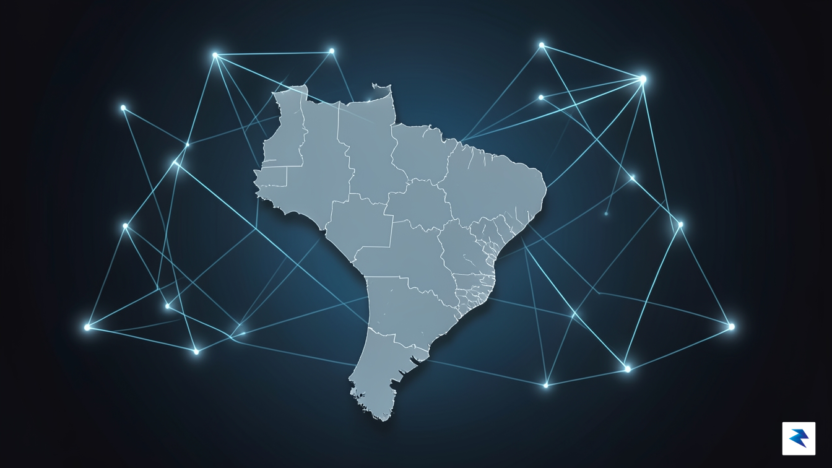
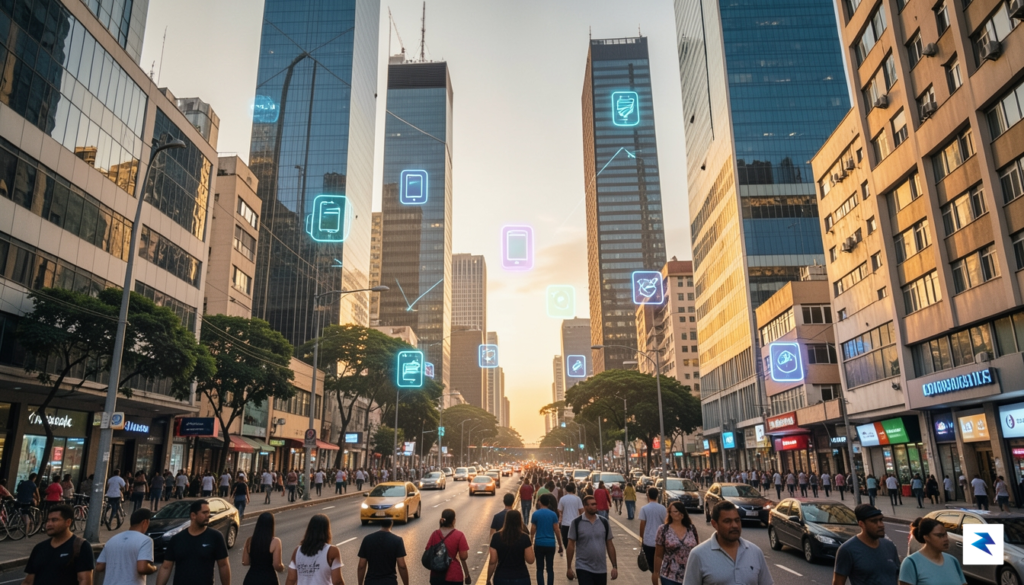
For decades, Brazil’s financial landscape was defined by high barriers to entry, a reliance on slow, paper-heavy bureaucratic processes, and a significant portion of the population operating entirely outside the formal banking system. Traditional institutions often catered exclusively to the wealthy, leaving millions of citizens to navigate an economy hindered by exorbitant transaction fees and limited access to credit. However, this environment of exclusion inadvertently laid the groundwork for a radical departure from legacy systems. As smartphone penetration surged across the country, the demand for more accessible, inclusive financial tools became impossible for regulators to ignore, sparking a wave of innovation that would eventually transform Brazil into a global testing ground for modern fintech solutions.
The turning point arrived with a concerted regulatory push by the Central Bank of Brazil, which sought to democratize finance by fostering competition and efficiency. By lowering the entry requirements for digital-first neobanks and investing heavily in interoperable infrastructure, the government effectively dismantled the oligopoly held by the nation’s largest traditional banks. The launch of Pix—the Central Bank’s instant payment platform—represented the culmination of this vision, enabling real-time fund transfers at virtually no cost. This shift was not merely a convenience upgrade; it was a structural overhaul that brought millions of unbanked individuals into the digital economy, proving that a digitized, instant payment ecosystem could thrive at scale even in a complex, developing market.
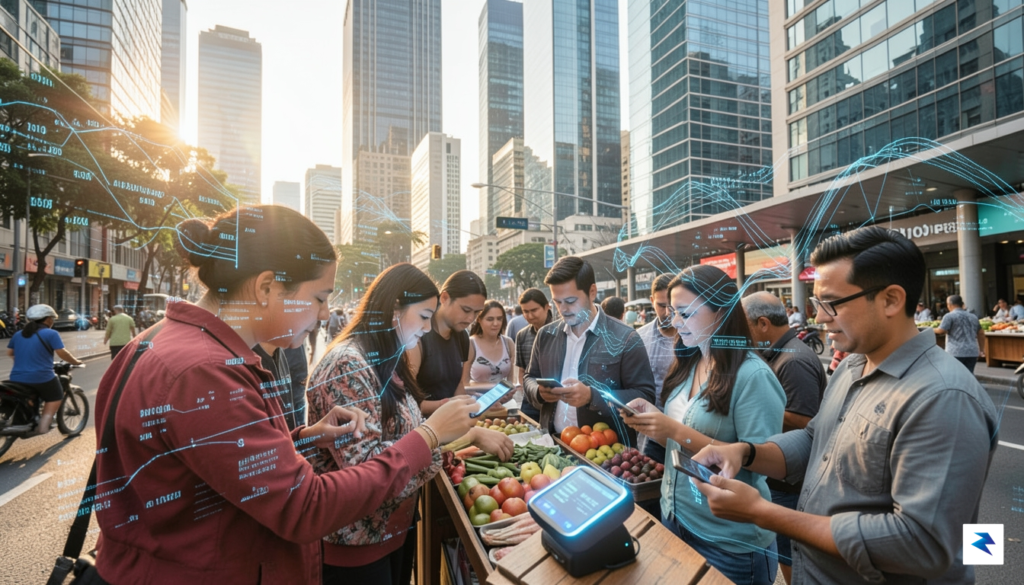
Today, Brazil stands as a premier leader in global fintech adoption, having successfully integrated digital banking into the daily routines of its citizens. The transition from cash-reliant transactions to sophisticated digital wallets and real-time payment rails has been remarkably swift, setting a high bar for other emerging economies to emulate. This rapid modernization has created a highly tech-savvy consumer base that is increasingly comfortable experimenting with diverse financial instruments, including decentralized assets. Because of this high level of digital maturity, the country has become the natural frontier for the next generation of monetary technology, drawing both immense investment and, more recently, intense geopolitical scrutiny as these domestic advancements intersect with the broader global struggle for currency dominance.
The success of Brazil’s financial modernization is rooted in the strategic decision to prioritize interoperability and low-cost access, effectively leapfrogging traditional banking hurdles that still plague many developed nations today.
As these new payment modalities settle into the mainstream, they are beginning to challenge the established norms of international finance. The rise of stablecoins and decentralized payment rails in Brazil is no longer just a fringe experiment among crypto enthusiasts; it is becoming a practical utility for businesses and individuals seeking to mitigate local currency volatility and circumvent the friction of legacy cross-border payment networks. This evolution has positioned Brazil at the center of a complex debate regarding financial sovereignty and the future of the global dollar-based monetary order, marking a significant shift from a once-isolated financial market to a central player in the global digital currency conversation.

In the landscape of Brazil’s rapidly evolving digital economy, a quiet revolution has taken root, centering on the widespread adoption of dollar-linked stablecoins. While government-backed initiatives attempt to modernize traditional financial rails, everyday Brazilians and local enterprises have increasingly turned to digital assets pegged to the U.S. dollar to secure their purchasing power. This shift is not merely a trend among tech enthusiasts; it has become a fundamental pillar of the domestic crypto ecosystem, currently accounting for nearly 90% of all digital asset transactions within the country. By tethering their value to a global reserve currency, users are effectively bypassing the inherent volatility associated with traditional cryptocurrencies like Bitcoin or Ethereum, creating a more predictable environment for commerce and personal savings.

The primary driver behind this massive adoption is the pragmatic need to hedge against domestic inflationary pressures. For many Brazilians, the local currency has historically been subject to fluctuations that can erode the value of hard-earned savings over time. Stablecoins offer a reliable digital sanctuary, providing the accessibility of a blockchain-based wallet combined with the relative stability of the U.S. dollar. Furthermore, these tokens have become indispensable tools for cross-border settlements, allowing small businesses and freelancers to bypass the cumbersome, high-fee structure of legacy international banking. By utilizing stablecoin rails, these participants can settle transactions in near real-time, significantly reducing the friction and capital costs that typically plague traditional international wire transfers.
The dominance of dollar-linked stablecoins represents a fundamental change in how South American markets interact with global liquidity, effectively decentralizing the demand for the dollar beyond traditional banking institutions.
Data suggests that this preference for stable assets over volatile alternatives is a calculated response to economic necessity rather than mere speculation. Unlike the boom-and-bust cycles that characterize the broader crypto market, stablecoins offer a functional utility that aligns with day-to-day financial needs. As the infrastructure for these digital assets matures—supported by increasing integration with local payment gateways and merchant services—the reliance on dollar-pegged tokens is poised to grow even further. This shift essentially creates a parallel financial system, one that operates independently of traditional geopolitical constraints while providing the stability required for long-term economic participation in an increasingly digital world.
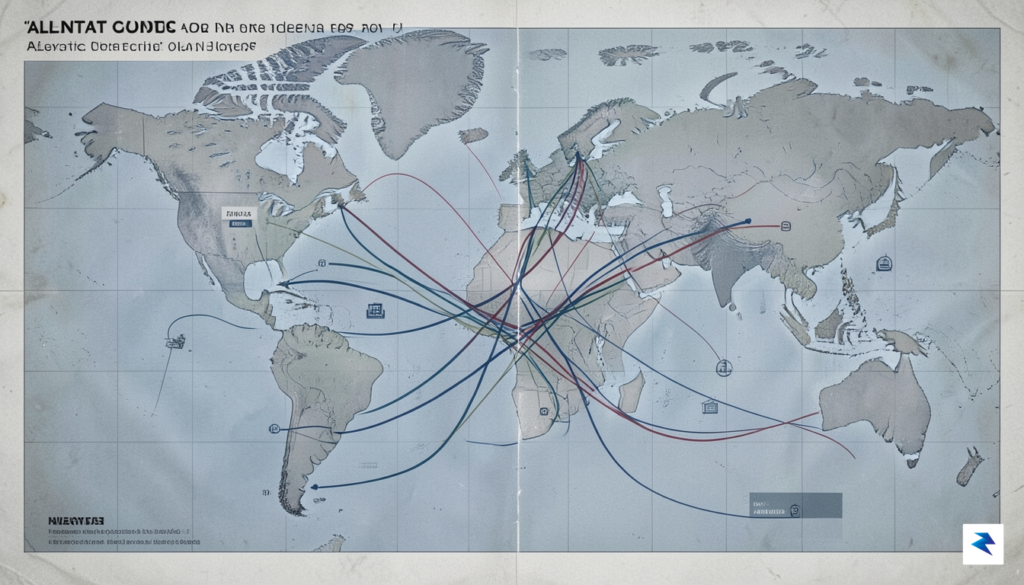
Washington’s escalating scrutiny of Brazil’s evolving financial architecture is far more than a technical dispute over banking protocols; it represents a burgeoning anxiety within American foreign policy circles regarding the long-term viability of the dollar’s global dominance. For decades, the United States has leveraged the greenback as the primary artery of international commerce, utilizing the SWIFT network and dollar-denominated settlement systems to enforce sanctions and maintain economic leverage. However, as nations like Brazil explore alternative payment rails—ranging from central bank digital currencies to the rapid, decentralized adoption of dollar-backed stablecoins—the U.S. government increasingly views these bypasses as potential chinks in the armor of dollar-based hegemony.

From the perspective of policymakers in Washington, the rise of frictionless, non-traditional payment systems in emerging markets threatens to diminish the efficacy of American financial statecraft. When countries move toward autonomous settlement systems, they effectively create a parallel ecosystem that is shielded from the oversight of the U.S. Treasury. This shift is particularly alarming to those who fear that if regional powers can facilitate trade without relying on the dollar, the global demand for the U.S. currency as a reserve asset could gradually erode. Consequently, Brazil’s pragmatic approach—balancing its historical alignment with Western financial institutions while simultaneously integrating agile, low-cost digital payment technologies—is increasingly perceived by U.S. officials as a diplomatic high-wire act that leans dangerously toward economic independence.
The durability of the dollar is not merely a matter of monetary policy; it is the foundational pillar of American geopolitical influence. When alternative payment channels gain traction, they don’t just change how money moves—they change who holds the power to regulate that movement.
This friction is further complicated by the reality of the private sector’s role in the transition. While diplomats debate the strategic implications of these payment shifts, the reality on the ground in Brazil is driven by consumer demand for efficiency and lower transaction costs. Stablecoins, in particular, have surged in popularity because they offer a familiar dollar-pegged value without the cumbersome legacy of traditional cross-border banking. For the U.S., the challenge lies in distinguishing between organic financial innovation and deliberate efforts to undermine the dollar. As Brazil continues to modernize its payment infrastructure, Washington must reconcile its desire to maintain financial oversight with the inevitable global trend toward faster, more decentralized, and increasingly autonomous digital payment technologies.
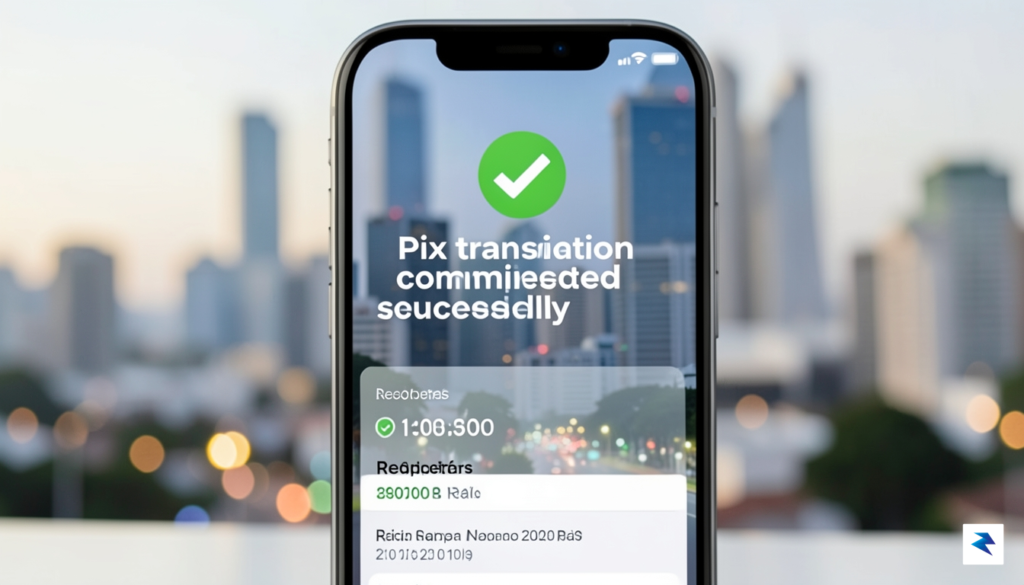
The meteoric rise of Pix, the instant payment ecosystem launched by the Central Bank of Brazil in 2020, represents arguably the most successful public-sector fintech innovation in modern history. By stripping away the traditional barriers of credit card processing fees, lengthy settlement periods, and the cumbersome nature of bank wire transfers, Pix transformed digital currency from a luxury into a public utility. At its core, the system utilizes a centralized directory of “Pix keys”—which can be a user’s phone number, email address, or a random alphanumeric string—to facilitate instantaneous peer-to-peer and business-to-consumer transfers. Because the system operates 24/7, 365 days a year, it has effectively rendered the concept of “banking hours” obsolete, forcing legacy financial institutions to adapt or risk total irrelevance in a rapidly evolving market.
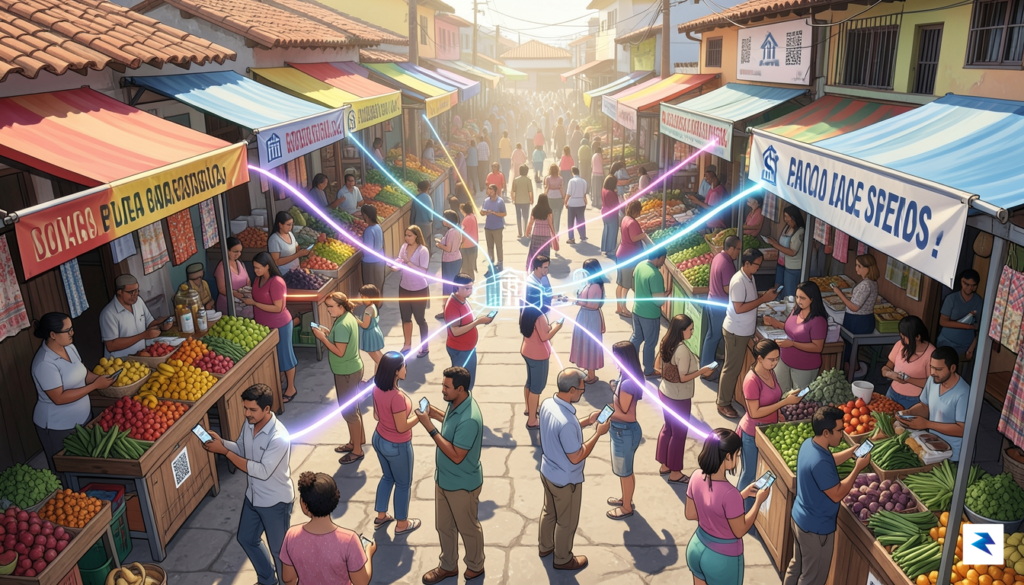
The speed of user adoption is perhaps the most striking element of the Pix phenomenon. Within a few short years, it became the primary payment method for millions of Brazilians, largely because it removed the friction that historically deterred lower-income populations from participating in the formal digital economy. By eliminating transaction costs for individuals and lowering them drastically for small businesses, Pix fostered a culture of immediate liquidity. This shift has been so profound that street vendors, neighborhood bakeries, and even religious organizations now rely almost exclusively on Pix, creating a seamless financial bridge that connects the most remote corners of the country to the national banking infrastructure.
The success of Pix lies in its simplicity: it turned the smartphone into a universal payment terminal, effectively democratizing access to capital and commerce across every socioeconomic strata of Brazil.
However, the narrative of Brazil’s payment revolution has recently entered a new, more complex chapter as the country’s appetite for digital innovation intersects with decentralized finance. While Pix remains the backbone of domestic transactions, a parallel trend is emerging: the quiet, steady rise of dollar-pegged stablecoins. As Brazilians become increasingly comfortable with mobile-first, instant digital settlement, they have naturally begun to explore assets that offer protection against local currency volatility. This has created a unique hybrid environment where the state-run Pix infrastructure serves as the primary on-ramp for fiat, while stablecoins act as a secondary, globalized layer for value storage and international commerce. Consequently, Brazil is not just digitizing its existing financial system; it is actively building a borderless, dual-currency reality that challenges the traditional influence of conventional monetary policy on the ground.

The Central Bank of Brazil (BCB) currently finds itself navigating an increasingly precarious tightrope walk, attempting to foster homegrown financial innovation while simultaneously defending the integrity of the national monetary system. By introducing Pix, the country’s wildly successful instant payment rail, the BCB demonstrated an uncanny ability to modernize domestic commerce and reduce reliance on traditional, high-fee banking infrastructure. However, this push for sovereignty is now being challenged by the rapid, organic adoption of dollar-backed stablecoins among Brazilian citizens and businesses. While the BCB seeks to maintain strict oversight through its evolving regulatory frameworks, the decentralized nature of these digital assets presents a formidable hurdle to traditional central banking mandates.
This internal struggle is further complicated by the gravitational pull of the U.S. dollar, which remains the preferred hedge for Brazilians facing historical volatility in the local currency. Even as the government attempts to promote the real as the primary medium of exchange, the utility of stablecoins—which provide near-instant settlement and protection against inflation—has proven too enticing for many market participants to ignore. Consequently, Brazilian authorities are forced to grapple with a dual reality: they must support the digital evolution of their economy to stay competitive globally, yet they cannot easily ignore the shadow economy created by assets that operate outside the direct control of domestic monetary policy.
The challenge for the Central Bank of Brazil is not merely technological; it is a fundamental debate over who controls the flow of capital in a borderless digital economy where national borders are increasingly permeable to decentralized finance.
Furthermore, the pressure from international trade dynamics adds another layer of complexity to this policy dilemma. As global economic powers scrutinize the rise of non-sovereign digital assets within Brazil, the BCB must ensure that its regulatory stance does not inadvertently alienate foreign investors or jeopardize existing trade agreements. Developing a framework that encourages innovation while mitigating systemic risks requires a delicate balance of oversight and openness. If the authorities lean too heavily into restrictive measures, they risk stifling the very technological growth they worked so hard to cultivate through initiatives like Pix. Conversely, a hands-off approach could invite unwanted volatility, forcing the country to reconcile its desire for financial autonomy with the undeniable influence of global currency trends.
As Brazil continues to solidify its position as a global laboratory for digital finance, the trajectory of its fintech sector suggests a permanent departure from traditional, slow-moving settlement rails. The rapid integration of dollar-pegged stablecoins into the daily retail and wholesale fabric of the Brazilian economy is not merely a passing trend; it is a structural response to the inefficiencies of legacy cross-border payment systems. Looking ahead, the nation serves as a compelling case study for how emerging markets can bypass decades of bureaucratic banking hurdles by embracing decentralized, blockchain-based infrastructure. While geopolitical tensions—specifically those involving external scrutiny of payment autonomy—may introduce new layers of regulatory friction, the sheer utility of these digital assets for local businesses creates a powerful incentive to resist any policies that would stifle this innovation.
The resilience of the Brazilian fintech ecosystem, characterized by its openness to central bank digital currencies (CBDCs) and private stablecoins alike, suggests that the country is well-positioned to navigate the coming wave of international scrutiny. Rather than viewing stablecoins as a threat, many local institutions are actively incorporating them to lower transaction costs and provide businesses with a hedge against volatility. This pragmatic approach provides a blueprint for other emerging economies that are currently grappling with inflationary pressures and limited access to global liquidity. By prioritizing speed, transparency, and interoperability, Brazil is essentially building a parallel financial highway that operates independently of—yet alongside—the traditional banking sector, ensuring that its economy remains agile in an increasingly fragmented global trade environment.
The future of global trade will likely be defined by the friction between legacy financial hegemony and the borderless efficiency of digital assets; Brazil is currently the primary stage where this transition is being tested in real-time.
Ultimately, the long-term success of this digital shift will depend on how effectively the government balances the need for consumer protection with the necessity of maintaining market freedom. If regulators can construct a framework that supports innovation without imposing overly restrictive capital controls, Brazil could set the global standard for how a modern, interconnected economy functions in the 21st century. Other nations watching these developments should anticipate a significant shift in how capital flows; the era of reliance on a single, centralized payment path is waning. As decentralized alternatives gain institutional legitimacy, the global financial landscape will be forced to evolve, and Brazil’s current trajectory will likely be remembered as the catalyst that proved digital, crypto-backed payments are not just viable—they are inevitable.
You must be logged in to post a comment.