
Why Brazil’s Digital Payment Shift is Drawing Global Scrutiny
The Evolution of Brazil's Digital Payments Landscape For decades, Brazil’s financial landscape was defined by high barriers to entry, a…


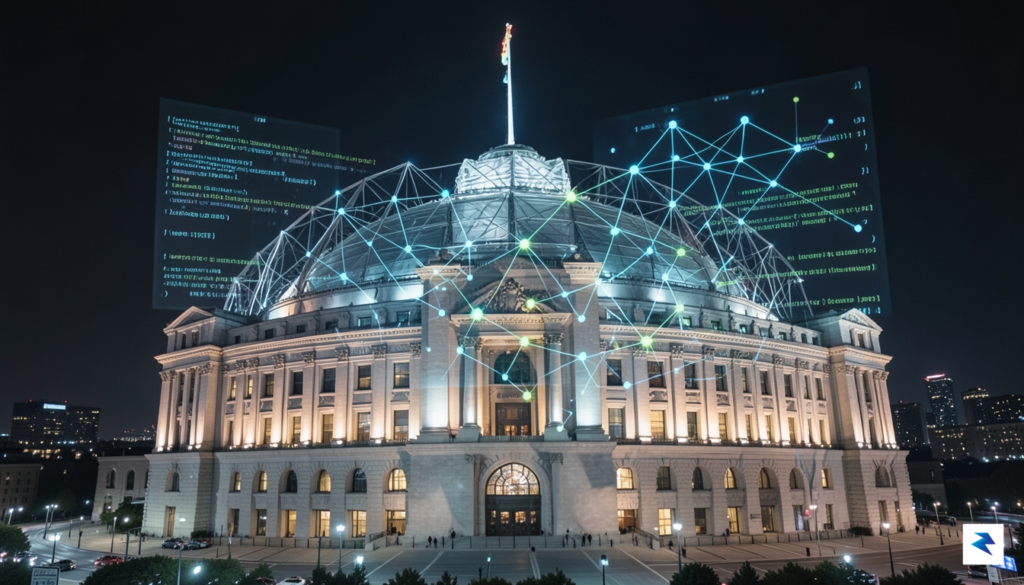
The legal friction between Madison Square Garden (MSG) and Wired magazine centers on a provocative investigative report published in July, which examined the sophisticated data-harvesting practices utilized by the entertainment giant. At the heart of the conflict is a specific narrative constructed by the publication, which suggested that MSG was leveraging its facial recognition technology and internal data systems to monitor, track, and potentially profile attendees based on their sexual orientation. For MSG, these claims were not merely critical journalism; the company maintains that the article was a calculated attempt to smear its corporate reputation by falsely alleging that it engaged in discriminatory surveillance practices. Consequently, the lawsuit frames the magazine’s reporting as a reckless misinterpretation of how venue security systems operate in the modern digital era.
In its defense, Madison Square Garden contends that its data collection efforts are entirely standard for high-security entertainment venues, designed primarily for safety, ticketing integrity, and crowd management. The venue argues that the assertion that they were specifically targeting L.G.B.T.Q. individuals is factually baseless and represents a malicious distortion of their operational intent. From the perspective of MSG’s legal team, the magazine conflated general data point collection—such as entry times or peripheral security monitoring—with a targeted, discriminatory agenda. By suggesting that such data was being used to compile dossiers on patrons based on their personal identity, the venue claims that Wired crossed the line from investigative scrutiny into defamatory fabrication.
The central disagreement hinges on whether MSG’s security infrastructure constitutes a neutral safety tool or a mechanism for identity-based surveillance, a distinction that forms the bedrock of this litigation.
Conversely, Wired stands by its editorial process, asserting that their reporting was based on valid inquiries into how private corporations handle sensitive consumer information. The magazine maintains that its investigation uncovered patterns suggesting that the data management practices at the venue were far more invasive than the public had been led to believe. By highlighting the potential for misuse, the publication argues that it was performing a vital public service by scrutinizing the power imbalance between large-scale venue operators and the privacy rights of their patrons. This clash creates a significant legal precedent, as it forces the courts to weigh the protections afforded to investigative journalism against the rights of corporations to defend their business practices from what they perceive as harmful, inaccurate characterizations.

High-profile entertainment venues, once primarily concerned with physical security and crowd control, now operate at a complex intersection where advanced technology meets deeply personal privacy concerns. In an age where digital footprints are meticulously tracked, the public’s expectations for data privacy have evolved dramatically, creating a significant tension with the increasingly sophisticated security measures employed by major arenas and stadiums. What was once a simple ticket scan has transformed into a potential gateway for comprehensive data collection, prompting critical questions about consent, transparency, and corporate responsibility.
The modern venue experience often begins long before a guest steps through the turnstiles, and it continues long after they leave. Technologies like facial recognition software, high-definition surveillance cameras, Wi-Fi tracking, and even advanced ticketing systems linked to biometric data are becoming commonplace. These tools promise enhanced safety, more efficient entry, and personalized guest experiences, from seamless concession purchases to tailored marketing offers. However, this granular collection of data, often occurring passively in the background, allows venues to build extensive profiles of attendees, detailing everything from their movement patterns and purchasing habits to their social connections within the facility.
This pervasive data collection introduces profound ethical implications and a significant potential for overreach. While venues cite security as a primary justification, the scope of data gathered often extends far beyond immediate safety needs. The concern is not just about preventing illegal activity but also about the potential for misuse of sensitive personal information, whether through data breaches, unauthorized sharing with third parties, or the creation of systems that could lead to unfair profiling or exclusion. When an individual’s presence at a public event becomes an entry in a corporate database detailing their preferences and associations, the boundary between necessary security and unwarranted surveillance becomes dangerously blurred.
Consequently, this issue has become a lightning rod for privacy advocates and the media alike. They argue that attending a concert or a sporting event should not require an implicit forfeiture of fundamental privacy rights. The lack of clear, easily understandable policies regarding what data is collected, how it’s stored, who it’s shared with, and for how long, only exacerbates public distrust. Consumers are increasingly aware of the value of their personal data and expect companies, particularly those with such public profiles, to treat this information with the utmost respect and transparency, rather than leveraging it without explicit, informed consent.
The evolving landscape demands a higher standard of corporate responsibility from entertainment venues. Audiences are no longer content with vague assurances; they expect robust data protection frameworks, clear communication about data practices, and mechanisms for individuals to control their own information. Balancing the legitimate need for security in crowded public spaces with the public’s right to privacy is a delicate act, requiring thoughtful ethical consideration alongside technological implementation. Moving forward, the most successful venues will be those that not only innovate in guest experience and security but also lead in establishing trust through transparent and ethically sound data privacy practices.

The intersection of investigative journalism and corporate legal strategy often creates a high-stakes environment where the boundaries of free speech are tested against the protection of reputation. When a powerhouse entity like Madison Square Garden initiates a defamation lawsuit against a publication such as Wired, the case quickly moves beyond the specific allegations of data tracking and into the broader mechanics of American media law. At the heart of this conflict lies the difficult burden of proof, which requires the plaintiff to demonstrate not just that a report was factually inaccurate, but that it was published with a reckless disregard for the truth.
In the American legal system, establishing defamation against a public or high-profile figure requires proving actual malice, a standard established by the landmark Supreme Court case New York Times Co. v. Sullivan. This means the organization must provide evidence that the reporters or editors knew the information was false or acted with a high degree of awareness that their claims were likely untrue. For a technology magazine, this creates a rigorous defensive landscape; they must demonstrate that their investigative process—from data analysis to peer review and fact-checking—was conducted with professional diligence. If the publication can show that its reporting was rooted in a good-faith interpretation of available data, the lawsuit faces a significant hurdle, as the law provides a robust shield to protect journalists from chilling effects.

The implications of this litigation extend far beyond the courtroom, potentially reshaping how technology outlets approach investigative pieces concerning corporate surveillance. If major corporations succeed in leveraging litigation as a tool to contest critical investigative journalism, it may encourage a more cautious approach to reporting on proprietary technologies and data-gathering practices. Journalists must now navigate the reality that any claim regarding how a firm utilizes facial recognition or tracking software could trigger a defensive legal response, forcing editors to weigh the public interest against the high financial cost of a potential court battle. However, if the court upholds the magazine’s right to report on these technological practices, it would reinforce the role of the press as a necessary watchdog in the digital age.
The tension between corporate privacy claims and the public’s right to understand surveillance infrastructure is the defining media narrative of the current decade.
Ultimately, this case serves as a critical litmus test for the future of investigative tech journalism. By scrutinizing the intersection of falsity and editorial intent, the judiciary will effectively be deciding how much “breathing room” is afforded to those who report on the opaque algorithms and tracking systems that define modern urban life. Regardless of the outcome, the lawsuit highlights the ongoing struggle to balance the protection of institutional reputation with the fundamental necessity of informing the public about the mechanisms of corporate control.

To understand why Madison Square Garden has chosen to pursue legal action against Wired, one must first navigate the labyrinthine standards of defamation law, which are designed to balance freedom of the press against the protection of an entity’s reputation. At its core, a defamation claim requires more than just a feeling of being misrepresented; a plaintiff must prove that a false statement of fact was published, that it caused tangible harm, and, in many cases, that the publisher acted with a specific level of culpability. For a high-profile corporation like MSG, the legal bar is significantly higher because courts often categorize such entities as public figures. This designation mandates that they prove “actual malice,” meaning they must demonstrate that the publication knew the information was false or acted with reckless disregard for the truth.
The distinction between actionable false statements and protected reporting on matters of public interest is perhaps the most critical hurdle in this litigation. Journalists are afforded substantial latitude to investigate and report on corporate practices, especially when those practices concern civil rights or public policy. However, this protection is not absolute; it does not grant a license to fabricate evidence or knowingly mislead the public. When news outlets report on sensitive topics—such as the alleged tracking of individuals—they must rely on verifiable data rather than speculation. If the reporting is deemed to be based on an honest, albeit perhaps flawed, investigation into a matter of public concern, the legal system is generally hesitant to penalize the publisher, as doing so could create a “chilling effect” on investigative journalism.

Furthermore, courts must grapple with the nuanced difference between explicit claims of fact and the concept of “defamation by implication.” This occurs when a publication does not explicitly state a lie but arranges true facts in such a way that a reasonable reader is led to a false and damaging conclusion. Proving this is notoriously difficult, as the plaintiff must show that the publisher intended to create a defamatory impression and that the resulting harm was a foreseeable consequence of that specific framing. As we move further into an era where viral headlines often prioritize engagement over granular accuracy, this legal battle serves as a stark reminder of the responsibilities held by both media organizations and the corporations they scrutinize.
The legal outcome of this case will likely hinge on whether the reporting is viewed as a good-faith investigation into a matter of public importance or a calculated effort to smear a reputation through misleading inferences.
Ultimately, the resolution of this conflict will provide a useful case study for how digital-era media law handles the tension between investigative intent and corporate accountability. By examining the evidence through the lens of established defamation standards, the court will effectively be deciding where the boundary lies for modern digital reporting. Whether or not the lawsuit succeeds, the proceedings will undoubtedly underscore the necessity for rigorous fact-checking in an age where a single article can cause significant, immediate, and lasting reputational damage to a global brand.

The legal battle between Madison Square Garden and Wired is more than a localized dispute over a specific report; it represents a watershed moment for the intersection of high-tech surveillance and civil liberties in the entertainment sector. As venues across the country increasingly adopt biometric scanning, facial recognition, and data-driven behavioral tracking to manage security, the public’s threshold for what constitutes an acceptable trade-off between safety and privacy is being tested. The outcome of this litigation will likely serve as a foundational precedent, signaling to corporations whether they can aggressively silence investigative inquiry or if they must prepare for a new era of radical transparency regarding their digital infrastructure.
For venue operators, the long-term ramifications of this case involve a delicate balancing act. While the integration of sophisticated monitoring tools is often framed as a necessary measure to ensure attendee safety and operational efficiency, the public perception of these technologies is often one of deep suspicion. If venues choose to double down on opaque data practices, they risk alienating a generation of patrons who prioritize privacy as a fundamental consumer right. Consequently, the industry may eventually find that maintaining public trust requires moving away from “black box” security policies and toward a more communicative model where fans are explicitly informed about what data is collected, how long it is stored, and who possesses the authority to access it.

Simultaneously, this case highlights the vital role of a free press in holding private entities accountable for their digital footprints. When venues operate as de facto public squares, their internal policies—particularly those involving the exclusion of individuals based on personal or professional history—take on a broader societal significance. Investigative journalism acts as the primary check on these corporate practices, ensuring that the convenience of modern entertainment does not come at the cost of civil transparency. A ruling that favors a robust defense of reporting will empower journalists to continue scrutinizing how algorithms and surveillance databases are utilized in private spaces.
The future of venue management will be defined by a shift from unilateral surveillance to a relationship based on informed consent and institutional accountability.
Ultimately, the entertainment industry is standing at a crossroads. The path forward involves reconciling the pursuit of seamless, secure fan experiences with the imperative to respect individual privacy. Whether through future legislative oversight or voluntary changes in corporate governance, the demand for clear data policies will only grow. As the dust settles on this legal confrontation, the enduring lesson will be that in an age of pervasive data-driven entertainment, the most valuable currency for a venue is not just the safety of its perimeter, but the enduring trust of the public it serves.
You must be logged in to post a comment.