
Madison Square Garden Sues Wired: A Deep Dive into the Defamation Lawsuit
The Core Allegations: MSG vs. Wired The legal friction between Madison Square Garden (MSG) and Wired magazine centers on a provocative…

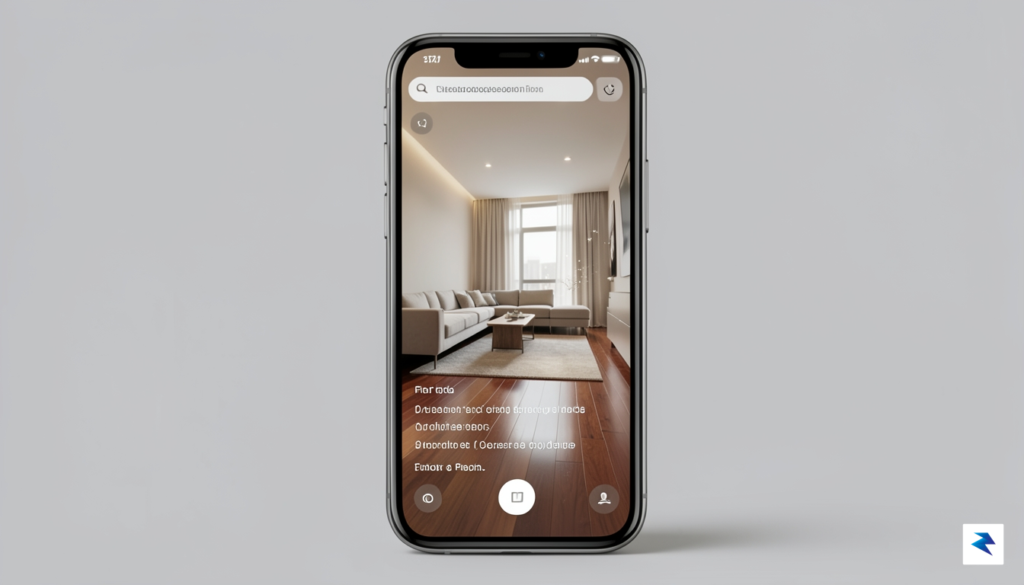
For decades, the standard for property marketing relied on the limitations of professional photography and the tangible effort of physical staging. Real estate agents would carefully frame a room to capture the best natural light, sometimes moving furniture or adding tasteful décor to suggest the potential of a living space. Today, however, the barrier between physical reality and digital fabrication has virtually vanished. With the advent of generative AI, landlords and property managers can now transform a neglected, dimly lit, or entirely empty unit into a gleaming, magazine-ready apartment in mere seconds. This evolution in marketing technology has fundamentally altered the consumer experience, shifting the focus from documenting a property’s actual state to constructing a curated, synthetic vision of what a space could be.
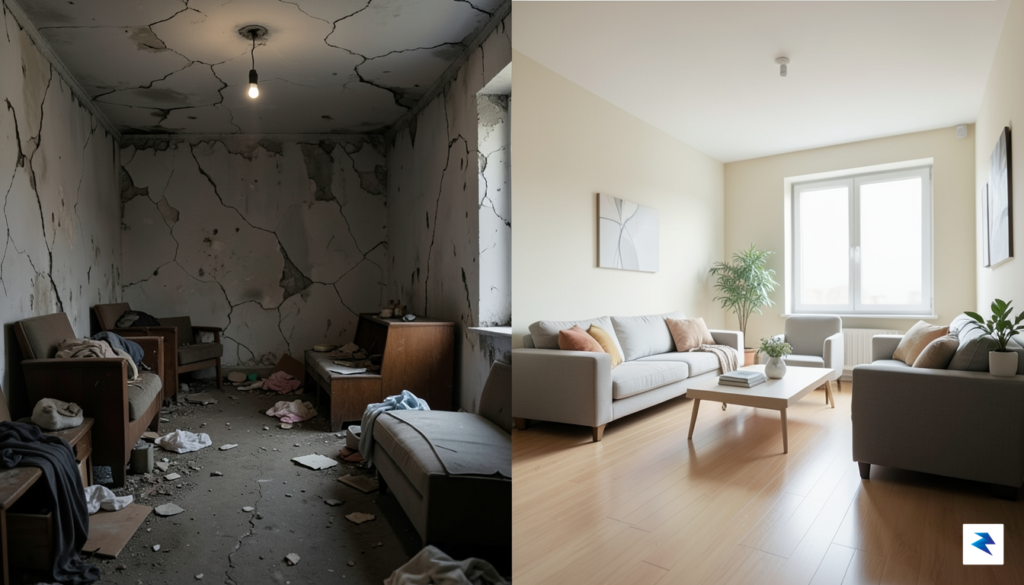
The ease with which these hyper-realistic images can be generated has democratized high-end advertising, but it has also incentivized a concerning lack of transparency. Small-scale landlords and large property firms alike are increasingly utilizing AI tools to “virtual stage” units that are currently uninhabitable or structurally subpar. While traditional staging involves physical furniture, these digital enhancements can artificially add architectural details, repair peeling wallpaper, and install high-end appliances that do not actually exist within the unit. This creates a dangerous disconnect: prospective tenants are no longer browsing listings to find a home that matches their needs; they are browsing to find a digital fantasy that often bears little resemblance to the physical reality awaiting them behind the front door.
The psychological impact of this digital deception is profound, as it exploits the trust inherent in the search for housing. When a tenant arrives for a scheduled tour, the immediate realization that they have been misled triggers a sense of betrayal and frustration.
This “bait-and-switch” tactic is not merely a minor inconvenience; it fundamentally disrupts the rental market by wasting the limited time and resources of renters who are often operating under strict deadlines. When someone walks into a unit expecting modern luxury and is instead met with cracked floorboards, outdated plumbing, or unaddressed maintenance issues, the emotional cost is significant. By prioritizing the digital aesthetic over the integrity of the property, the industry risks eroding the foundational trust necessary for a functional housing market. As synthetic media becomes more sophisticated, the line between helpful visual assistance and outright misrepresentation continues to blur, making it increasingly difficult for the average renter to make informed decisions without first seeing the property in person.
When landlords leverage artificial intelligence to generate or manipulate property imagery, they are traversing a thin line between professional digital enhancement and predatory consumer deception. While traditional real estate photography has long utilized wide-angle lenses and strategic lighting to make spaces look their best, AI takes this a step further by fabrications that do not exist in reality. This practice represents a significant breach of the “truth in advertising” standard, as it fundamentally alters the material facts of a property. When a prospective tenant views a listing, they are entering into a digital contract of sorts—one that relies on the expectation that the visual representation matches the physical asset. By introducing AI-generated elements, landlords are not merely staging a room; they are constructing a fictional narrative that can lead to profound disappointment and financial loss for the renter.
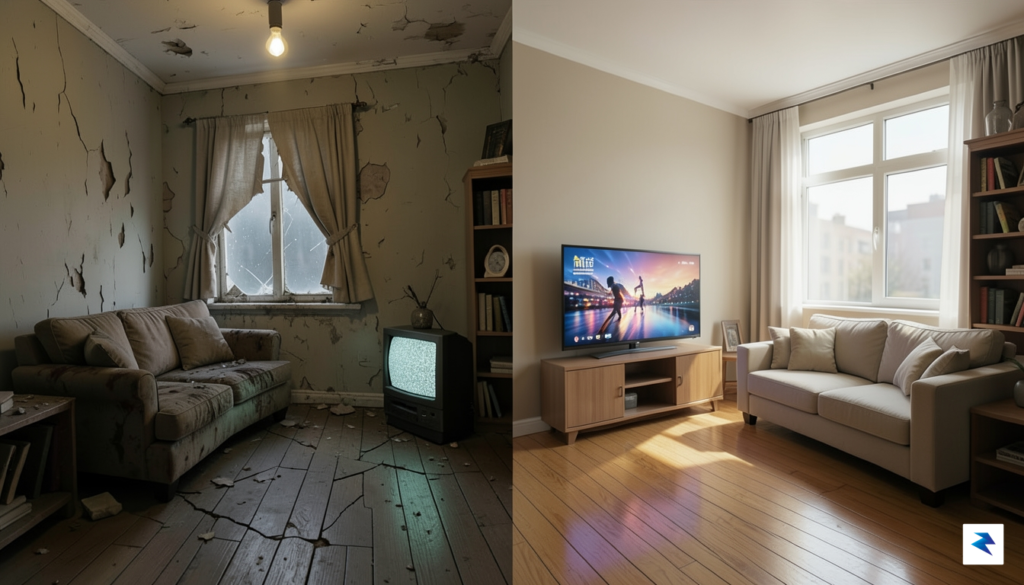
The legal challenges inherent in proving “deception” within this digital landscape are formidable. In traditional housing law, material misrepresentation occurs when a landlord knowingly hides a defect—such as severe water damage, structural instability, or a lack of natural light—that would influence a reasonable person’s decision to rent. AI imaging complicates this by providing a “plausible deniability” defense; landlords might argue that these images are merely “conceptual renderings” or “illustrative examples” rather than accurate depictions. However, this defense ignores the lived reality of vulnerable tenants who may be relocating from out of town or facing urgent housing needs. When these individuals arrive at a unit only to find that the “modernized” kitchen in the advertisement is actually a mold-ridden, crumbling space, the emotional and economic toll is immense. The law must evolve to recognize that in the digital age, a manipulated image is a tool of coercion that obscures the habitability of a home.
The core of the issue lies in the power imbalance between the housing provider and the seeker. When AI is used to mask systemic failures of a building, it effectively strips the tenant of their right to make an informed choice based on accurate, verifiable data.
Furthermore, the normalization of AI-generated listings threatens to erode the foundational trust necessary for a functional rental market. If every listing is presumed to be a digital fabrication, tenants are forced to spend excessive time and money on physical site visits just to verify the basic existence of a room’s features. This creates a systemic barrier to entry, particularly for those on a budget or those with limited mobility. By standardizing truth in advertising for digital goods, policymakers are not just clamping down on creative marketing; they are protecting the fundamental right of a tenant to enter into a lease agreement with full knowledge of the property’s actual condition. Without clear regulatory guardrails, the rental sector risks becoming a digital “buyer beware” environment where the most vulnerable pay the highest price for the dishonesty of others.
At the heart of Mayor Mamdani’s legislative proposal is a commitment to radical transparency in a housing market that has become increasingly defined by digital deception. The ordinance seeks to establish a clear legal boundary between authentic visual representation and synthetic fabrication, mandating that any property listing utilizing AI-generated or digitally enhanced imagery must include an explicit, highly visible disclosure. This is not a ban on the technology itself, but rather a regulatory framework designed to ensure that prospective tenants are not lured into leases based on “staged” environments that do not exist in reality. By requiring that landlords or listing agents clearly label manipulated photos, the policy aims to restore trust in the rental search process and prevent the common frustration of touring a unit that looks nothing like its online counterpart.
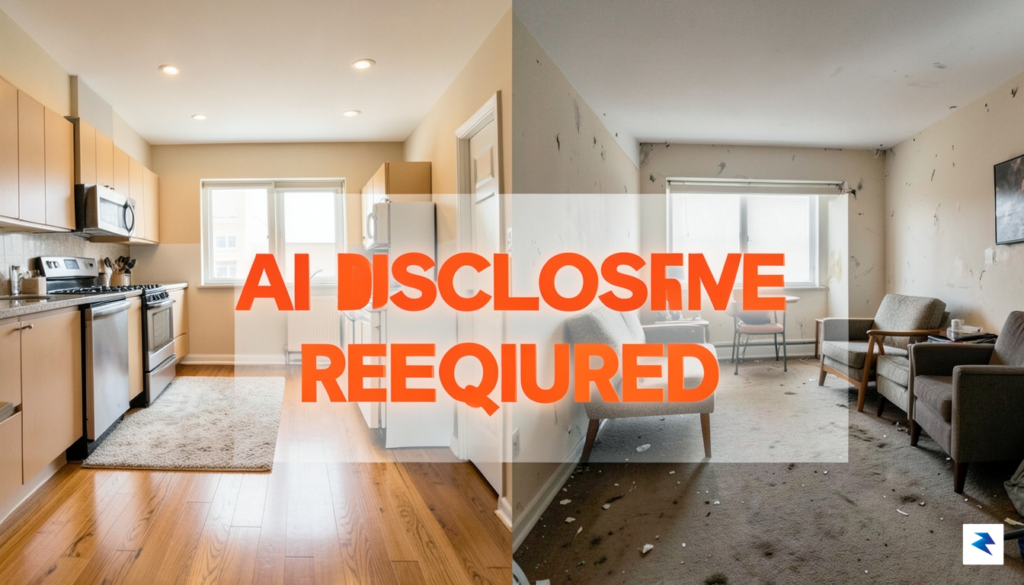
Mamdani has been quick to clarify that this initiative is strictly a tenant protection measure rather than an anti-technology stance. He argues that while artificial intelligence offers useful tools for staging or brightening photos, its current unregulated use has created an uneven playing field where renters are consistently misled by digital illusions. The Mayor posits that for a renter, the difference between a functional living space and a fabricated digital render can represent a significant financial loss, particularly when application fees and travel costs are factored in. By formalizing these requirements, the city hopes to treat property advertisements with the same level of consumer protection standards applied to other major financial transactions, ensuring that the visual data presented to the public is grounded in physical truth.
“Transparency is the foundation of a fair housing market. Renters deserve to know that the space they are envisioning as a future home is a reflection of reality, not the output of an algorithm designed to maximize clicks at the expense of honesty.”
The proposed enforcement mechanisms are designed to be both clear and consequential. Under the new mandate, all AI-manipulated images must feature a standardized watermark or a prominent caption clearly indicating that the image has been synthetically altered or enhanced. Failure to comply with these disclosure requirements would result in a tiered system of penalties, starting with mandatory warnings for first-time offenders and escalating to significant fines for repeat violators or those found to be using deceptive imagery to intentionally misrepresent the condition of a property. Furthermore, the proposal includes provisions for a municipal reporting portal, allowing renters to flag suspicious listings for review by housing inspectors. Through this structured approach, the city intends to discourage the use of “ghost” listings and ensure that the digital rental landscape remains a reliable tool for residents searching for their next home.
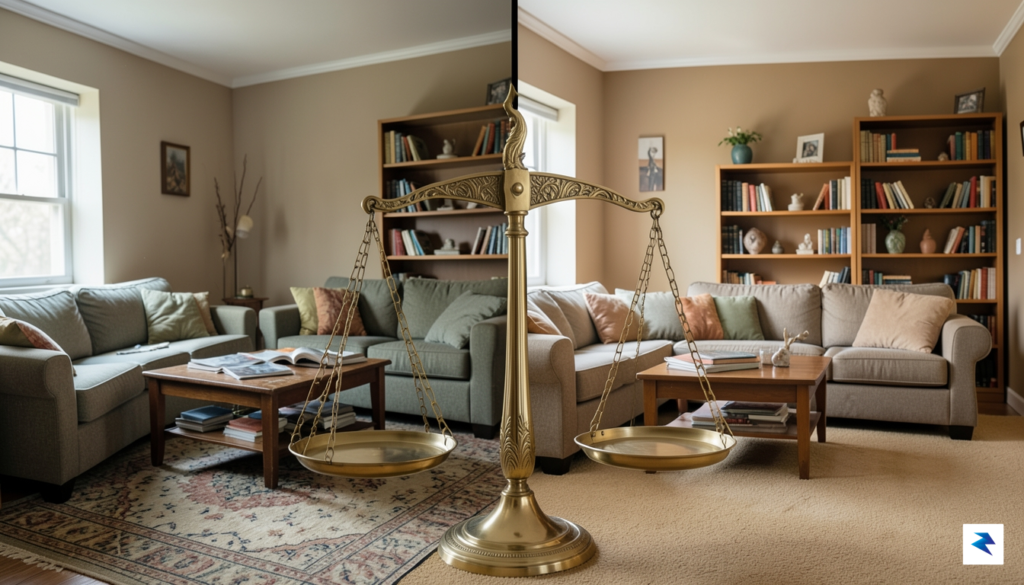
At its core, the integration of generative artificial intelligence into the real estate market is a double-edged sword. On one hand, tools that allow for virtual staging provide an undeniable service to prospective tenants who might otherwise struggle to visualize the potential of a stark, empty apartment. By digitally populating a vacant room with modern furniture and tasteful decor, landlords can present a property’s layout and spatial utility far more effectively than they could with grainy, wide-angle smartphone photos. When used ethically, this technology serves as a bridge, helping applicants project themselves into a future home while simultaneously helping property managers attract interest in listings that might otherwise languish in a competitive rental climate.
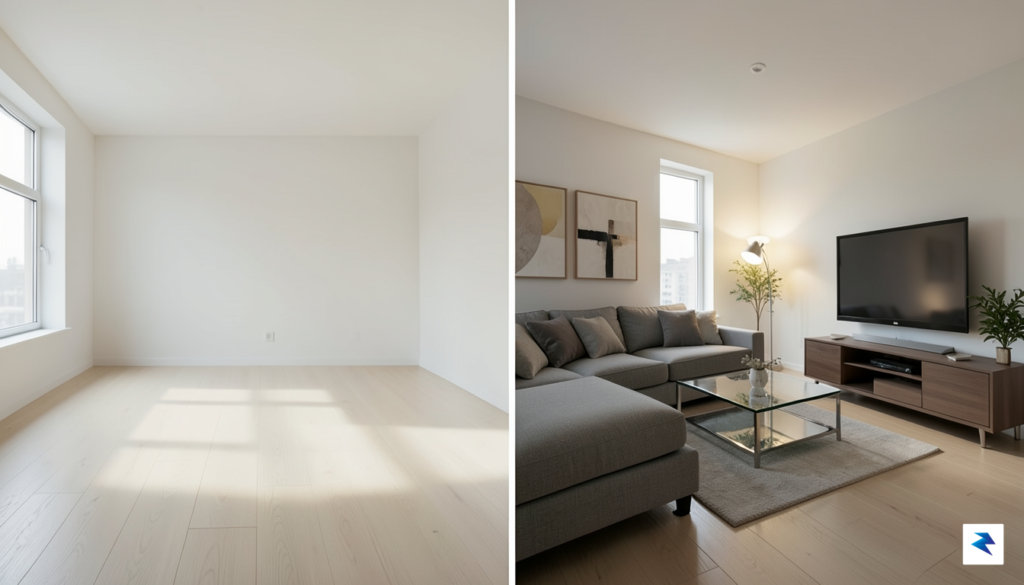
The tension arises when these digital enhancements cross the threshold from optimization into outright fabrication. There is a profound difference between suggesting a layout and misrepresenting the physical reality of a dwelling. When AI is used to erase unsightly structural damage, fabricate windows where none exist, or fundamentally alter the dimensions of a bedroom, it shifts from marketing to a form of digital “catfishing.” This deceptive practice undermines the foundation of trust upon which the landlord-tenant relationship must be built, leading to wasted time, unnecessary travel for prospective renters, and deep-seated frustration once the physical reality is revealed. Consequently, policymakers are tasked with the delicate challenge of drafting regulations that discourage such manipulation without stifling the legitimate creative tools that interior designers and property marketers rely on daily.
True transparency in digital real estate requires that any augmented representation of a property be clearly disclosed to the consumer before they commit to an in-person viewing.
To navigate this transition, we must look to how other industries—such as retail and automotive—have grappled with digital representation. Many sectors have adopted a mix of voluntary industry standards and mandatory disclosures to ensure that consumers are not misled by polished, computer-generated assets. Whether through a mandatory “AI-generated” watermark on listing photos or strict legal requirements for accurate floor plans, the path forward likely involves a hybrid approach. While mandatory government regulation provides a necessary safety net to protect against predatory behavior, voluntary industry guidelines can foster a culture of professional ethics. Ultimately, the goal is to cultivate an environment where property managers feel empowered to use cutting-edge technology to showcase their units, provided that they do so with a commitment to honesty that respects the tenant’s right to see exactly what they are paying for.

As legislative bodies across the country struggle to keep pace with the rapid evolution of artificial intelligence, Mayor Mamdani’s proposal represents a significant turning point in how municipalities oversee the digital housing marketplace. By establishing a mandate for visual honesty, this policy acts as a potential blueprint for other cities currently grappling with the proliferation of AI-enhanced marketing tools. The fundamental goal is to decouple the allure of high-tech presentation from the reality of physical living conditions, ensuring that prospective tenants are not misled by algorithmically beautified renditions of aging or dilapidated properties. As this regulatory framework matures, we may see a cascading effect where transparency becomes a non-negotiable standard for all digital-first real estate platforms.

For landlords and property management companies, this transition necessitates a fundamental shift in their operational strategies. The days of relying on “virtual staging” that borders on deception are likely numbered, as compliance requirements will inevitably demand verifiable proof of a unit’s current state. This shift will likely force industry players to invest in authentic professional photography and transparent documentation rather than low-cost, AI-generated fillers. While this may increase the upfront costs of marketing, it serves to professionalize the sector, ultimately reducing the high rates of tenant turnover and disputes that stem from “bait-and-switch” visual advertising. By fostering an environment of verifiable accuracy, stakeholders can effectively rebuild the eroded trust between housing providers and the public.
The enforcement of digital authenticity is not merely a bureaucratic hurdle; it is a vital consumer protection measure in an era where the boundary between virtual representation and physical reality is increasingly blurred.
Ultimately, the ripple effects of this policy could extend far beyond local ordinances, potentially influencing national housing regulations and consumer protection laws. If Mamdani’s push succeeds, it sets a precedent that digital property listings are subject to the same truth-in-advertising standards as any other essential commodity. Renters, who often navigate an opaque and competitive market, stand to gain the most from these regulations, as they will finally possess the tools to make decisions based on empirical facts rather than digital illusions. All stakeholders—from tech developers and real estate agents to neighborhood associations—must now advocate for consistent, transparent listing standards. By championing these reforms, we can ensure that the future of the housing market is defined by integrity and clarity, rather than the deceptive promises of generative software.
You must be logged in to post a comment.