
Mayor Mamdani Targets AI-Generated Property Listings in Transparency Push
The Rise of Synthetic Real Estate Marketing For decades, the standard for property marketing relied on the limitations of professional…
When Google first introduced the A-series lineup, it was positioned as the undisputed gold standard for value-oriented smartphones. Devices like the Pixel 3a and 4a were widely celebrated as “flagship killers,” offering the same industry-leading camera processing and clean software experience as their premium counterparts, albeit wrapped in more modest, cost-effective hardware. For years, consumers felt they were making only minor trade-offs—such as losing wireless charging or an official IP rating—rather than sacrificing core performance. This strategy fostered immense brand loyalty, as users felt they could secure a top-tier smartphone experience without paying the exorbitant entry price of a traditional flagship.
However, the narrative began to shift noticeably in recent years as Google pivoted its hardware strategy. Instead of mirroring the silicon found in the flagship models, the A-series began to feature iterative, sometimes older, iterations of the Tensor chipsets. By the time the latest models arrived, the performance gap between the mid-range devices and the flagship series had widened significantly. This hardware stratification has sparked intense debate within the community, as buyers increasingly feel that the “A” designation now implies a compromised experience rather than a smart, budget-conscious choice. When a phone struggles with thermal management or high-intensity tasks that the flagship handles with ease, the perceived value proposition begins to erode rapidly.
This hardware disparity carries weight far beyond raw benchmark scores; it fundamentally impacts the longevity and feature parity of the device. As Google pushes more complex on-device artificial intelligence features, the limitations of older silicon become a bottleneck. Users are rightfully concerned that their budget devices will be locked out of future software advancements simply because the processor lacks the NPU overhead to support them. In an era where long-term software support is a major selling point, providing a chipset that feels “dated” at the time of purchase creates a sense of built-in obsolescence. This growing frustration highlights a critical junction for the company: to maintain the A-series reputation, Google must reconcile the desire for lower price points with the reality that modern users expect their phones to remain capable and relevant for several years.
The true value of a mid-range phone is no longer just about the initial price tag; it is about how gracefully the hardware ages in the face of increasingly demanding mobile software and AI-driven features.
Ultimately, the transition toward using silicon that lags behind the current flagship cycle has forced a segment of the audience to reconsider their loyalty. While the A-series remains a popular choice for those deep in the Google ecosystem, the “flagship killer” moniker no longer rings as true as it once did. Addressing this hardware gap in upcoming releases isn’t just about speed—it is about restoring the promise that a mid-range device can still be a first-class citizen in Google’s vision of the future.
The prospect of Google equipping the Pixel 11a with the Tensor G6 represents a monumental shift in the company’s hardware philosophy. For years, the “a-series” has occupied a comfortable but limiting niche, defined largely by the use of recycled or slightly aged silicon. By jumping directly to the current-generation Tensor G6, Google is effectively ending the era of the “hand-me-down” mid-ranger. This transition is not merely about raw benchmark scores; it is about architectural parity. A contemporary chipset brings more efficient manufacturing processes, which directly translate into better thermal management and improved battery longevity—two areas where previous mid-range Pixels have occasionally struggled under heavy computational loads.
Beyond basic efficiency, the inclusion of the Tensor G6 is critical for the future of on-device artificial intelligence. Modern Pixel experiences are increasingly reliant on heavy computational photography, real-time language translation, and generative AI features that demand significant neural processing power. Older chips often act as a bottleneck, forcing these features to rely on cloud processing or running them with noticeable lag. With a modern G6 architecture, the Pixel 11a will be capable of handling these intensive tasks locally. This ensures that privacy-sensitive AI operations remain on the device while providing a snappier, more responsive user interface that feels indistinguishable from the flagship Pro models.
The strategic value of this upgrade lies in narrowing the functional divide between the budget-conscious consumer and the enthusiast. When the mid-range offering uses the same silicon as the flagship, the distinction between models shifts from “what the phone is capable of doing” to “which extra hardware features the user prefers.” This empowers users who prioritize value to access the same advanced software capabilities—like complex photo editing or sophisticated voice-to-text processing—that were previously gated behind a higher price point. It moves the conversation away from hardware compromise and toward genuine utility.
By aligning the Pixel 11a with the flagship silicon cycle, Google is signaling that high-end AI performance is no longer a luxury, but a standard expectation for the entire smartphone ecosystem.
Ultimately, this change forces the market to adjust its expectations for what a mid-range device should provide. If Google successfully delivers the Tensor G6 in a more affordable package, they will set a new bar for the industry, challenging competitors to justify why their mid-tier handsets continue to rely on outdated, power-hungry components. This move transforms the Pixel 11a from a secondary choice into a primary recommendation for anyone seeking a device that is as future-proof as it is accessible.
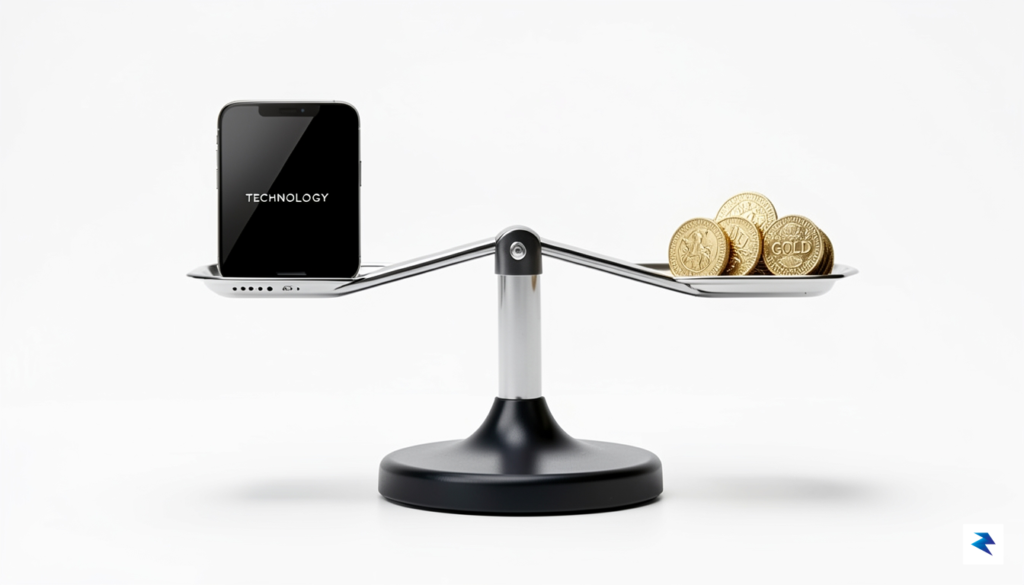
For years, Google’s “a-series” strategy has relied on a delicate tightrope walk: delivering the signature Pixel software experience while cutting enough hardware costs to keep the price tag accessible. Historically, this meant opting for slightly older silicon or recycled internal components, but the mobile market has shifted aggressively. Consumers no longer view mid-range devices as “starter phones”; they expect the same fluidity in daily tasks, gaming, and AI processing found in devices that cost twice as much. By potentially bringing a cutting-edge Tensor G6 chip to the Pixel 11a, Google is signaling a pivot toward performance parity, yet this choice introduces a significant financial dilemma for the company’s bottom line.
The business logic behind cost-cutting is straightforward: to maintain the profit margins necessary to sustain hardware R&D, Google must trim expenses somewhere if the flagship processor is non-negotiable. If the Tensor G6 becomes the beating heart of the device, we might see Google reallocate savings through more traditional mid-range compromises. This could manifest as a transition to slightly less premium chassis materials, such as a shift toward more durable but budget-conscious composites, or perhaps a slight reduction in peak display brightness and refresh rate consistency compared to the Pro-level models. Furthermore, Google might lean on its computational photography prowess to keep camera costs down, utilizing older, proven sensor hardware while letting the new silicon’s advanced image signal processor handle the heavy lifting of image enhancement.
Ultimately, performance is the one area where Google cannot afford to lag behind fierce competitors like Samsung or OnePlus. In an era dominated by generative AI and resource-heavy mobile applications, a sluggish processor is no longer a minor annoyance; it is a dealbreaker that alienates the user base and tarnishes the brand’s premium reputation. If the Pixel 11a is to remain a dominant force in the mid-range segment, it must offer a level of computational headroom that ensures the device remains relevant for several years of software updates. By prioritizing the G6 chipset, Google is effectively betting that future-proofing the user experience is more valuable for long-term brand loyalty than the immediate margin gains derived from using legacy components.
The true success of the Pixel 11a will not be defined by its price point alone, but by whether it can offer a flagship-grade experience without feeling like a collection of compromises.
Striking this balance requires a disciplined approach to hardware integration. Google must ensure that the inclusion of a high-end chip does not create thermal bottlenecks or battery life anxieties that would otherwise frustrate the average user. If the company can successfully pair the G6’s efficiency with smart, strategic cost-saving measures in non-essential areas like storage speeds or haptic motor complexity, they could redefine what a mid-range phone represents. The goal is to create a device that feels indistinguishable from a flagship in speed and intelligence, proving that the gap between “affordable” and “premium” is shrinking faster than ever before.
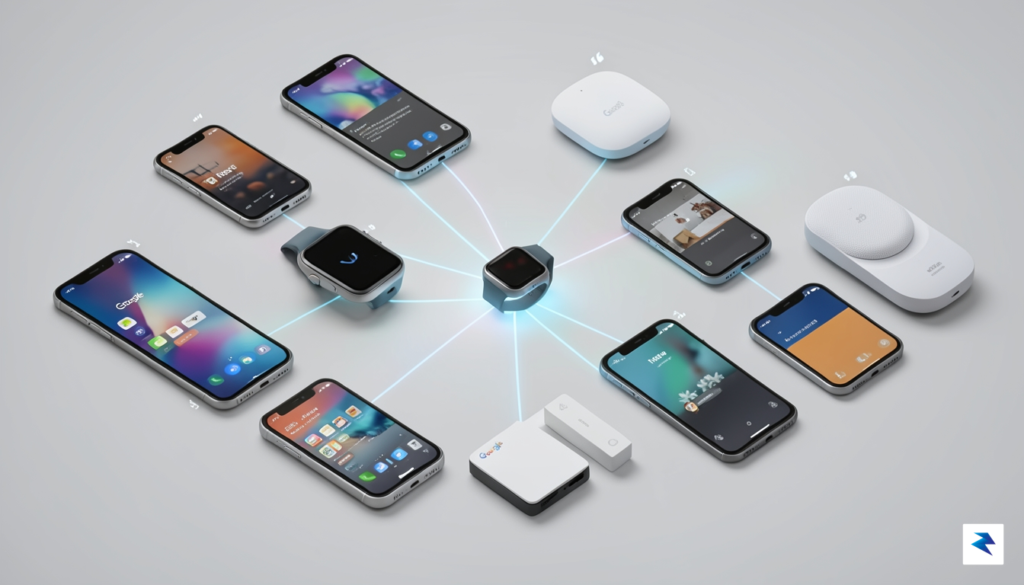
By potentially equipping the Pixel 11a with the latest Tensor silicon, Google is signaling a fundamental pivot in how it positions its mid-range devices. For years, the “a-series” functioned primarily as a budget-conscious compromise, often trailing behind the flagship models in raw processing power. However, by unifying the chip architecture across the entire lineup, Google is effectively transforming the 11a into a true gateway for its AI-driven ecosystem. This strategy suggests that the company no longer views mid-range users as secondary customers, but rather as essential participants in the ongoing evolution of Gemini and other platform-exclusive software features that define the modern Pixel experience.
From an engineering perspective, this move towards standardization offers significant long-term benefits for software development and device maintenance. When the engineering team doesn’t have to bifurcate their efforts to optimize features for two different generations of silicon, they can focus on refining the Android experience for the entire hardware fleet simultaneously. This streamlining process is critical for maintaining consistency, as it ensures that the most sophisticated on-device AI capabilities are not locked behind an artificial performance barrier. Consequently, users can expect more stable, high-performance software updates that arrive in tandem with those on the flagship models, rather than suffering from the delayed or feature-stripped releases that previously plagued lower-tier devices.
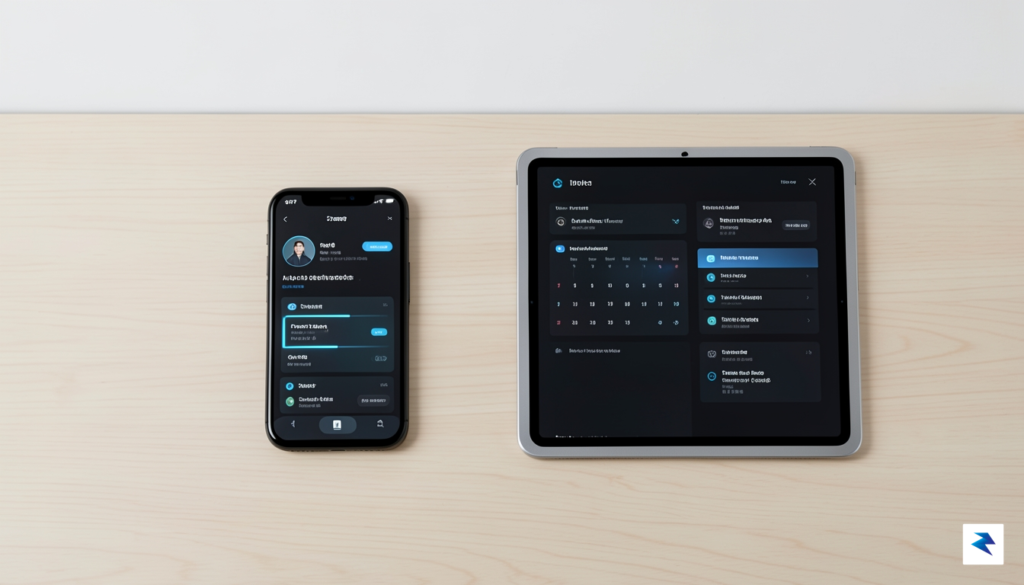
Furthermore, this shift has profound implications for the device lifecycle and the value proposition of the mid-market segment. By utilizing the newest Tensor chip, the Pixel 11a is theoretically positioned to support many more years of OS updates and security patches, aligning it more closely with the industry-leading support windows typically reserved for premium handsets. This is a brilliant tactical maneuver to capture a growing demographic of consumers who are increasingly wary of the skyrocketing prices of flagship smartphones. By offering a device that is technically “future-proof” at a mid-tier price point, Google is effectively lowering the barrier to entry for its ecosystem, thereby expanding its user base and strengthening its grip on the Android market share.
The decision to standardize silicon is not merely a hardware choice; it is a strategic commitment to democratizing advanced AI, ensuring that every Pixel user enjoys the same baseline of performance and longevity.
Ultimately, the inclusion of cutting-edge silicon in the 11a serves as a strategic moat. In a landscape where hardware specifications are becoming increasingly commoditized, the real value lies in the software and AI integration that Google provides. By ensuring that its most accessible phone is as capable as its most expensive one, Google is betting that it can win over customers through a superior, cohesive user experience that carries across the entire product family. This approach not only discourages brand switching but also cultivates a loyal user base that perceives the Pixel 11a as a high-value investment rather than just a stopgap purchase.
The prospect of the Pixel 11a receiving the latest Tensor G6 silicon represents a seismic shift in how Google approaches its mid-range lineup. For years, the “a-series” has occupied a strange middle ground, often trailing behind the flagship hardware in terms of raw processing power and thermal efficiency. If Google truly commits to parity by including the same engine that powers its premium 11-series, consumers should anticipate a device that finally bridges the gap between value and high-end performance. This strategic pivot suggests that Google is moving away from prioritizing exclusivity for its most expensive phones and is instead doubling down on the user experience as the primary competitive advantage for the brand.
To ensure the Pixel 11a resonates with a market currently crowded by high-performing mid-range competitors, Google must move beyond just a processor upgrade. Success in this category requires a holistic commitment to hardware longevity and daily usability. For the device to truly succeed, consumers should look for a “must-have” checklist that addresses the historical pain points of the series:
Ultimately, the goal for the Pixel 11a is to provide a flagship-grade experience without the flagship-grade price tag, setting a new benchmark for what mid-range devices can achieve.
While the current leak cycle paints an incredibly optimistic picture, it remains vital to maintain a balanced perspective. Leaks often highlight the best-case scenarios and technical specifications, yet they rarely capture the full story regarding software optimization, potential supply chain trade-offs, or final retail pricing. History has shown that even the most promising internal hardware can be undermined by poor optimization or unforeseen bugs at launch. Therefore, while the potential for the Tensor G6 to revitalize the Pixel 11a is undeniable, prospective buyers should wait for official benchmarks and real-world reviews. By tempering expectations, you ensure that when the device finally hits the shelves, you are making an informed decision based on proven reliability rather than just the excitement of the rumor mill.
You must be logged in to post a comment.