Don Garber’s Eight-Year Plan: How MLS Is Capitalizing on the World Cup
The Architect of American Soccer's Renaissance When Don Garber took the helm of Major League Soccer in 1999, the organization was widely…
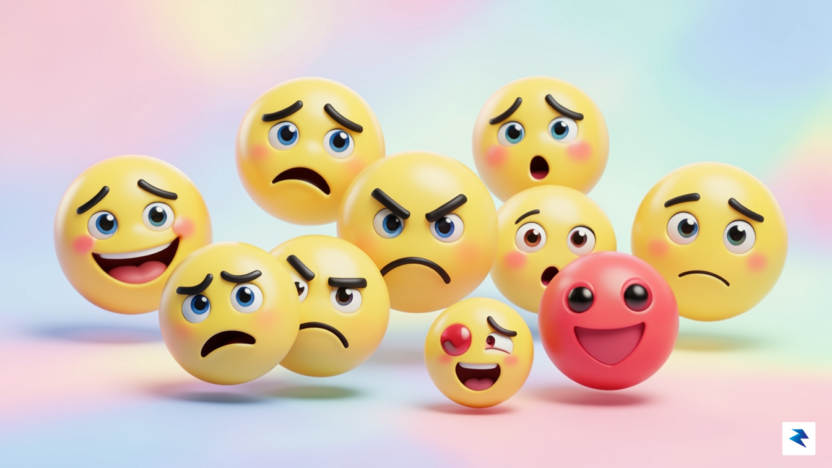
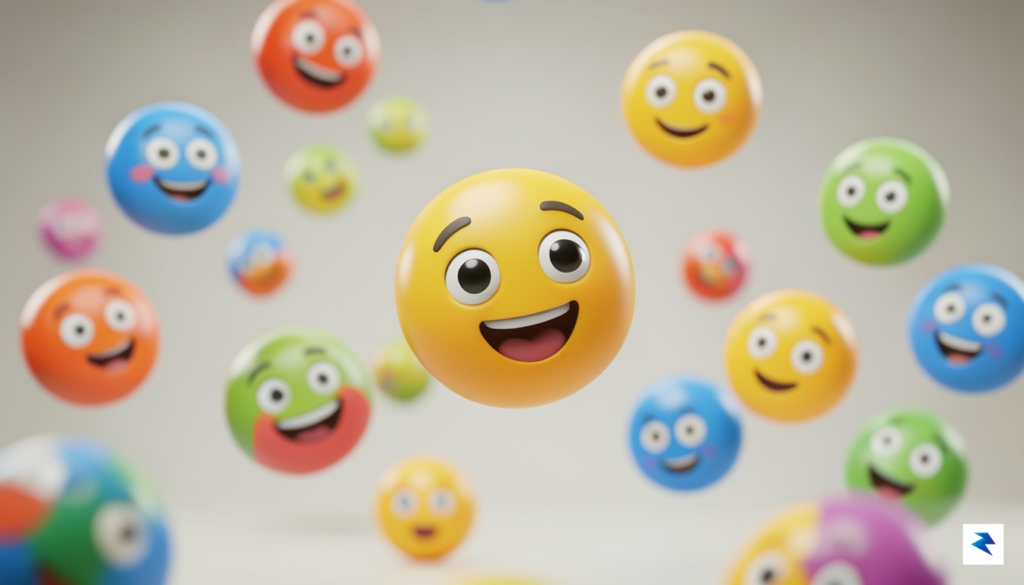
For years, digital communication has been dominated by flat, vector-based iconography that prioritized simplicity and cross-platform consistency. These minimalist designs served their purpose during the early mobile era, ensuring that a “smiling face” looked identical whether viewed on a high-resolution smartphone or a legacy desktop browser. However, as screen technologies have advanced and consumer expectations for high-fidelity visual experiences have skyrocketed, the rigid boundaries of 2D graphics have started to feel limiting. Google’s Noto Emoji project, originally conceived as a universal language to support every language and culture, is now undergoing a radical aesthetic transformation, shifting from static, flat illustrations to vibrant, depth-rich 3D renderings that mirror the complexity of modern digital interfaces.
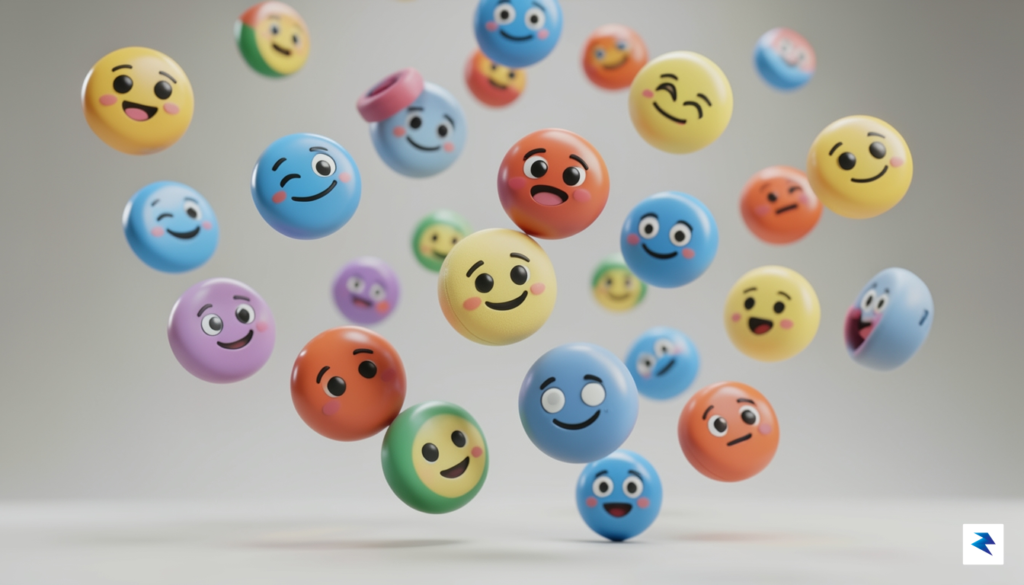
The decision to open-source this extensive library of 3D assets represents a significant turning point for the design community at large. By providing these files to the public, Google is effectively democratizing high-end UI/UX elements that were previously locked behind proprietary ecosystems. This move signals a departure from the “walled garden” approach, inviting developers, independent designers, and creative studios to integrate these tactile, eye-catching icons into their own applications and websites. This transition is not merely a stylistic preference; it is a response to a world where digital interactions are increasingly expected to feel physical, intuitive, and emotionally resonant.
By open-sourcing the Noto Emoji library, Google is empowering a new standard of visual communication that bridges the gap between flat digital icons and the tangible reality of our physical world.
When analyzing why Google chose this specific moment to release these assets, it becomes clear that the company is aiming to set a new industry benchmark for accessibility and visual language. As we move deeper into the era of spatial computing and high-definition mobile displays, the tactile nature of 3D design helps humanize digital interactions, making them feel less like cold lines of code and more like approachable, friendly interfaces. By standardizing these 3D assets, Google ensures that the next generation of web and mobile applications can maintain a high level of aesthetic quality without requiring massive internal design teams to build custom icon sets from scratch.
Ultimately, this shift invites a broader conversation about the future of digital expression. As these 3D icons begin to permeate various digital landscapes, we can expect a noticeable ripple effect across UI/UX design trends. Interfaces will likely become more playful, layered, and visually sophisticated, moving away from the stark, utilitarian aesthetic of the last decade. This is more than just a library of images; it is a fundamental evolution in how we convey emotion and meaning in an increasingly virtual world, providing the tools necessary to make digital spaces feel as rich and complex as our daily lives.
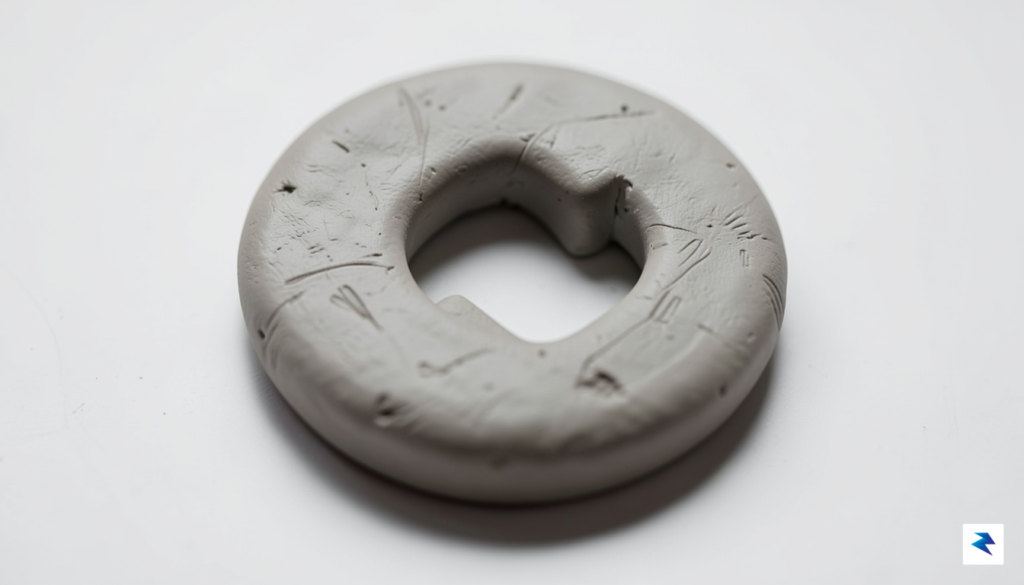
Transitioning from the flat, two-dimensional planes of traditional vector art to a fully realized 3D environment requires more than just a change in software; it demands a fundamental shift in how designers perceive light, shadow, and physical presence. When Google’s team set out to reimagine their emoji set, they weren’t simply adding depth to existing icons. Instead, they had to grapple with the complex physics of light interaction, where every surface—from the matte finish of a character’s skin to the glossy sheen of a metallic object—must react realistically to a virtual light source. This process involves intricate ray-tracing techniques that simulate how photons bounce off surfaces, creating soft shadows and highlights that provide the illusion of weight and tactility, even when viewed on a flat smartphone display.
Achieving this level of realism is a delicate balancing act, particularly when those assets need to remain legible at the tiny scales required for messaging applications. A 3D asset that looks stunning on a high-resolution desktop monitor can quickly become a muddy, indecipherable blob when shrunk down to a 32-pixel icon. To solve this, the design team had to prioritize functional readability, often exaggerating shapes and simplifying surface details to ensure that the core emotion of the emoji remains instantly recognizable. This iterative process of refinement meant stripping away unnecessary complexity while retaining the artistic flair that gives each emoji its unique personality, effectively bridging the gap between high-fidelity 3D modeling and the constraints of mobile user interfaces.
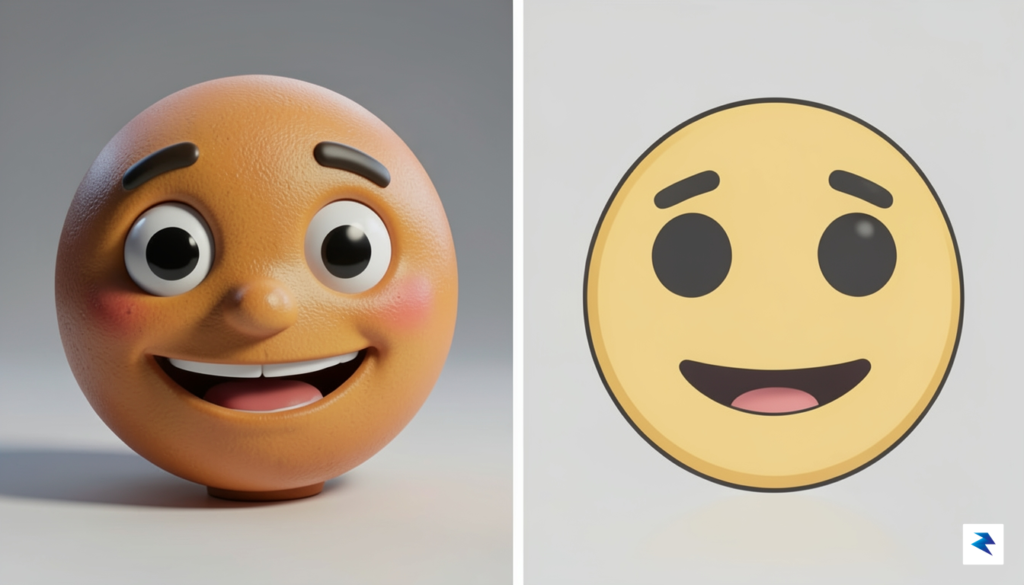
Maintaining a cohesive brand identity across these diverse environments presents another significant hurdle. Because these emoji are intended to be rendered in various software environments—from Android’s native messaging apps to third-party platforms—they must remain visually consistent regardless of how the underlying engine processes their materials. The designers had to establish a standardized “visual language” for the emoji, ensuring that the material physics (such as how a plastic surface reflects light compared to a soft fabric) felt uniform across every character. This consistency is not merely an aesthetic choice; it is a technical requirement that ensures the user experience feels seamless and professional, no matter where the emoji is displayed.
The true art of 3D design lies in the ability to simplify the complex, ensuring that the physical properties of light and material serve the user’s need for instant, intuitive communication.
Ultimately, the move toward open-sourcing these assets highlights the maturity of modern digital design, where the lines between art and engineering continue to blur. By sharing these 3D models, Google provides developers and designers with a masterclass in how to manage the interplay between form, function, and technical constraint. It serves as a reminder that what appears to be a simple, playful icon is actually the result of rigorous mathematical modeling and a deep understanding of how our eyes perceive depth and texture in the digital realm.
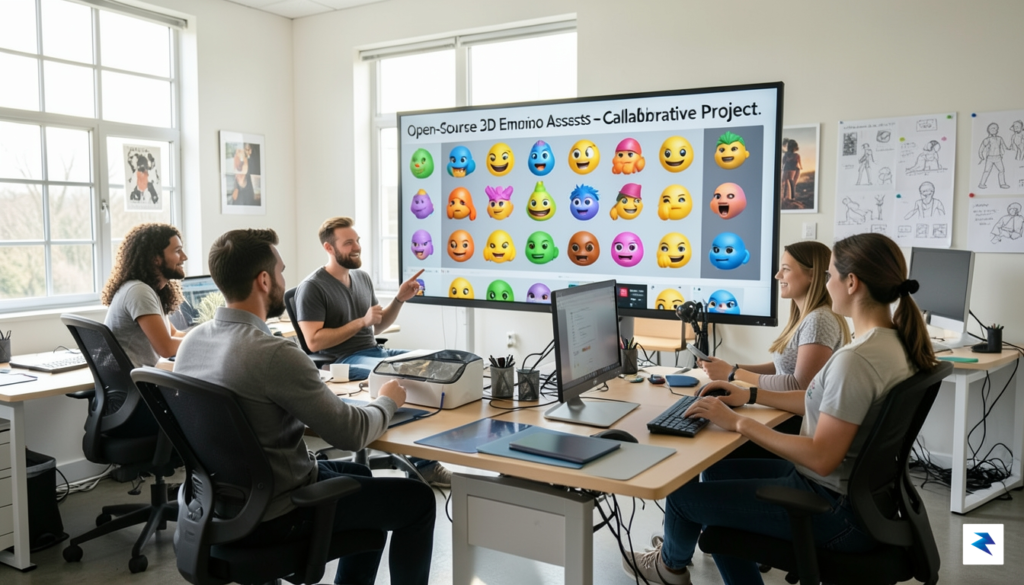
By choosing to open-source its extensive collection of 3D emojis, Google is fundamentally shifting the landscape for independent creators and small-scale developers. For years, professional-grade visual assets were often locked behind expensive licensing agreements or required massive budgets to commission from scratch, effectively gatekeeping high-quality design. Now, by providing these assets under a permissive license, Google is democratizing access to top-tier visual storytelling tools. This initiative empowers a solo app developer or a grassroots community project to leverage the same polished, expressive, and high-fidelity graphics that were previously reserved for multi-billion dollar tech ecosystems, leveling the playing field in a meaningful way.
The practical impact of this decision cannot be overstated, particularly when it comes to the technical and financial overhead of software production. Creating custom 3D iconography from the ground up is an incredibly resource-intensive process that demands specialized skills in modeling, texturing, and rendering. For most developers, diverting time and capital toward these tasks often means sacrificing other essential features or functionality. With this open-source library, that barrier is virtually eliminated; teams can now integrate sophisticated, industry-standard visuals into their projects immediately. This shift allows creators to focus their energy on user experience and core logic rather than getting bogged down in the minutiae of asset production.
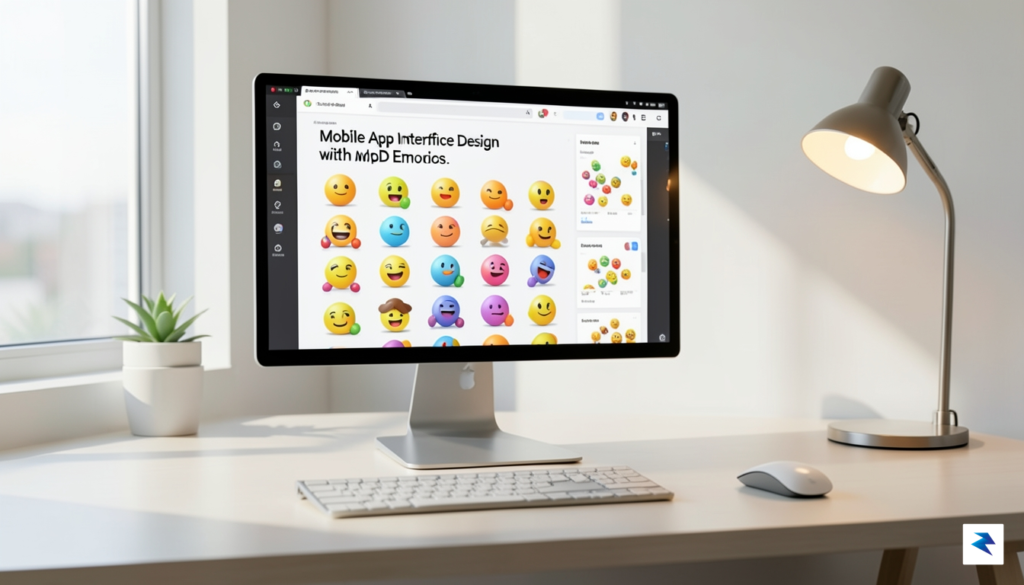
Open-sourcing these high-end assets bridges the gap between massive corporate design departments and independent innovators, fostering a more vibrant and visually consistent digital ecosystem for everyone.
Furthermore, the move toward open-source licensing fosters a unique environment of creative freedom and community-driven innovation. Unlike proprietary icon sets, which often come with restrictive usage rights or platform-specific limitations, these assets can be modified, adapted, and extended to fit a variety of diverse design languages. Developers and designers are no longer confined to rigid visual constraints; they now have the flexibility to customize these emojis to match specific branding needs or accessibility requirements. Whether it is adding custom animations for a web-based game or using specific icons to enhance clarity for users with varying visual needs, the potential for creative iteration is virtually limitless. By handing this high-quality toolkit to the public, Google is not just sharing files—it is investing in a future where high-end design is a universal standard rather than a luxury commodity.
Integrating Google’s Noto 3D emoji into your digital ecosystem requires a strategic approach that balances aesthetic appeal with technical efficiency. While these assets are visually striking, simply dropping high-resolution files into your codebase can lead to bloated page loads and sluggish rendering. To maintain optimal performance, start by evaluating your specific use case: if you need a static visual, opt for pre-rendered PNG files with transparent backgrounds, ensuring they are compressed using modern tools like WebP or AVIF to keep file sizes minimal. Conversely, if your project demands interactivity, utilizing GLTF or GLB formats allows for lightweight 3D rendering that remains performant across both mobile and desktop environments.
The primary pitfall developers face when adopting 3D assets is the tendency to include unnecessarily large files that degrade the user experience. Because Noto emoji come in a variety of resolutions and formats, you should always serve the smallest possible version that meets your visual requirements. Implementing a lazy-loading strategy is essential here; by deferring the loading of emoji until they are actually within the user’s viewport, you can significantly reduce initial load times. Furthermore, consider leveraging a Content Delivery Network (CDN) to serve these assets, which helps in caching the files closer to the user and ensures consistent delivery speeds regardless of geographical location.
To maintain a seamless design system, establish a standardized set of guidelines for lighting and shadow intensity across your application. Inconsistent rendering can make 3D assets feel like jarring, mismatched elements rather than a cohesive part of your user interface.
Beyond the technical implementation, consistency is the bedrock of a professional user interface. When incorporating 3D emoji into your existing design system, it is crucial to ensure that the lighting environment of the emoji matches the surrounding elements of your application. If your UI features a flat, minimalist aesthetic, a highly reflective or complex 3D asset might look out of place; in such cases, consider using lower-fidelity versions or adjusting the opacity to help the emoji blend more naturally with your brand colors. Additionally, maintain a strict set of size constraints to ensure that these emoji do not disrupt the vertical rhythm of your typography or the structural integrity of your layout.
Ultimately, the key to success lies in treating these emoji as specialized assets rather than standard iconography. By thoughtfully managing file formats, implementing efficient delivery pipelines, and adhering to strict design constraints, you can leverage the playful, expressive nature of Google’s Noto library without sacrificing the speed or professionalism of your platform. Regularly auditing your asset library will further ensure that as your project evolves, your visual elements remain as high-performing as they are engaging.
As we transition into increasingly immersive digital landscapes, our methods of non-verbal communication are undergoing a seismic shift. The move to open-source 3D emojis is not merely a stylistic update; it represents a foundational change in how we populate virtual environments, from the Metaverse to sophisticated augmented reality (AR) interfaces. By offering these high-fidelity assets to developers and creators, Google is essentially building the vocabulary for a three-dimensional language that can persist across platforms. As these avatars and symbols become staples in our digital interactions, they will inevitably merge with spatial computing, allowing a 3D “laughing-crying” emoji to hover in a virtual workspace or react in real-time within an AR-enabled video call.
However, the rapid acceleration toward hyper-realistic visual communication must be anchored in the bedrock of universal design. As visual elements move from flat, 2D icons to depth-rich 3D objects, the challenge of maintaining accessibility becomes significantly more complex. We must ensure that these new assets remain legible to users with low vision, cognitive impairments, or motor difficulties. This means that as designers embrace depth and texture, they must simultaneously prioritize high-contrast color palettes, clear silhouettes, and motion-reduced animation presets that prevent sensory overload. Innovation without inclusion is ultimately a step backward, and the industry’s goal should be to create a 3D ecosystem that is as navigable and intuitive as the static interfaces we have used for decades.
True innovation in design occurs when we bridge the gap between aesthetic evolution and human necessity, ensuring that the next generation of visual language remains inclusive for every user regardless of their physical or digital environment.
Ultimately, the decision to open-source these assets signals a broader, more collaborative future for the tech industry. When major corporations share their design systems, they invite a global community of developers to iterate, refine, and stress-test their ideas, which inevitably drives faster innovation. By democratizing access to professional-grade assets, we are seeing the rise of a standard visual language that transcends proprietary software barriers. This open-source spirit ensures that the future of digital expression will be defined by collective ingenuity rather than isolated silos, paving the way for a more unified and expressive 3D world that reflects the diversity of its global users.
You must be logged in to post a comment.