
Why 84% of Financial Giants Are Making Tokenization Their Top Priority
The Shift Toward Tokenized Finance At its core, financial tokenization is the process of converting rights to an asset—whether it is a share…
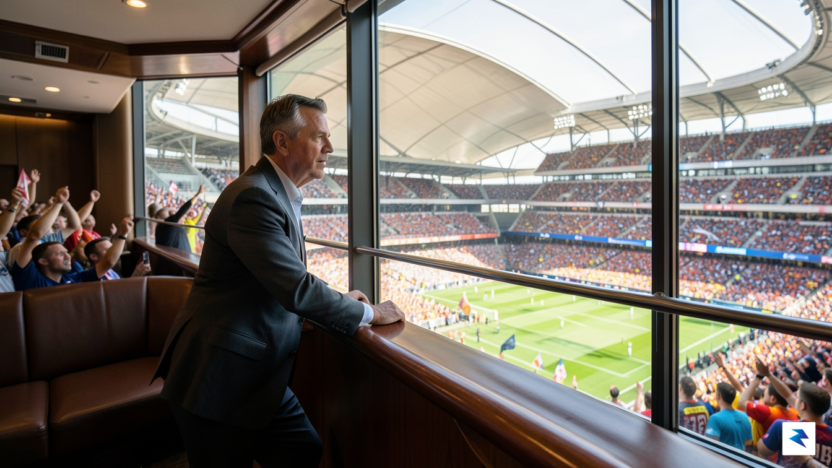
When Don Garber took the helm of Major League Soccer in 1999, the organization was widely viewed as a fragile experiment, struggling to find its footing in a sports landscape dominated by the entrenched giants of the NFL, NBA, and MLB. At the time, soccer in the United States was still fighting for cultural relevance, often relegated to the periphery of the national consciousness. Over the past twenty-five years, however, Garber has systematically dismantled the perception that soccer was a foreign entity in the American market. Through a combination of aggressive expansion, stadium-building initiatives, and a relentless commitment to professionalizing the domestic game, he has guided MLS through its infancy and into a period of unprecedented maturity.
The transformation of the league has been nothing short of a strategic marathon. Rather than attempting to compete directly with European giants overnight, Garber focused on building a sustainable foundation, emphasizing the necessity of soccer-specific stadiums and the development of local academies. This long-term vision transformed MLS from a collection of struggling franchises playing in cavernous, empty football bowls into a vibrant, coast-to-coast network of sold-out, state-of-the-art venues. This evolution has turned the league into a legitimate destination for international talent, bridging the gap between a domestic hobby and a professional powerhouse that can hold its own on the global stage.
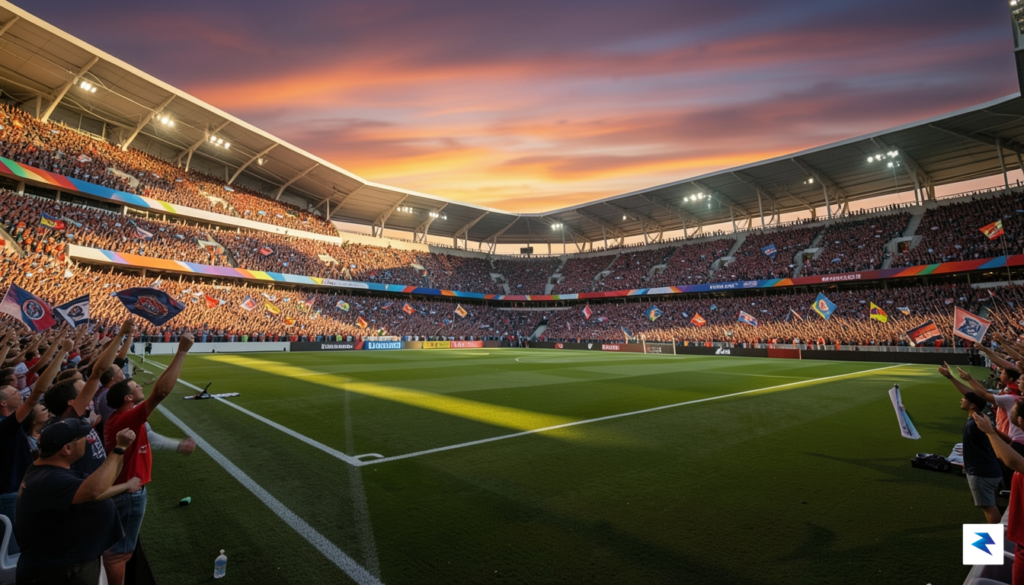
“The growth of the sport in this country is no longer a question of ‘if,’ but a testament to how deeply it has woven itself into the fabric of American culture.”
As the United States prepares to co-host the 2026 FIFA World Cup, the tournament serves as both a crowning achievement and a monumental test for Garber’s leadership. It represents the culmination of his decades-long effort to bring the world’s most popular sport to the forefront of the American psyche. By positioning MLS as the primary vehicle for this national soccer explosion, Garber has successfully turned what was once a niche interest into a major pillar of the U.S. sports industry. As the eyes of the global community turn toward American pitches, the focus remains on whether the infrastructure built during his tenure is robust enough to sustain the momentum long after the final trophy is lifted.
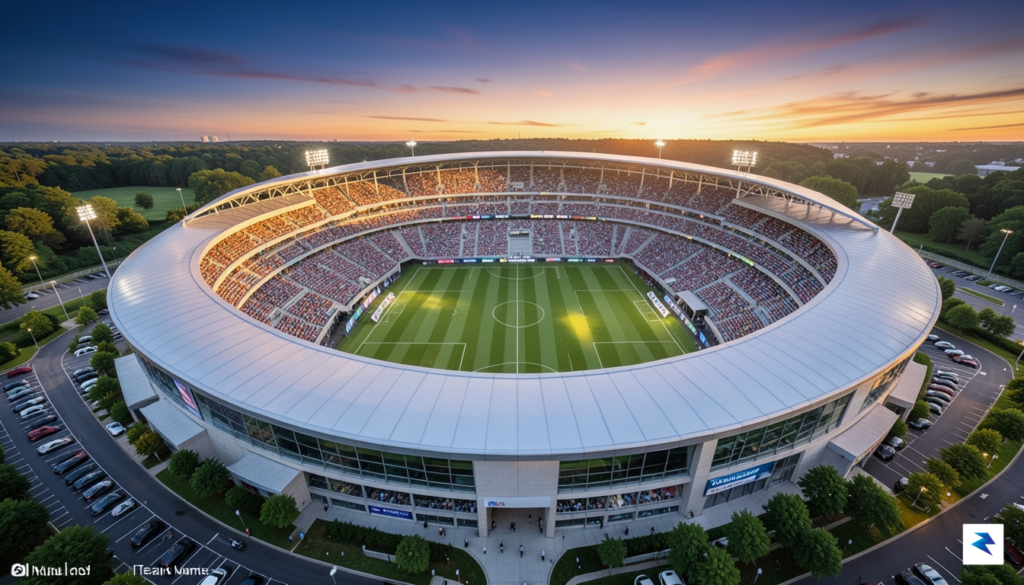
The global spectacle of the 2026 World Cup arriving on American soil is frequently framed as a sudden cultural explosion, but to those within Major League Soccer, it represents the culmination of a deliberate, eight-year blueprint. Long before the international community turned its gaze toward North American venues, Don Garber and the league’s leadership were aggressively laying the groundwork to ensure the sport would not just land in the United States, but thrive permanently. This strategic period, beginning in earnest around 2018, shifted the focus from mere existence to a comprehensive expansion model that prioritized physical infrastructure and long-term brand penetration.
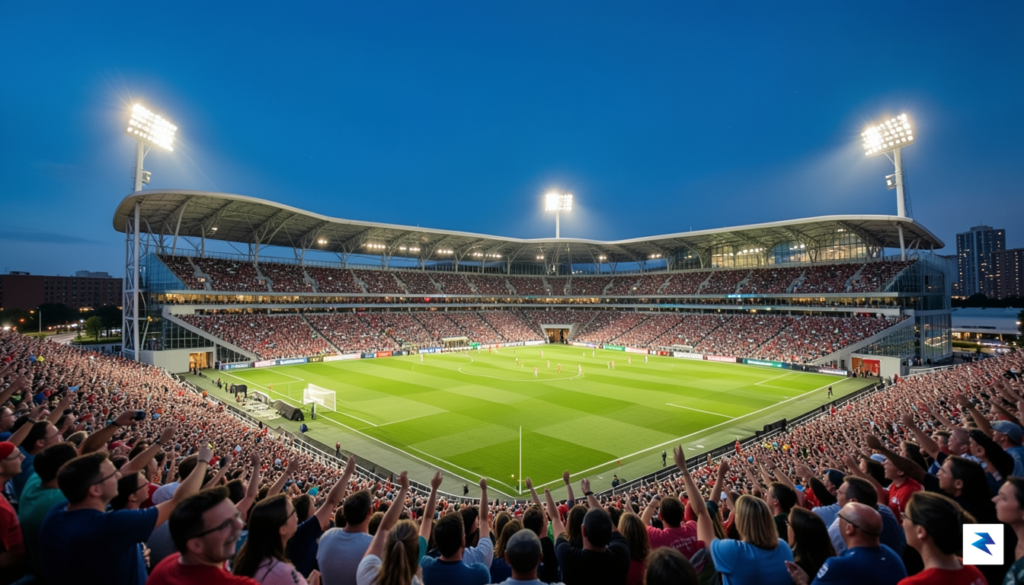
Central to this evolution was the abandonment of the “tenant” model, where soccer teams were forced to compromise by playing in cavernous, repurposed NFL stadiums. Instead, the league prioritized the construction of soccer-specific stadiums that offered intimate sightlines and a vibrant atmosphere designed specifically for the sport. By controlling their own venues, MLS clubs were able to generate localized revenue streams and create a unique match-day experience that resonated with younger, urban demographics. These stadiums acted as the physical hubs of the league’s growth, anchoring teams within their communities and providing a professional stage that matched the rising technical quality of play on the pitch.
The mission was never just about hosting a tournament; it was about building a domestic ecosystem that could sustain the excitement long after the final trophy is lifted in 2026.
Beyond the brick-and-mortar investments, the league’s expansion strategy targeted untapped geographic markets that had historically been overlooked. By entering cities like St. Louis, Austin, and Charlotte, MLS successfully transformed regional interest into national momentum. This growth was bolstered by a heavy, deliberate focus on youth development, as the league mandated massive investments in academy systems. By professionalizing the pipeline from youth soccer to the senior squad, the league ensured that the next generation of American stars would be developed at home rather than seeking opportunities exclusively abroad. These academies became the backbone of the league’s credibility, proving that the United States could produce world-class talent, which in turn attracted higher-tier international players to join the roster.
Ultimately, this period of intense preparation was about institutionalizing the sport’s relevance. Every decision, from the choice of new franchise locations to the investment in high-performance training centers, was calculated to elevate the league from a developing project into a major player in the global sports economy. As the countdown to the World Cup continues, it is clear that the current fever for soccer is not a coincidental phenomenon; it is the inevitable return on nearly a decade of patient, meticulous infrastructure investment.
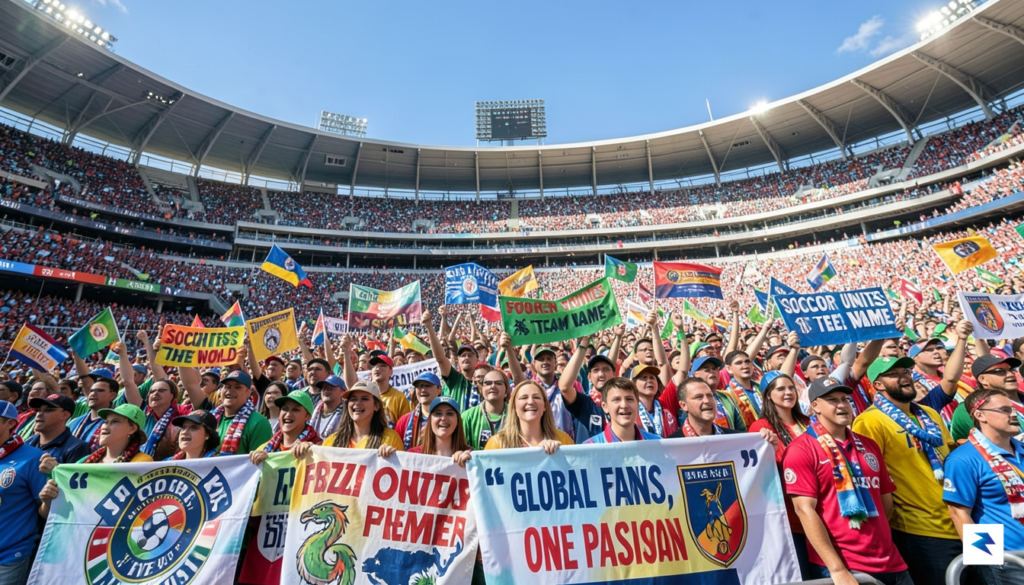
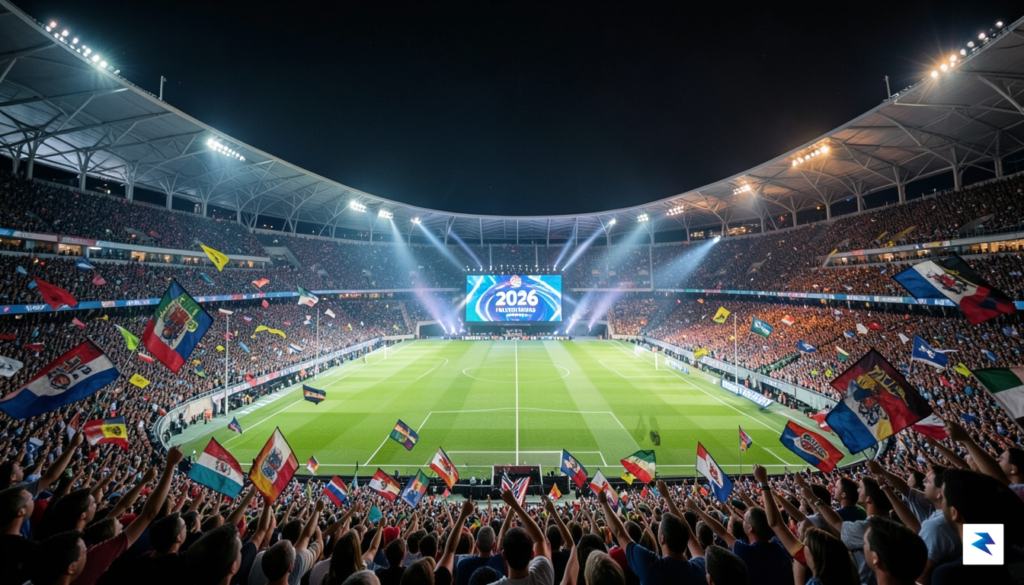
For Major League Soccer, the 2026 World Cup represents far more than just a fleeting month of international competition; it is a profound force multiplier designed to accelerate the sport’s domestic trajectory. By positioning the United States as the epicenter of the global game, the league is effectively leveraging a massive, untapped demographic of casual observers who typically only engage with soccer during quadrennial tournaments. The strategic goal is to transform the excitement surrounding a singular global spectacle into a sustainable, year-round habit for American consumers. To achieve this, MLS is meticulously integrating its daily operations with the momentum of the tournament, ensuring that the infrastructure and cultural footprint left behind serve as a bridge to long-term fan loyalty.
The “halo effect” of hosting such a prestigious event is expected to reverberate across every facet of the league, particularly concerning television ratings and merchandise sales. When the world’s eyes turn to North American stadiums, the resulting surge in visibility provides a unique platform to showcase the quality and accessibility of local clubs. This increased exposure acts as a powerful marketing engine, drawing in viewers who may have previously ignored domestic soccer in favor of European leagues. As these audiences witness the passion within MLS stadiums, the league anticipates a significant uptick in interest, which it intends to convert into tangible metrics like subscription growth for streaming platforms and record-breaking kit sales.
The success of the 2026 tournament will be measured not by the final whistle of the championship match, but by the league’s ability to retain the millions of new fans who discover the beauty of the sport on their own soil.
To capitalize on this temporary influx of attention, MLS has implemented a multi-layered retention strategy aimed at converting tournament tourists into lifelong supporters. By investing heavily in fan experiences, community outreach programs, and digital engagement, the league is creating a seamless pathway for casual observers to transition into local match-goers. This includes localized marketing campaigns that emphasize the specific narratives of MLS teams, helping fans forge personal connections with players and clubs that exist well beyond the World Cup cycle. Ultimately, the league’s objective is to ensure that when the international superstars return to their home countries, the passion they ignited remains tethered to the domestic clubs that provide the heartbeat of American soccer every single weekend.
To challenge the traditional dominance of the NFL, NBA, and MLB, Major League Soccer has aggressively pivoted away from legacy broadcasting models toward a digital-first frontier. The landmark ten-year partnership with Apple TV represents more than just a media rights deal; it is a fundamental shift in how the league packages its product for a younger, tech-savvy demographic. By centralizing all matches behind a single global subscription service, the league has eliminated the geographical fragmentation that historically plagued soccer viewership in the United States. This digital ecosystem allows for a seamless viewing experience that integrates real-time statistics, interactive highlights, and personalized content, effectively positioning MLS as a pioneer in the modern sports streaming landscape.
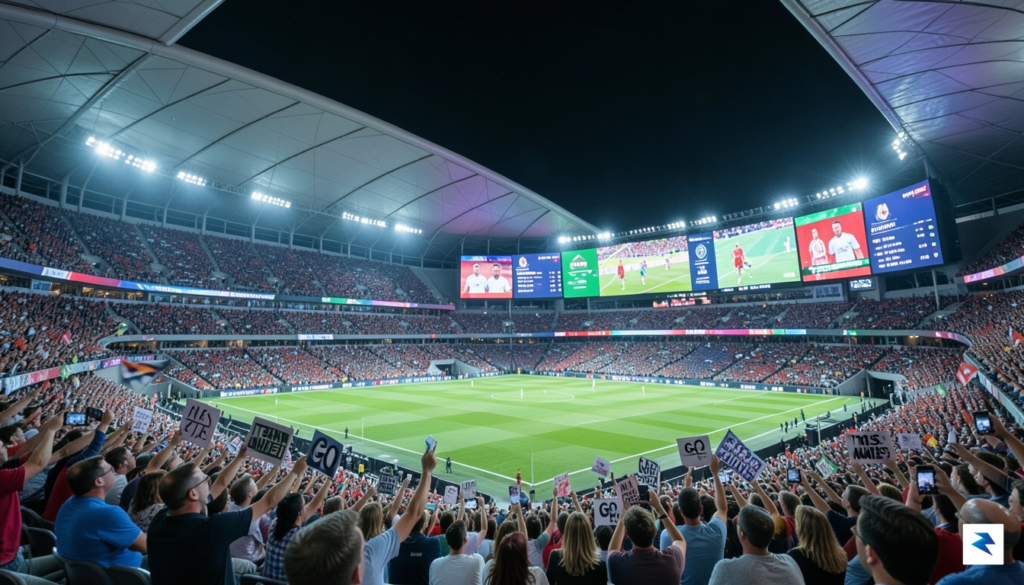
Beyond the broadcast booth, the league’s financial strategy has been anchored by the calculated acquisition of global icons. Bringing world-class talent to American soil serves a dual purpose: it provides an immediate spike in ticket sales and merchandise revenue while simultaneously elevating the quality of play on the pitch. These international stars act as catalysts for cultural integration, transforming MLS clubs from regional curiosities into global brands. By capitalizing on the marketing power of these high-profile signings, the league has successfully bridged the gap between niche interest and mainstream status, ensuring that soccer is perceived not merely as a seasonal activity, but as a year-round lifestyle brand.
The true success of the league’s expansion lies in its ability to market soccer as a premium cultural experience rather than just a traditional sporting event.
This lifestyle-centric approach is perhaps the most significant pillar of long-term sustainable growth. MLS has worked tirelessly to embed itself into the broader American cultural fabric, leveraging fashion, music, and urban identity to reach audiences who might not identify as traditional sports fans. By treating the stadium experience as a social event that mirrors the intensity and community-focused atmosphere of European clubs, the league has cultivated a loyal base of supporters who value the aesthetic and social prestige of the game. As the nation prepares for the global spotlight of the upcoming World Cup, this multifaceted business model—built on digital accessibility, star power, and deep cultural integration—ensures that the league is not just participating in the moment, but actively capitalizing on the momentum to secure its place in the pantheon of American professional sports.
While the excitement surrounding the 2026 World Cup provides a powerful tailwind, the structural realities of American soccer present a complex landscape. The meteoric rise in franchise valuations has transformed Major League Soccer into a high-stakes investment vehicle, yet this financial success brings its own set of pressures. As entry fees for new clubs soar into the hundreds of millions, the league must ensure that these costs do not stifle the organic growth or localized engagement that makes community-based teams thrive. Balancing the demands of billionaire ownership groups with the need for competitive parity is a delicate act, particularly as the league seeks to maintain a level playing field where smaller-market teams remain viable contenders alongside major metropolitan powerhouses.
Beyond the financial mechanics, the league faces a persistent struggle in the global talent market. Despite the arrival of marquee international stars, MLS remains in direct competition with historic European leagues that offer both generational prestige and the opportunity to compete in continental tournaments like the UEFA Champions League. To truly cement its status as a top-tier global destination, the league must continue to evolve its development academies and scouting networks, transitioning from a league often viewed as a final destination for aging stars to a premier incubator for rising talent. This shift is essential to capturing the interest of younger, globally-minded fans who prioritize high-level technical play and long-term player progression.
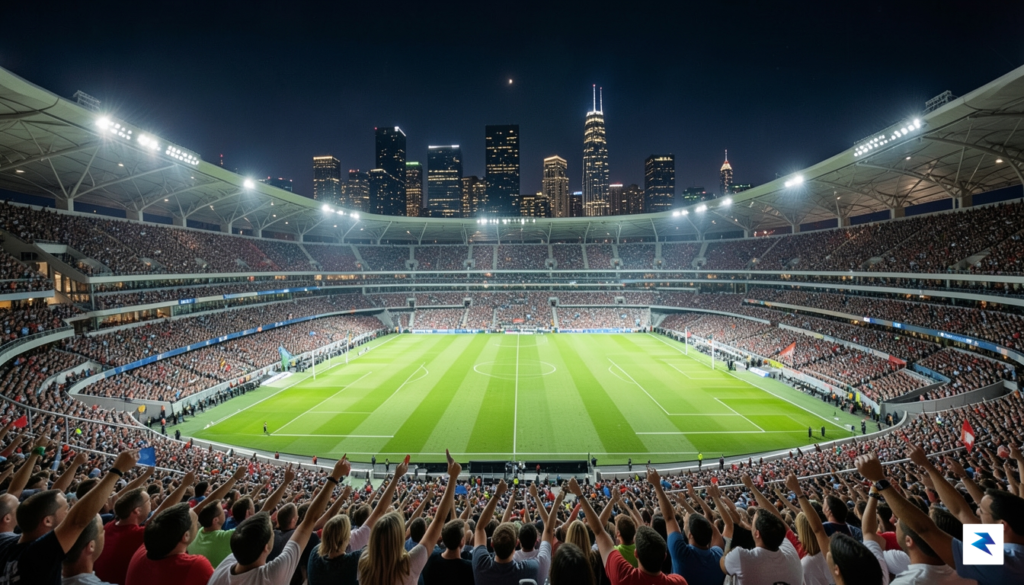
The long-term health of the sport in the United States depends not just on the spectacle of a single tournament, but on the ability to translate temporary curiosity into lifelong institutional loyalty.
Looking toward the post-2026 horizon, the primary challenge will be sustaining this growth trajectory once the initial euphoria of hosting the world’s biggest event begins to fade. The current momentum is undeniable, yet the league must avoid the trap of stagnation that has historically plagued other sports after their own “breakthrough” moments. This requires a multifaceted strategy that includes expanding broadcast reach, deepening the grassroots pipeline, and fostering a unique cultural identity that distinguishes American soccer from its international counterparts. Ultimately, the future of the sport rests on the league’s capacity to prove that its expansion is not merely a byproduct of short-term marketing surges, but the result of a permanent, structural shift in the American sporting consciousness.
You must be logged in to post a comment.