
Why Facial Recognition Smart Locks Are the Ultimate Home Upgrade
The Evolution of Smart Home Security The journey toward the modern smart home has been defined by a constant pursuit of convenience, and…
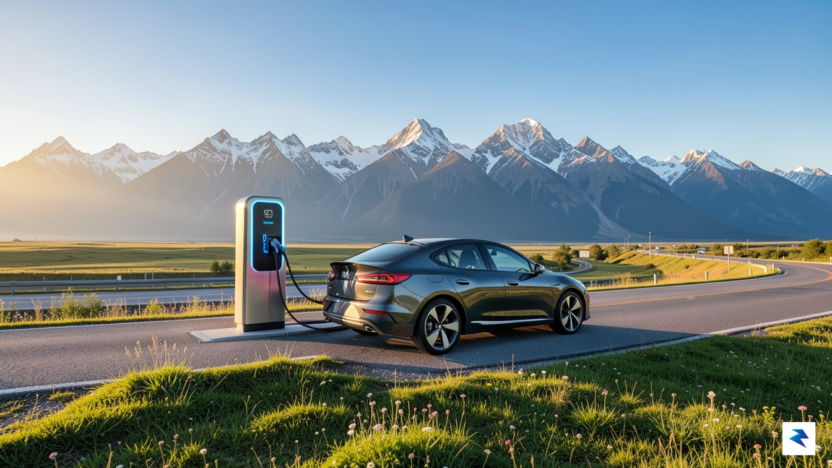
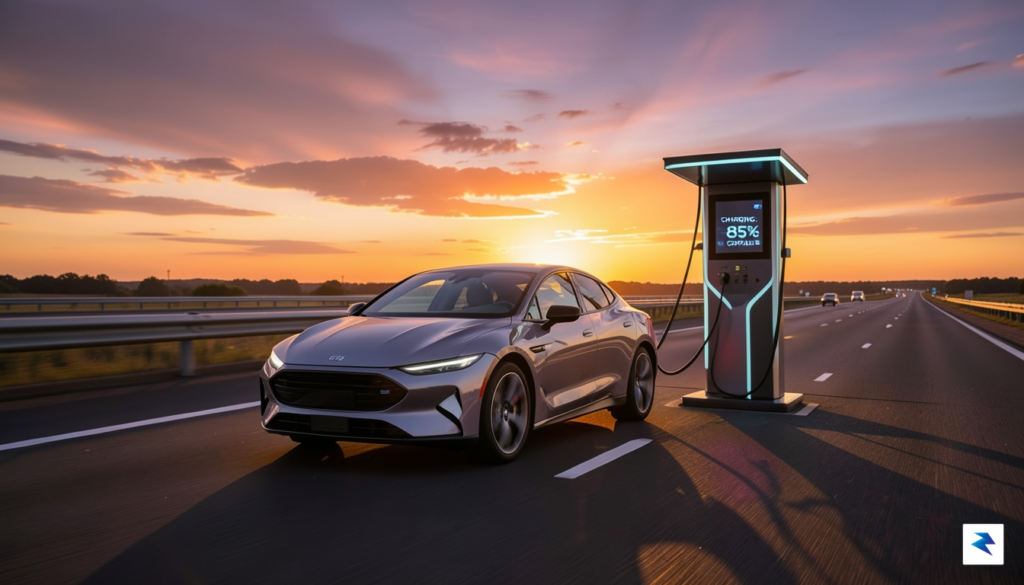
For the better part of a decade, the narrative surrounding electric vehicles has been tethered to a singular, persistent specter: range anxiety. Potential buyers and skeptics alike have long pointed to the perceived scarcity of high-speed charging stations as the primary barrier to mainstream adoption, often painting a picture of stranded drivers and agonizingly long wait times. This apprehension was not entirely unfounded in the early years, when the charging network was fragmented, unreliable, and sparse. However, as the automotive industry pivots toward an electrified future, the gap between these outdated tropes and the current reality of highway travel has widened significantly.
Recent real-world data and long-distance testing are now dismantling these old concerns, revealing that the infrastructure gap is closing much faster than many industry analysts originally anticipated. By subjecting modern electric vehicles to rigorous 600-mile road trips—a distance that once felt like a logistical nightmare—we are seeing that the charging experience has transformed from a chore into a seamless aspect of a journey. These extended drives serve as a definitive case study, demonstrating that with the right vehicle and an increasingly robust network of fast chargers, the transition from gas-powered convenience to electric efficiency is no longer a compromise.
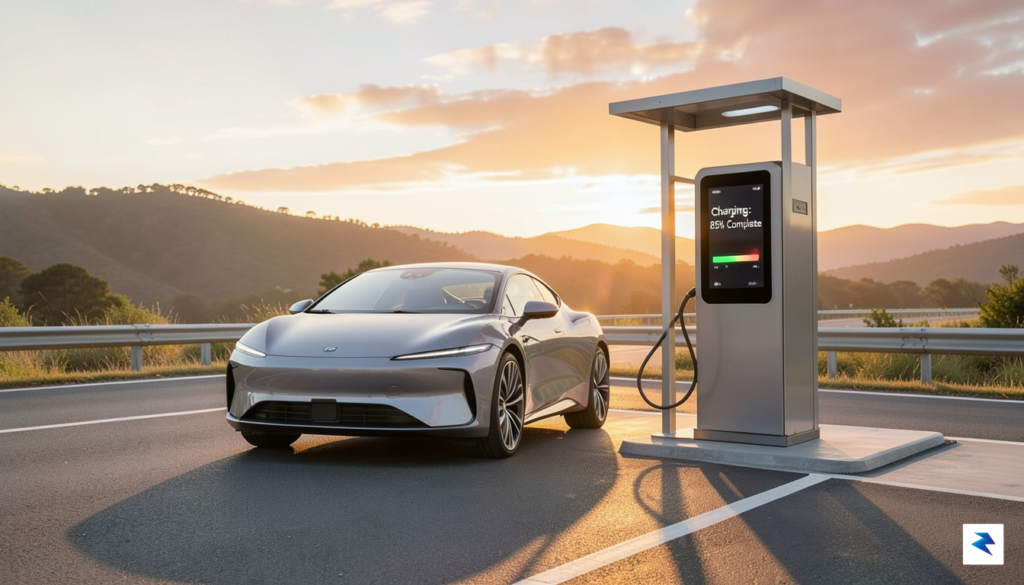
The discrepancy between public perception and actual technical capability remains one of the most interesting hurdles in the EV space. While many drivers still imagine themselves tethered to a slow charger for hours on end, the reality of today’s 350kW DC fast-charging technology allows for significant battery replenishment in the time it takes to grab a coffee or a quick bite to eat. Furthermore, the integration of intelligent route planning within modern vehicle software means that the car does the heavy lifting, pre-conditioning the battery for optimal intake and mapping out stops with pinpoint precision. This shift highlights a critical evolution: the technology has matured to the point where the car actively manages the logistics of the trip, effectively removing the cognitive load from the driver.
The true metric of success for the EV transition is not just battery range, but the total elimination of the “charging hurdle” through a combination of increased infrastructure density and superior charging curves.
Ultimately, looking at the current state of the United States charging network through the lens of data-backed performance provides a much-needed correction to the conversation. We have moved beyond the experimental phase of electric vehicle travel and into an era of genuine utility. By examining the patterns of these 600-mile journeys, we can see that the infrastructure is finally beginning to match the ambition of the drivers who use it, proving that the open road is now just as welcoming to electrons as it has always been to gasoline.
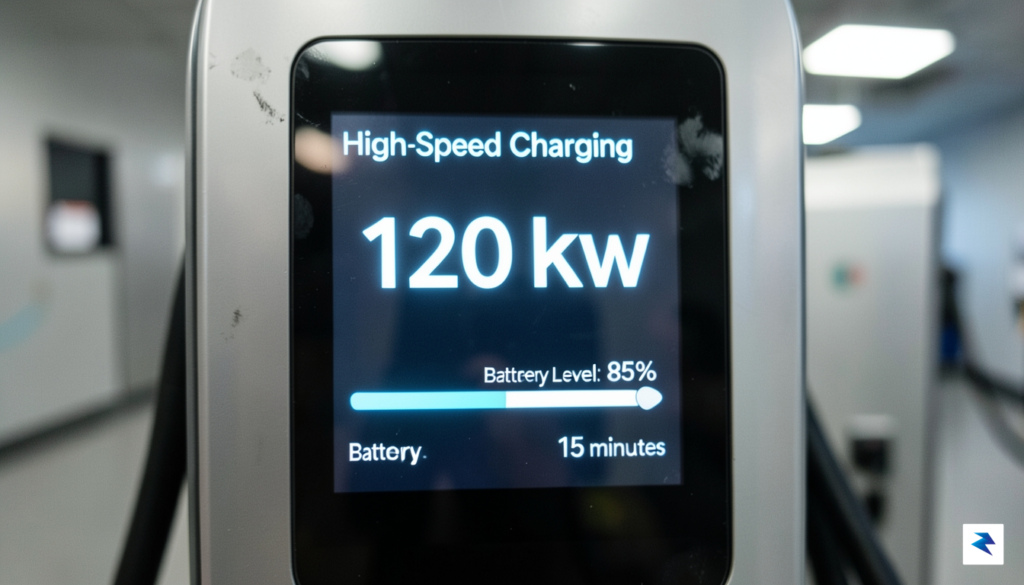
The conversation around electric vehicle charging has fundamentally shifted. It’s no longer a simple question of whether a charging station exists; rather, the focus has sharpened to how quickly and reliably that station can replenish your battery, transforming the entire EV ownership experience. This critical evolution has been driven by profound technical improvements in both the power delivery and the underlying hardware infrastructure. We’ve moved beyond the early days of basic charging points to a sophisticated network designed for speed, efficiency, and unwavering reliability, making long-distance EV travel not just feasible, but genuinely convenient.
A significant leap has occurred in the power output of DC Fast Charging (DCFC) stations. Just a few years ago, the ubiquitous 50kW chargers were the standard, requiring substantial downtime—often an hour or more—to add a meaningful amount of range, especially to larger battery packs. Today, the landscape is dominated by modern units boasting capacities of 150kW, 250kW, and even 350kW. This exponential increase means that instead of a leisurely coffee break turning into an extended wait, drivers can now add hundreds of miles of range in the time it takes to grab a quick snack, dramatically cutting down the total travel time for extensive journeys like a 600-mile road trip. This power upgrade fundamentally redefines the rhythm of EV travel, aligning it more closely with the quick stops familiar to internal combustion engine drivers.
Beyond raw power, the reliability of charging hardware has seen a dramatic overhaul. The early generation of chargers, while groundbreaking at the time, often suffered from higher rates of session failures, payment processing errors, or general hardware malfunctions. The latest generation of charging units, however, benefits from more robust engineering, improved thermal management, and sophisticated diagnostic software that often resolves minor issues remotely before they impact users. Furthermore, the advent of ‘plug-and-charge’ technology has revolutionized the user experience. This feature allows compatible EVs to simply plug into a charger and initiate a session without needing to swipe a card, open an app, or confirm payment, streamlining the process into a seamless, automatic transaction and eliminating common points of frustration.
This commitment to improved hardware and smarter software has translated directly into a tangible decrease in charging session failures. Data from major charging networks indicates a significant improvement in uptime and successful charging sessions compared to just three years prior. Drivers are encountering far fewer instances of non-responsive chargers or aborted sessions, which builds crucial confidence for long-haul travel. The peace of mind that comes from knowing a charger will work as expected, every time, is invaluable, transforming what was once a source of anxiety into a routine pit stop, much like refueling a traditional car.
To truly appreciate the impact, consider the difference for a hypothetical 600-mile road trip. With legacy 50kW infrastructure, such a journey might have necessitated three or four charging stops, each potentially lasting 45-60 minutes, adding several hours to the total travel time. Today, utilizing modern 150kW-350kW chargers, those same 600 miles can be covered with perhaps two or three shorter stops, each potentially lasting only 15-25 minutes. This significant reduction in charging time means a journey that once felt like a test of patience now feels efficient and manageable, showcasing how far EV charging infrastructure has come in making long-distance electric travel not just viable, but genuinely enjoyable.
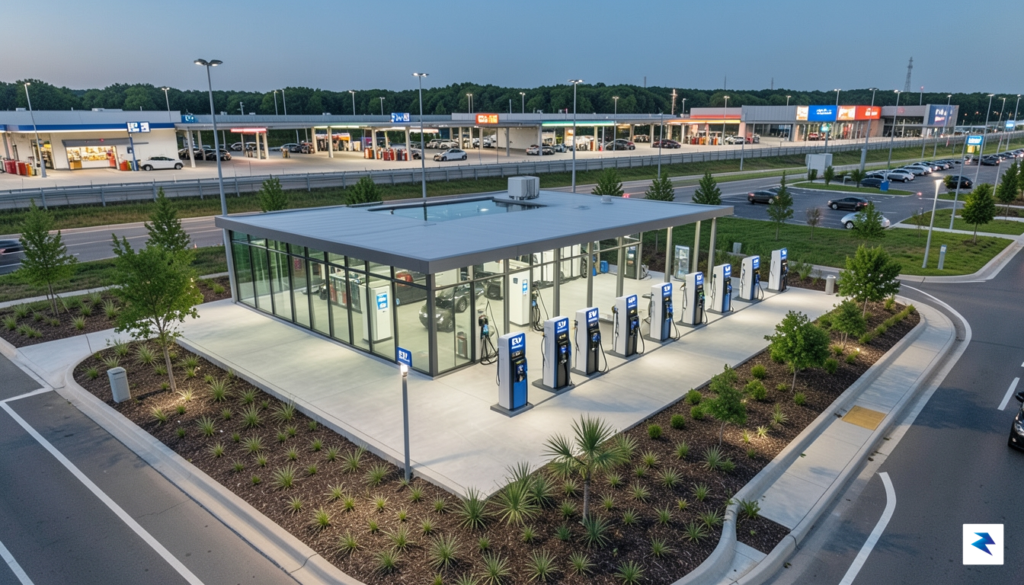
The landscape of electric vehicle travel is currently undergoing its most significant evolution since the introduction of the first mass-market EVs. For years, the primary barrier to long-distance road tripping was a fragmented infrastructure that felt like a patchwork of incompatible plugs and unreliable software. However, the tide has turned due to the National Electric Vehicle Infrastructure (NEVI) program, a federal initiative pouring billions into creating a reliable, high-speed charging backbone across major highway corridors. By mandating uptime requirements and ensuring that stations are placed at strategic intervals, this investment is finally transforming the charging experience from a gamble into a predictable utility.
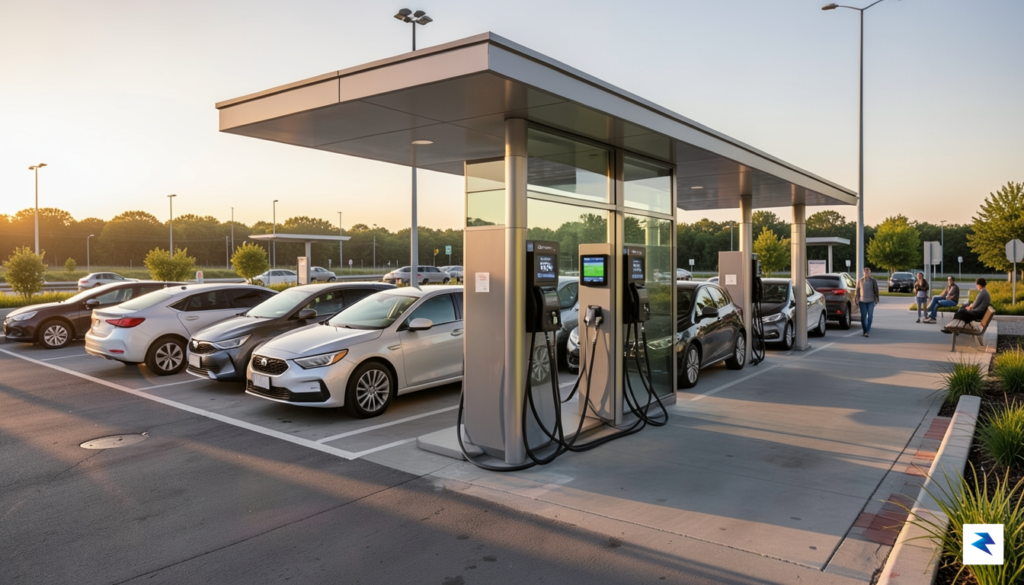
Equally important to this physical expansion is the industry-wide migration toward the North American Charging Standard (NACS). As major automakers move away from proprietary plugs in favor of a singular, standardized port, the “adapter anxiety” that once plagued drivers is rapidly dissipating. This convergence is not merely about hardware; it represents a psychological shift toward a unified ecosystem. When every vehicle can utilize the same high-speed network, the competition shifts from locking customers into a specific brand toward delivering the best possible charging experience. Consequently, we are seeing a dramatic increase in “Plug and Charge” functionality, where the vehicle and the charger communicate seamlessly, eliminating the need to juggle half a dozen different smartphone apps just to initiate a session.
The true measure of a mature charging network is its invisibility; when the infrastructure works exactly as expected, the focus shifts back to the journey itself rather than the logistics of the next stop.
Beyond the technical specifications, the strategic placement of these stations is fundamentally improving the road trip experience. Developers are no longer tucking chargers into the darkest corners of remote parking lots; instead, they are prioritizing locations near retail hubs, restaurants, and amenities that allow drivers to make productive use of their downtime. Whether it is grabbing a quick meal or taking a stretch while the battery reaches 80% capacity, the integration of charging into existing travel habits makes the transition to electric motoring feel more natural. As network interoperability continues to improve, the dread of “range anxiety” is being replaced by a simple, reliable routine that finally puts EV travel on par with, or even ahead of, the convenience of traditional gasoline-powered road trips.
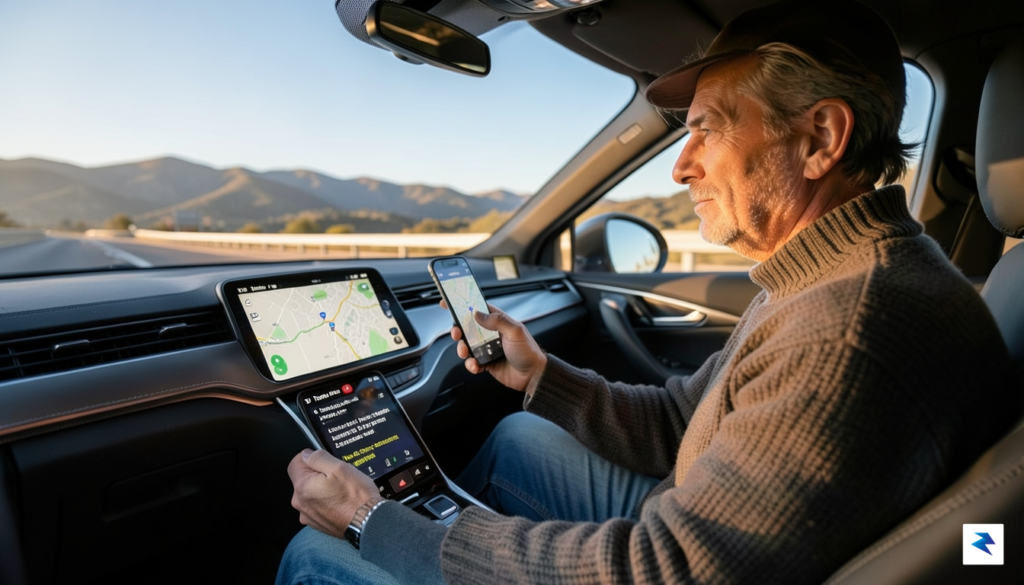
Transitioning from a traditional internal combustion vehicle to an electric one requires a fundamental shift in how you perceive the act of refueling. The secret to a stress-free 600-mile journey isn’t just about finding a plug; it is about strategic planning that integrates charging into your existing travel rhythm. Tools like A Better Routeplanner (ABRP) or PlugShare have become essential companions for the modern EV driver, as they take the guesswork out of the equation. By inputting your specific vehicle model and current battery percentage, these apps calculate precisely where and for how long you should stop, accounting for elevation changes, wind resistance, and real-time charger availability.
Once you are on the road, understanding your vehicle’s charging curve is the single most effective way to save time. Most electric vehicles charge at their maximum speed when the battery is depleted, typically between 10% and 80% capacity. Once you pass that 80% threshold, the car’s onboard management system intentionally throttles the charging speed to protect the battery’s health, causing the last 20% to take significantly longer than the first 70%. Consequently, the most efficient strategy is to make shorter, more frequent stops—arriving at a station with a low state of charge and departing as soon as you hit 80%—rather than waiting for a full “top-off” that yields diminishing returns.
The golden rule of EV road tripping is to prioritize high-speed DC fast chargers over level 2 stations. Always aim for 150kW or 350kW output stations to ensure your stops remain brief enough to grab a coffee and stretch your legs, rather than turning your lunch break into a multi-hour commitment.
Reliability is another pillar of a successful trip. Even with a well-planned route, it is wise to check the “live” status of stations via community-driven apps before you arrive. Look for stations with multiple high-speed plugs, which provide a crucial safety net should one unit be out of service. Furthermore, be mindful of environmental variables like extreme cold, which can reduce your effective range by 20% to 30%. In winter conditions, it is essential to build in a “buffer” by planning to stop when your battery hits 15% or 20% rather than pushing your luck. By treating these charging stops as opportunities to rejuvenate rather than burdens to endure, you will find that the rhythm of electric travel is not only manageable but actually enhances the quality of your road trip experience.
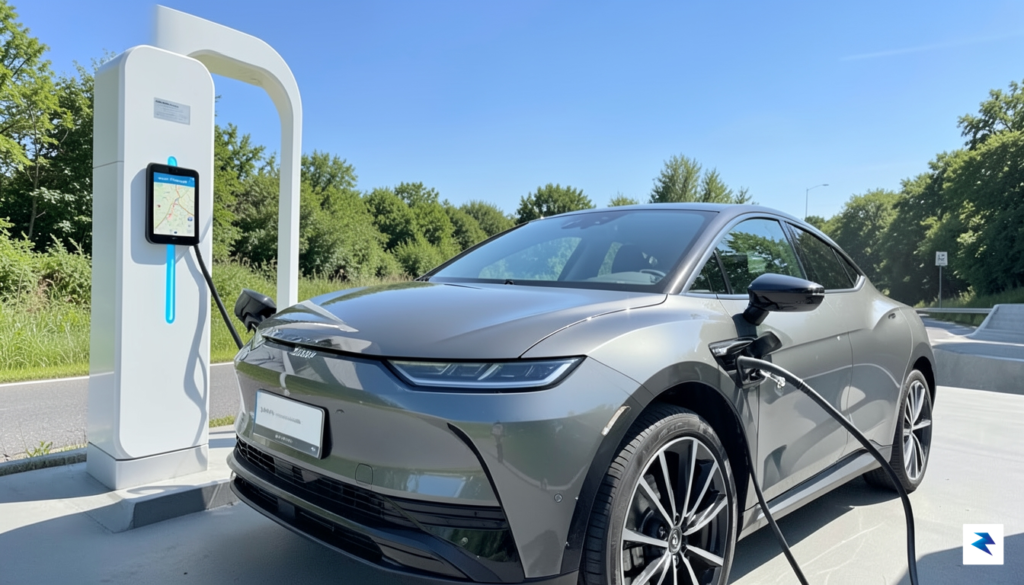
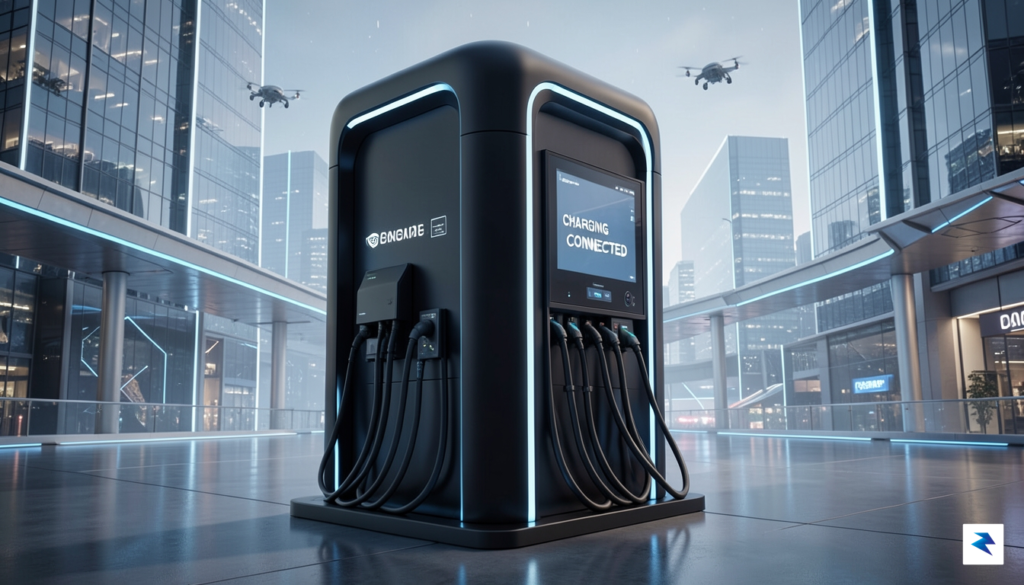
As we look toward the next five years of automotive innovation, the industry is moving rapidly toward a paradigm of “invisible” charging. The ultimate goal is a user experience where the friction of payment, authentication, and manual plug-in logistics vanishes entirely. Through the maturation of Plug & Charge protocols, your vehicle will soon act as a digital wallet, negotiating directly with the charger the moment the cable is inserted. This backend handshake eliminates the need for cumbersome apps or credit card swipes, effectively turning the charging stop into a background process that happens while you stretch your legs or grab a coffee. Beyond mere convenience, this evolution in software-defined vehicles means that your car will constantly monitor its own energy health, preemptively calculating stops based on real-time traffic, battery temperature, and the live availability of high-speed stalls.
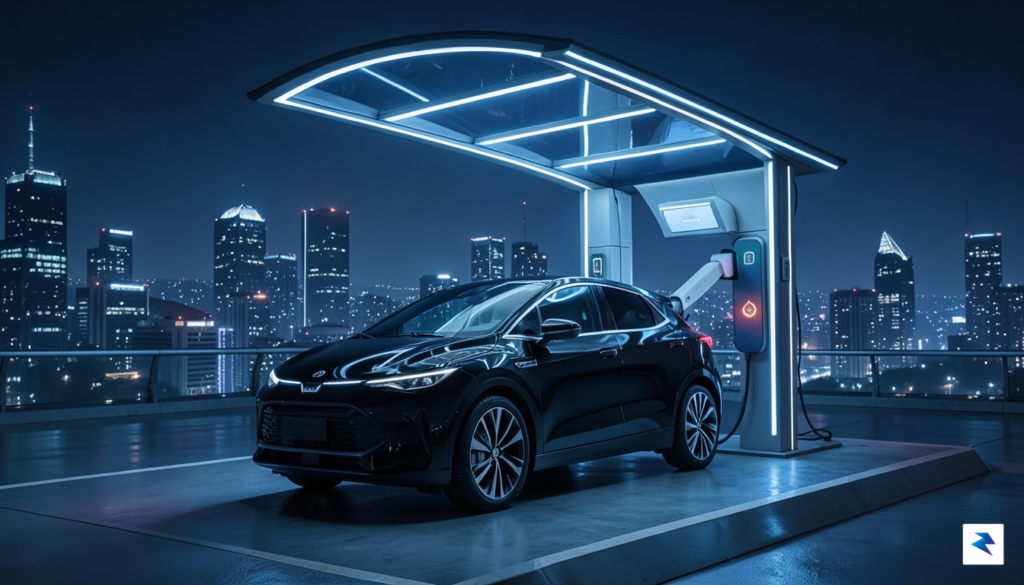
The role of artificial intelligence in road-trip planning cannot be overstated; it is the bridge between a good experience and a stress-free one. Future systems will move beyond static maps, utilizing predictive AI to manage charging demand across entire corridors. If the software detects a surge in travelers heading toward a popular mountain pass, it will dynamically reroute drivers to less congested hubs or suggest optimal charging times based on grid load and peak utility pricing. This intelligent orchestration ensures that the infrastructure itself becomes more efficient, preventing the “bottleneck” effect that early adopters sometimes faced. Furthermore, vehicle-to-grid (V2G) technology promises to transform our cars from mere energy consumers into active participants in the electrical grid, allowing vehicles to stabilize power during peak hours or provide backup energy to the station’s local storage systems.
The true marker of success for the electric transition is not just the speed of the charge, but the complete disappearance of the charging “event” from the driver’s mental to-do list.
While software manages the electrons, the physical charging experience is also undergoing a massive transformation. We are seeing a shift away from barren, industrial charging corners toward comprehensive travel hubs. These future-proof locations are being designed with amenities that prioritize human comfort, including climate-controlled lounges, high-speed Wi-Fi, and premium dining options. As charging times continue to drop toward the 15-minute mark, these hubs are evolving into essential pit stops that rival traditional gas stations in utility but offer a significantly higher quality of life. When you combine the reliability of modern high-speed networks with these service-oriented environments, the conclusion becomes clear: the EV road trip is no longer a daring experiment or a test of patience. It is officially solved, marking the end of the “range anxiety” era and the beginning of a seamless, electrified future for the open road.
You must be logged in to post a comment.