
The FCC’s New Phone Privacy Proposal: A Security Win or Privacy Threat?
The Proposed FCC Identity Verification Mandate The Federal Communications Commission (FCC) has officially unveiled a sweeping regulatory…
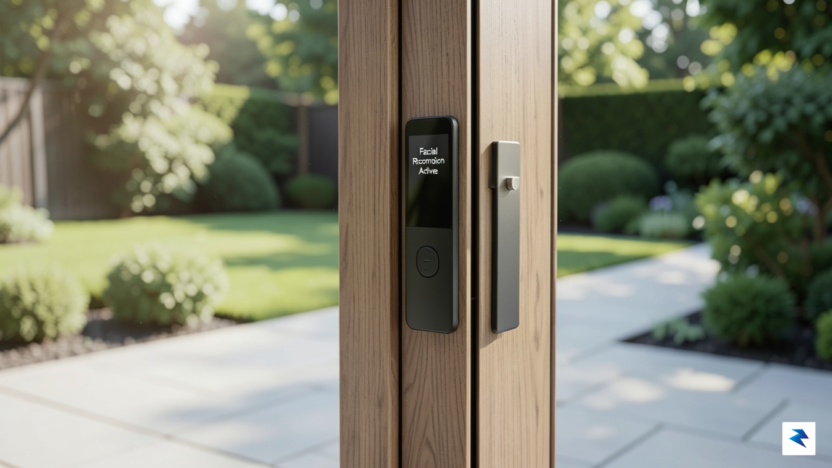
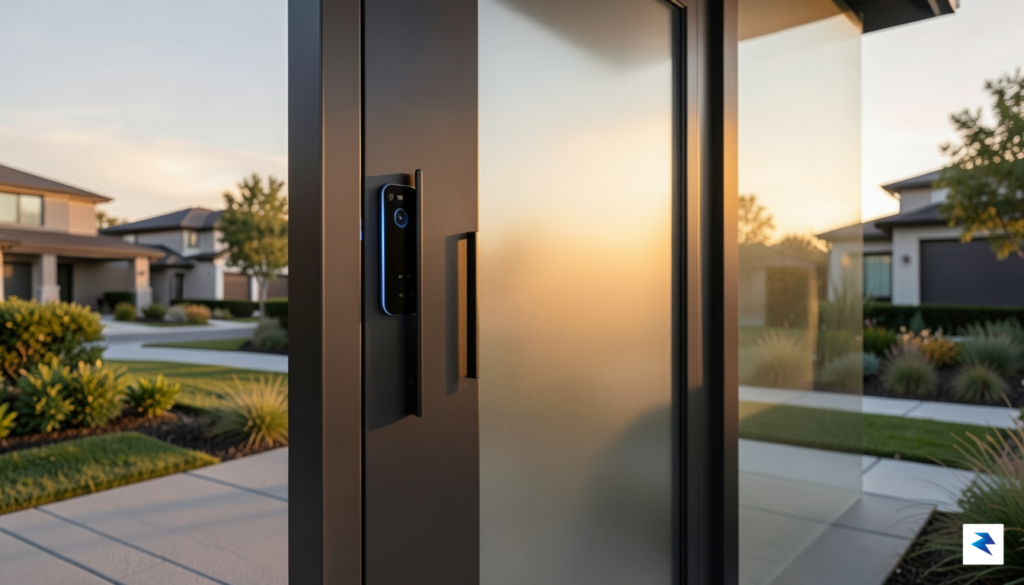
The journey toward the modern smart home has been defined by a constant pursuit of convenience, and nowhere is this more evident than in the way we secure our front doors. Not long ago, the pinnacle of home security was a standard metal deadbolt, which eventually gave way to the first generation of connected locks. These early iterations relied primarily on Bluetooth or Wi-Fi connectivity, allowing homeowners to unlock their doors via a smartphone app. While revolutionary at the time, these devices introduced a new layer of friction: the need to fumble for a phone, wait for an application to launch, and establish a stable connection before the door would finally click open.
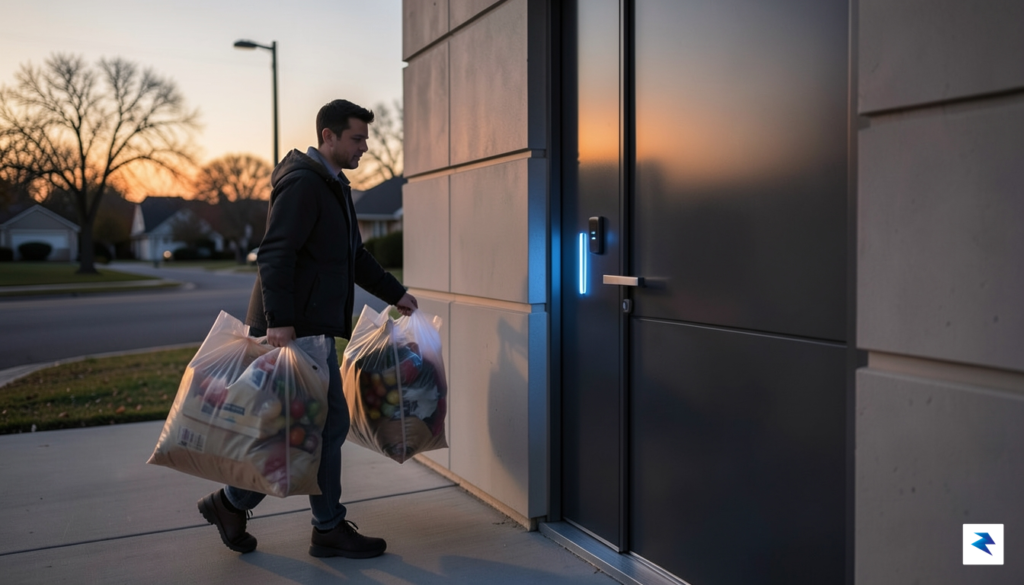
Following the era of app-based entry, manufacturers pivoted toward numeric keypads and capacitive fingerprint scanners. These solutions were marketed as faster, “keyless” alternatives that eliminated the need for a mobile device. However, they introduced their own set of ergonomic challenges. Keypads are susceptible to “shoulder surfing” and wear patterns that reveal frequently used digits, while fingerprint scanners often struggle with damp skin, dirt, or improper placement. Even when these systems function perfectly, they still require a deliberate, conscious action from the user. You must stop, reach out, and physically interact with the hardware, which can be an immense frustration when your hands are full of groceries or you are rushing inside during a rainstorm.
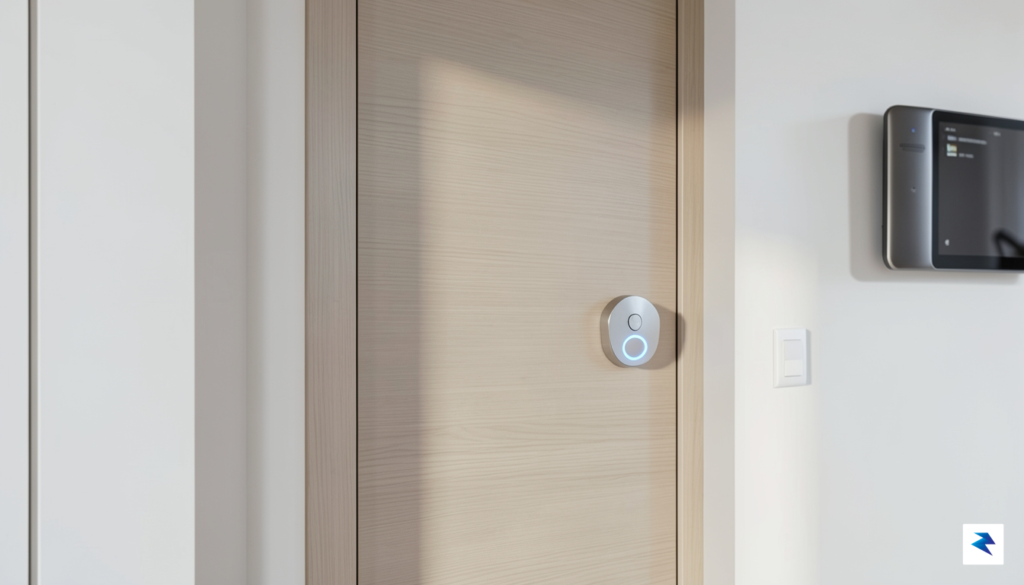
The most recent leap in this evolution—facial recognition technology—represents a shift from “active” authentication to “passive” authentication. By leveraging advanced depth-sensing cameras and sophisticated infrared mapping, these systems identify the homeowner as they approach the threshold, effectively unlocking the door before the hand even touches the handle. This is the definition of seamless entry: the lock is no longer a barrier to be navigated, but a digital doorman that recognizes your presence. By removing the need for codes, keys, or physical touch, we have moved into a new era where security technology finally aligns with the natural flow of our daily lives.
The true mark of a successful smart home integration is when the technology disappears entirely, allowing the house to respond to the user’s presence without requiring a manual command.
This transition marks a departure from the “gadget” phase of smart home development toward a more intuitive, ambient computing experience. When we no longer have to stop to verify our identity, the front door stops being a point of friction and becomes a transparent gateway. As we look at the trajectory of home security, it is clear that the future is not about adding more complex interfaces, but about removing them altogether in favor of biometric systems that are as unobtrusive as they are secure.
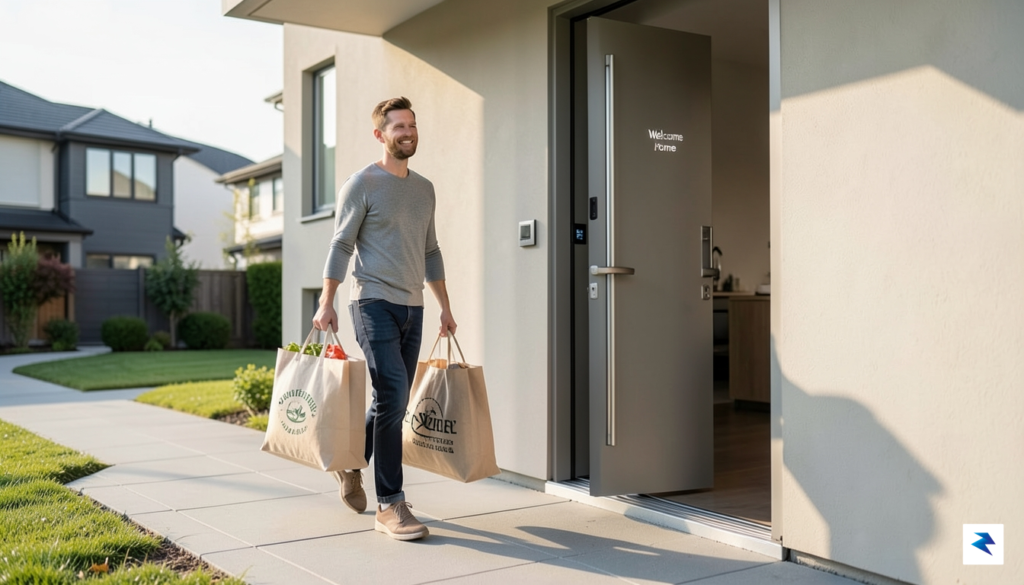
The true genius of facial recognition technology in home security lies in its fundamental shift from an active engagement process to a passive, frictionless experience. With traditional smart locks, users are often forced to break their stride, whether they are tapping in a PIN code on a keypad or positioning a damp or dirty finger just right for a biometric scanner. These legacy methods introduce a palpable lag into your daily routine, turning a moment of arrival into a task of authentication. By contrast, facial recognition eliminates these hurdles entirely; you simply walk up to your door, and it opens as if by magic. This is a game-changer for anyone managing the chaos of modern life, such as parents juggling squirming toddlers, homeowners carrying heavy grocery bags, or pet owners managing a restless dog on a leash. The ability to enter your sanctuary without needing to free a hand or memorize a sequence is not merely a luxury—it is a significant restoration of daily efficiency.
Beyond the immediate convenience, modern facial recognition systems have transcended the limitations that once plagued early biometric technology. Older fingerprint readers were notoriously fickle, often failing if a thumb was slightly moist from rain or if the sensor had accumulated skin oils throughout the day. Furthermore, keypad codes are prone to “shoulder surfing” or simple human error, particularly when you are tired or in a hurry. Modern smart locks utilize sophisticated infrared (IR) sensors rather than basic optical cameras, which allows them to map your facial features with high-precision depth sensing. Because these IR systems project their own light, they function flawlessly in total darkness, ensuring that you are never left fumbling for a key or a code in the dead of night. This reliability is built upon 3D structural analysis, which makes the systems much harder to spoof than 2D photographs or simple video feeds.
The transition to facial recognition is the difference between interacting with a piece of hardware and experiencing a home that recognizes you as its owner.
Another common concern among potential adopters is the “angle of approach,” yet current engineering has largely solved this hurdle. Advanced algorithms now account for a wide range of heights, facial tilts, and even minor changes in appearance, such as wearing glasses or hats. Instead of requiring you to stand perfectly still and stare directly into a lens, the sensors are designed to capture your likeness as you naturally approach the threshold. This integration of speed and accuracy ensures that the lock is almost always one step ahead of you, retracting the bolt before you even reach for the handle. By prioritizing both security and user accessibility, these systems prove that the most effective technology is the kind that fades into the background, providing peace of mind without requiring a second thought.
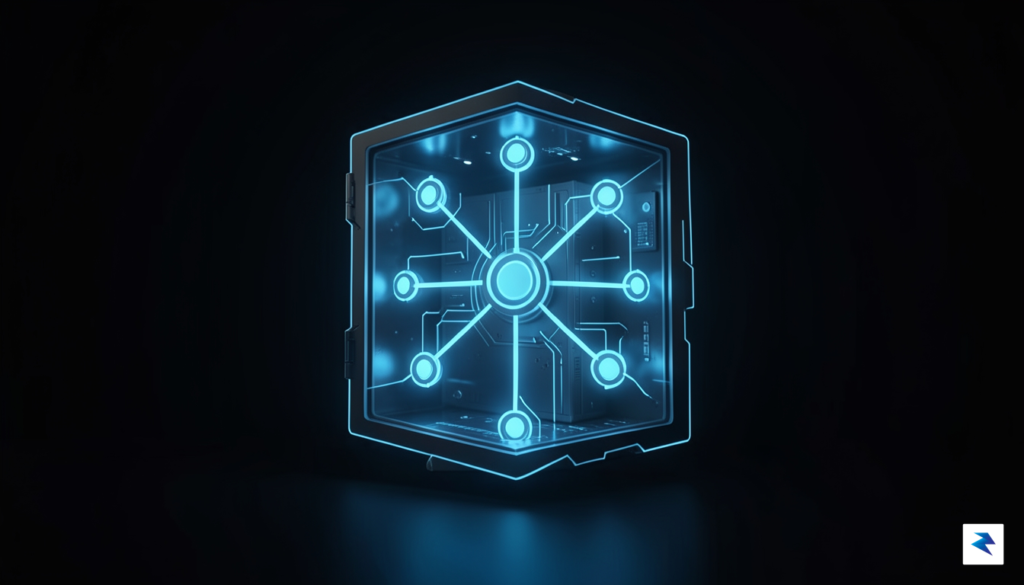
The most common hesitation when considering a biometric entry system is the fear that your personal identity might be uploaded to a corporate server or intercepted by malicious actors. However, modern smart locks have evolved significantly, moving away from vulnerable cloud-based processing in favor of local, edge-based storage. When a device utilizes edge processing, your facial data—represented as a mathematical map rather than an actual photograph—is encrypted and stored directly on the hardware inside your home. Because this data never leaves the device or travels across the internet, the risk of a centralized data breach is effectively neutralized, providing homeowners with the peace of mind that their biometric footprint remains entirely under their own roof.
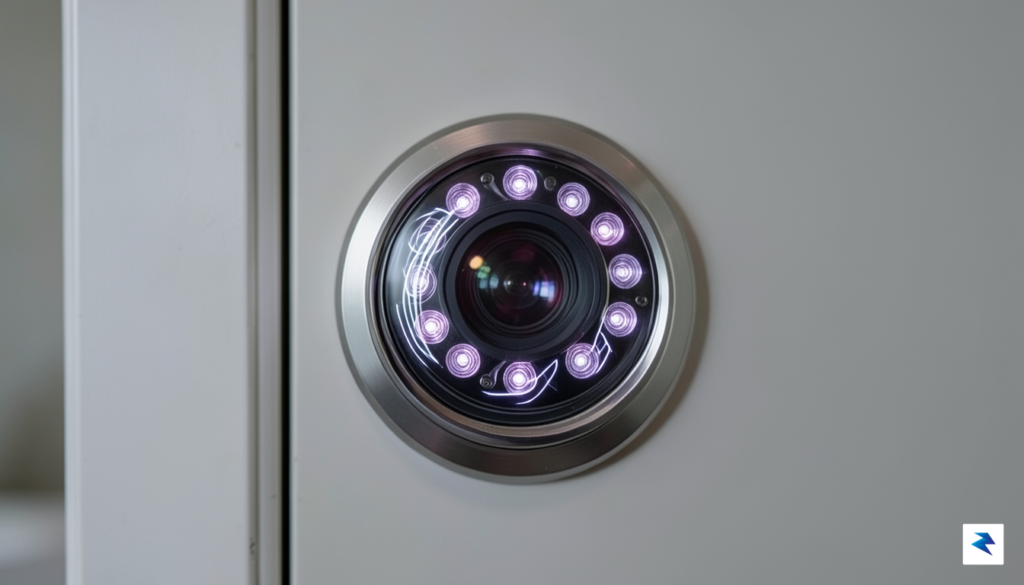
Beyond the storage location, the actual technology used to verify your identity has become remarkably sophisticated, specifically addressing the fear of “spoofing.” Older, camera-based recognition systems could potentially be tricked by a high-resolution photograph or a video playback on a smartphone. Current industry leaders have abandoned simple 2D imaging in favor of advanced 3D depth-sensing hardware, often utilizing infrared light projection or structured light patterns to map the physical geometry of a face. This ensures that the lock is looking for the unique contours of a living, breathing human being rather than a flat representation. By requiring both a visual match and physical depth, these devices can distinguish between a homeowner and a life-sized printed mask or digital image with near-perfect accuracy.
By prioritizing local, encrypted storage and multi-layered depth sensing, modern smart locks transform biometric security from a potential vulnerability into the most reliable key you will ever own.
It is also important to recognize that these systems are designed with “zero-trust” architectures in mind. Because the mathematical template of your face is hashed and encrypted, even if someone were to physically dismantle the lock and attempt to extract the data, they would be met with an unintelligible string of code that cannot be reverse-engineered into an image. This focus on privacy-by-design ensures that you are the sole gatekeeper of your home’s security. When you choose a reputable brand that adheres to these local-processing standards, you aren’t just getting the convenience of keyless entry; you are investing in a closed-loop security system that keeps your most sensitive information where it belongs: offline and under your control.
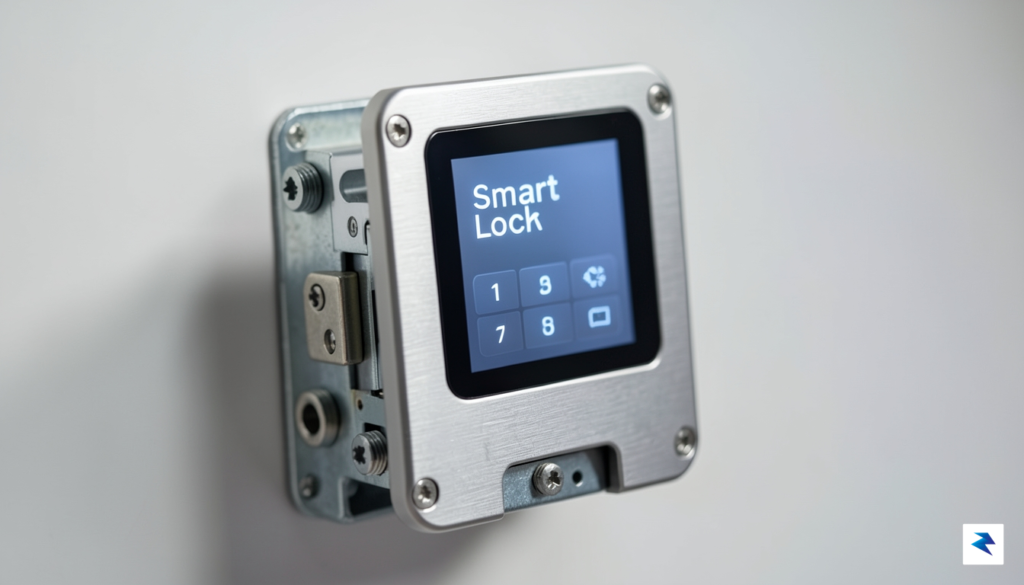
Not all facial recognition systems are created equal, and the market is currently flooded with devices that prioritize convenience over rigorous security. When choosing a lock for your home, your primary filter should always be the technology behind the sensor. Look specifically for 3D depth-sensing capabilities, often labeled as infrared structured light or dual-camera arrays. Unlike basic 2D systems that simply take a photograph, 3D sensors map the unique contours of your face, making it virtually impossible for someone to gain entry using a high-resolution photo or a video of your likeness.
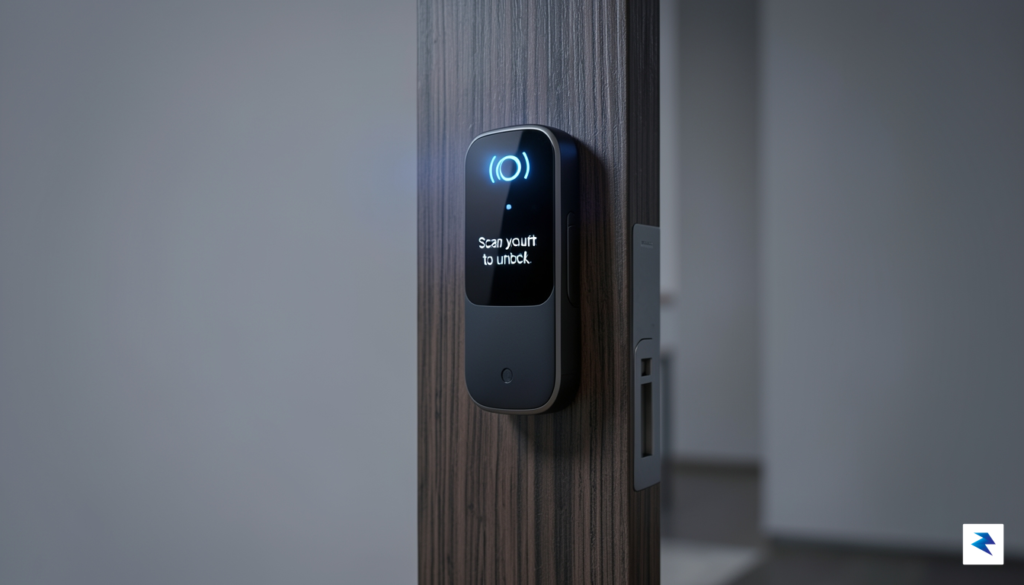
Beyond the sensor, you must scrutinize how the device handles your sensitive biometric data. Always prioritize hardware that utilizes on-device encryption, ensuring that your facial map is stored locally within the lock’s secure element rather than being transmitted to a vulnerable cloud server. It is equally important to verify the manufacturer’s commitment to security through regular, over-the-air firmware updates. A lock is only as secure as its software; if the company behind the hardware doesn’t have a proven track record of patching vulnerabilities, your front door could eventually become a digital liability.
The best facial recognition locks act as a local vault, keeping your biometric data encrypted on the hardware itself rather than relying on cloud storage that could be compromised.
Integration and practical usability are the final pieces of the puzzle. A smart lock that refuses to talk to your existing home ecosystem can quickly become a source of frustration rather than a convenience. Ensure that the device offers native support for your preferred platform—whether that is Apple HomeKit, Amazon Alexa, or Google Home—so you can manage access logs and receive notifications seamlessly. Furthermore, look for models that maintain offline functionality. You want a lock that continues to function reliably even if your Wi-Fi drops or the internet service provider suffers an outage. Finally, consider the battery life impact; high-end systems should be optimized to power their sensors efficiently, ideally offering a low-power mode that prevents the device from dying during extended periods of inactivity. By balancing these technical requirements, you can invest in a solution that offers genuine peace of mind rather than just a parlor trick for your entryway.
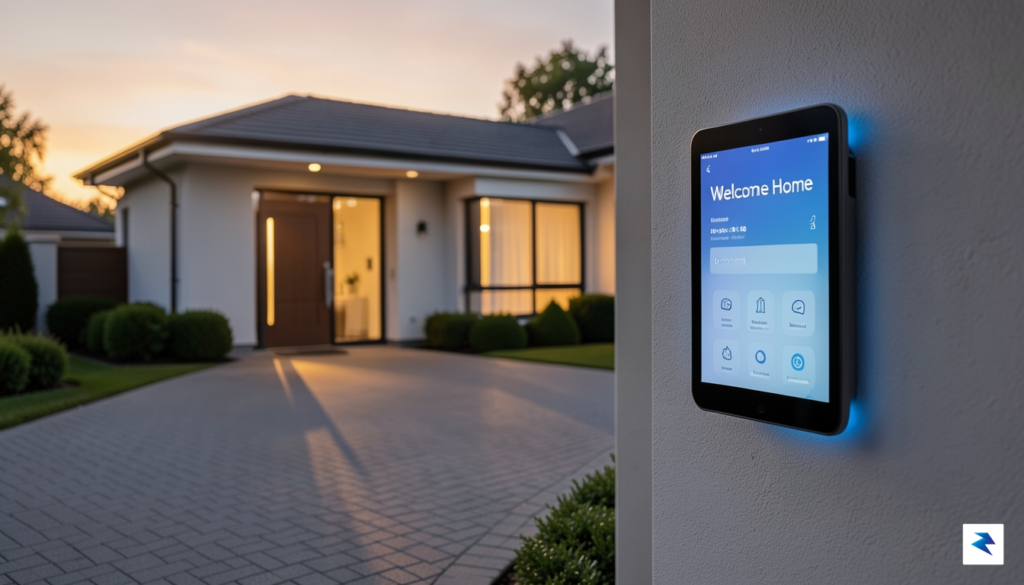
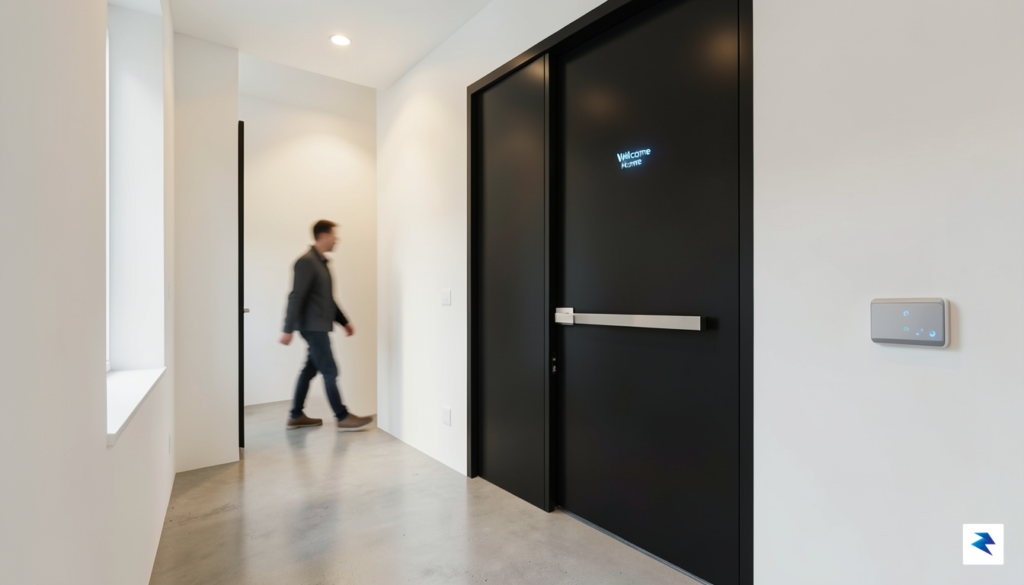
The evolution of home security has followed a clear, accelerating trajectory: we have moved from bulky mechanical keys to keypad codes, then to Bluetooth-enabled smartphone apps, and finally toward the truly invisible convenience of biometrics. For years, the “smart home” was defined by active engagement—pulling out a phone, opening an app, and waiting for a connection to trigger a lock. However, as these systems mature, the ultimate goal is to make the technology disappear entirely into the background of our daily lives. Facial recognition represents the final frontier in this progression, effectively turning your presence into the only key you will ever need. By removing the physical barrier of interaction, the smart lock transitions from a tool you operate to a seamless extension of your home’s awareness.
Beyond the simple utility of entry, the next phase of this technology lies in AI-driven autonomy that actively manages who enters your space and when. We are moving toward a future where a facial recognition lock does more than just secure a door; it acts as a proactive security concierge. Imagine a system that recognizes a family member and adjusts interior lighting or climate control upon entry, while simultaneously identifying a recurring visitor—like a dog walker or house cleaner—and granting them temporary, time-bound access without you needing to lift a finger. This level of granular control, powered by sophisticated machine learning, transforms the threshold of your home into an intelligent gatekeeper that understands the nuance of your social circle and daily schedule.
The true hallmark of a revolutionary technology is not how much it does, but how little it asks of the user; facial recognition is the quiet, invisible standard that finally achieves this for home security.
As this technology becomes more reliable and widespread, it is poised to become the next essential standard for any modern smart home integration. Just as we now consider high-speed Wi-Fi or connected thermostats to be baseline requirements for residential property, facial recognition will soon be viewed as the expected norm for home safety and convenience. By shifting the focus from manual authentication to passive, identity-based access, these systems eliminate the friction that previously held smart security back from true mass-market adoption. When your home recognizes you with the same effortless intuition that a close friend does, the smart home ceases to be a collection of gadgets and instead becomes a truly intuitive, protective environment that anticipates your needs before you even reach for the handle.
You must be logged in to post a comment.