
Federal Employees Can Now Use TikTok on Work Devices: A Security Deep Dive
The Evolution of Federal TikTok Policy For several years, the popular social media platform TikTok has been at the epicenter of an intricate…
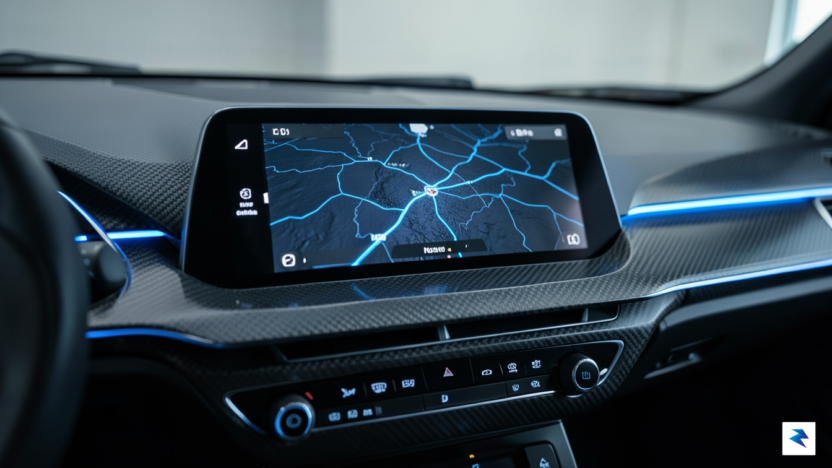

The trajectory of the electric vehicle market in the United States has shifted gears dramatically over the past twelve months. Following a period of aggressive, rapid-fire expansion where legacy automakers and startups alike raced to flood the streets with battery-powered alternatives, the industry has entered a more sobering phase of consolidation. This transition reflects a fundamental change in the relationship between manufacturers and the public; the initial excitement of the “EV revolution” is being tempered by the hard realities of infrastructure gaps, fluctuating charging accessibility, and the delicate task of balancing sustainable innovation with long-term corporate profitability.
While the discontinuation of a vehicle model is a standard procedure in the traditional automotive lifecycle—often used to make room for newer, more efficient platforms—the recent wave of EV cancellations carries a deeper significance. Unlike internal combustion engine vehicles, which benefit from decades of established manufacturing maturity, electric vehicles are currently caught in a high-stakes environment defined by exorbitant research and development costs. Automakers are finding that the “one-size-fits-all” approach to electrification is no longer viable, leading them to prune underperforming or redundant models from their lineups to preserve capital for more profitable, mass-market-ready designs. This recalibration is not necessarily a sign of a dying market, but rather a strategic retreat to focus resources where the demand is most stable.
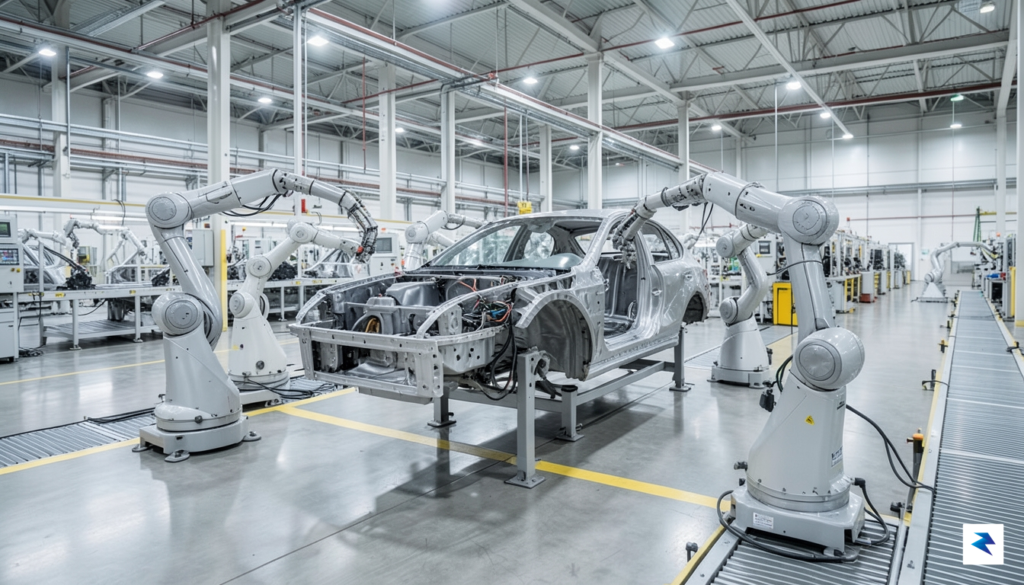
The current market landscape is less about the failure of electrification and more about the maturation of the industry as it moves from the “early adopter” phase to the “pragmatic consumer” era.
Furthermore, the intensifying competition from both domestic heavyweights and aggressive international players has forced manufacturers to be increasingly ruthless with their product portfolios. When a specific model fails to achieve the economies of scale necessary to lower production costs, it quickly becomes a liability rather than an asset. This environment has created a scenario where only the most efficient, technologically superior, and value-driven vehicles can survive. As we look at the list of models that have been retired this year, it becomes clear that automakers are no longer just looking to prove they can build an EV; they are now focused on building the right EV that can navigate the complex, evolving expectations of the American driver.

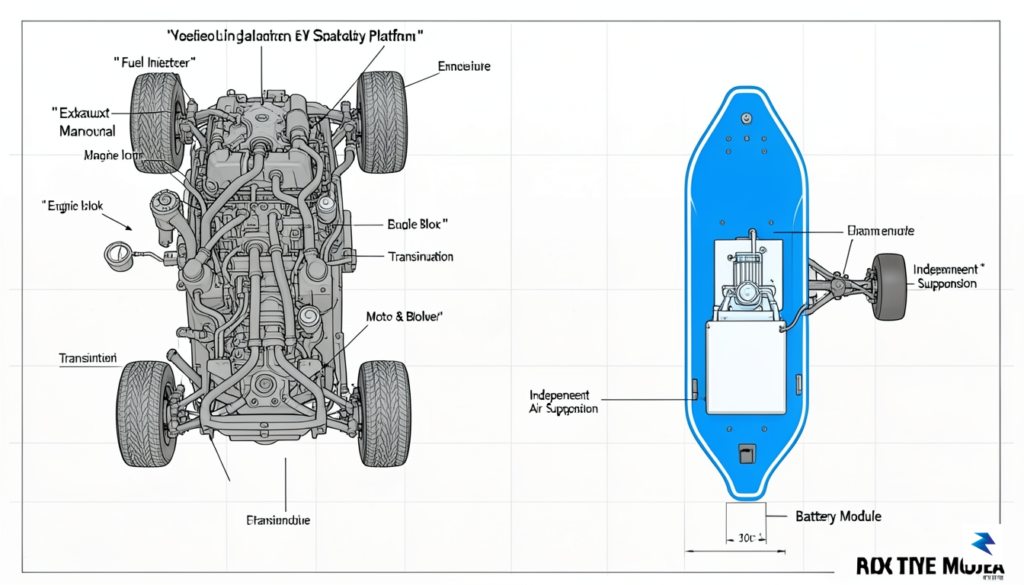
The recent wave of EV cancellations is rarely the result of a single failed product; rather, it represents a calculated pivot as legacy automakers transition from experimental beginnings to industrial maturity. Many of the models being phased out this year were built on “compromised” architectures—platforms originally designed for internal combustion engines that were retrofitted to house heavy battery packs. These first-generation vehicles often suffered from inefficiencies in weight, charging speed, and interior space utilization. By killing these stop-gap models, manufacturers are effectively clearing the assembly lines to make room for dedicated, next-generation EV architectures. These bespoke platforms are engineered from the ground up for electrification, allowing for modular battery integration, lower production costs, and significantly improved range, which ultimately makes the new offerings more competitive in a cooling market.
Beyond the technical transition, automakers are grappling with a harsh economic reality: the shift from a “volume-at-all-costs” mindset to a focus on sustainable profitability. In the early stages of the EV revolution, companies were willing to absorb losses to capture market share and establish a foothold in the green energy space. However, as supply chain constraints stabilized and the initial wave of early adopters was satisfied, inventory bloat became a significant concern. Dealers found themselves with surplus stock that required heavy incentives to move, which further eroded already thin margins. Consequently, strategic executives are now prioritizing vehicles that offer a better “return on complexity”—focusing on high-margin segments like SUVs and trucks while discontinuing niche or entry-level models that struggle to turn a profit under current manufacturing conditions.
The transition from first-generation compliance cars to profitable, dedicated EV platforms is a necessary, albeit painful, stage of the automotive industry’s evolution.
This strategic thinning of portfolios also serves as a defensive maneuver against a rapidly changing consumer landscape. With interest rates remaining elevated and consumer demand showing signs of cooling, automakers must be more discerning about where they allocate their capital expenditure. Maintaining a sprawling lineup of diverse EV models is expensive, requiring separate supply chains for specialized parts and distinct marketing efforts. By consolidating their offerings, companies can concentrate their engineering talent and marketing budgets on their most promising “hero” models. This shift toward lean, profit-focused vehicle design ensures that when the next major surge in EV adoption arrives, these companies will be positioned with streamlined production processes that are robust enough to withstand long-term market volatility.
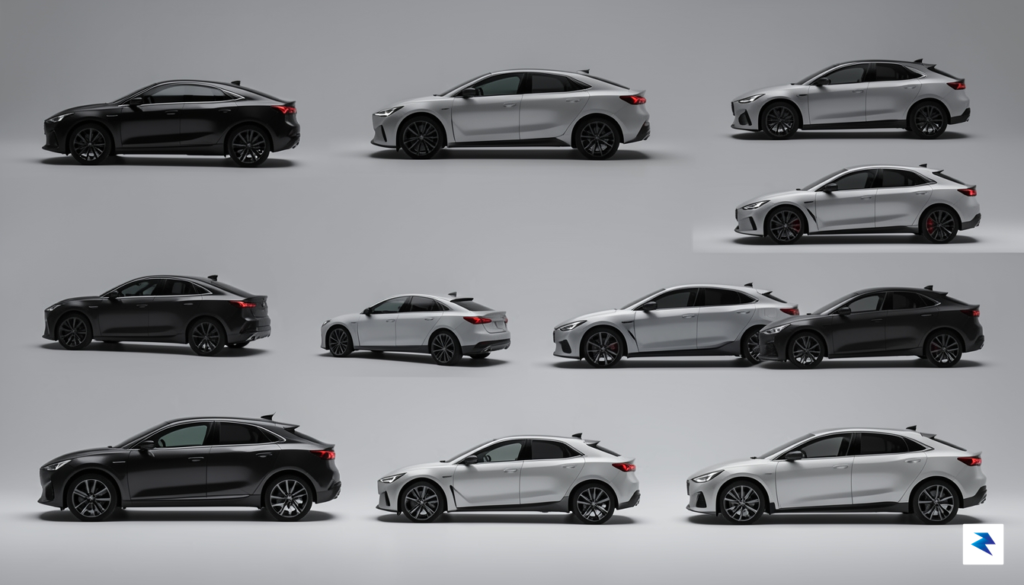
The narrative of electric vehicle market competition is perhaps nowhere more starkly illustrated than in the swift, unexpected exit of several models from the U.S. market this year. This shake-up underscores the harsh realities of a rapidly evolving landscape, where even well-established automakers and initially hyped newcomers can struggle to gain traction. The list of departures is surprisingly diverse, encompassing everything from purpose-built electric crossovers to vehicles from legacy brands making their first significant foray into the EV space.
One of the most notable and perhaps surprising discontinuations is the Honda Prologue. Introduced with considerable anticipation as Honda’s first major electric vehicle for the U.S. market, the Prologue was a crucial step in the brand’s electrification strategy. This mid-size electric SUV, a product of a collaboration with General Motors utilizing its Ultium platform, only just began deliveries in early 2024. Its premature departure highlights the immense pressure and challenges faced by new entrants, even those backed by the manufacturing prowess and dealer networks of a global giant like Honda. The Prologue’s tenure was brief, reportedly struggling against a tide of more established or more aggressively priced competitors, and perhaps failing to carve out a distinct identity that resonated with Honda loyalists or new EV buyers looking for innovation.
Beyond the Prologue, the list of exiting EVs paints a broader picture of market recalibration. We’ve seen a range of vehicles, from niche luxury offerings to more mass-market oriented options, fail to meet sales expectations or strategic goals. Some models, despite initial fanfare and considerable investment, found themselves caught between rapidly advancing technology, aggressive pricing strategies from market leaders, and evolving consumer preferences. For instance, some of the early electric crossovers or sedans, which might have seemed cutting-edge just a few years ago, now face fierce competition from newer models boasting longer ranges, faster charging, and more sophisticated infotainment systems. This rapid obsolescence cycle is a unique challenge for the EV industry, demanding constant innovation and adaptation.
The reasons behind these discontinuations are multifaceted. Intense competition is undoubtedly a primary factor; with a growing number of players, from Tesla to traditional automakers and ambitious startups, the fight for market share is brutal. Pricing also plays a critical role, as consumers increasingly scrutinize the value proposition of EVs against their internal combustion engine counterparts and against each other. Models that were perhaps overpriced for their features or performance, or that simply couldn’t compete on cost-effectiveness, quickly lost appeal. Furthermore, a perceived lack of unique selling points, reliability issues, or even a brand’s overall commitment to electrification can deter potential buyers, leading to inventory gluts and ultimately, strategic withdrawals from the market. These exits serve as a stark reminder that in the volatile world of electric vehicles, only the most compelling and competitive models will endure.
The sudden departure of an electric vehicle from the market often triggers immediate anxiety for current owners, who worry about the long-term viability of their investment. It is important to remember that automotive manufacturers are bound by established industry standards and, in many cases, state-level regulations that mandate the availability of replacement parts for a significant period. While there is no universal federal mandate requiring 10 years of part support, most major automakers follow an internal “10-year rule” to maintain brand reputation and legal compliance, ensuring that essential components—such as suspension parts, body panels, and structural elements—remain accessible through authorized service centers well after production ceases.
However, the modern landscape of software-defined vehicles introduces a new layer of complexity to this support conversation. Unlike traditional internal combustion vehicles that rely primarily on mechanical hardware, modern EVs are essentially computers on wheels, heavily dependent on over-the-air (OTA) updates for battery management systems, infotainment stability, and charging optimizations. When a model is “orphaned,” the primary concern shifts from mechanical parts to digital longevity. Owners should take comfort in knowing that manufacturers are legally and contractually incentivized to maintain backend servers for these updates, as a total blackout of software support could lead to significant liability issues and class-action scrutiny.
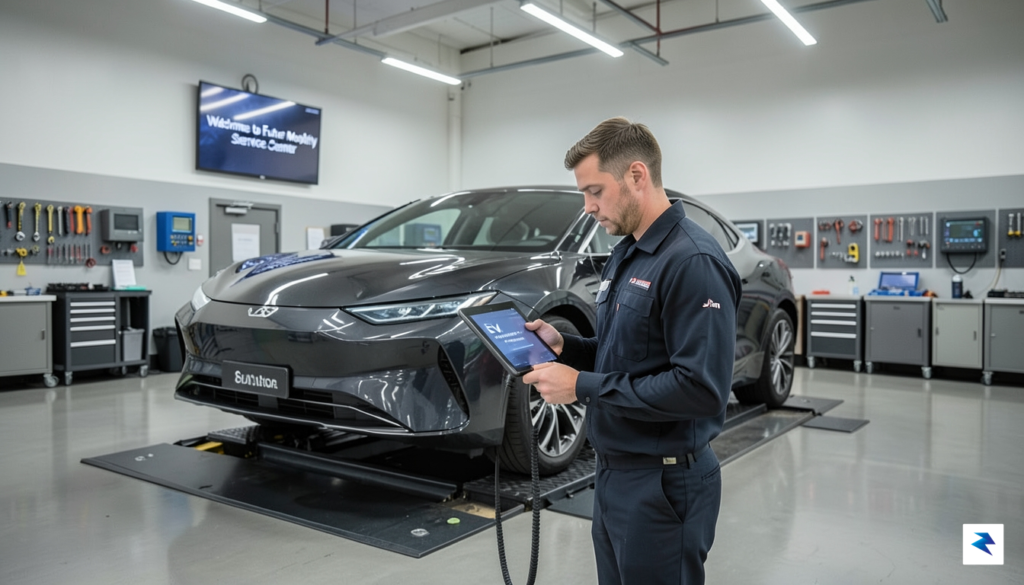
For those currently driving a discontinued model, the impact on resale value is often less catastrophic than initial market chatter might suggest. While the vehicle may lose its “new” status, it often settles into a stable niche of enthusiast or budget-conscious buyers who appreciate the model’s specific feature set. To protect your investment, keep meticulous service records and ensure all software recalls are documented; transparency is the greatest asset when the time comes to sell an out-of-production vehicle. Ultimately, an “orphaned” car is simply a used car with a smaller demographic of potential buyers, not a paperweight.
Key Takeaway: A discontinued vehicle does not mean an unsupported vehicle. Focus on maintaining your service history and staying current with official software releases to preserve the longevity and marketability of your EV.
If you are a prospective buyer considering a discontinued model, you should approach the purchase with a clear-eyed perspective on depreciation. These vehicles are often available at significant discounts, making them an excellent entry point into the EV market for those who plan to hold onto the car for several years. Before committing, verify the availability of parts in your region and check if the manufacturer has a robust service network that still supports the platform. By viewing these models as value-driven opportunities rather than risks, you can often secure a high-quality electric vehicle for a fraction of its original MSRP, provided you accept that its future trade-in value may be lower than a mass-market, current-production model.
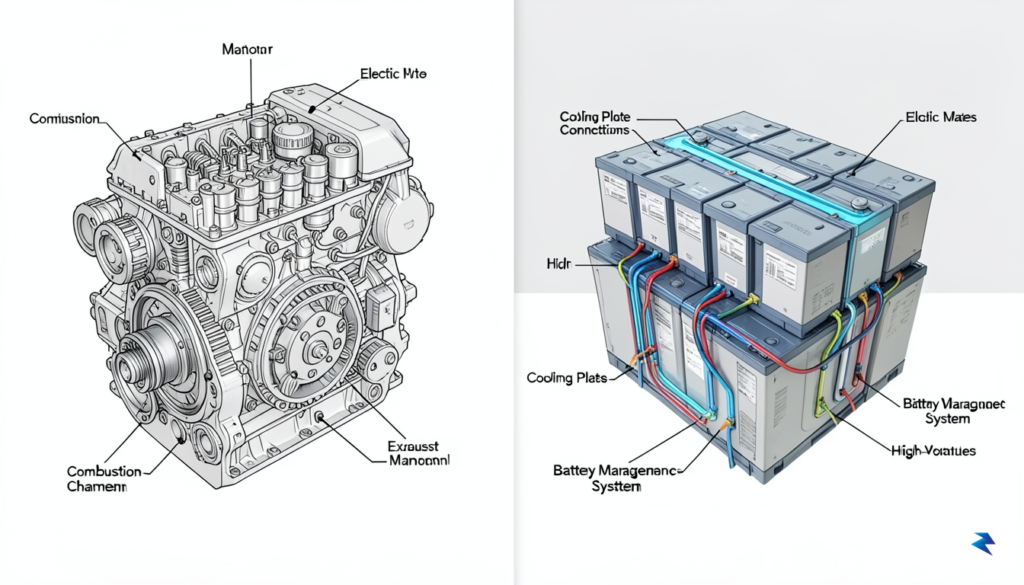
The recent departure of several high-profile electric vehicles from the American landscape might appear to be a retreat from sustainability goals, but a closer look reveals a calculated industry evolution. Rather than abandoning the path toward electrification, automakers are undergoing a strategic recalibration, moving away from “all-in” pure-play EV strategies toward a more pragmatic, diversified portfolio. This shift acknowledges the reality of current infrastructure limitations and consumer charging anxiety, favoring a “hybrid-first” mentality that allows drivers to reap the benefits of battery power without the lingering fear of running out of juice on a long-distance road trip.
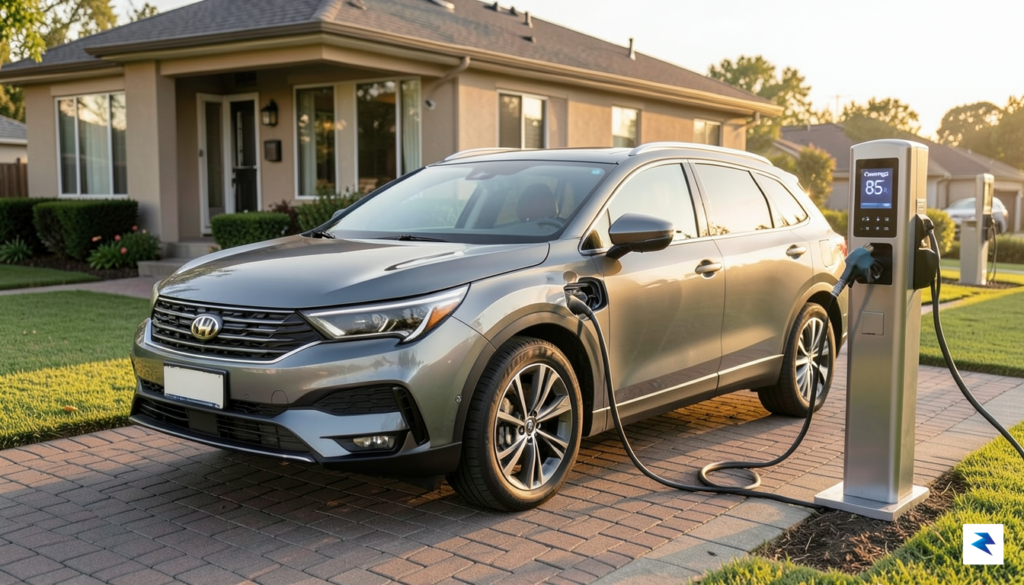
The “Hybrid Renaissance” we are witnessing is not a step backward, but rather a bridge toward mass-market adoption. Plug-in hybrid electric vehicles (PHEVs) offer a compelling compromise: they provide enough all-electric range for daily urban commuting while retaining a gasoline engine for longer journeys. Consumers are increasingly gravitating toward these models because they offer the familiarity of a traditional refueling process combined with the efficiency of electric propulsion. By reallocating capital that was once earmarked for niche or struggling pure-electric models, manufacturers are now pouring resources into hybrid powertrains that satisfy both tightening emissions regulations and the immediate practical needs of the average family.
The transition to electric mobility is proving to be a marathon rather than a sprint; by leaning into hybrids, automakers are ensuring that the bridge to a fully electric future remains stable, accessible, and financially viable for a broader segment of the population.
This industrial pivot also reflects a focus on operational efficiency. Developing a new, dedicated EV architecture is an incredibly capital-intensive endeavor that carries high financial risk if the vehicle fails to gain market traction. By optimizing existing platforms to accommodate hybrid systems, brands can maintain thinner margins and lower entry price points, which is critical in an economy where vehicle affordability remains a top priority. Consequently, while we may see the discontinuation of specific EV nameplates, the underlying technology is being refined and redistributed across wider, more popular model lines. Ultimately, this move signals that the industry is maturing, trading the idealism of rapid, forced electrification for a nuanced, consumer-centric strategy that prioritizes reliability and long-term sustainability over short-term trends.

The rapid turnover in the current automotive landscape might feel daunting, but purchasing an electric vehicle remains a transformative decision for the modern household. While the discontinuation of certain models underscores the industry’s volatility, it also highlights a maturing market that is finally separating experimental concepts from reliable, long-term platforms. To effectively future-proof your investment, prospective buyers should prioritize manufacturers that have demonstrated a clear commitment to consistent software updates and robust long-term service infrastructure. Rather than chasing the latest aesthetic trend, focus on brands that treat their EV lineup as a cornerstone of their business rather than a niche compliance project.
One of the most critical factors for long-term ownership today is the transition toward the North American Charging Standard (NACS). As the industry pivots to unify its charging infrastructure, vehicles that natively support or have a clear path to NACS compatibility will offer significantly better resale value and utility over the next decade. By opting for a manufacturer that has already committed to this universal standard, you ensure that your vehicle remains compatible with the most expansive and reliable charging networks available. This foresight prevents the frustration of being tethered to proprietary or obsolete plug types that may become increasingly difficult to locate as the public charging ecosystem evolves.
The best way to protect your automotive investment is to look past the badge and investigate the underlying architecture; a scalable, modular platform is the single greatest indicator of a vehicle’s potential for longevity.
Beyond the charging port, the underlying technical platform of an electric vehicle dictates its ability to receive over-the-air (OTA) updates and feature enhancements. Seek out models built on dedicated, scalable architectures rather than those adapted from internal combustion chassis. These purpose-built platforms are designed to house battery chemistry improvements and software iterations for years to come, keeping your car feeling current long after it leaves the dealership. When evaluating a potential purchase, ask your dealer about the manufacturer’s history with OTA updates and their track record for supporting older models with new software features. This attention to detail ensures that your vehicle doesn’t just remain functional, but continues to improve as technology advances.
Ultimately, the core benefits of electric driving—lower maintenance costs, silent performance, and reduced carbon impact—remain as compelling as ever. While the headlines regarding discontinued models may cause hesitation, they are actually a sign of a market refining its focus. By choosing a vehicle built on a forward-looking platform and backed by a company with a firm grasp on the future of infrastructure, you can confidently transition to electric ownership, knowing your choice is built to last.
You must be logged in to post a comment.