Apple Sued: Does ‘Hide My Email’ Actually Keep You Private?
Understanding the Hide My Email Controversy For years, Apple has positioned itself as the gold standard for consumer data protection, with…
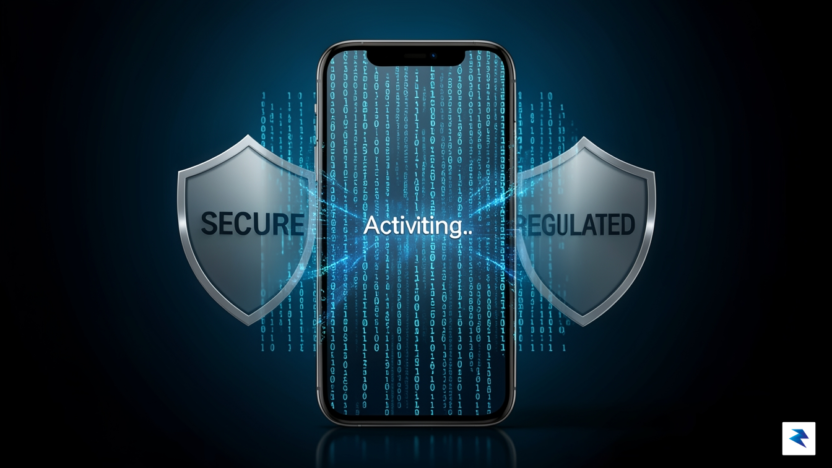

The Federal Communications Commission (FCC) has officially unveiled a sweeping regulatory proposal that threatens to fundamentally reshape the landscape of mobile telecommunications in the United States. At its core, the initiative seeks to mandate rigorous, standardized identity verification protocols for all new mobile phone activations, effectively moving the industry toward a stringent “Know Your Customer” (KYC) framework similar to those already utilized in the banking and financial sectors. Currently, activating a new line—whether through a major carrier or a prepaid mobile virtual network operator (MVNO)—is often a relatively frictionless process that requires little more than a credit card or basic personal details. Under the new proposal, however, consumers would likely be required to undergo a more intrusive verification process, which could involve digital document scanning, biometric checks, or multi-factor authentication to prove their identity before a service provider is permitted to activate a new SIM or port an existing number.
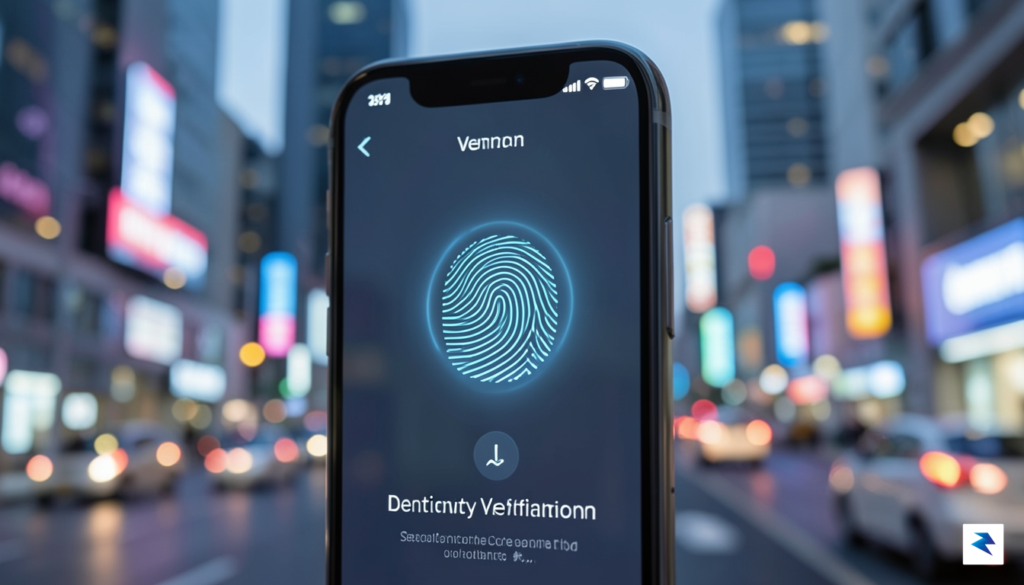
The impetus behind this regulatory shift is the alarming, unchecked surge in mobile-based crimes that have plagued American consumers in recent years. Sophisticated fraudulent activities, most notably SIM swapping and account takeovers, have become increasingly common, allowing bad actors to intercept two-factor authentication codes, drain financial accounts, and hijack sensitive personal information. By forcing carriers to act as a primary line of defense through mandatory identity vetting, the FCC aims to make it significantly harder for criminals to obtain burner phones or impersonate legitimate customers to gain unauthorized access to accounts. The agency posits that the current, decentralized approach to verification is insufficient to combat modern syndicates, arguing that a unified federal standard is necessary to protect the digital infrastructure that millions of citizens rely upon daily.
The transition toward a universal, high-stakes verification standard represents a pivotal moment in telecommunications policy, balancing the urgent necessity for consumer safety against the long-standing industry reliance on low-barrier, rapid service acquisition.
While the goal is to dismantle the infrastructure used by scammers, the potential impact on the average consumer remains a subject of intense debate. For the vast majority of users, this could mean an added layer of administrative friction during the onboarding process, potentially requiring the submission of government-issued identification to digital portals that may themselves become targets for cyberattacks. Furthermore, privacy advocates are raising concerns about the centralization of sensitive biometric and personal data, questioning whether the increased security benefits will justify the potential risks of massive data breaches. As the FCC moves forward with this proposal, the agency must weigh the tangible benefits of reduced identity theft against the erosion of the anonymity that many consumers have long associated with mobile service activation.

At the center of the recent FCC regulatory proposal lies a urgent mission to dismantle the mechanics of SIM swapping, a devastating form of identity theft that has become increasingly pervasive in the digital age. SIM swapping occurs when a malicious actor convinces a wireless carrier to transfer a victim’s phone number to a device controlled by the fraudster, effectively hijacking the target’s digital identity. Because many security systems rely on SMS-based multi-factor authentication (MFA) to confirm a user’s identity, this swap grants the attacker immediate, unfettered access to bank accounts, email portals, and sensitive personal data. By intercepting these one-time codes, criminals can bypass robust passwords, turning the phone number itself into a master key for a victim’s entire online life.
The technical vulnerability here is systemic, rooted in how easily carriers have historically handled account changes. Often, bad actors exploit weak security protocols, such as social engineering customer service representatives or utilizing stolen personal information, to authorize these unauthorized transfers without the victim’s knowledge. Current carrier-level security frequently suffers from gaps where identity verification is either cursory or easily bypassed through spoofed data. This atmosphere of anonymity at the point of activation allows fraudsters to operate with relative impunity, moving rapidly from one account to the next before the legitimate user even realizes their service has been disconnected.
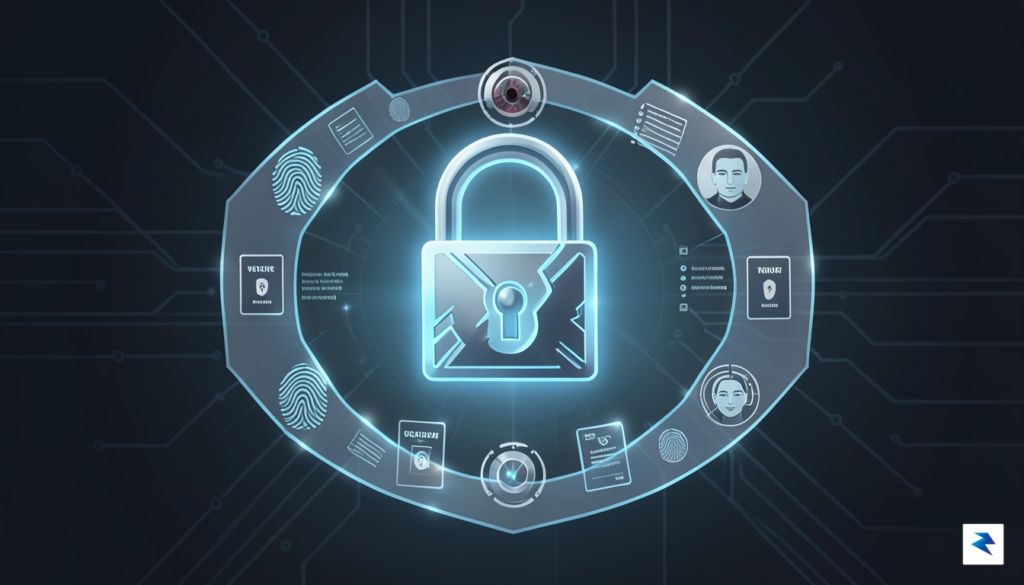
To combat this, the proposed policy introduces a more rigorous framework for identity verification at the point of sale and during account modifications. By mandating stricter checks—such as requiring government-issued documentation or advanced biometric verification before a SIM transfer can occur—regulators intend to transform carriers from passive conduits into active gatekeepers of user privacy. The logic is simple yet profound: by raising the barrier to entry for unauthorized SIM activations, the cost and technical difficulty for criminals increase significantly. This shift aims to force a departure from the “trust-first” model that currently leaves so many consumers vulnerable, replacing it with a “verify-first” standard that prioritizes account integrity over the convenience of rapid, anonymous activation.
The goal of these proposed rules is to close the loophole that allows a phone number to be stolen, ensuring that the device in your pocket remains a secure tool rather than a liability in the hands of a cybercriminal.
Ultimately, this proposal is a recognition that the digital landscape has shifted, and the safeguards meant to protect our connectivity must evolve alongside it. While some stakeholders express concern regarding the depth of personal data that carriers might need to collect to satisfy these requirements, the security justification remains clear: without verifiable identity controls, the cellular network remains a prime vector for systemic fraud. By formalizing the verification process, the FCC hopes to restore trust in the mobile ecosystem, ensuring that the convenience of mobile connectivity no longer comes at the expense of our fundamental digital security.

While the stated intentions behind new regulations to combat fraud are undoubtedly aimed at enhancing security for all users, they have, perhaps inevitably, ignited a fervent debate across the digital landscape, particularly concerning the fundamental right to privacy. For a significant segment of the population, the ability to acquire a communication device without submitting extensive personal data is not merely a convenience but a critical pillar of digital autonomy. This autonomy serves as a vital safeguard, offering a degree of anonymity that has historically protected individuals who are particularly vulnerable, whether they are fleeing domestic abuse, escaping the clutches of stalkers, or seeking to avoid overreaching surveillance from various entities.
Indeed, the pushback from privacy advocates stems from a deep-seated concern that these measures represent a significant erosion of personal freedom, replacing it with a system that could inadvertently facilitate surveillance. The historical precedent of anonymous communication channels providing a lifeline for those in precarious situations cannot be overstated. Victims of intimate partner violence, for instance, often rely on untraceable phones to communicate safely without fear of their abuser monitoring their every move. Similarly, whistleblowers, journalists working in repressive regimes, and human rights activists frequently depend on the ability to remain anonymous to protect themselves and their sources from retribution. These proposals, therefore, are seen not just as an inconvenience, but as potentially removing a crucial layer of protection for society’s most vulnerable members.
Moreover, the establishment of more centralized identity databases, which would likely be a byproduct of such extensive data collection requirements, introduces a new spectrum of risks that cannot be overlooked. Any consolidated repository of sensitive personal information immediately becomes a prime target for cybercriminals, state-sponsored hackers, and other malicious actors. A breach of such a system would not merely be an inconvenience; it could expose millions of individuals to identity theft, financial fraud, and even physical danger by revealing their location, contacts, and personal habits. The long-term implications of such a compromise extend far beyond individual harm, potentially undermining public trust in digital infrastructure and governmental oversight.
Privacy advocates vehemently argue that anonymity, far from being a tool for nefarious activities, is often a prerequisite for safety and freedom of expression in a world increasingly dominated by digital footprints. They contend that forcing individuals to link their personal identity to every communication device creates a panopticon effect, where the constant awareness of being potentially monitored can stifle dissent, discourage legitimate privacy-seeking behavior, and ultimately lead to a chilling effect on free speech. The perception that every phone call or text message could be traced back to a specific individual creates an environment ripe for self-censorship and a reluctance to engage in activities that, while perfectly legal, might be deemed undesirable by powerful entities.
Ultimately, the discussion around these new regulations highlights a profound societal trade-off between perceived security benefits and fundamental civil liberties. While the prevention of fraud is an undeniable societal good, the methods employed to achieve it must be carefully weighed against the potential for undermining privacy, digital autonomy, and the safety of marginalized communities. Striking this delicate balance requires more than just good intentions; it demands robust safeguards, transparent processes, and a deep understanding of how such policies can disproportionately impact those who rely most heavily on the shield of anonymity for their protection and freedom in an increasingly interconnected and surveilled world.

The operational landscape for mobile network operators is poised for a significant shift as the FCC pushes for more robust identity verification requirements. At the heart of this challenge lies the necessity of integrating real-time authentication into a fragmented ecosystem that spans thousands of corporate-owned retail locations, independent kiosks, and third-party online portals. Currently, many carriers rely on disparate legacy systems that were never designed for the granular, high-stakes verification mandates proposed by the commission. Standardizing these protocols across such a vast technological footprint requires more than just a software update; it demands a complete overhaul of how consumer identity is ingested, stored, and validated during the point-of-sale process.

To meet these stringent requirements, carriers will likely turn to third-party identity verification services, such as DMV database integrations or private biometric screening platforms. However, relying on external APIs introduces new points of failure and significant latency issues. If a carrier’s infrastructure must query a government database every time a subscriber attempts to activate a new line or upgrade a device, even a minor server outage at the source could result in a nationwide freeze on service activations. Furthermore, the sheer volume of these requests necessitates an incredibly scalable architecture that can handle peak traffic periods, such as new device launches or holiday shopping seasons, without compromising the security of the underlying sensitive consumer data.
The implementation of mandatory identity verification represents a delicate balancing act: carriers must satisfy federal security mandates without turning the simple act of purchasing a phone into a bureaucratic bottleneck that drives customers toward unregulated or informal markets.
The burden of these technical hurdles falls disproportionately on Mobile Virtual Network Operators (MVNOs) and smaller budget-friendly carriers. Unlike major national carriers, these smaller players often operate on razor-thin margins and rely on streamlined, low-overhead digital platforms to remain competitive. Mandating the integration of complex, expensive verification stacks could force these smaller companies to either raise their subscription prices or absorb costs that threaten their long-term viability. As these carriers struggle to adapt, the industry may see a chilling effect on competition, ultimately limiting consumer choice and potentially pushing users back toward larger entities that can better afford the regulatory overhead. The FCC’s vision for a more secure network is noble, but without a clear roadmap for technological standardization, the logistics of execution could prove to be the most significant barrier to success.

For decades, the “burner phone”—a low-cost, prepaid mobile device purchased without a credit check or long-term contract—has served as a double-edged sword in the digital landscape. Historically, these devices have been synonymous with both illicit activity and a necessary layer of anonymity for individuals operating in sensitive environments. From activists protecting their identities under authoritarian regimes to domestic violence survivors seeking a secure way to communicate without being tracked by abusers, the burner phone has functioned as a vital tool for digital autonomy. By decoupling a mobile identity from a permanent, government-backed profile, users have long enjoyed a degree of separation between their physical lives and their digital footprints.

If the Federal Communications Commission moves forward with mandates requiring stringent identification checks at the point of sale, the convenience and accessibility of these temporary mobile solutions could effectively vanish. This shift would fundamentally alter the landscape of mobile connectivity, moving away from a model of open, accessible utility toward a highly regulated ecosystem where every connection is tethered to a verified identity. While proponents argue that this is a necessary step to curb the rampant surge of SMS-based phishing and financial fraud, the transition risks alienating significant portions of the population. Many marginalized groups, including the unbanked, the transient, and those without a permanent physical address, rely heavily on prepaid, non-contract phones as their primary, and often only, gateway to essential digital services.
Requiring a government-issued ID for every mobile activation effectively treats the right to digital anonymity as a loophole to be closed, rather than a privacy feature to be protected.
The core of the debate lies in whether this policy will truly achieve its goal of deterring criminal syndicates or if it will merely impose a disproportionate burden on law-abiding citizens. Criminal organizations are notoriously adept at navigating regulatory hurdles, often utilizing stolen identities or illicitly obtained credentials to bypass verification systems that might stop an average consumer. Consequently, the proposed ID checks may do little to dismantle sophisticated fraud networks while simultaneously stripping privacy-conscious individuals of their ability to shield their personal data from data brokers and advertisers. By forcing all users into a singular, transparent system, the FCC risks creating a “digital panopticon” where the cost of entry into the modern world is the total forfeiture of mobile privacy, ultimately raising the question of whether we are sacrificing too much autonomy in the name of security.

The tension between robust fraud prevention and the sanctity of individual privacy represents one of the most complex challenges facing modern telecommunications regulators. As the Federal Communications Commission pushes forward with this latest proposal, it finds itself balancing the urgent need to dismantle sophisticated scam networks against the public’s valid concerns regarding data surveillance and corporate overreach. Proponents argue that aggressive data-sharing mandates are the only way to modernize our aging infrastructure against agile cybercriminals, while privacy advocates warn that granting providers deeper access to consumer traffic could lead to an erosion of digital autonomy. Successfully navigating this divide requires more than just technical solutions; it demands a transparent regulatory framework that prioritizes both security and accountability.
It is crucial to remember that these measures are currently in the proposal phase, meaning the final version of the rules remains subject to significant change. The FCC is in the midst of a critical public comment period, an essential democratic mechanism that allows stakeholders—from cybersecurity experts to civil liberties groups—to highlight unintended consequences and suggest more precise language. By engaging with this process, the public can help shape the final mandate, ensuring that the agency adopts a “privacy-by-design” approach that minimizes data collection while still meeting the primary objective of protecting consumers from exploitation. This collaborative feedback loop is the best safeguard against overly broad regulations that might otherwise overstep their intended scope.

The success of this regulatory shift will ultimately be defined by the FCC’s ability to implement security protocols that are as nuanced as the threats they aim to mitigate.
Moving forward, the evolution of digital policy must keep pace with the rapid advancement of the technologies it seeks to govern. As artificial intelligence and machine learning become standard tools for both fraudsters and security analysts, static regulations will quickly become obsolete. Policy must evolve into a living framework that demands continuous oversight, regular auditing of data practices, and the flexibility to adapt to new privacy risks as they emerge. Ultimately, this regulatory milestone will set a profound precedent for the digital landscape in the United States, signaling whether our future will be defined by invasive surveillance or by a sophisticated, privacy-respecting approach to collective security.
You must be logged in to post a comment.