Why Middle East Tensions Are Keeping Global Oil Markets on Edge
Understanding the Geopolitical Risk Premium in Oil Prices At its core, the geopolitical risk premium represents the additional cost that…
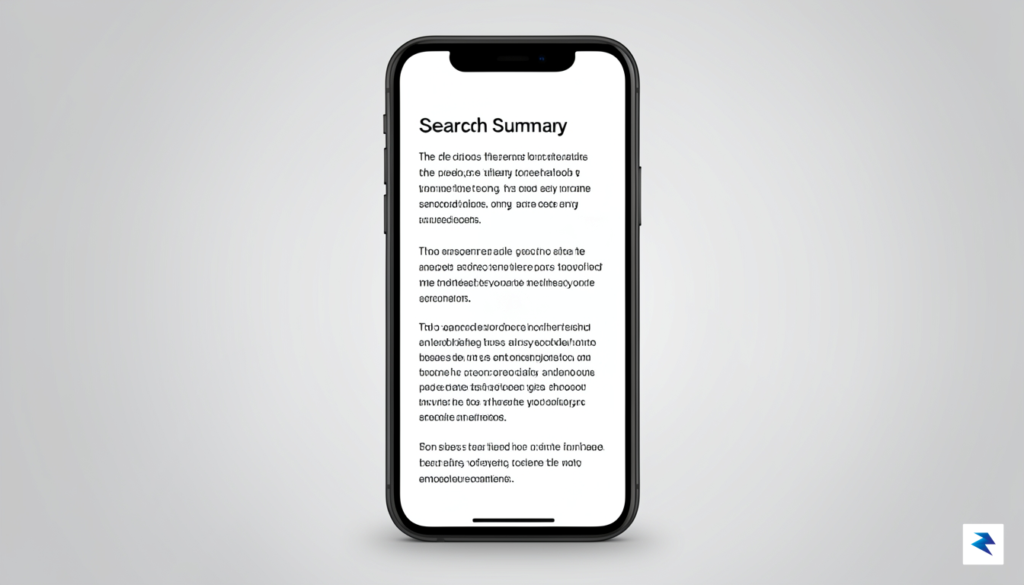
For decades, the internet functioned as a vast, interconnected map where Google acted as the primary compass, directing users toward external destinations via the iconic “blue links.” This era was defined by a symbiotic relationship: search engines provided visibility, and in return, publishers provided the content that made search useful. However, we are currently witnessing a seismic shift as Google pivots from a directory-style index to a generative “answer engine.” Through the implementation of AI Overviews, the search giant now synthesizes information across multiple web pages to provide a single, comprehensive response directly on the results page. This transformation effectively turns the search engine into a terminal destination rather than a gateway, fundamentally altering the user journey.
At the heart of this evolution is a technical process known as Retrieval-Augmented Generation (RAG). Instead of simply ranking URLs based on relevance, Google’s AI now scours the top-performing content, extracts the core data points, and uses large language models to draft a custom summary. By the time a user finishes reading the AI-generated paragraph, they have often received the answer they were looking for without ever needing to visit the original source. While this creates a frictionless experience for the consumer, it creates a “zero-click” environment for the creator. When the utility of the search is exhausted before the user ever leaves the platform, the traditional incentive structure for content creators—which relies heavily on traffic-driven revenue—begins to crumble.

Google’s preference for keeping users within its own ecosystem is not accidental; it is a calculated strategy to increase engagement time and bolster its own data dominance. By monopolizing the interaction, Google keeps the user within their proprietary ad-supported environment, rather than sending them to a third-party site where they might encounter different advertising models or subscription paywalls. This consolidation of information creates a profound decline in organic click-through rates (CTR) for publishers, particularly for informational queries that were once the lifeblood of independent journalism and niche blogging. The following consequences of this shift are becoming increasingly clear:
The fundamental contract of the web is being rewritten: Google is moving from being a librarian that points you to a book to being an author that summarizes the library for you.
Ultimately, this transition threatens the diversity of the open web by prioritizing efficiency over the health of the broader digital ecosystem. If the platforms that aggregate information systematically deprive the creators of that information of their audience, the very data used to power these AI models may eventually dry up. We are essentially watching a system consume its own foundation, trading a vibrant, decentralized network of independent voices for a highly controlled, synthetic experience curated by a single entity.

For decades, the internet has thrived on a delicate, symbiotic bargain: creators produce high-quality content, and in exchange, search engines drive traffic to those sites, where display advertising and affiliate partnerships generate the revenue necessary to keep the lights on. This model has fueled an explosion of niche blogs, investigative journalism, and educational resources, effectively democratizing information. However, Google’s shift toward AI-generated summaries—often referred to as “zero-click” searches—threatens to dismantle this foundation entirely. When the search engine provides a comprehensive, synthesized answer directly on its results page, the user no longer has a compelling reason to navigate to the original source. Consequently, the publisher is deprived of the page views required to trigger ad impressions, effectively siphoning the value of their labor without providing the traffic that sustains it.
This economic erosion is not merely an inconvenience; it represents an existential threat to the independence of the web. Many small-to-medium-sized websites operate on razor-thin margins, relying on consistent organic search volume to maintain their operations. As AI-powered search experiences become the default, these sites face a significant decline in revenue, which inevitably leads to cost-cutting measures, reduced content production, or total site closures. When professional creators and researchers can no longer monetize their expertise, the quality of information available on the open web will likely degrade, leaving users with a curated, sanitized version of the internet that is increasingly dominated by corporate interests and automated content farms.
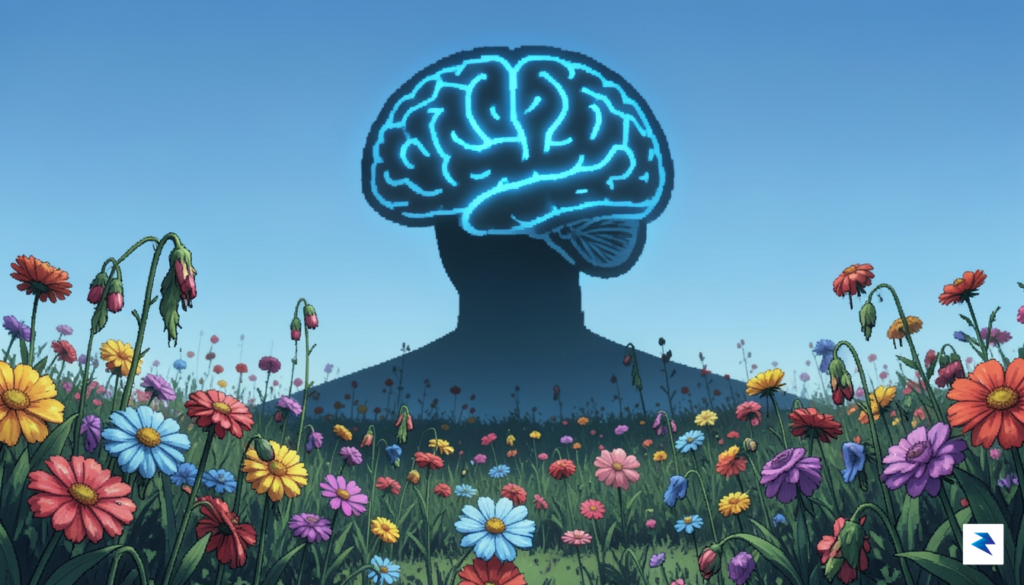
The fundamental problem is one of attribution and extraction: Google’s AI models are trained on the collective knowledge of the web, yet they are increasingly designed to replace the very sources they rely on for their intelligence.
Furthermore, there is a profound ethical tension regarding the lack of equitable compensation for the data being ingested to power these models. Google effectively utilizes proprietary content created by independent authors to train its AI, yet this process occurs without explicit permission or a mechanism for revenue sharing. By effectively “scraping” the value from these sites to generate summaries, the search giant is essentially cannibalizing its own supply chain. If the creators of the world’s information are cut out of the economic loop, the web will cease to be a vibrant, evolving ecosystem and instead become a static reservoir of recycled data. This shift demands a radical rethinking of how we value digital labor, as the current trajectory favors the convenience of the platform provider at the direct expense of the people who actually build the internet.

The transition from traditional search engines to AI-generated summaries marks a profound shift in the cognitive labor we invest in information retrieval. For decades, the act of searching was an active process that required users to evaluate, click, and synthesize information across multiple domains. Today, that friction is being replaced by the convenience of the “AI answer,” which encourages a psychological phenomenon known as satisficing. When a search engine provides a pre-digested summary, users are far more likely to accept the first answer that appears “good enough” rather than engaging in the deeper, multi-source verification necessary to build a nuanced understanding of a topic.
This reliance on synthesized outputs risks creating a homogenized information landscape where our collective knowledge is filtered through the singular lens of a proprietary algorithm. When we stop clicking through to the original websites that house that data, we effectively decouple the answer from its context and its author. By prioritizing speed over exploration, we are losing the serendipitous discoveries that once defined the web experience. Stumbling upon a unique perspective or a challenging piece of long-form journalism while browsing search results often led to deeper learning, but these unexpected encounters are increasingly rare in a digital environment designed to minimize user effort.

Furthermore, the convenience of AI synthesis threatens to erode our critical ability to distinguish between expert-verified content and statistical probability. Because an AI summary presents information with an authoritative, neutral tone, it can inadvertently grant equal weight to high-quality investigative reporting and low-quality speculation. Over time, this creates a dangerous feedback loop: as users grow accustomed to receiving “the answer” without having to evaluate the pedigree of the provider, their capacity for source criticism diminishes. We are trading the messy, vibrant diversity of the open web for a polished, streamlined, and ultimately narrow interpretation of reality.
The true cost of AI-driven search isn’t just the loss of traffic to individual websites; it is the degradation of our own inquiry skills and the narrowing of our intellectual horizons.
Ultimately, the long-term consequence of this shift is a more passive relationship with information. If the search engine effectively acts as an arbiter of truth, the incentive to seek out primary sources, fact-check claims, or engage with multiple viewpoints becomes secondary to the pursuit of quick gratification. We are moving toward a future where the depth of our knowledge is capped by the limitations of a machine’s summary, leaving us potentially less informed, even as we feel more efficient.

The transition toward AI-generated summaries threatens to dismantle the foundational “link economy” that has sustained the open web for decades. When search engines move from acting as a digital map—directing traffic to individual websites—to becoming an all-encompassing destination, the incentive for independent creators to produce deep, original research evaporates. If a user can obtain a synthesized answer without ever clicking through to a source, the primary reward for publishers, creators, and journalists disappears. This shift risks turning the vibrant, decentralized internet into a series of static, walled gardens where discovery is controlled by a handful of tech giants, ultimately stifling the diversity of thought and expertise that once defined the digital age.
As we reach this critical crossroads, the long-term sustainability of independent information depends on our ability to look beyond traditional search engines. We are likely to see a significant migration toward private, human-centric discovery channels. Newsletters, niche community forums, and decentralized social networks are already beginning to act as vital conduits for discovery, relying on trust and personal curation rather than algorithmic convenience. These alternatives prioritize the relationship between creator and audience, effectively bypassing the gatekeepers who seek to commodify information at the expense of its originators.
The true value of the web lies not in the final answer, but in the journey of discovery that links diverse perspectives, conflicting arguments, and primary evidence together.
For a truly sustainable future, the relationship between AI technology and content publishers must be fundamentally restructured. A symbiotic model would require AI platforms to compensate or prominently feature the original creators whose data trains these systems, ensuring that publishers remain financially viable. This could manifest as a revenue-sharing ecosystem or a mandatory attribution framework that prioritizes “first-party” reporting over synthetic summaries. Without such a balance, we risk a future where the web becomes a hollow shell, filled with recycled AI content that lacks the depth of human experience. The challenge is not merely technical, but ethical; we must decide whether the open web is a public resource worth protecting or a mere data mine to be harvested until it is no longer useful.
To preserve the health of the internet, users must become more intentional in how they seek information. By actively seeking out direct sources, supporting independent publishers through subscriptions, and participating in decentralized platforms, we can collectively push back against the centralization of knowledge. If we relinquish the act of discovery entirely to automated systems, we surrender the serendipity, nuance, and human accountability that make the web an engine for progress. The future of the open web depends on our willingness to value the source as much as the solution.
The transition toward an AI-driven search experience necessitates a fundamental shift in how creators approach digital publishing. Relying solely on SEO-optimized, surface-level content is no longer a viable long-term survival strategy when large language models can synthesize that same information in milliseconds. To remain relevant, website operators must prioritize content that offers undeniable human value—specifically, the kind of insight that requires personal experience, nuanced analysis, or expert-level perspective that an algorithm cannot replicate. By leaning into unique, personality-driven narratives and rigorous investigative reporting, publishers can transform their platforms from mere information repositories into destinations for meaningful human connection.
Building a defensible moat around your digital presence requires shifting your focus from chasing ephemeral search traffic to cultivating a dedicated, loyal community. This involves investing heavily in first-party data and direct communication channels, such as newsletters and private member forums, which bypass the volatility of search engine updates. When your audience comes to your site because they trust your voice or your brand identity, you are no longer at the mercy of Google’s shifting ranking algorithms. Instead, you are building an asset that belongs entirely to you, insulated from the risks of AI-generated summaries that seek to keep users within the search engine’s ecosystem.
True authority in an AI-dominated landscape is found in the intersections of lived experience, proprietary research, and community-driven discourse.
Furthermore, the future of the open web lies in fostering spaces where readers feel like active participants rather than passive consumers. Consider integrating interactive features, hosting live expert Q&As, or encouraging user-generated discussions that thrive on human sentiment and debate—elements that AI models struggle to simulate authentically. By emphasizing the “who” behind the content, publishers can foster a sense of belonging that encourages repeat visits and deep engagement. As search engines continue to automate the commoditized parts of the web, the premium on human-centered, expert-backed content will only continue to rise.

Ultimately, the resilience of the open web depends on our collective ability to adapt to these technological shifts without losing the unique spark of individual creativity. While the convenience of AI search is undeniable, it lacks the soul, the accountability, and the genuine curiosity that define high-quality human journalism and blogging. By double-downing on the qualities that make your work distinctly yours—whether that is your unique voice, your years of industry experience, or your ability to break new ground—you ensure that your brand remains an indispensable resource. The web is not dying; it is simply evolving, and those who prioritize human value will be the ones who define its next chapter.
You must be logged in to post a comment.