
The Scope of the Breach: 24 Billion Records Explained

The sheer scale of this discovery is difficult to comprehend, with 24 billion credential records surfacing in a single, exposed repository. Often referred to by cybersecurity researchers as the “Mother of all Breaches” (MOAB), this massive collection represents a historical milestone in digital vulnerability. It is crucial to understand, however, that this is likely not a single, isolated hack against one specific company. Instead, it serves as a massive aggregation—a “database of databases”—comprising years of information harvested from thousands of previous security incidents and data leaks across the global web.

The repository contains a diverse array of sensitive information, ranging from simple email addresses and usernames to plain-text or cryptographically hashed passwords. Beyond these basics, the leak includes extensive login metadata, which can provide attackers with insights into user behavior, preferred platforms, and potential security patterns. Because this data has been meticulously curated and indexed, it is far more dangerous than the scattered leaks we have seen in the past. Cybercriminals no longer have to hunt through disparate files; they have a centralized, searchable library that allows them to cross-reference credentials with terrifying efficiency.
The danger lies not just in the volume of the data, but in its utility for automated, large-scale credential stuffing attacks that target millions of accounts simultaneously.
For the average user, the implications of this incident are significant. Even if you believe you have never been involved in a major breach, your information is almost certainly contained within this collection if you have used the internet for any meaningful length of time over the past decade. The sheer volume of this leak empowers malicious actors to launch automated “credential stuffing” attacks, where software bots test combinations of leaked emails and passwords against thousands of popular websites, banking portals, and social media platforms in seconds. Because so many individuals still reuse the same password across multiple services, a single successful match from this massive database can give a hacker a key to an entire digital identity.
To mitigate the risks posed by this unprecedented exposure, it is no longer sufficient to change passwords only after a known breach occurs. You must assume your data is already out there and act accordingly. By understanding that this repository is a culmination of years of security failures, we can begin to appreciate the necessity of adopting more robust security postures, such as universal multi-factor authentication (MFA) and the use of dedicated password managers to ensure that every account remains siloed and uniquely protected.
Understanding the Mechanics of Credential Stuffing
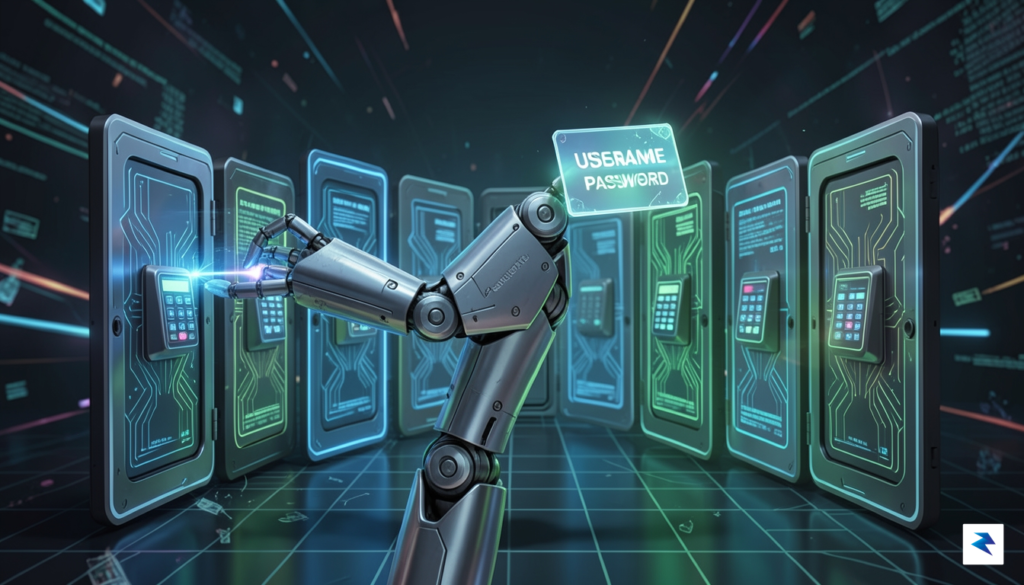
For many, the discovery that their email and password have appeared in a massive data breach feels like a singular, isolated event. However, for cybercriminals, this data is merely the raw material for a highly automated and profitable enterprise known as credential stuffing. Unlike traditional hacking, which involves breaking through a specific digital fortress, credential stuffing relies on the unfortunate reality that most people reuse the same credentials across multiple websites. Attackers collect these massive, leaked databases and feed them into sophisticated software designed to test millions of username and password combinations against high-value targets, such as banking portals, e-commerce platforms, and social media accounts, all within a matter of minutes.

The true power behind these attacks lies in the use of botnets—vast networks of compromised computers and IoT devices operating in unison to execute commands. By harnessing the collective processing power of thousands of machines, hackers can distribute their attack traffic globally, making it appear as though login attempts are originating from legitimate users in different countries. This distributed approach is critical for bypassing the security mechanisms that most modern websites employ. Because each bot is tasked with only a handful of login attempts, the traffic does not trigger standard “brute force” alarms, which are typically designed to detect a single IP address hammering a login page with hundreds of guesses per second.
Credential stuffing succeeds because it leverages human behavior—specifically the tendency to recycle passwords—rather than exploiting vulnerabilities in a company’s software code.
To further evade detection, threat actors frequently employ a “low and slow” methodology. Instead of bombarding a site with rapid-fire requests, these automated scripts mimic human behavior by pacing login attempts over several days or even weeks. By flying under the radar of security filters, they can systematically verify which accounts are vulnerable without raising red flags. Once a successful login is confirmed, the system immediately flags that account as “valid” in the attacker’s database, often automating the next phase of the process, such as draining loyalty points, stealing stored credit card information, or taking over the account to conduct further phishing campaigns against the user’s contacts. This relentless automation turns a static list of stolen data into a dynamic, ongoing threat that continues to put your digital identity at risk long after the initial breach has been reported.
The Dangers of Password Reuse in a Post-Leak World
While the sheer scale of the 24 billion records recently exposed in massive data leaks is undeniably alarming, the true peril often lies not in the data itself, but in a pervasive human habit: password reuse. This widespread practice transforms a single compromised account from an isolated incident into a potential master key to an individual’s entire digital life. It’s a fundamental vulnerability that cybercriminals exploit with devastating efficiency, turning every new leak into a fresh hunting ground for identity theft, financial fraud, and privacy invasion.
In our hyper-connected world, managing dozens, if not hundreds, of online accounts can feel like an impossible task. Each demands a unique, complex password, often with specific requirements for length, character types, and forbidden patterns. This overwhelming cognitive load leads to what security experts term ‘password fatigue,’ where the mental strain of remembering so many intricate sequences pushes individuals towards a seemingly convenient, yet ultimately perilous, shortcut: using the same or slightly modified passwords across multiple services. The desire for ease and memorability, unfortunately, often overrides the critical need for robust security, leaving users exposed.
This seemingly innocent act of convenience, however, transforms a single data breach from a contained incident into a catastrophic ‘domino effect.’ Imagine an attacker successfully obtains your email address and password from a less secure forum, a forgotten subscription, or even a past employer’s leak. If you’ve reused that same combination for your primary email, banking portal, social media profiles, or e-commerce sites, those critical accounts immediately become vulnerable. Attackers don’t need to guess; they simply use automated tools to try these compromised credentials across hundreds of popular websites, quickly gaining unauthorized access to a multitude of your online identities.

The consequences of this domino effect extend far beyond mere inconvenience. A compromised primary email account can be used to reset passwords for almost every other linked service, granting attackers a comprehensive gateway to your financial accounts, sensitive personal data, and even your digital reputation. This can quickly escalate to unauthorized purchases, sophisticated phishing scams targeting your contacts, identity theft that takes months or years to resolve, and significant financial loss. Furthermore, the emotional toll of having one’s privacy violated and digital life compromised can be immense, impacting trust and sense of security online.
Despite repeated warnings from cybersecurity experts and highly publicized data breaches, the practice of password reuse remains alarmingly common. Surveys consistently reveal that a significant percentage of internet users admit to reusing passwords, often choosing easily memorable, yet incredibly weak, combinations. This widespread vulnerability serves as a constant open door for cybercriminals, transforming every new data leak into a potential master key for millions of digital lives. It underscores the critical importance of adopting unique, strong passwords for every online account, effectively severing the chain that links your digital identities and safeguarding your information in an increasingly volatile online landscape.
Essential Steps to Secure Your Digital Identity
The recent surge in credential compromises serves as a stark reminder: our digital lives are constantly under threat. It’s no longer enough to set a simple password and hope for the best; a proactive and robust approach to cybersecurity is absolutely essential. Now is the opportune moment to meticulously audit your current security hygiene and implement stronger safeguards across all your online accounts. Taking these concrete steps today can significantly fortify your defenses against credential-based attacks and protect your personal data from falling into the wrong hands.
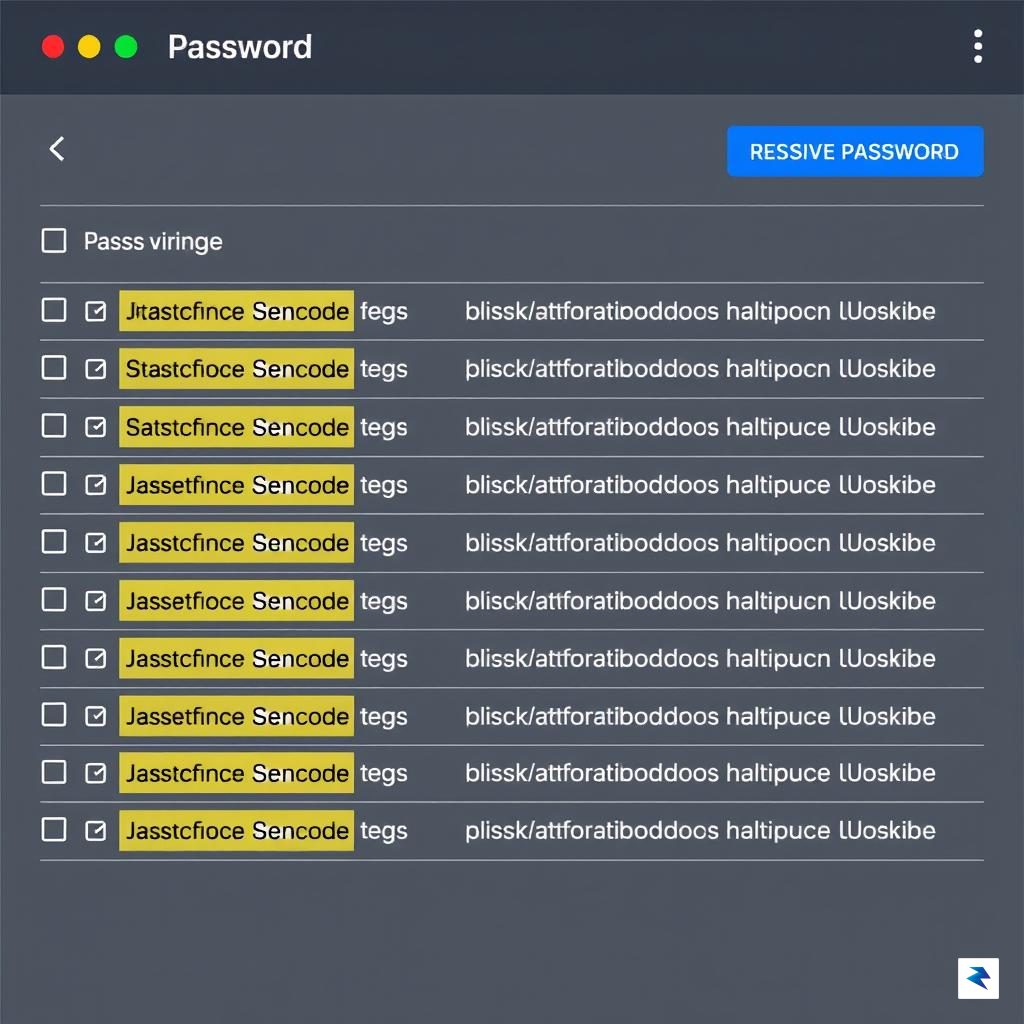
The cornerstone of robust digital security is undoubtedly a reliable password manager. These invaluable tools generate, store, and auto-fill incredibly strong, unique passwords for every single one of your online accounts, eliminating the need for you to remember them all. By using a password manager, you can effortlessly create complex, random character strings for each login, ensuring that even if one account is compromised, the breach cannot be leveraged to access any of your other services. This critical layer of protection prevents the widespread damage often caused by password reuse, making your entire digital footprint significantly more resilient.
Beyond strong passwords, Multi-Factor Authentication (MFA) stands as your next indispensable line of defense. MFA adds an extra layer of security by requiring two or more verification methods to prove your identity before granting access to an account. Even if a malicious actor somehow obtains your username and password, they would still be blocked from logging in without possessing that second factor, effectively rendering stolen credentials useless. Enabling MFA on every service that offers it should be a top priority, transforming your accounts from vulnerable targets into fortresses.
While any form of MFA is better than none, it’s crucial to understand the varying levels of security different methods provide. SMS-based 2FA, which sends a code to your phone, is convenient but can be vulnerable to sophisticated attacks like SIM swapping. For superior protection, prioritize authenticator apps such as Authy or Google Authenticator, which generate time-sensitive codes directly on your device without relying on cellular networks. Even better, consider investing in a hardware security key, like a YubiKey, which offers the highest level of security by requiring a physical device to be present for authentication.
To assess your current exposure, a vital first step is to check if your email
Why Security Professionals Must Reassess Authentication Strategies

The recent exposure of billions of records, encompassing emails, passwords, and sensitive login data, represents far more than just a collection of individual security incidents; it is a profound and urgent wake-up call for organizations worldwide. This unprecedented scale of data compromise unequivocally demonstrates that the traditional models of user authentication and data protection are no longer sufficient to withstand the sophisticated and relentless attacks prevalent today. Enterprises can no longer afford to view cybersecurity as a reactive measure or solely a technical department’s concern; it demands a fundamental reassessment of corporate and systemic strategies to safeguard digital identities and maintain user trust.
At the heart of this vulnerability lies the inherent weakness of traditional password-based authentication. Relying on users to create unique, strong, and frequently changed passwords has proven to be an unsustainable and flawed strategy, especially when faced with the sheer volume of leaked credentials now circulating. Attackers leverage these massive dumps for credential stuffing attacks, where compromised username-password pairs are automatically tested across numerous other online services, often finding success due to widespread password reuse. This systemic weakness transforms every individual’s password oversight into a potential gateway for corporate breaches, highlighting the need for more robust, future-proof authentication mechanisms.
Consequently, there is an accelerating industry shift towards passwordless authentication, with Passkeys emerging as a leading solution. Passkeys represent a significant leap forward in security, replacing vulnerable passwords with cryptographic key pairs tied directly to a user’s device, such as a smartphone or computer. They offer strong protection against phishing, credential stuffing, and other common attack vectors because there’s no password to intercept or guess, and the authentication process inherently verifies the origin of the request. Major technology companies are actively supporting and implementing Passkeys, signaling a clear path forward for enterprises to adopt this more secure and user-friendly alternative, thereby mitigating a vast array of common attack methods.
Beyond evolving authentication methods, organizations must also fortify their defenses with advanced detection and prevention tools. Implementing robust rate-limiting mechanisms is crucial to prevent automated bot attacks, such as brute-force attempts and credential stuffing, by blocking or slowing down excessive login requests from a single source. Furthermore, deploying sophisticated anomaly detection systems is paramount; these systems leverage artificial intelligence and machine learning to identify unusual login patterns based on factors like geographic location, device type, time of access, and previous user behavior. Such capabilities allow companies to flag and investigate suspicious activity in real-time, even if a compromised password is used, thereby acting as an early warning system against potential account takeovers.
Crucially, the responsibility of companies extends beyond preventative measures to include a moral and legal obligation to their users when a breach does occur. Timely and transparent communication is absolutely vital. When user data is compromised, organizations must immediately notify affected individuals with clear, actionable advice on how to protect themselves. Delays in notification or vague disclosures not only erode user trust but also put individuals at greater risk, preventing them from promptly changing passwords, enabling multi-factor authentication, or monitoring their accounts for fraudulent activity. A proactive and honest approach to breach notification is a cornerstone of responsible corporate citizenship in the digital age.
Ultimately, this latest massive leak serves as a stark reminder that security is an ongoing journey, not a destination. Organizations must embrace a multi-layered security strategy that prioritizes strong, modern authentication, leverages advanced threat detection, and commits to transparent communication. Investing in these areas is not merely a technical upgrade; it is a fundamental commitment to protecting user data, preserving brand reputation, and ensuring business continuity in an increasingly hostile cyber landscape.