Behind the Texts: Trump’s Claims About His Relationships with Tech CEOs
Exploring the implications of recent reports regarding Donald Trump's claims of private communication with tech leaders Mark Zuckerberg and…
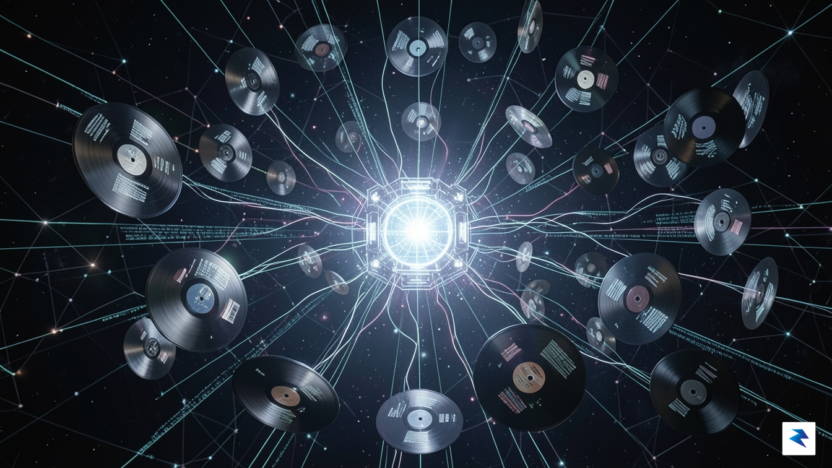
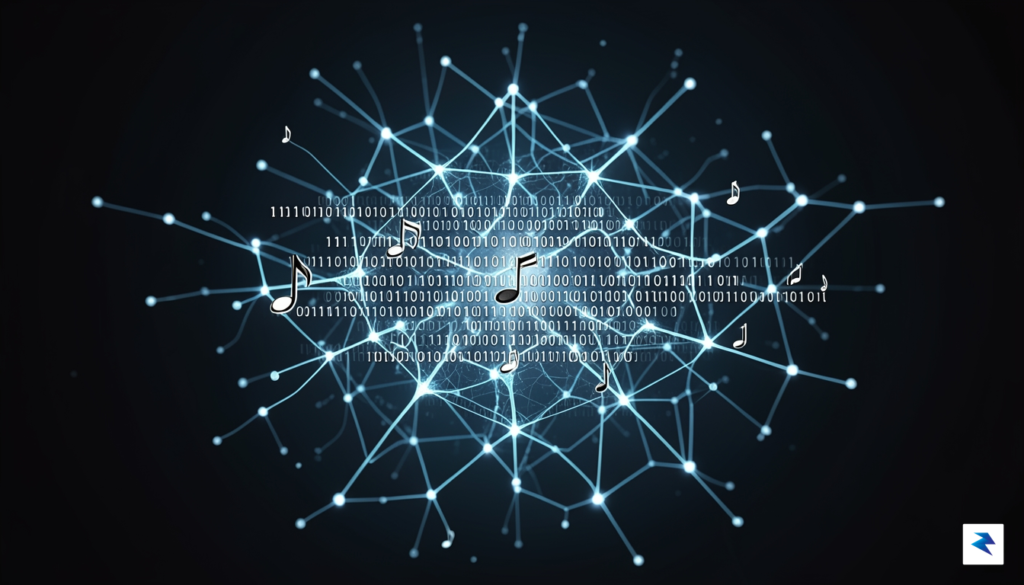
At the heart of the modern generative music revolution lies a fundamental, often misunderstood process: the transition from raw audio files to mathematical representations. Generative models, such as Suno or Udio, do not “listen” to music in the way a human does, with emotional resonance or cultural context. Instead, they ingest millions of audio tracks, breaking them down into granular patterns of frequency, rhythm, and timbre. By processing these massive datasets—often encompassing hundreds of thousands of hours of copyrighted material—the models learn the latent statistical structures that define a genre, a melody, or a specific production style. This ingestion process is essentially a form of high-dimensional pattern recognition, where the AI maps the relationship between sonic textures and descriptive text prompts, effectively learning to translate human language into complex musical compositions.
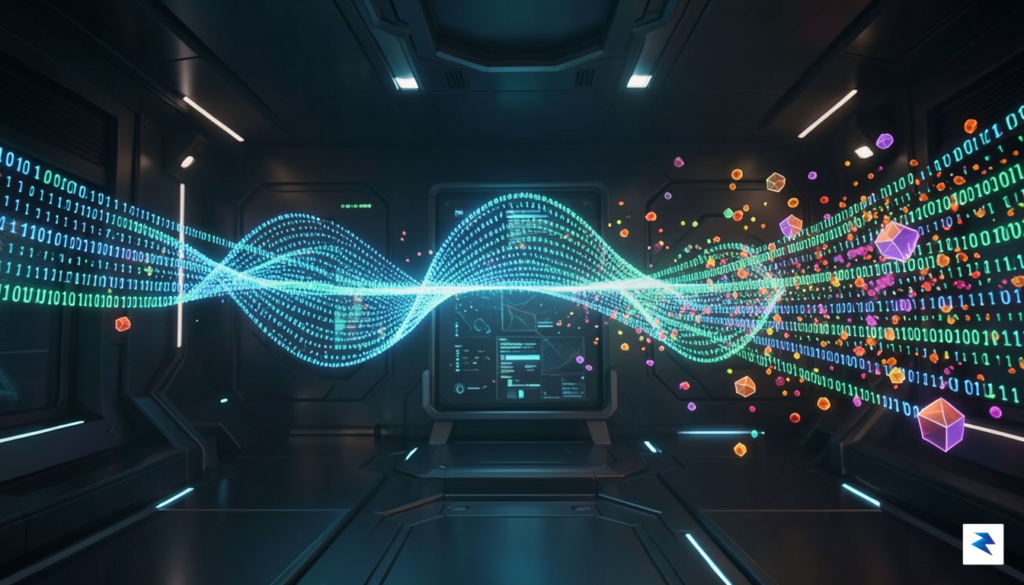
The sheer scale of this data consumption is staggering, requiring vast archives of music to achieve high-fidelity output. For an AI to produce a convincing jazz saxophone solo or a crisp electronic beat, it must be exposed to an immense variety of performances, recordings, and studio techniques. However, until very recently, the “training sets” used to build these engines were guarded like industrial secrets. AI companies have long treated their data ingestion methods as proprietary black boxes, citing competitive advantage and technical complexity to justify their lack of transparency. This opacity has created a profound disconnect between the technology sector and the creative industries; while developers view these datasets as necessary raw material for innovation, artists and rights holders view them as an unauthorized appropriation of their life’s work.
The core of the current conflict is not just about technology, but about the fundamental erosion of consent in the creative process. When a model can replicate the unique sonic signature of an artist without their permission or compensation, the line between inspiration and exploitation vanishes.
This lack of public disclosure regarding training data has been a central point of contention, fueling a growing wave of lawsuits and regulatory scrutiny. Without a clear view of which songs are being used to “teach” these machines, musicians have had no way to verify whether their intellectual property has been leveraged to build a competitor that could eventually replace them. By bringing these once-hidden libraries into the light, we are finally moving toward a necessary reckoning. Understanding exactly what goes into the machine is the first step toward establishing a framework where technology can coexist with human creativity, rather than simply mining it for parts. As the curtains are pulled back, the industry is finally beginning to confront the reality that the future of music is being built on the foundation of the past—and that past belongs to the creators, not the code.
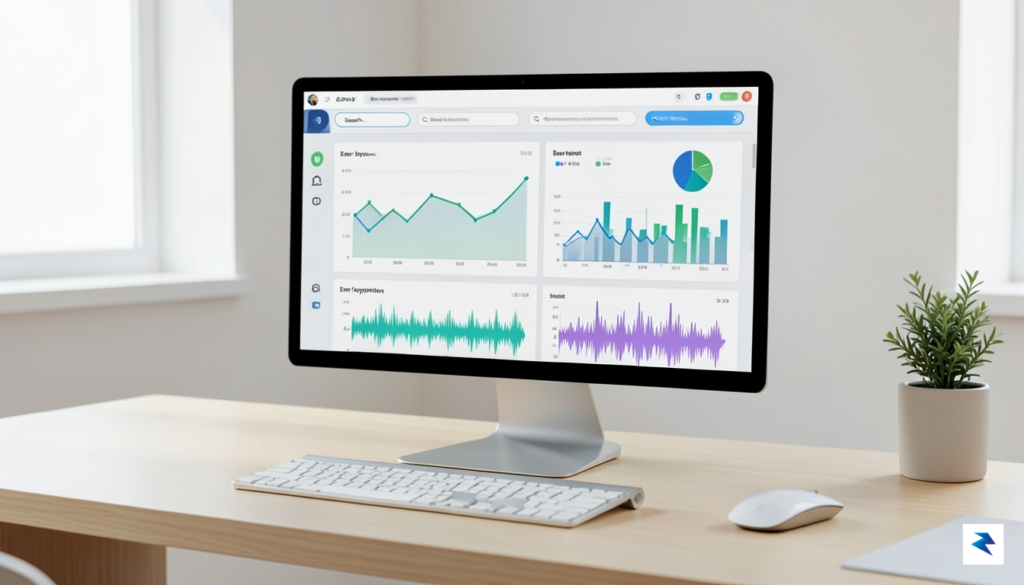
Journalist Alex Reisner has undertaken a monumental task, pulling back the curtain on the often-opaque world of artificial intelligence training data. His groundbreaking investigation at The Atlantic reveals the vast, sprawling archives of music that are silently fueling the development of the next generation of generative audio tools. This isn’t just a technical exposé; it’s a profound look into the foundational elements upon which AI creativity is being built, shining a light on the specific artists, albums, and genres that form the literal soundscape of future algorithms. For the first time, creators and the public alike can begin to understand the true scope of cultural appropriation occurring at the machine level, prompting critical questions about ownership and compensation in the digital age.
At the heart of Reisner’s findings are four major datasets, colossal collections of audio files amassed specifically for AI model training. Among these, two stand out for their sheer scale and comprehensive nature: one containing an astonishing 12 million individual tracks, and another boasting a significant 9 million. These aren’t merely curated playlists; they represent a vast, unsorted ocean of sound, encompassing everything from chart-topping hits to obscure independent releases, spanning decades and genres. Such immense libraries are the bedrock for AI models to learn musical patterns, structures, and stylistic nuances, effectively allowing them to mimic and generate new audio content in a bewildering array of styles.
Mapping the contents of these digital leviathans presented a formidable technical challenge. The raw data often lacked conventional metadata, meaning song titles, artist names, and album information were either incomplete or entirely absent, making direct identification nearly impossible. Reisner and his team employed sophisticated methodologies to cross-reference audio fingerprints and other identifiers against publicly available music databases, painstakingly piecing together the identities of millions of tracks. This meticulous reverse-engineering effort was crucial,
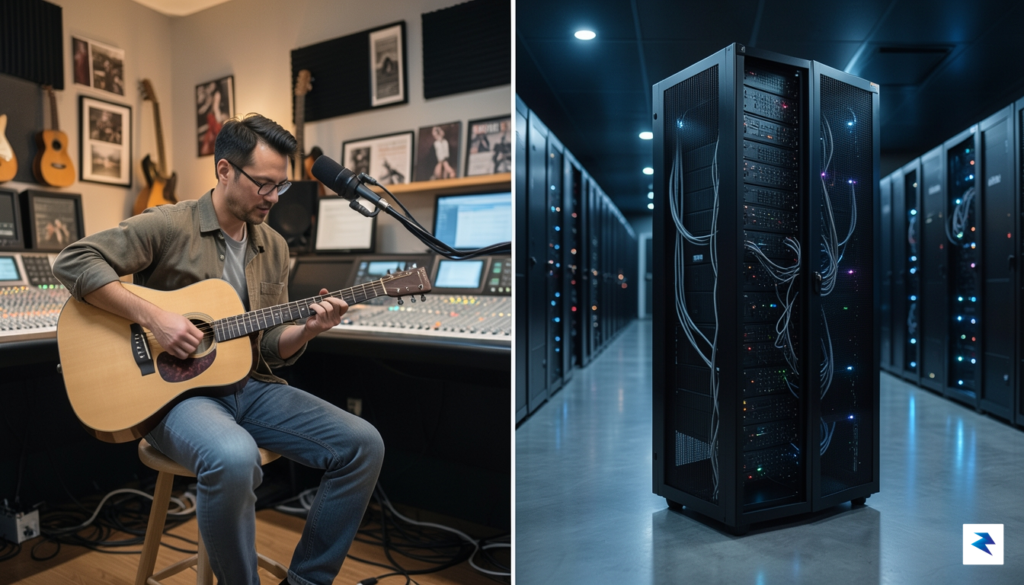
The revelation of expansive, hidden datasets used to train generative music models has transformed a simmering debate into a full-scale legal crisis. At the heart of this conflict lies the concept of “fair use”—a legal doctrine in the United States that allows for the limited use of copyrighted material without permission under specific circumstances, such as criticism, commentary, or transformative research. AI companies argue that training their algorithms is akin to a student listening to thousands of songs to learn the principles of music theory; they contend that the model isn’t “copying” the music, but rather learning the mathematical patterns of sound to create entirely new, original compositions. In this view, the process is a revolutionary form of data analysis that serves the public interest by fostering technological innovation.
However, many songwriters, performers, and labels view this “learning” process as a sophisticated, automated form of intellectual property theft. From their perspective, there is a fundamental difference between a human being inspired by their predecessors and a machine ingesting an entire discography in seconds to replicate an artist’s specific sonic identity. When an AI can be prompted to produce a track “in the style of” a living artist, it creates a direct market competitor that effectively commodifies the artist’s life work without their consent or compensation. This creates a deeply unsettling ethical tension: if an algorithm can synthesize a lifetime of creative evolution into a few lines of code, the perceived value of the original human labor begins to erode.
The legal battle over AI training data will likely define the next decade of intellectual property law, forcing the courts to decide whether the “transformative” nature of machine learning outweighs the rights of the creators who provided the raw materials.
As the legal landscape remains murky, the pressure is mounting for legislative bodies to intervene and establish clear boundaries between legitimate research and mass-scale commercial exploitation. Industry advocates are pushing for a new licensing framework that would require AI developers to obtain permission from rights holders before including their works in training sets. Critics of such mandates argue that strict regulation could stifle the nascent AI industry, effectively handing a competitive advantage to nations with more lenient copyright laws. Ultimately, the resolution of this standoff will determine whether the future of music is a collaborative evolution between humans and machines, or a zero-sum game where the unique contributions of individual creators are sacrificed for the sake of algorithmic efficiency.
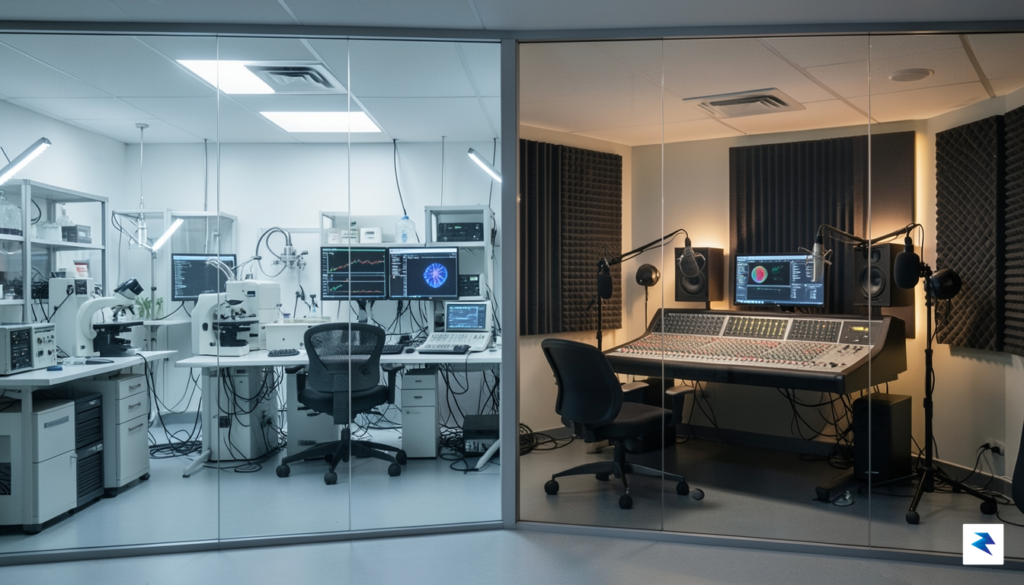
For too long, the inner workings of artificial intelligence development have been obscured by the persistent problem of the “black box.” Developers often treat their training datasets as proprietary trade secrets, shielding the vast libraries of intellectual property used to build their models from public scrutiny. This lack of visibility creates an unsustainable imbalance; it prevents creators from understanding how their life’s work is being repurposed and denies them the agency to protect their intellectual property. Without a clear window into these digital archives, we are left in a state of speculative uncertainty, unable to determine if a model has been built on a foundation of stolen labor or ethically sourced collaboration.
Industry-wide standards for data disclosure are not merely a matter of bureaucratic preference; they are the bedrock upon which a sustainable creative economy must be built. When we demand transparency, we are effectively asking for an audit trail that allows for independent verification of copyright compliance and artistic credit. Databases that catalog training material serve as a vital tool for researchers, journalists, and legal experts to analyze the prevalence of bias and the degree of potential infringement within these systems. By mapping the lineage of AI-generated content back to its source, we can transition from a wild-west environment of data scraping to a regulated space where artists retain a rightful seat at the table.
Transparency is the essential currency of trust in the digital age; without it, the promise of innovation risks being overshadowed by the erosion of human artistry.
The discovery and cataloging of these training materials serve as a powerful catalyst for future regulatory frameworks. When the public can see exactly which artists and genres are being utilized to train commercial models, the conversation around compensation shifts from abstract theory to concrete reality. This level of granular visibility puts pressure on AI developers to adopt licensing models that ensure creators are fairly rewarded for their contributions. Ultimately, these databases force a necessary reckoning: if an AI model relies on the cultural output of millions of musicians to achieve its sophistication, it must also be held accountable to the ecosystem that made its existence possible. Transparency is not just about looking backward at what has been taken; it is about establishing the rules that will define the value of creativity in the decades to come.

For researchers, musicians, and curious listeners, this searchable database acts as a digital magnifying glass, revealing the massive, often opaque libraries that power generative audio models. To begin your exploration, navigate to the main dashboard where you will find an intuitive search bar designed to handle queries by artist name, track title, or album release. By entering a specific performer, you can instantly pull up a list of tracks that appear within these training sets, offering a concrete look at whether your favorite compositions have been ingested by the system. It is essential to use the filters provided, as they allow you to sort results by genre, release year, or label affiliation, which can help you identify broader trends in how certain types of music are prioritized during the machine learning process.
When searching for specific artists, keep in mind that the results might not always show a complete discography. The tool is designed to reflect the contents of specific datasets, not the entire history of recorded music, so an absence of results does not necessarily mean an artist’s work is absent from every AI model in existence. Furthermore, while the database provides unprecedented transparency, it is important to understand its inherent limitations. The tool tracks metadata associated with these training files, but it cannot always account for the quality of the audio, the specific segments extracted, or the exact weight given to those files during the training phase. Consequently, researchers should view these findings as a map of the training environment rather than a definitive forensic audit of every byte of data processed.
To effectively interpret your findings, focus on whether an artist’s presence in a dataset correlates with the output of the AI model, as this may provide clues into how the technology learns stylistic nuances rather than just raw audio data.
If you are investigating potential copyright or licensing concerns, look for patterns in the data rather than isolated instances. Pay close attention to whether an artist’s entire catalog has been scraped or if the training set favors specific eras or high-profile hits, as this can offer insight into the legal and ethical frameworks surrounding these companies. When analyzing these results, consider the following checklist to ensure your research is robust:
Ultimately, this database is a vital starting point for a necessary public conversation about digital ownership and creative labor. As you navigate these records, remember that you are peering into the blueprint of modern technological innovation. By documenting which voices are being utilized to build these systems, we gain the power to advocate for clearer standards and better recognition for the human creators whose work forms the foundation of the AI revolution.

As the initial shock of uncovering the vast, often unconsented, archives used to train artificial intelligence models begins to subside, the music industry stands at a critical juncture. The newfound transparency regarding these immense datasets is not merely a revelation; it’s a profound inflection point that will shape the legal, ethical, and creative landscape for decades to come. No longer can the opaque nature of AI training be a shield; instead, this detailed insight into what powers generative audio tools will undoubtedly ignite a wave of necessary reform and innovation, forcing a reckoning with long-held assumptions about digital rights and artistic ownership.
The immediate aftermath is likely to see a surge in legal challenges. With concrete evidence of specific musical works being ingested and processed without explicit permission or compensation, the groundwork for significant class-action lawsuits against AI developers and distributors has been firmly laid. These legal battles will not only seek recompense for past infringements but will also aim to establish crucial precedents for future AI development, potentially leading to landmark rulings that redefine intellectual property rights in the age of generative technology. Furthermore, the pressure will mount for the creation of entirely new licensing models, moving beyond traditional mechanical and performance rights to encompass “training rights” or “AI usage rights” that ensure fair compensation for artists whose work contributes to these powerful new systems.
Beyond litigation, the industry faces the challenge and opportunity of adapting its business models to an AI-driven reality. We might witness the emergence of innovative frameworks where artists can voluntarily license their music for AI training under transparent, revenue-sharing agreements, or conversely, opt out entirely. This distinction could pave the way for a unique market segmentation, where music specifically certified as ‘AI-free’ gains a premium. Such a label, akin to organic food certifications, would assure consumers and fellow artists that the creation is purely the product of human ingenuity, potentially fostering a niche but highly valued segment of the market that prioritizes authentic, unadulterated human expression.
Ultimately, the human element remains at the core of this evolving narrative. While AI can synthesize, mimic, and generate astounding new soundscapes, the fundamental impetus for art—the desire to express, connect, and tell stories—remains uniquely human. The future of creative ownership might not be about preventing AI’s existence, but rather about clearly demarcating and valuing the origin of a work. Artists may increasingly find themselves leveraging AI as a powerful tool and collaborator, pushing boundaries of sound and composition, while simultaneously reasserting the irreplaceable value of their unique voice, lived experience, and emotional depth. The road ahead is complex, but it promises a profound re-evaluation of what it means to create, own, and share music in an increasingly intelligent world, ultimately reinforcing the enduring power of human creativity.
You must be logged in to post a comment.