
Lenovo Legion R9000P Debuts World’s First Inkjet-Printed OLED Display
The Evolution of OLED Manufacturing: Beyond Evaporation For over a decade, the display industry has relied heavily on Fine Metal Mask (FMM)…


The traditional logistics sector in Japan has long been anchored by rigid, paper-heavy, and time-consuming financial infrastructures. For decades, the reliance on conventional bank transfers for B2B settlements and contractor payouts has created a bottleneck defined by high transaction fees, sluggish processing times, and significant liquidity constraints. For independent contractors and gig-economy drivers who form the backbone of modern delivery networks, these delays are not merely administrative inconveniences; they represent a tangible disruption to personal cash flow and operational agility. When payments are tethered to legacy banking systems, the gap between the completion of a delivery and the availability of funds can stretch for weeks, leaving individual operators to shoulder the burden of fuel and maintenance costs without immediate compensation.

By opting to integrate the JPYC stablecoin into its payment architecture, AZ-Com Maruwa is signaling a pivotal departure from these historical inefficiencies. Stablecoins, which are pegged to the value of the Japanese yen, offer a unique solution by combining the stability of traditional currency with the lightning-fast, borderless nature of blockchain technology. This technological leap allows the company to bypass the clearinghouse delays associated with the Zengin System—the backbone of Japanese domestic bank transfers—enabling near-instantaneous settlements regardless of bank operating hours or holiday schedules. This shift is particularly transformative for the logistics industry, where the velocity of money is just as critical as the velocity of goods.
The integration of JPYC serves as a blueprint for how large-scale logistics enterprises can leverage decentralized finance to empower their contractor base, effectively turning payment infrastructure into a competitive advantage rather than a back-office liability.
Beyond the immediate benefit of speed, this adoption addresses the broader issue of financial inclusivity for the gig workforce. By utilizing a digital asset that functions seamlessly within the digital ecosystem, AZ-Com Maruwa is effectively reducing the friction that has historically discouraged smaller players from participating in large-scale supply chain operations. As the company moves away from the costs and latency of traditional banking, it creates a more responsive and liquid payment environment. This modernization of financial settlements is likely to set a new standard for the Japanese logistics market, forcing competitors to reconsider their own reliance on outdated payment rails and prompting a wider industry trend toward digital-first financial management.
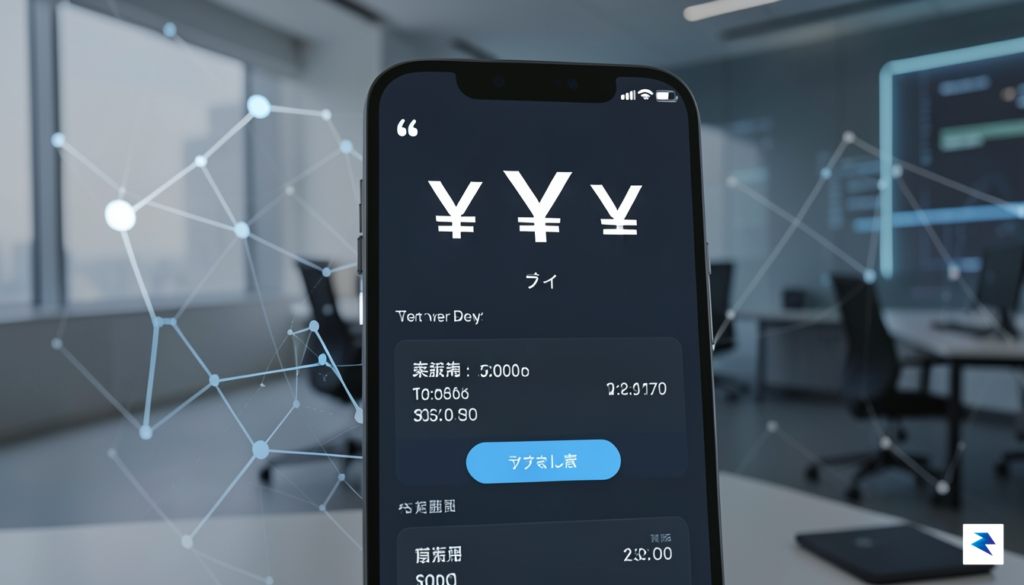
To understand why a major logistics player like AZ-Com Maruwa would integrate digital assets into its operations, one must first distinguish between speculative cryptocurrencies and stablecoins. While assets like Bitcoin are renowned for their dramatic price fluctuations—often swinging significantly in value within a single day—stablecoins are engineered specifically to maintain a consistent market value. By anchoring their worth to a stable reserve asset, these digital tokens function less like volatile investment vehicles and more like a programmable, digital extension of traditional fiat currency, making them far more practical for everyday commercial transactions.
JPYC represents a sophisticated iteration of this concept, operating as a yen-pegged stablecoin that mirrors the value of the Japanese Yen on a one-to-one basis. Unlike decentralized assets that derive value solely from market sentiment, JPYC is designed to maintain parity with the national currency, ensuring that one unit of JPYC remains equivalent to one Japanese Yen. This pegging mechanism provides a reliable bridge between the legacy financial system and the emerging world of blockchain technology. Consequently, users can leverage the speed, transparency, and global accessibility of digital ledgers without the paralyzing anxiety that their purchasing power might evaporate due to sudden market volatility.

For corporate entities and large-scale supply chain managers, this predictability is not just a convenience—it is an absolute necessity for survival. When businesses engage in payroll processing, cross-border settlements, or complex vendor payments, they require a medium of exchange that allows for precise accounting and long-term financial planning. If a company were to settle a million-dollar contract using a highly volatile cryptocurrency, the value could drop by double digits before the transaction is even finalized. By adopting JPYC, firms like AZ-Com Maruwa effectively eliminate this exchange-rate risk, ensuring that the funds sent by the buyer are exactly what the supplier receives.
The core appeal of JPYC lies in its ability to marry the efficiency of decentralized finance with the trusted stability of the Japanese Yen, creating a frictionless environment for B2B settlements.
Ultimately, the transition toward stablecoins marks a significant evolution in how logistics and supply chain sectors handle capital. As businesses move away from the slow, fee-heavy infrastructure of traditional banking, they are finding that JPYC offers the best of both worlds: the high-speed transferability of modern digital tokens and the risk-averse stability required for professional accounting. By minimizing the inherent uncertainties of traditional crypto-assets, JPYC provides a robust, institutional-grade framework that supports the complex, high-volume demands of modern Japanese commerce.

For the extensive network of over 2,300 logistics partners and independent truck drivers collaborating with AZ-Com Maruwa, the integration of JPYC represents a transformative shift in daily financial operations. Traditionally, the logistics sector has been plagued by the friction of bank-dependent payment cycles, which often force small-scale operators to wait days for funds to clear. By adopting this yen-pegged stablecoin, the company is effectively decentralizing the payment process, allowing for near-instant settlement. This immediate access to capital ensures that drivers no longer need to rely on high-interest credit lines or personal savings to cover fuel, maintenance, and other overhead costs while waiting for invoices to be processed through conventional banking channels.

Beyond the velocity of money, the shift to blockchain-based payments significantly reduces the burden of transaction fees that typically erode the thin profit margins of individual contractors. Conventional Japanese interbank transfers often carry tiered processing fees, especially during peak periods or when moving funds across different financial institutions. In contrast, utilizing JPYC strips away these intermediary costs, ensuring that the total value earned for each delivery remains in the hands of the service provider. For an independent driver operating on tight margins, these cumulative savings represent a meaningful improvement in their personal bottom line, ultimately fostering a more sustainable business environment for the entire supply chain.
The integration of JPYC is not merely a technical upgrade; it is a fundamental shift toward financial empowerment, providing logistics partners with the liquidity they need to scale their operations in real-time.
Furthermore, the utility of JPYC extends to the flexibility of asset management. While the stablecoin offers the speed and efficiency of digital ledger technology, it maintains a one-to-one peg with the Japanese Yen, mitigating the volatility risks often associated with other digital assets. Partners can easily convert their JPYC holdings back into fiat currency through authorized platforms or, increasingly, use the tokens directly for business-to-business transactions within the ecosystem. This liquidity empowers drivers to manage their cash flow with unprecedented precision, allowing them to reinvest in their vehicles or settle immediate expenses the moment a delivery is completed. By streamlining these financial touchpoints, AZ-Com Maruwa is positioning itself as a leader in logistics innovation while providing its partners with the essential tools required to navigate the modern economy.

Japan has firmly established itself as a global pioneer in the governance of digital assets, moving well beyond the “wild west” reputation that once characterized the broader cryptocurrency market. Central to this transformation is the Financial Services Agency (FSA), which has implemented a stringent, risk-based framework for stablecoin issuers. By requiring strict asset backing and clear redemption protocols, the FSA has successfully bridged the gap between innovative blockchain technology and the traditional financial safeguards that businesses demand. This regulatory rigor is not a hurdle, but rather the foundation upon which large-scale corporate adoption is being built, ensuring that institutional participants can operate within a secure, predictable, and legally sound environment.
The decision by a major logistics player like AZ-Com Maruwa to integrate JPYC—a yen-pegged stablecoin—into its payment infrastructure serves as a profound testament to the maturation of this local regulatory ecosystem. For many years, corporations remained hesitant to embrace decentralized finance due to the pervasive uncertainty surrounding tax treatment and legal liability. However, because Japan’s current payment laws provide a clearly defined path for compliant stablecoin usage, the risks associated with volatility and technical opacity have been significantly mitigated. This legal clarity acts as a vital catalyst, shifting the conversation from speculative interest to practical, everyday operational utility.

Furthermore, the integration of JPYC into the supply chain ecosystem is a meticulous exercise in compliance. By adhering to the Payment Services Act, firms like AZ-Com Maruwa are ensuring that every digital transaction is backed by actual yen held in trust, which provides an essential layer of peace of mind for both the payer and the payee. This compliance-first approach ensures that the digital currency functions as a reliable medium of exchange rather than a volatile asset class.
By aligning with the regulatory mandates set forth by Japanese authorities, companies are effectively de-risking their transition to blockchain-based payments, signaling that digital assets are now a credible and integrated component of the modern corporate balance sheet.
Ultimately, this rollout is a clear signal to the rest of the world that Japan’s proactive stance on stablecoins is yielding tangible, real-world results. As more enterprises adopt these compliant digital tools, the friction of cross-company settlements is expected to diminish, potentially revolutionizing how logistics and supply chain payments are executed. By prioritizing regulatory transparency and consumer protection, Japan has created a blueprint for how nations can foster innovation while maintaining the integrity of their national financial systems.

The move by AZ-Com Maruwa to integrate JPYC into its payment ecosystem represents more than just a localized experiment; it signals a burgeoning shift in how Japan’s massive logistics sector perceives the value of blockchain technology. As other major players observe the efficiency gains—ranging from accelerated settlement times to the reduction of intermediary banking fees—it is highly probable that we will witness a domino effect across the nation’s supply chain. This transition away from traditional, sluggish settlement methods toward a real-time, digital-first infrastructure could redefine how corporate liquidity is managed, turning idle capital into a more dynamic and responsive asset.

Beyond the immediate benefits of speed, the true revolution lies in the potential for smart contracts to automate complex B2B workflows. In the current logistics landscape, companies are often bogged down by manual invoicing, verification delays, and lengthy reconciliation processes. By embedding payment triggers directly into blockchain-based agreements, AZ-Com Maruwa and its peers could eventually facilitate “self-executing” logistics chains. For instance, once a shipment is verified as delivered through IoT-enabled tracking, the smart contract could automatically release the JPYC payment to the carrier, effectively eliminating the need for human intervention or traditional accounts payable departments.
The integration of programmable money into logistics is not merely about changing the currency; it is about rewriting the operating system of commerce to remove friction from the global trade cycle.
However, this transition is not without its hurdles, and companies must weigh these innovations against the risks inherent in bypassing established banking channels. While stablecoins like JPYC offer the agility of cryptocurrency, they also introduce new complexities regarding regulatory compliance, cybersecurity, and the integration of digital assets into existing enterprise resource planning (ERP) systems. Moving corporate payroll or massive operational expenditures onto a blockchain requires a robust framework for financial oversight and risk mitigation. Despite these challenges, the rewards—greater transparency, instantaneous cross-border settlement, and reduced operational overhead—provide a compelling case for industry-wide adoption. As Japan continues to foster a favorable environment for digital innovation, the integration of stablecoins will likely evolve from a bold pilot program into a standard pillar of competitive corporate strategy.
You must be logged in to post a comment.