
iPhone 18 Pro Max Rumors: Is a Variable Aperture Camera Finally Coming?
The Evolution of Apple’s Camera Hardware For over a decade, Apple’s strategy for mobile photography has been defined by a masterclass in…
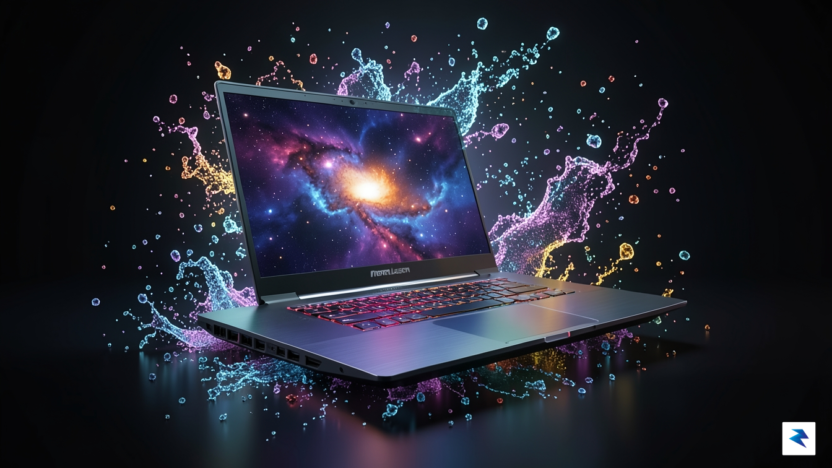

For over a decade, the display industry has relied heavily on Fine Metal Mask (FMM) evaporation to manufacture the high-end OLED screens found in smartphones and premium laptops. In this traditional process, organic light-emitting materials are vaporized in a vacuum chamber and deposited onto a substrate through a perforated metal mask. While this method produces vibrant, high-contrast imagery, it is incredibly inefficient. The FMM technique inherently leads to significant material waste, as much of the expensive organic compound settles on the mask itself rather than the display panel. Furthermore, the physical limitations of the metal masks make it notoriously difficult and expensive to scale production to larger screen sizes, as the masks tend to sag or warp under their own weight, leading to manufacturing defects that drive up costs for consumers.
The industry has long sought a more efficient path, leading to the development of “solution-processed” or inkjet-printed OLEDs. Instead of vaporizing materials, this revolutionary approach uses high-precision print heads to drop liquid organic material directly onto the substrate, much like a standard home printer applies ink to paper. This additive manufacturing process is inherently more efficient because it deposits material only where it is needed, drastically reducing waste and lowering the energy requirements of the production facility. By removing the need for complex, fragile metal masks, manufacturers can also achieve greater flexibility in panel size and pixel density, effectively democratizing top-tier display technology.
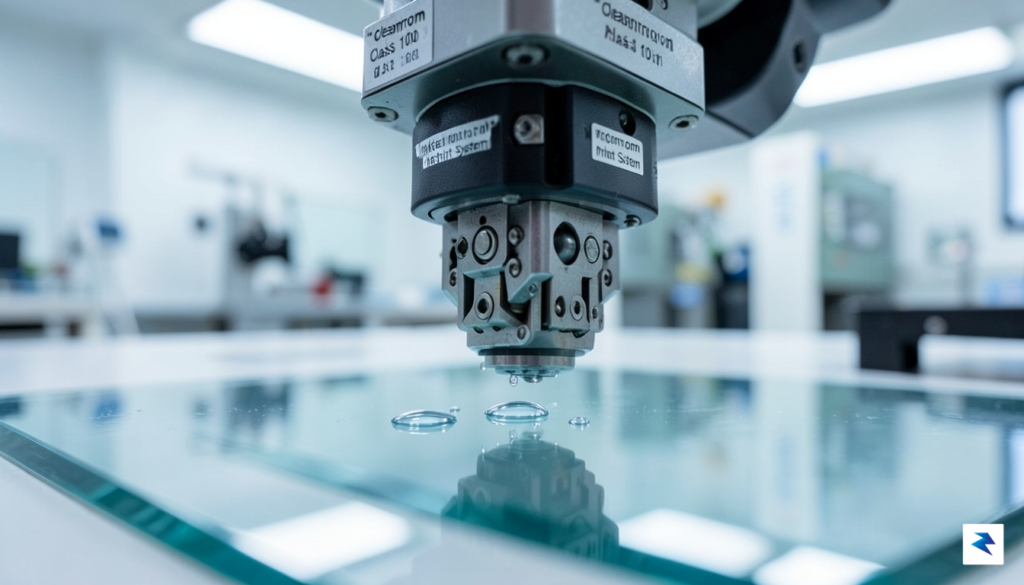
TCL CSOT has emerged as the primary architect behind this transition, investing heavily in the research and development required to make printed OLEDs a commercial reality. This technology is widely regarded as the “holy grail” of display manufacturing because it bridges the gap between the superior visual quality of OLED and the cost-effective production methods associated with traditional LCDs. Through the implementation of advanced material science—specifically the creation of stable, printable organic “inks”—TCL CSOT has successfully overcome the historical hurdles of pixel uniformity and longevity. The launch of the Lenovo Legion R9000P serves as the ultimate validation of this technology, proving that inkjet-printed panels can meet the rigorous performance demands of modern high-end gaming hardware while maintaining a more sustainable and scalable production footprint.
The shift toward inkjet printing represents a fundamental change in display economics, moving away from wasteful vacuum-based evaporation toward a streamlined, additive process that promises higher yields and more accessible pricing for cutting-edge OLED technology.
Ultimately, the move beyond evaporation is not just about making displays cheaper to produce; it is about enabling a future where high-performance screens are no longer restricted by the mechanical limitations of the past. As inkjet-printed panels become more common, we can expect a rapid expansion of OLED technology into larger screen categories and more diverse product form factors. By simplifying the manufacturing stack, companies like Lenovo and their partners are ensuring that the next generation of visual fidelity is built on a foundation of efficiency and technical precision.

At its core, the production of an inkjet-printed OLED display functions much like the office printer sitting on your desk, albeit with a level of precision that operates on a microscopic scale. Instead of depositing standard cyan, magenta, yellow, and black inks onto paper, this industrial-grade process uses ultra-high-precision print heads to place soluble organic light-emitting materials onto a specially prepared glass or flexible substrate. These organic compounds are formulated into a liquid state, allowing them to be dispensed in exact, pixel-sized droplets. Once these droplets are deposited, the solvent is carefully evaporated, leaving behind a pristine, functional layer of OLED material that forms the heart of each individual pixel.

The primary advantage of this additive manufacturing approach lies in its remarkable material efficiency. Traditional OLED production, known as Fine Metal Mask (FMM) evaporation, involves heating materials in a vacuum chamber until they turn into gas, which then settles onto the substrate. Unfortunately, this method is inherently wasteful, as a significant portion of the expensive organic material misses the target and coats the walls of the chamber instead. By contrast, inkjet printing places the material exactly where it is needed, drastically reducing waste. Furthermore, because this process does not require the complex and energy-intensive vacuum-based evaporation steps, manufacturers can achieve significant cost savings and streamline the production cycle, potentially making high-end display technology more accessible to the average consumer.
Beyond the economic benefits, inkjet printing fundamentally improves the physical characteristics of the display panel. The high-precision nature of the nozzles allows for a more uniform distribution of organic materials, which directly translates to better color consistency and improved brightness uniformity across the entire screen. This consistency is vital for maintaining the deep blacks and vibrant colors that users expect from OLED technology, while also mitigating common issues like screen burn-in or pixel degradation. By creating a more stable and uniform pixel structure, the inkjet process enhances the overall durability of the panel, ensuring that the display maintains its visual fidelity over thousands of hours of operation.
The shift toward inkjet printing represents a move toward additive manufacturing, where we build displays one droplet at a time, minimizing waste and maximizing the longevity of the light-emitting materials.
Furthermore, this technology offers greater flexibility in panel design, as manufacturers are no longer constrained by the physical limitations of the metal masks used in evaporation processes. This opens the door for custom pixel layouts and higher-density configurations that were previously difficult or impossible to achieve. As we see with the latest advancements in high-performance hardware, this transition is not merely a change in manufacturing technique, but a fundamental leap forward in how we engineer the screens that define our digital experience.
Lenovo’s decision to integrate this groundbreaking inkjet-printed OLED technology into the Legion R9000P is far more than a mere spec-sheet update; it is a calculated strategic move that solidifies the company’s position as an industry pioneer. By deploying this panel within a high-performance gaming chassis rather than a thin-and-light professional device, Lenovo is making a bold statement about the maturity of the technology. Gaming laptops represent the most demanding ecosystem for display hardware, requiring rapid response times, high refresh rates, and exceptional color accuracy under heavy thermal loads. By utilizing the R9000P as the vehicle for this debut, Lenovo is proving that inkjet-printed OLEDs are not just laboratory curiosities or prototypes meant for niche demonstrations, but are ready to deliver competitive performance for the most intensive user base on the market.
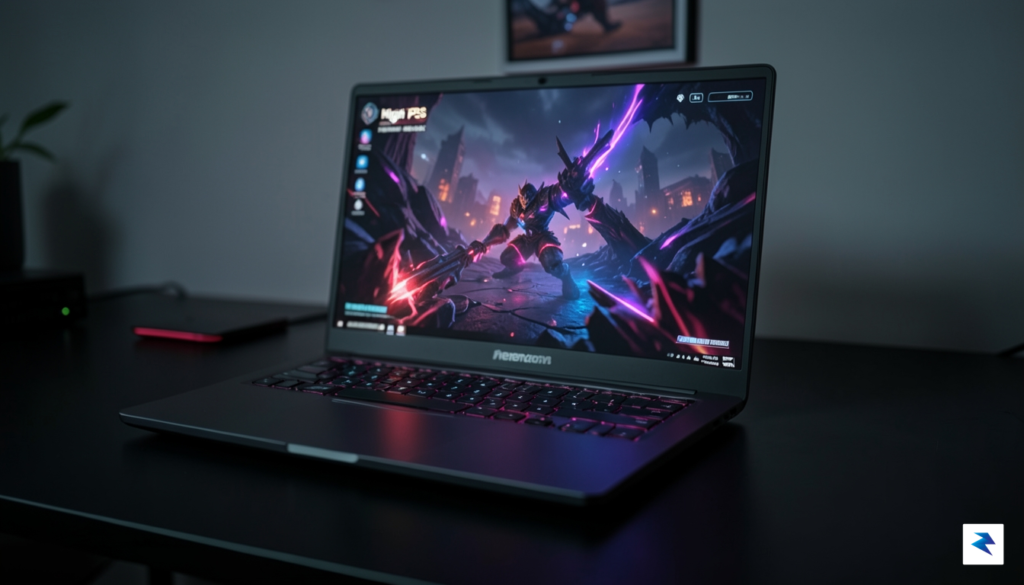
The partnership between Lenovo and TCL CSOT serves as a critical turning point for the global display supply chain. Inkjet printing offers a more efficient manufacturing process compared to traditional evaporation methods, significantly reducing material waste and lowering production costs over the long term. By aligning with a powerhouse like TCL CSOT to bring this innovation to a mass-market flagship, Lenovo is essentially jumpstarting a new era of display manufacturing. This collaboration suggests that the industry is finally moving toward a production model where high-end OLED panels can be manufactured with greater precision and scalability, potentially ending the premium price barrier that has historically kept OLEDs exclusive to the most expensive devices.
The integration of inkjet-printed OLEDs into the Legion R9000P signals a transition from experimental technology to a viable, high-performance standard for mainstream gaming hardware.
Ultimately, the R9000P acts as a proving ground for the next generation of visual fidelity. Because gaming enthusiasts are notoriously sensitive to motion blur, ghosting, and color shifts, this laptop provides the perfect environment to stress-test the capabilities of the new panel. If this display can withstand the blistering frame rates and thermal output of a Legion-class machine, it sets a new benchmark that other manufacturers will be forced to chase. This launch is not just about a clearer picture; it is about Lenovo claiming the high ground in the hardware arms race, ensuring that their flagship devices remain the primary destination for users who refuse to compromise on visual performance.
For the modern gamer, the transition to an inkjet-printed OLED display represents a significant leap forward in visual fidelity. By utilizing a precise inkjet process to deposit organic materials, this technology achieves a level of pixel uniformity that traditional evaporation methods struggle to replicate at scale. The primary beneficiary of this advancement is the end-user, who gains access to the legendary, infinite contrast ratios synonymous with OLED panels, while simultaneously enjoying improved color gamut coverage. Whether navigating the deep, shadow-drenched corridors of a survival horror game or exploring vibrant, neon-soaked open worlds, the display ensures that every pixel is rendered with impeccable accuracy and depth.
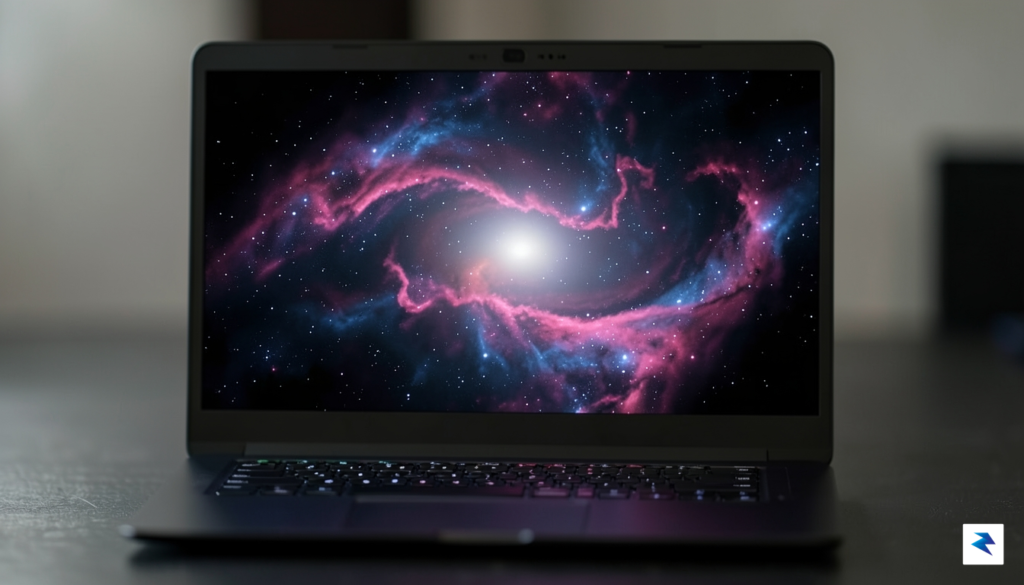
Beyond color and contrast, the inkjet manufacturing process offers tangible improvements in luminance management. One of the persistent challenges with early OLED technology was achieving sustained peak brightness without compromising the lifespan of the organic diodes. Through the refined structure provided by inkjet printing, the Lenovo Legion R9000P can push higher brightness levels across the entire panel, ensuring that highlights in HDR content truly pop without the distracting fluctuations seen in older displays. Furthermore, this manufacturing evolution contributes to reduced burn-in risks, as the more stable deposition of materials allows for better heat dissipation and more uniform pixel aging over thousands of hours of intense gaming sessions.
The integration of inkjet-printed OLED panels provides a superior balance of high-speed performance and long-term durability, ensuring that gamers no longer have to choose between visual beauty and screen longevity.
Performance-oriented users will also appreciate the inherent response time advantages that this display technology brings to the table. Because OLED pixels function as their own light sources, they can toggle states with near-instantaneous speed, effectively eliminating motion blur and ghosting in fast-paced competitive shooters or racing simulators. The inkjet-printed architecture is specifically engineered to support high refresh rates, ensuring that the visual fluidity matches the raw frame-rate output of the laptop’s internal hardware. Despite concerns regarding pixel density, this new panel maintains a high enough resolution to ensure that text remains sharp and detailed, effectively merging the pixel-perfect precision required for creative work with the high-octane responsiveness demanded by the gaming community.
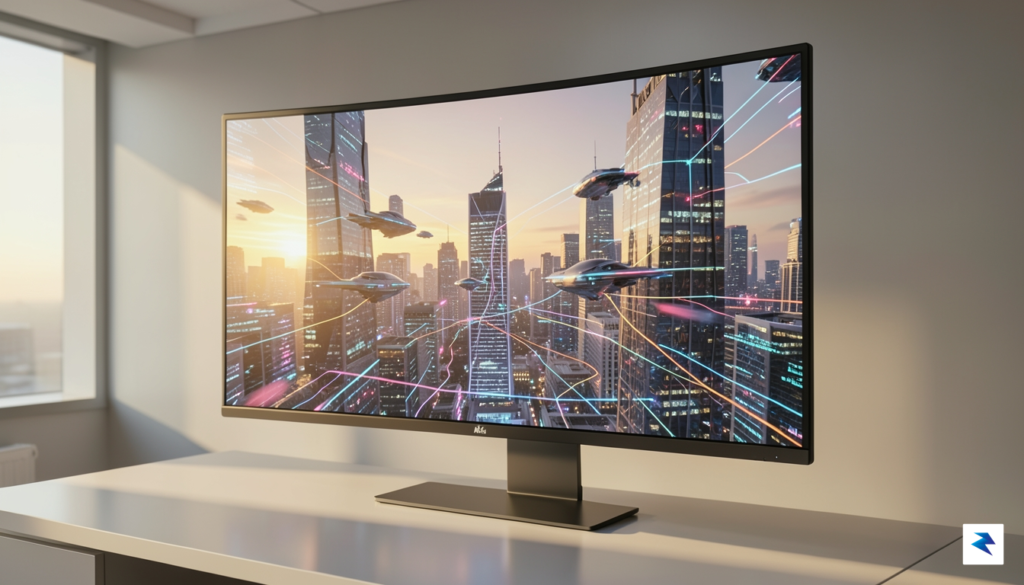
The arrival of inkjet-printed OLED technology in the Lenovo Legion R9000P marks a pivotal turning point for the consumer electronics landscape. By moving away from traditional evaporation-based manufacturing, which is both costly and prone to material waste, inkjet printing offers a more efficient, additive approach to panel production. As these manufacturing processes continue to scale and mature, the industry is poised to see a significant shift in how high-performance screens are integrated into various hardware tiers. We are likely witnessing the dawn of a period where OLED panels, once reserved exclusively for premium-priced flagships, become a standard feature across a much broader spectrum of devices, ranging from versatile thin-and-light ultrabooks to high-fidelity professional monitors.
This technological evolution directly addresses the most significant barrier to OLED adoption: the price point. Because inkjet printing allows for larger substrates and more precise material placement, the production costs associated with these displays are expected to plummet over the coming years. As yields improve, panel manufacturers will face intensified competition, forcing them to innovate faster and drive down consumer costs. This competitive pressure is a boon for the end-user, effectively narrowing the gap between high-end entertainment-focused machines and the reliable, mainstream computing devices used by students and office professionals. Essentially, the barrier to entry for superior color accuracy, deep blacks, and high contrast ratios is being dismantled.
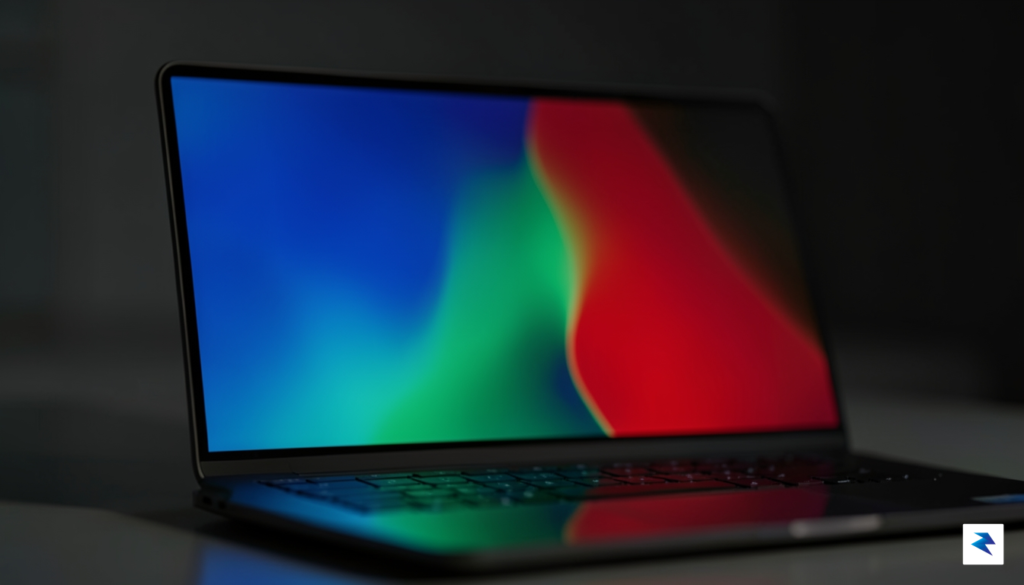
The transition to inkjet-printed OLEDs represents more than just a marginal improvement; it is a structural shift that democratizes premium visual fidelity for the everyday computing experience.
Beyond simple pricing, the versatility of this printing method opens the door for new form factors that were previously impractical or too expensive to produce. We may soon see foldable, rollable, or even ultra-thin displays that maintain structural integrity while delivering the vivid color reproduction that OLED is famous for. As manufacturers refine this technique, the electronics industry will likely move toward a future where every workstation—whether it is a specialized gaming rig or a portable travel laptop—can utilize the same cutting-edge visual technology. Ultimately, this innovation bridges the divide between specialized high-end hardware and daily productivity tools, ensuring that the visual excellence once restricted to niche enthusiasts becomes the baseline expectation for the modern computing era.
You must be logged in to post a comment.