The AI Arms Race: Is the Open-Weight Revolution a Threat to National Security?
The Rise of Open-Weight AI Models The artificial intelligence landscape is undergoing a profound transformation, driven significantly by the…
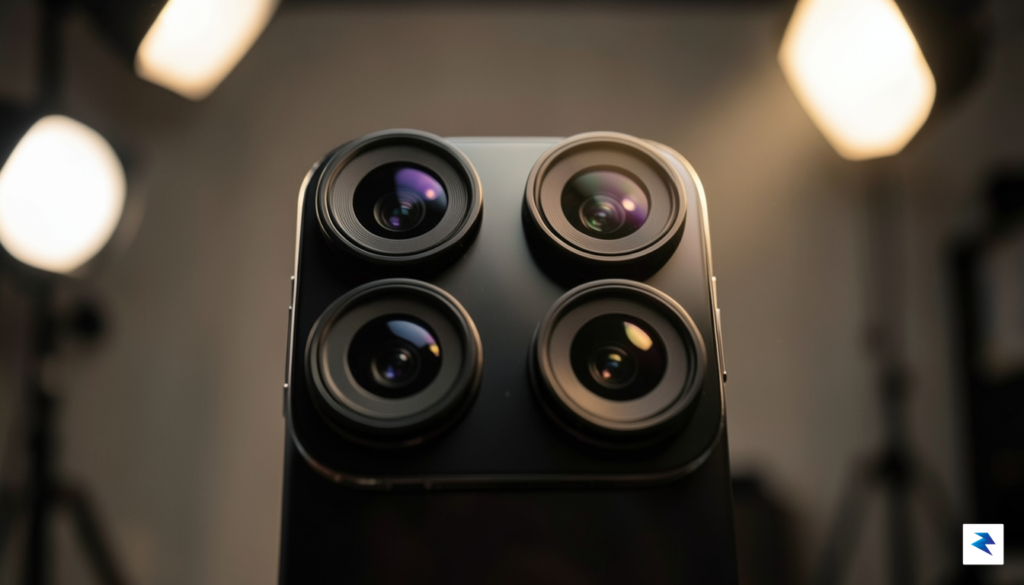
For over a decade, Apple’s strategy for mobile photography has been defined by a masterclass in balance. While competitors frequently raced to market with experimental hardware, Apple consistently prioritized the synergy between its custom Silicon and sophisticated image signal processing algorithms. This approach turned the iPhone into a powerhouse of computational photography, where the goal was not necessarily to have the largest sensor on the block, but to ensure that every pixel was processed with industry-leading intelligence. By leaning heavily on software—features like Deep Fusion, Photonic Engine, and Smart HDR—Apple successfully extended the lifespan of its camera hardware, allowing smaller sensors to punch well above their weight class.
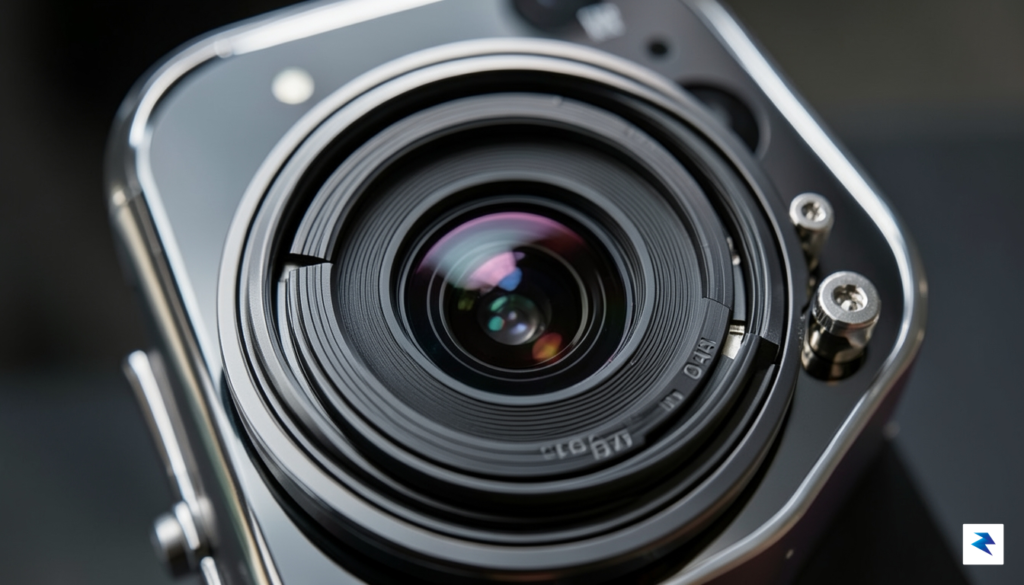
However, the industry has reached a point of diminishing returns for software-driven enhancements alone. As image sensors become the primary bottleneck for light collection and dynamic range, Apple is clearly shifting its focus toward more fundamental optical engineering. The transition from purely iterative megapixel jumps to specialized, high-performance hardware signals a new chapter in the company’s design philosophy. Rather than simply adding more pixels to the same small footprint, the move toward advanced hardware like the rumored Sony IMX905 suggests that the physical architecture of the sensor is now considered as vital as the software that interprets its data.
The next frontier in smartphone photography is no longer just about how smart the software is; it is about providing that software with the most raw, high-fidelity optical information possible.
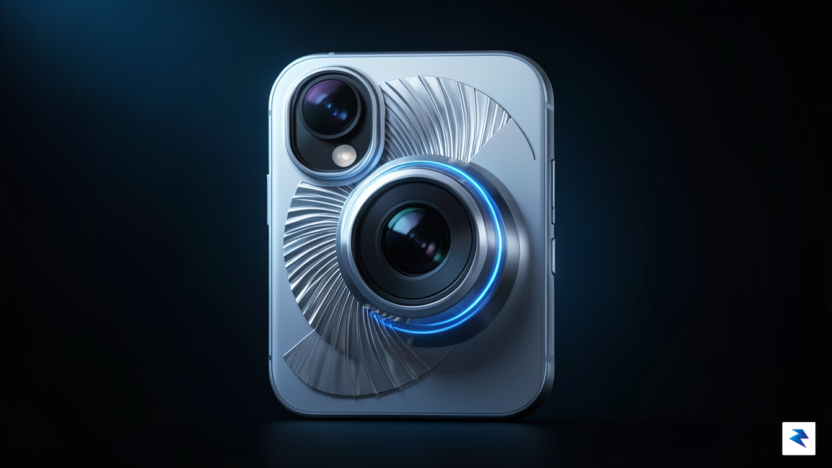
This shift toward physical innovation, particularly with the potential inclusion of a variable aperture, marks a departure from the “set it and forget it” nature of fixed-lens mobile photography. By allowing the camera to physically adjust the size of the lens opening, Apple is aiming to provide users with true optical depth-of-field control and better performance in varying lighting conditions, moving away from purely digital simulations. It represents a maturation of the iPhone camera system, where the hardware and software are finally working in tandem at a physical level to solve problems that were previously relegated to background processing. As we look toward the iPhone 18 Pro Max, it is clear that the future of mobile imagery will be defined by these deep, structural hardware improvements, setting the stage for a dramatic leap in image quality that software alone could never achieve.

The rumored inclusion of the Sony IMX905 sensor in the upcoming iPhone 18 Pro Max represents far more than a simple iterative update; it signals a fundamental shift in how mobile devices capture light. At its core, this sensor is designed to maximize photon capture through a refined architecture that prioritizes increased physical surface area and improved pixel pitch. By expanding the sensor’s dimensions, Sony allows each individual pixel to act as a larger bucket for light, which is essential for reducing digital noise in challenging environments. When combined with the high-resolution output expected from an Apple flagship, this hardware leap effectively bridges the gap between pocket-sized convenience and the raw, uncompressed detail typically reserved for dedicated mirrorless cameras.
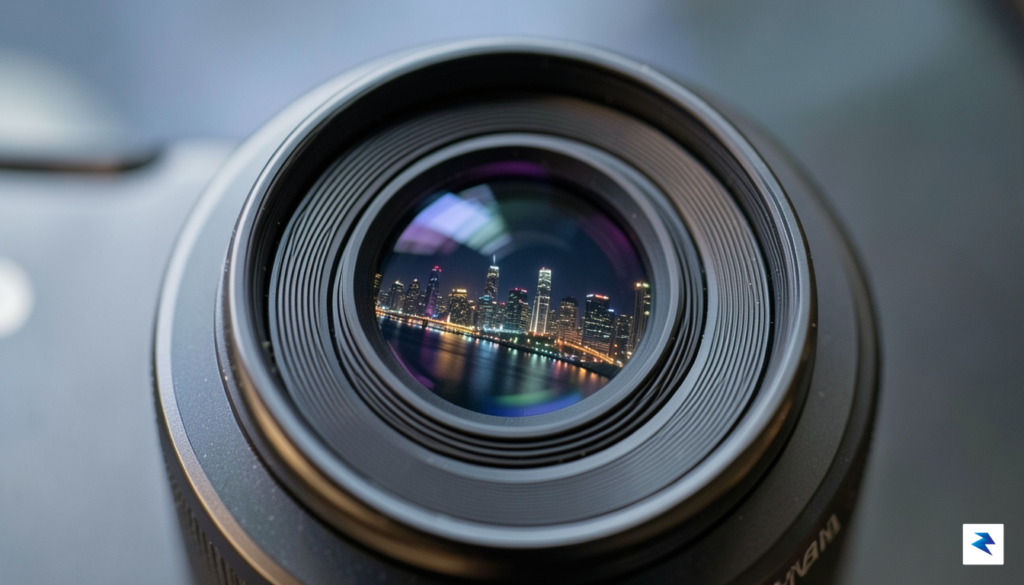
Beyond the raw size of the sensor, the technical significance lies in the symbiotic relationship between Sony’s hardware and Apple’s proprietary Image Signal Processor (ISP). Apple’s computational photography relies heavily on the quality of the raw data fed into its neural engine. Because the IMX905 is rumored to provide a much cleaner, higher-fidelity signal, the ISP can apply its complex algorithms—such as Deep Fusion and Smart HDR—with significantly more precision. This integration means that instead of the software having to “invent” details lost in deep shadows or overexposed highlights, it is working with actual, captured light data. Consequently, users can expect a massive improvement in dynamic range, where the brightest highlights in a sunset remain vivid while the darkest foreground elements retain clear, visible textures.
The leap to the IMX905 sensor suggests that Apple is moving away from purely computational “guesses” toward hardware-driven image authenticity, ensuring that the iPhone remains the gold standard for mobile videography and photography.
Furthermore, the sensor’s architecture is uniquely optimized for the variable aperture technology rumored to accompany it. By utilizing a larger sensor, the camera system gains more physical flexibility in how it handles depth of field and light intake. In practical terms, this allows the lens to physically narrow or widen, giving the photographer true optical bokeh rather than a software-simulated blur. This hardware-level control, supported by the advanced light-gathering capabilities of the IMX905, ensures that focus transitions are smoother and more natural. As these components work in tandem, the iPhone 18 Pro Max is positioned to offer a level of creative control that was previously impossible to achieve within such a slim form factor, fundamentally changing the landscape for mobile content creators who demand professional-grade results.
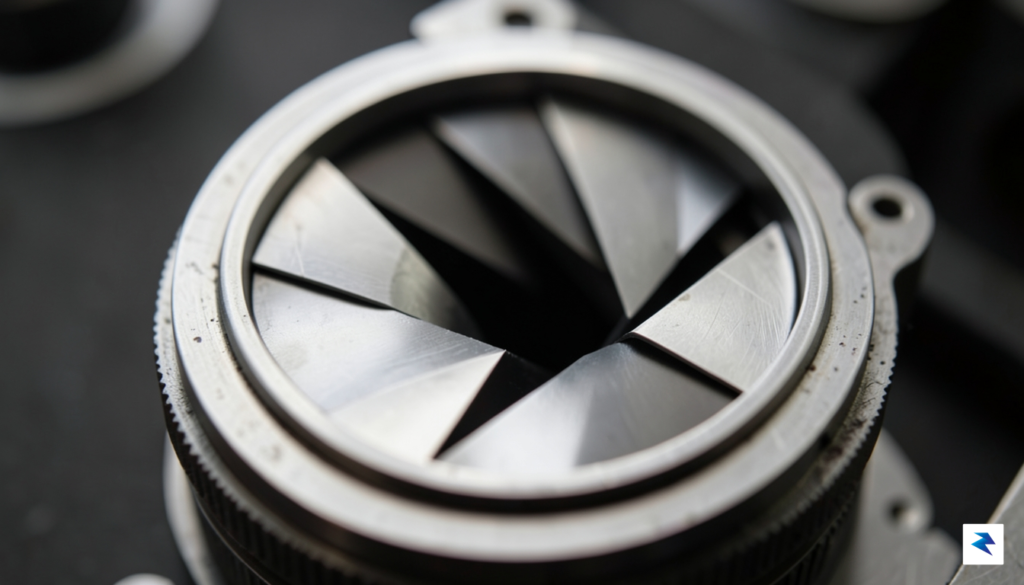
For years, smartphone photography has been defined by a fundamental hardware limitation: the fixed aperture. Because space within a chassis is at such a premium, manufacturers have long relied on a singular, static lens opening, forcing software algorithms to compensate for light intake and depth of field. A variable aperture, however, fundamentally alters this paradigm by introducing a physical diaphragm that can expand or contract, much like the iris of a human eye. This mechanical shift allows the camera to physically adjust the amount of light reaching the sensor, moving beyond the digital trickery that currently defines “Portrait Mode” and offering a level of optical precision previously reserved for professional-grade glass.

The physics of this technology centers on the relationship between light intake and depth of field. When a lens is set to a wide aperture, such as f/1.4, it creates a shallow plane of focus that naturally blurs the background, creating that coveted, creamy “bokeh” effect that smartphones struggle to replicate authentically. Conversely, stopping down the aperture to a narrower setting, such as f/4.0 or f/8.0, expands the area of the frame that remains in sharp focus. This is particularly vital for landscape photography or group shots, where a fixed aperture lens might inadvertently leave parts of the image soft. By physically altering the aperture, the iPhone 18 Pro Max could provide true, optical depth of field, effectively bridging the chasm between a pocket-sized device and a heavy mirrorless camera setup.
True optical control means that the camera does not have to rely on software-based edge detection to separate a subject from the background, resulting in more natural transitions and superior detail.
Beyond the aesthetic benefits of bokeh, a variable aperture is a powerful tool for exposure management. In bright, outdoor environments, a fixed lens often requires a high shutter speed or a neutral density filter to prevent overexposure, which can lead to motion blur or image artifacts. With a variable aperture, the sensor can simply constrict the opening, allowing the photographer to maintain an optimal shutter speed while keeping the image crisp and well-exposed. This versatility ensures that the iPhone 18 Pro Max would be capable of capturing high-fidelity images across a wider array of lighting conditions, from the harsh glare of midday sun to the challenging, low-light environments where mobile sensors traditionally struggle to maintain clarity. By handing this level of mechanical control back to the user, Apple is signaling a move toward “pro” photography that respects the physics of light rather than simply trying to simulate it.
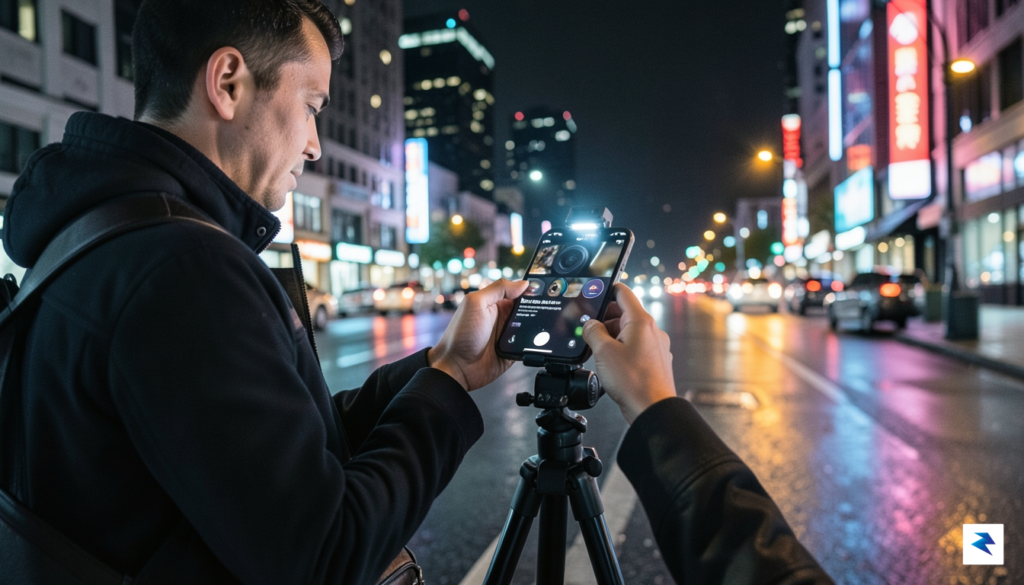
The integration of the Sony IMX905 sensor paired with a true variable aperture represents a monumental shift for mobile imaging, moving the iPhone 18 Pro Max away from reliance on computational “guesses” and toward authentic optical physics. By physically adjusting the iris, users can finally achieve a natural depth of field that software-based Portrait Modes have struggled to replicate for years. Instead of the telltale “halo” effect or inconsistent edge detection seen when the phone tries to blur a background, a variable aperture allows the lens to create genuine optical bokeh. This means that subjects will transition into the background with the smooth, creamy fall-off characteristic of dedicated mirrorless cameras, providing a level of professionalism that is currently unattainable on current-generation devices.
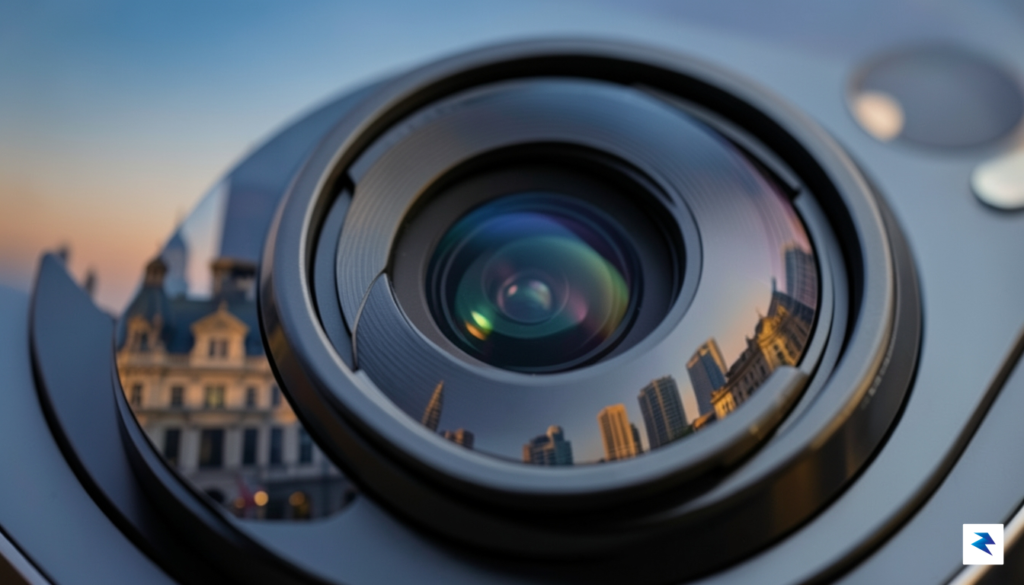
Beyond the aesthetic improvements in portraits, the hardware combination of the IMX905 sensor and variable aperture offers a game-changing solution for low-light photography. Large sensors often suffer from a shallow depth of field that can make it difficult to get an entire group of people in focus, especially in dim environments. With a variable aperture, the user can stop down the lens to increase the depth of field while the massive sensor surface area of the IMX905 simultaneously captures more light to reduce grain and noise. This balance ensures that images remain tack-sharp even in challenging lighting conditions, minimizing the need for aggressive noise-reduction algorithms that often smudge fine details like skin texture or fabric patterns.
For video creators, this hardware upgrade effectively eliminates the “shutter speed flicker” and overexposed highlights that occur when filming in bright daylight. Currently, mobile devices must rely on high shutter speeds to compensate for fixed, wide apertures, which leads to choppy, unnatural-looking footage. A physical variable aperture acts like an integrated Neutral Density (ND) filter, allowing creators to maintain the “180-degree shutter rule”—a staple of cinematic filmmaking—even in direct sunlight. The result is a much more organic motion blur that mimics the look of high-end cinema cameras, giving mobile video a polished, professional quality that is ready for professional color grading and large-screen display.
The marriage of a high-density sensor and a physical aperture isn’t just a spec sheet win; it is a fundamental shift toward giving creators total control over their optical environment.
Ultimately, this technological leap signals that Apple is finally prioritizing hardware-first solutions to solve the limitations of mobile photography. While software will always play a role in processing, the ability to control light at the physical lens level provides a foundation of image quality that software can never fully manufacture. As these components become standard, the iPhone 18 Pro Max will likely solidify its position not just as a convenient camera, but as a legitimate tool for professional photographers and videographers who require precision, consistency, and true optical performance in their daily workflows.
The transition toward the rumored Sony IMX905 sensor and the integration of a physical variable aperture represent more than just a spec-sheet bump; they signal a profound shift in how Apple prioritizes optical hardware. For years, the company has leaned heavily on computational photography—using sophisticated algorithms and machine learning to compensate for smaller physical sensors. However, by embracing hardware-level adjustments like variable apertures, Apple is finally acknowledging that there are optical boundaries that software simply cannot cross. This evolution suggests a future where the Pro Max lineup doesn’t just process images better, but fundamentally captures light and depth with greater physical accuracy, bridging the gap between professional DSLR performance and the convenience of a pocketable device.
While the hardware upgrades are undeniably exciting, it is vital to maintain a balanced perspective regarding Apple’s long-standing software-first philosophy. Even with a cutting-edge sensor, the true magic of the iPhone experience will continue to reside in how the A-series chip interprets that raw data. We should expect the next iteration of iOS to work in tandem with this new glass, likely introducing smarter exposure controls and improved low-light rendering that takes full advantage of the mechanical aperture. Consumers should view these potential hardware leaps not as a replacement for Apple’s software prowess, but as a new foundation that gives that software significantly more high-quality data to work with.
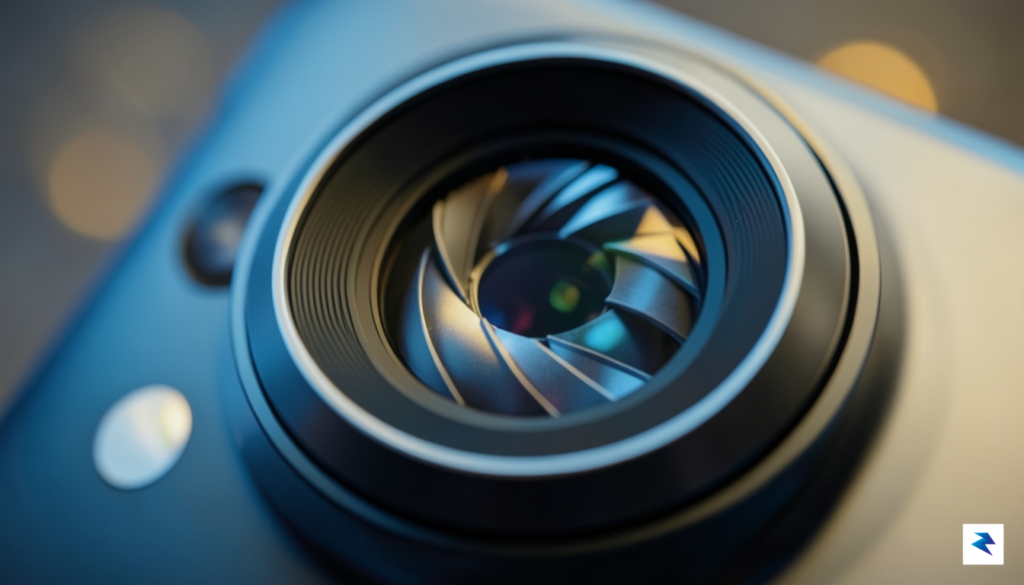
Ultimately, the success of the next flagship will be measured by how seamlessly these internal upgrades translate into tangible, high-quality images for the everyday user.
For those currently weighing whether to upgrade their existing devices, the landscape of premium smartphones is becoming increasingly crowded. Competitors have experimented with larger sensors and variable apertures for some time, yet Apple’s entry into this space often brings a level of refinement and ecosystem integration that is difficult to replicate. If these rumors hold true, the upcoming model will likely be the most significant leap in imaging capability we have seen in years. Whether you are a professional creator or someone who simply values the best possible point-and-shoot experience, waiting for this release seems like a prudent strategy to ensure your next investment remains at the absolute cutting edge of mobile technology for years to come.
You must be logged in to post a comment.