
Beyond Moore’s Law: How Intel Plans to Use Light to Supercharge AI
The Twilight of Traditional Transistors For more than half a century, the steady cadence of Moore’s Law—the observation that the number of…
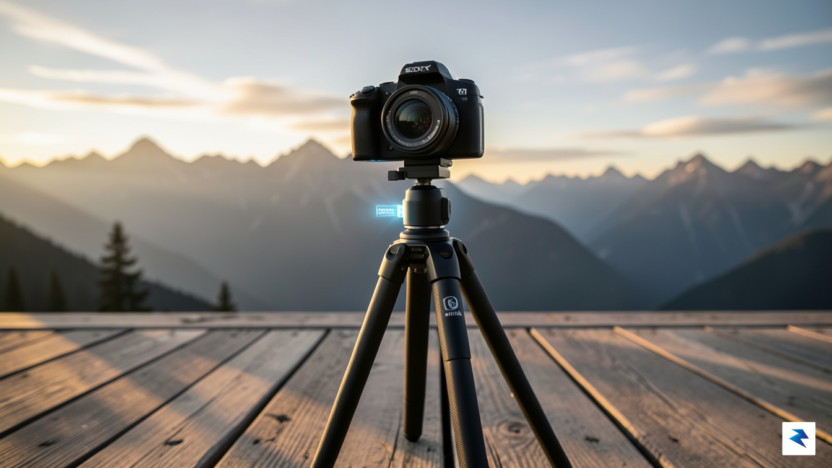

For professional photographers and dedicated hobbyists, the anxiety surrounding equipment security is an ever-present shadow. A camera rig is far more than a collection of glass and circuitry; it represents a significant financial investment, a repository of irreplaceable creative work, and the essential toolset for one’s livelihood. Despite this, the physical security of these devices has historically lagged behind their technological sophistication. Losing a camera to theft or misplacement is not merely an inconvenience—it is a catastrophic disruption that can halt a business or ruin a once-in-a-lifetime shooting opportunity. For years, the industry has been forced to endure a period of reactive insecurity, scrambling for makeshift ways to keep track of bodies and lenses that are increasingly mobile and prone to being left behind.
Until now, the “solutions” available to photographers have been largely clumsy, aftermarket workarounds that prioritize function over form. Users have resorted to duct-taping tracking devices like AirTags or Tiles to their camera cages, lashing them to tripod mounts with zip ties, or tucking them into battery grips where they often interfere with essential ergonomics. These adhesive-based fixes are not only unsightly but fundamentally compromise the integrity of a professional setup. They frequently block battery doors, obstruct custom button layouts, or add awkward bulk that prevents the camera from sliding into a standard holster or backpack sleeve. Furthermore, these makeshift attachments are rarely permanent; they are prone to peeling off in extreme temperatures or snagging on gear straps during a frantic shoot, leaving the photographer with a false sense of security.
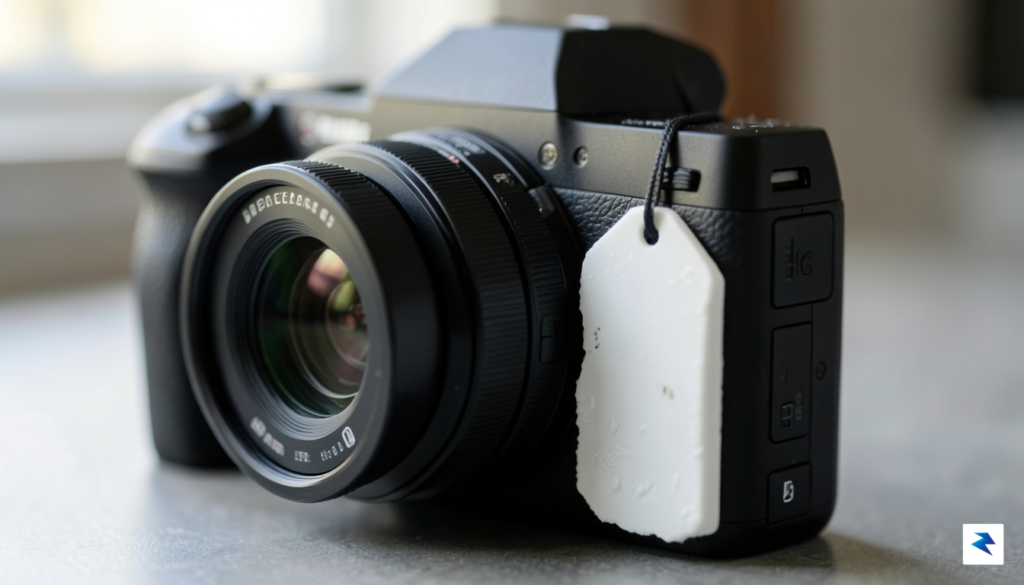
The marketplace has been crying out for a more refined, purpose-built approach to gear security that doesn’t feel like an afterthought. Photographers invest thousands of dollars in high-end, ergonomic engineering, only to ruin that refined design with cheap, plastic-laden hacks. The current reliance on third-party tracking ecosystems is a testament to the fact that manufacturers have largely ignored the reality of gear loss, leaving the end-user to manage the risk on their own. This systemic failure has created a gap where security and utility are constantly at odds, forcing professionals to choose between the safety of their equipment and the efficiency of their workflow.
The true evolution of camera protection lies not in adding more accessories to an already crowded rig, but in integrating security directly into the structural architecture of the equipment itself.
The industry is finally moving past the era of aesthetic compromise. By shifting the focus toward integrated hardware, we are seeing the emergence of solutions that treat tracking as a core feature rather than a peripheral inconvenience. This transition is essential for modern creators who operate in fast-paced, unpredictable environments where every second counts and every piece of gear must remain accounted for without distraction. The era of bulky, taped-on security is quickly becoming obsolete, paving the way for a more seamless, integrated future where our gear is as protected as it is functional.
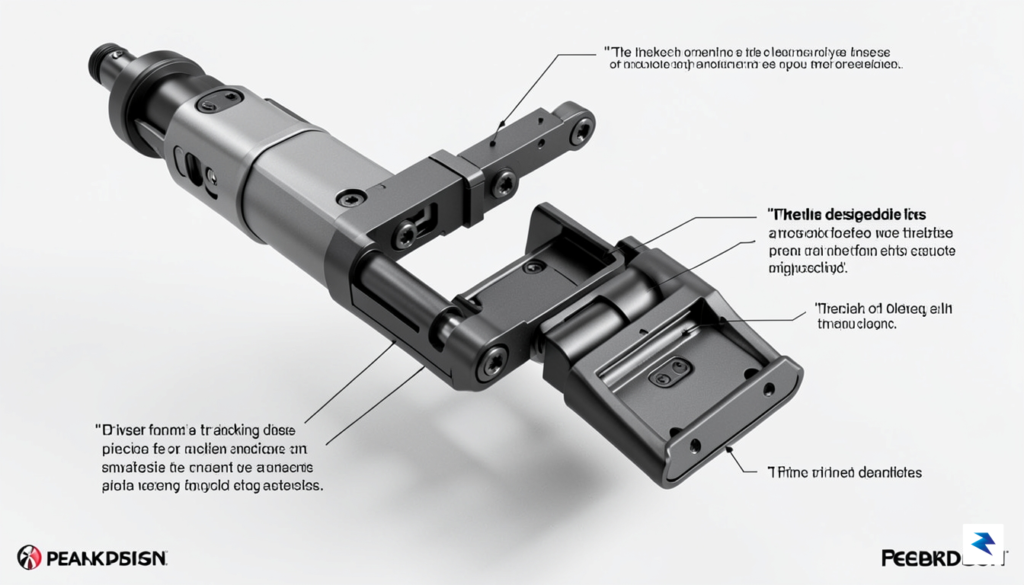
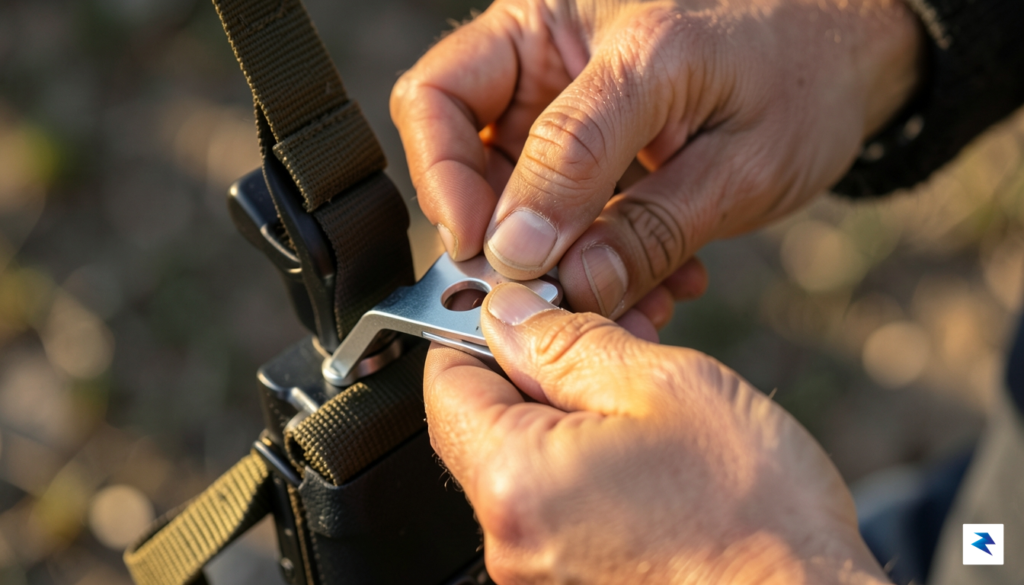
At its core, the Peak Design Field Bracket represents a masterclass in minimalist engineering, designed to feel less like a bolted-on accessory and more like a permanent architectural feature of your camera. Constructed from high-grade, anodized aluminum, the bracket provides a rigid, lightweight skeleton that resists the daily rigors of field work while maintaining a slim profile that stays out of the way of your hands. Unlike bulky GPS attachments of the past, this bracket is precision-machined to hug the contours of modern mirrorless and DSLR bodies, ensuring that it never obstructs critical interface points like battery doors, memory card slots, or the articulated screens that many photographers rely on for composition.
The true genius of the device lies in its intelligent integration of tracking technology. By carving out a discreet, vibration-dampened cavity specifically sized for industry-standard tracking tags, Peak Design has managed to solve the “lost gear” anxiety that plagues many traveling professionals. The tag is held in place by a secure, weather-sealed cap that requires a simple hex-key turn to access, preventing accidental loss while ensuring the signal remains unobstructed by the metal housing. This thoughtful placement means your tracking device is always positioned optimally to maintain a strong connection, even when the camera is tucked deep inside a crowded equipment bag or hanging from a shoulder strap in the middle of a busy city street.
Flexibility is the hallmark of the Peak Design ecosystem, and the Field Bracket is no exception. Its modular design features a series of sliding adjustment rails, allowing the bracket to telescope and expand to fit a wide array of camera bodies, from compact crop-sensor models to full-frame workhorses with vertical battery grips. By utilizing a universal mounting point that anchors directly into the standard 1/4″-20 tripod thread, the bracket serves as a bridge rather than a barrier, providing a pass-through connection that allows you to continue using your favorite tripod plates, L-brackets, or Peak Design anchors without having to sacrifice one for the other.
The Field Bracket acts as a silent partner to your gear; it is designed to be installed once and forgotten, providing peace of mind through passive tracking without adding unnecessary friction to your creative process.
This commitment to modularity extends to how the bracket interacts with existing carry solutions. Because it maintains the same geometric footprint as standard Arca-Swiss compatible hardware, photographers can seamlessly transition from a tripod setup to a capture clip or sling strap without recalibrating their gear. Every edge is rounded and every bolt is recessed, ensuring that the bracket doesn’t snag on clothing or fray your strap webbing over time. By prioritizing a “set it and forget it” philosophy, Peak Design has successfully turned a simple tracking solution into a foundational piece of camera infrastructure that integrates so cleanly, you might eventually forget it is even there—until you need it most.

For years, the standard approach to protecting expensive camera gear involved a makeshift combination of adhesive strips, zip ties, and third-party silicone sleeves to fasten tracking tags to camera bodies or tripod legs. While these DIY solutions provided a modicum of peace of mind, they were fundamentally flawed. Adhesive mounts are notorious for failing under the stress of extreme temperatures, humidity, or the constant friction of being pulled in and out of camera bags. More importantly, a tracker dangling from the exterior of a camera acts like a beacon, signaling to potential thieves exactly where the device is and making it incredibly easy for them to locate and discard the tracker the moment they seize the equipment.
The introduction of the modular Field Bracket marks a significant departure from this vulnerable status quo by moving the tracking technology from the periphery to the core of the gear. By integrating the tracker into a dedicated, reinforced housing, Peak Design has effectively eliminated the risks associated with accidental detachment. Because the bracket is engineered to be a permanent, functional part of the camera’s ecosystem, the tracker is shielded from the physical abuse that typically causes external mounts to peel away. This structural integrity ensures that photographers can navigate rugged environments or crowded urban streets without the constant anxiety that their security measures have snagged on a jacket or fallen off entirely.
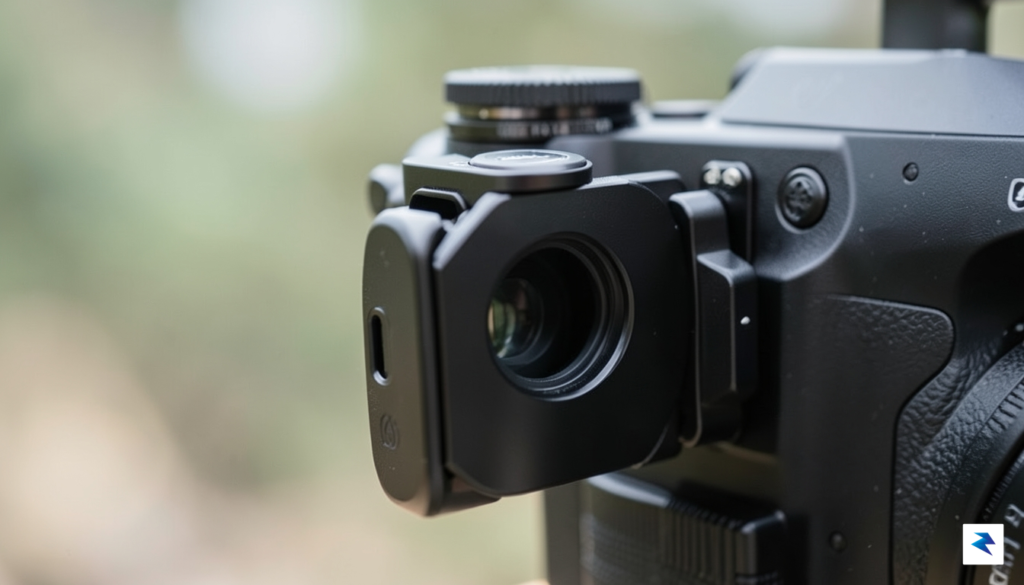
Security through obscurity is one of the most effective deterrents in the field; when a tracker is hidden within a functional component, it ceases to be a target for tampering.
Beyond the physical durability, the true value of this design lies in its psychological and tactical advantage for the working photographer. In high-traffic environments—such as busy festivals, transit hubs, or crowded tourist landmarks—visibility is the enemy of security. When a tracking tag is clearly visible, a thief knows exactly what to remove to “blind” the owner. By obscuring the tracker within the bracket’s own architecture, Peak Design leverages the principle of security through obscurity. An opportunistic thief sees only a standard piece of camera gear, not a tagged device that can be tracked in real-time. This subtle integration transforms the tracker from a conspicuous add-on into a silent, reliable sentinel that stays with the camera, regardless of how often the gear is handled, set down, or moved through transit.
Ultimately, this shift represents a maturation in how we think about gear management. Photographers who travel frequently know that the most effective tool is the one that requires zero maintenance once it is installed. By moving away from the “taped-on” mentality, we are no longer relying on the strength of industrial glue or the hope that a rubber band holds through a long shoot. We are instead utilizing a precision-engineered solution that respects the value of the equipment it protects, allowing the creator to focus entirely on the shot rather than worrying about the security of their kit.
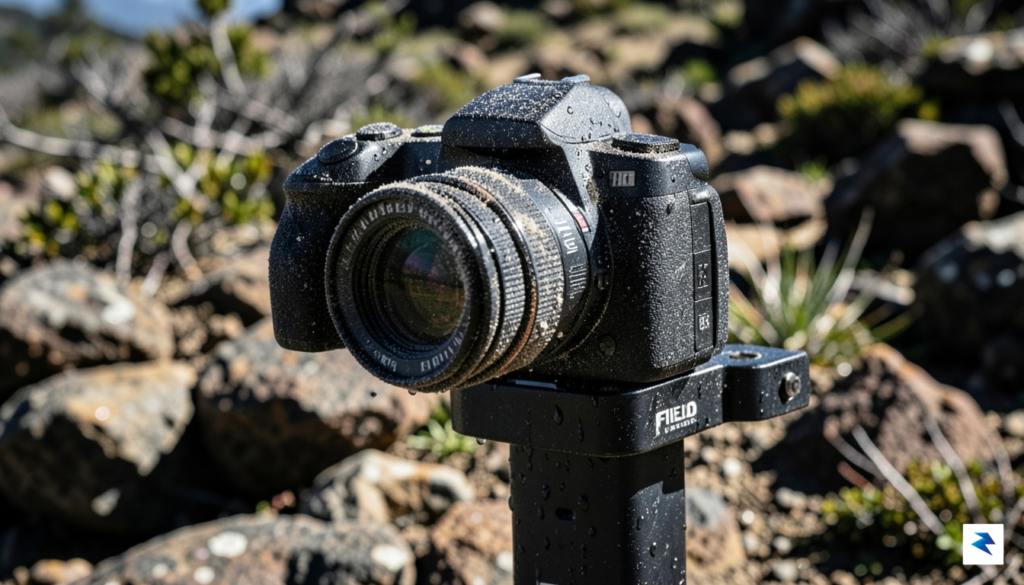
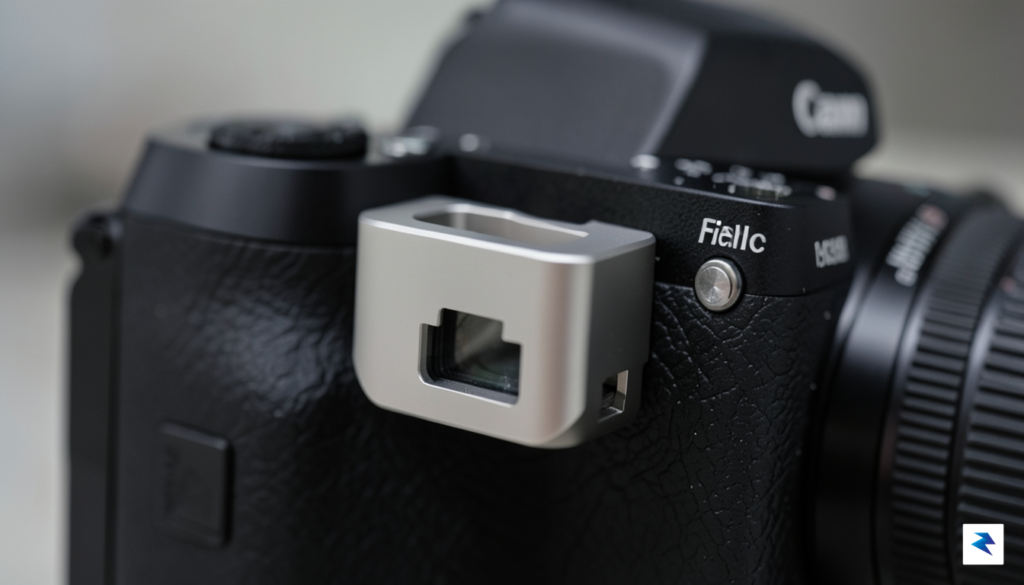
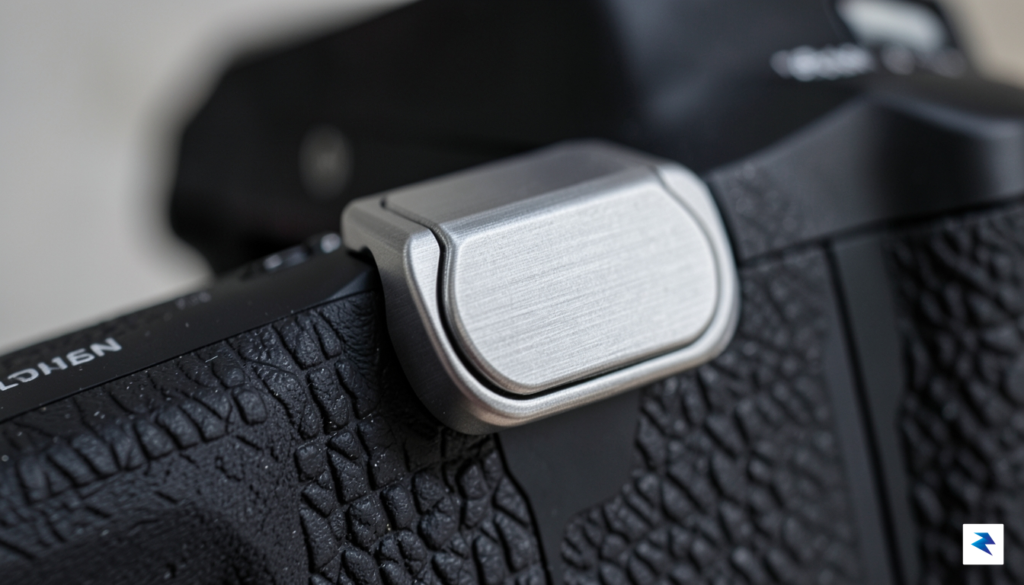
When you are working in the field, the last thing you want is an accessory that feels like an afterthought. Peak Design has opted for high-grade machined aluminum for the primary construction of this bracket, a choice that immediately sets it apart from the flimsy plastic alternatives flooding the market. By prioritizing structural integrity, the bracket remains rigid even when subjected to the high-frequency vibrations of a long hike or the erratic movement of a camera bouncing on a shoulder strap during a sprint. This metal construction ensures that the bracket doesn’t flex under the weight of larger lenses, providing a rock-solid foundation that feels like a natural extension of the camera body itself rather than an external appendage.
Ergonomics often suffer when manufacturers prioritize add-ons, but the Field Bracket manages to thread a needle that many others miss. Crucially, the design accounts for the realities of professional workflow: it sits flush enough that it never obstructs access to the battery door or the memory card slots. You can perform a rapid-fire battery swap or pull a card in the heat of a wedding or a news event without having to unscrew anything or fumble with a cumbersome plate. The profile is intentionally slim, ensuring that while it provides a secure mounting point for your tracking tag, it doesn’t snag on clothing, camera bags, or tripod heads during quick transitions.
The true test of any camera accessory is its ability to disappear into your workflow; if you have to think about the bracket while shooting, it has failed. The Field Bracket, however, is remarkably unobtrusive.
From a reliability standpoint, weather resistance is a standout feature of the unit. Because the internal housing for the finder tag is precision-sealed, the electronics remain protected from the humidity, fine dust, and light precipitation that are inevitable on professional shoots. While the bracket itself is inherently weather-resistant due to its anodized finish, the way it secures the tag keeps the tracking hardware safe from the elements as well. This balance of lightweight portability and industrial-grade durability makes it a set-it-and-forget-it solution for photographers who need to track their gear without compromising the tactile feel of their camera or adding unnecessary bulk to their rig.
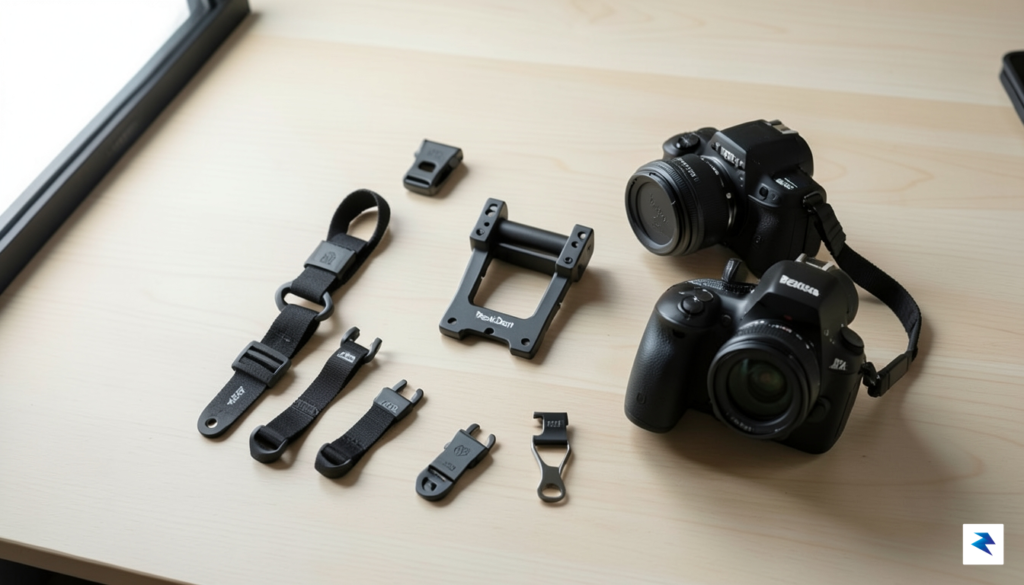
Ultimately, determining whether the new Field Bracket deserves a permanent spot in your camera bag requires a honest assessment of your personal workflow and the value you place on equipment security. For the casual hobbyist, the cost of entry might seem steep for what is essentially a mounting accessory with a tracking component. However, when you weigh this expense against the potential catastrophe of losing a professional-grade camera body or a lens worth thousands of dollars, the value proposition shifts significantly. Investing in specialized hardware is rarely just about the utility of a single piece; it is about building a reliable infrastructure that protects your livelihood and ensures you can focus entirely on the creative process rather than worrying about the physical whereabouts of your gear.
The target audience for this modular solution is quite clear: it is designed for those who live out of their camera bags. Travel photographers navigating crowded airports, event shooters moving rapidly between chaotic venues, and documentary filmmakers working in unpredictable environments will find the integrated tracking to be a game-changer. These professionals often operate under tight deadlines where a misplaced bag can derail an entire project. By integrating location tracking directly into a high-utility mounting point, Peak Design has managed to turn a passive piece of metal into an active insurance policy. If your camera kit is your primary tool for income, the peace of mind offered by this bracket is not merely a luxury; it is a pragmatic operational necessity.
The true value of a tool is measured not just by how well it performs its primary function, but by how much cognitive load it removes from the user during high-pressure situations.
For gear enthusiasts who prioritize modularity and clean aesthetics, the Field Bracket is an easy recommendation. It maintains the signature design language of the broader ecosystem, ensuring that your setup remains cohesive rather than cluttered with third-party tracking tags or cumbersome adhesive mounts. While the convenience of a built-in tracker might seem like a small detail, it represents a thoughtful evolution in gear management that addresses a genuine, recurring pain point. If you already utilize other elements of the Peak Design system—such as their anchors or capture clips—this addition fits seamlessly into your existing workflow, providing a unified, professional-grade solution that justifies the investment through its durability, integration, and long-term utility.
You must be logged in to post a comment.