
Trump’s Canada Tariffs: Mark Carney’s Strategy for Economic Defense
The New Reality of U.S.-Canada Trade Relations The recent decision by the Trump administration to impose a fresh wave of tariffs on Canadian…
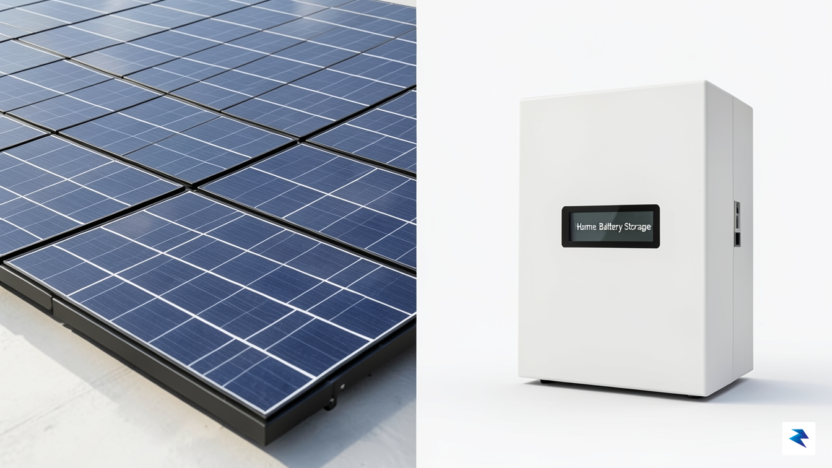
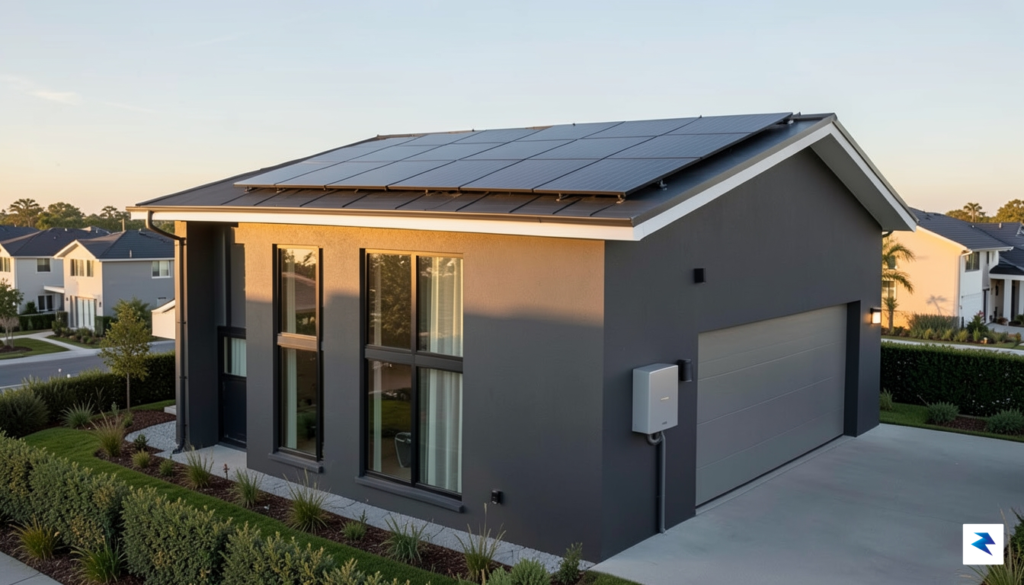
For the past decade, the financial argument for going solar was remarkably straightforward: homeowners simply installed panels, connected them to the grid, and watched their utility bills plummet through a policy known as net metering. Under this original framework, the grid acted as a giant, free battery. When your panels produced excess energy during the sunny afternoon, the utility credited your account at the full retail rate; when you needed power at night, you drew it back at that same rate. This “set it and forget it” model turned every rooftop into a passive income generator, making the return on investment predictable and highly attractive for millions of households.
However, as solar adoption has surged, the infrastructure of our electrical grid has struggled to keep pace with the influx of decentralized power. Utilities now argue that the old net metering model is fundamentally flawed, as it fails to account for the actual cost of maintaining the grid or the surplus of power that floods the system when everyone’s panels are peaking simultaneously. Consequently, states across the country are aggressively rolling back full-retail net metering in favor of “net billing” or avoided-cost models. In this new landscape, the value of the electricity you export to the grid is often worth a fraction of what you pay to consume it, effectively shrinking the financial cushion that once made solar a guaranteed win.
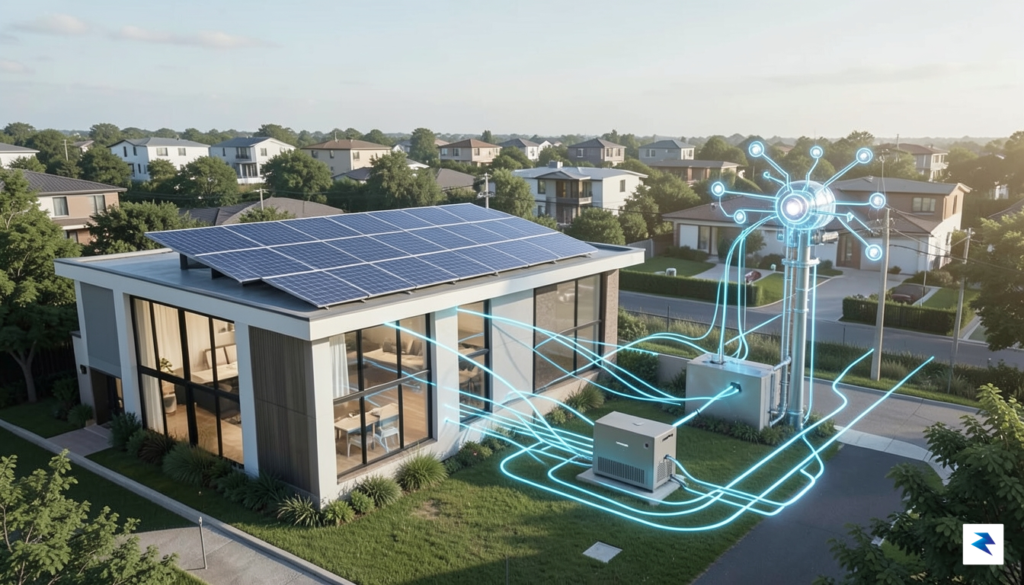
This transition marks the end of the era of passive solar ownership and the dawn of a more sophisticated, managed energy model. Homeowners can no longer rely on the grid to be their sole storage solution; instead, the new economics of solar demand active participation. To maximize savings today, residents must treat their solar systems like a complex financial portfolio, shifting energy-intensive tasks like laundry, dishwashing, and electric vehicle charging to coincide with peak daylight production. Furthermore, the integration of smart home batteries and energy management software has become essential, allowing users to store their own power for use during expensive evening hours rather than selling it back to the grid for pennies.
The future of residential solar is no longer about simply generating power; it is about intelligently managing when that power is produced, stored, and consumed to bypass the grid’s increasingly restrictive pricing structures.
Ultimately, while the days of “plug-and-play” savings are fading, the potential for solar remains high for those willing to adapt to this more nuanced reality. The system is evolving from a simple commodity exchange into a dynamic ecosystem where the homeowner acts as the manager of their own micro-utility. By leveraging advanced technology and adjusting consumption habits, savvy adopters are still finding ways to achieve energy independence, though the strategy now requires a much deeper level of engagement than it did just a few years ago.
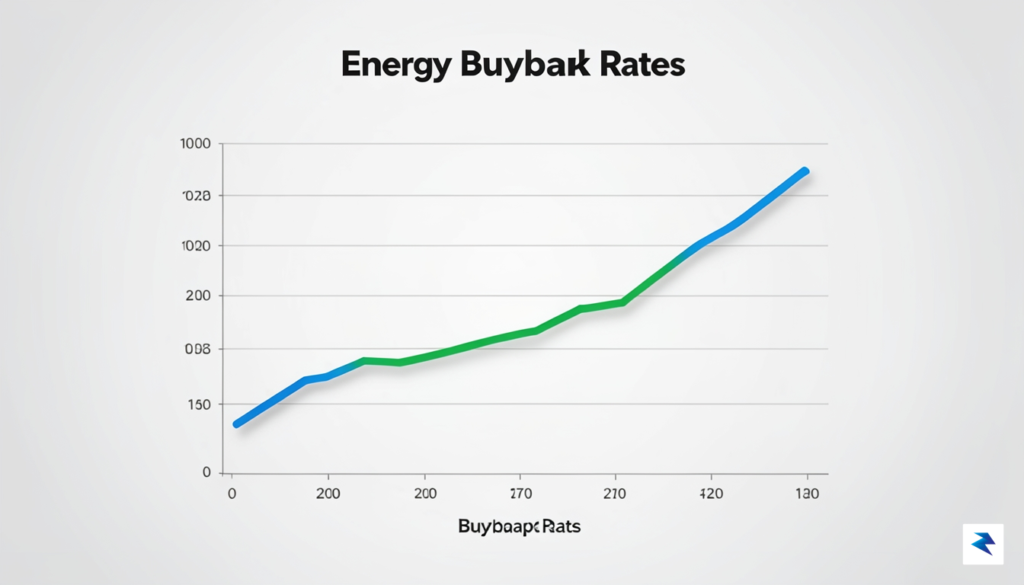
For years, the financial viability of residential solar was anchored by a policy known as net metering. Under original net metering agreements, homeowners were compensated for the excess electricity their solar panels pushed back onto the grid at the full retail rate—the same price they paid to purchase power from the utility. This essentially allowed homeowners to treat the grid like a giant battery, banking credits during the day to offset the costs of nighttime usage. However, as solar penetration has increased, utilities have moved toward a framework often described as Net Metering 2.0 or 3.0, which fundamentally alters the exchange rate between the homeowner and the grid operator.
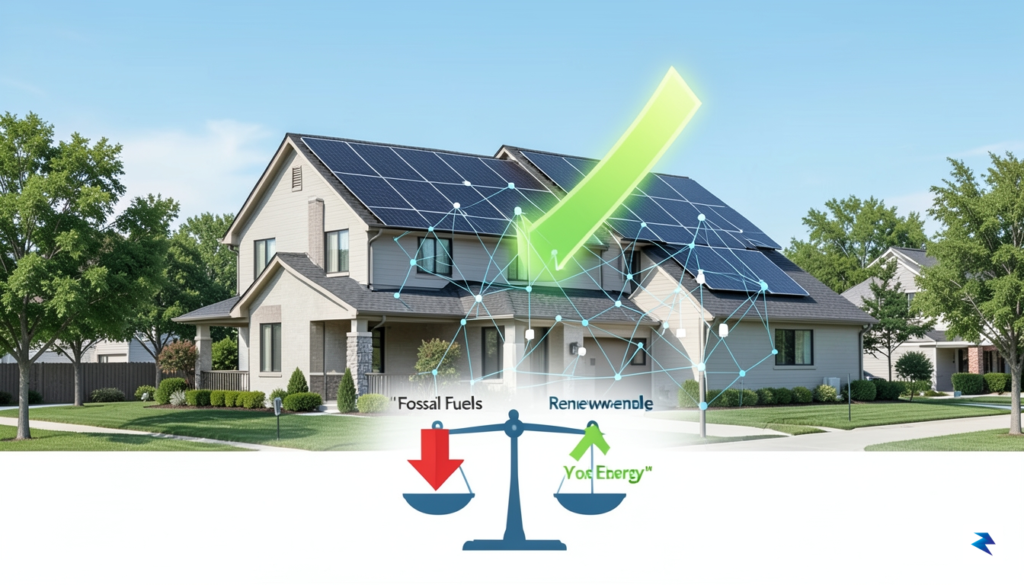
The core of this shift lies in the move away from retail-rate compensation toward what regulators call “avoided cost” rates. Instead of receiving a dollar-for-dollar credit, solar owners are now frequently compensated based on the wholesale value of the electricity—the price the utility would pay to generate that power themselves or purchase it from a large-scale power plant. Because wholesale rates are significantly lower than retail rates, the financial credit a homeowner receives for a kilowatt-hour of solar energy is drastically reduced. Consequently, the surplus power generated by your roof is no longer a tool to eliminate your monthly bill entirely; it has become a minor rebate that barely scratches the surface of your utility service fees.
The transition from retail-rate net metering to avoided-cost compensation represents a permanent pivot in solar economics, shifting the focus from grid-dependency to self-consumption.
The financial ripple effects of these policy changes are substantial, particularly regarding the “payback period”—the amount of time it takes for the energy savings to cover the initial cost of the solar installation. In the past, a system might pay for itself in five to seven years because the high-value credits made the solar investment highly aggressive. With the new, lower buy-back rates, that timeline often stretches to ten, twelve, or even fifteen years. For many households, this shift means that the economic argument for solar is no longer about net-zero billing, but rather about hedging against future utility rate hikes and increasing energy independence. As utilities continue to refine these compensation structures, homeowners must adjust their expectations, viewing their solar investment less as a “money-maker” and more as a long-term utility bill stabilizer.
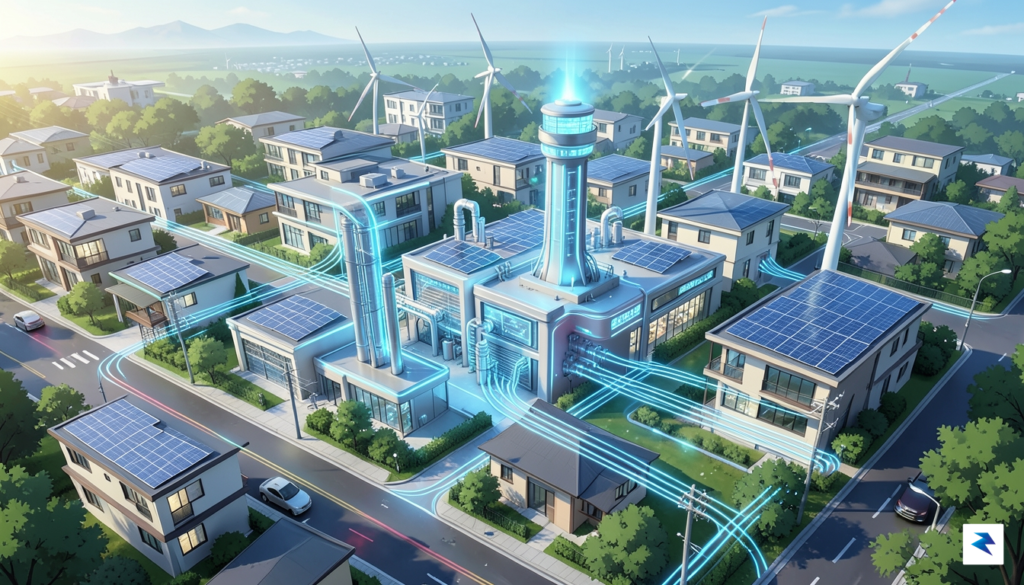
At the heart of the friction between homeowners and utility companies lies a fundamental engineering dilemma: our electrical grids were originally designed as one-way streets, built to carry power from massive, centralized plants to passive consumers. Today, the rapid proliferation of residential solar panels has transformed millions of homes into active producers, effectively turning those one-way streets into complex, two-way intersections. This shift creates a phenomenon known as the duck curve, a visual representation of the mismatch between solar energy production and consumer demand. During the middle of the day, solar generation is at its peak, often flooding the grid with more electricity than local infrastructure can comfortably handle. Then, as the sun sets and solar production drops off precisely when families return home and turn on their appliances, utilities are forced to rapidly ramp up traditional power plants to fill the sudden void.
Managing this volatility is an immense challenge for aging electrical infrastructure that was never intended to handle such rapid fluctuations. When too much solar power is pushed back onto local distribution lines, it can cause dangerous voltage spikes that threaten to damage utility equipment and household electronics alike. To maintain grid stability, utility providers argue that they must invest heavily in grid upgrades—such as smart transformers and advanced energy storage systems—to accommodate these bidirectional flows. Consequently, many utilities are moving away from traditional net metering policies, which previously allowed solar owners to sell excess electricity back to the grid at retail prices, in favor of structures that more accurately reflect the cost of managing this intermittent power.
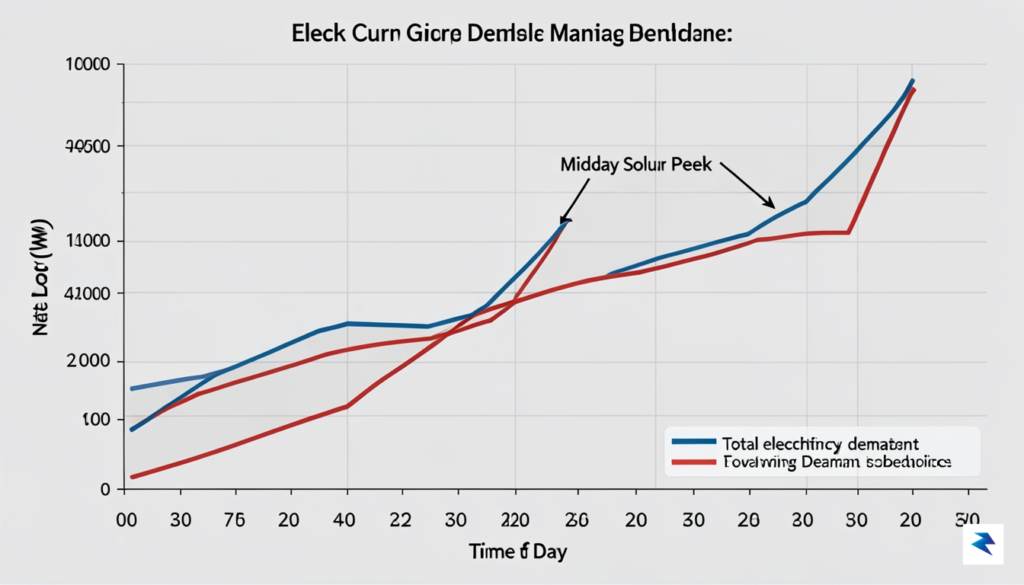
The push for policy changes is fundamentally a quest to incentivize a more balanced relationship between decentralized solar assets and the centralized power grid. Utilities are increasingly advocating for rate structures that encourage homeowners to store their midday solar energy in home batteries rather than exporting it back to the grid. By shifting the focus from simply generating energy to managing it, utilities hope to alleviate the strain on transformers and substations while ensuring a more reliable supply for everyone. This transition is not merely about cost recovery; it is a necessary evolution to prevent grid instability as the country moves toward a cleaner, more electrified future.
“The grid is a living, breathing machine that requires near-perfect balance between generation and demand every millisecond of the day; decentralized solar, while beneficial, demands a new, smarter approach to how that balance is maintained.”
Ultimately, the objective is to modernize the grid to handle a high-penetration renewable landscape without sacrificing reliability. While these policy shifts may feel like a setback for those hoping to maximize their monthly savings, they represent a broader attempt to address the physical limitations of our current electrical backbone. Moving forward, the most successful solar adopters will likely be those who treat energy storage as a core component of their system, helping the grid manage the peaks and valleys of a renewable-heavy power supply.
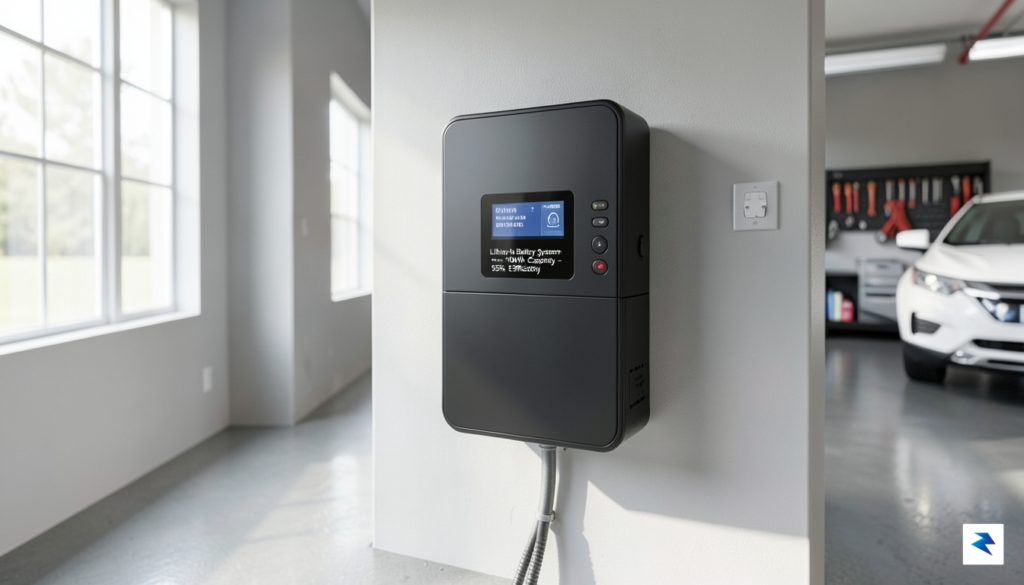
For years, the gold standard of residential solar was a simple grid-tied system that treated the local utility provider like a giant, infinite battery. You generated power during the day, pushed it onto the grid, and pulled it back at night, often benefiting from one-to-one net metering credits. However, as utilities have slashed these export rates, the economic logic of solar has undergone a fundamental transformation. Today, the most prudent path forward is no longer just generating power, but managing when and how you use it. This shift has turned home battery storage from a “nice-to-have” luxury into the core engine of a modern, financially viable solar investment.
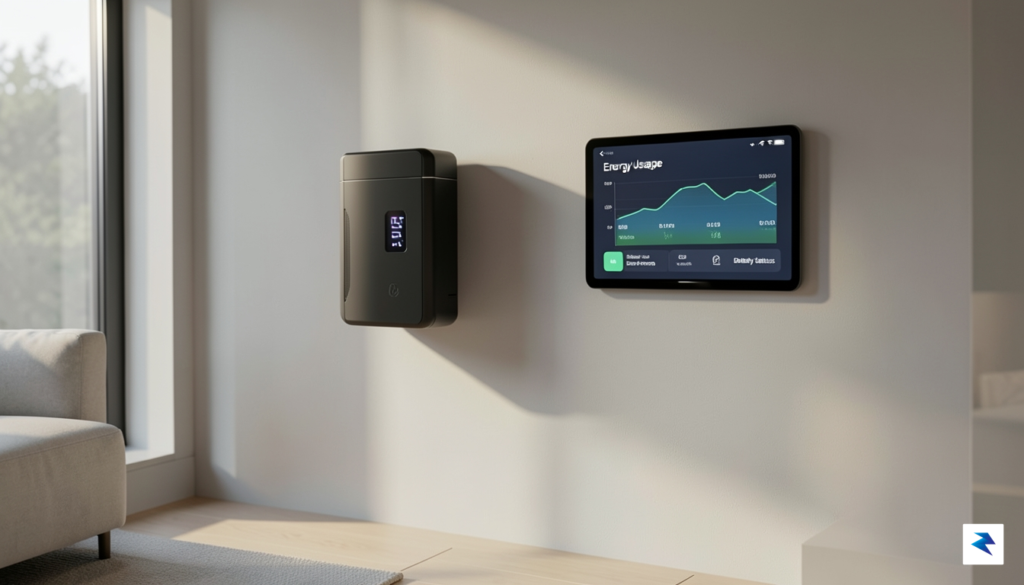
The primary driver behind this evolution is the concept of self-consumption. When utility companies pay only pennies for the energy you send back to the grid, the incentive to export disappears. Instead, homeowners are finding that the highest return on investment comes from storing excess daytime solar production to cover their needs during the peak evening hours. By keeping your electricity “behind the meter,” you avoid buying expensive grid power during the times when rates are at their highest. This transition effectively turns a standard solar installation into a sophisticated, grid-interactive energy ecosystem capable of insulating your household from unpredictable utility price hikes.
The shift toward self-consumption represents a move from being a passive energy producer to becoming an active manager of your own power supply, effectively turning your home into a micro-utility.
Beyond simple self-consumption, smart battery systems enable what experts call “time-of-use (TOU) arbitrage.” Many modern utility plans now feature variable pricing, where electricity costs significantly more during the late afternoon and early evening—precisely when solar production tapers off. A battery-backed system allows you to strategically discharge stored energy during these expensive windows while reserving grid intake for the off-peak, cheaper hours of the night. This sophisticated level of energy management requires a system that is both intelligent and programmable, ensuring that your home optimizes its financial performance automatically.
Ultimately, the move toward battery-integrated systems marks the maturation of the residential solar market. We are transitioning away from the era of “export-to-earn” and entering the era of “store-to-save.” By investing in adequate battery capacity, homeowners can reclaim control over their energy bills, increase their resilience during grid outages, and ensure their solar arrays remain a powerful financial asset rather than a depreciating utility credit generator. As the grid becomes more volatile, the ability to buffer your own energy consumption is the most logical technical evolution for any solar-powered home.
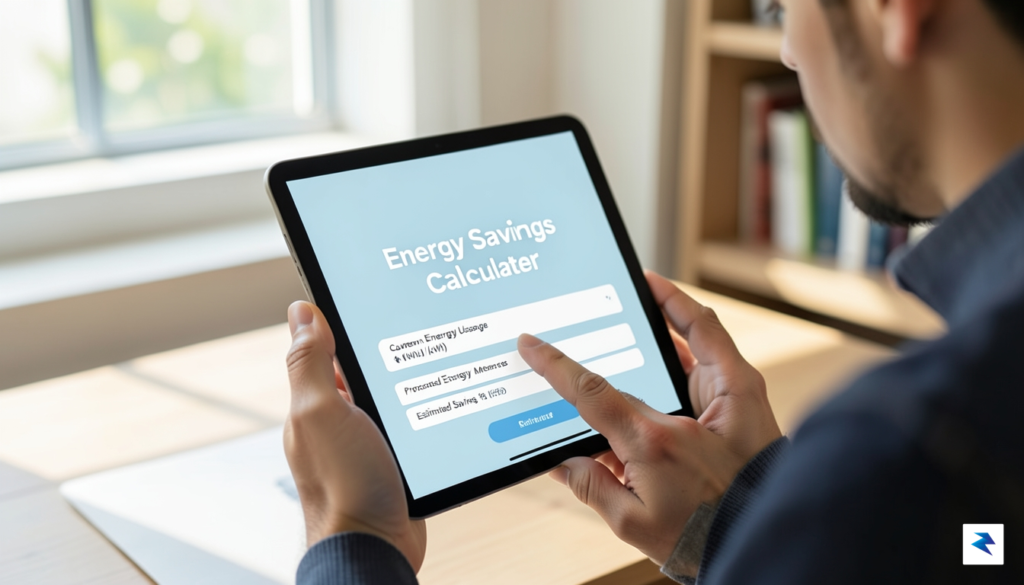
Evaluating the financial viability of a solar installation has evolved from a simple calculation of monthly utility savings to a complex exercise in long-term energy management. In an era where many utility companies are transitioning away from favorable net-metering policies—or implementing “grid-access fees”—the traditional payback period model is no longer sufficient. To truly understand your return on investment today, you must shift your perspective from viewing solar as a passive billing reduction tool to viewing it as an active, integrated home energy asset. This requires a more granular approach that accounts for upfront capital expenditures, the inclusion of battery storage systems, and the dynamic nature of time-of-use (TOU) pricing.
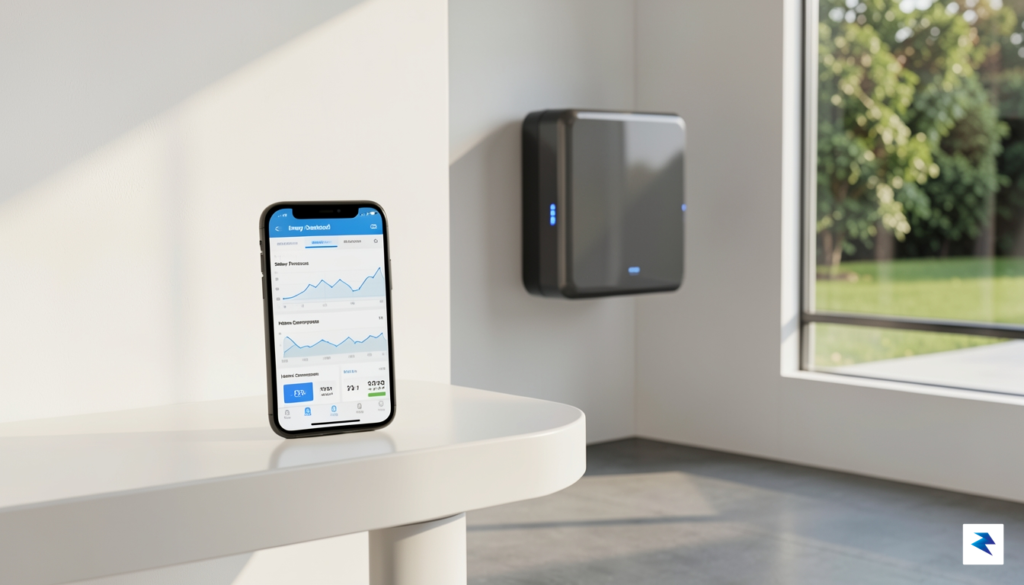
The first step in this updated financial framework is to integrate the cost of energy storage into your initial budget. While batteries significantly increase the upfront price of a system, they are increasingly essential for capturing the maximum value of your production. By storing excess daytime energy rather than exporting it to the grid for a meager credit, you insulate your household against peak-hour utility rates. When calculating your ROI, you should amortize the battery’s lifespan against the savings generated during those expensive evening hours. If your local utility charges a premium for electricity between 4:00 PM and 9:00 PM, a battery can pay for itself by allowing you to operate entirely on self-generated power during those windows, effectively bypassing grid-based inflation.
Key Takeaway: In a post-net-metering environment, the goal is no longer just to generate the most electricity; the goal is to optimize self-consumption. The higher your rate of self-consumption, the faster your system will reach its break-even point.
Beyond hardware, your ROI calculation must now incorporate an understanding of your home’s specific load profile. Modern solar economics favor homeowners who can shift their heavy energy usage—such as running dishwashers, clothes dryers, or electric vehicle chargers—to the middle of the day when solar panels are producing at peak capacity. By aligning your consumption habits with your production curve, you minimize the amount of energy you need to pull from the grid. You should also verify that your ROI forecast includes the federal solar investment tax credit (ITC), which remains a powerful lever to offset the total project cost. When you combine these tax incentives with the avoidance of future rate hikes from your utility provider, solar remains a compelling financial hedge, provided you are willing to manage your energy consumption with the same intentionality as you would any other significant household investment.

Navigating the changing landscape of residential solar energy requires a shift in mindset from simple “grid-tied abundance” to a strategy rooted in self-sufficiency and intentional usage. Because utilities are increasingly reducing the credits they offer for exported power, the most effective way to protect your investment is to design a system that prioritizes self-consumption. Rather than focusing solely on the total kilowatt-hours your panels can produce, work with your installer to analyze your household’s specific load profile. By sizing your array to match your actual daytime usage—and potentially adding battery storage—you can ensure that the electricity you generate stays within your home, effectively insulating you from the diminishing returns of net metering policies.
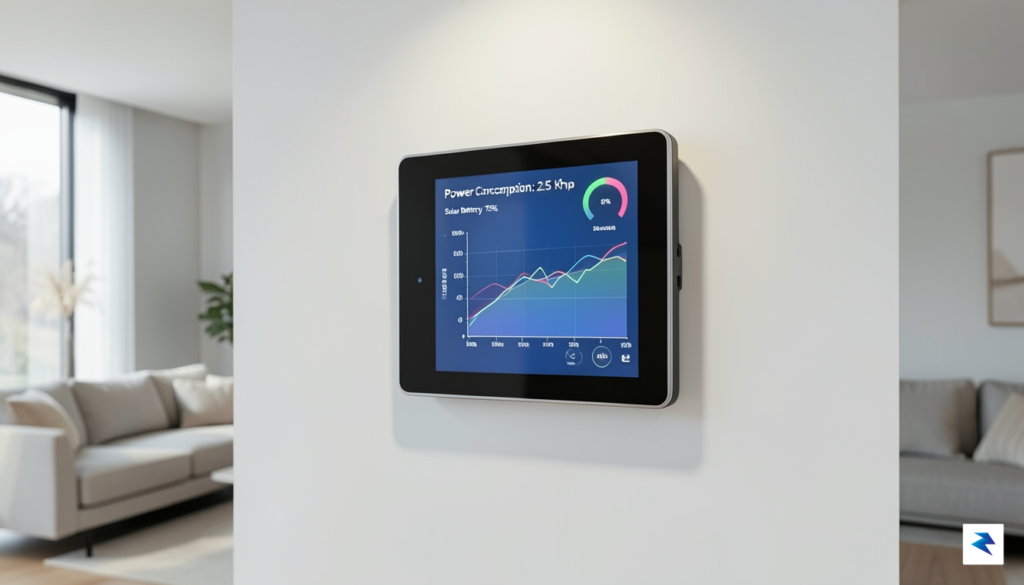
Beyond hardware, the secret to modern solar success lies in load shifting. Smart home energy management systems have moved from a luxury niche to an essential component of a robust solar strategy. By automating your heavy-duty appliances—such as electric water heaters, HVAC systems, and EV chargers—to run during peak sunlight hours, you maximize the value of every photon hitting your roof. This proactive approach transforms your home into a dynamic energy participant rather than a passive consumer, allowing you to bypass the punitive time-of-use rates that many utilities are now implementing to discourage solar adoption.
The goal of a modern solar installation is no longer to treat the grid like a free battery; it is to maximize your own energy independence while using the grid only as a secondary safety net.
Finally, your role in this energy transition extends beyond your own property lines. As states continue to adjust their solar incentives, local policy advocacy has become a critical tool for homeowners. Engaging with local utility commissions, attending town hall meetings, and supporting community solar initiatives can help push back against legislative rollbacks that threaten decentralized energy. By joining forces with neighborhood groups, you can advocate for fair compensation models that recognize the tangible benefits solar owners provide to the grid, such as reduced transmission line stress and lowered peak-demand requirements. Building a sustainable energy future is a collective effort, and your voice is a powerful instrument in ensuring that the economic door remains open for those who choose to invest in renewables.
You must be logged in to post a comment.