
The Energy Crunch: Why Data Centers Will Use 4x More Electricity by 2035
The Explosive Growth of Data Center Energy Demand The digital landscape is currently undergoing a structural metamorphosis, driven by a…
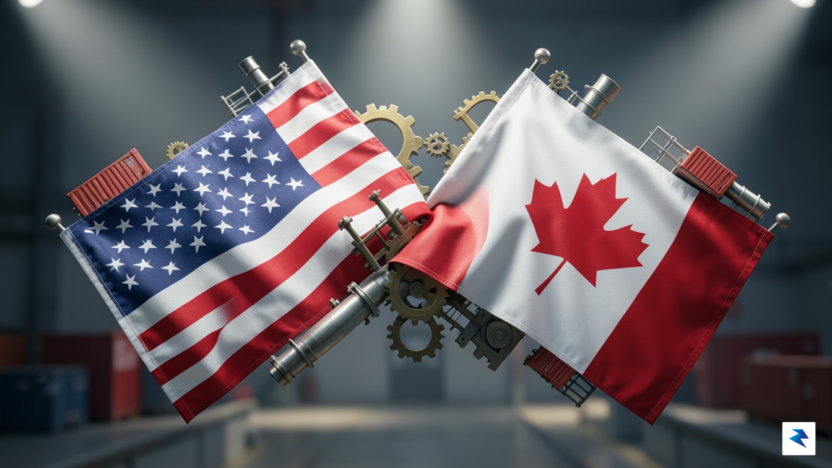

The recent decision by the Trump administration to impose a fresh wave of tariffs on Canadian goods marks a profound departure from the long-standing, stable economic partnership that has defined North American trade for generations. For decades, the border between the United States and Canada has functioned as a model of integration, characterized by highly optimized supply chains and a mutual reliance that transcends mere commerce. By abruptly pivoting toward aggressive protectionism, the U.S. government is signaling that historical norms—including the spirit of cooperation that underpinned previous agreements—are no longer the primary governing principles of its trade agenda. This shift represents a deliberate attempt to leverage the sheer size of the American market to force Canada into renegotiating specific trade concessions, effectively using economic pressure as a primary instrument of diplomatic policy.

This escalation is viewed by many market analysts as a critical turning point in North American economic diplomacy, as it challenges the assumption that proximity and political alignment offer insulation from protectionist measures. The move is not merely a technical adjustment of duties; it is a fundamental realignment of how the United States views its most vital trading partners. By targeting key sectors—ranging from energy and manufacturing to agriculture—the administration is systematically dismantling the predictable trade environment that businesses on both sides of the border have relied upon to plan long-term investments. Consequently, firms are now forced to navigate an increasingly volatile landscape where political volatility threatens the very foundations of cross-border commerce.
The imposition of these tariffs signals a move away from multilateralism toward a transactional approach where the stability of the U.S.-Canada alliance is being tested against the immediate goals of domestic industrial policy.
The intensity of this friction is further compounded by the starkly different philosophies held by those currently managing the economic fallout. On one side, the U.S. administration frames these actions as a necessary corrective measure to protect domestic interests, while Canadian officials, including influential voices like Mark Carney, are tasked with constructing a resilient defense that balances national sovereignty with the realities of economic interdependence. As the two nations navigate this period of heightened tension, the stakes extend far beyond the immediate cost of goods. The current situation is effectively testing the durability of institutional relationships, forcing leaders to decide whether they can return to a collaborative framework or if this is the start of a permanent era of adversarial trade relations.

Mark Carney has stepped into the eye of the geopolitical storm with a deliberate, calculated methodology that contrasts sharply with the reactionary impulses often seen in modern trade diplomacy. Leveraging his extensive tenure as the former Governor of both the Bank of Canada and the Bank of England, Carney brings a unique blend of macroeconomic literacy and international institutional experience to the current impasse. Rather than engaging in the hyperbolic rhetoric that frequently characterizes high-stakes trade disputes, he has opted for a strategy centered on the mechanics of supply chain integration and the long-term economic consequences of protectionism. By framing the conversation around the intrinsic, mutually beneficial nature of the Canada-U.S. economic corridor, he is effectively shifting the narrative from a political conflict to an assessment of shared industrial reality.

This approach serves as a critical stabilizing force for domestic markets, which are inherently jittery when faced with the threat of sweeping border levies. Carney’s public messaging is designed to reassure investors that Canadian policy is not driven by panic, but by a rigorous evaluation of leverage points. He consistently underscores the fact that American manufacturing is fundamentally tethered to Canadian inputs, suggesting that tariffs are essentially a self-imposed tax on U.S. producers. By articulating this argument with cool, evidentiary precision, he provides a psychological anchor for Canadian business leaders, preventing the kind of knee-jerk capital flight or divestment that often follows sudden shifts in international trade policy.
“The integration of our economies is not a policy choice—it is a structural reality that cannot be dismantled without significant, systemic cost to both sides of the border.”
Furthermore, Carney’s strategy represents a distinct departure from traditional political posturing, which often prioritizes domestic approval ratings over long-term economic stability. While typical political reactions might involve immediate, retaliatory threats—which risk escalating into a destructive trade war—Carney maintains a posture of pragmatic defiance. He navigates these waters by maintaining open channels of communication while refusing to concede the economic logic of free trade. This nuanced positioning allows Canada to present itself not as a victim of external pressure, but as a rational, indispensable partner that remains unfazed by transient political maneuvering. By prioritizing technical clarity over emotional reaction, Carney is effectively buying the Canadian government the time it needs to formulate a comprehensive, evidence-based response that addresses the specific vulnerabilities of the current administration’s demands.
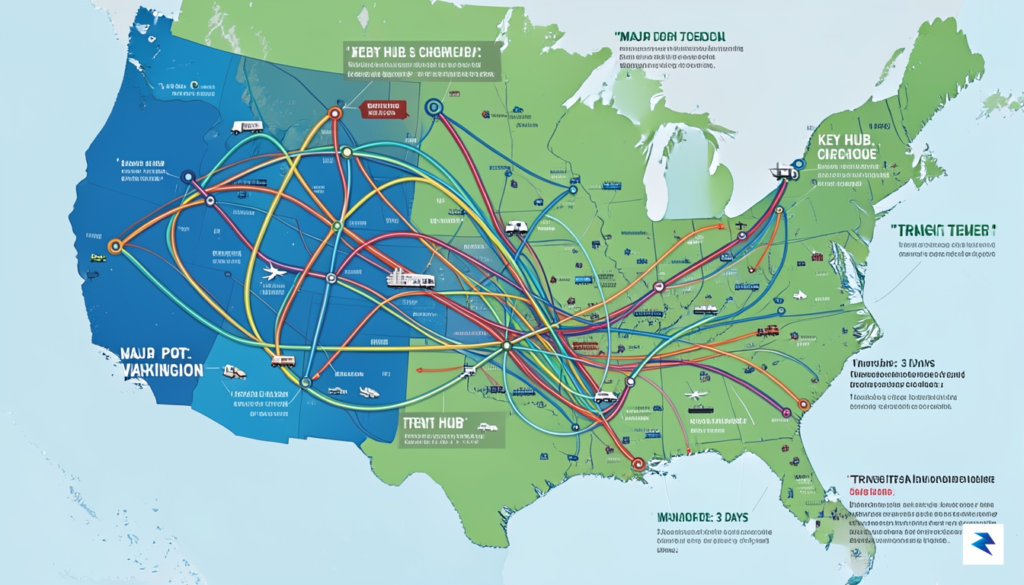
The North American economic engine is built on a foundation of seamless integration, where raw materials and finished components cross the border multiple times before reaching a final consumer. When tariffs are introduced into this delicate ecosystem, they do not merely add a line-item expense; they disrupt the rhythmic flow of just-in-time manufacturing. In the automotive sector, for instance, a single vehicle may rely on parts that cross the U.S.-Canada border several times during production. Imposing tariffs on these components creates a “bullwhip effect,” where small disruptions at the border are magnified into significant cost spikes, forcing manufacturers to either absorb thinner margins or pass the burden directly to consumers who are already grappling with vehicle affordability.
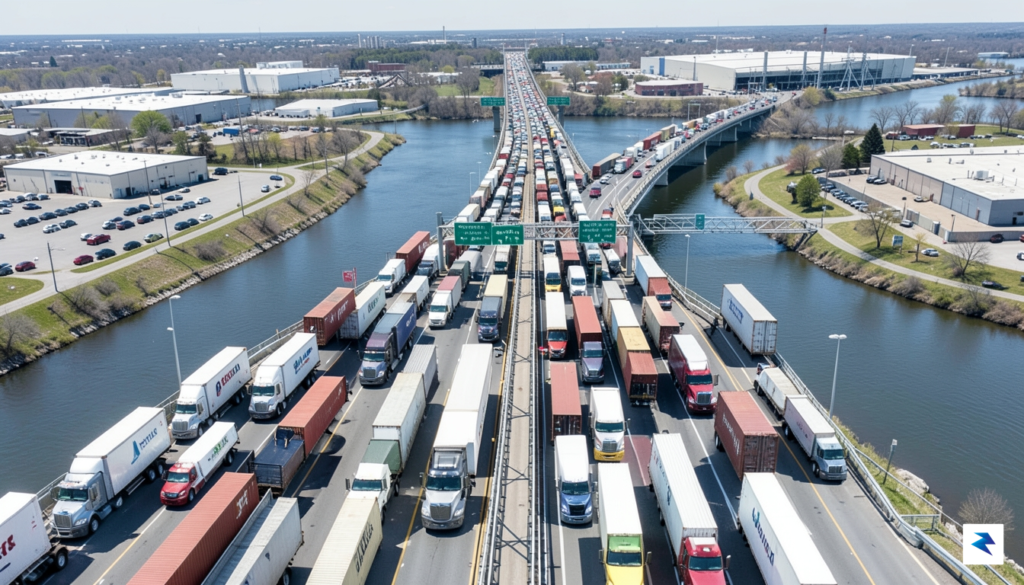
Energy and agriculture represent sectors where the integration is perhaps even more structural. The United States relies heavily on Canadian crude oil and hydroelectric power to fuel its industrial heartland, while Canadian farmers depend on U.S. markets for machinery and fertilizer. A tariff regime effectively functions as a tax on domestic manufacturers who rely on these imported inputs. When energy costs rise due to trade barriers, the inflationary pressure ripples across every sector that utilizes electricity or transportation, from steel mills to retail logistics. Similarly, agricultural trade barriers threaten to fracture established supply lines, potentially leading to food price volatility that affects households across the continent regardless of the side of the border they reside on.
The true danger of these tariffs lies not in the immediate tax, but in the long-term erosion of North American competitiveness. As businesses face persistent uncertainty, they are forced to consider decoupling their supply chains.
This shift toward decoupling poses a profound risk to the economic stability of the entire region. When firms perceive the border as a source of recurring friction rather than a facilitator of trade, they begin to reorganize their sourcing strategies, shifting away from cross-border partnerships in favor of more localized—and often less efficient—alternatives. This strategic retreat undermines the economies of scale that have made North American industries globally dominant for decades. By forcing companies to look inward, these tariffs threaten to dismantle the very efficiencies that have allowed the U.S. and Canadian markets to remain resilient against global competition. Ultimately, the move toward protectionism risks turning a highly synchronized continent into a collection of isolated, higher-cost markets.

For the average Canadian, the escalating rhetoric surrounding trade relations with the United States has moved from a distant geopolitical concern to a tangible source of domestic anxiety. As talk of sweeping tariffs dominates the news cycle, a palpable sense of apprehension has taken root across the country, affecting everything from manufacturing hubs in Ontario to the resource-rich provinces of the West. Yet, beneath this layer of worry, a surprising trend is emerging: a hardening of public resolve. Recent polling data suggests that Canadians are increasingly wary of bowing to external ultimatums, viewing the protection of their economic sovereignty as a non-negotiable priority. This collective determination is shifting the national mood, transforming what might have been a fractured political landscape into a more unified front against coercive trade tactics.

The political necessity for leadership to appear unflappable has never been more pronounced. In this high-stakes environment, Canadian officials—ranging from federal ministers to economic advisors like Mark Carney—are finding that their primary mandate is not just technical policy management, but the projection of steadfast stability. The public is looking for a clear, unwavering signal that the nation will not be easily pushed around. Consequently, political leaders are leaning into a narrative of resilience, emphasizing that while the country values its historical partnership with the United States, it is equally prepared to endure a period of economic friction to preserve its long-term interests. This approach serves a dual purpose: it shores up domestic support by validating the frustrations of the electorate, and it signals to international observers that Canada possesses the institutional fortitude to weather a sustained trade storm.
The strength of a nation during a trade dispute is measured not by its willingness to yield, but by the quiet confidence of its citizens to withstand short-term disruption for the sake of long-term economic independence.
Ultimately, the current climate is testing the boundaries of Canadian political consensus. While partisan debates are a staple of the democratic process, there is a visible cooling of internal hostilities as the gravity of the trade situation sets in. Opposing political factions are finding common ground in the necessity of a coordinated national response, recognizing that a disjointed strategy would only embolden external pressure. This newfound alignment is not merely a tactical maneuver; it reflects a deeper understanding that the current economic challenges are existential in nature. As the situation evolves, the government’s ability to maintain this sense of unity will be the ultimate litmus test for its leadership, proving whether they can translate public anxiety into a cohesive and effective economic defense.

The trajectory of this intensifying trade dispute remains shrouded in uncertainty, leaving stakeholders to navigate a landscape defined by both economic volatility and political brinkmanship. In the coming months, the path forward will likely be determined by whether the administration and Canadian leadership can find common ground through a strategic compromise or if they are destined for a protracted, damaging economic standoff. A negotiated settlement remains the most optimistic outcome, requiring both parties to prioritize regional supply chain integration over populist rhetoric; however, such an agreement would necessitate significant concessions that may be politically unpalatable in either Washington or Ottawa.

If diplomatic channels fail to yield a breakthrough, the situation could pivot toward a formal legal challenge via international trade bodies. While the World Trade Organization offers a framework for arbitration, the process is notoriously slow and often bypassed by unilateral actions, meaning a legal victory might arrive too late to mitigate the immediate fallout for businesses and consumers. Alternatively, we may witness a long-term shift toward domestic protectionism, where both nations double down on insulating their economies. Such a strategy would likely lead to higher consumer prices and reduced competitiveness, effectively unwinding decades of North American market integration.
The resilience of the North American economy has historically relied on the seamless flow of goods and services; any disruption to this foundation risks destabilizing the very security architecture that both nations have spent generations building.
Ultimately, the importance of this relationship extends far beyond mere trade statistics. The Canada-U.S. partnership is a cornerstone of regional stability, and the current friction threatens to erode the trust essential for cooperation on broader security and environmental mandates. Whether through a tactical cooling of tensions or an unfortunate escalation into a trade war, the decisions made in the near term will echo for years to come. Policymakers must now weigh the immediate political gains of protectionist measures against the long-term reality that, in a globalized economy, isolationism is rarely a path to sustainable prosperity. As the situation develops, the ability of both Mark Carney and his American counterparts to manage domestic pressures without sacrificing the integrity of the bilateral bond will be the ultimate test of their statesmanship.
You must be logged in to post a comment.