The New AI-Targeting Malware: Why Your Development Pipeline Is Under Threat
The Evolution of AI-Centric Cyber Threats The rapid integration of artificial intelligence into the core of global business operations has…
For decades, Apple’s financial engine has been powered by the classic transactional model: a customer walks into a retail store or visits the online shop, pays a premium, one-time price for a device, and walks away as the sole owner. This strategy turned the company into a global titan, predicated on high margins and the prestige of owning the latest hardware. However, as smartphones reach a plateau in technical innovation and component costs continue to climb due to global supply chain volatility and persistent inflation, the traditional “purchase-and-forget” model is facing significant strain. Apple is finding it increasingly difficult to convince consumers to drop over a thousand dollars every twelve months, leading to a necessary pivot toward more flexible, service-oriented ownership structures.
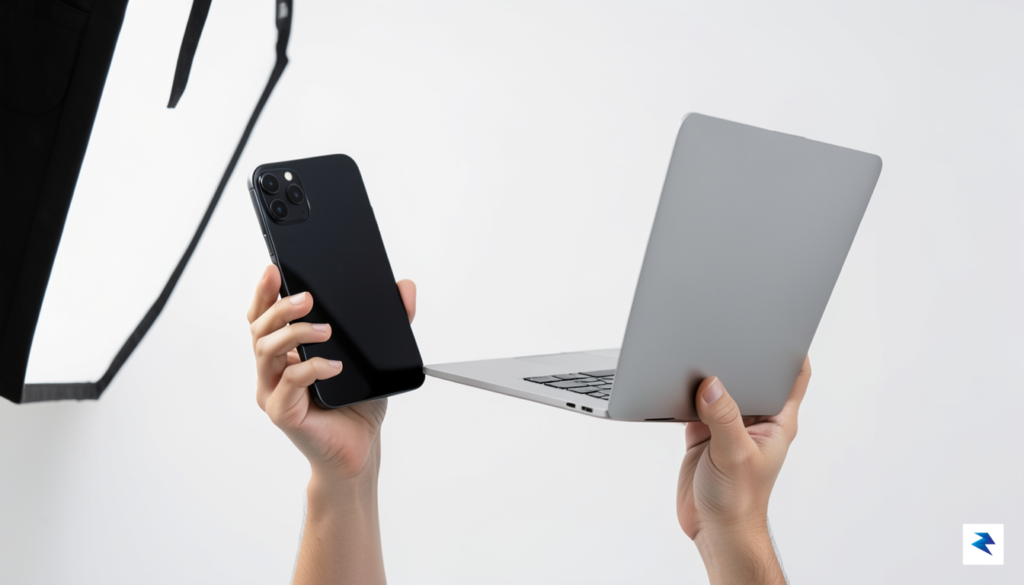
This shift is not merely a reaction to current market conditions, but a strategic move to insulate Apple’s revenue against the cyclical nature of hardware sales. By transitioning from a seller of products to a provider of ecosystems, Apple can smooth out its earnings through recurring monthly payments. This leasing-style model acts as a powerful buffer against economic headwinds; when hardware prices hit record highs, a subscription fee lowers the barrier to entry, allowing the company to maintain its massive installed base of users. Essentially, Apple is transforming its hardware from a standalone luxury asset into a utility that is constantly refreshed, ensuring that users remain tethered to the Apple ecosystem regardless of their immediate disposable income.
The move toward a subscription-based hardware model represents the final step in Apple’s multi-year effort to monetize the entire lifecycle of its products, shifting the user relationship from a single point of sale to an ongoing service agreement.
Behind the scenes, this transition also serves to redefine the relationship between the company and its customer base. By reframing the user as a “subscriber” rather than a one-time “consumer,” Apple effectively secures a predictable, long-term revenue stream that is less susceptible to the volatility of global tech spending. This evolution allows the company to integrate additional services—such as AppleCare+, iCloud storage, and Apple Music—directly into the hardware cost, creating a “bundled” experience that makes it increasingly difficult for users to switch to competitors. Ultimately, as the lines between software and hardware continue to blur, this subscription strategy ensures that Apple remains the central hub of its users’ digital lives, turning the occasional hardware upgrade into a seamless, perpetual state of being.
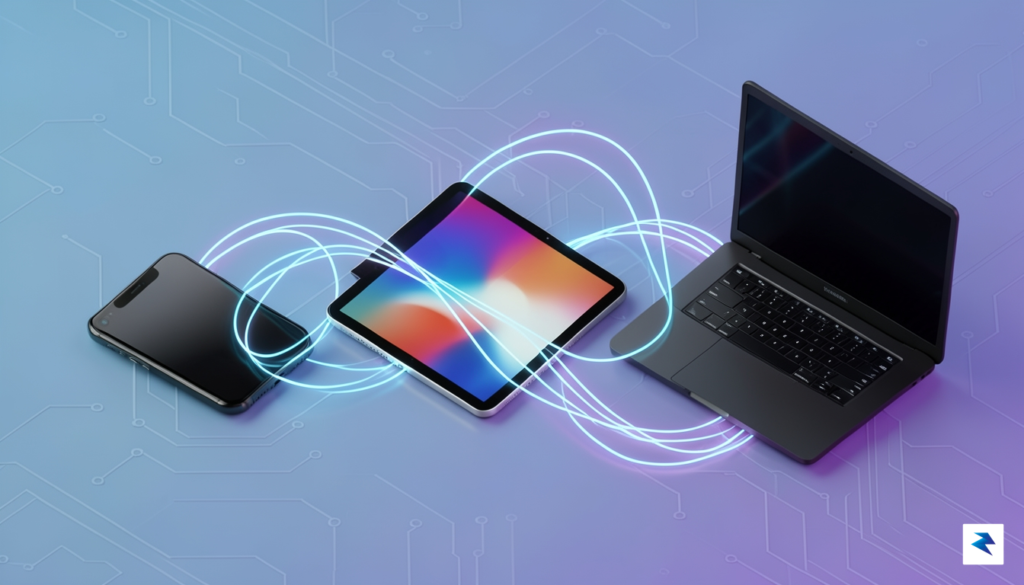
At its core, Apple’s proposed hardware subscription model functions much like an automotive lease, effectively shifting the consumer relationship from one of ownership to one of continuous utility. Rather than shouldering the burden of a steep upfront cost or committing to a multi-year interest-bearing loan, participants pay a recurring monthly fee that grants them access to the latest iPhone, iPad, or Mac. This model decouples the premium price tag of high-end hardware from the actual experience of using the device, allowing users to enjoy the peak of Apple’s technological innovation without the financial strain of an outright purchase. By restructuring the payment cycle, Apple aims to transform the smartphone from a durable, long-term asset into a service-oriented commodity, mirroring the successful transition the software industry underwent with cloud-based subscriptions.
The mechanics of this program differ significantly from the traditional financing plans Apple currently offers through its credit card or retail partnerships. While standard financing is essentially a structured loan designed to pay off the full retail price of a device over time, a true lease-to-own subscription focuses on the device’s lifecycle rather than its total value. In this rumored system, the contract duration would likely center on a fixed 12-to-24-month window, after which the user is granted the flexibility to either return the hardware, upgrade to the newest model, or potentially exercise an option to purchase the device outright for a residual value. This creates a predictable, perpetual loop of hardware refreshes, ensuring that subscribers are always carrying the most current processing power and camera technology without having to manage the logistical headache of reselling older devices on secondary markets.
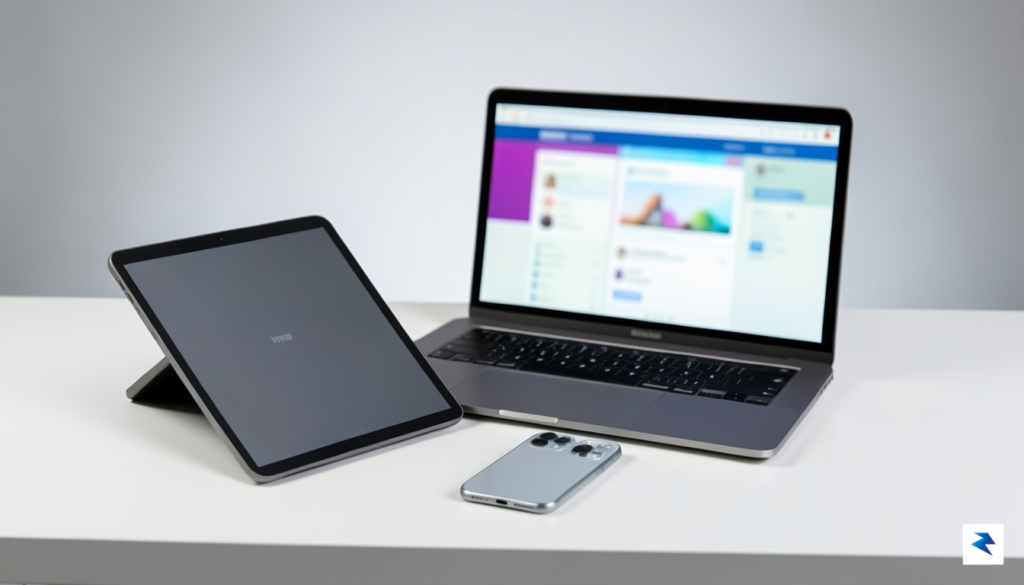
Ultimately, the subscription model is designed to prioritize the user experience over asset depreciation, making the most advanced technology accessible as a recurring service rather than a static investment.
For the average consumer, the most compelling aspect of this model is the seamless nature of the hardware refresh. When the subscription term concludes, the process is streamlined to remove the friction typically associated with hardware ownership: you simply return the aging device and receive the latest iteration in the mail or at a retail store. Because Apple retains ownership of the hardware, the company can streamline the logistics of refurbishing and recycling these units, which potentially keeps the monthly subscription costs lower than a standard installment plan might suggest. This creates a symbiotic relationship where the consumer enjoys a constant state of technological relevance, while Apple secures a more predictable, long-term recurring revenue stream that is less susceptible to the volatility of annual product launch cycles.
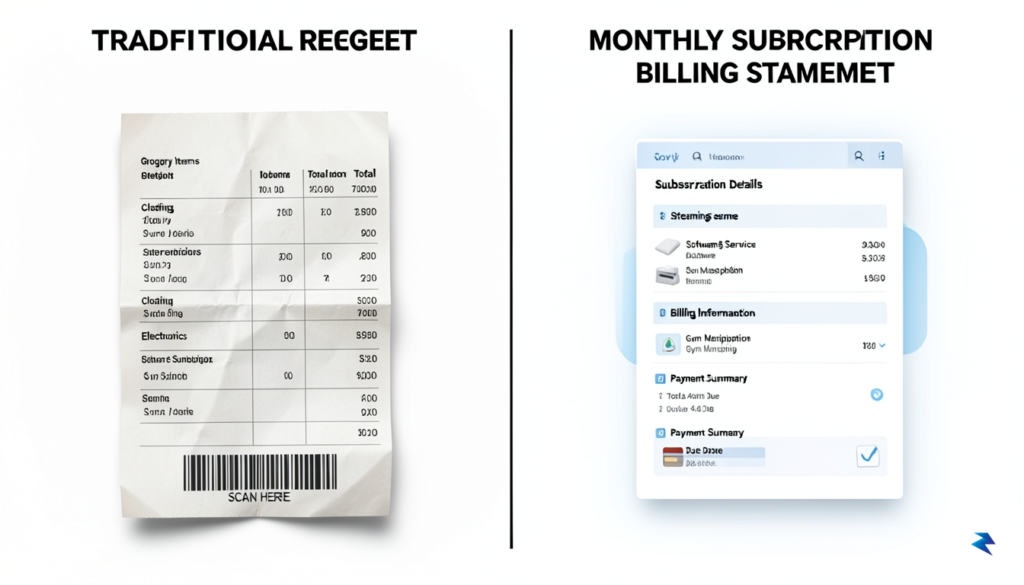
When considering Apple’s potential new hardware subscription program, the fundamental question for many consumers will boil down to a familiar dilemma: is it better to own your tech outright or to lease it? This isn’t a one-size-fits-all answer, as the optimal choice hinges significantly on your personal upgrade habits, current financial situation, and how you value convenience versus long-term savings. Evaluating the total cost of ownership over a typical 24-36 month period reveals distinct advantages and disadvantages for both approaches, impacting everything from your immediate cash flow to the eventual residual value of your device.
Opting to buy your iPhone, Mac, or iPad outright involves a significant initial capital expenditure. While this means a substantial upfront cost, it also grants you full ownership and the freedom to keep the device for as long as you wish, potentially extending its lifespan beyond the typical upgrade cycle to maximize your investment. Over a 24 to 36-month period, the total cost for an owner includes the initial purchase price, any sales tax, and potentially the added expense of AppleCare+ if you choose to protect your investment. However, at the end of this period, you still possess a tangible asset that retains some resale or trade-in value, which can partially offset your original outlay when you eventually decide to upgrade. This approach suits those who prefer to minimize recurring payments and who are comfortable managing the depreciation of their assets.
In contrast, a lease-to-own or subscription model, like Apple’s rumored program, fundamentally alters the financial equation. It typically requires a much lower, or even zero, upfront payment, making premium Apple devices more immediately accessible. Your financial commitment shifts to predictable monthly payments, which, while spread out, will accumulate over the 24-36 month term. A significant potential benefit of such a program is the likely inclusion of services like AppleCare+, which would otherwise be an additional annual cost for owners. Furthermore, these programs often provide a clear, hassle-free upgrade path, alleviating the burden of selling or trading in an old device yourself and essentially guaranteeing a certain “value” for your used hardware within the system.
The impact on personal cash flow is perhaps the most immediate differentiator. Purchasing outright demands a substantial one-time outlay, which might strain budgets or require dipping into savings. Once paid, though, your monthly expenses for the device itself cease, leaving only your service plan costs. On the other hand, a subscription model provides greater budget flexibility, allowing you to spread the cost over time through manageable monthly installments. This frees up capital that can be used for other investments or necessities, making high-end technology more attainable without a large initial financial hit. However, this convenience comes with the understanding that you are essentially paying for access rather than full ownership, and missing payments could have consequences on your ability to continue using the device.
Beyond the headline costs, there are several “hidden” benefits and considerations. For instance, if the subscription program bundles AppleCare+, this represents a considerable saving and peace of mind, as accidental damage coverage and priority support are valuable. Owners, conversely, must decide whether to pay for AppleCare+ separately or risk costly repairs out of pocket. Moreover, the guaranteed upgrade path offered by a subscription can be a huge time-saver and stress-reducer. You avoid the fluctuating market values of used devices and the effort involved in private sales or negotiating trade-ins. However, this convenience also means you surrender control over when and how you upgrade, adhering to the program’s terms.
Ultimately, the choice comes down to your priorities. If you are someone who consistently upgrades your iPhone, Mac, or iPad every one to two years, values the convenience of included services like AppleCare+, and prefers predictable, lower monthly payments over large upfront costs, then a hardware subscription program could be a highly appealing and financially sensible option. Conversely, if you tend to keep your devices for three years or longer, prioritize long-term cost savings by maximizing device lifespan, have the capital available for an upfront purchase, and prefer the flexibility of owning your technology outright, then buying remains the more economically advantageous path for you.
Key Takeaway: Choosing between owning and leasing Apple hardware depends on your upgrade cycle and budget. Leasing offers lower upfront costs and bundled services for frequent upgraders, while owning provides long-term value and control for those who keep devices longer.
The shift toward a subscription-based hardware model represents a fundamental transformation in how consumers interact with premium technology. By transitioning from a traditional one-time purchase model to a monthly fee, Apple effectively lowers the psychological and financial barrier to entry for high-end devices like the MacBook Pro or iPad Pro. For the average user, the prospect of dropping several thousand dollars at once can be daunting, but a predictable monthly payment makes these powerful tools feel far more accessible. This democratization of high-end hardware allows users to access the latest innovations without the immediate strain of a large capital expenditure, effectively turning luxury computing into a manageable utility expense.
For Apple, the strategic advantages of this model extend well beyond the immediate boost in recurring revenue. By formalizing a hardware-as-a-service ecosystem, the company secures a more predictable financial outlook, insulating itself from the volatility of seasonal upgrade cycles. Furthermore, this structure creates a powerful “lock-in” effect that deepens the user’s commitment to the Apple ecosystem. Once a customer is accustomed to receiving a new device annually or biennially as part of a subscription, the friction associated with switching to a competitor becomes significantly higher. It essentially integrates the user into a perpetual loop of hardware updates, ensuring that they are always utilizing the latest software features optimized for the newest silicon.
Beyond the financial and psychological benefits, this program offers a compelling environmental component that aligns with Apple’s broader sustainability goals. By regaining control over the lifecycle of its devices, Apple can ensure that older hardware is returned, refurbished, and recycled through official channels rather than languishing in a junk drawer or ending up in a landfill. This circular economy approach is vital for the company’s carbon neutrality efforts, as it allows for the reclamation of rare earth metals and high-value components that can be repurposed in future manufacturing runs. In this sense, the subscription model isn’t just about sales; it is a calculated effort to manage the entire lifespan of a product.
The true genius of a hardware subscription lies in its ability to turn a transactional relationship into a continuous partnership, where the user benefits from perpetual innovation and Apple benefits from sustained, long-term brand loyalty.
Ultimately, this model reframes the concept of ownership. While some purists may prefer the feeling of outright possession, the subscription model provides a stress-free alternative that guarantees the latest hardware is always in the user’s hands. As technology continues to evolve at a rapid pace, this arrangement provides a safety net that protects consumers against obsolescence, ensuring that the hardware they rely on for work and creativity remains consistently at the bleeding edge of performance.
As Apple leans deeper into the subscription economy, we are likely witnessing the dawn of a fundamental transformation in how the average consumer interacts with hardware. If Apple successfully normalizes the concept of leasing an iPhone or a MacBook, it is almost inevitable that major competitors like Samsung, Google, and Microsoft will follow suit to protect their market share. This shift toward a device-as-a-service model essentially turns high-end electronics—once considered major capital investments—into recurring operating expenses. For the industry, this pivot offers a powerful remedy for slowing upgrade cycles, as it effectively lowers the barrier to entry for expensive flagship devices while ensuring that users remain tethered to a specific ecosystem for the long haul.
Beyond competitive strategy, this shift has profound implications for the circular economy. By centralizing the hardware lifecycle, manufacturers can regain control over the secondary market, ensuring that returned devices are professionally refurbished and re-circulated rather than left to languish in junk drawers or end up in landfills. This closed-loop approach could significantly improve the sustainability profile of the tech industry, provided that companies prioritize longevity and repairability in their design language. However, there is a looming tension between the financial incentive to push frequent annual upgrades and the environmental necessity of keeping hardware in circulation for longer periods. If this subscription model encourages users to trade in perfectly functional devices every twelve months simply because the latest iteration is available, the net ecological cost could ironically increase despite the benefits of centralized recycling.
The true success of the subscription model will hinge on whether it evolves into a genuine service-based relationship or remains a sophisticated financial instrument designed to lock consumers into a perpetual cycle of hardware consumption.
Ultimately, we are approaching a crossroads where the ownership of hardware may become secondary to the utility of the service it provides. While tech enthusiasts have long prized the feeling of “owning” their devices, the mainstream market has already proven with streaming services and cloud storage that convenience often outweighs the desire for permanent possession. As these programs mature, we should expect to see bundled tiers that include not just the hardware, but also integrated warranties, cloud storage, and even software services under one unified monthly fee. Whether this becomes the new industry standard depends on consumer appetite for ongoing financial commitment; however, the move toward a subscription-based hardware model appears to be less of a fleeting experiment and more of a permanent evolution in how we sustain the digital tools that define our daily lives.
You must be logged in to post a comment.