
The Digital Iron Curtain: Will the US and China Wall Off AI?
The Emerging Tech Iron Curtain The era of seamless global technological integration is rapidly receding, replaced by a strategic imperative…
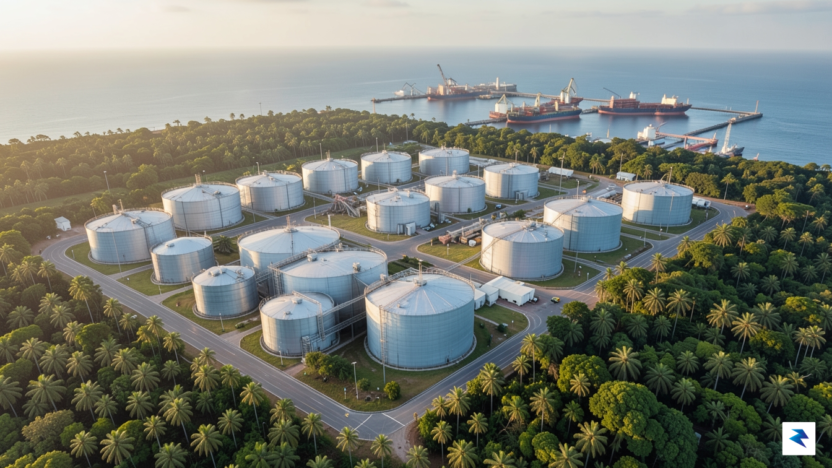
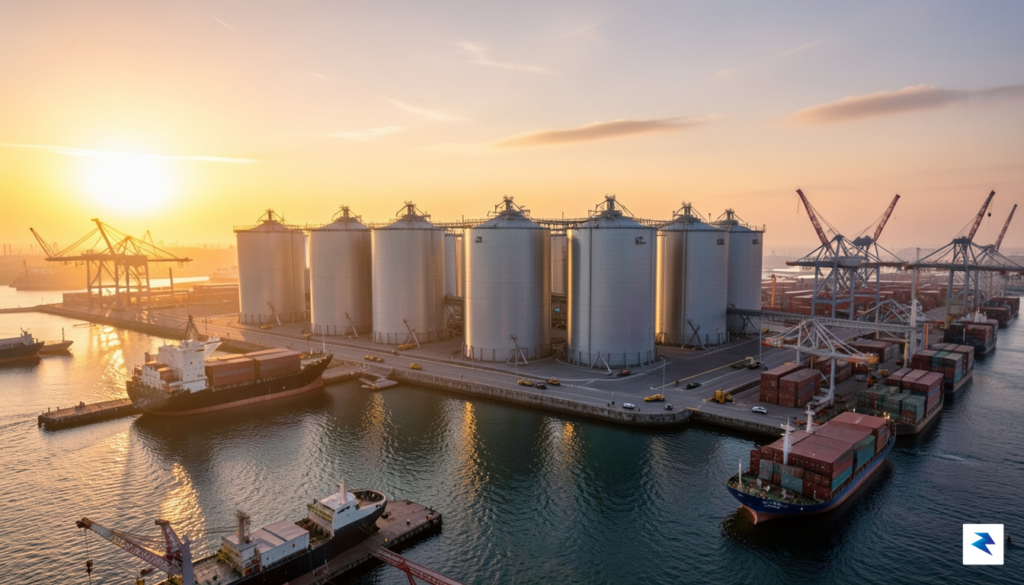
For decades, many emerging economies operated under the efficiency-driven mantra of “just-in-time” fuel delivery, trusting that global markets would provide a seamless flow of crude oil at predictable prices. However, the escalating energy crisis fueled by regional instability in the Middle East—specifically the ongoing tensions involving Iran—has shattered this illusion of stability. As maritime corridors face increased risks and supply chains become paralyzed by geopolitical posturing, developing nations are realizing that relying solely on the spot market is a gamble they can no longer afford. The vulnerability of these countries has been laid bare, forcing a fundamental pivot away from lean inventory models toward the creation of robust, sovereign-controlled energy buffers.
This strategic shift represents a move toward national autonomy, where energy security is no longer viewed as a commodity to be bought, but as a critical infrastructure asset to be stockpiled. By investing in Strategic Petroleum Reserves (SPR), nations are effectively insulating their domestic industries from the wild price swings that characterize the current, volatile geopolitical landscape. Rather than being held hostage by sudden supply disruptions or the weaponization of trade routes, these governments are prioritizing long-term resilience. This transition is not merely a bureaucratic adjustment; it is a defensive maneuver designed to protect fragile economies from the inflationary shocks that typically accompany energy supply crunches.
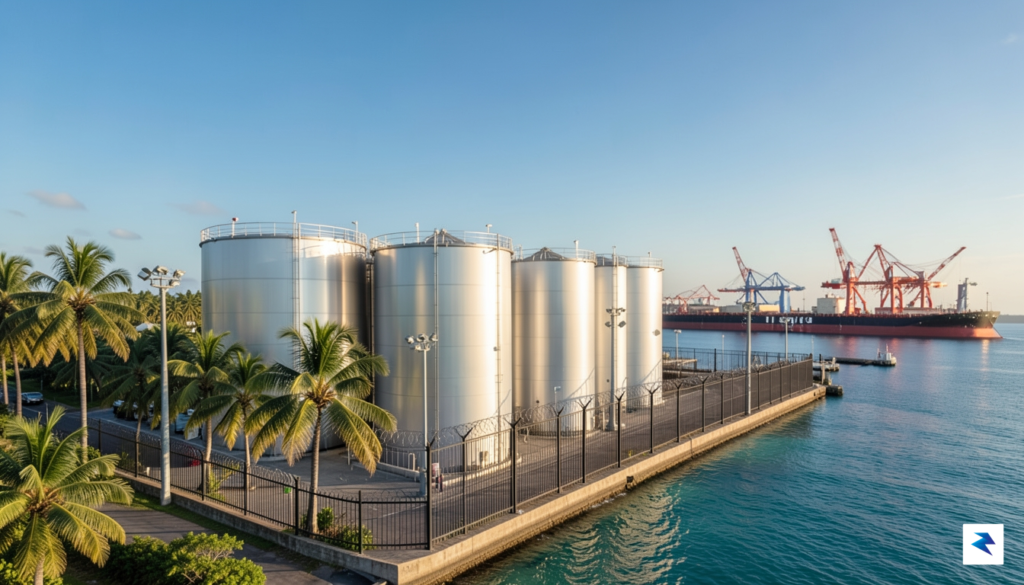
The Philippines and similar rapidly growing economies in Asia are leading this necessary transformation, recognizing that their industrial development depends on a stable, uninterrupted energy supply. For these nations, the volatility in the Middle East acts as a clear warning that the era of unfettered energy abundance is over. By building out domestic storage capacity, they are creating a financial and physical cushion that allows for controlled responses to external shocks. This proactive approach grants policymakers the breathing room needed to navigate crises without resorting to panic-buying or immediate, catastrophic price hikes for consumers and manufacturers alike.
True energy independence in the 21st century is defined not just by domestic production, but by the strategic capacity to weather external supply failures through foresight and stockpiling.
Ultimately, the move toward building these oil buffers marks a permanent change in how developing nations engage with the global energy market. They are moving away from a passive, reactive posture toward one of calculated preparation. As they integrate these reserves into their national economic strategies, these countries are establishing a new baseline for resilience that will likely define their competitive advantage in an increasingly unpredictable world. By prioritizing sovereign control over energy inventory, they are effectively building a wall against the chaos of global geopolitical conflicts, ensuring that their growth trajectories remain intact regardless of the instability in distant oil-producing regions.

For many developing nations across Asia, the reliance on imported fossil fuels is not merely a matter of economic policy; it is the fragile lifeblood that powers daily existence. Countries like the Philippines, Vietnam, and Thailand operate on energy-intensive industrial models that are heavily dependent on global oil markets, leaving them disproportionately exposed to the volatility of the Middle East. Because these nations lack the domestic production capacity to insulate themselves from geopolitical shocks, a sudden spike in crude prices acts as an immediate tax on every facet of their national productivity. When the global price of oil rises, the cost of moving goods, generating electricity, and fueling manufacturing plants surges in tandem, creating a cascading effect that hits the most vulnerable populations the hardest.
The economic fallout of these price spikes is often described as a “multiplier effect,” where a marginal increase in the cost of a barrel of oil triggers a disproportionate rise in local inflation. In emerging markets, fuel costs are deeply embedded in the price of basic staples; transportation expenses for agricultural produce, the electricity required for cold storage, and the fuel needed for manufacturing all rise simultaneously. This inflationary pressure quickly erodes the purchasing power of the average worker, forcing households to choose between essential services and basic necessities. Consequently, central banks in these regions are often forced into a difficult position, where they must raise interest rates to combat imported inflation, even if those hikes risk stifling local economic growth and slowing vital infrastructure development.
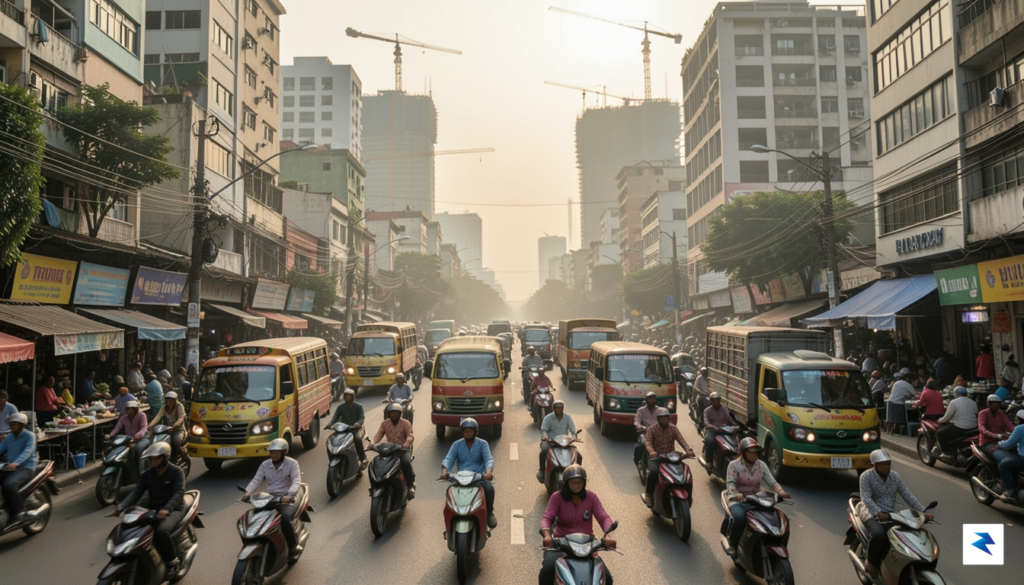
Historically, emerging Asian economies have shown a recurring vulnerability to external shocks because they often operate with a “just-in-time” energy supply chain. Unlike more advanced economies that maintain massive strategic petroleum reserves, many developing nations lack the capital-intensive storage infrastructure required to build meaningful buffers. This reliance on short-term procurement means that these countries are forced to purchase oil at whatever price the market dictates during a crisis, leaving them with no cushion against supply chain disruptions. The absence of these buffers turns minor geopolitical tensions into full-blown domestic emergencies, highlighting a critical structural weakness that continues to impede long-term economic stability.
The true cost of oil volatility in emerging markets is not just found in the price of gasoline, but in the stalled industrial projects and the rising cost of living that threaten to derail years of socioeconomic progress.
To mitigate these recurring threats, regional policymakers are increasingly recognizing that energy security is inextricably linked to national sovereignty. Without a shift toward more diversified energy portfolios or the development of regional storage cooperatives, these nations will remain perpetually susceptible to the whims of global oil markets. Moving forward, the race to build domestic buffers and invest in resilient infrastructure will be the defining challenge for Asia’s developing economies as they attempt to decouple their growth trajectories from the volatile swings of international energy politics.
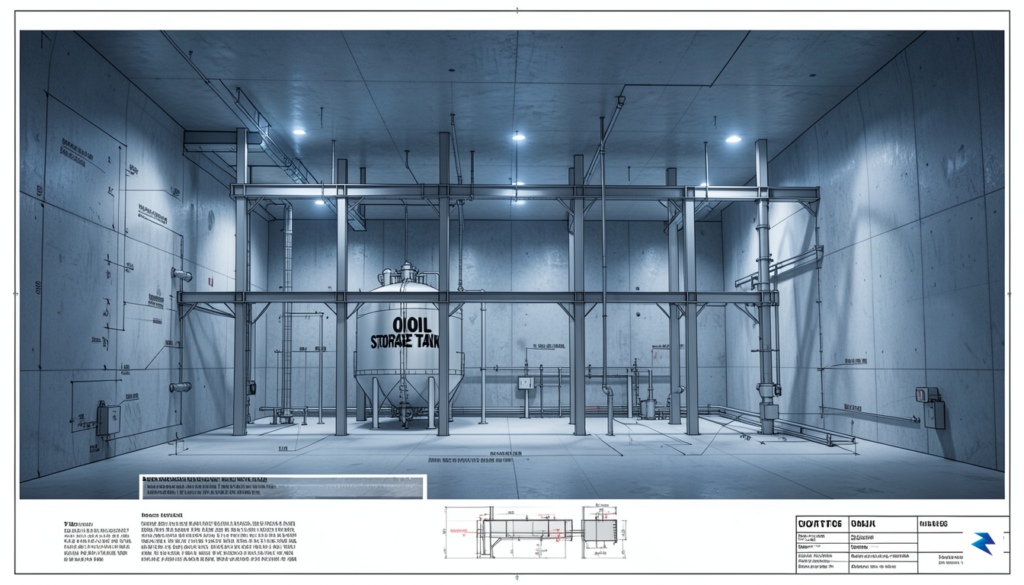
Constructing a strategic petroleum reserve is far more than a simple procurement exercise; it is an immense logistical and financial undertaking that requires years of meticulous planning. At the heart of this challenge is the daunting capital expenditure required to establish physical storage infrastructure. Nations must choose between two primary methods: traditional above-ground tank farms or deep-underground salt caverns. While tank farms offer easier accessibility and faster deployment, they require vast tracts of land and are susceptible to environmental risks, including leaks and fire hazards. Conversely, salt caverns provide a highly secure, low-maintenance environment that is naturally shielded from surface-level volatility, but they require specific geological formations that are not available in every region, necessitating expensive surveys and specialized engineering.
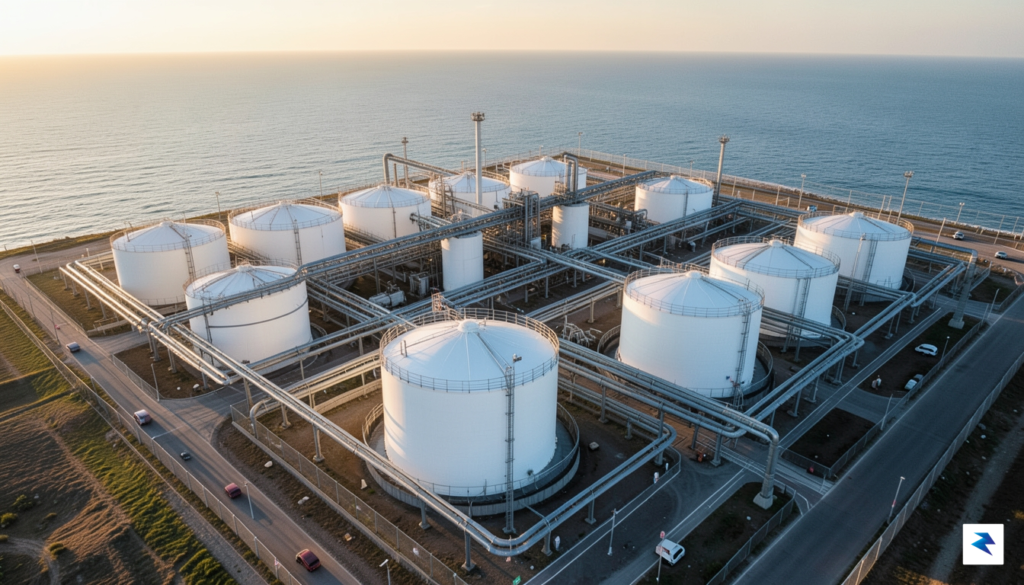
Beyond the physical construction, the financial reality of filling these reserves presents a grueling economic burden. Policymakers are frequently forced into a paradoxical position: they must aggressively purchase millions of barrels of crude oil to build a safety net, often doing so precisely when global supply constraints have driven market prices to peak levels. This “buy high” reality exerts significant pressure on national budgets, diverting critical capital away from other developmental sectors like infrastructure, education, or healthcare. Furthermore, the act of a major nation aggressively purchasing reserves during a supply crunch can inadvertently exacerbate the very price volatility they are attempting to insulate themselves against, creating a feedback loop that ripples through the global energy market.
The true cost of a strategic reserve is not merely the price of the oil sitting in the ground, but the opportunity cost of the capital tied up in a non-productive asset that serves as an insurance policy against the unknown.
To mitigate these costs, many developing economies are moving away from purely state-funded models toward sophisticated public-private partnerships. By incentivizing private refineries and fuel retailers to maintain minimum stock levels through regulatory mandates, governments can spread the financial responsibility across the private sector. However, this shift introduces its own set of hurdles, particularly regarding regulatory oversight and enforcement. Ensuring that private firms maintain high-quality stocks that are truly accessible during a national emergency requires a robust monitoring framework and the legal authority to seize or direct those assets when the crisis hits. Ultimately, the success of these programs depends on finding a delicate balance between fiscal responsibility and the hard-won resilience needed to survive in an increasingly unstable global energy landscape.
Strategic petroleum reserves function as far more than mere storage facilities for excess fuel; they are a critical insurance policy against the inherent volatility of global energy markets. When geopolitical instability disrupts the flow of oil, these reserves act as a shock absorber, preventing sudden supply shortages from paralyzing the national economy. By releasing stored barrels during peak periods of scarcity, governments can effectively dampen the extreme price spikes that would otherwise cascade through the economy, inflating the costs of everything from manufacturing and transportation to essential consumer goods. In this sense, the reserve is a macroeconomic stabilizer that buys policy makers the precious time needed to navigate international crises without resorting to panic-driven measures.
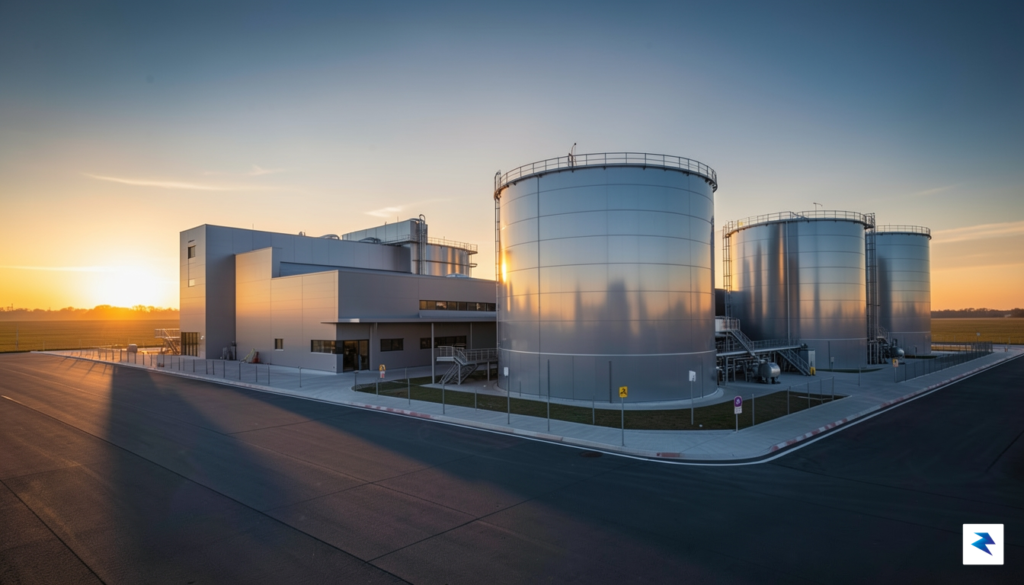
Beyond simple price suppression, these buffers allow governments to manage the transition to global market fluctuations with greater precision. Instead of subjecting businesses and households to the immediate, violent price swings typical of supply shocks, authorities can utilize reserve drawdowns to facilitate gradual adjustments. This strategy protects domestic industries from the sudden erosion of profit margins that often follows an energy spike, thereby maintaining consistent levels of production and employment. When markets recognize that a nation has the capacity to smooth out these fluctuations, it fosters a more predictable economic environment. This stability is inherently attractive to foreign investors, who prioritize energy security and reliable operational costs as key indicators of a nation’s long-term viability.
Strategic reserves transform energy from a source of vulnerability into a pillar of national security, providing the fiscal breathing room necessary to endure global turbulence.
However, the management of these reserves requires a delicate balance between the risks of over-reserving and under-reserving. Under-reserving leaves a nation perilously exposed to supply chain vulnerabilities, effectively outsourcing its economic fate to the whims of geopolitical actors. Conversely, over-reserving ties up significant amounts of national capital in physical commodities that carry high maintenance costs and potential depreciation risks. The most effective approach lies in a dynamic, data-driven strategy that treats reserves as a living instrument rather than a static inventory. By continuously assessing global demand shifts and potential conflict risks, nations can ensure they maintain an optimal buffer that safeguards the economy without imposing an undue fiscal burden on the public treasury.

The race to fortify national fuel stocks is doing more than just protecting individual balance sheets; it is fundamentally recalibrating the geopolitical architecture of Asia. As major energy importers across the continent pivot toward prioritizing national energy autonomy, the traditional reliance on fluid, global spot markets is being replaced by a more defensive, calculated approach to supply chain management. This strategic shift suggests that governments are no longer content to serve as passive observers to the volatility of the Middle East, choosing instead to buffer their domestic economies through the accumulation of substantial physical reserves. By decoupling their short-term stability from the immediate fluctuations caused by regional conflicts, these nations are effectively insulating themselves against the leverage that oil-producing states have historically wielded over their foreign policies.
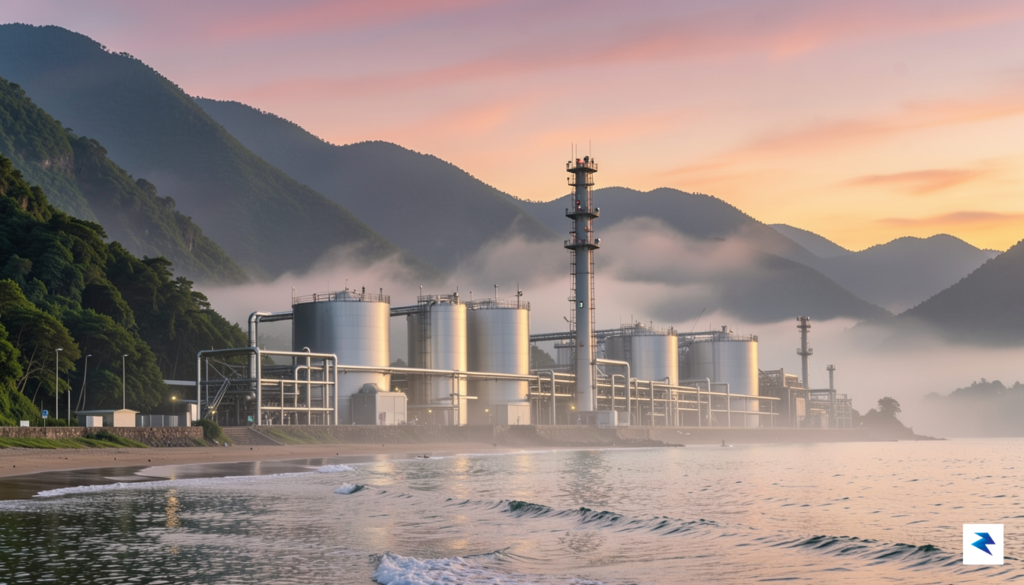
This move toward self-reliance is also fostering a new, pragmatic form of regional cooperation. Rather than competing solely for scarce supplies, neighboring countries are beginning to explore bilateral energy-sharing agreements and joint-stockpile initiatives to maximize the efficiency of their collective buffers. This emerging trend of energy diplomacy suggests that the future of regional security may lie in collective resilience, where nations coordinate their procurement strategies to prevent panic-buying that could otherwise drive prices to unsustainable levels. As individual country reserves grow, they serve as a stabilizer, providing a regional safety net that discourages opportunistic price manipulation by external suppliers and promotes a more predictable economic environment for trade.
Energy independence is no longer merely a matter of economic policy; it has become the bedrock of national sovereignty in an era defined by unpredictable supply chain shocks.
Looking ahead, this transition marks the beginning of a proactive era in Asian economic diplomacy, where energy security is explicitly linked to broader geopolitical influence. By reducing their exposure to the unpredictable ripple effects of conflicts like the ongoing Iran war, Asian states are carving out a greater degree of strategic maneuverability on the world stage. This transition represents a permanent departure from the vulnerability of the past, signaling a future where regional powers are better equipped to withstand global instability through sheer logistical preparedness. Ultimately, the development of these robust energy buffers is not merely a defensive reaction to current crises, but a forward-looking strategy that ensures long-term industrial growth and political stability in an increasingly fragmented global market.
You must be logged in to post a comment.